Loading…
Loading video…

167,918 views
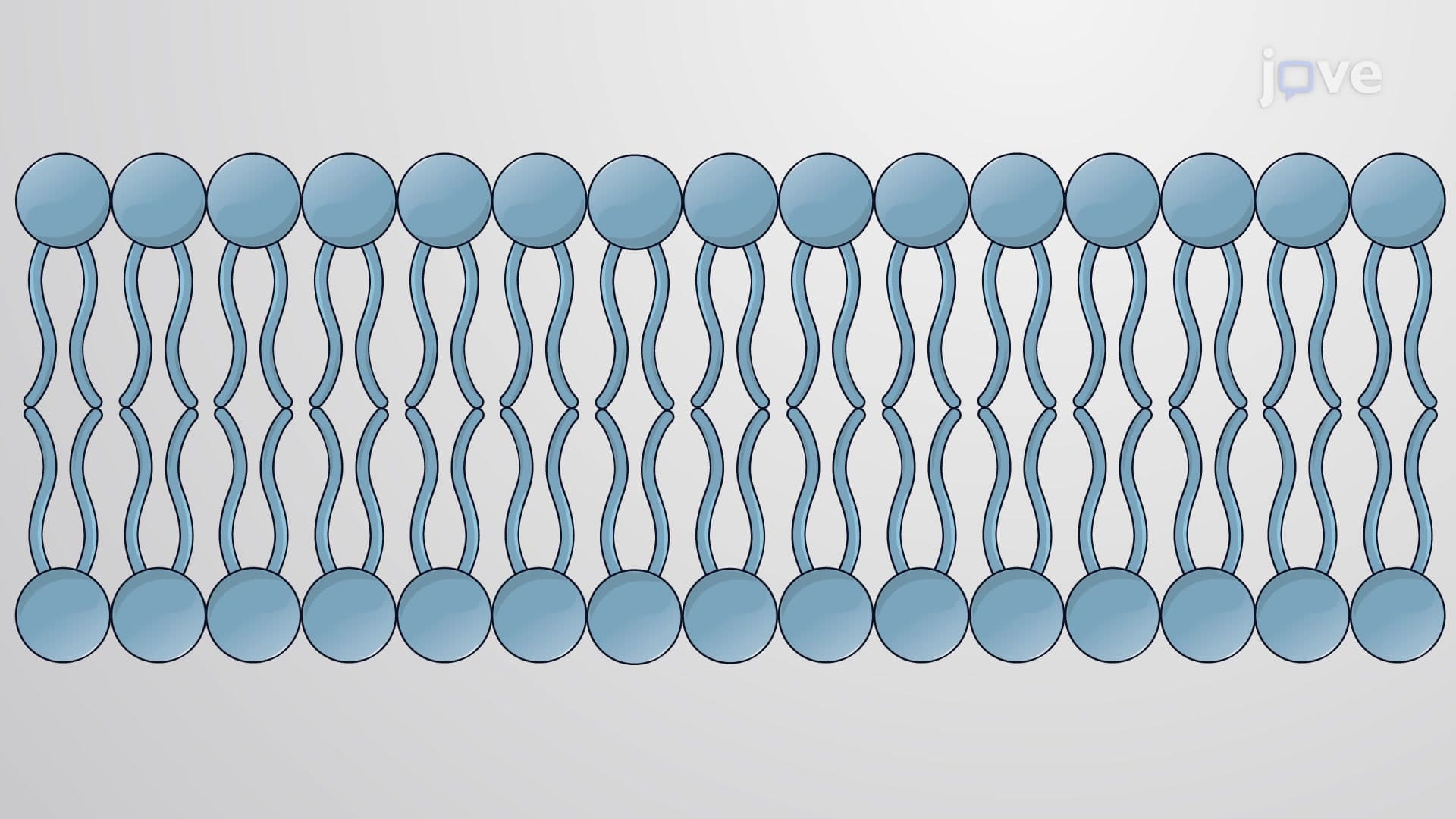
Every second, your brain cells communicate through membranes that are just 7 nanometers thick—that's 10,000 times thinner than human hair! Understanding cell membrane structure function is crucial for grasping how neurons in Stanford Medical School laboratories transmit signals during groundbreaking Alzheimer's research. These remarkable biological barriers, explored in What Are Membranes? Structure, Composition, and Function, control everything entering and leaving cells through their unique phospholipid architecture. Watch the full video on JoVE Coach to master this concept with expert-led visuals and step-by-step explanations.
Biological membrane explained concepts begin with recognizing that cell membranes are dynamic, selective barriers essential for life. These structures maintain cellular integrity while enabling controlled molecular transport—a balance critical for everything from nutrient absorption in your intestines to nerve signal transmission in your spinal cord.
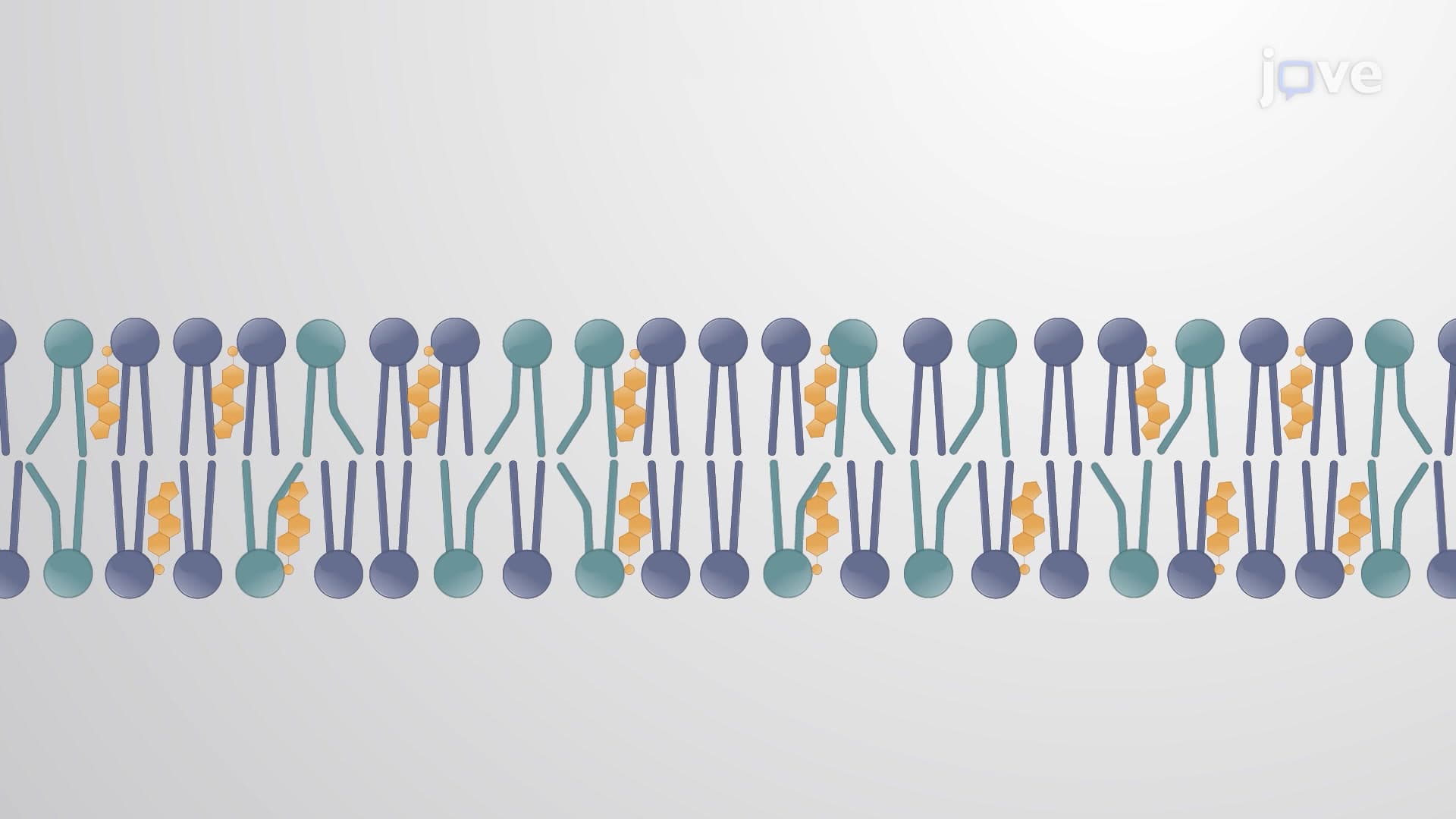
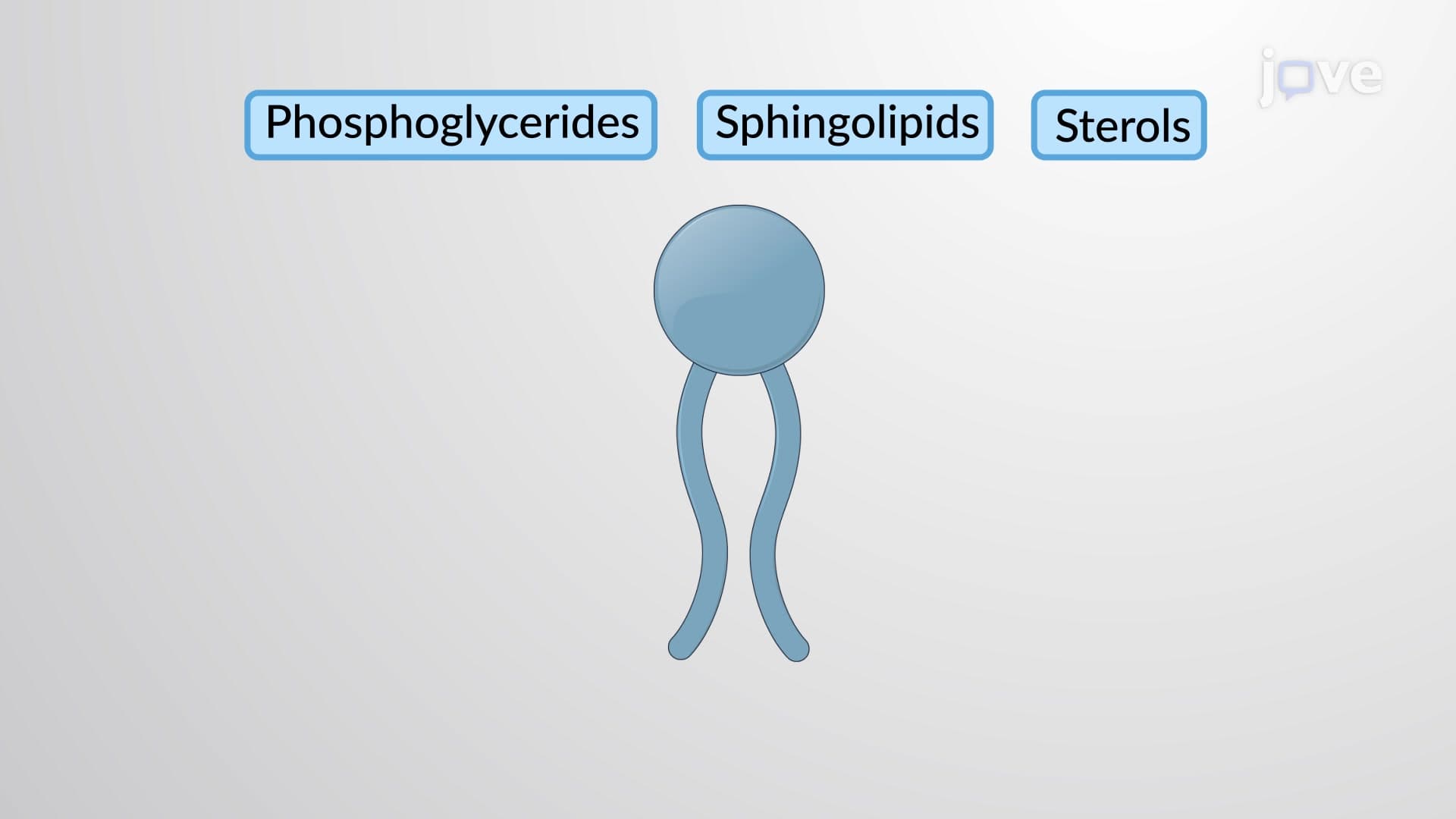
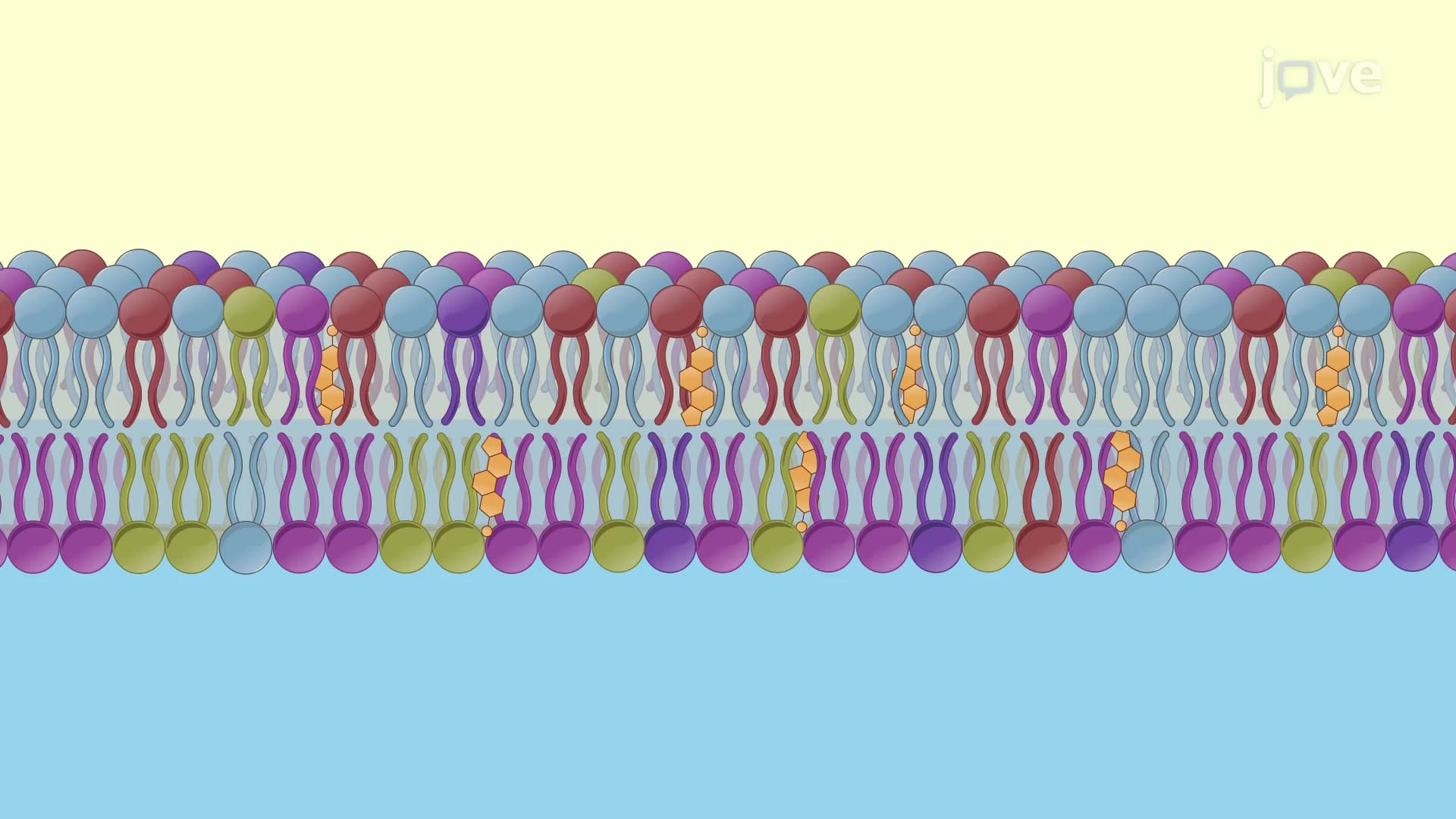
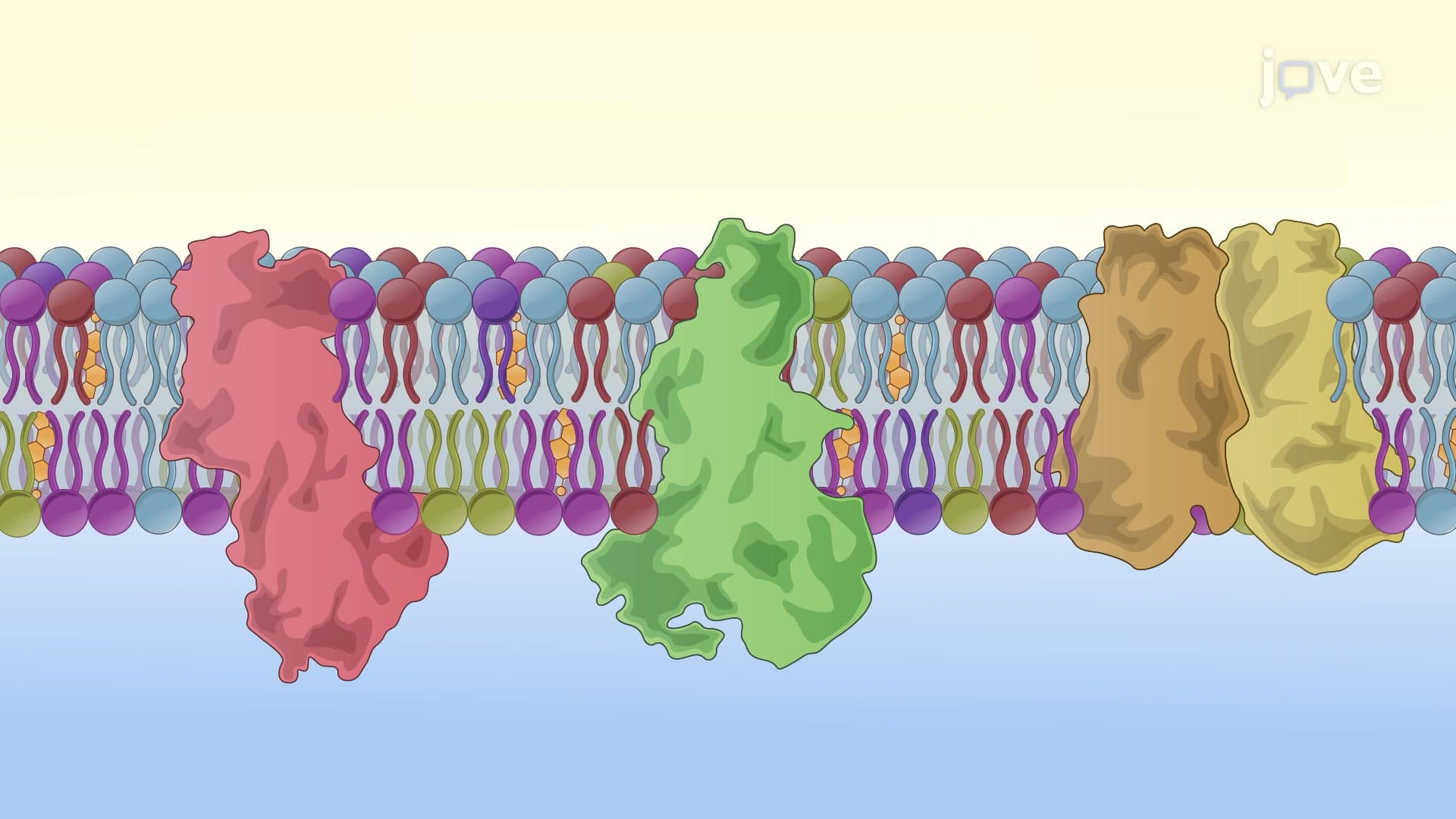
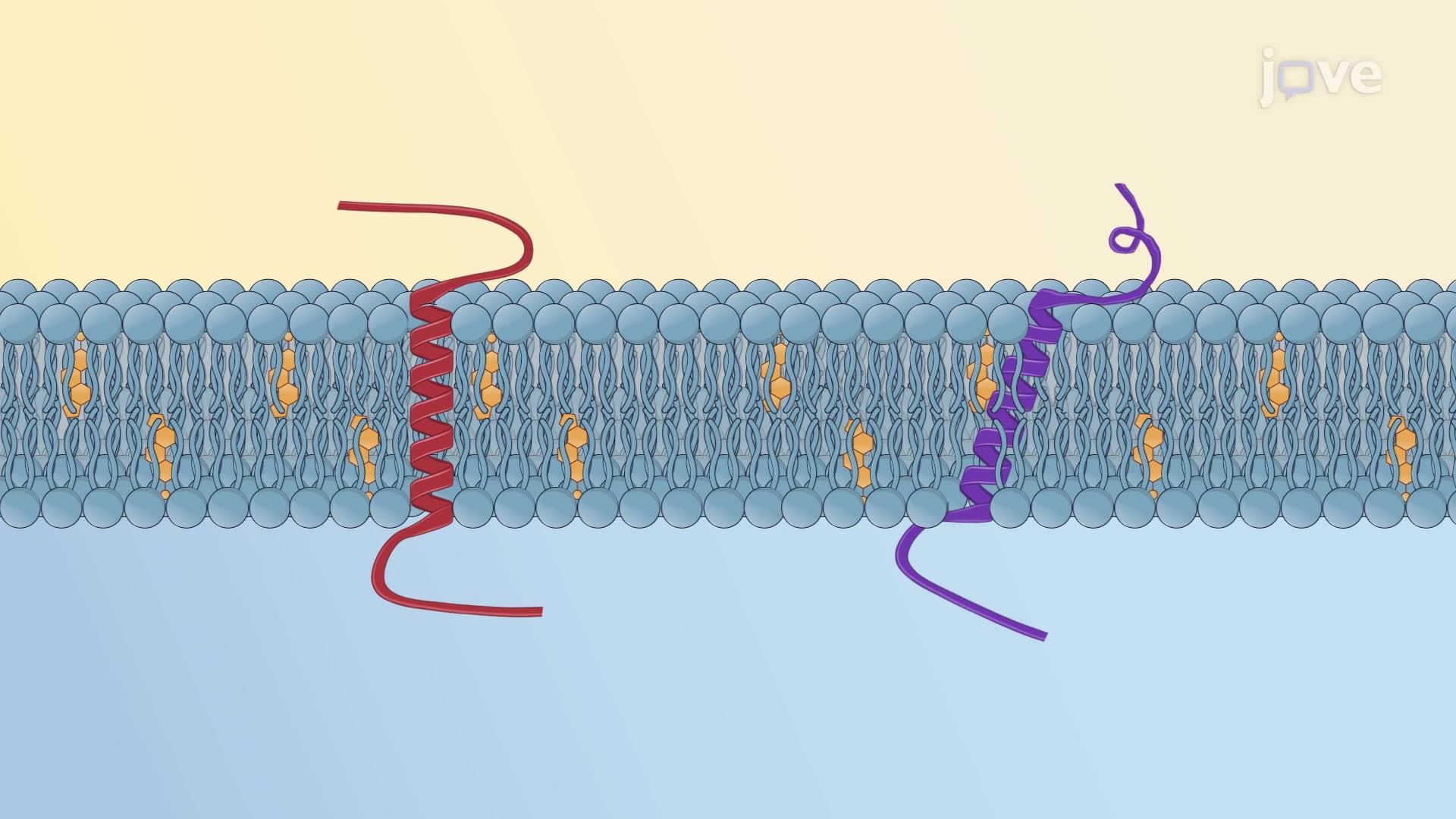
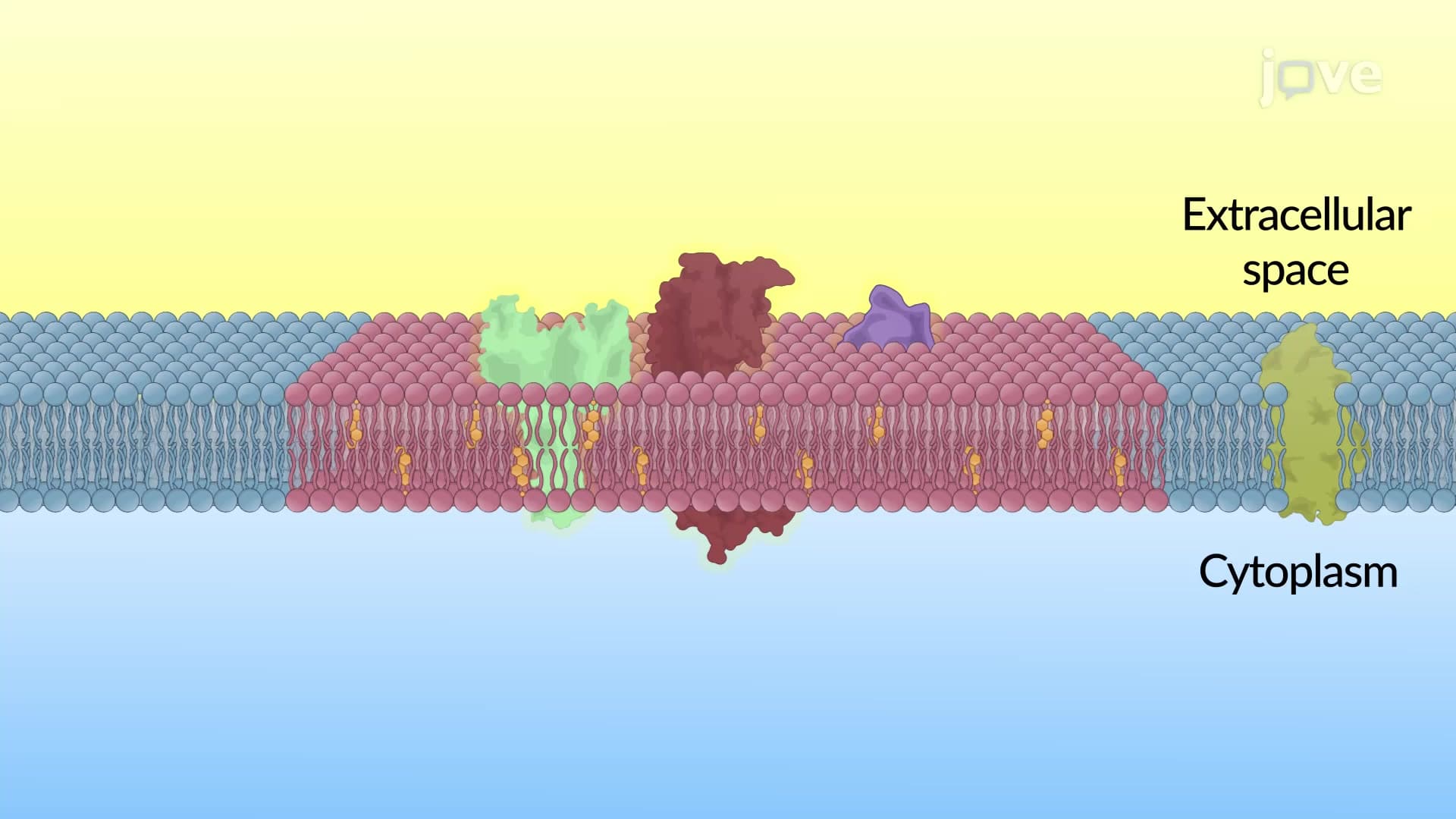
The phospholipid bilayer membrane forms spontaneously due to the amphipathic nature of phospholipids—molecules with both water-loving (hydrophilic) and water-fearing (hydrophobic) regions. In aqueous environments like those found in human blood plasma, phospholipids automatically arrange into bilayers approximately 7 nanometers thick. The polar phosphate heads face the watery cytoplasm and extracellular fluid, while fatty acid tails cluster together, creating a hydrophobic core that serves as a barrier to most water-soluble molecules.
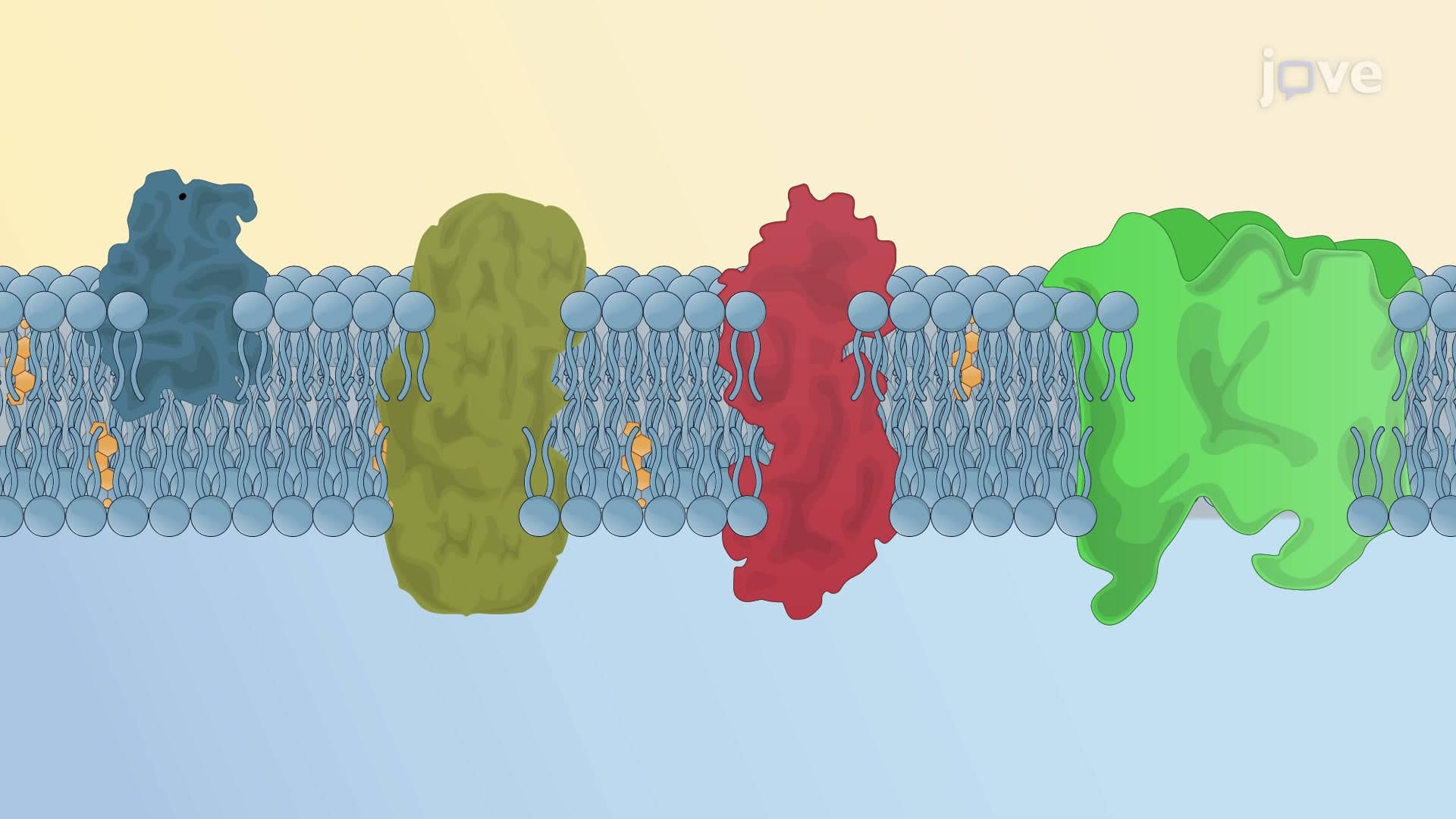
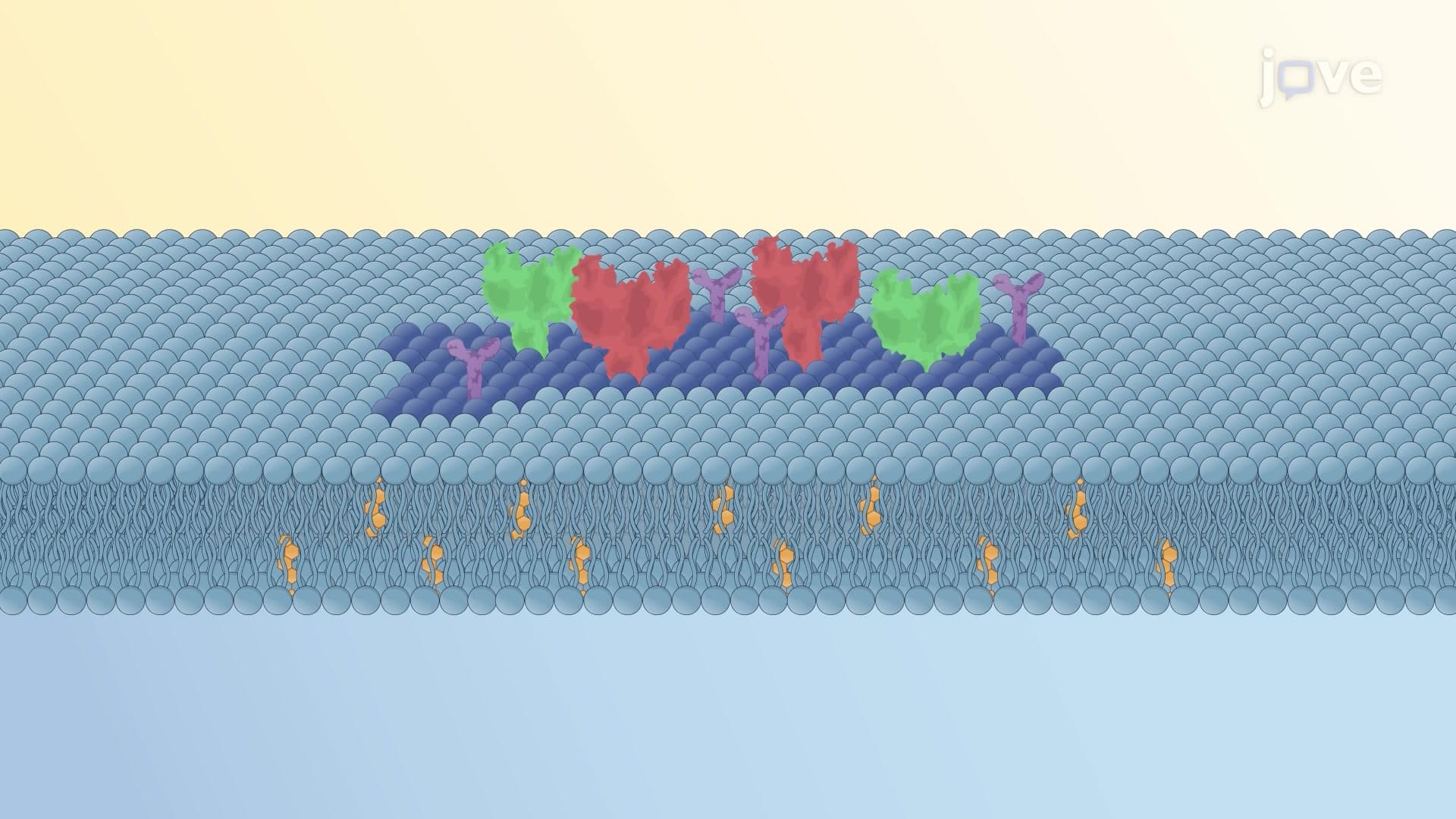
This arrangement isn't static. The fluid mosaic model membrane describes how phospholipids constantly move laterally within each layer, creating a flexible structure that can bend, fuse, and repair itself. Temperature affects membrane fluidity—cholesterol molecules embedded between phospholipids help maintain optimal fluidity in human body temperatures, which is why cholesterol-rich diets can impact cellular function.
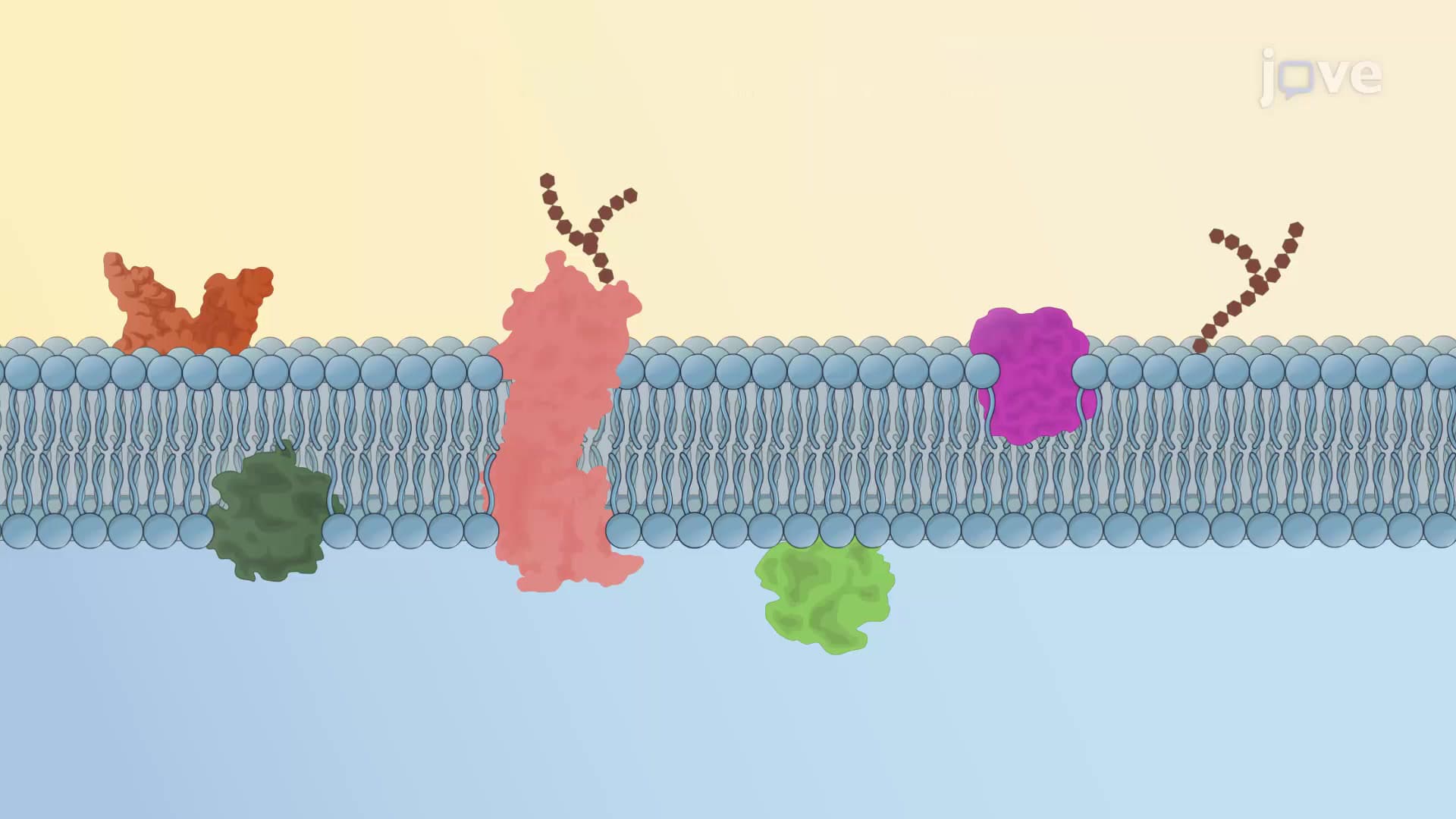
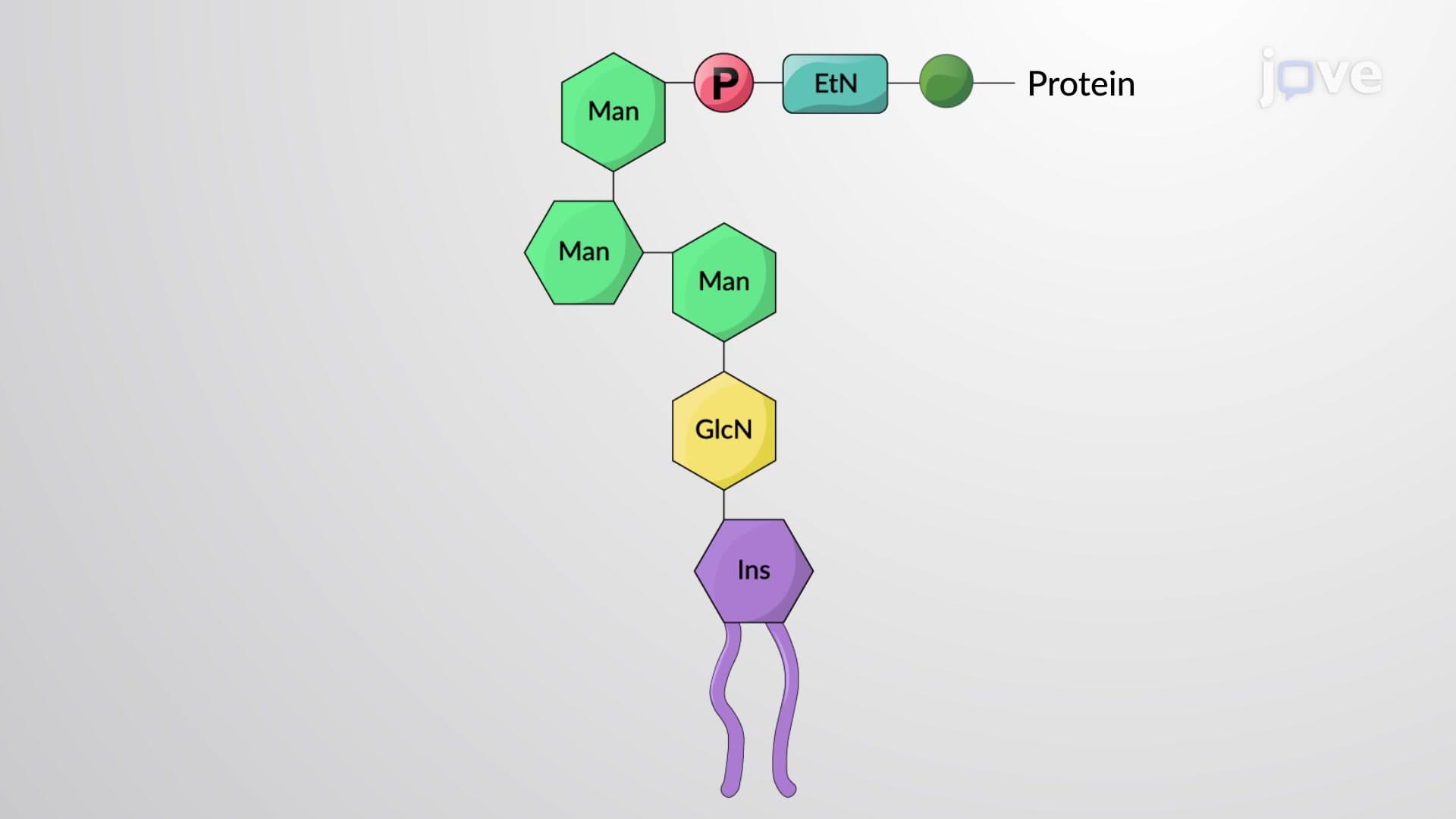
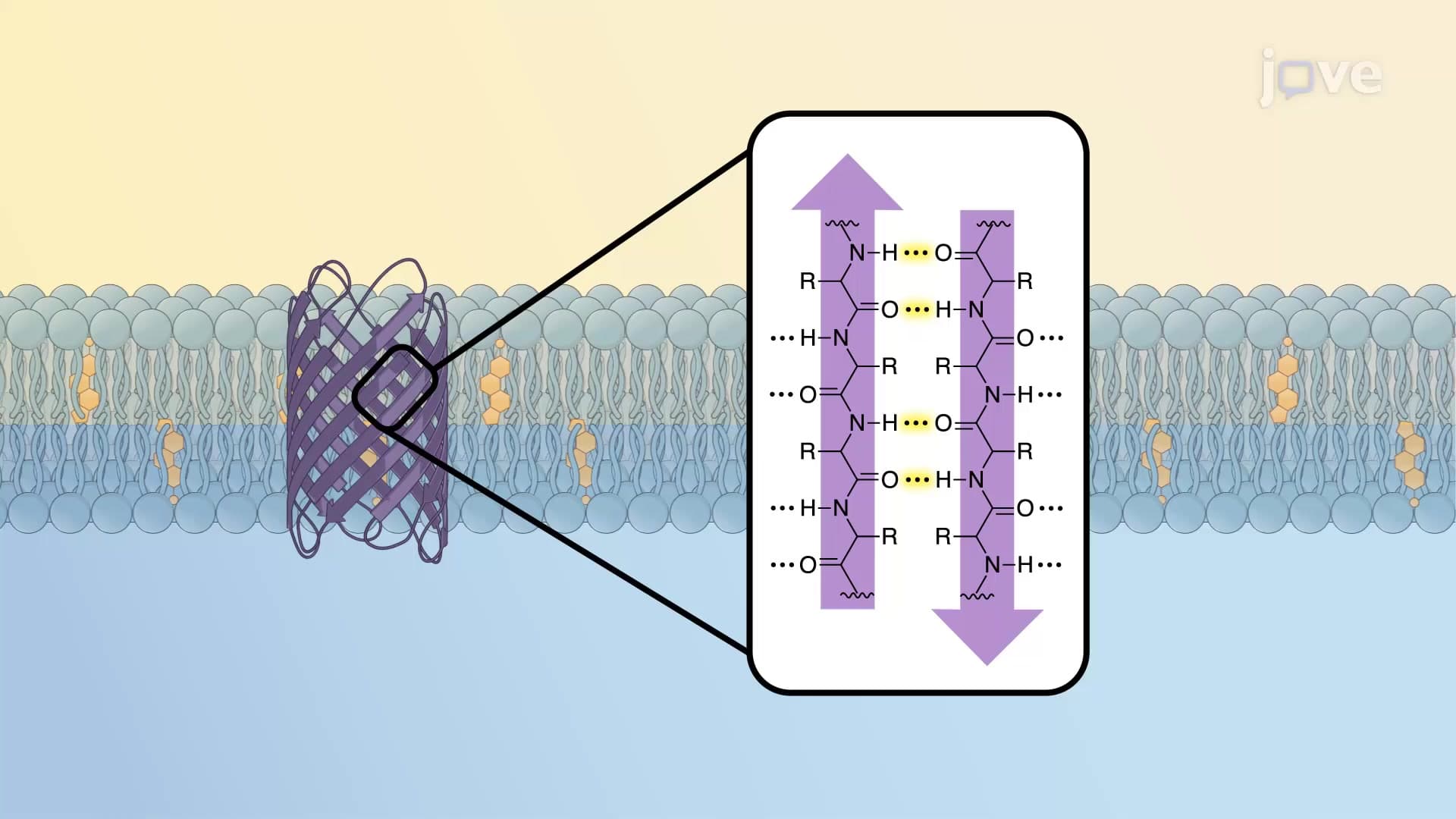
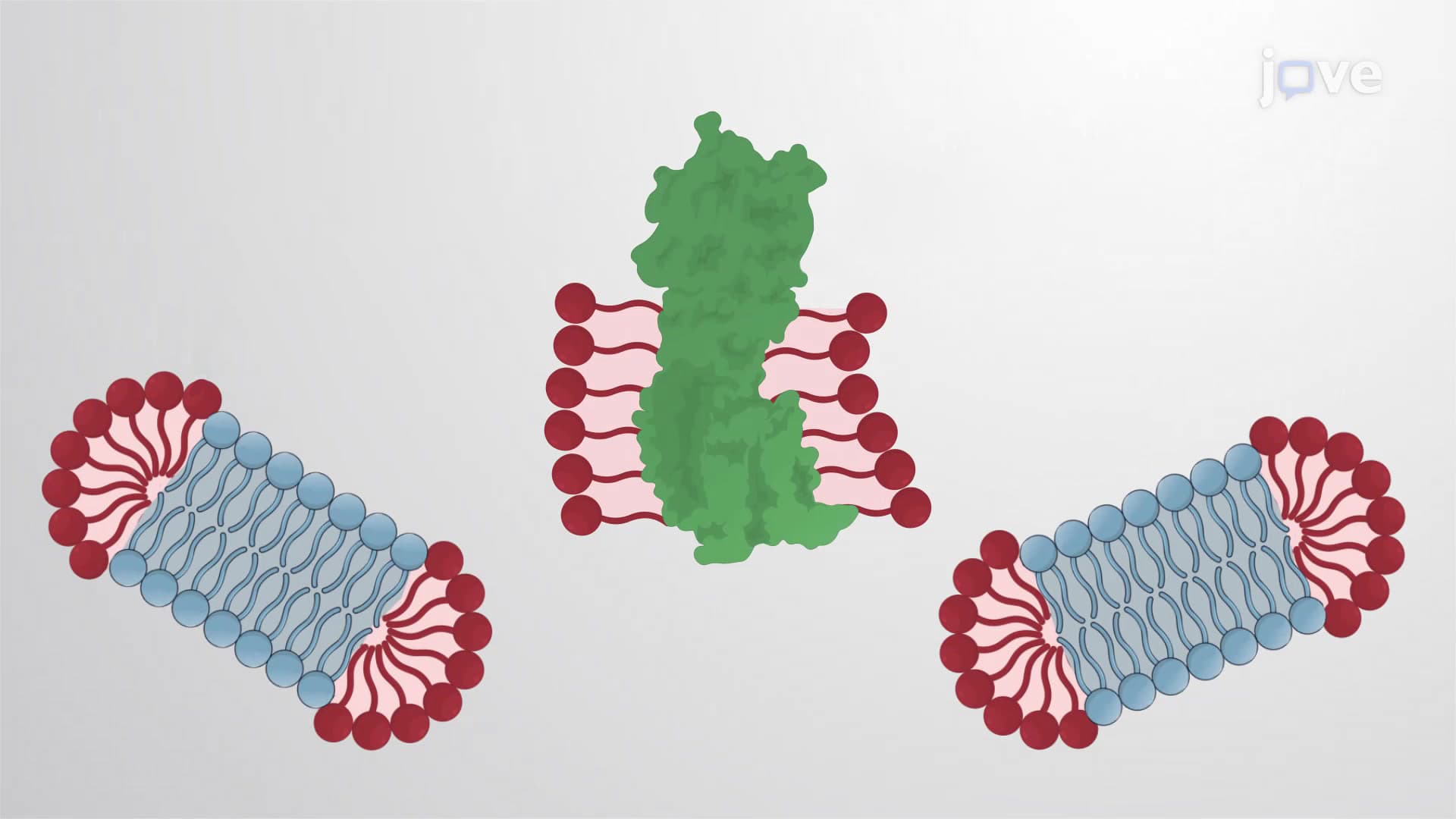
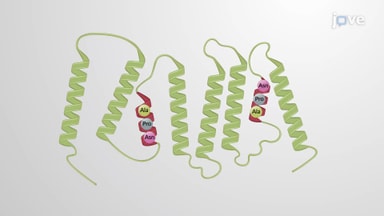
Membrane protein function encompasses three major categories that students encounter on AP Biology and MCAT exams. Receptor proteins, like those targeted by insulin in diabetes treatment, detect external signals and trigger internal cellular responses. Transport proteins create pathways for molecules that cannot cross the lipid bilayer independently—sodium-potassium pumps in your neurons consume about 20% of your body's energy maintaining electrical gradients essential for brain function.
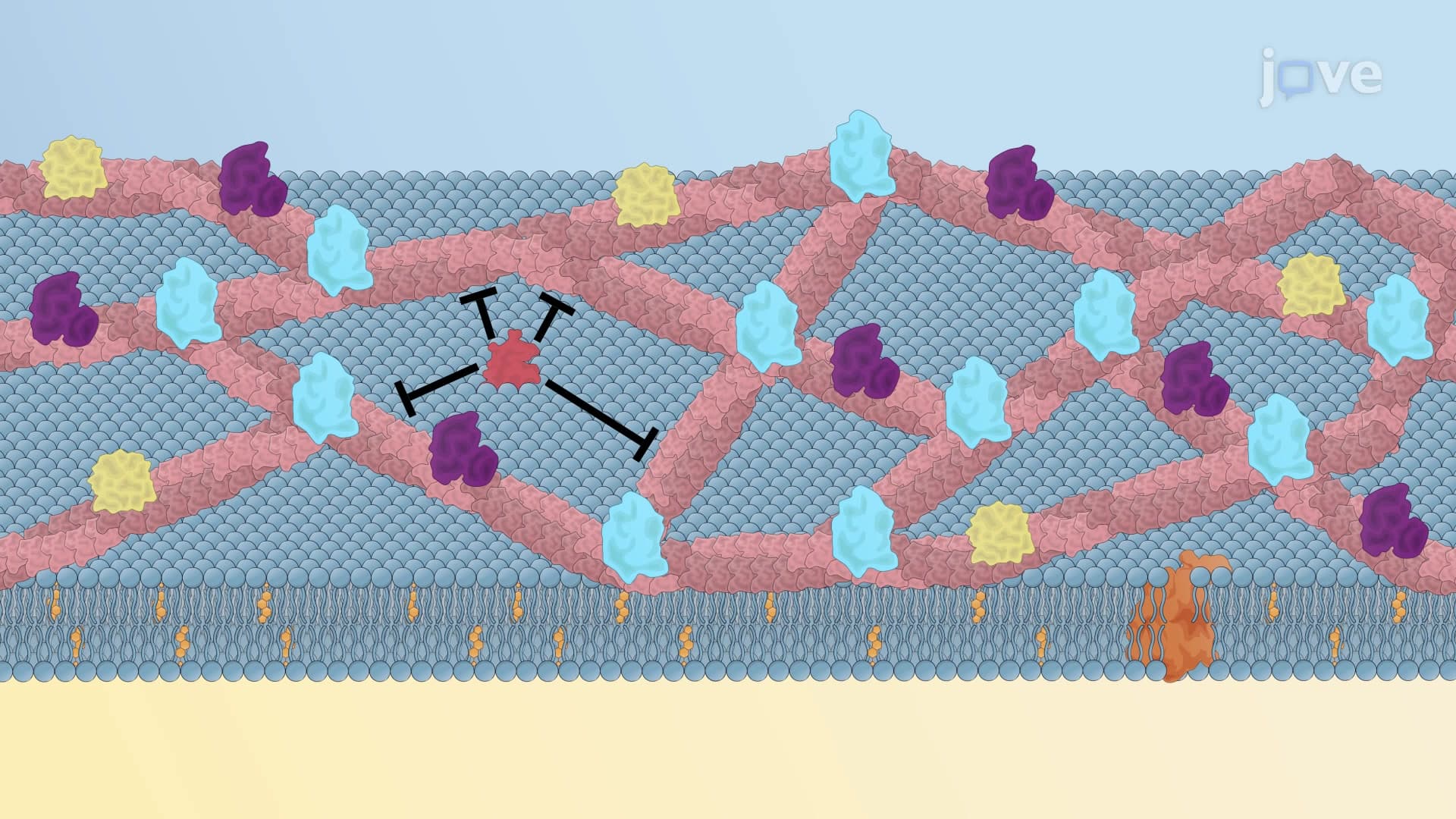
Structural proteins connect membranes to internal cytoskeletons or adjacent cells, forming tissues. Integrins, for example, help cancer researchers at Johns Hopkins understand how tumor cells break away from primary sites during metastasis.
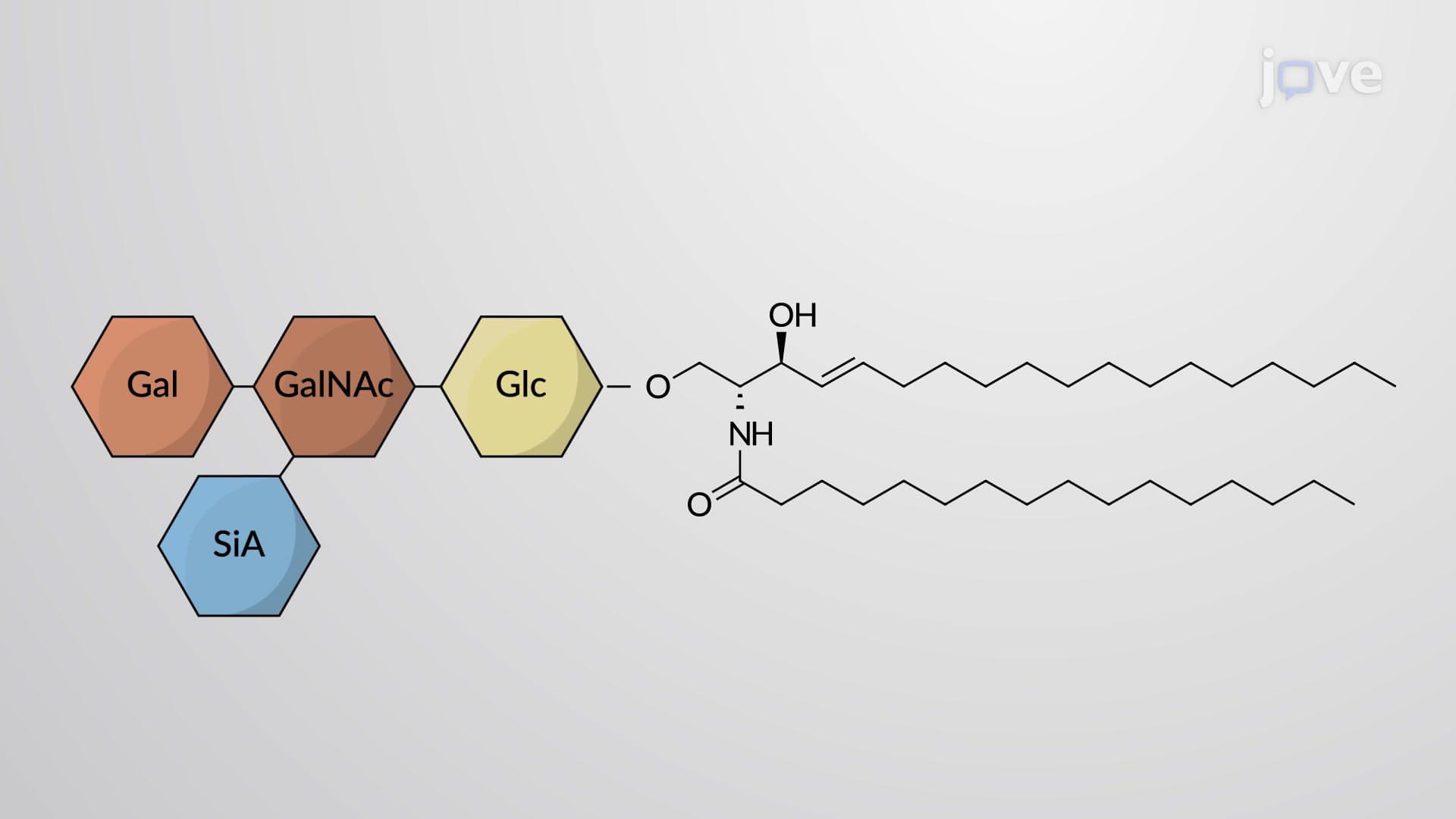
Membrane composition biology includes carbohydrates that form glycolipids and glycoproteins exclusively on the extracellular membrane surface. This asymmetric distribution creates a "glycocalyx"—a carbohydrate coating essential for blood type determination, immune system recognition, and fertilization processes. Medical students studying for the USMLE learn how ABO blood typing depends on specific glycoproteins that determine transfusion compatibility.
Understanding these concepts prepares students for advanced coursework in immunology, pharmacology, and molecular biology, where membrane function underlies drug action, disease mechanisms, and therapeutic interventions.
Frequently Asked Questions
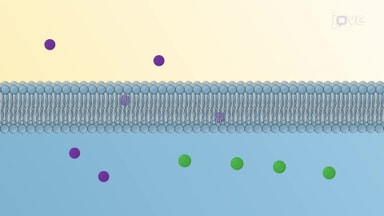
Membranes are selective barriers composed of phospholipids, proteins, and carbohydrates that enclose cells and organelles. They're crucial because they control what enters and exits cells, enable communication between cells, and maintain the chemical gradients necessary for life processes like nerve transmission and muscle contraction.
AP Biology exams often include multiple-choice questions about phospholipid orientation, free-response questions requiring explanations of transport mechanisms, and data analysis problems involving membrane permeability experiments. Students must understand both passive and active transport, as well as how membrane composition affects function.
The MCAT emphasizes transport mechanisms, membrane potential in neurons, and how drugs cross biological membranes. Students need to understand osmosis, facilitated diffusion, and active transport, plus how membrane composition affects permeability to different molecules.
Many medications work by interacting with membrane proteins—for example, beta-blockers used for heart conditions block membrane receptors, while anesthetics alter membrane permeability in nerve cells. Understanding membrane function helps explain how chemotherapy drugs selectively target rapidly dividing cancer cells.
Basic chemistry concepts about polar and nonpolar molecules are sufficient for understanding membrane structure. If you know that "like dissolves like" and can identify hydrophilic versus hydrophobic regions, you have the foundation needed to master membrane biology concepts.
Create associations with real examples: receptor proteins are like cellular "antennas" detecting hormones, transport proteins are like "doors" controlling molecular entry, and structural proteins are like "scaffolding" maintaining cell shape. Practice drawing the fluid mosaic model and labeling each component type.
Membrane concepts are foundational for immunology (antibody-antigen interactions), pharmacology (drug mechanisms), and cell biology (organelle function). Strong membrane knowledge makes advanced topics like signal transduction, metabolism, and molecular genetics much more accessible.
Explore membrane transport mechanisms in detail, including osmosis and tonicity effects on cells. Then investigate membrane potential and nerve signal transmission, followed by membrane-bound organelles like mitochondria and chloroplasts, which have unique membrane compositions supporting specialized functions.
Related Micro-courses
Related Subjects