Loading subject page…

- Civil Engineering
- Strength of Concrete
- Microcracking in Concrete
Micro-course: Strength of Concrete
6,266 views
Learn key concepts and earn your certificate.








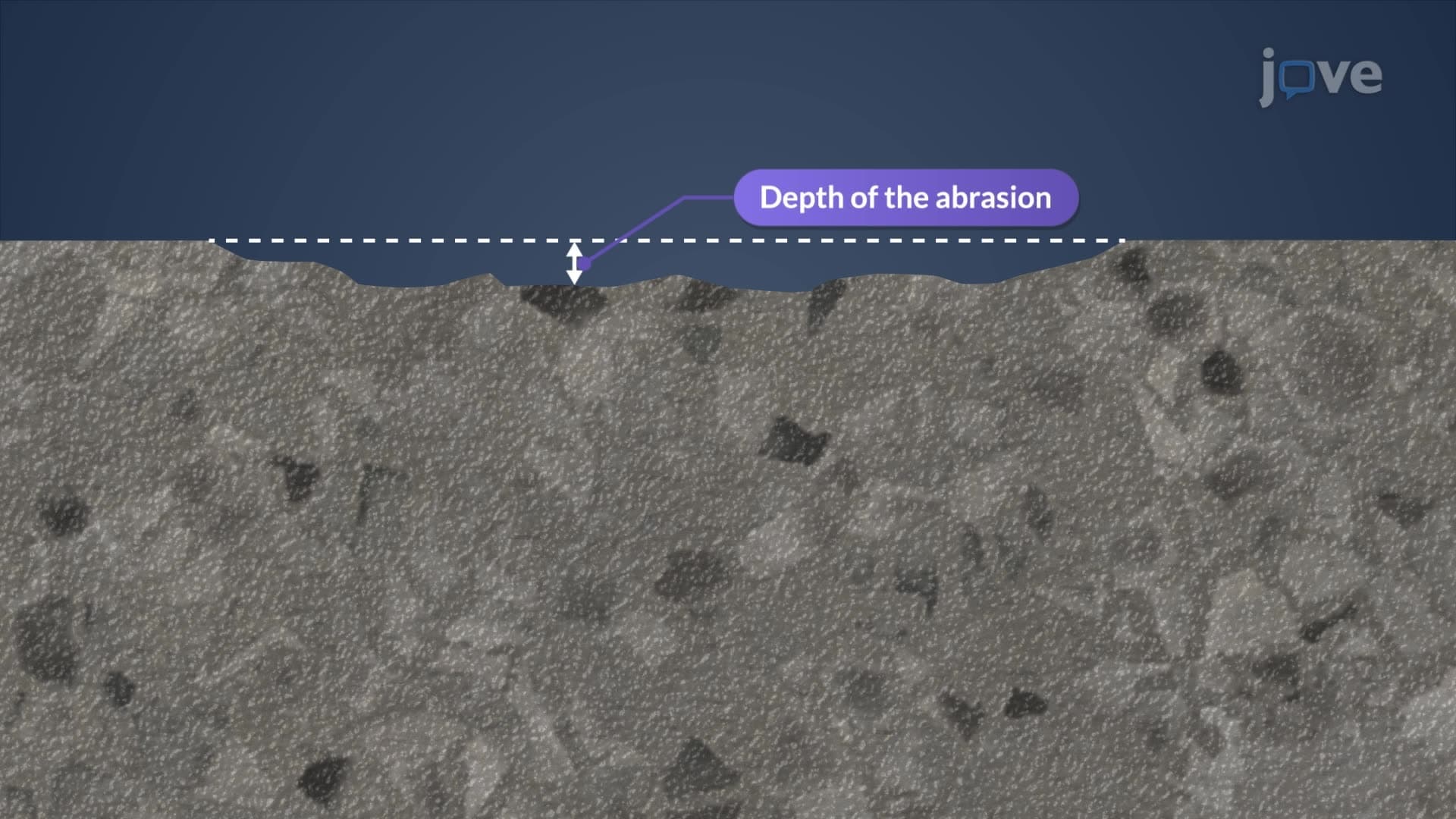
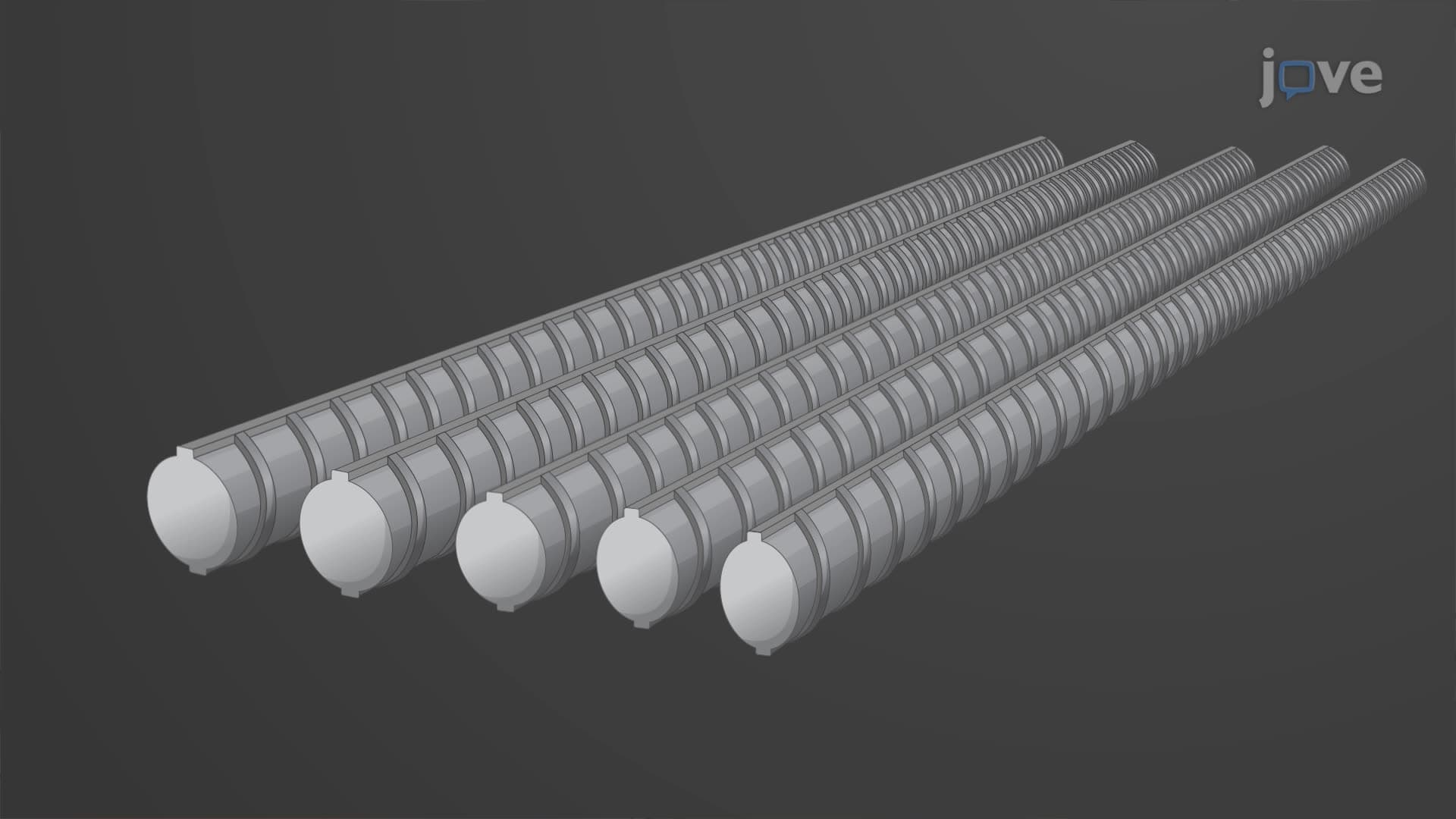

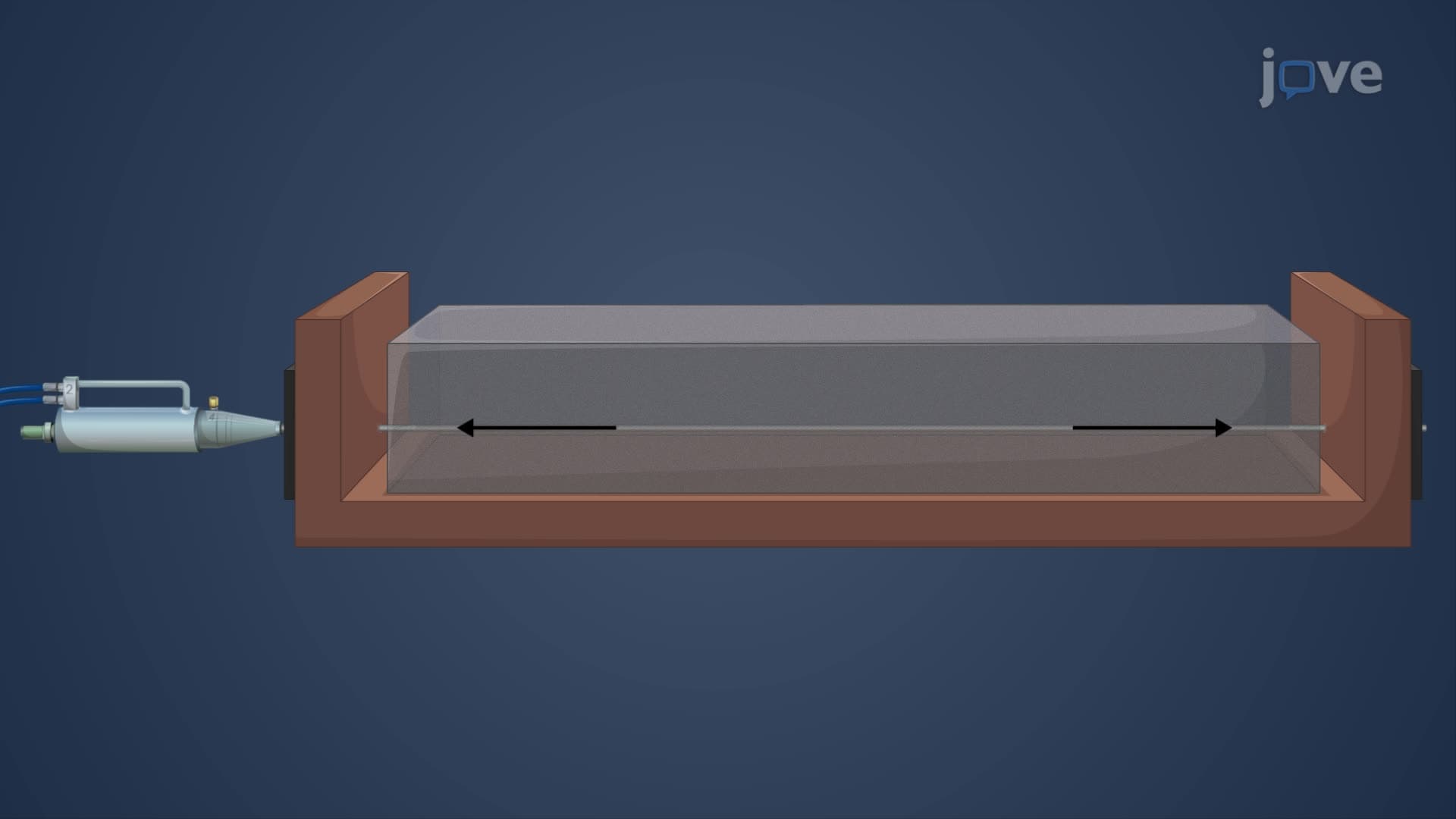
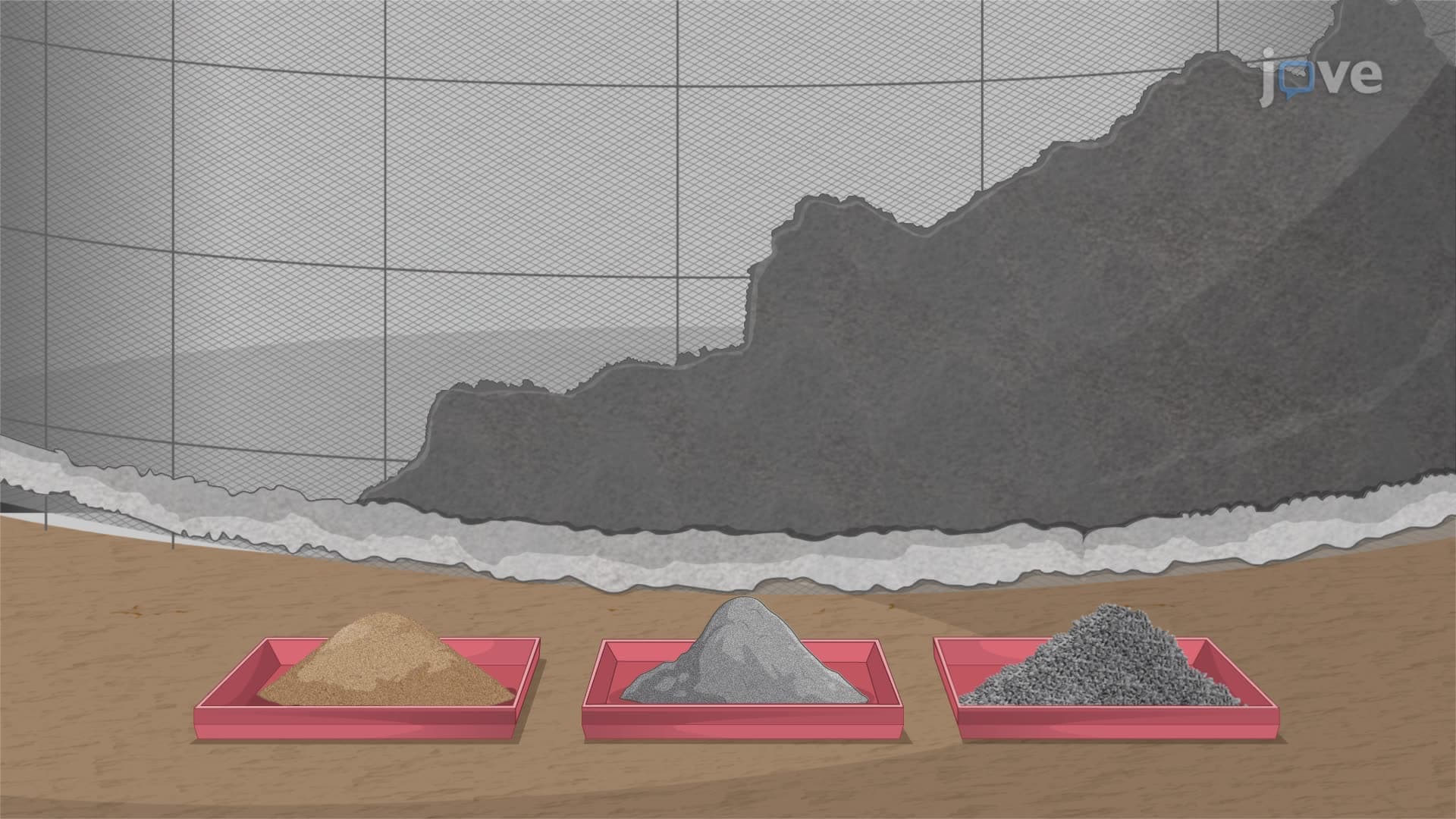
Microcracking in Concrete

00:00
01:20
Video Summary: What Is Microcracking in Concrete
Did you know that concrete begins developing tiny cracks even before engineers place any load on it? Microcracking in concrete represents one of the most critical failure mechanisms affecting structures from San Francisco's Golden Gate Bridge to New York's skyscrapers. These microscopic fractures start at the interface between cement paste and aggregate particles, remaining stable until stress levels reach about 30% of the concrete's maximum strength. Understanding what is microcracking in concrete helps engineers predict when structures might fail catastrophically. Watch the full video on JoVE Coach to master this concept with expert-led visuals and step-by-step explanations.
- Understand what is microcracking in concrete and how these microscopic fractures initiate at aggregate-cement paste interfaces even under zero applied load
- Identify the three distinct phases of crack development: initial microcrack formation (0-30% strength), bond crack propagation (30-70% strength), and matrix cracking (70-90% strength)
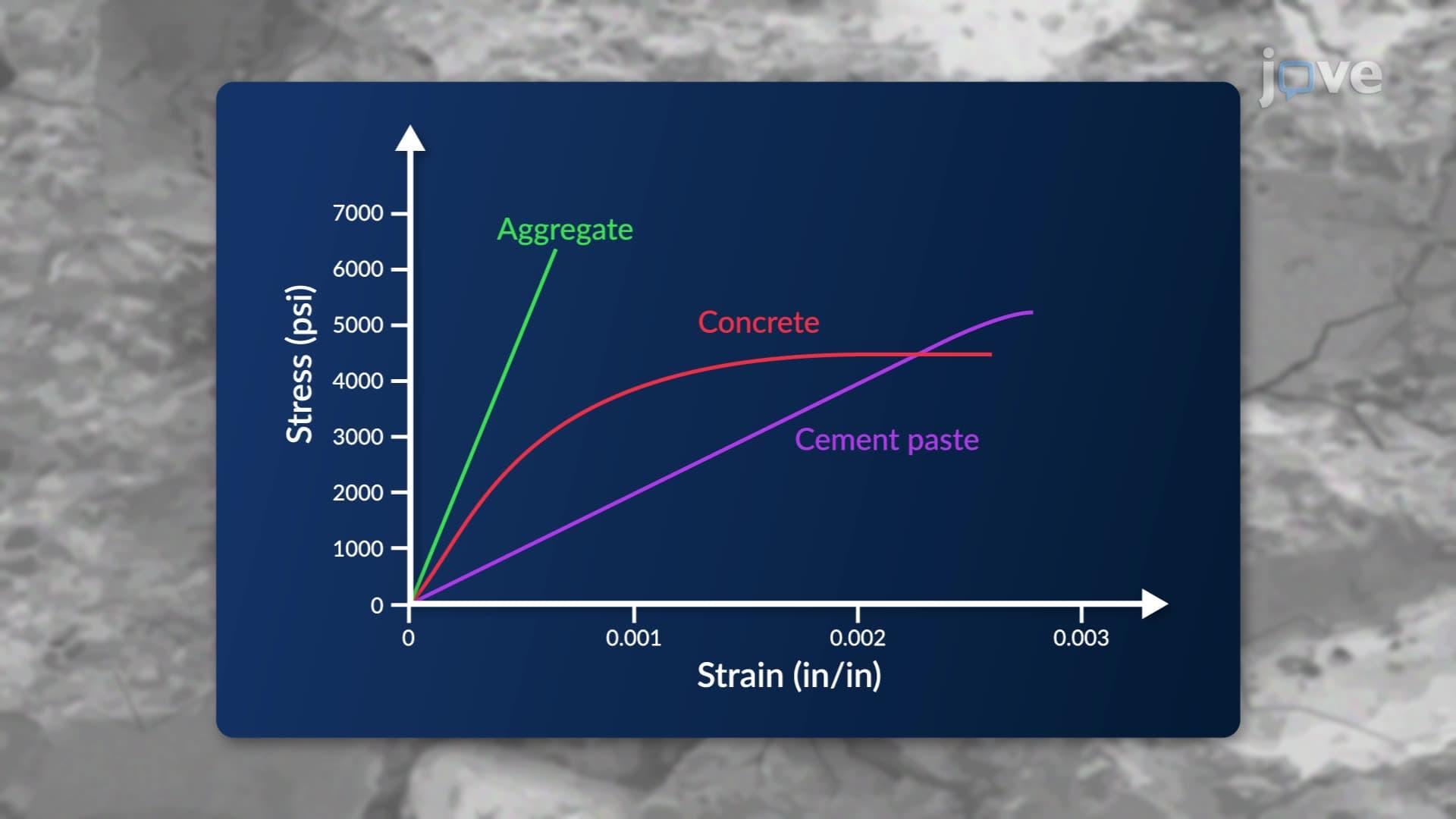
- Analyze how stress-strain curves reflect microcracking progression, particularly the curvilinear relationship indicating increasing strain rates relative to applied stress
- Recognize the critical 30% strength threshold where stable microcracks transition into actively growing bond cracks that compromise structural integrity
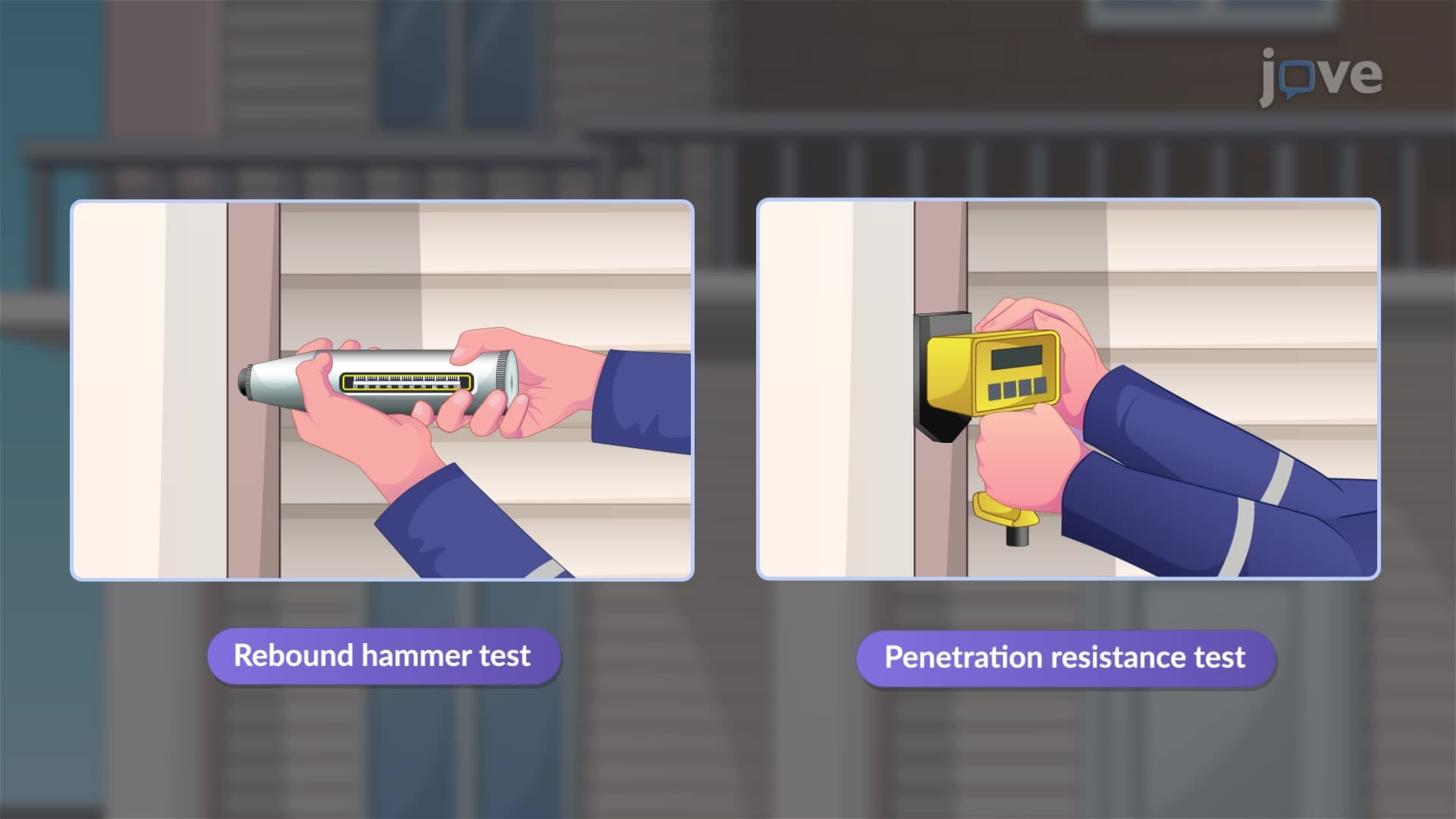
- Apply ultrasonic pulse velocity and acoustic emission testing methods to monitor crack progression in real concrete structures
- Evaluate the relationship between load percentage and crack behavior to predict potential failure points in concrete elements
- Compare microcracking patterns in mortar matrix versus aggregate-paste interfaces to understand failure mechanisms
- Explore how microcracking knowledge applies to structural engineering design and quality control testing procedures
Understanding Microcracking in Concrete Fundamentals
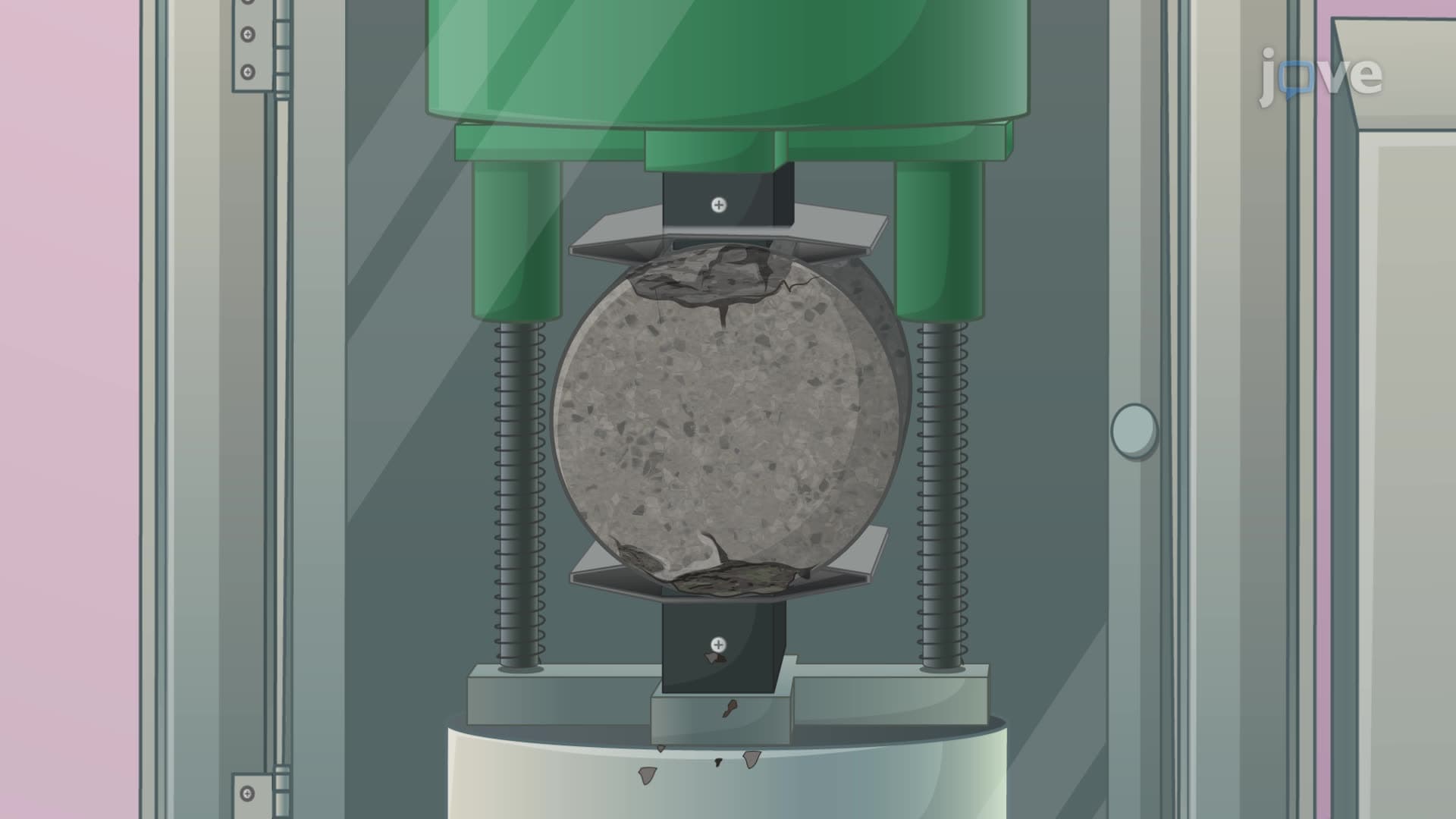
Microcracking in concrete represents a progressive failure mechanism that begins long before visible damage appears on structural surfaces. Unlike the common misconception that concrete cracks only under excessive loads, these microscopic fractures develop naturally during the curing process due to differential shrinkage between cement paste and aggregate particles. The phenomenon occurs because cement paste and coarse aggregates have different thermal expansion coefficients and elastic moduli, creating internal stresses even in unloaded concrete.
This concept frequently appears in Advanced Placement (AP) Physics courses when students study material properties, and in college-level structural engineering classes where understanding failure mechanisms is crucial for design calculations. Students preparing for engineering entrance exams often encounter microcracking questions that test their understanding of stress-strain relationships and material behavior under progressive loading.
The Three-Phase Progression of Concrete Microcracking
The development of microcracking in concrete follows a predictable three-phase pattern that engineers use to assess structural reliability. During Phase 1 (0-30% of ultimate strength), pre-existing microcracks remain stable and dormant. These initial fractures typically measure less than 0.1 millimeters and pose no immediate structural concern. California's seismic building codes specifically account for this phase when establishing safety factors for earthquake-resistant construction.
Phase 2 (30-70% ultimate strength) marks the critical transition where stable microcracks become active bond cracks. These fractures grow in length, width, and frequency along aggregate-paste interfaces, fundamentally altering the concrete's stress-strain behavior. The previously linear relationship becomes curvilinear, indicating that strain increases disproportionately to applied stress. This phase is particularly important for students studying materials science, as it demonstrates how microscopic changes affect macroscopic mechanical properties.
Matrix Cracking and Structural Failure Prediction
Phase 3 (70-90% ultimate strength) involves matrix cracking through the cement paste itself, connecting previously isolated bond cracks into continuous fracture networks. At this stage, concrete approaches imminent failure as load-bearing capacity diminishes rapidly. Understanding this progression helps structural engineers in cities like Houston and Miami design concrete structures that can withstand both dead loads and environmental stresses like thermal cycling and humidity changes.
Non-Destructive Testing and Practical Applications
Modern construction projects employ ultrasonic pulse velocity testing and acoustic emission monitoring to track microcracking in concrete development without damaging structures. As cracks propagate, ultrasonic waves travel more slowly through the material, while acoustic emissions increase due to internal fracture activity. The Federal Highway Administration uses these techniques to assess bridge deck conditions across the interstate system, making this knowledge directly applicable to civil engineering careers and infrastructure maintenance.
Frequently Asked Questions
Microcracking in concrete refers to microscopic fractures that develop at interfaces between cement paste and aggregate particles, often invisible to the naked eye. Unlike visible surface cracks that indicate advanced structural damage, microcracks exist even in newly cured concrete and remain stable under normal loading conditions. They only become problematic when stress levels exceed 30% of the concrete's ultimate strength, at which point they begin growing and connecting to form larger fractures.
AP Physics and college exams typically test microcracking concepts through stress-strain curve analysis and material property calculations. Students might encounter problems asking them to identify the transition from linear to curvilinear behavior on stress-strain graphs, or calculate the 30% strength threshold where stable microcracks become active bond cracks. MCAT test-takers studying biomaterials may see analogous questions about bone microcracking under repetitive loading.
Focus on memorizing the three critical stress percentages: 30% (stable to active crack transition), 70-90% (matrix cracking initiation), and 100% (ultimate failure). Practice sketching stress-strain curves showing the curvilinear relationship that develops during Phase 2 crack propagation. For standardized tests like the Fundamentals of Engineering (FE) exam, emphasize the relationship between ultrasonic pulse velocity changes and crack development progression.
Microcracking concepts are highly accessible to high school students with basic physics knowledge of stress, strain, and material properties. The three-phase progression model provides a clear framework that doesn't require complex mathematical calculations. Students who understand how materials behave under force (covered in introductory physics) can easily grasp how microscopic cracks develop and grow in concrete structures.
Microcracking significantly impacts major US infrastructure projects, from subway tunnels in Washington DC's Metro system to highway overpasses along Interstate 95. The phenomenon affects concrete durability in harsh environments like Minnesota's freeze-thaw cycles or Florida's salt-air coastal conditions. Understanding microcracking helps engineers design longer-lasting structures and predict maintenance schedules for critical infrastructure like dam spillways and airport runways.
Ultrasonic pulse velocity testing measures how quickly sound waves travel through concrete, with slower velocities indicating crack development. As microcracks grow and connect, they create barriers that deflect ultrasonic pulses, increasing travel time through the material. Acoustic emission testing detects the actual sound of cracks forming and growing, providing real-time monitoring of structural integrity in buildings and bridges across the United States.
Structural engineering, civil engineering, and materials science programs extensively cover microcracking concepts in courses like "Mechanics of Materials" and "Concrete Design." Career paths including structural consulting, construction quality control, and infrastructure inspection require this knowledge. Students pursuing Professional Engineer (PE) licensing must understand microcracking for both the FE and PE examinations, particularly in structural and civil engineering disciplines.
Students should investigate fatigue cracking under cyclic loading, corrosion-induced cracking in reinforced concrete, and advanced non-destructive testing methods like ground-penetrating radar. Exploring fiber-reinforced concrete and self-healing concrete technologies provides insight into modern solutions for microcracking challenges. These advanced topics frequently appear in graduate-level structural engineering courses and professional development seminars for practicing engineers.
Related Micro-courses

12 Concepts

6 Concepts

12 Concepts