Loading subject page…

- Civil Engineering
- Open Channel Flow
- Uniform Depth Channel Flow
Micro-course: Open Channel Flow
2,601 views
Learn key concepts and earn your certificate.



Uniform Depth Channel Flow


00:00
01:27
Video Summary: What Is Uniform Depth Channel Flow
Ever wondered how engineers keep the Colorado River flowing steadily through the Grand Canyon's channels? Understanding uniform depth channel flow problem solving is crucial for designing everything from irrigation systems to flood control channels across the United States. This fundamental concept in fluid mechanics explains how water maintains consistent depth by perfectly balancing gravitational potential energy with friction losses along channel walls. What is Uniform Depth Channel Flow becomes essential when analyzing real applications like the California Aqueduct system that supplies water to millions of residents. Watch the full video on JoVE Coach to master this concept with expert-led visuals and step-by-step explanations.
- Understand What is Uniform Depth Channel Flow and how energy balance principles maintain constant water depth in open channels
- Identify the key factors that influence velocity distribution in uniform flow, including wall shear stress and wetted perimeter effects
- Analyze the relationship between hydraulic radius, channel slope, and flow characteristics using fundamental equations
- Compare the Chezy equation and Manning equation approaches for calculating flow velocity in different channel types
- Evaluate when to apply each equation based on channel conditions, from engineered concrete channels to natural riverbeds
- Apply uniform depth flow principles to solve practical engineering problems involving flow rate and channel design
- Recognize how surface roughness coefficients affect flow calculations and channel performance
- Explore the connection between theoretical uniform flow concepts and real-world hydraulic engineering applications
Understanding What is Uniform Depth Channel Flow
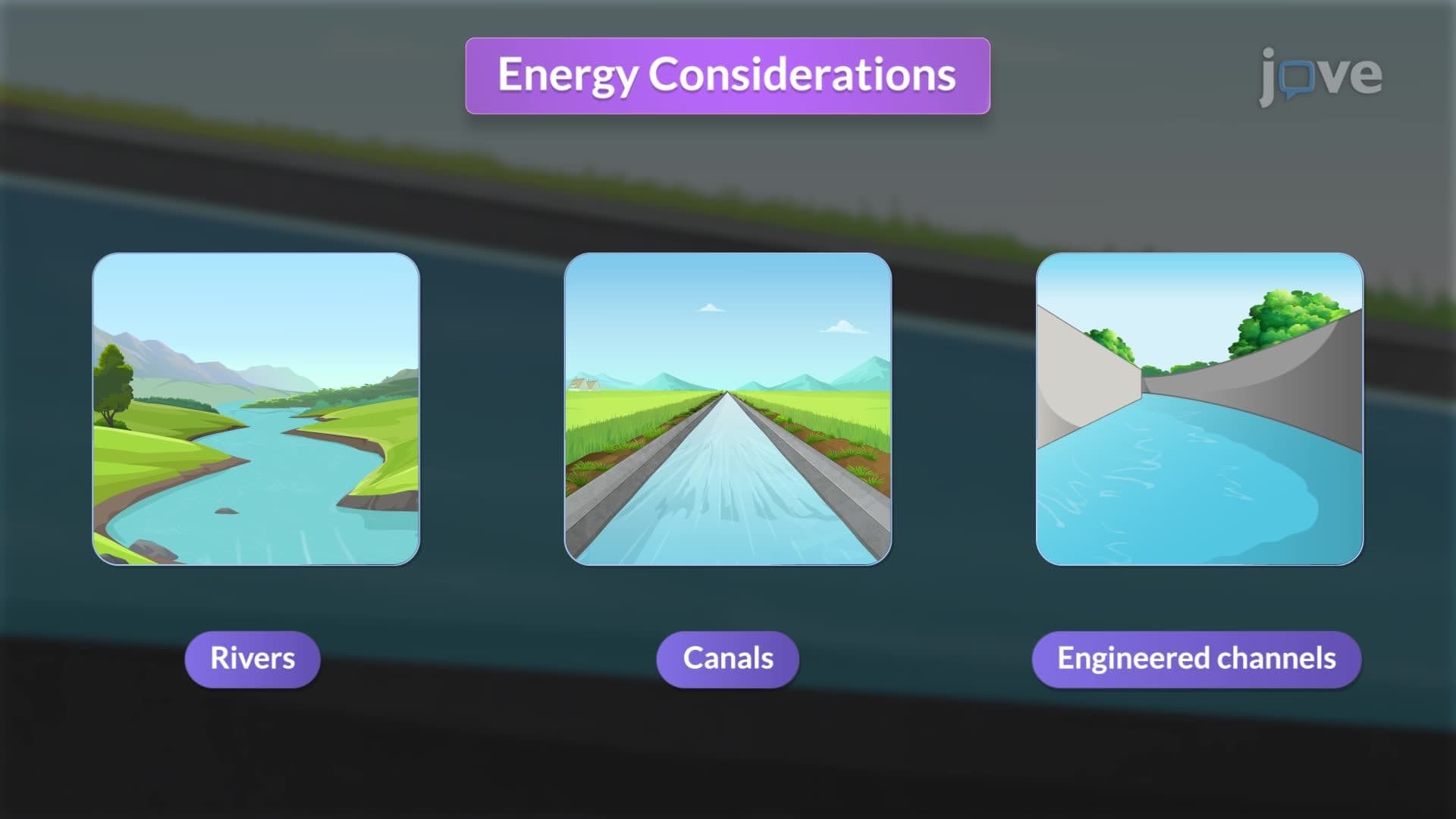
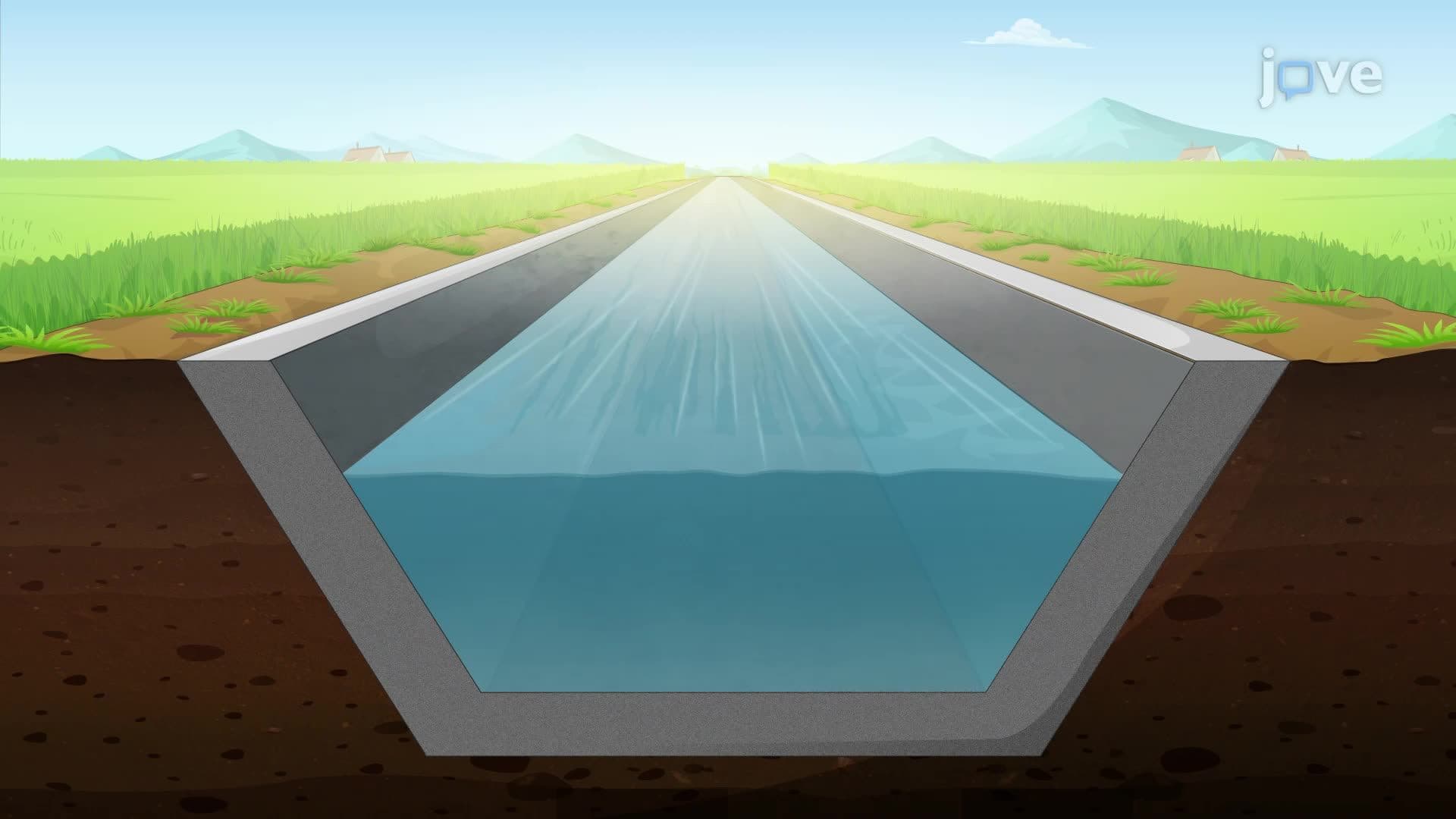
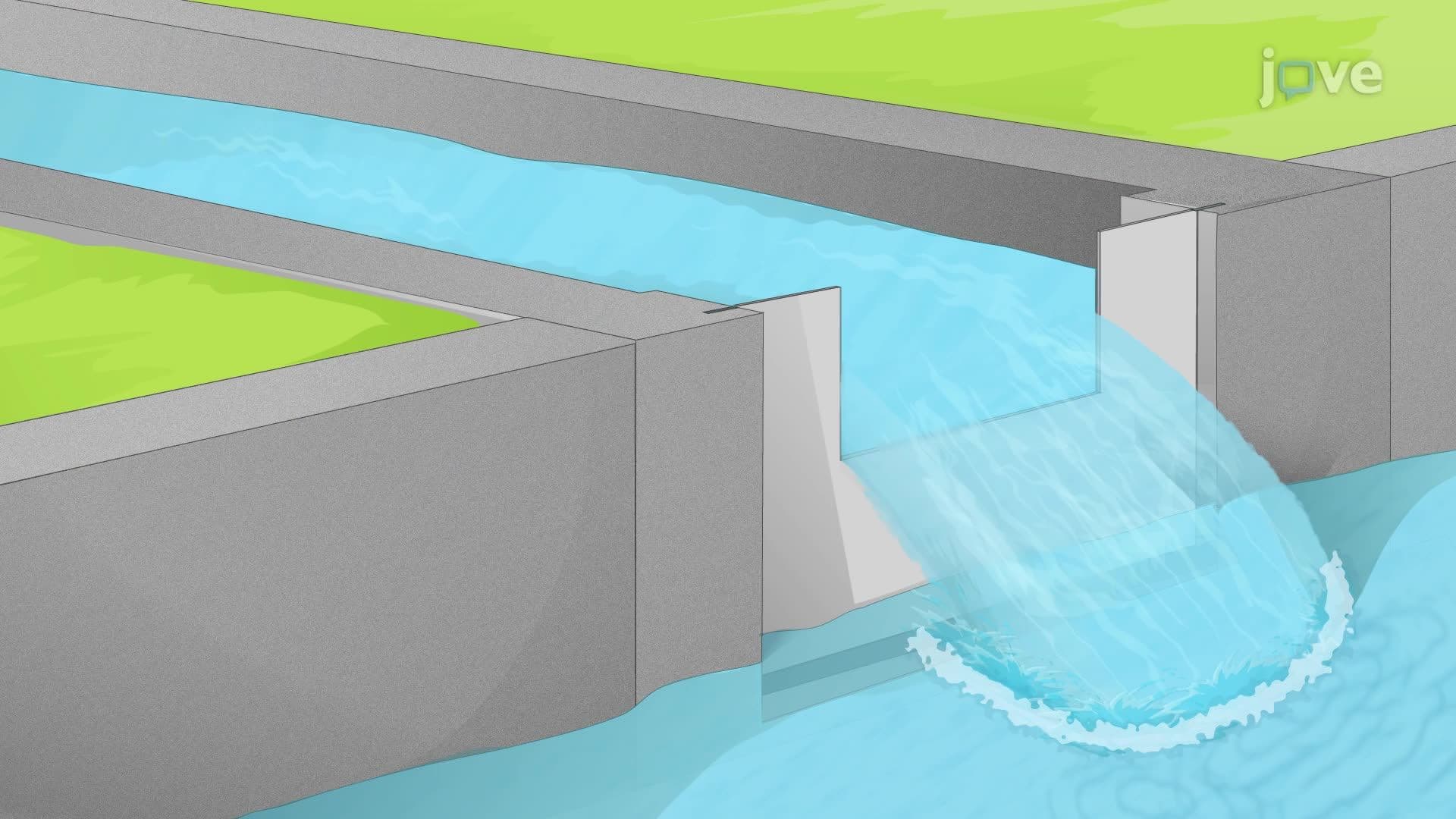
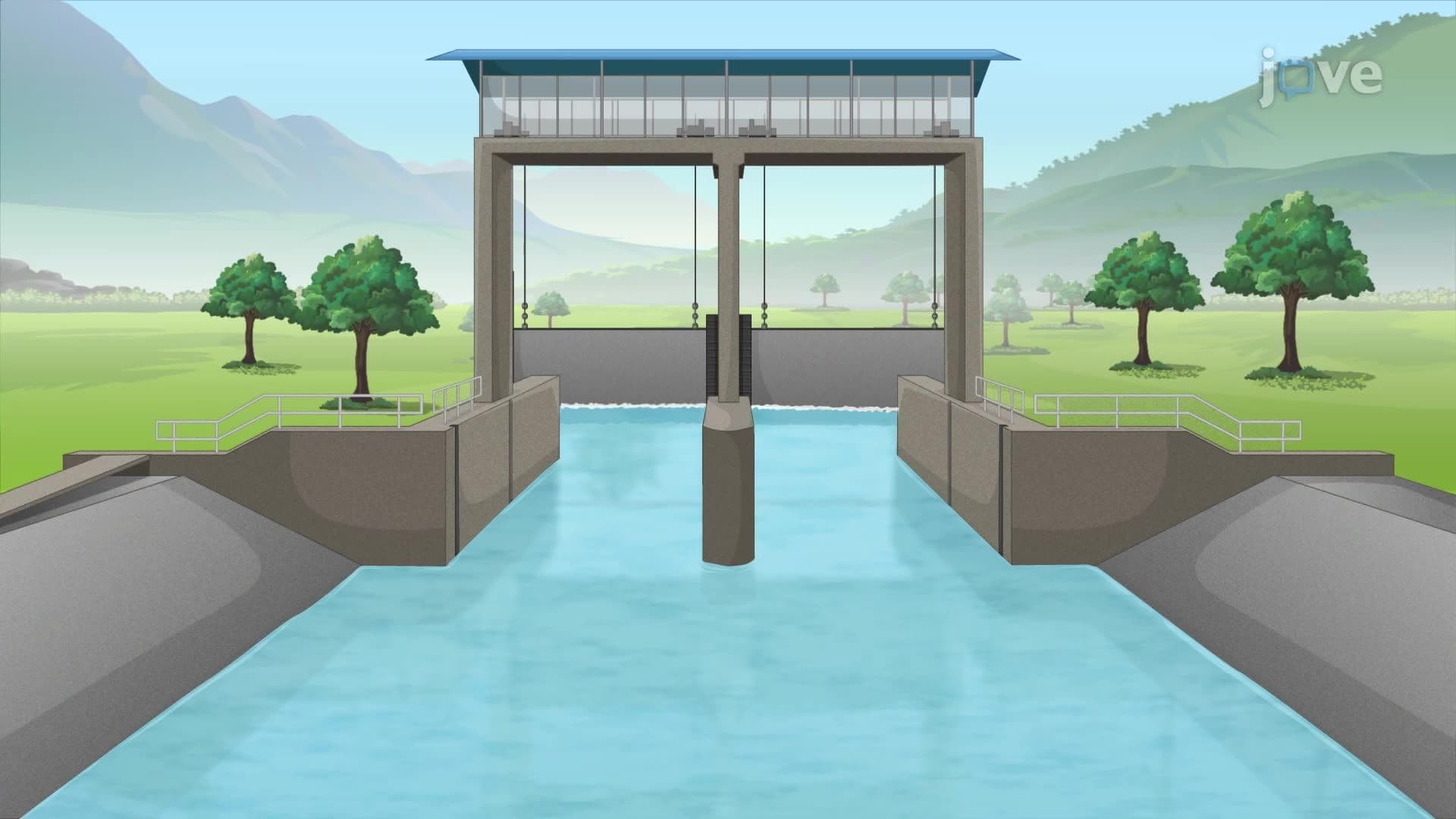
What is Uniform Depth Channel Flow represents one of the most important concepts in hydraulic engineering and fluid mechanics. This phenomenon occurs when water flowing in an open channel maintains a constant depth over distance, achieved through a delicate balance between gravitational forces pulling water downhill and frictional resistance from channel walls and bottom. Unlike closed-pipe flow, open channel flow deals with a free water surface exposed to atmospheric pressure, creating unique flow characteristics essential for designing everything from urban storm drains to major irrigation systems like those found throughout California's Central Valley.
The Physics Behind Uniform Flow Conditions
The key to uniform depth channel flow problem solving lies in understanding energy balance. As water flows downhill, it loses potential energy due to elevation change. Simultaneously, friction between the flowing water and channel surfaces (called shear stress) dissipates kinetic energy. When these energy changes perfectly balance, the flow reaches equilibrium, maintaining constant depth and average velocity. This concept directly applies to AP Physics and college-level fluid mechanics courses, where students learn to analyze force balance equations and energy conservation principles.
Velocity Distribution in Open Channels
Unlike uniform flow assumptions might suggest, velocity varies significantly across a channel's cross-section. Maximum velocity occurs just below the water surface, gradually decreasing toward the wetted perimeter where it reaches zero due to the no-slip condition. This velocity profile resembles what students encounter in advanced placement physics when studying boundary layer effects. Understanding this distribution becomes crucial for engineers designing fish ladders in Pacific Northwest salmon runs or optimizing flow in agricultural irrigation channels throughout the Midwest.
Chezy and Manning Equations in Practice
Two fundamental equations dominate uniform depth channel flow problem solving: the Chezy equation and Manning equation. The Chezy equation (V = C × √(R × S)) provides a straightforward relationship between velocity (V), a Chezy coefficient (C), hydraulic radius (R), and slope (S). However, the Manning equation offers greater practical value by explicitly incorporating surface roughness through the Manning coefficient (n). This makes it invaluable for analyzing natural channels like the Mississippi River system or designing concrete-lined channels in urban flood control projects. Students preparing for the MCAT or engineering licensing exams frequently encounter problems requiring selection between these approaches based on channel characteristics and available data.
Frequently Asked Questions
Uniform depth channel flow occurs when water maintains constant depth while flowing in open channels, balancing gravitational and frictional forces. This concept is fundamental for designing irrigation systems, flood control channels, and water treatment facilities. Engineers use uniform flow principles to calculate optimal channel dimensions and predict flow behavior in projects ranging from urban stormwater management to agricultural water distribution systems across the United States.
AP Physics C and college fluid mechanics courses frequently test uniform flow through problem-solving scenarios involving the Manning and Chezy equations. Students typically calculate flow rates, channel depths, or required slopes given specific conditions. These problems often feature real-world contexts like designing drainage systems or analyzing river flow, requiring application of energy balance principles and hydraulic radius calculations that demonstrate understanding of both theoretical concepts and practical engineering applications.
The Manning equation explicitly includes surface roughness through the Manning coefficient, making it more accurate for natural channels and varied surface materials. While the Chezy equation offers mathematical simplicity, the Manning equation better handles real-world applications like analyzing flow in grass-lined drainage ditches, concrete storm sewers, or natural riverbeds. This specificity makes Manning's approach the standard choice for professional hydraulic engineering projects and more advanced coursework in civil and environmental engineering programs.
Absolutely! Uniform depth channel flow builds on fundamental physics concepts you already know: energy conservation, force balance, and basic algebra. While the equations might look complex initially, they involve straightforward mathematical relationships between measurable quantities like depth, slope, and flow rate. Start with simplified examples using smooth, rectangular channels before advancing to irregular cross-sections and rough surfaces typically encountered in upper-level engineering courses.
Engineers use uniform flow principles extensively in projects like the California State Water Project, which transports water over 700 miles through engineered channels and aqueducts. The concept guides design of flood control systems along the Mississippi River, irrigation networks in agricultural regions like the Columbia River Basin, and urban stormwater management systems in cities like Houston and Miami. These applications require precise flow rate calculations and channel sizing to ensure reliable water delivery and flood protection.
Focus on understanding the physical meaning behind each equation variable rather than memorizing formulas blindly. Practice identifying when to use Manning versus Chezy equations based on problem conditions, and work through problems with different channel shapes and surface materials. Create summary sheets linking hydraulic radius, wetted perimeter, and cross-sectional area calculations for common geometries. Most importantly, solve practice problems that mirror your exam format, whether that's multiple-choice AP questions or comprehensive engineering problem sets.
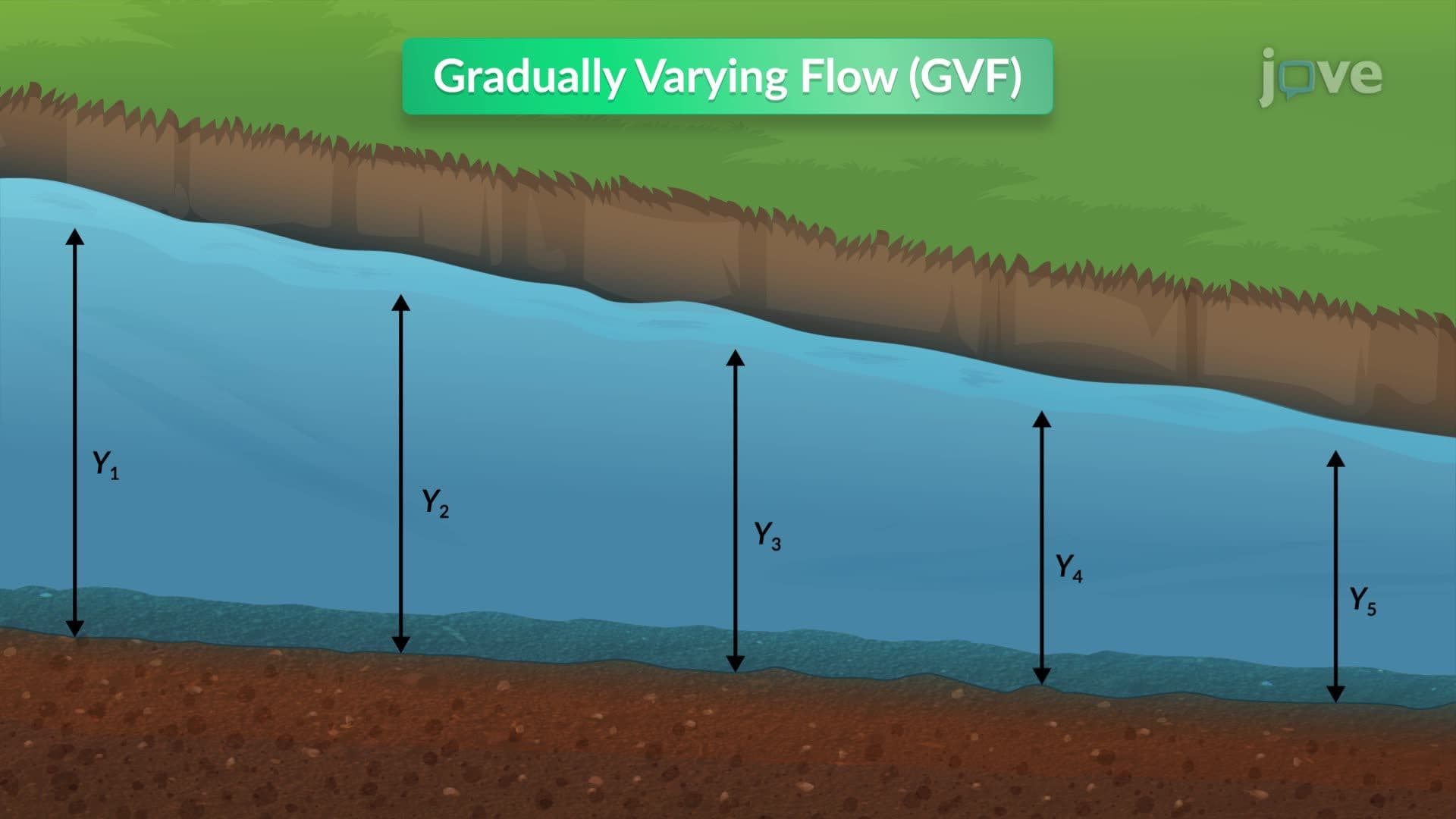
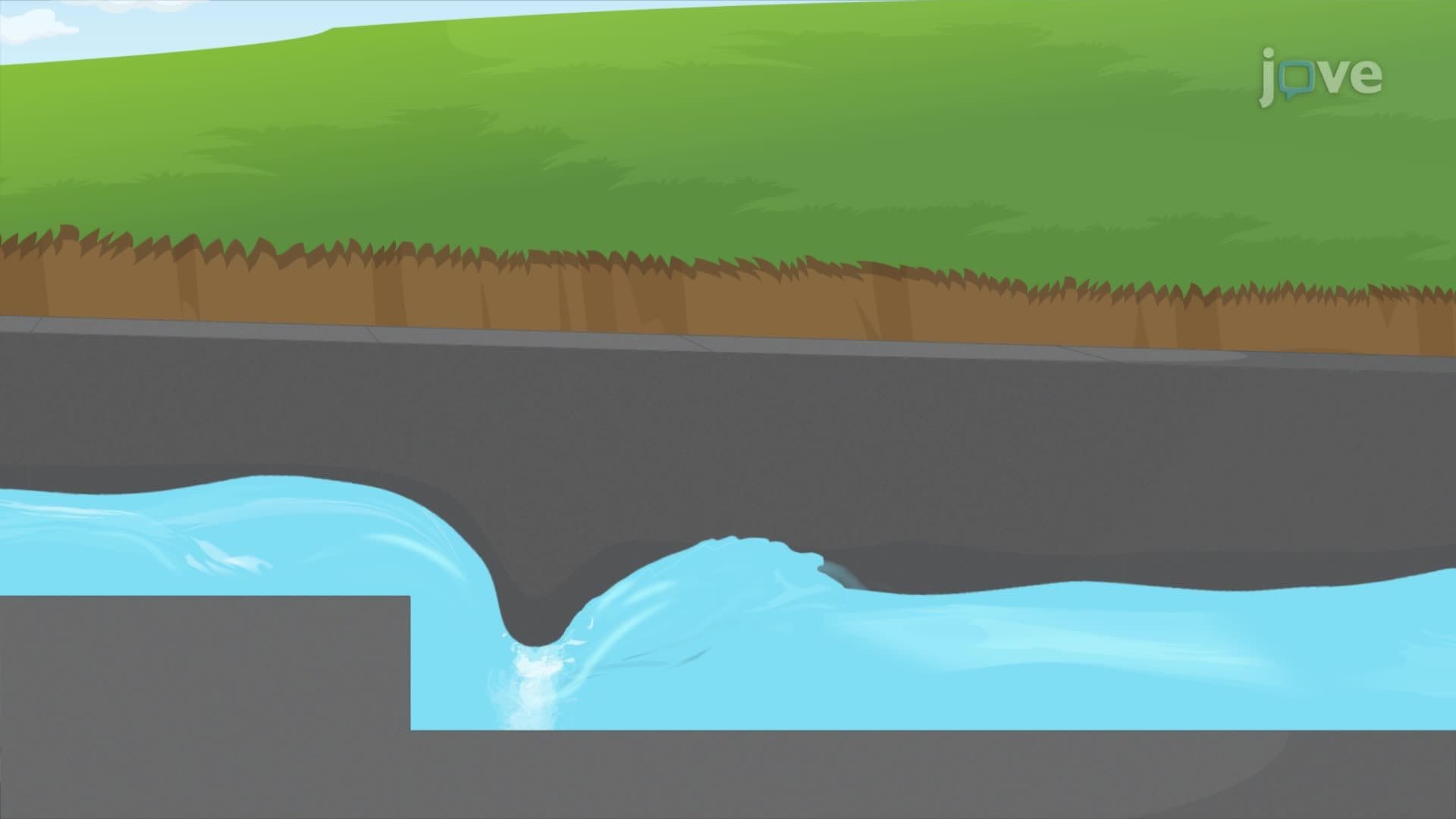
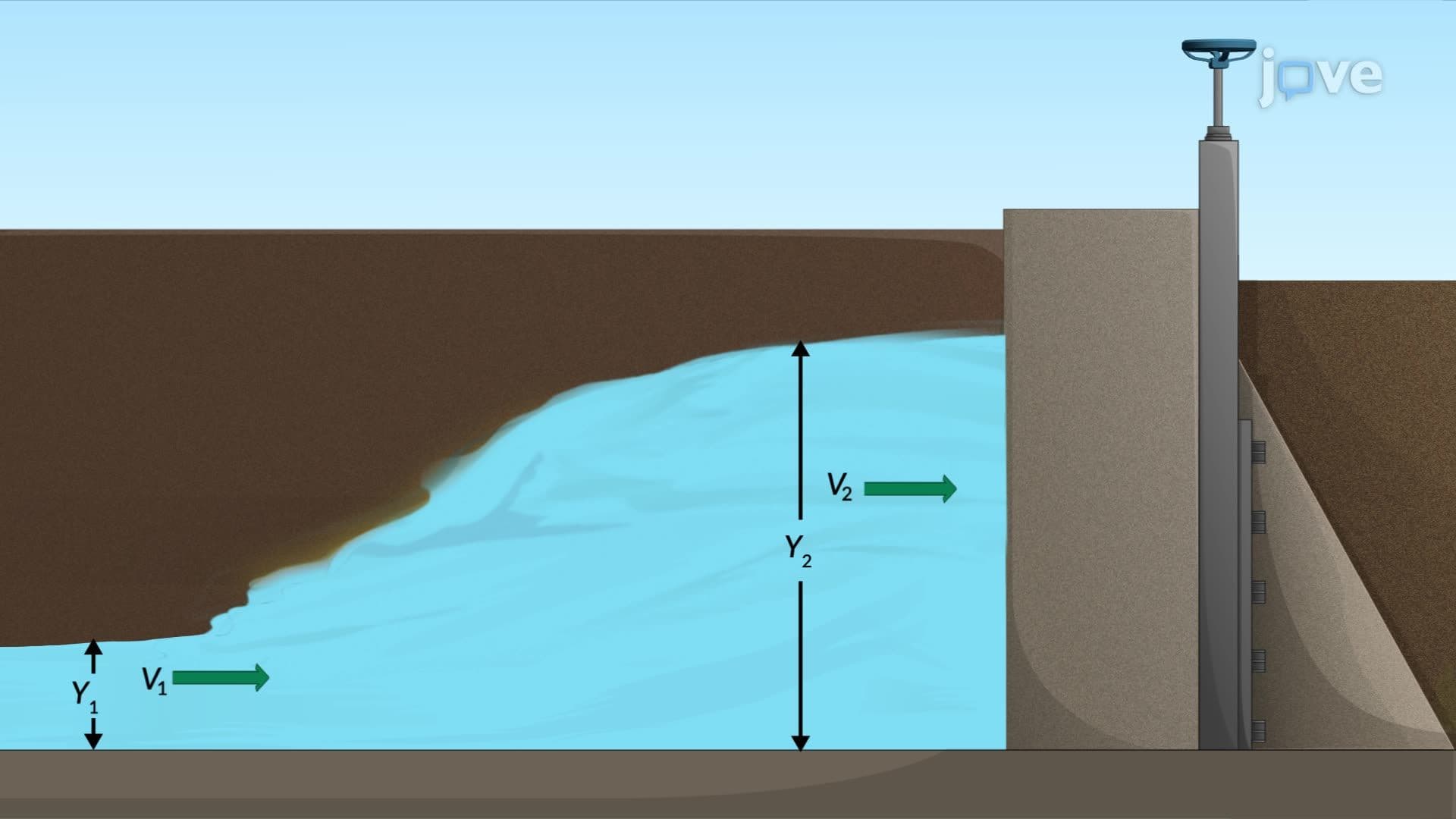
Build on uniform flow concepts by exploring gradually varied flow, where depth changes along the channel length due to obstacles or changing conditions. Study specific energy concepts, critical flow conditions, and hydraulic jumps that occur in engineered structures like spillways and weirs. These topics frequently appear in advanced fluid mechanics courses, civil engineering licensing exams, and graduate-level hydraulic engineering programs, representing natural progressions from uniform flow fundamentals.
Environmental engineers apply uniform flow principles when designing constructed wetlands for wastewater treatment, analyzing pollutant transport in streams, and evaluating fish habitat conditions in restored waterways. Water resource managers use these concepts for optimizing irrigation efficiency, predicting flood stages, and designing sustainable stormwater infrastructure. Understanding uniform flow becomes essential for addressing contemporary challenges like climate change adaptation and green infrastructure implementation in urban watersheds.
Related Micro-courses