Loading…
Loading video…

10,864 views
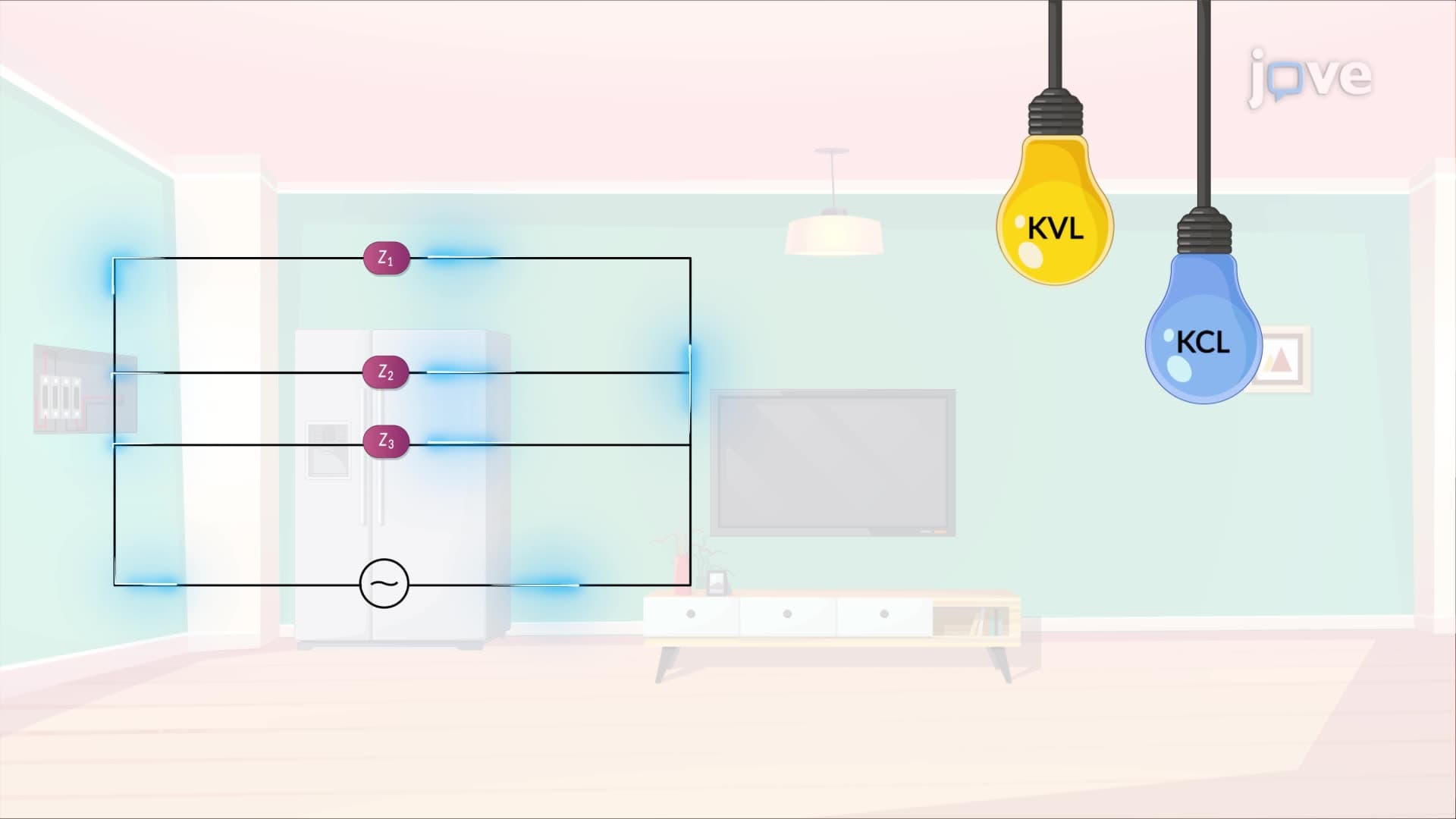
Ever wonder why your home's electrical circuits don't fail when you plug in multiple appliances simultaneously? Understanding impedances and admittance in AC circuits holds the key to this electrical engineering marvel. Kirchhoff's Laws Using Phasors Explained demonstrates how household circuits from your local power grid maintain stable operation through phasor analysis. This fundamental concept transforms complex AC circuit analysis into manageable mathematical relationships that govern everything from your smartphone charger to industrial power systems. Watch the full video on JoVE Coach to master this concept with expert-led visuals and step-by-step explanations.
Kirchhoff's laws form the cornerstone of electrical circuit analysis, and their application to AC circuits through phasor notation revolutionizes how engineers design and troubleshoot electrical systems. When Gustav Kirchhoff formulated these laws in 1845, he established fundamental principles that remain essential for understanding modern electrical engineering, from smartphone circuits to the US power grid.
Impedances and admittance represent the AC equivalents of resistance in DC circuits, but with added complexity due to reactive components. Impedance (Z) combines resistance and reactance into a single complex quantity, measured in ohms, while admittance (Y) serves as impedance's reciprocal, measured in siemens. The impedances and admittance definition encompasses how AC circuits respond to sinusoidal voltages and currents, accounting for both magnitude and phase relationships.
In practical terms, when you plug an air conditioner into your home outlet, the unit presents both resistive and reactive impedance to the circuit. The resistive component converts electrical energy to cooling work, while the reactive component stores and releases energy in the motor's magnetic fields. Understanding what is impedances and admittance in detail helps explain why some appliances draw different current patterns despite similar power ratings.
The impedances and admittance concept becomes crucial when analyzing complex systems like hospital electrical networks or university campus power distribution. Engineers use phasor analysis to ensure that when multiple MRI machines operate simultaneously at a medical center, the electrical system maintains stability and efficiency.
Students preparing for the AP Physics exam or college electrical engineering courses encounter these concepts in both theoretical problems and laboratory experiments. The impedances and admittance study guide approach typically progresses from simple resistive circuits to complex networks involving capacitors and inductors, building understanding systematically.
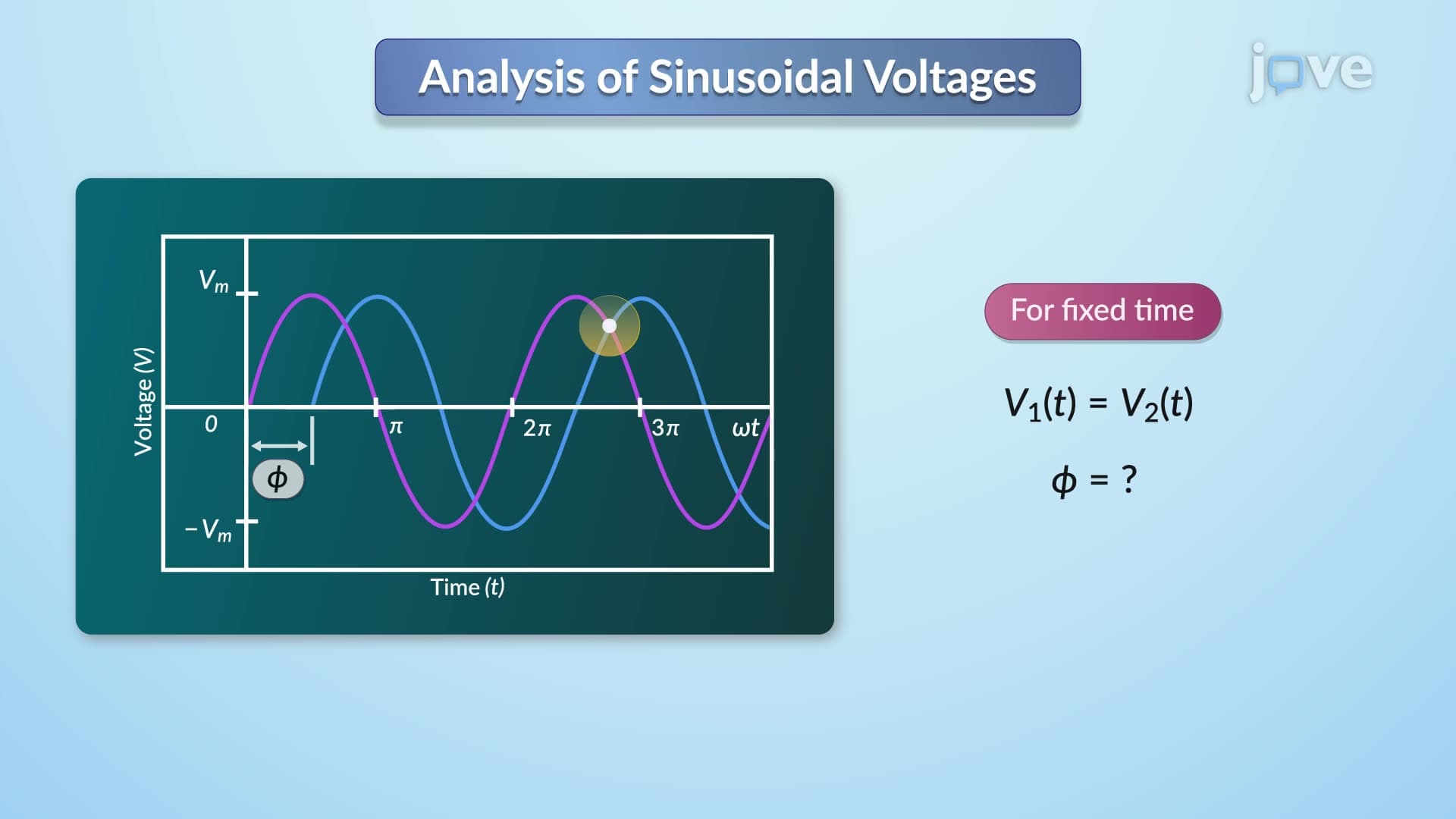
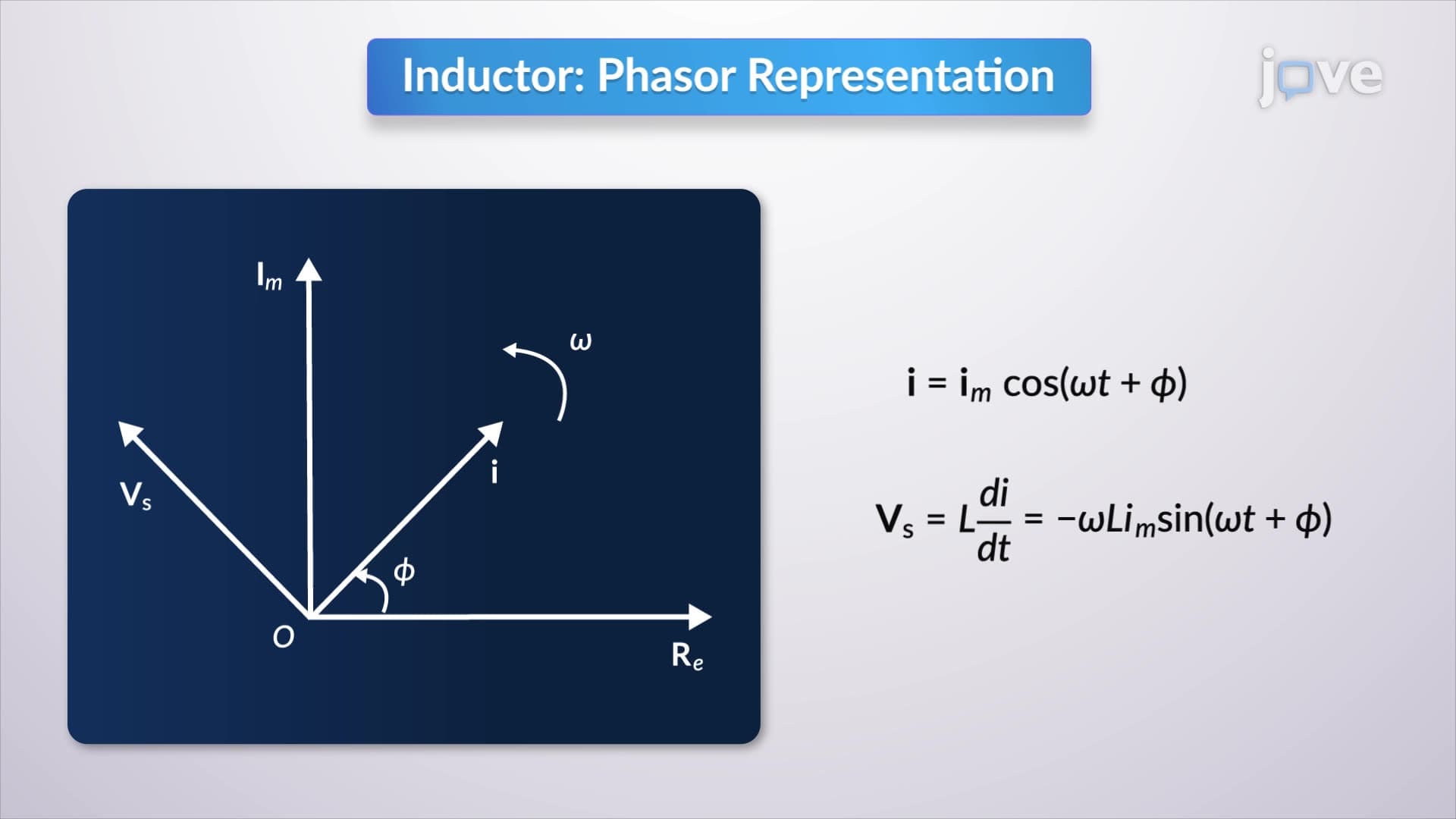
Kirchhoff's Voltage Law in phasor form states that the algebraic sum of phasor voltages around any closed loop equals zero: ΣV(phasor) = 0. Similarly, Kirchhoff's Current Law requires that phasor currents entering and leaving any node sum to zero: ΣI(phasor) = 0.
This mathematical framework enables engineers to design everything from the electrical systems in Tesla manufacturing plants to the power distribution networks serving major US cities. The impedances and admittance basics provide the foundation for advanced topics like power factor correction and harmonic analysis, essential skills for electrical engineering professionals.
Frequently Asked Questions
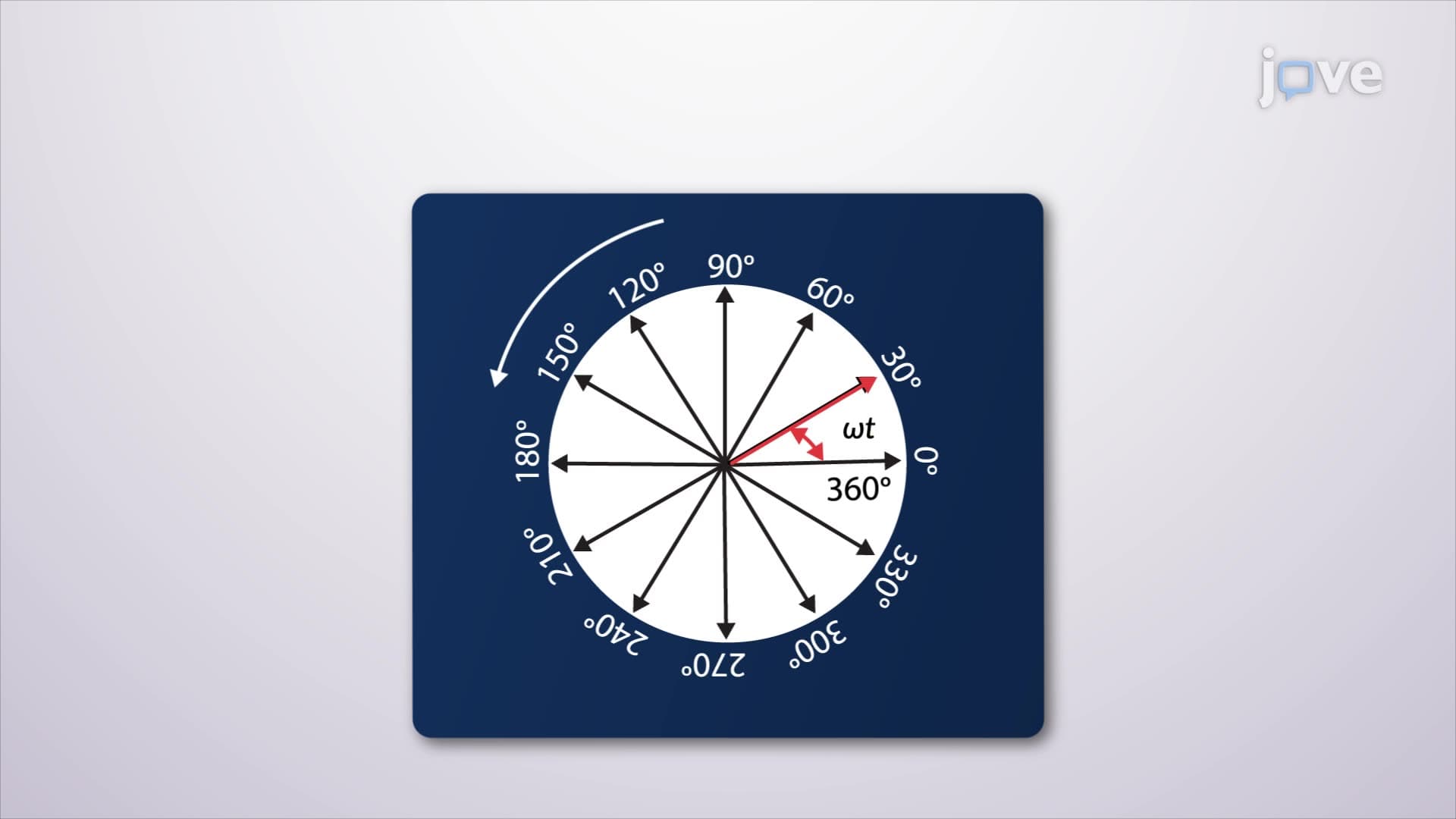
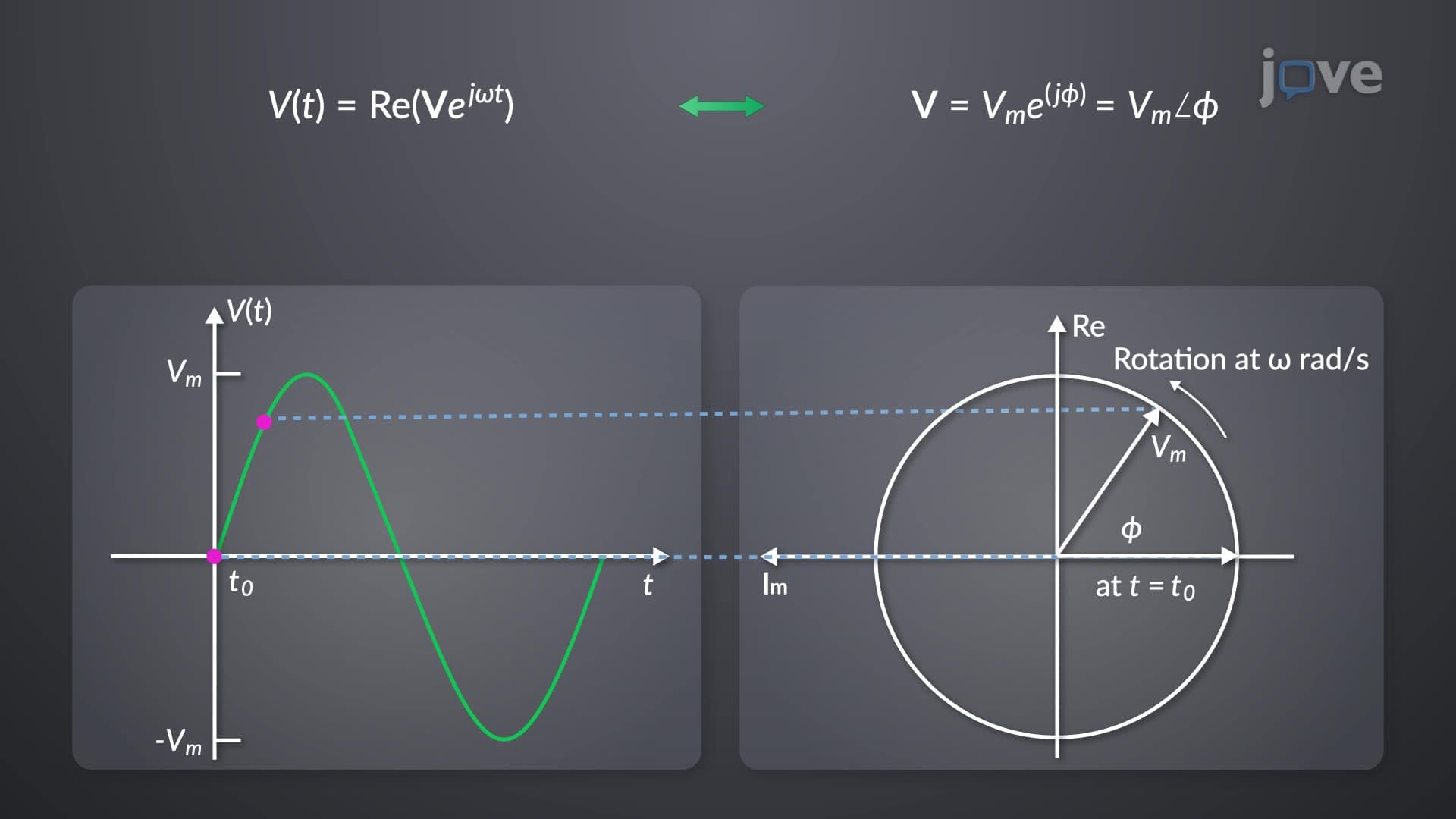
Kirchhoff's Laws Using Phasors extends classical circuit analysis to AC systems by representing voltages and currents as rotating vectors. This approach simplifies complex trigonometric relationships into algebraic operations, making AC circuit analysis as straightforward as DC analysis. It's essential for designing everything from home electrical panels to industrial power systems.
Impedances and admittance account for both resistive and reactive effects in AC circuits, unlike simple resistance which only applies to DC circuits. Impedance includes phase relationships between voltage and current, while resistance assumes they're always in phase. This distinction becomes critical when analyzing circuits containing capacitors, inductors, or motors.
Absolutely! The AP Physics C: Electricity and Magnetism exam frequently tests phasor analysis and AC circuit concepts. Students who master impedances and admittance typically score higher on circuit analysis problems. These concepts also appear on college placement exams and electrical engineering coursework.
Most ABET-accredited electrical engineering programs require multiple courses covering phasor analysis, typically starting in sophomore-year circuit analysis classes. Universities like MIT, Stanford, and Georgia Tech emphasize hands-on applications where students design and test AC circuits using professional simulation software.
Power companies across the US use phasor analysis to manage electrical grids, from Pacific Gas & Electric in California to Con Edison in New York. Manufacturing facilities rely on these principles for motor control systems, while renewable energy installations use phasor concepts for grid integration and power quality management.
You only need algebra, basic trigonometry, and comfort with complex numbers to get started. Most high school students can grasp fundamental concepts with proper instruction. The mathematical complexity increases gradually as you advance to professional-level applications, making it accessible for motivated learners at any level.
Practice converting between time-domain and phasor representations daily, work through progressively complex circuit examples, and use visual aids like phasor diagrams. Many successful students create formula sheets linking impedance calculations to real components like the inductors and capacitors found in actual circuits.
Consider exploring three-phase power systems, power factor correction, and harmonic analysis—all building on phasor fundamentals. These topics appear in advanced undergraduate courses and professional certification exams for electrical engineers working in power systems, industrial automation, and renewable energy sectors.
Related Micro-courses
Related Subjects
 Civil Engineering 30 micro-courses›Mechanical Engineering 28 micro-courses›