Loading…
Loading video…

10,864 views

Ever wonder why your Christmas lights stay on when one bulb burns out? Node analysis for AC circuits reveals how impedances combine in series and parallel configurations, creating the electrical pathways that power everything from holiday decorations to the smart grid systems across Texas and California. Understanding impedance combination principles helps explain voltage and current distribution in complex AC networks. Watch the full video on JoVE Coach to master this concept with expert-led visuals and step-by-step explanations.
Impedance combination forms the cornerstone of AC circuit analysis, extending the familiar concepts of resistor networks into the complex domain of alternating current systems. Unlike DC circuits that deal only with resistance, AC circuits must account for impedance—a complex quantity that includes both resistive and reactive components from inductors and capacitors.
When studying node analysis for AC circuits, engineers and students encounter two primary combination methods: series and parallel configurations. Each method follows distinct mathematical rules and produces different electrical behaviors, making impedance combination essential for designing everything from power distribution systems in major US cities to the electronic circuits in smartphones manufactured in Silicon Valley.
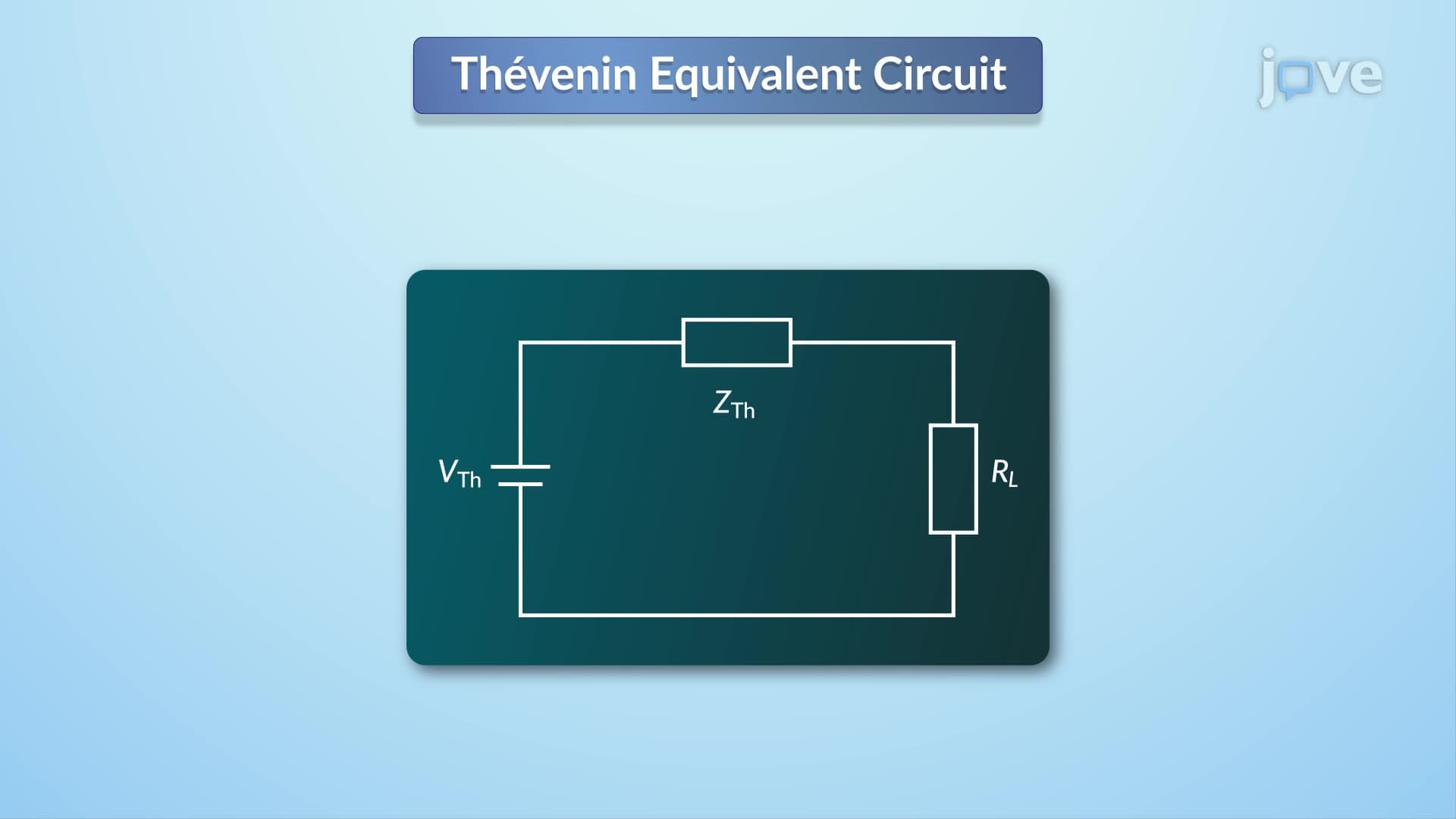
In series impedance arrangements, components connect end-to-end like links in a chain, forcing the same current through each element. The total impedance equals the algebraic sum of individual impedances: Z(total) = Z1 + Z2 + Z3 + ... This relationship mirrors Ohm's law for resistors but extends to complex impedances involving phase relationships.
Series combinations create voltage dividers, where the source voltage distributes proportionally based on each component's impedance magnitude. This principle governs the operation of transformers in US power grids, where voltage steps down from transmission levels (typically 345 kV or 500 kV) to household levels (120V/240V). Students preparing for AP Physics or college-level electrical engineering courses must master these calculations, as they appear frequently on standardized exams and practical applications.
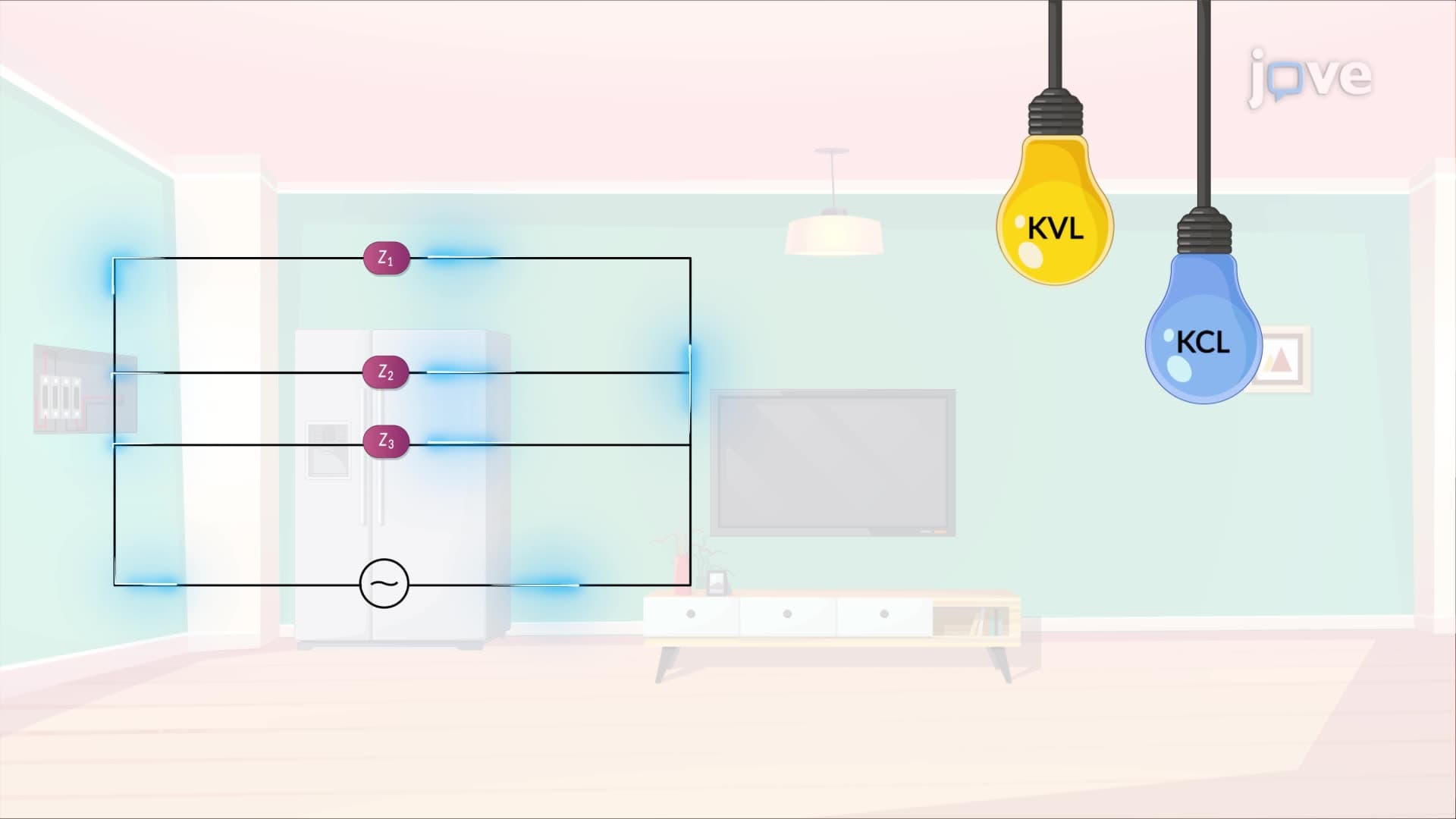
Parallel impedance combinations offer multiple current paths, with each component maintaining the same voltage across its terminals. The equivalent impedance follows the reciprocal rule: 1/Z(total) = 1/Z1 + 1/Z2 + 1/Z3 + ... This arrangement enables current division, where total current splits inversely proportional to impedance values.
Modern residential wiring throughout the United States employs parallel combinations to ensure appliances operate independently. When you flip a light switch in your kitchen, other devices continue functioning because they exist on separate parallel branches. This design philosophy extends to critical infrastructure, including hospital electrical systems and data centers that power major tech companies like Google and Microsoft.
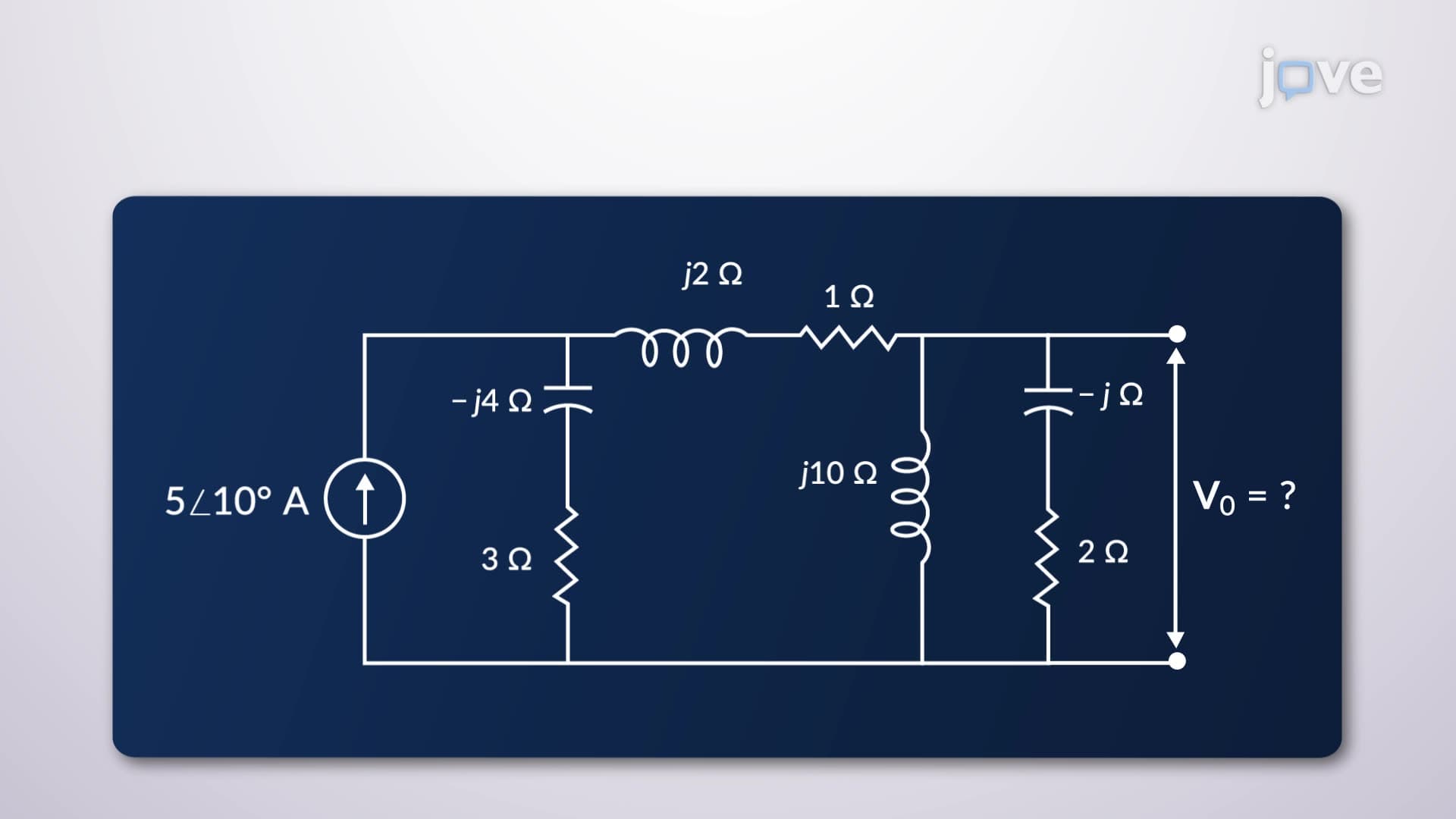
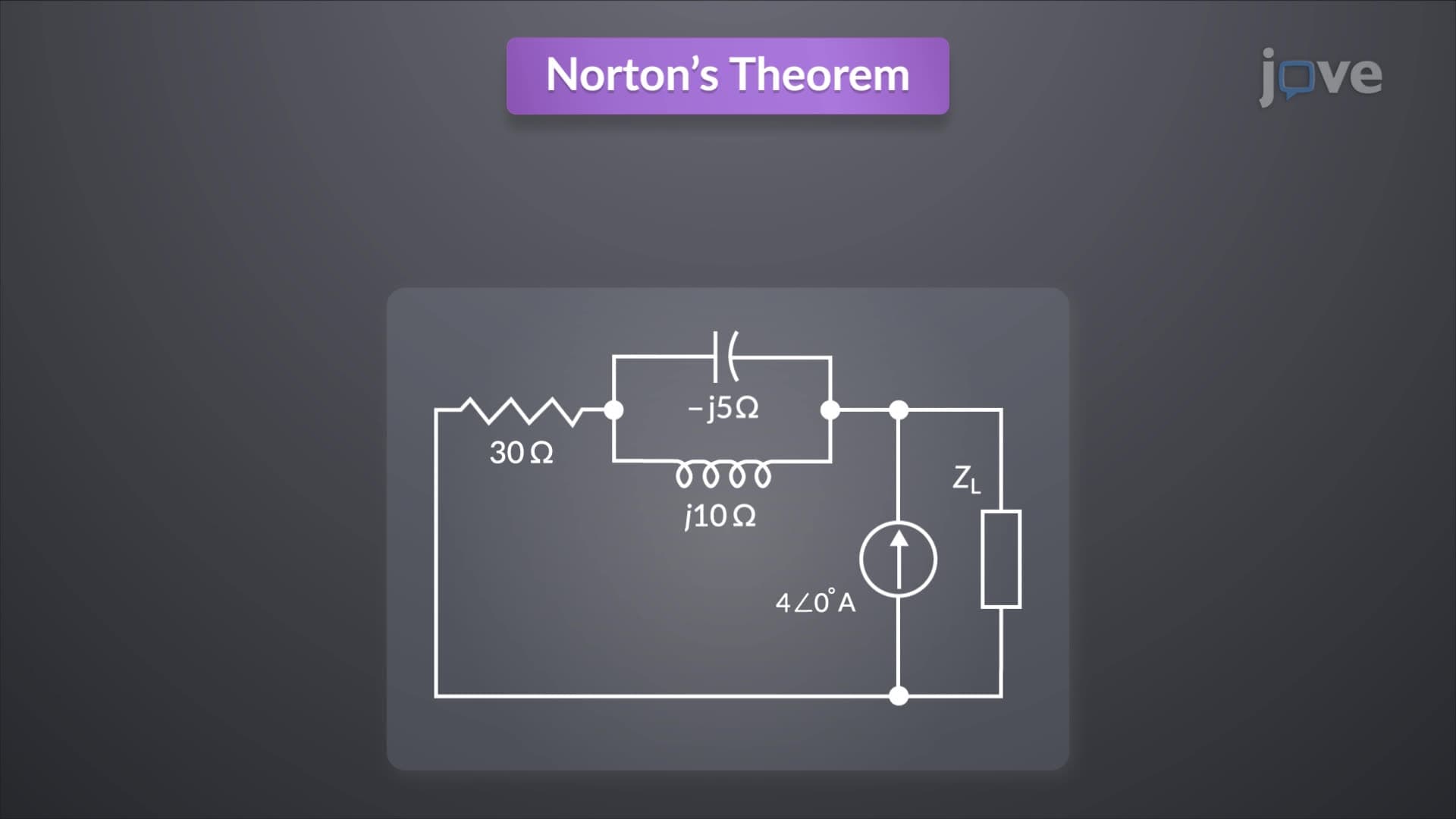
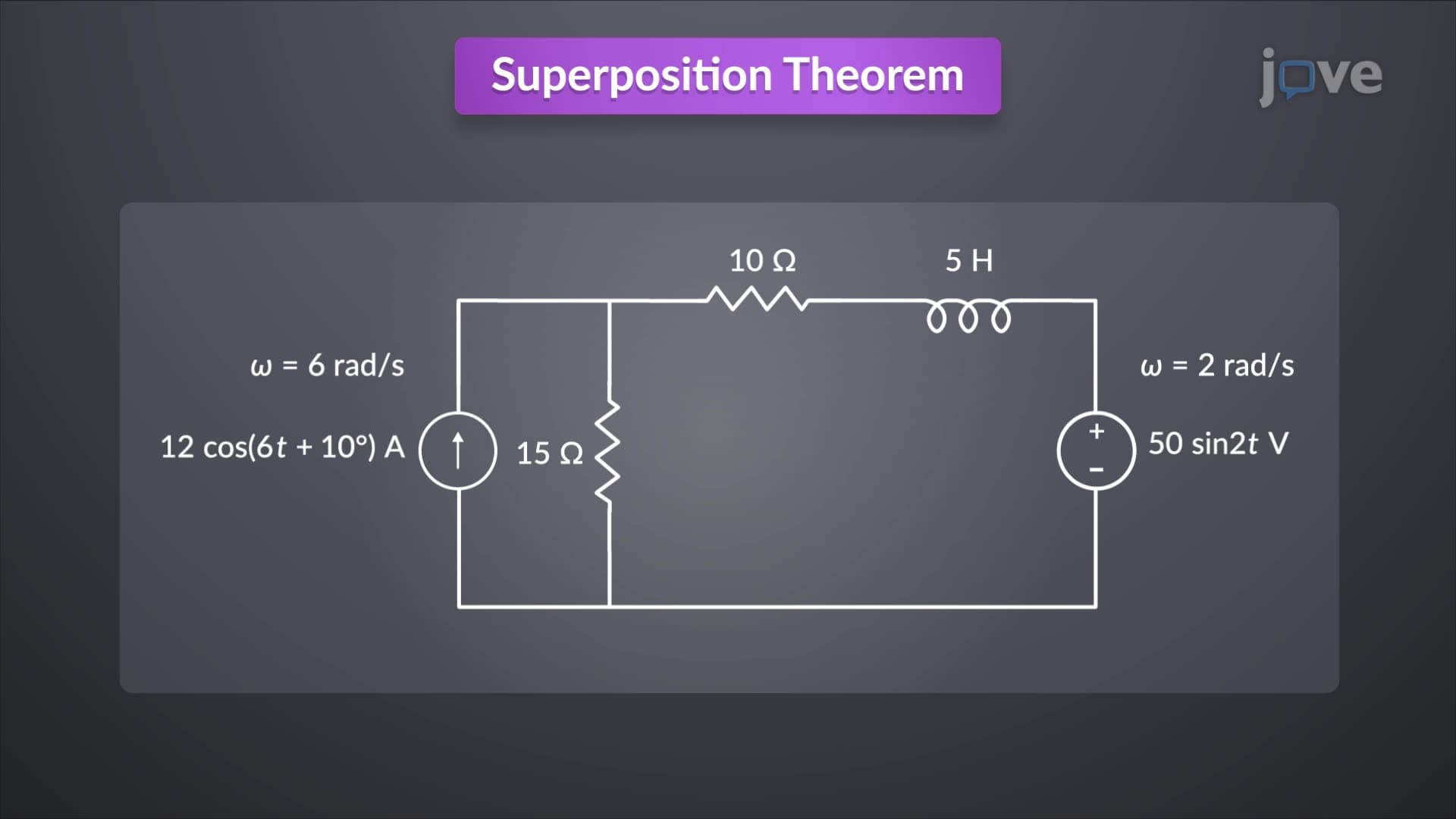
Node analysis for AC circuits tutorial problems frequently combine both series and parallel elements, creating complex networks requiring systematic solution approaches. Engineers use admittance (Y = 1/Z) to simplify parallel calculations, since admittances add directly in parallel combinations. This mathematical convenience proves invaluable when analyzing multi-node circuits found in power systems, electronic filters, and communication networks that form the backbone of America's digital infrastructure.
Frequently Asked Questions
Impedance combination describes how multiple impedances connect and interact in AC circuits, either in series (end-to-end) or parallel (side-by-side) configurations. It matters because it determines how voltage and current distribute throughout electrical systems, from household wiring to industrial power grids. Understanding these principles helps engineers design safe, efficient electrical systems and enables students to solve complex circuit problems.
AP Physics C and college exams frequently test series and parallel impedance calculations, often combining both configurations in single problems. Students must apply Kirchhoff's laws, calculate equivalent impedances, and determine voltage/current distributions. These concepts also appear on engineering licensing exams and graduate school entrance tests like the GRE Physics subject test.
Series impedances add directly (Z(total) = Z1 + Z2 + Z3), creating voltage dividers with uniform current flow. Parallel impedances follow reciprocal addition (1/Z(total) = 1/Z1 + 1/Z2 + 1/Z3), creating current dividers with uniform voltage. Series combinations increase total impedance, while parallel combinations decrease it, affecting power consumption and system efficiency differently.
Node analysis provides systematic methods for solving complex networks by applying Kirchhoff's Current Law at each circuit node. This technique handles mixed series-parallel impedance combinations efficiently, especially when using admittance values for parallel branches. Engineers use node analysis software like SPICE to model large-scale power systems across the US electrical grid.
You encounter impedance combination daily in household electrical systems, where outlets connect in parallel to maintain consistent 120V supply. Power companies like ConEd in New York and PG&E in California use series-parallel transformer combinations to distribute electricity efficiently. Electronic devices, from smartphones to electric vehicle charging stations, rely on impedance combination principles for proper operation.
Impedance combination builds naturally on basic Ohm's law concepts most students already understand from DC circuits. The main challenge involves working with complex numbers for AC analysis, but many problems can be solved using magnitude relationships alone. Starting with resistor combinations helps build intuition before advancing to reactive components.
Practice identifying series versus parallel sections in complex circuits first, then apply appropriate combination formulas systematically. Create reference sheets with key formulas and work through progressively complex problems from your textbook. Focus on understanding physical concepts—like why parallel branches provide independent current paths—rather than just memorizing equations.
Advanced students should explore AC power calculations, including real and reactive power in impedance networks. Three-phase power systems, used throughout US industrial facilities, apply impedance combination principles on a larger scale. Filter design for electronics and transmission line theory for high-frequency applications also build on these fundamental concepts.
Related Micro-courses
Related Subjects
 Civil Engineering 30 micro-courses›Mechanical Engineering 28 micro-courses›