Loading…
Loading video…

10,864 views
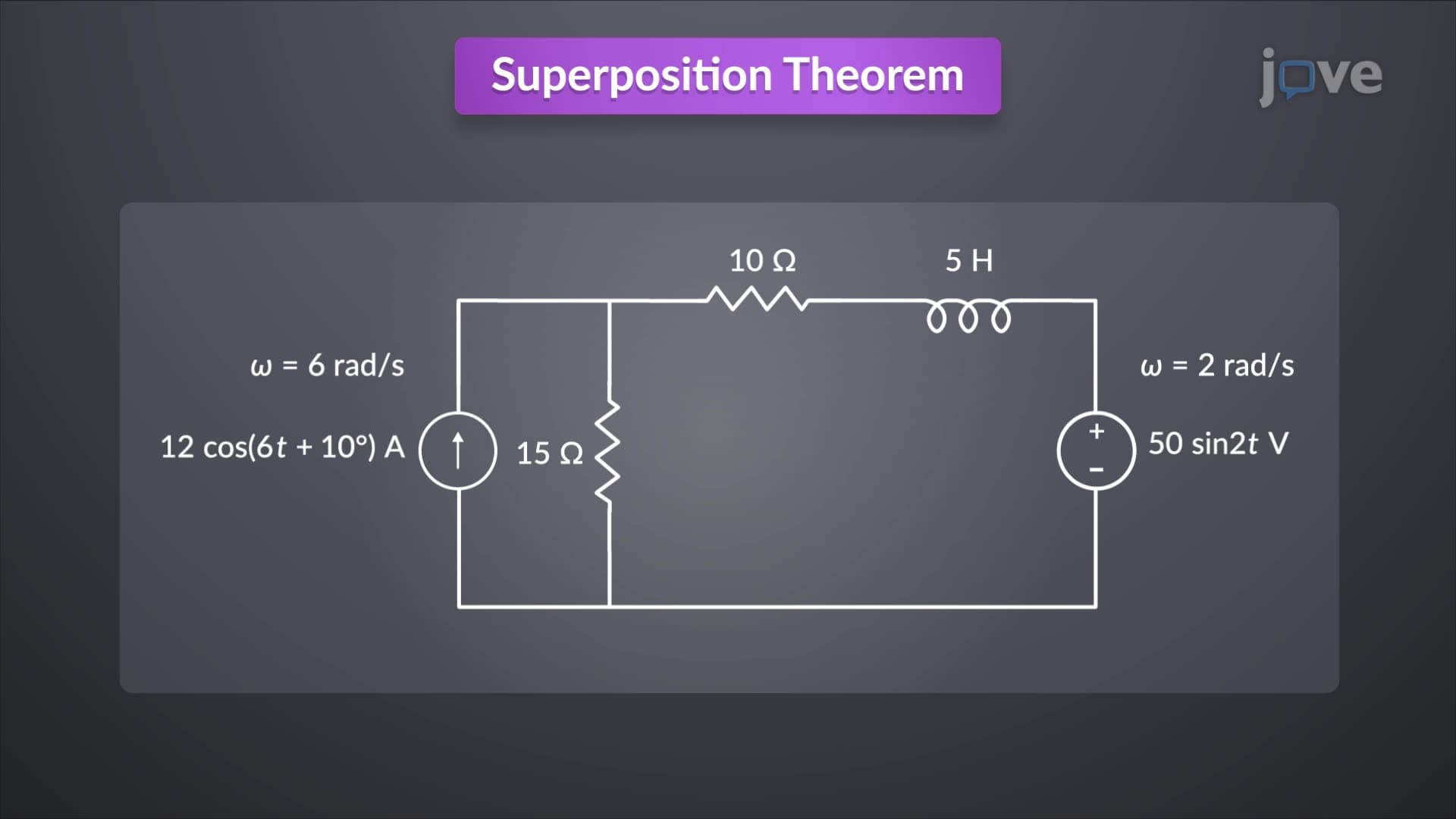
Ever wonder how engineers at Boeing design aircraft electrical systems that handle multiple AC power sources simultaneously? Op amp ac circuits using the Superposition Theorem For AC Circuits Explained demonstrate how complex multi-source systems can be analyzed by breaking them into manageable single-source problems. This powerful principle allows electrical engineers to predict circuit behavior in everything from smartphone chargers to hospital equipment across the United States. Watch the full video on JoVE Coach to master this concept with expert-led visuals and step-by-step explanations.
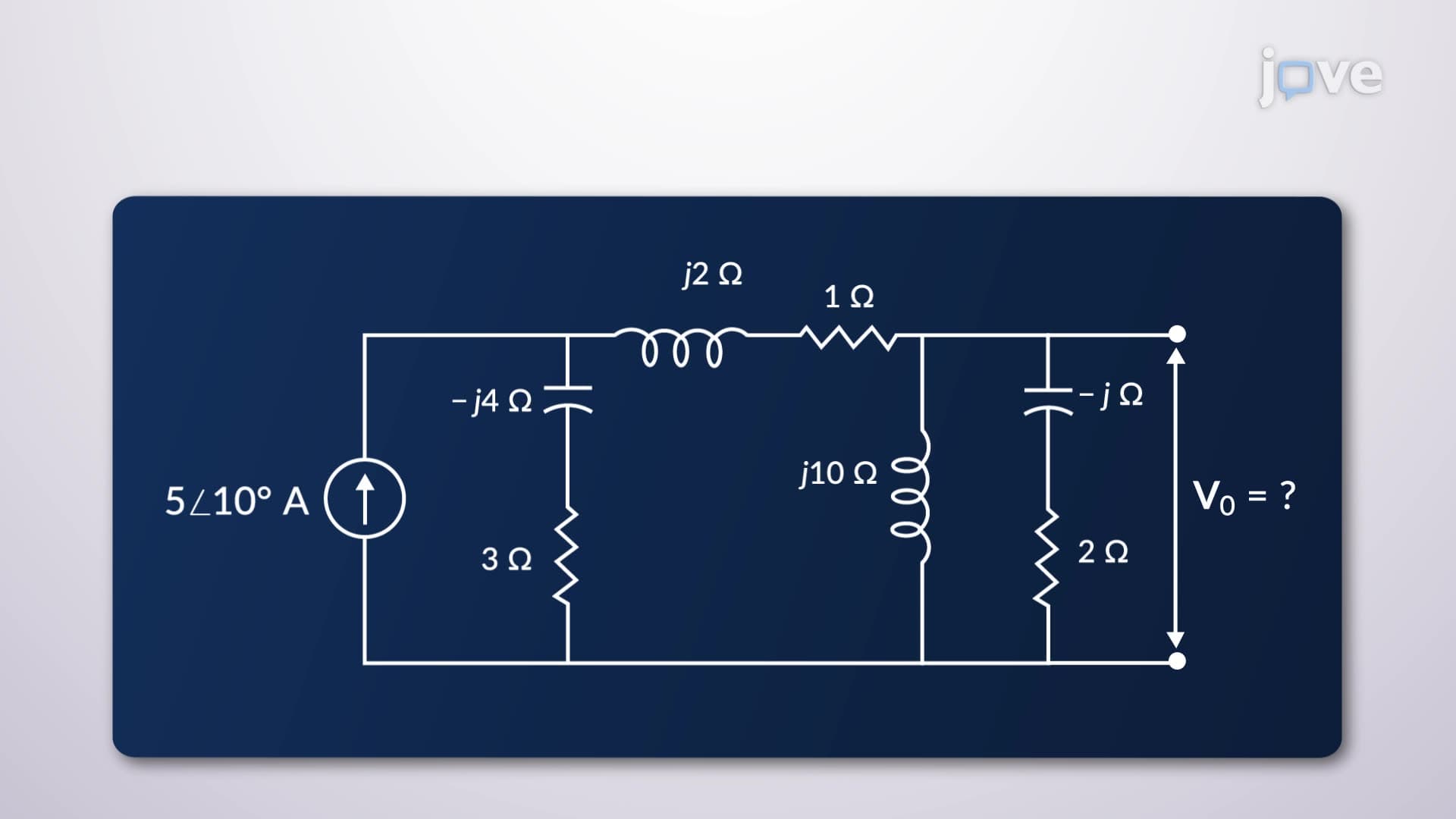
The superposition theorem represents one of the most fundamental analysis tools in electrical engineering, particularly when applied to AC circuits containing multiple independent sources. Unlike DC analysis where resistance remains constant, AC superposition requires careful consideration of frequency-dependent impedance, making it both more complex and more practically relevant to real-world applications.
When analyzing what are op amp ac circuits overview, the critical distinction from DC analysis lies in impedance variation. Capacitive reactance (XC = 1/(2πfC)) decreases with increasing frequency, while inductive reactance (XL = 2πfL) increases proportionally. This means that for each independent AC source operating at a different frequency, engineers must calculate entirely separate equivalent circuits with unique impedance values.
Consider a practical example: medical equipment manufacturers like GE Healthcare design patient monitoring systems using multiple AC signal sources. Each physiological signal (ECG at ~1Hz, EMG at ~100Hz) requires separate impedance calculations when these signals interact within the same amplifier circuit.
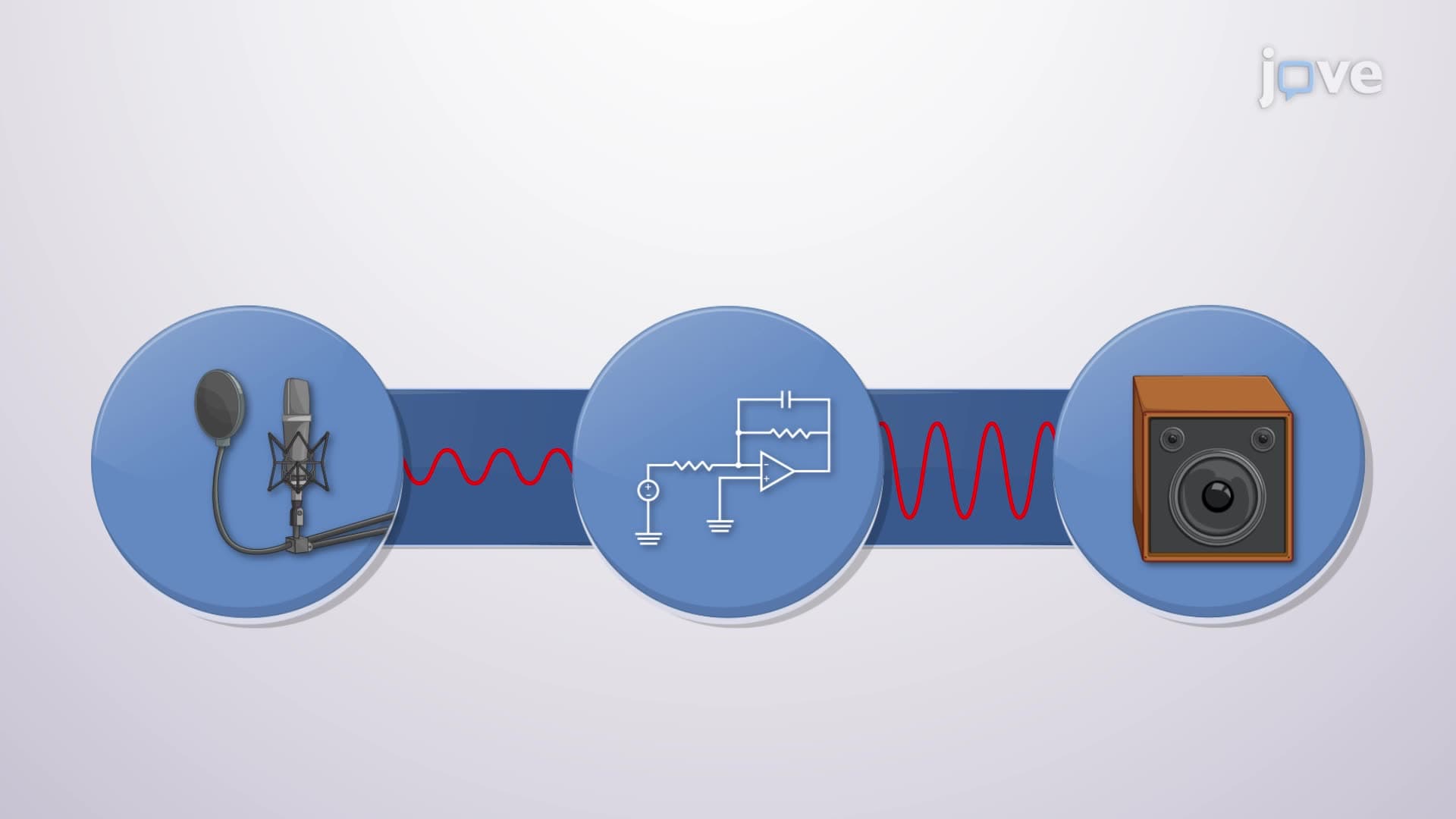
Major US corporations like Texas Instruments incorporate superposition principles into their op amp ac circuits design methodology. Power grid systems managed by companies like Duke Energy rely on superposition analysis to predict how multiple AC sources at 60Hz interact with harmonic frequencies generated by industrial equipment.
Students preparing for AP Physics C or college-level circuit analysis courses encounter superposition problems regularly. The NCEES Fundamentals of Engineering (FE) exam frequently tests this concept, particularly in questions involving power systems and signal processing applications.
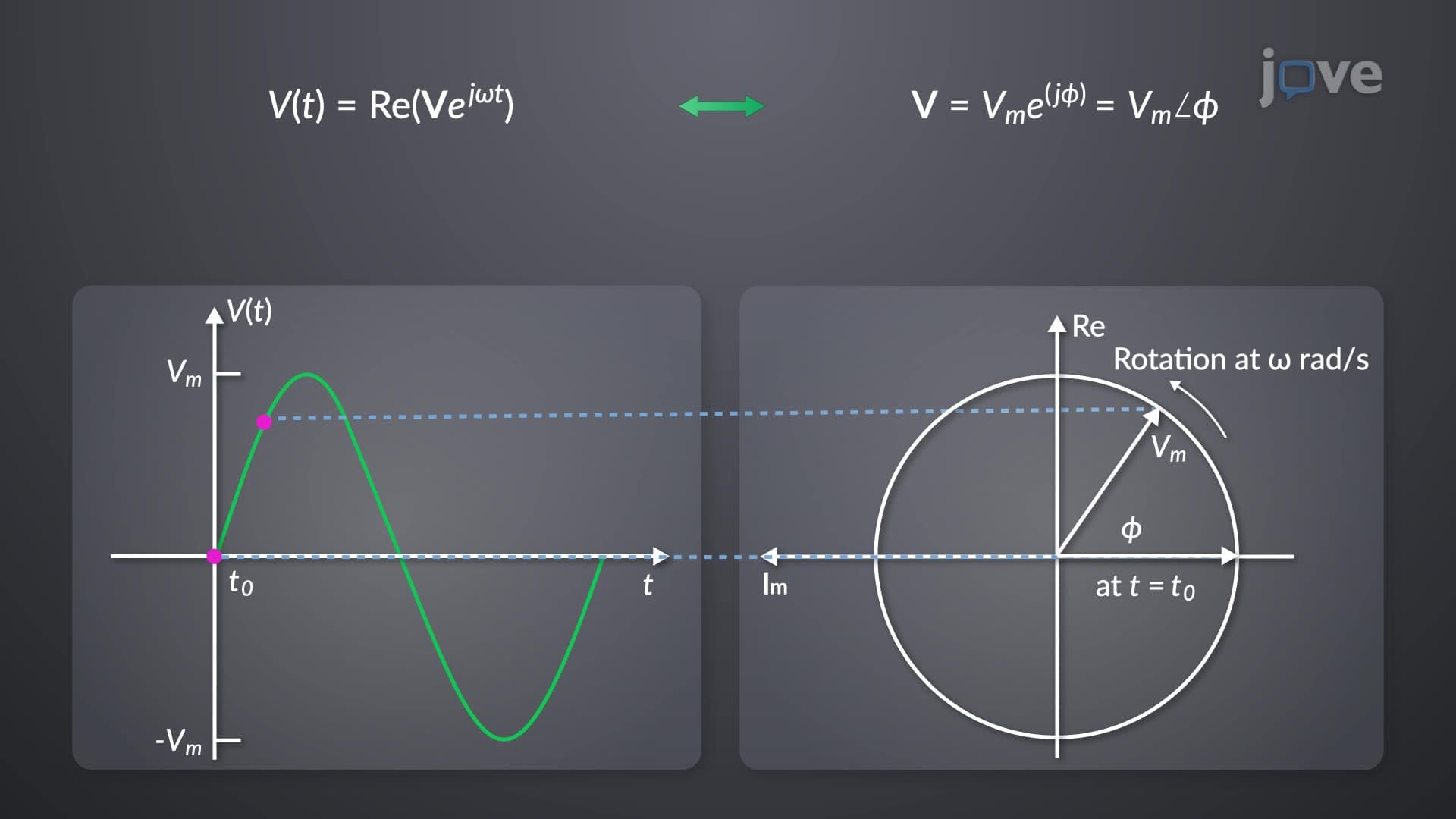
The mathematical beauty of superposition lies in its systematic approach: analyze each source independently, then algebraically sum the results. However, in AC circuits, this summation occurs in the time domain after converting each frequency-domain result back using inverse phasor transforms.
For engineering students at institutions like MIT or Georgia Tech, mastering this concept proves essential for advanced coursework in power systems, control theory, and communications. The non-sinusoidal output characteristic—where purely sinusoidal inputs produce complex waveforms—demonstrates the sophisticated behavior of linear systems under multi-frequency excitation.
Frequently Asked Questions
The Superposition Theorem For AC Circuits allows engineers to analyze complex multi-source AC systems by examining each source individually, then combining results. Unlike DC analysis where resistance stays constant, AC superposition requires recalculating impedance values for each frequency, making it significantly more complex but essential for real-world power and signal processing applications.
AP Physics C and college exams typically present multi-source AC circuit problems requiring systematic application of superposition principles. Students must demonstrate proficiency in impedance calculations, phasor analysis, and time-domain conversion. Practice with frequency-dependent components like capacitors and inductors proves crucial for exam success.
Yes, the NCEES Fundamentals of Engineering exam regularly includes superposition problems, particularly in the electrical circuits and power systems sections. These questions often involve practical scenarios like power grid analysis or signal processing applications, requiring both theoretical understanding and computational proficiency with complex impedance calculations.
Major US companies like Analog Devices, Texas Instruments, and Motorola routinely apply superposition analysis in designing amplifier circuits for telecommunications, medical devices, and automotive systems. Power utilities like ConEd and Pacific Gas & Electric use these principles for grid stability analysis and harmonic distortion calculations in electrical distribution networks.
While superposition concepts are accessible to high school students with solid algebra skills, practical AC circuit analysis requires comfort with trigonometry and complex numbers (phasors). Most students successfully master these techniques after completing precalculus, making it achievable for motivated learners without requiring advanced calculus knowledge.
Focus on systematic problem-solving: practice isolating sources, calculating impedance at specific frequencies, applying voltage/current division rules, then combining results in time domain. Work through progressively complex problems starting with two-source circuits, then advancing to multiple frequencies. Create reference sheets for impedance formulas and phasor conversions.
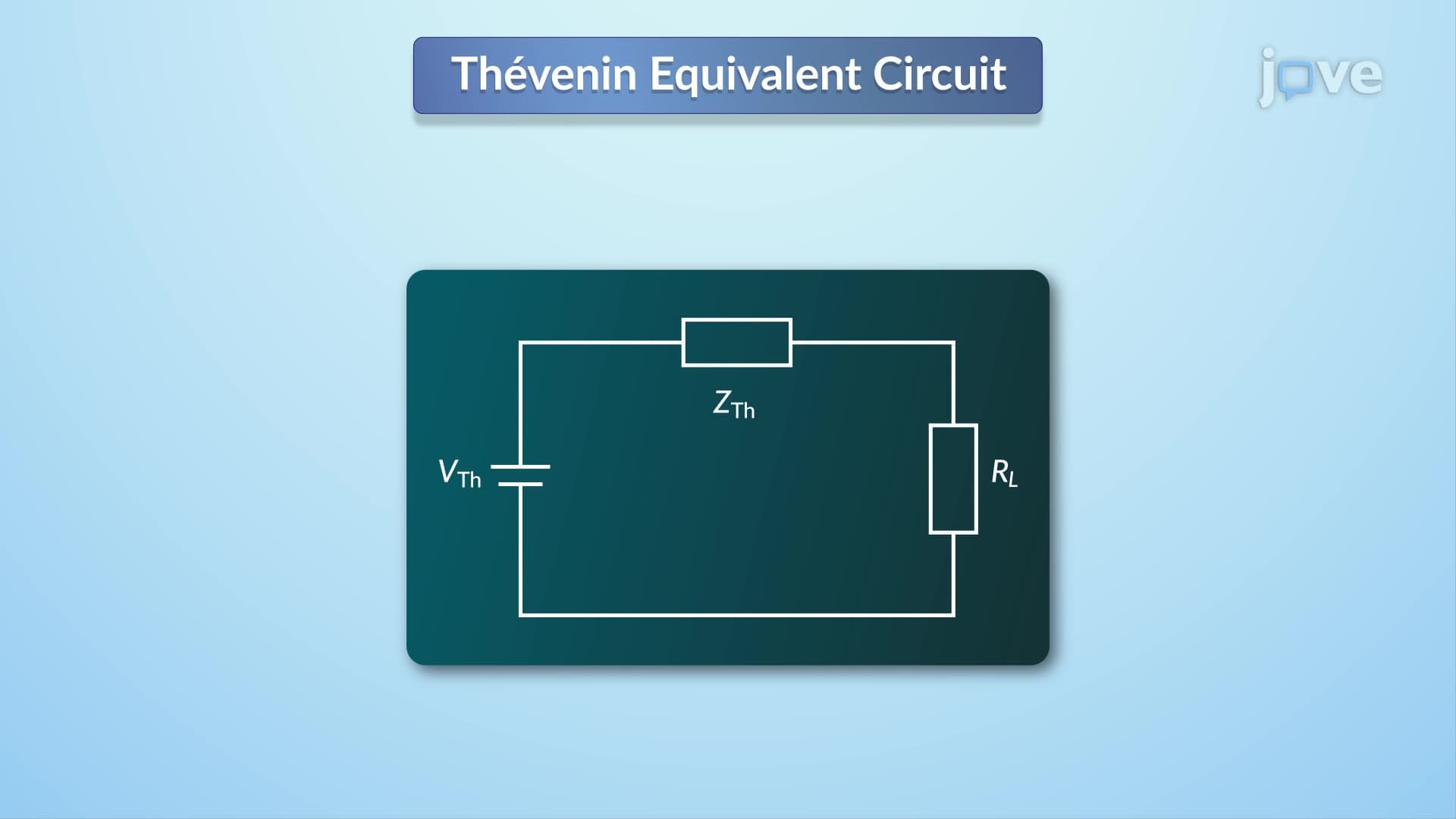
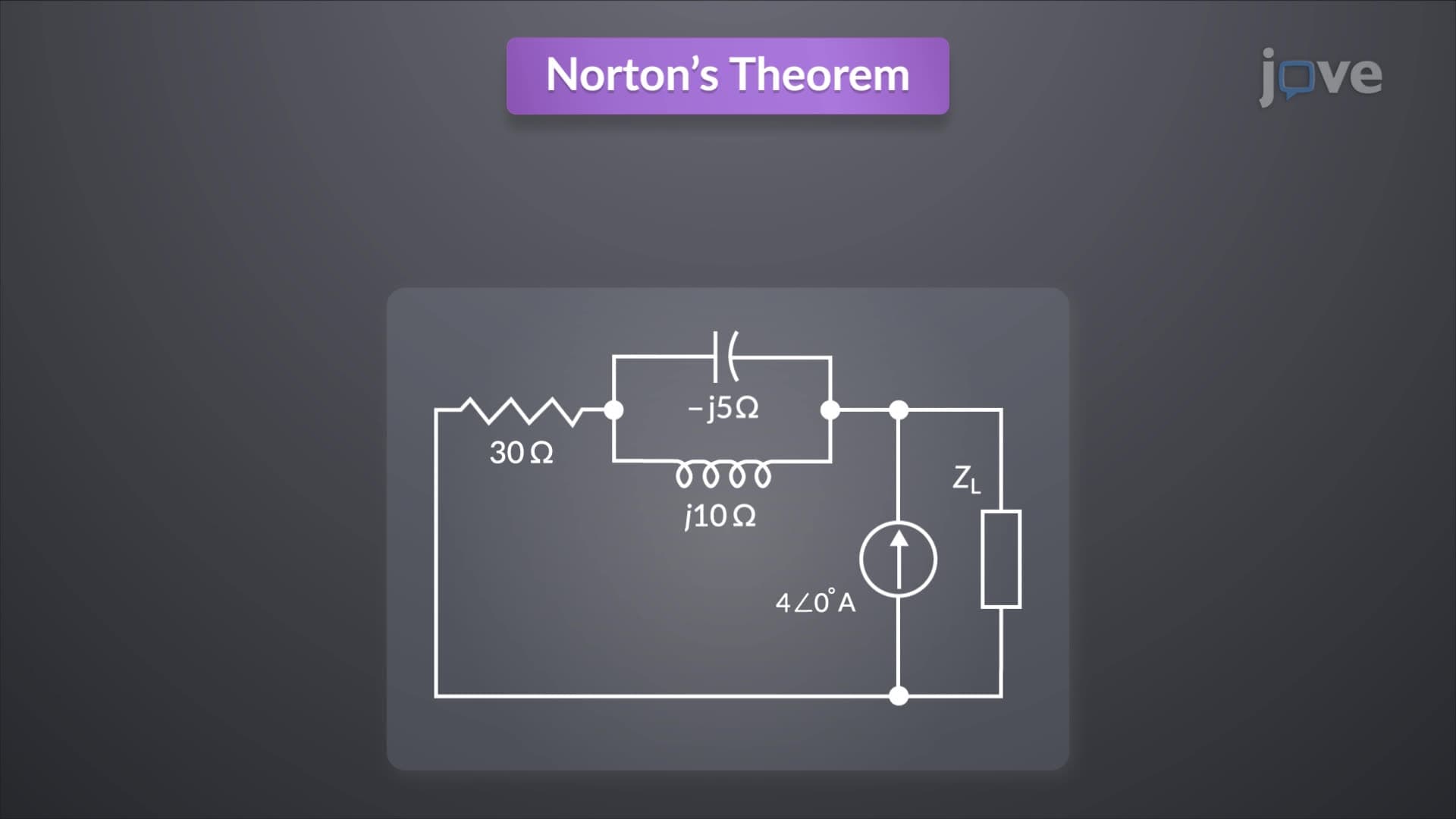
Consider studying Thevenin and Norton equivalent circuits for AC systems, followed by power analysis including real, reactive, and apparent power calculations. Advanced students can explore Fourier analysis for non-sinusoidal waveforms and filter design, which directly builds upon superposition principles in sophisticated engineering applications.
When multiple sinusoidal sources operate at different frequencies, their time-domain sum creates complex waveforms containing multiple frequency components. This mathematical phenomenon, fundamental to signal processing and communications, demonstrates how linear systems preserve all input frequency information while creating rich, composite output signals.
Related Micro-courses
Related Subjects
 Civil Engineering 30 micro-courses›Mechanical Engineering 28 micro-courses›