Loading…
Loading video…

10,864 views

Ever wonder why your smartphone charger works the same way whether you're in New York or California? The graphical and analytic representation of sinusoids explains how electrical power systems maintain consistent voltage delivery across America's vast grid network. What are Sinusoidal Sources? They're the mathematical foundation behind every electrical outlet in your home, generating the alternating current that powers everything from LED lights to gaming consoles. Watch the full video on JoVE Coach to master this concept with expert-led visuals and step-by-step explanations.
Sinusoidal sources form the backbone of modern electrical power distribution, generating the alternating current that flows through every power line in the United States. Unlike direct current (DC) that flows in one direction, these sources produce current that continuously reverses direction following a predictable mathematical pattern called a sinusoid.
The graphical and analytic representation of sinusoids reveals three critical parameters that define any sinusoidal signal. Amplitude determines the maximum voltage or current value, representing the "strength" of the electrical signal. In US household applications, standard wall outlets deliver approximately 120 volts RMS (root mean square), which corresponds to a peak amplitude of about 170 volts.
Frequency, measured in Hertz (Hz), indicates how many complete cycles occur per second. The US electrical grid operates at 60 Hz, meaning the current direction reverses 120 times every second. This frequency choice optimizes power transmission efficiency while minimizing electromagnetic interference. The period (T) represents the time for one complete cycle, mathematically related to frequency by T = 1/f.
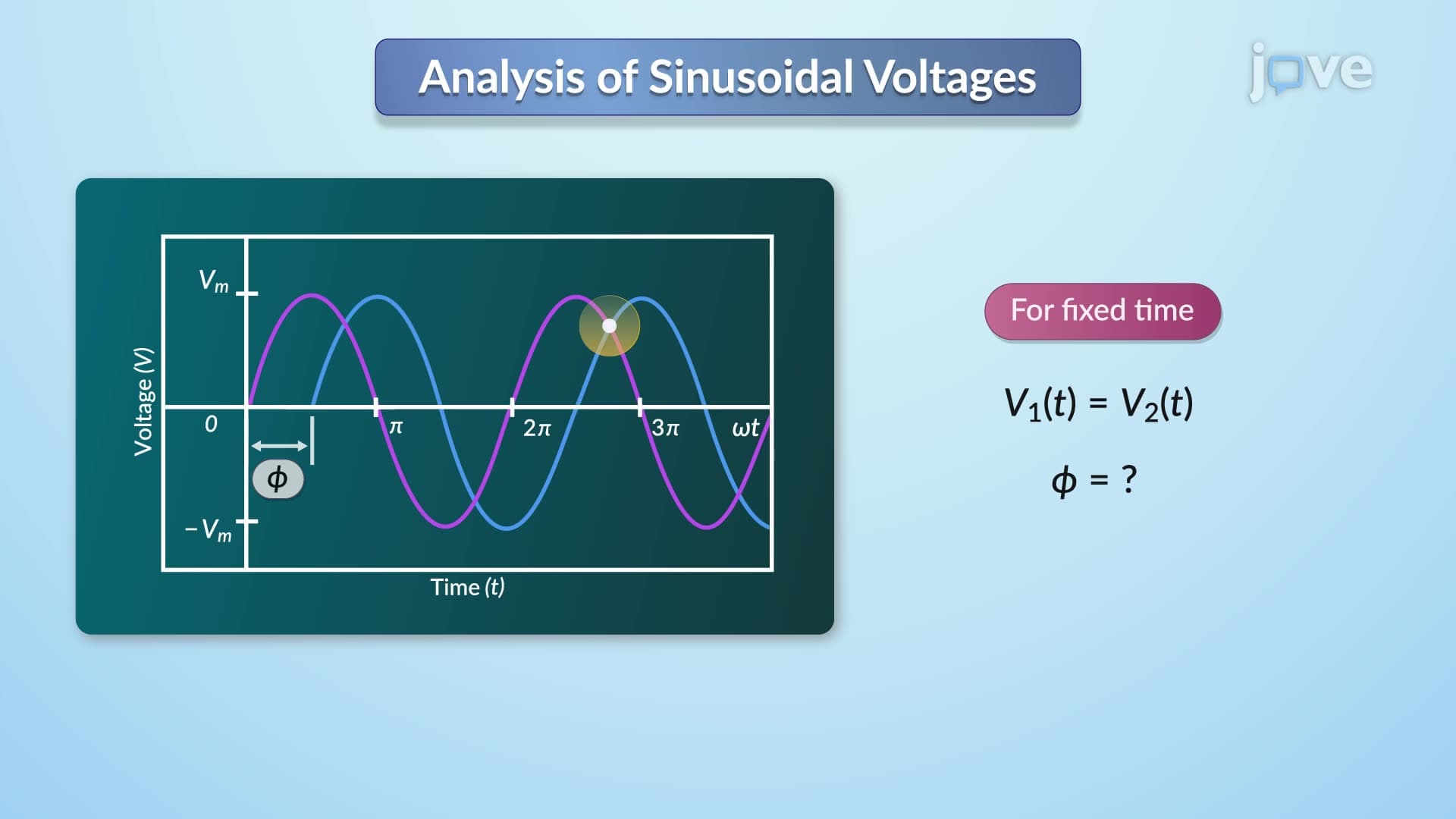
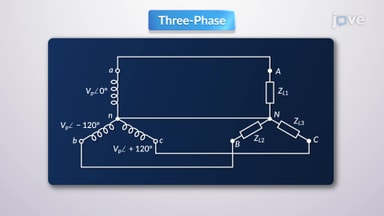
Phase differences between sinusoidal signals become crucial in three-phase power systems used by American industries and large commercial buildings. When multiple sinusoids operate "out of phase," they reach maximum and minimum values at different times. This phase separation enables more efficient power transmission and reduces wire requirements in electrical installations.
Power companies like ConEd in New York and Pacific Gas & Electric in California utilize these phase relationships to deliver electricity across vast distribution networks. The graphical and analytic representation of sinusoids concept helps electrical engineers design transformer stations and switching equipment that maintain voltage stability from generation facilities to your home.
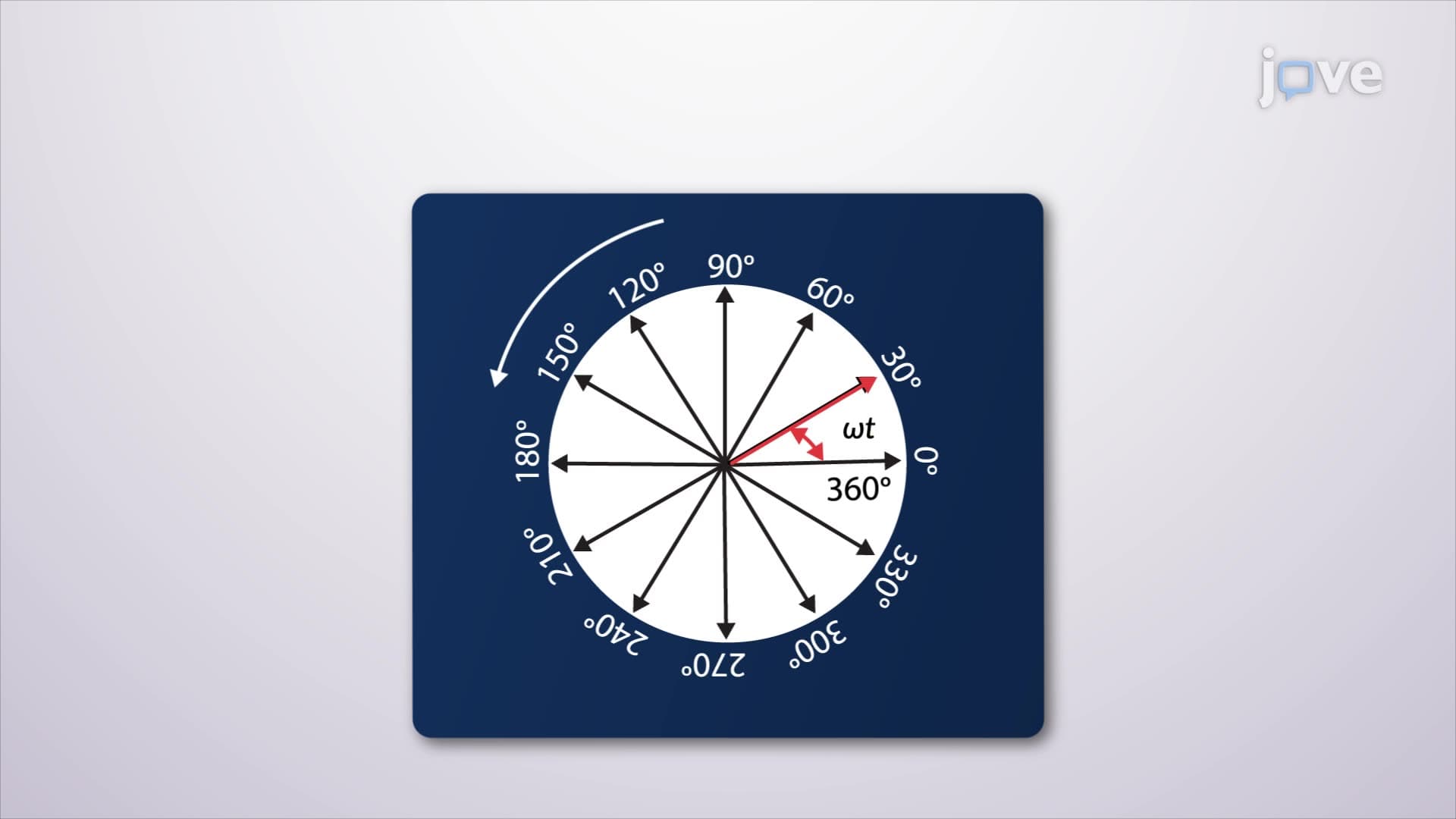
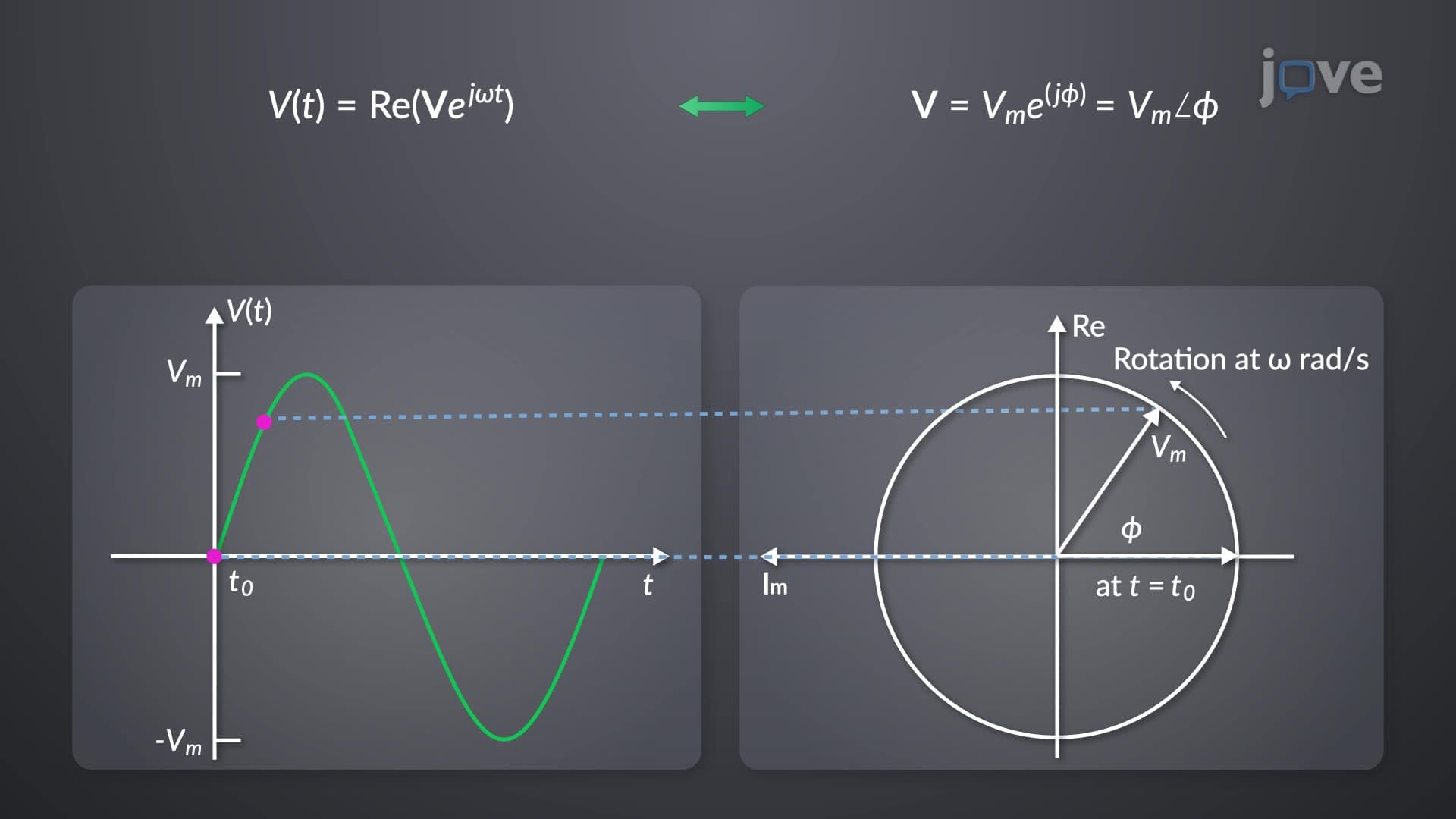
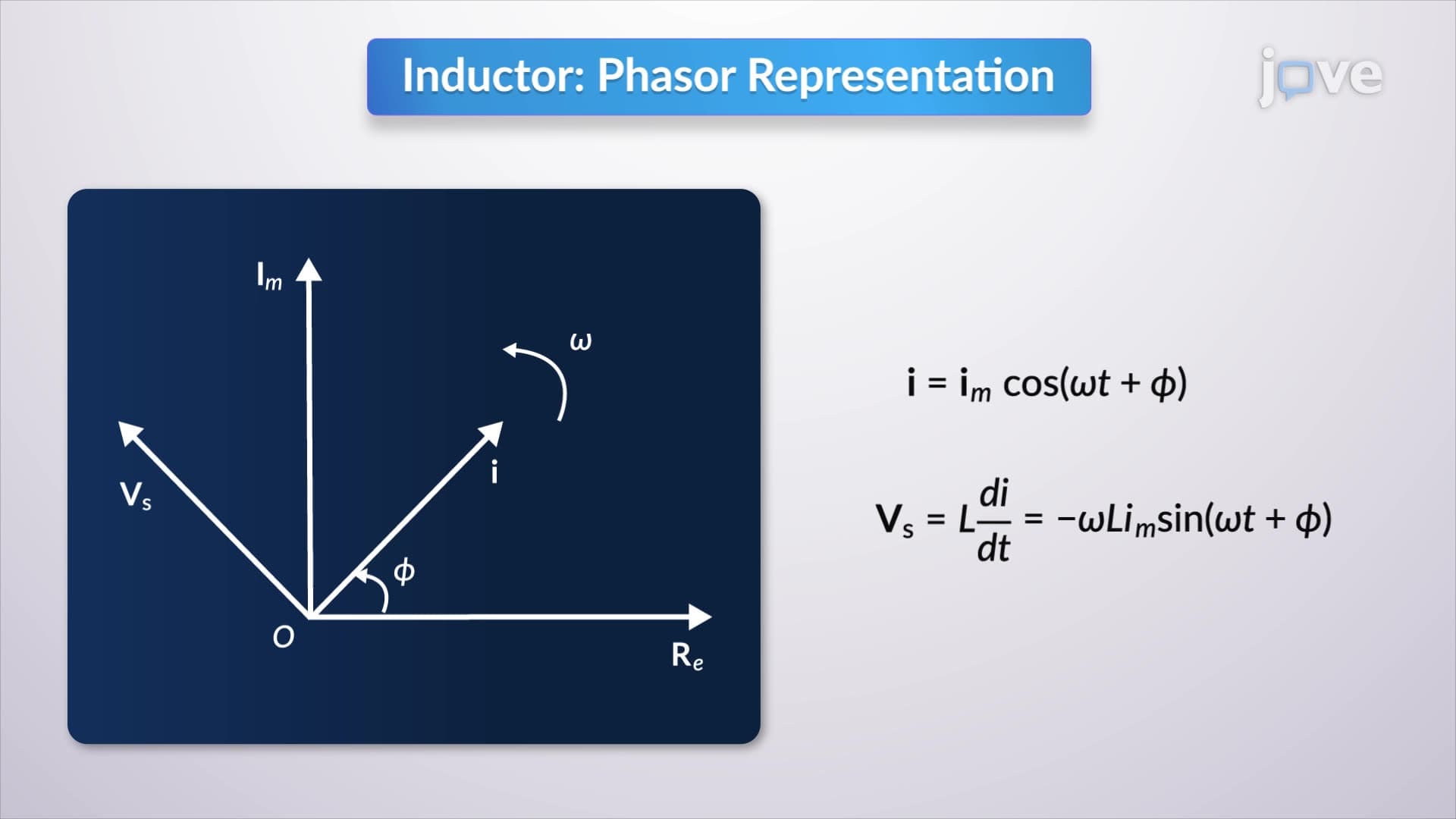
Students preparing for AP Physics exams encounter sinusoidal functions when studying electromagnetic waves and AC circuit analysis. College-level electrical engineering courses at institutions like MIT and Stanford extensively cover phasor diagrams—graphical tools that represent sinusoidal quantities as rotating vectors. The NCEES Fundamentals of Engineering exam tests understanding of sinusoidal sources in power systems analysis, making this concept essential for aspiring professional engineers.
Understanding sinusoidal mathematics also applies to signal processing, wireless communications, and even mechanical vibration analysis. From analyzing earthquake data at USGS monitoring stations to designing audio equipment for Nashville recording studios, the principles remain fundamentally the same across diverse engineering disciplines.
Frequently Asked Questions
Sinusoidal sources generate alternating current that varies smoothly according to trigonometric sine or cosine functions. They're essential because they enable efficient electrical power transmission over long distances with minimal energy loss. Most importantly, sinusoidal AC can be easily transformed to different voltage levels using transformers, making it ideal for power distribution from generation plants to homes and businesses.
AP Physics C: Electricity and Magnetism extensively tests AC circuit analysis using sinusoidal functions. Students must interpret phasor diagrams, calculate phase relationships, and solve problems involving impedance in reactive circuits. Mastering graphical representations helps visualize complex relationships between voltage, current, and power in alternating current systems, which typically comprises 15-20% of the AP Physics C exam content.
You only need basic trigonometry and algebra to grasp fundamental concepts. Understanding sine and cosine functions, their graphs, and simple derivatives helps with more advanced applications. Most high school students who've completed Algebra 2 and basic trigonometry have sufficient mathematical background to succeed with this material.
Every electrical device in your home operates on sinusoidal AC power from the electrical grid. Your microwave, laptop charger, and LED lights all rely on circuits that process 60 Hz sinusoidal voltage. Even DC devices like smartphones use power adapters that first receive sinusoidal AC, then convert it to steady DC voltage for battery charging.
The MCAT Physics section occasionally includes questions about AC circuits and electromagnetic waves, both involving sinusoidal functions. While not heavily emphasized, understanding phase relationships and frequency analysis can help with questions about medical imaging technologies like MRI and electrical activity in nerve cells. Strong foundational knowledge demonstrates scientific reasoning skills valued by medical schools.
Practice drawing sinusoidal graphs by hand while varying amplitude, frequency, and phase parameters. Use online graphing tools to visualize how changing each parameter affects the waveform shape. Focus on connecting mathematical expressions to physical meanings—for example, how doubled frequency means twice as many cycles per second in real electrical systems.
Phase differences determine how much actual power flows through electrical circuits versus reactive power that oscillates without doing useful work. In three-phase industrial systems, 120-degree phase separation between sinusoidal voltages enables constant power delivery and more efficient motor operation. Utility companies carefully manage phase relationships to optimize power factor and reduce transmission losses across the electrical grid.
Consider studying Fourier analysis, which shows how complex periodic signals decompose into multiple sinusoidal components. Phasor analysis using complex numbers provides powerful tools for AC circuit calculations. Digital signal processing applies sinusoidal concepts to modern communications and control systems, opening pathways to electrical engineering, computer science, and biomedical engineering careers.
Related Micro-courses
Related Subjects
 Civil Engineering 30 micro-courses›Mechanical Engineering 28 micro-courses›