Loading…
Loading video…

10,864 views
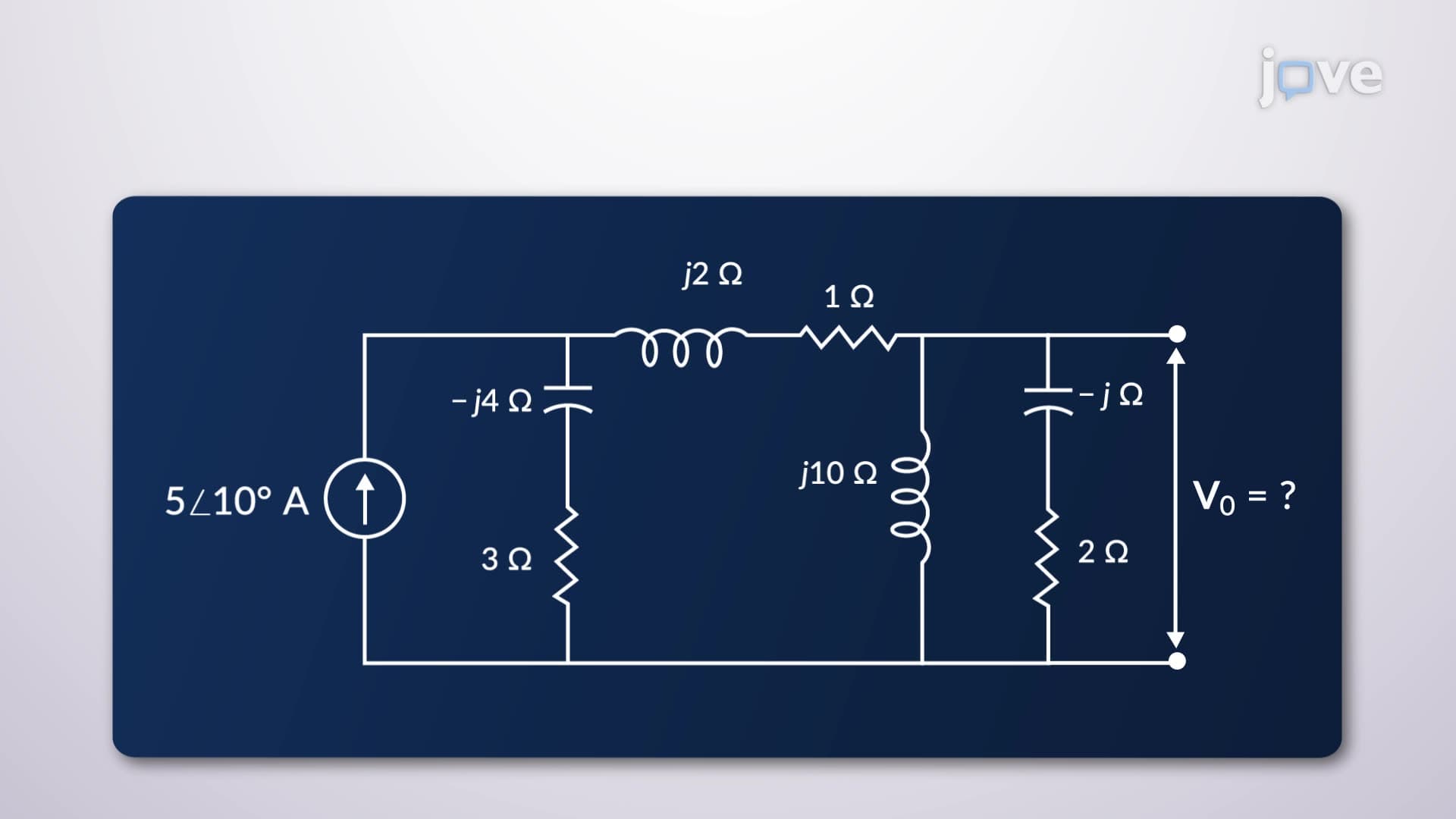
Ever wonder how electrical engineers at Tesla design efficient power systems for their electric vehicles? Thevenin equivalent circuits provide the mathematical foundation for simplifying complex AC networks into manageable forms. Source Transformation For AC Circuits Explained demonstrates how current sources can be converted to voltage sources (and vice versa) while maintaining circuit behavior—a technique used daily in power grid analysis across the United States. Watch the full video on JoVE Coach to master this concept with expert-led visuals and step-by-step explanations.
Source transformation represents one of the most powerful techniques in AC circuit analysis, allowing engineers to convert complex networks into simpler equivalent forms. This method proves essential when analyzing circuits containing multiple energy sources and reactive components like capacitors and inductors. Unlike DC circuits that deal only with resistance, AC circuits involve impedance—a combination of resistance and reactance that varies with frequency.
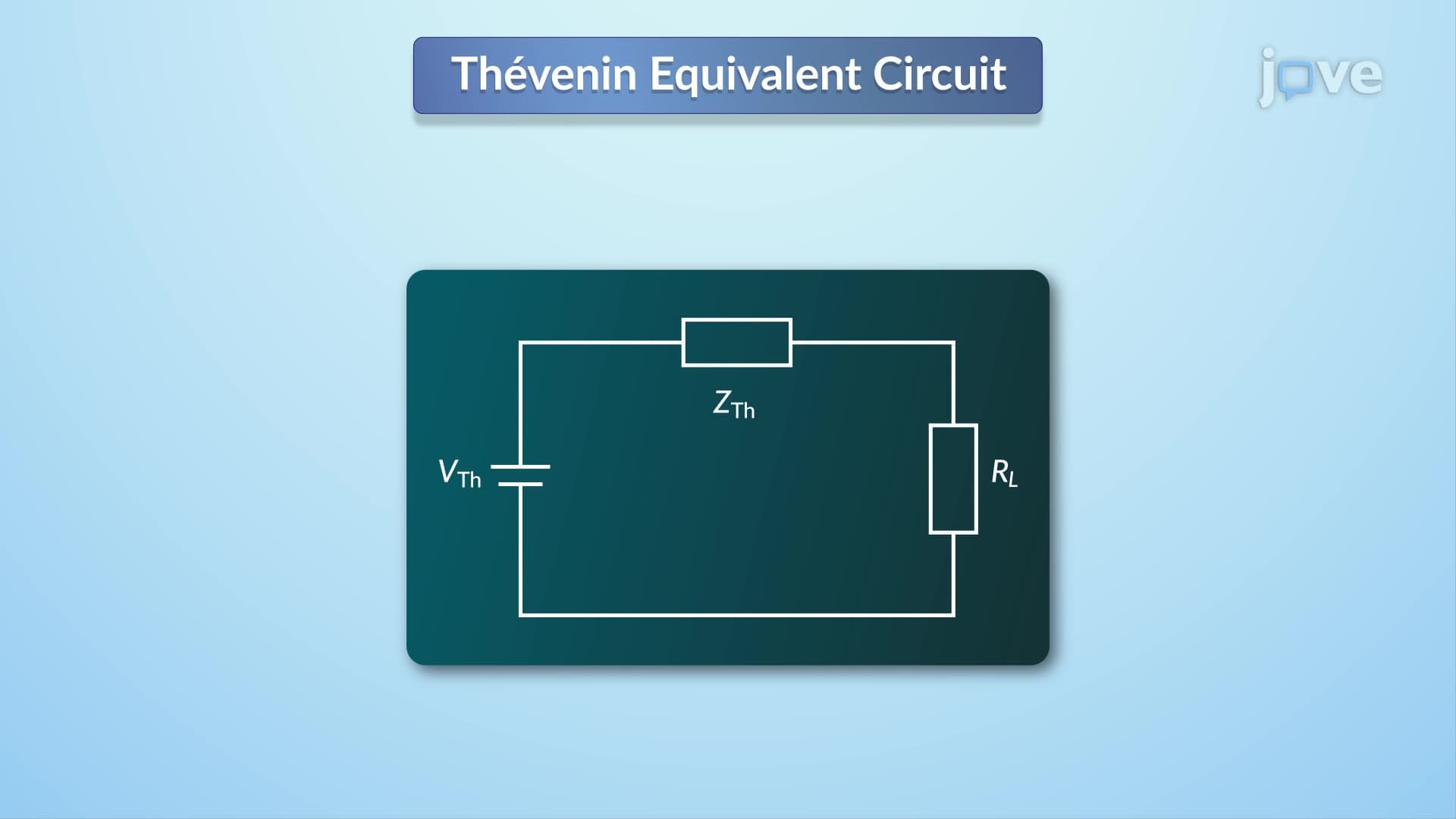
Thevenin equivalent circuits form the theoretical foundation for source transformation techniques. When we examine what are Thevenin equivalent circuits overview, we discover that any linear circuit with two terminals can be replaced by a single voltage source in series with an equivalent impedance. This principle extends naturally to different types of Thevenin equivalent circuits, including those with purely resistive, purely reactive, or mixed impedance characteristics.
The conversion process relies on Ohm's law: V = IZ, where Z represents complex impedance in AC circuits. For instance, a 5-ampere current source in parallel with a 10-ohm impedance transforms into a 50-volt voltage source in series with the same 10-ohm impedance. This mathematical relationship holds true whether the impedance consists of resistors, capacitors, inductors, or any combination thereof.
Understanding Thevenin equivalent circuits proves crucial for students preparing for the AP Physics C exam, where circuit analysis questions frequently appear. College-level electrical engineering programs at institutions like MIT and Stanford emphasize these concepts in introductory courses, as they form building blocks for more advanced topics like power system analysis and filter design.
Real-world applications abound in American infrastructure. Pacific Gas & Electric uses source transformation principles when modeling power distribution networks across California. Similarly, engineers at General Electric apply these techniques when designing industrial motor control systems, where multiple AC sources must be analyzed simultaneously.
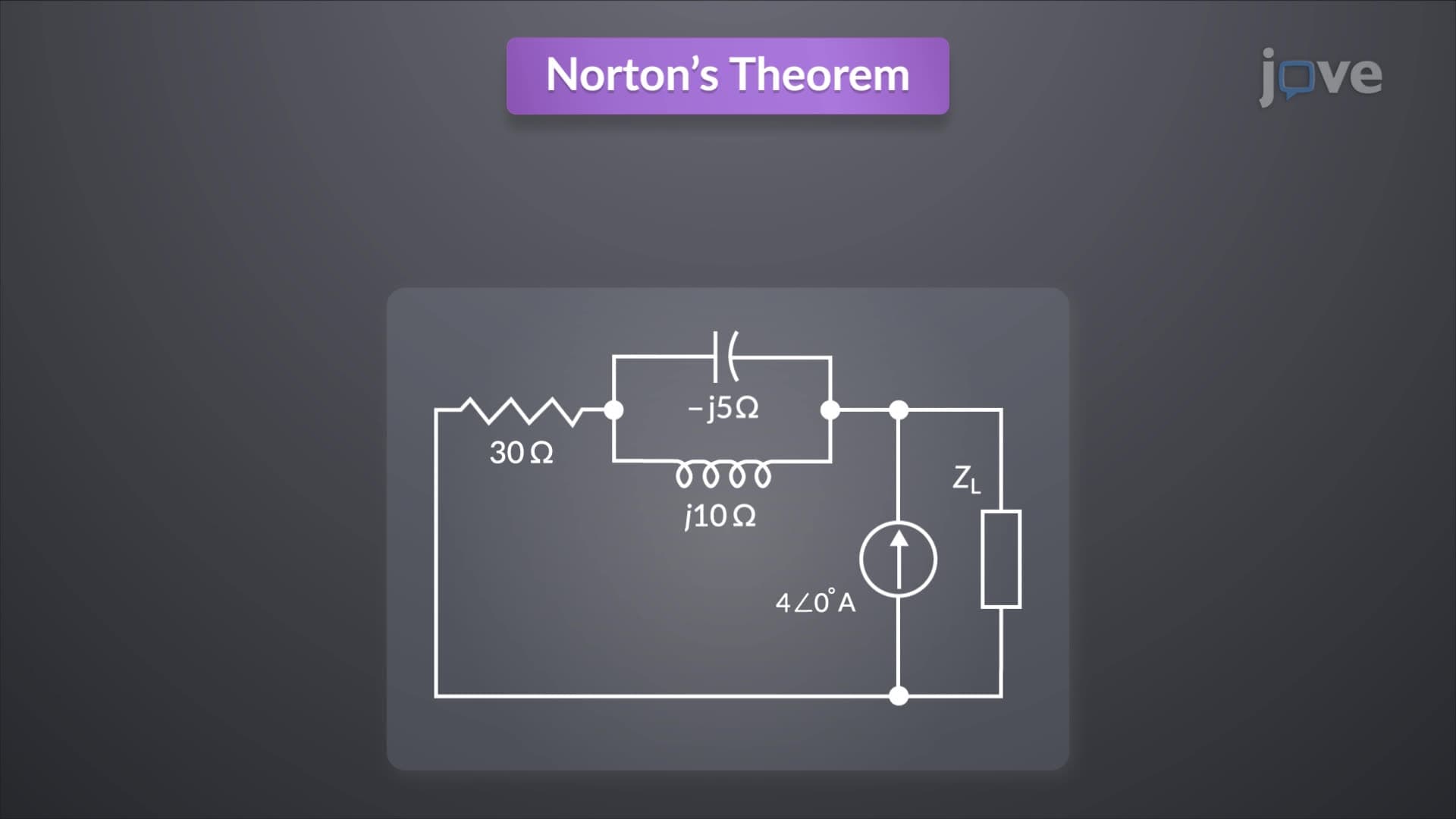
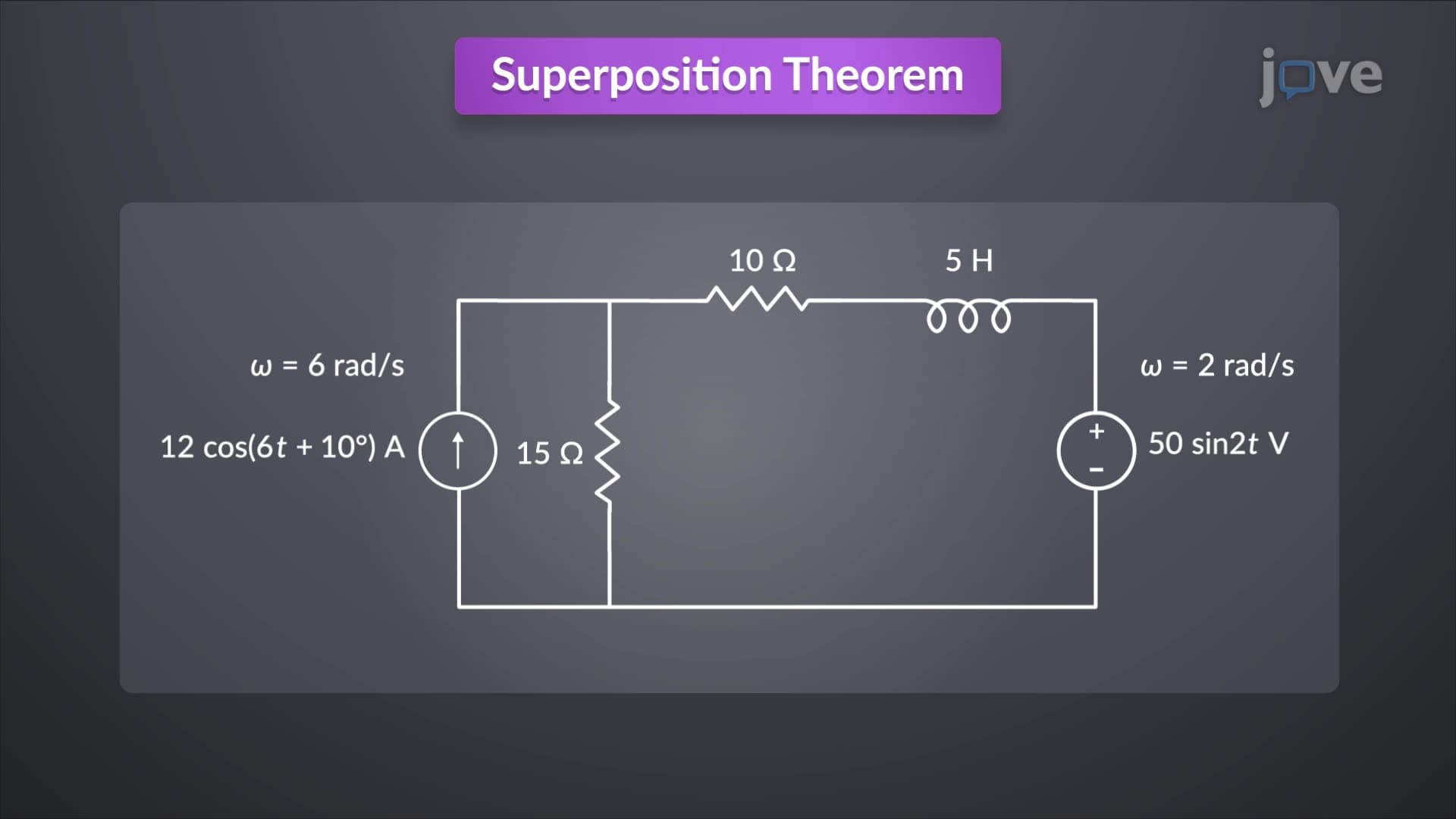
The Thevenin equivalent circuits concept extends beyond simple source conversions. When multiple transformations occur sequentially—as demonstrated in the circuit analysis—engineers can systematically reduce complex networks to single equivalent sources. This process involves calculating equivalent impedances for series and parallel combinations, then applying voltage division rules to determine branch voltages.
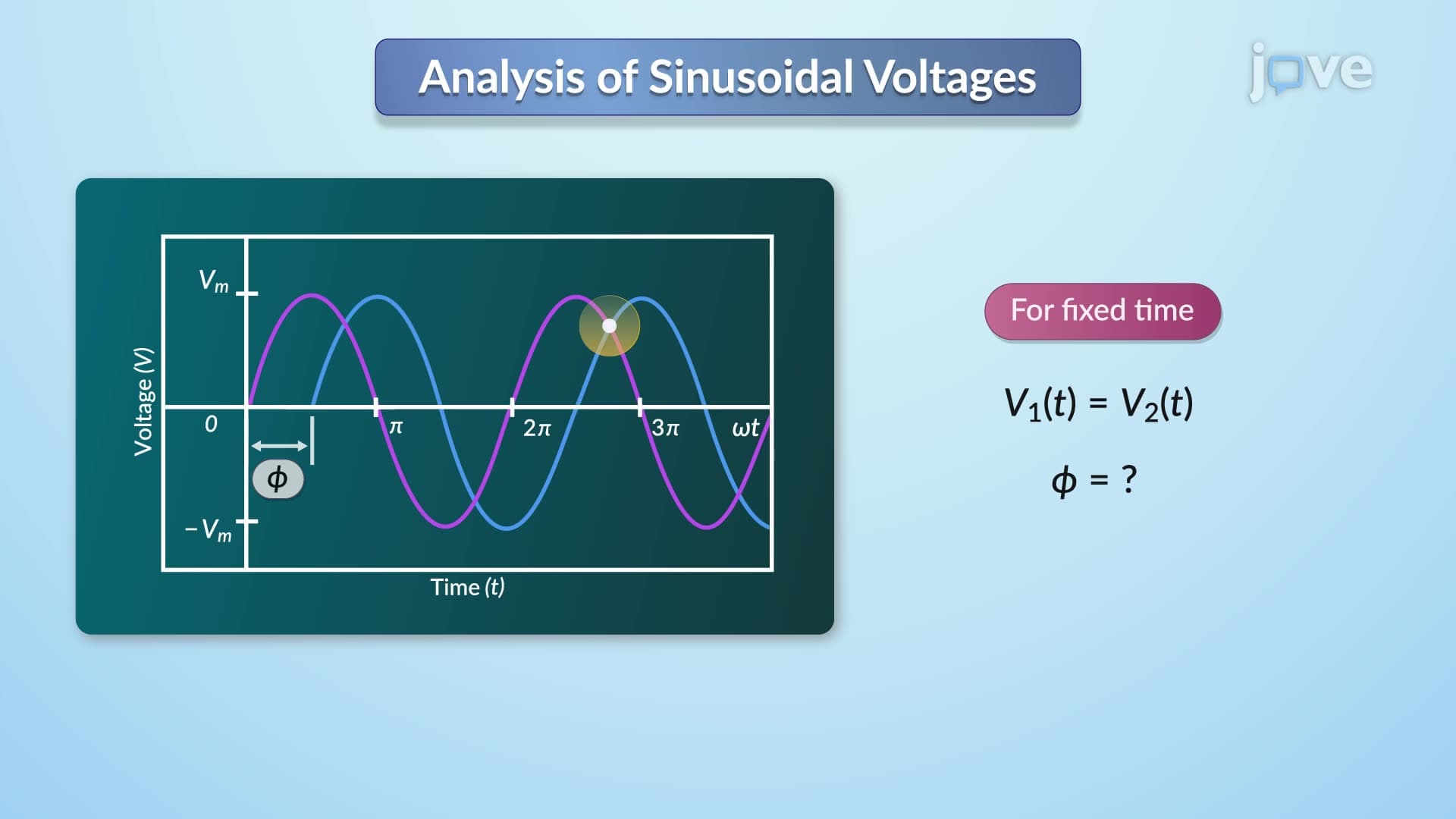
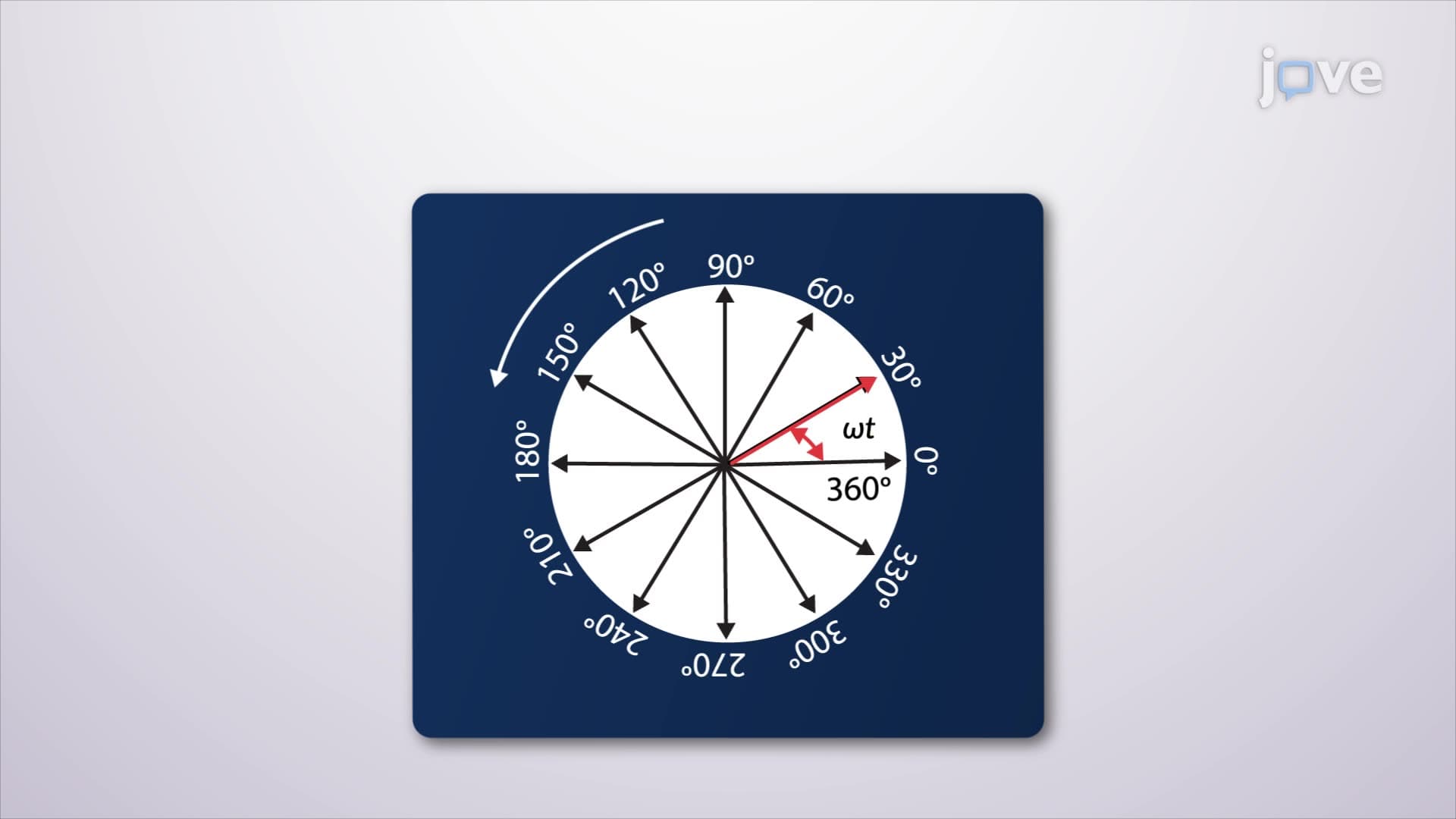
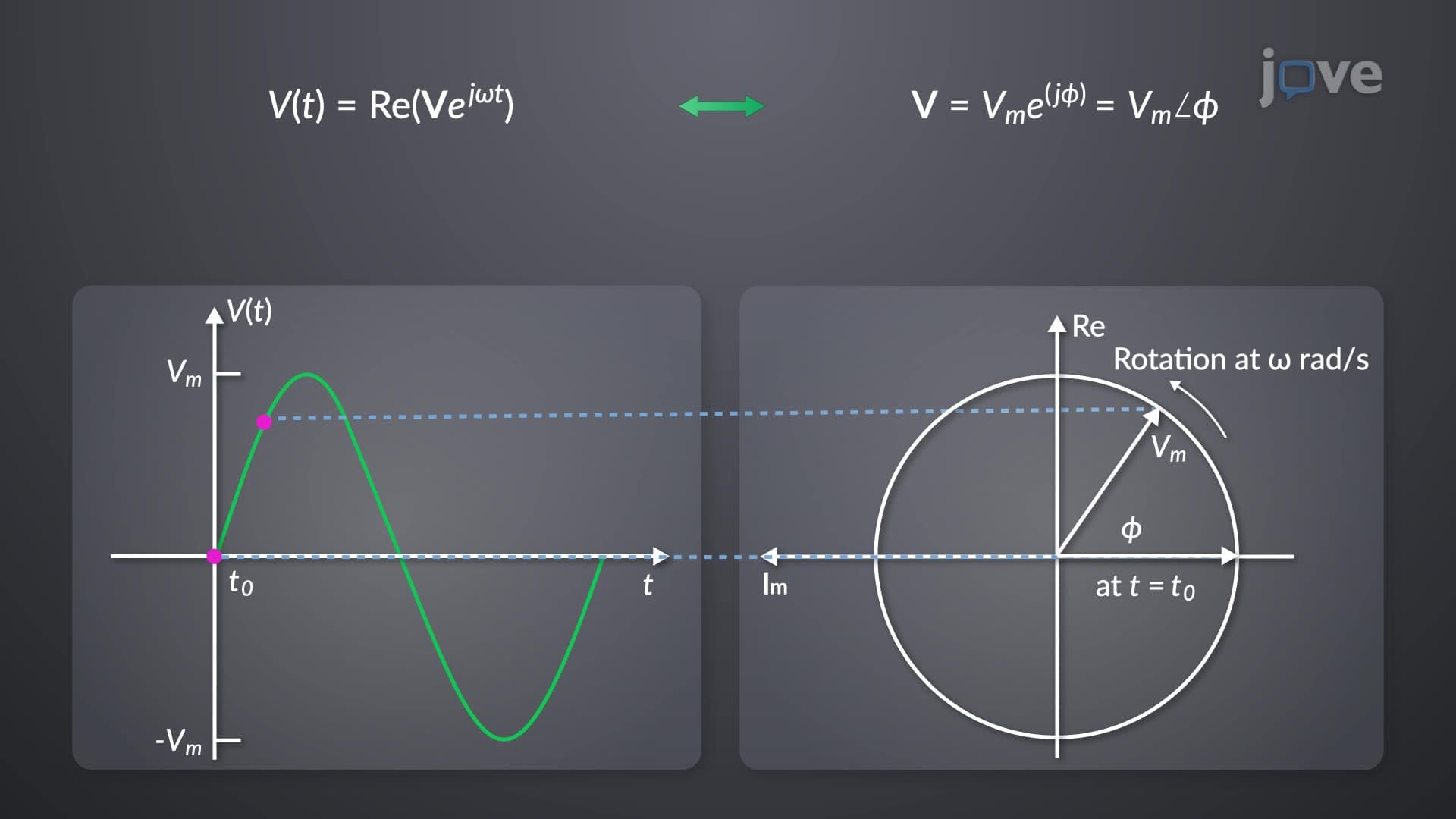
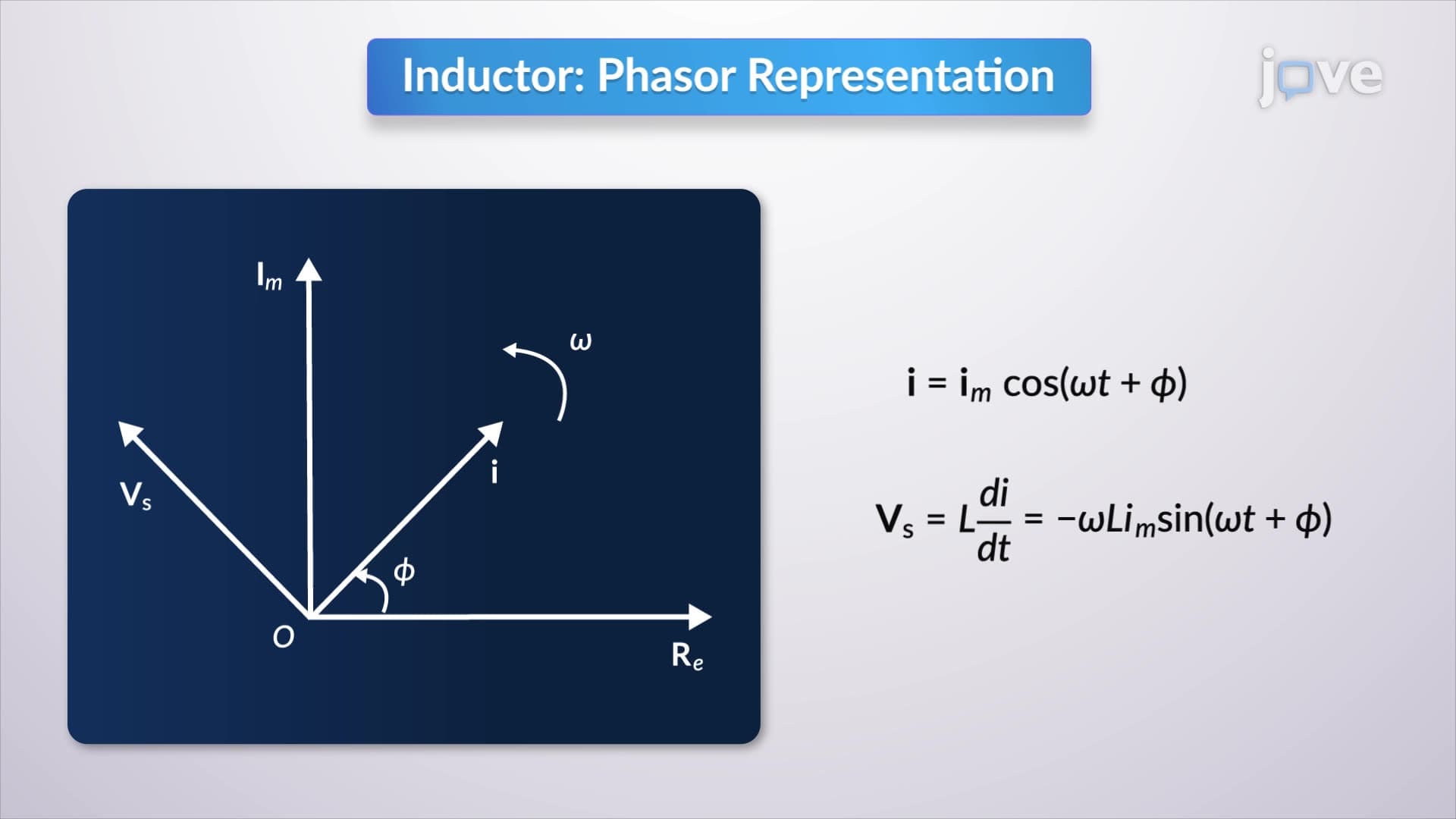
Students should remember that phasor representation becomes essential when dealing with AC quantities. Unlike DC analysis, AC source transformation requires careful attention to phase relationships between voltages and currents, particularly when reactive elements introduce phase shifts.
Frequently Asked Questions
Source transformation for AC circuits converts current sources to voltage sources (or vice versa) while preserving impedance relationships in frequency-domain analysis. Unlike DC circuits that use simple resistance, AC transformation involves complex impedance values that account for both magnitude and phase relationships. The fundamental conversion formula V = IZ applies, but Z represents complex impedance rather than pure resistance.
AP Physics C frequently tests source transformation through multi-step circuit analysis problems requiring students to simplify complex networks. Typical questions involve converting between current and voltage sources, calculating equivalent impedances, and applying voltage division rules. Students should practice phasor notation and complex number arithmetic, as these mathematical tools prove essential for AC circuit problems on the exam.
Yes, MCAT physics includes basic circuit analysis concepts including source transformation principles. While the exam emphasizes conceptual understanding over complex calculations, students should recognize when circuits can be simplified using equivalent source methods. Focus on understanding how voltage and current relationships change when sources are transformed rather than memorizing complex impedance formulas.
Power engineers at companies like Consolidated Edison use source transformation to model generator behavior and load distribution across New York's electrical grid. By converting complex generator networks into equivalent sources, engineers can predict voltage levels, calculate power flows, and design protective systems. This technique proves especially valuable when analyzing renewable energy integration, where multiple solar and wind sources require coordinated analysis.
No, source transformation for AC circuits primarily requires algebra and basic trigonometry skills taught in high school. While complex number notation appears intimidating initially, the underlying concepts use familiar Ohm's law relationships. Students comfortable with scientific calculators and basic vector operations can successfully master these techniques without advanced calculus knowledge.
Practice systematic problem-solving approaches by working through circuits step-by-step, clearly labeling each transformation stage. Create reference sheets showing conversion formulas and common impedance combinations. Focus on understanding when to apply source transformation versus other circuit analysis methods like nodal analysis or mesh current techniques.
Source transformation provides the foundation for power system analysis, filter design, and signal processing courses typically encountered in junior-level electrical engineering programs. Students planning careers in power engineering, electronics design, or renewable energy systems will encounter these principles repeatedly throughout their academic and professional development.
Different types of Thevenin equivalent circuits serve specific engineering purposes—resistive equivalents for DC analysis, reactive equivalents for filter design, and complex impedance equivalents for power system modeling. Industrial applications often involve mixed impedance types, requiring engineers to consider frequency-dependent behavior when selecting appropriate equivalent circuit models.
Related Micro-courses
Related Subjects
 Civil Engineering 30 micro-courses›Mechanical Engineering 28 micro-courses›