Loading subject page…

- Electrical Engineering
- First and Second Order Circuits
- RC Circuit with Source
Micro-course: First and Second-Order Circuits
18,675 views
Learn key concepts and earn your certificate.



RC Circuit with Source

00:00
01:15
Video Summary: What Is Rc Circuit with Source
Ever wonder why your smartphone takes time to charge even with a "fast charger"? This delay relates to RC circuit with source behavior, where capacitors can't change voltage instantaneously. When a DC voltage source connects to an RC circuit, the capacitor voltage follows an exponential step response governed by Kirchhoff's laws. In Tesla's electric vehicle charging systems, engineers must account for this exponential charging pattern to optimize battery performance and safety. Watch the full video on JoVE Coach to master this concept with expert-led visuals and step-by-step explanations.
- Understand what is RC circuit with source and how DC voltage application creates step response behavior in capacitive circuits
- Identify the mathematical relationship between capacitor voltage and time using first-order differential equations
- Analyze how Kirchhoff's current law applies to determine circuit behavior immediately after switching
- Recognize why capacitor voltage cannot change instantaneously due to fundamental electrical properties
- Apply exponential decay principles to calculate current flow through RC circuits over time
- Evaluate the difference between initially charged and uncharged capacitor responses in practical scenarios
- Compare step response characteristics with real-world charging applications in electronic devices
- Explore how time constants determine the rate of voltage approach toward source voltage levels
Understanding RC Circuit With Source Fundamentals
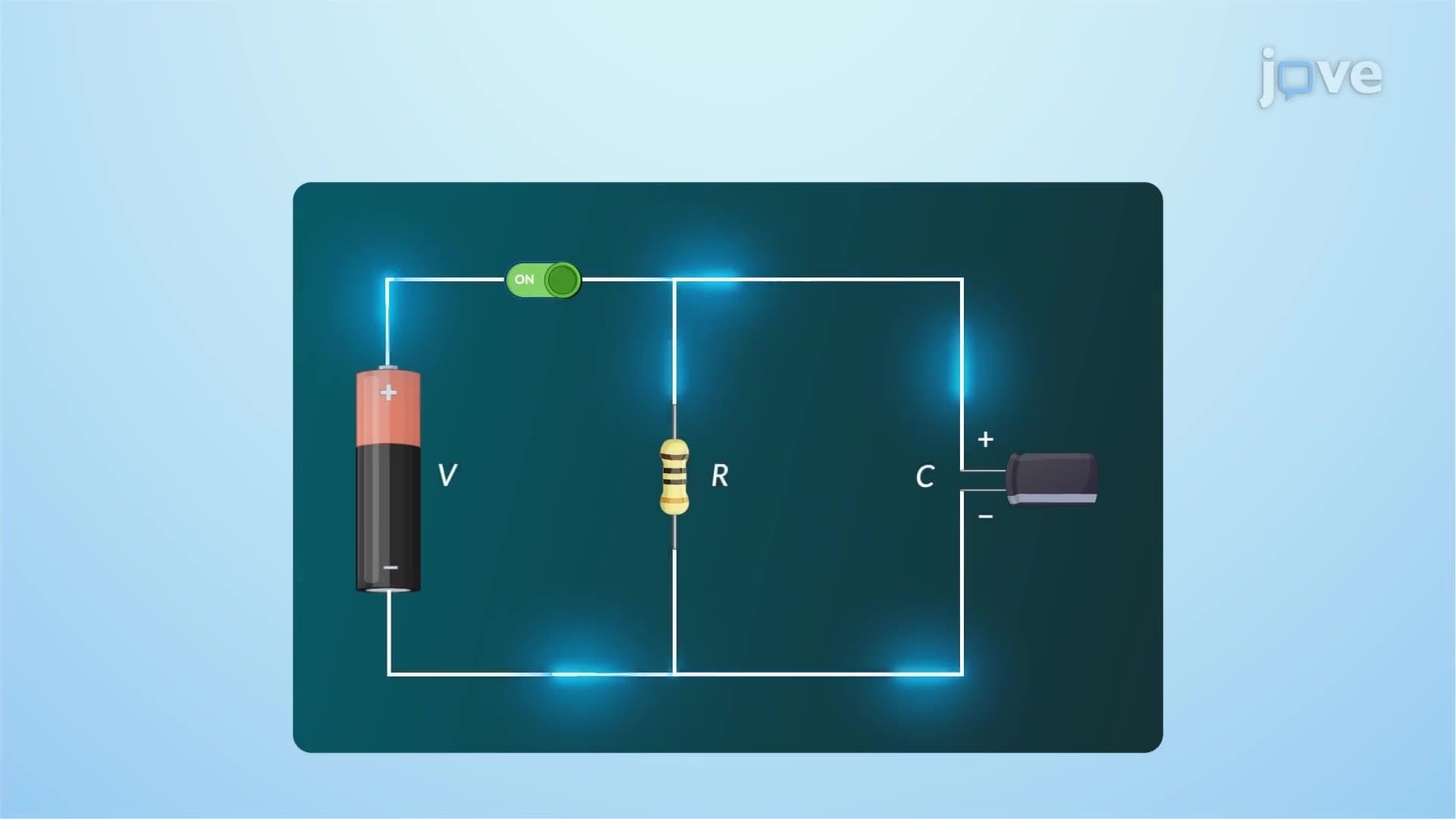
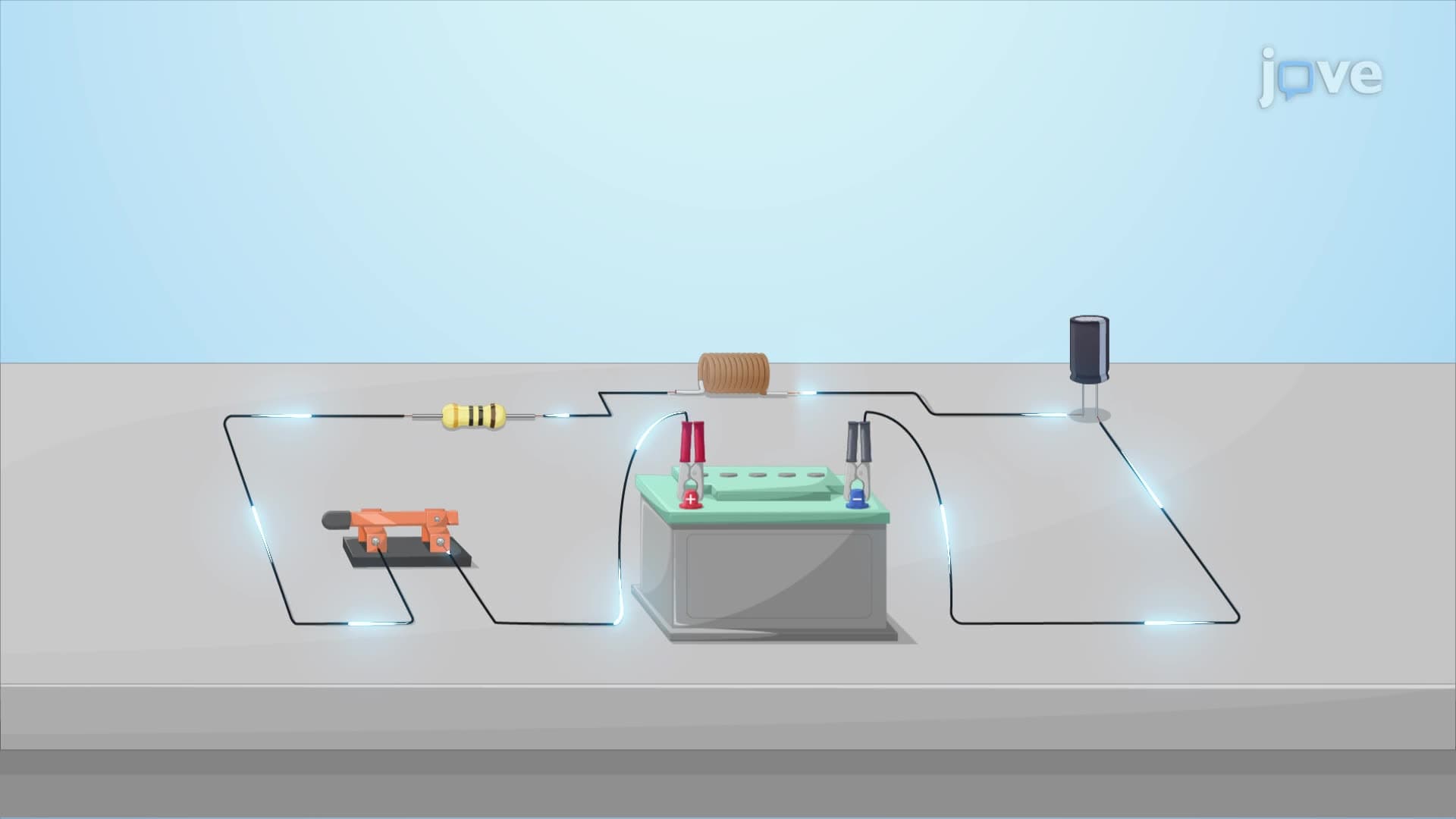
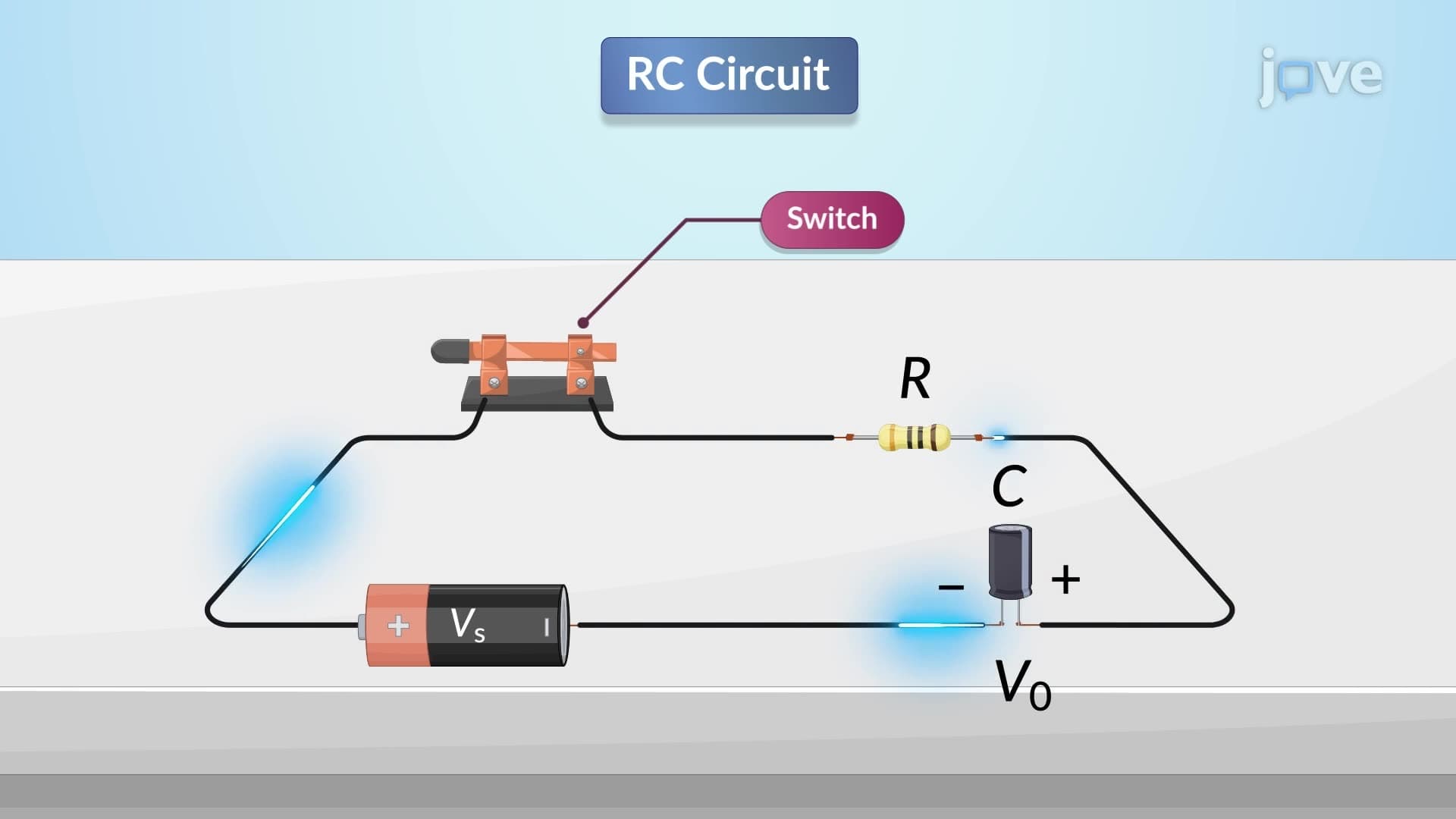
An RC circuit with source represents one of the most fundamental concepts in electrical engineering, combining a resistor (R) and capacitor (C) with a DC voltage source. When engineers at companies like Apple design charging circuits for iPhones, they must understand how these components interact. The moment a DC source connects to an RC circuit, it creates what electrical engineers call a "step response", a specific voltage pattern that follows precise mathematical rules.
Mathematical Analysis and Step Response Behavior
The step response occurs because capacitors have a unique electrical property: they cannot change voltage instantaneously. This physical limitation stems from the capacitor's fundamental equation, i = C(dv/dt), where current equals capacitance times the rate of voltage change. When students encounter this concept in AP Physics C or college circuit analysis courses, they learn that infinite current would be required for instantaneous voltage changes, which violates physical laws.
Applying Kirchhoff's current law at t = 0+ (immediately after switching) yields a first-order differential equation. Integration of this equation produces the exponential solution: v(t) = V_source(1 - e^(-t/RC)), where RC represents the circuit's time constant. This time constant determines how quickly the capacitor voltage approaches the source voltage, a critical parameter in designing everything from camera flash circuits to electric vehicle charging systems.
Practical Applications in US Technology and Education
Major US technology companies rely heavily on RC circuit principles. For instance, Intel's microprocessor designs use RC circuits for timing applications, while General Electric incorporates them in power grid stabilization systems. Students preparing for the MCAT encounter these concepts in passages about defibrillator circuits, where controlled capacitor discharge can restart hearts.
The exponential current decay in RC circuits, given by i(t) = (V_source/R)e^(-t/RC), explains why LED dimming circuits work smoothly rather than abruptly. This mathematical relationship appears frequently on college midterm exams and AP Physics problem sets, making mastery essential for academic success.
Advanced Considerations for Circuit Analysis
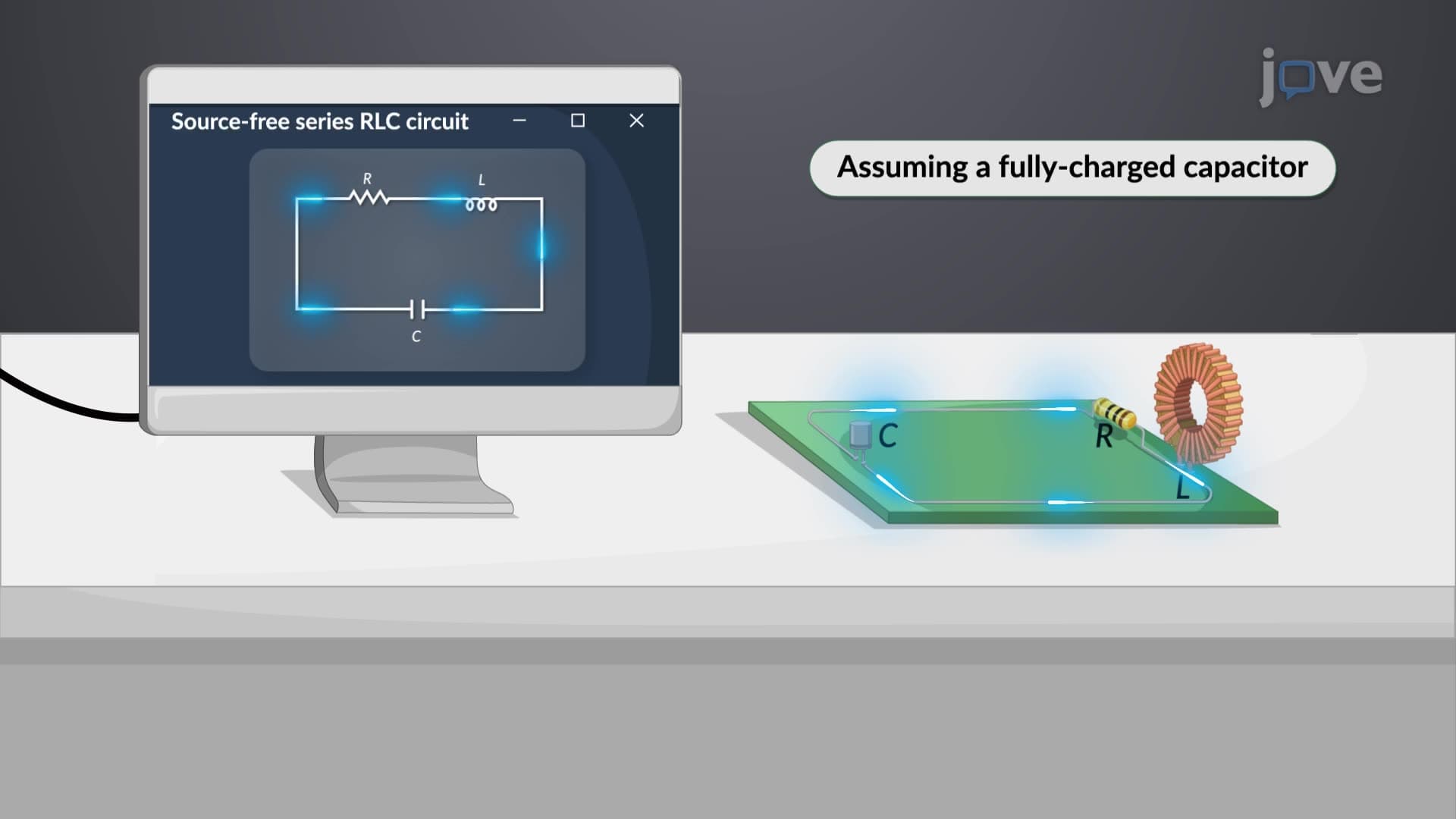
Real-world RC circuits often begin with pre-charged capacitors, modifying the standard step response equation to account for initial conditions. This scenario appears in automotive applications where backup capacitors maintain computer memory during engine starts. Understanding both charged and uncharged initial conditions prepares students for comprehensive circuit analysis in electrical engineering programs at institutions like MIT and Stanford, where these principles form the foundation for advanced power electronics and control systems design.
Frequently Asked Questions
An RC circuit with source includes a DC voltage source connected to resistor and capacitor components, creating dynamic voltage and current responses over time. Unlike basic RC circuits that may only analyze steady-state conditions, RC circuits with sources examine transient behavior when voltage is suddenly applied. This analysis reveals exponential charging patterns essential for understanding real devices like smartphone chargers and camera flash units.
AP Physics C frequently tests RC circuit step response through free-response questions requiring differential equation setup and exponential solution derivation. College physics and engineering exams typically include numerical problems calculating time constants, voltage at specific times, and current decay rates. Students must memorize the standard equations v(t) = V(1 - e^(-t/RC)) and i(t) = (V/R)e^(-t/RC) for exam success.
MCAT physics passages often embed RC circuits within medical device contexts like defibrillators or nerve stimulation equipment, requiring students to interpret exponential graphs and calculate charging times. The challenge lies in connecting abstract mathematical relationships to physiological applications while working under time pressure. Success requires recognizing that 63% of final voltage occurs after one time constant (τ = RC).
Companies like Tesla use RC circuit principles in electric vehicle charging systems to control current surge and protect batteries during rapid charging cycles. Apple incorporates RC timing circuits in iPhone touchscreen response systems, while Boeing applies these concepts in aircraft electrical system design. Understanding RC behavior helps engineers optimize power delivery efficiency and prevent component damage in consumer electronics.
Basic differential equations knowledge suffices for introductory RC circuit analysis, typically covered in AP Calculus AB or college Calculus I courses. While deriving the exponential solution requires integration skills, most physics courses provide the standard formulas for direct application. Students can successfully solve RC problems by focusing on exponential function properties rather than complex mathematical derivations.
Create a formula sheet connecting time constants (τ = RC) to percentage completion values: 63% at 1τ, 86% at 2τ, and 95% at 3τ for practical circuit analysis. Practice sketching exponential voltage and current curves while identifying key time markers. Work through diverse problem types from AP Physics released exams and college textbooks, focusing on unit analysis to catch calculation errors during high-stakes testing situations.
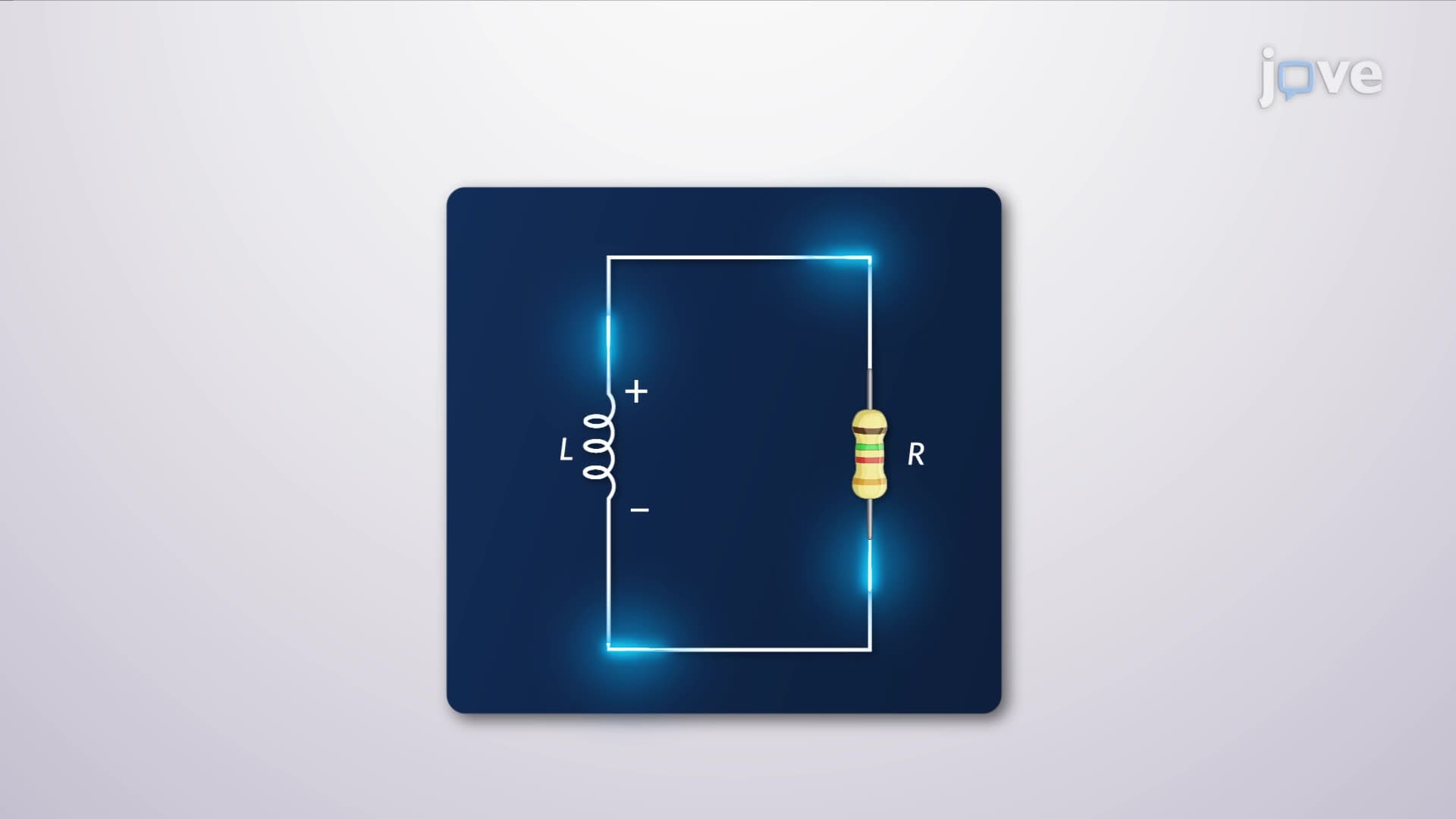
Progress to RLC circuits combining resistors, inductors, and capacitors for oscillatory behavior analysis, essential for understanding radio frequency applications and electrical grid stability. Explore operational amplifier circuits incorporating RC elements for signal processing applications. Advanced students should investigate Laplace transform methods for complex circuit analysis, preparing for electrical engineering coursework at universities like Caltech and Georgia Tech.
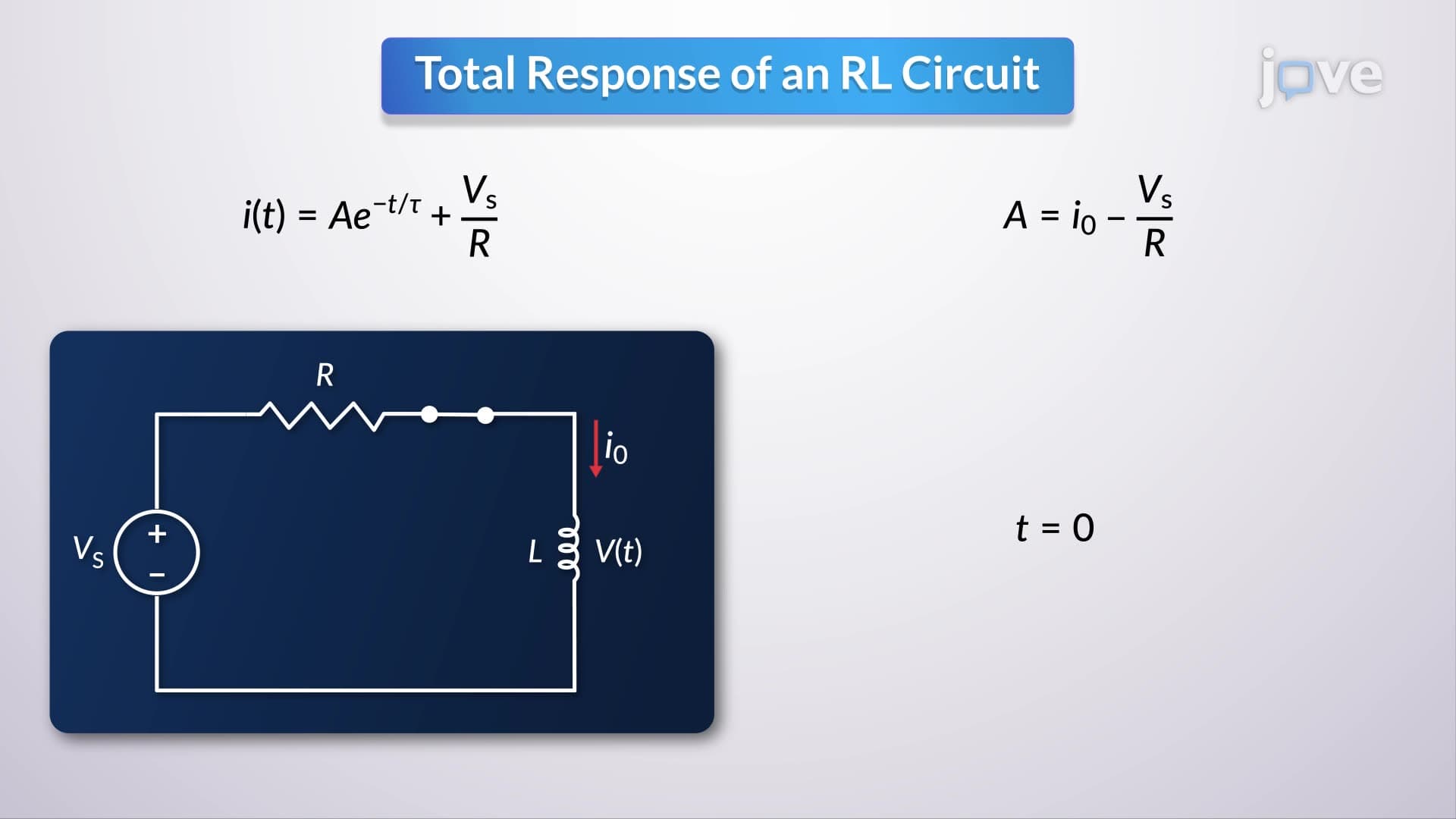
Initially charged capacitors require modified exponential equations accounting for starting voltage values, commonly written as v(t) = V_final + (V_initial - V_final)e^(-t/RC). This scenario frequently appears in automotive electronics where backup capacitors maintain system memory during engine restarts. Understanding both charged and uncharged initial conditions prepares students for comprehensive circuit analysis in advanced physics and engineering courses.
Related Micro-courses