Loading subject page…

- Electrical Engineering
- First and Second Order Circuits
- RL Circuit with Source
Micro-course: First and Second-Order Circuits
18,675 views
Learn key concepts and earn your certificate.

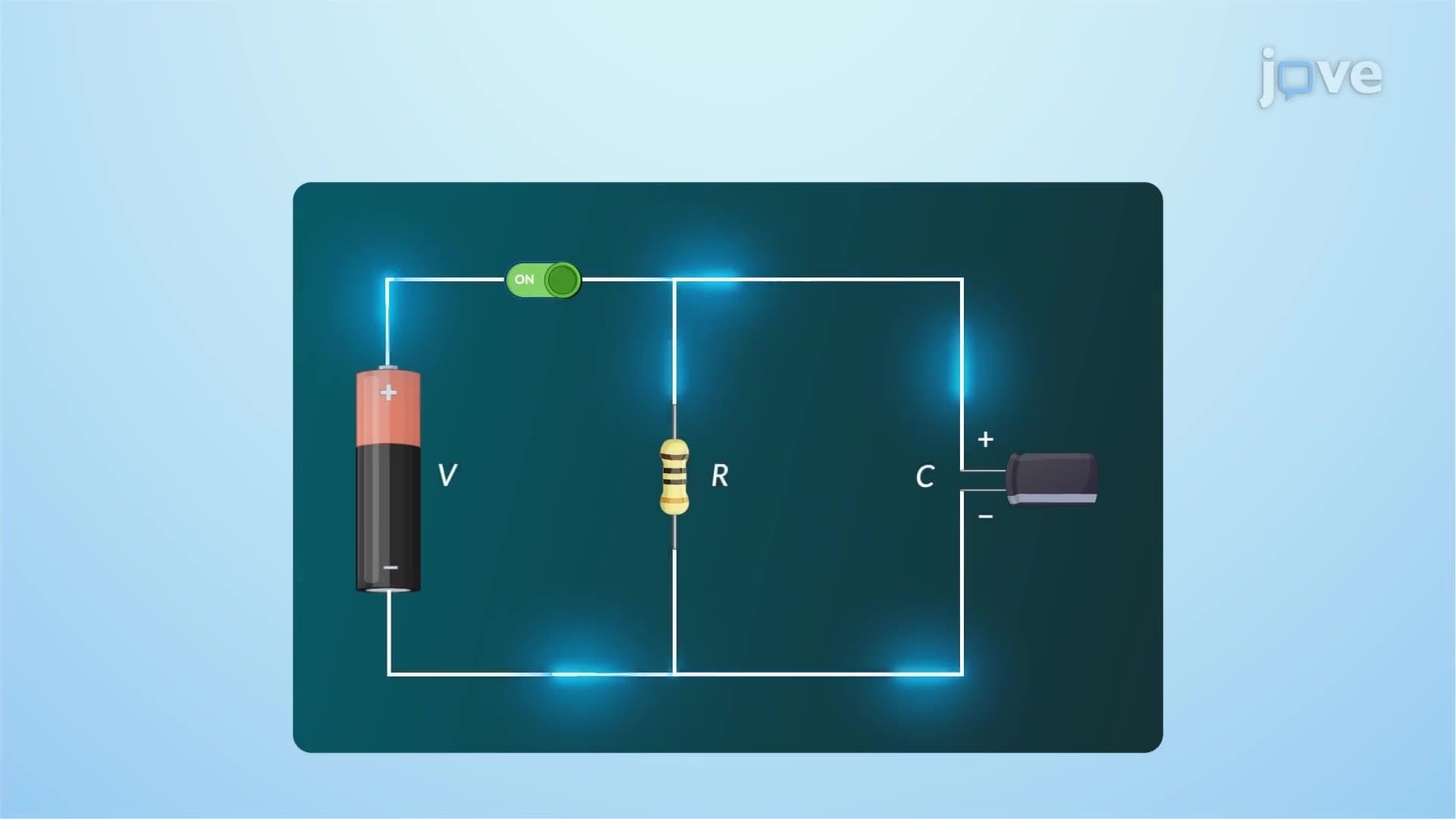
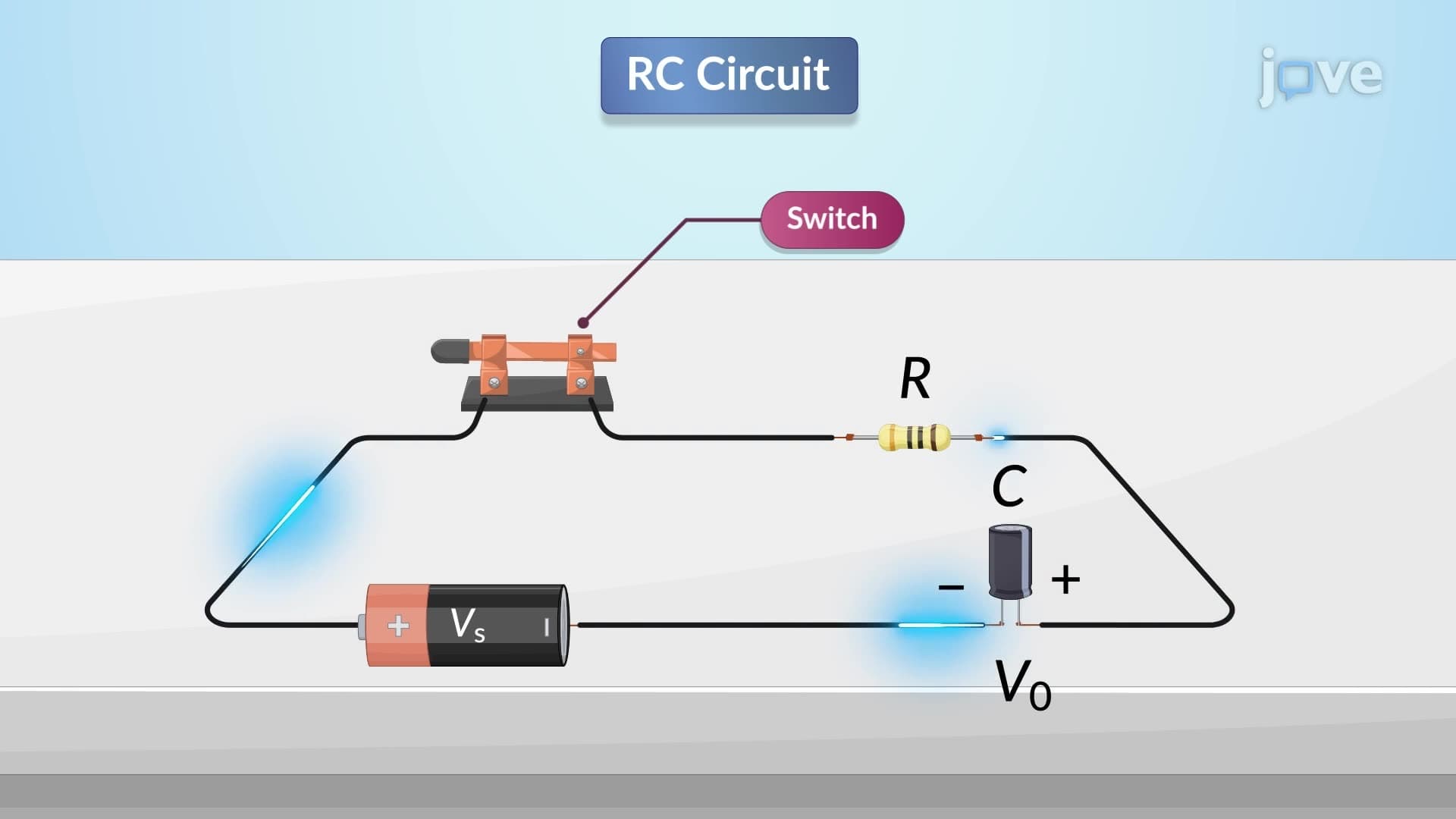
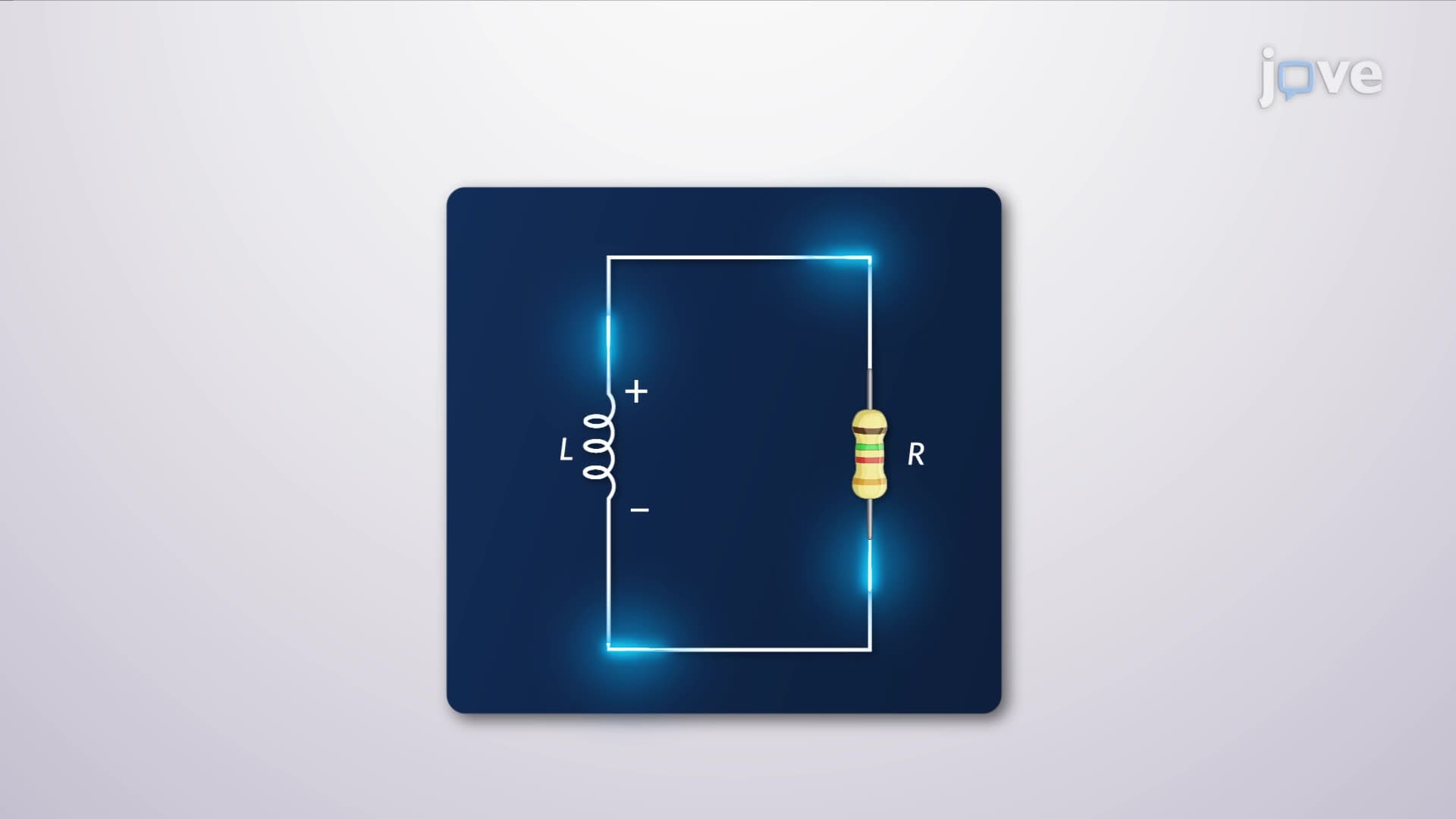
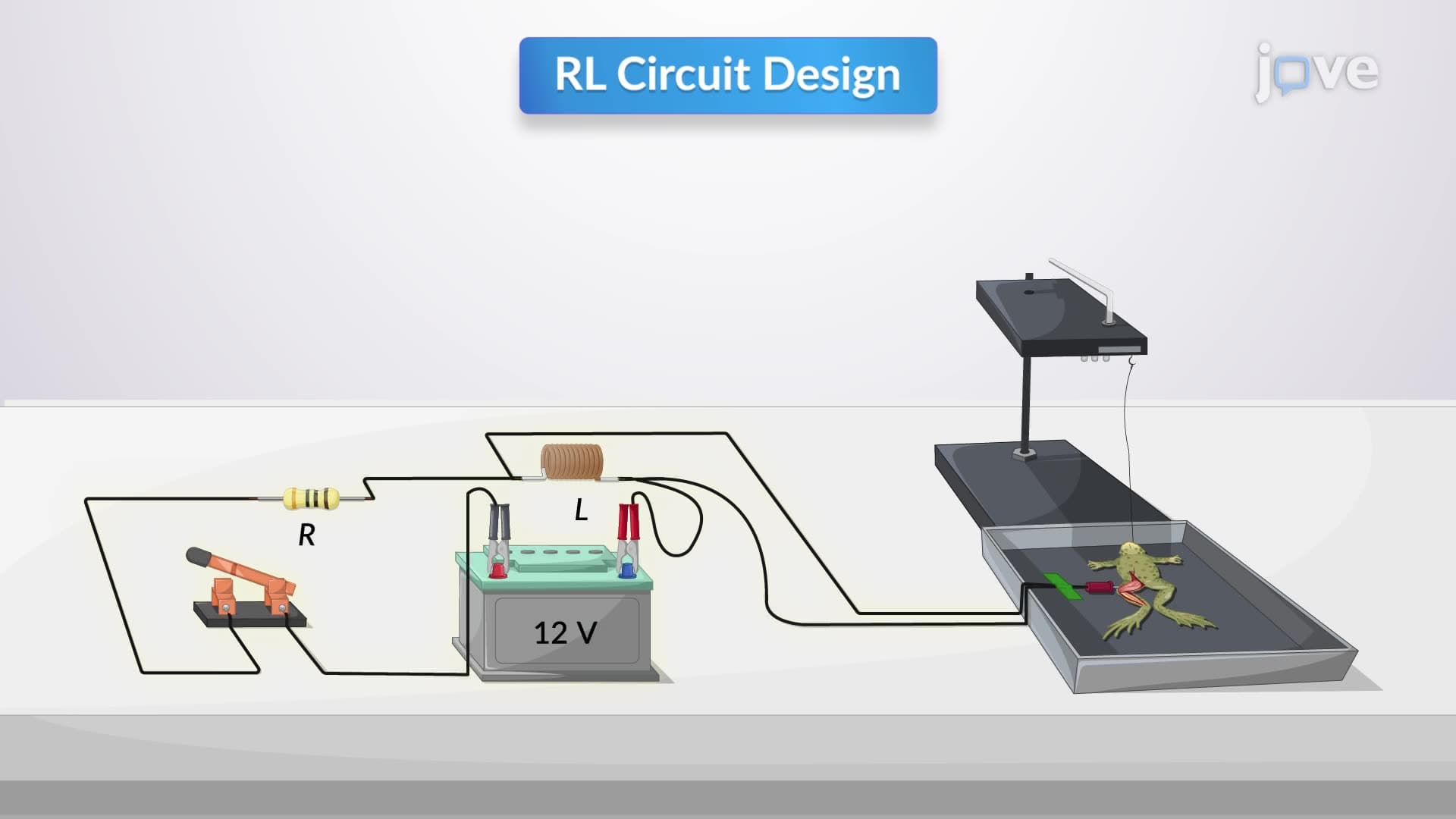
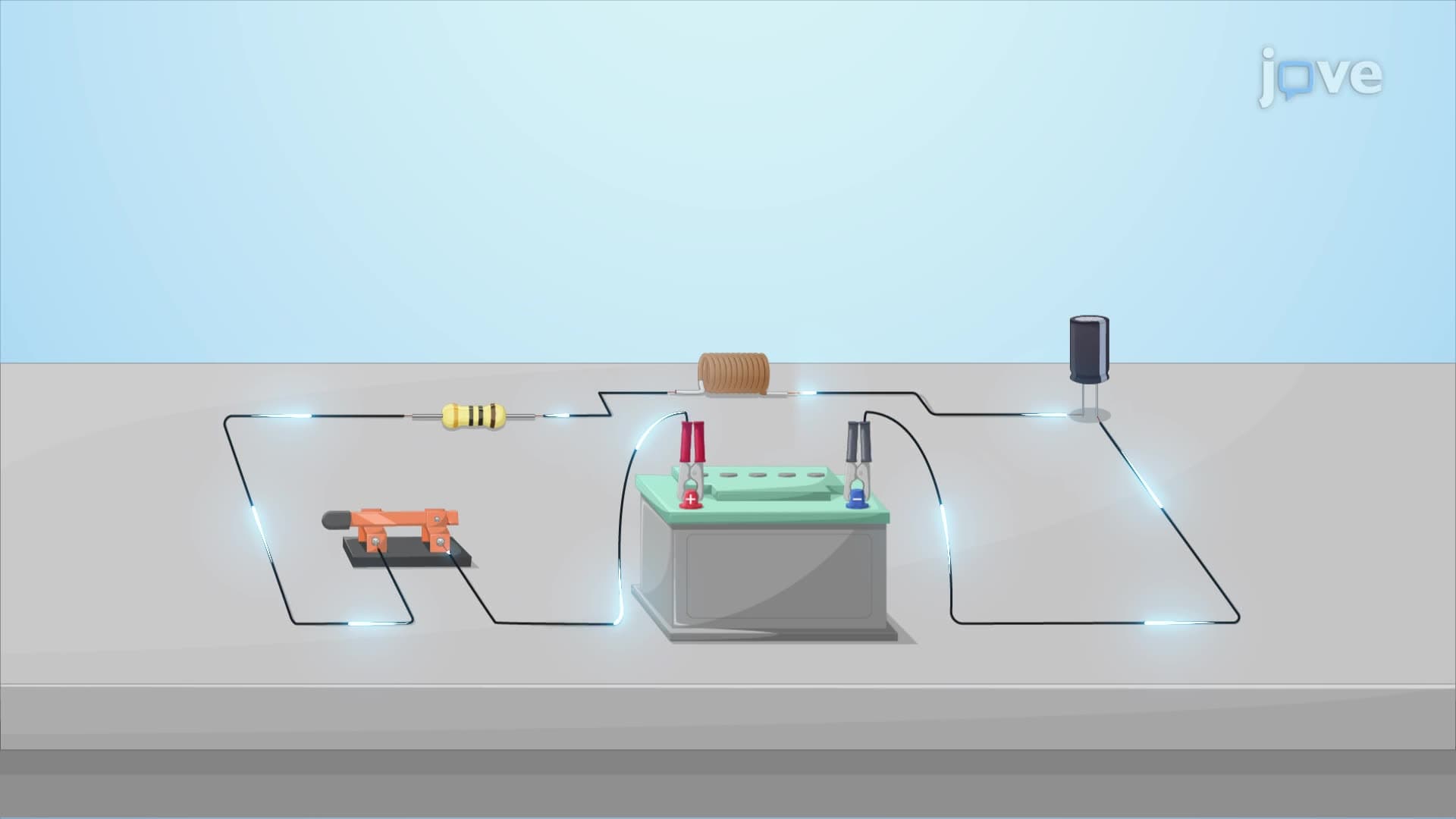
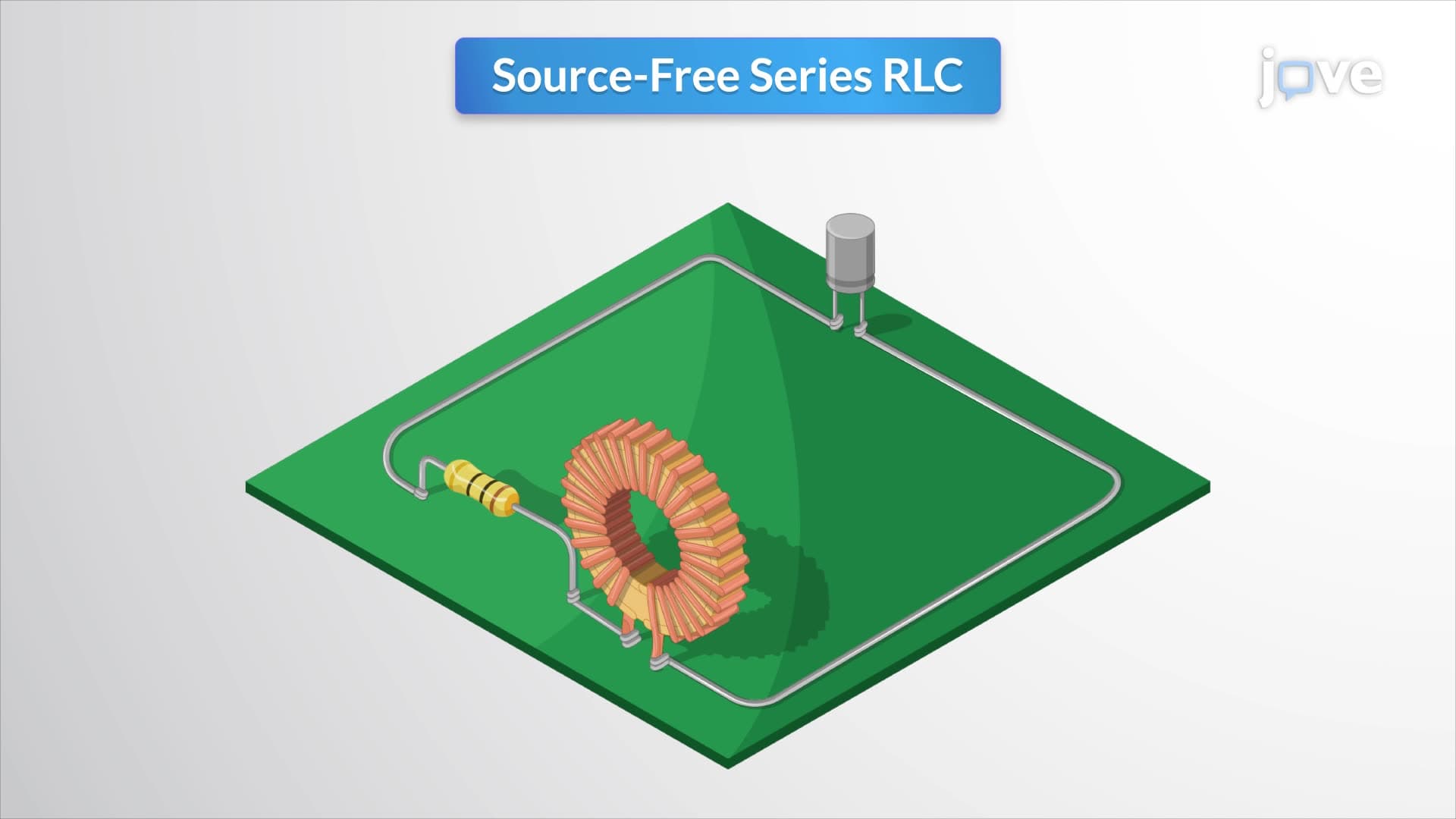
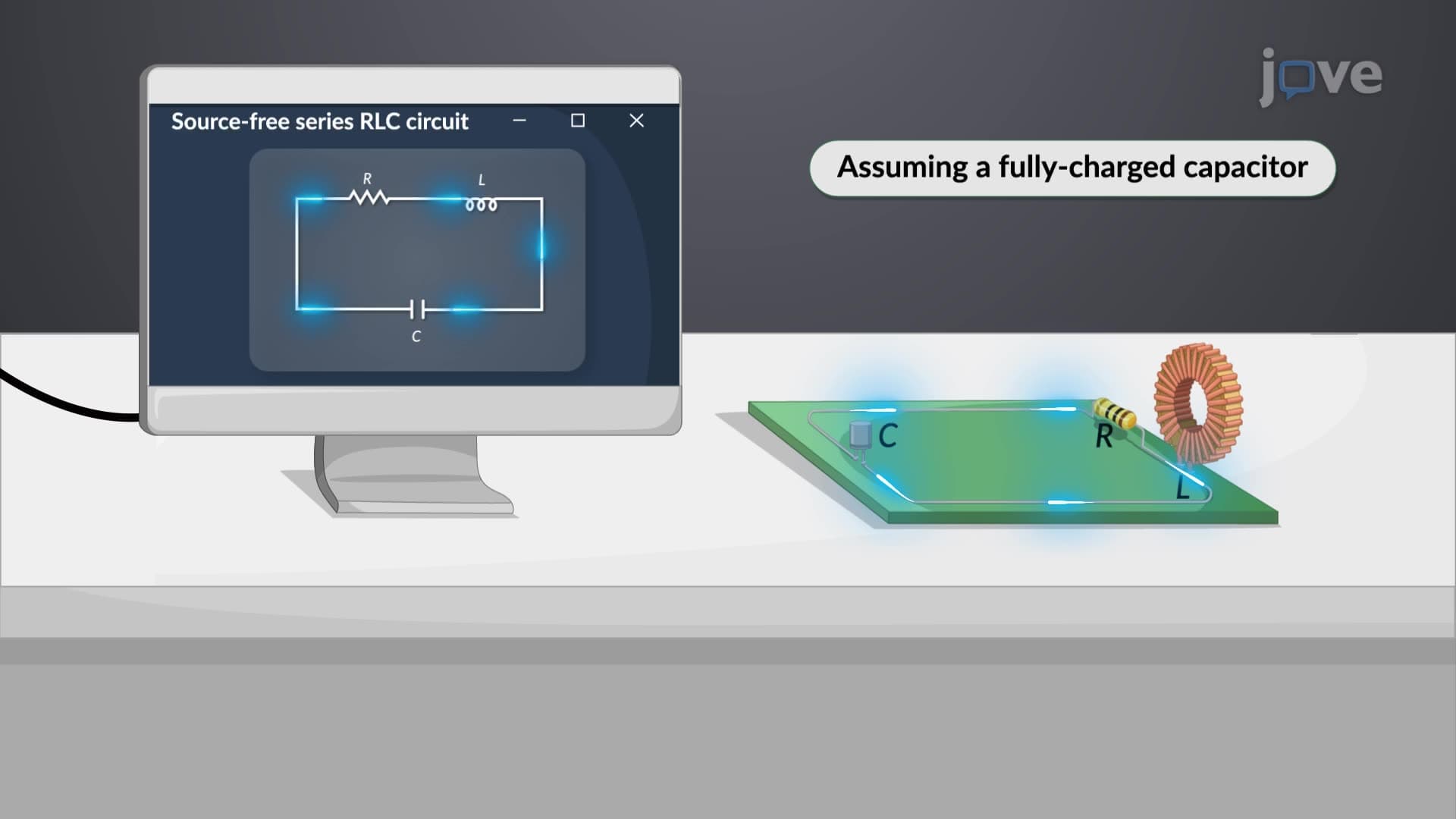



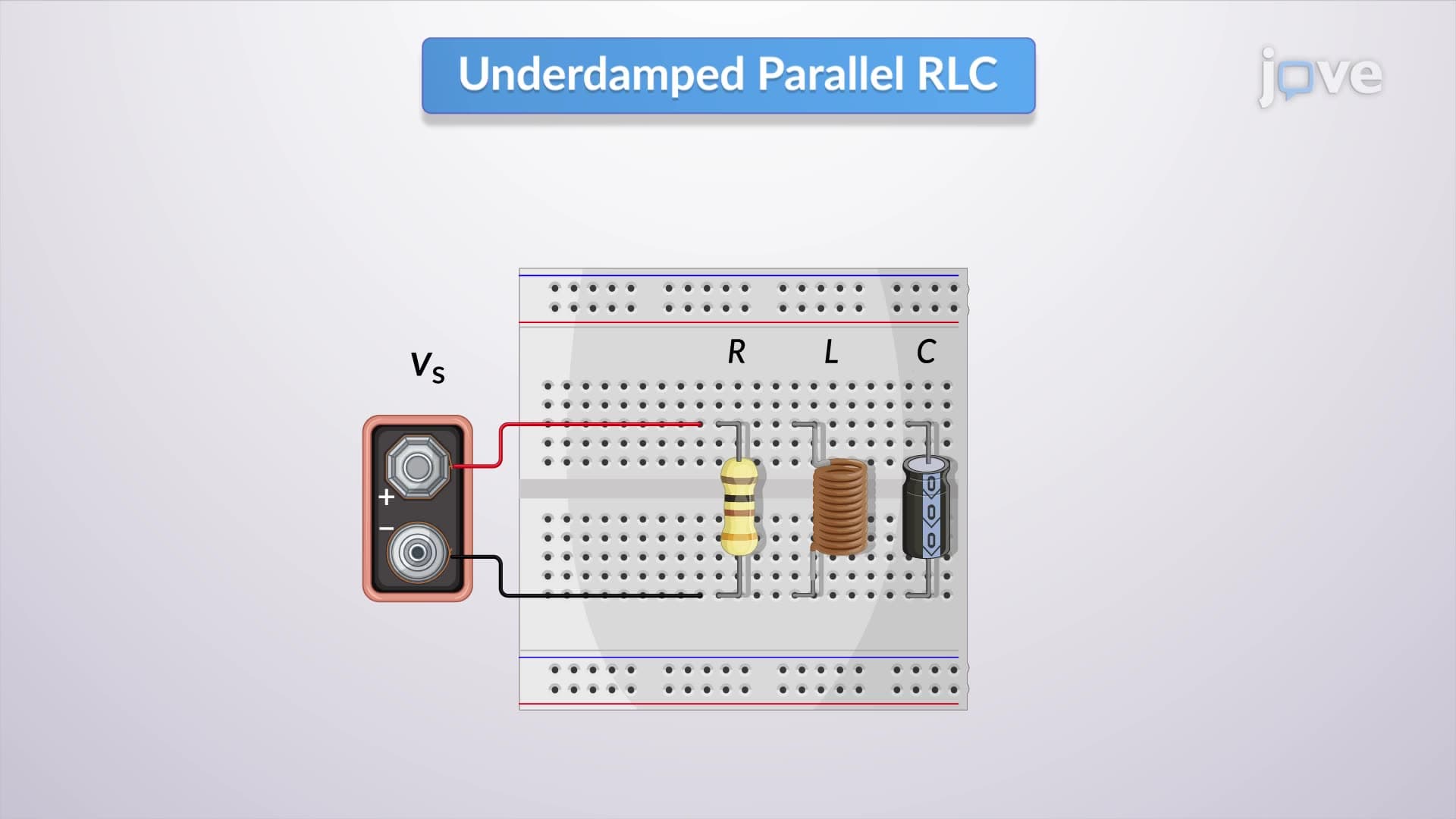
RL Circuit with Source

00:00
01:14
Video Summary: What Is Rl Circuit with Source
Ever wonder how your smartphone's charger smoothly transitions from rapid charging to trickle charging? This design example frog muscle response phenomenon mirrors what happens in RL circuits with DC sources. When biomedical engineers study frog muscle stimulation in US research labs like those at MIT, they observe similar exponential current changes. Understanding what is RL circuit with source helps explain both electronic devices and biological systems through transient and steady-state responses. Watch the full video on JoVE Coach to master this concept with expert-led visuals and step-by-step explanations.
- Understand what is RL circuit with source and how it produces both transient and steady-state responses when connected to DC power
- Analyze the exponential decay characteristics of transient responses and identify when circuits reach steady-state conditions
- Apply the mathematical relationship between source voltage, resistance, and steady-state current in practical circuit calculations
- Compare initial current conditions and their effects on the complete step response behavior of RL circuits
- Evaluate voltage and current responses graphically to predict circuit behavior over time
- Recognize how inductors behave as short circuits in steady-state conditions while acting as current-limiting elements during transients
- Explore real-world applications of RL circuit principles in electronic devices, power systems, and biomedical equipment
- Apply RL circuit analysis techniques to solve problems commonly found on AP Physics and college electrical engineering exams
Understanding RL Circuit With Source Fundamentals
An RL circuit with source represents one of the most fundamental concepts in electrical engineering, combining a resistor (R) and inductor (L) connected to a voltage source. This configuration appears everywhere from power grid transformers across the US to the ignition systems in American-made vehicles. The circuit's behavior splits into two distinct phases: a temporary transient response followed by a permanent steady-state response.
Transient Response: The Temporary Phase
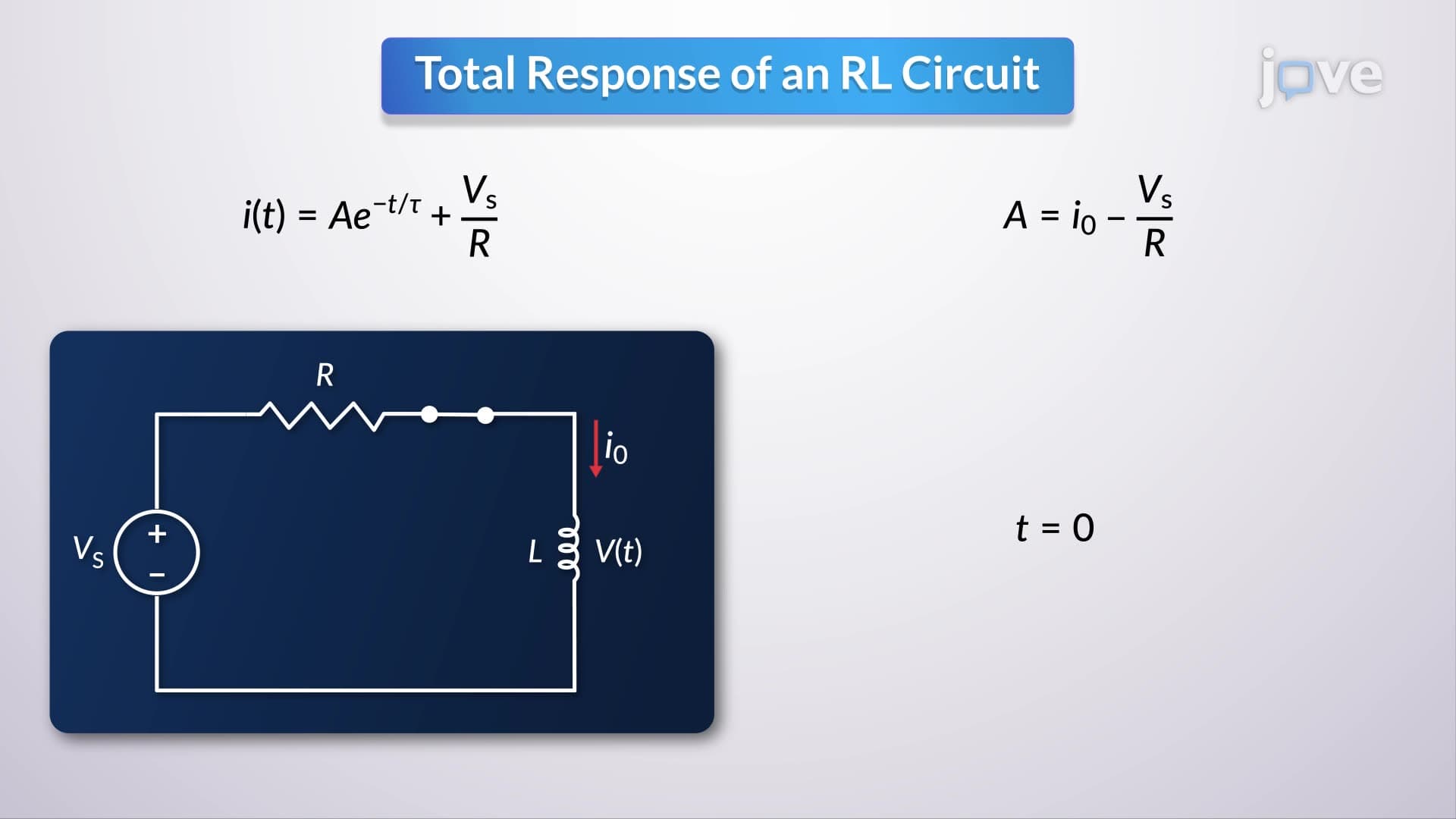
During the transient phase, the circuit experiences rapid changes as energy builds up or dissipates in the inductor's magnetic field. This design example frog muscle response behavior occurs because inductors resist sudden current changes, creating an exponential transition period. The mathematical expression follows the form i(t) = I(steady) + [I(initial) - I(steady)] × e^(-t/τ), where τ = L/R represents the time constant. Students preparing for AP Physics C or college circuits courses should recognize this exponential pattern, as it appears frequently on exams.
Steady-State Response: The Final Equilibrium
Once sufficient time passes (typically 5τ), the transient effects vanish, leaving only the steady-state response. In this condition, the inductor behaves like a short circuit since di/dt = 0, meaning no voltage drops across it. The steady-state current becomes I(steady) = V(source)/R, following Ohm's law exactly. This principle powers countless American electrical systems, from household appliances to industrial motor drives manufactured by companies like General Electric.
Practical Applications and Exam Relevance
Understanding how design example frog muscle response works in RL circuits proves essential for MCAT physics sections, where biomedical applications frequently appear. Research universities like Stanford and Johns Hopkins use similar principles when studying nerve conduction and muscle stimulation. The exponential current rise mimics action potential propagation in neurons, making this concept particularly relevant for pre-med students. College electrical engineering programs also emphasize these fundamentals as building blocks for more complex AC analysis and control system design.
Frequently Asked Questions
An RL circuit with source combines a resistor and inductor connected to a DC voltage supply, creating predictable transient and steady-state responses. This fundamental circuit type appears on AP Physics, MCAT, and college engineering exams because it demonstrates key principles of energy storage, exponential behavior, and circuit analysis. Understanding it builds essential skills for advanced electronics and biomedical applications.
The MCAT physics section often connects electrical circuits to biological systems, where RL circuit behavior mirrors nerve impulse transmission and muscle contraction patterns. Both exhibit exponential rise and decay characteristics with predictable time constants. This analogy helps explain why biomedical devices like pacemakers and defibrillators rely on similar circuit principles for precise timing control.
Focus on the time constant formula τ = L/R, steady-state current I = V/R, and exponential response equations. AP exams frequently test graphical interpretation of current versus time plots and initial condition problems. Practice identifying when inductors act as open circuits (initial) versus short circuits (steady-state) since this concept appears in multiple-choice and free-response questions.
RL circuits power critical infrastructure including electric grid transformers, automotive ignition systems, and industrial motor controls manufactured by US companies like Tesla, Ford, and Caterpillar. Medical devices such as MRI machines and cardiac monitors also rely on precise RL circuit timing. Even smartphone chargers use RL principles to manage power delivery safely.
Not at all! RL circuits build directly on Ohm's law and basic exponential functions taught in algebra and precalculus. Start with understanding why inductors resist current changes, then practice sketching exponential curves. Most high school physics students successfully learn RL fundamentals with consistent practice and visual aids.
Create comparison charts showing initial versus steady-state conditions, practice graphing exponential responses, and work through step-response problems with different initial currents. Focus on time constant calculations and energy relationships. Form study groups to discuss real-world applications since explaining concepts to peers reinforces your own understanding effectively.
Master RL and RC circuits thoroughly before advancing to RLC combinations, as they provide essential foundation skills. Then transition to AC analysis using phasors and impedance, which builds naturally on your DC transient knowledge. This progression follows most college electrical engineering curricula and prepares you for advanced power systems coursework.
Biological analogies make abstract electrical concepts more memorable and intuitive. Frog muscle experiments demonstrate exponential responses visually, helping students recognize similar patterns in electrical circuits. This cross-disciplinary approach particularly benefits pre-med and bioengineering students who need both electrical and biological perspective for comprehensive understanding.
Related Micro-courses