Loading subject page…

- Electrical Engineering
- Basics of Semiconductors
- Energy Bands in Solids
Micro-course: Basics of Semiconductors
9,886 views
Learn key concepts and earn your certificate.

Energy Bands in Solids

00:00
01:01
Video Summary: What are Energy Bands in Solids
Did you know that semiconductors power everything from your iPhone to Tesla's electric vehicles? Understanding what are energy bands in solids reveals why silicon chips can process billions of calculations per second while rubber boots keep you insulated. When atoms combine to form solids, their individual energy levels merge into continuous bands separated by gaps that determine whether materials conduct electricity, act as insulators, or function as semiconductors. Watch the full video on JoVE Coach to master this concept with expert-led visuals and step-by-step explanations.
- Understand what are energy bands in solids and how atomic energy levels split when atoms combine to form crystalline structures
- Identify the formation of valence bands and conduction bands through the interaction of multiple atoms at equilibrium spacing
- Analyze how the Pauli exclusion principle drives energy level splitting as isolated atoms approach each other
- Compare the energy states of electrons in valence bands versus conduction bands at absolute zero temperature
- Evaluate the significance of band gaps in determining material properties and electrical conductivity
- Apply band theory concepts to distinguish between conductors, semiconductors, and insulators
- Recognize the relationship between interatomic spacing and band formation in solid materials
- Explore how temperature affects electron distribution between energy bands
Understanding What are Energy Bands in Solids
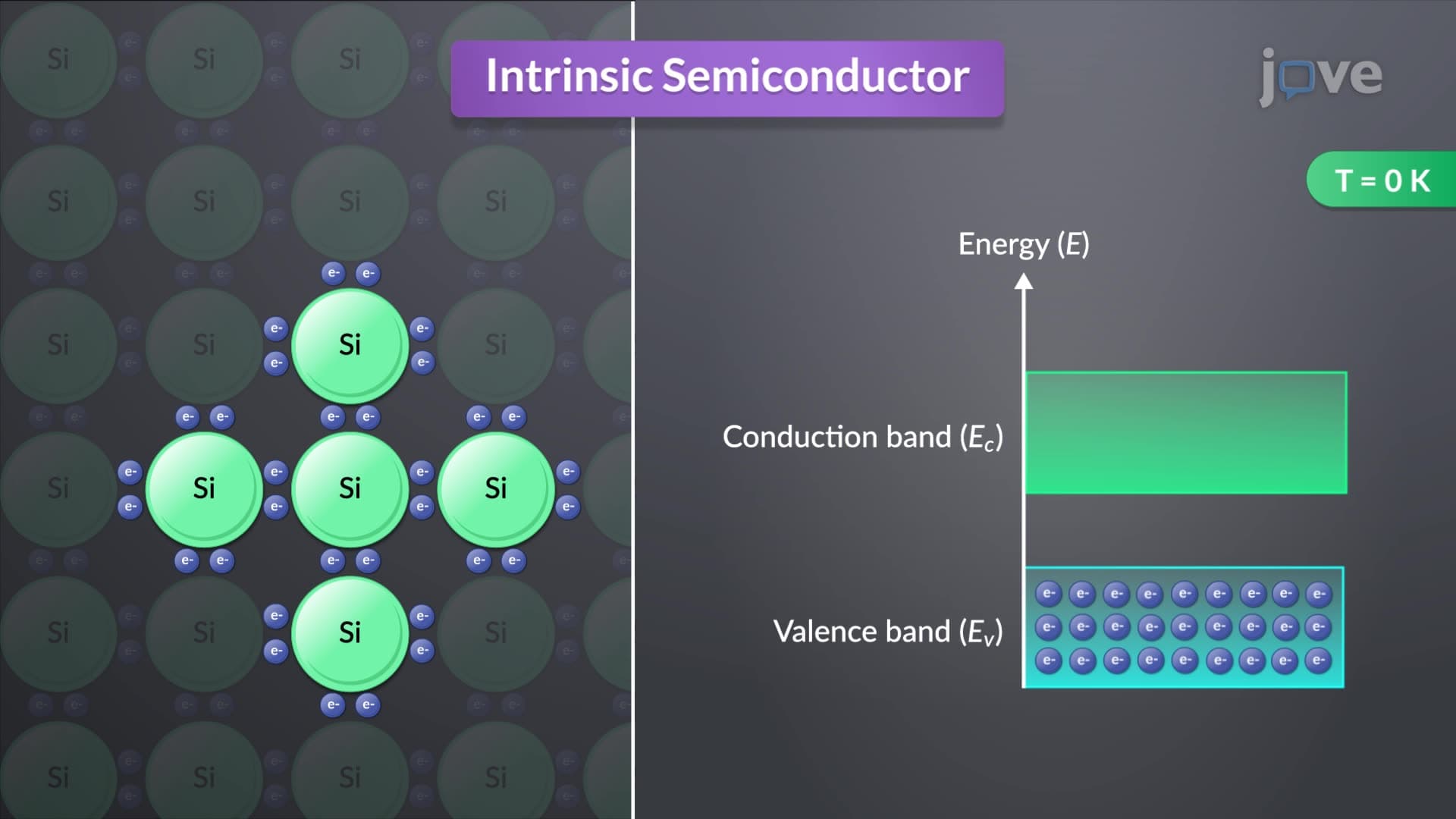
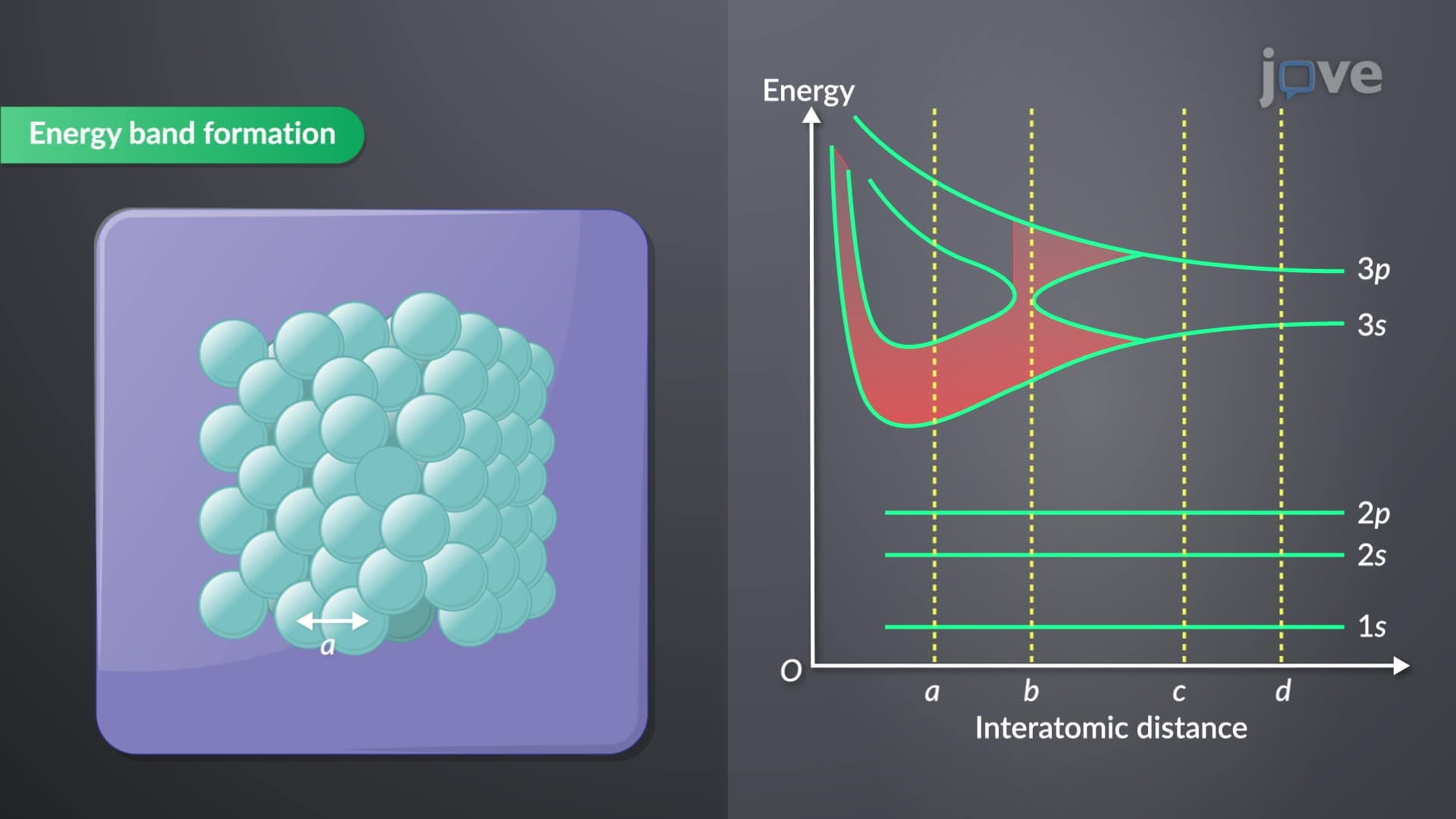
Energy band theory represents one of the most fundamental concepts in solid-state physics and materials science. When individual atoms exist in isolation, their electrons occupy discrete, well-defined energy levels. However, as these atoms approach each other to form a solid crystal lattice, their electron orbitals begin to interact and overlap, fundamentally altering the energy landscape.
The Physics Behind Band Formation
The formation of energy bands stems from quantum mechanical principles, particularly the Pauli exclusion principle. As atoms approach their equilibrium positions in a crystal, each original atomic energy level splits into multiple closely spaced levels. With billions of atoms in even a small crystal, these split levels form essentially continuous bands of allowed energy states.
Consider silicon wafers used in computer processors manufactured by companies like Intel in Arizona. Each silicon atom contributes its electrons to form collective energy bands that extend throughout the entire crystal structure. The spacing between atoms-approximately 2.35 Angstroms in silicon-creates the precise band structure that makes semiconductors so valuable for electronic applications.
Valence and Conduction Bands: The Critical Distinction
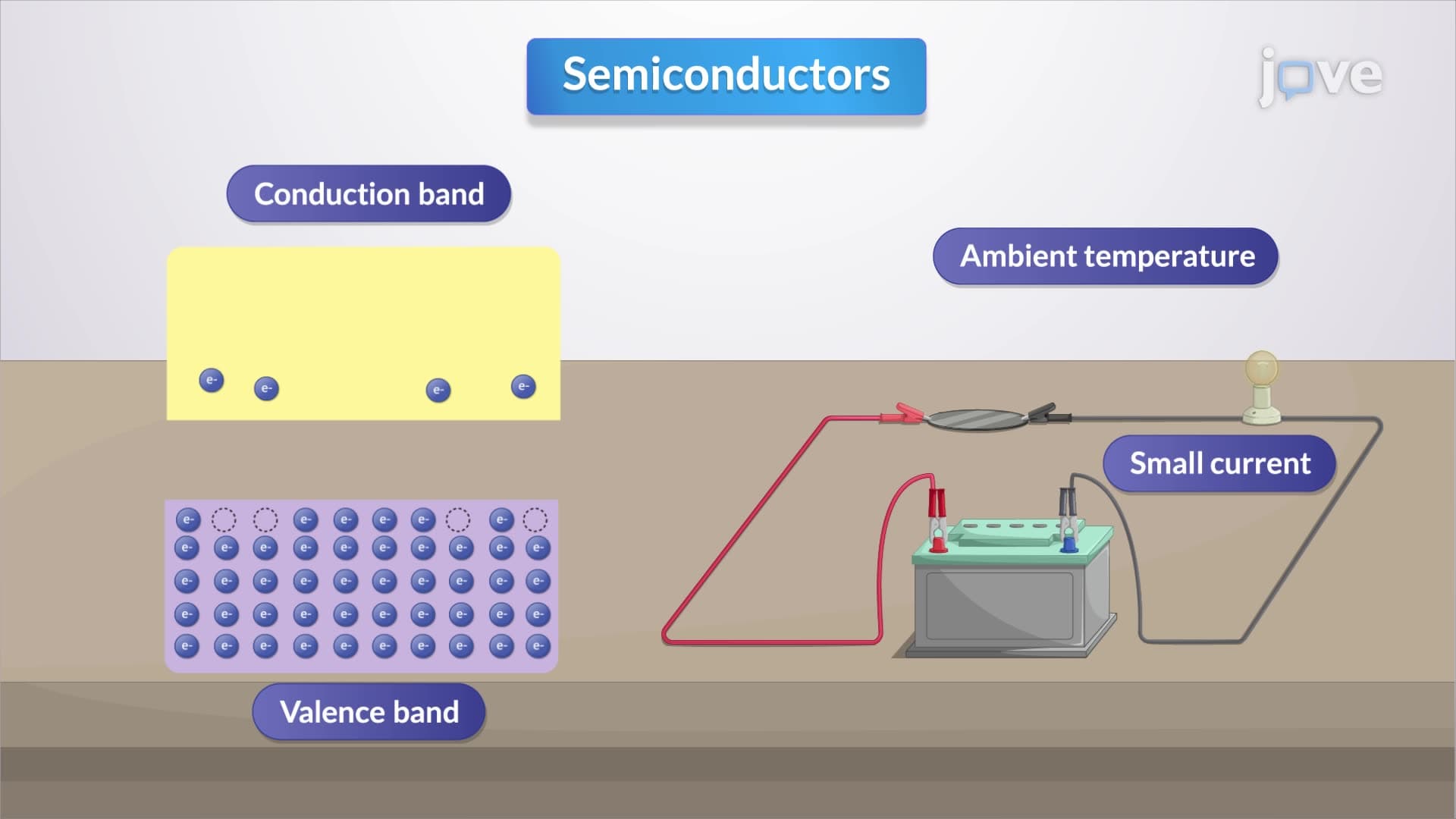
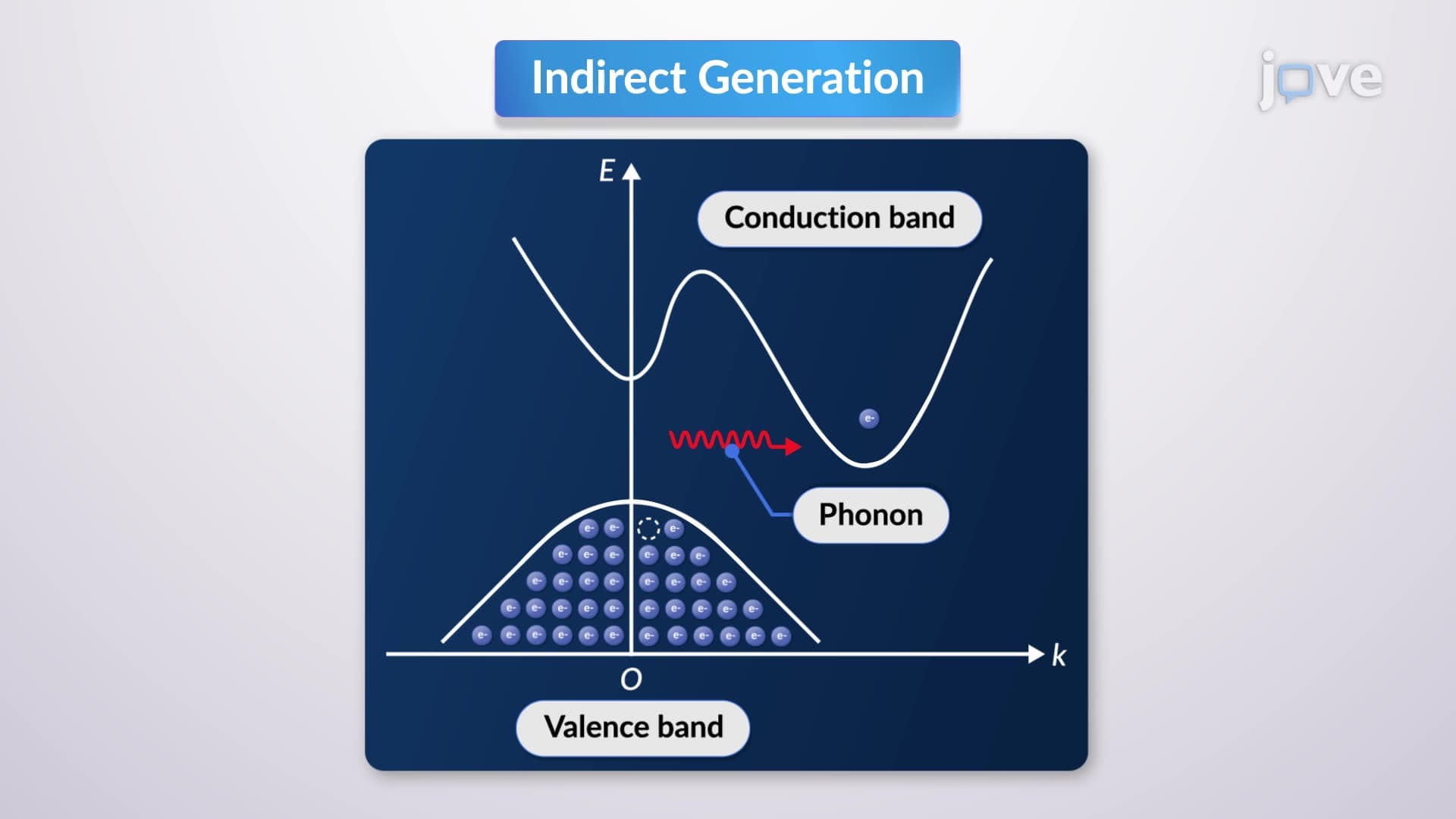
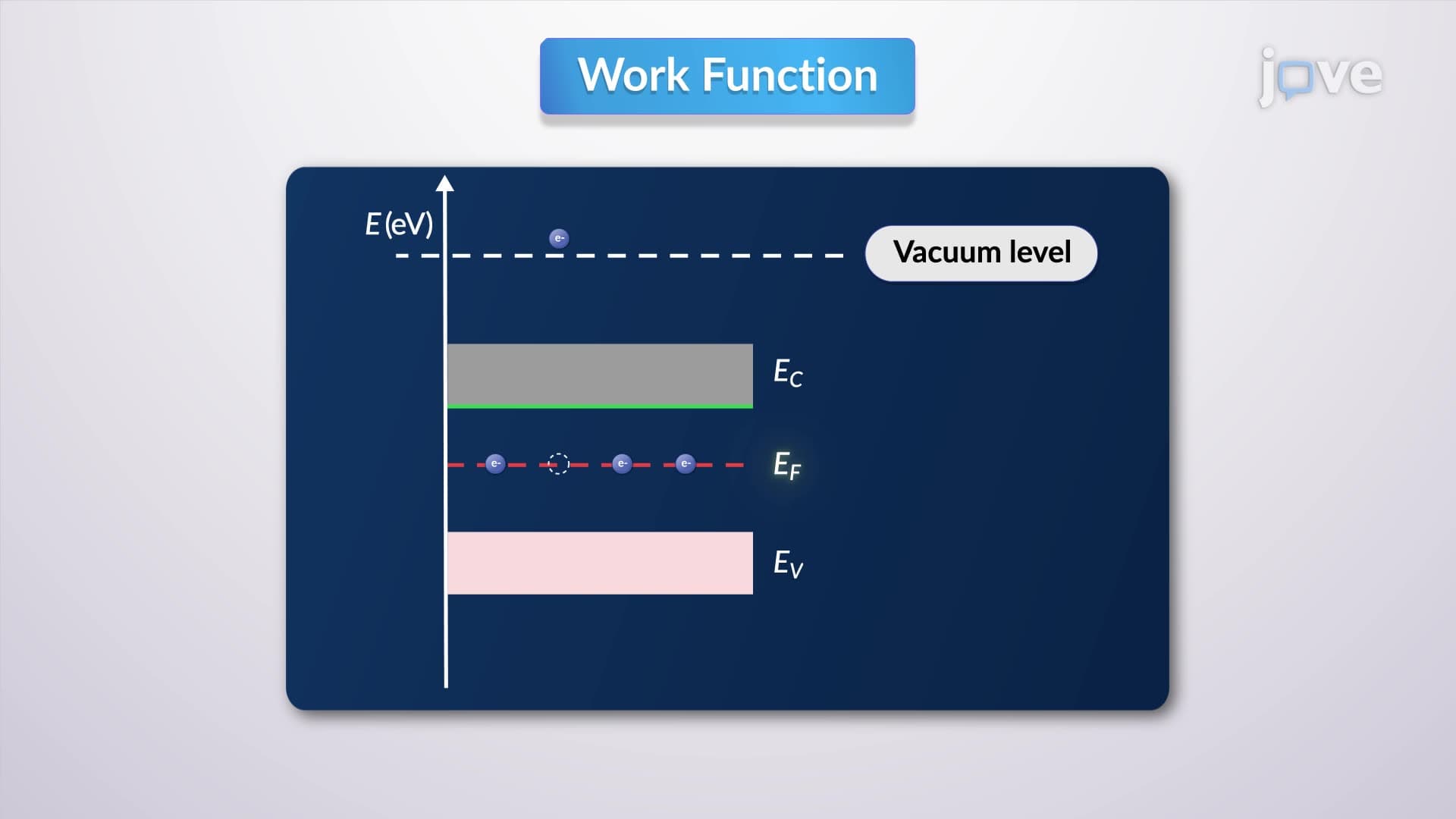
At absolute zero temperature, electrons occupy the lowest available energy states, completely filling what we call the valence band. This band represents the electrons that participate in chemical bonding between atoms. Above the valence band lies the conduction band, which remains empty at absolute zero but can accept electrons that gain sufficient energy to jump the band gap.
The band gap-the energy difference between the valence band's top and the conduction band's bottom-determines a material's electrical properties. Silicon has a band gap of 1.1 eV, making it perfect for solar panels manufactured by companies like First Solar in Ohio. This gap allows sunlight to excite electrons from the valence to conduction band, generating electrical current.
Applications in Modern Technology and Academic Study
Understanding energy bands proves essential for students preparing for AP Physics, college-level solid-state physics courses, and professional exams like the Fundamentals of Engineering (FE) exam. The concept appears frequently in materials science curricula at universities like MIT and Stanford, where students learn to design everything from LED displays to photovoltaic cells.
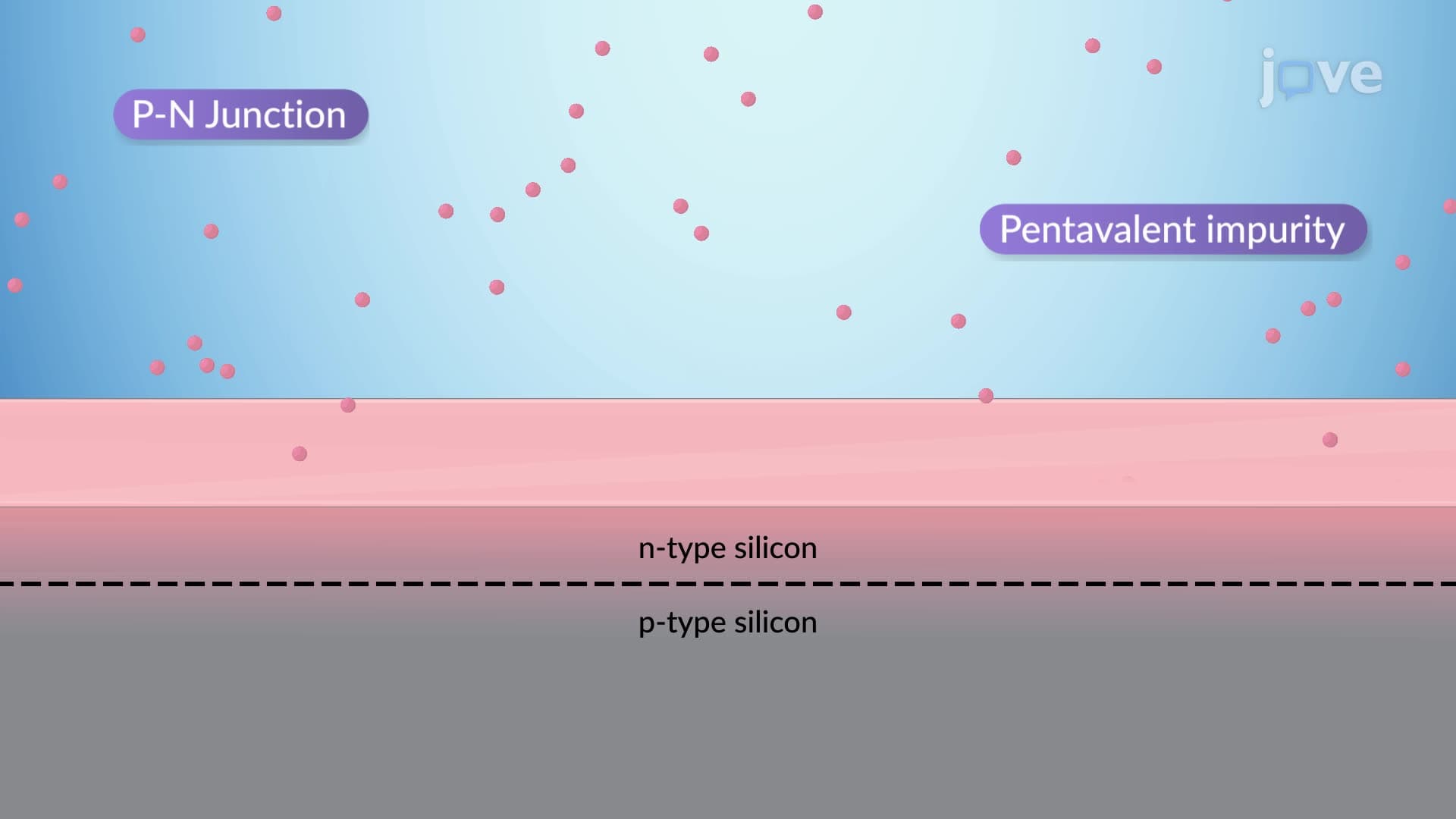
In practical applications, band theory explains why copper wires conduct electricity (overlapping bands), why glass acts as an insulator (large band gap), and why adding phosphorus to silicon creates n-type semiconductors for computer chips manufactured in facilities across California's Silicon Valley.
Frequently Asked Questions
Energy bands in solids form when individual atomic energy levels split and merge as atoms combine to create crystalline structures. When billions of atoms arrange in a regular pattern, their overlapping electron orbitals create continuous bands of allowed energy states separated by forbidden energy gaps. This band structure determines whether materials conduct electricity, act as insulators, or function as semiconductors.
AP Physics C students encounter energy bands when explaining semiconductor properties and electronic devices like diodes and transistors. Exam questions often ask students to compare band gaps between different materials or explain how temperature affects electron movement between valence and conduction bands. Understanding band theory helps solve problems involving solar cells, LED circuits, and basic semiconductor physics.
The MCAT includes energy band concepts in physics passages about medical imaging devices and electronic equipment used in healthcare. Test-takers might encounter questions about photoelectric effects in X-ray detectors or semiconductor-based sensors in diagnostic equipment. Band theory knowledge helps explain how medical devices convert energy between different forms.
Computer processors rely on silicon's energy band structure to control electron flow through billions of tiny switches called transistors. Companies like AMD in Austin, Texas, manufacture processors by precisely controlling the band gap through chemical doping, creating regions that either conduct or block electrical current. This controlled electron movement enables the binary logic operations that power everything from smartphones to supercomputers.
While rigorous band theory requires quantum mechanics and advanced mathematics, the basic concepts are accessible to high school students with algebra and introductory chemistry knowledge. Understanding atomic structure, electron shells, and basic energy concepts provides sufficient background for grasping how atoms combine to form energy bands in solids.
Focus on understanding the progression from isolated atoms to solid crystals rather than memorizing formulas. Create visual diagrams showing energy level splitting, practice identifying valence and conduction bands in different materials, and work through examples of how band gaps affect electrical properties. Connect band theory to real devices like solar panels and computer chips for better retention.
Energy band theory serves as the foundation for advanced topics like semiconductor device physics, photonics, and nanotechnology. Students who master these concepts excel in specialized courses covering LED design, solar cell engineering, and quantum electronics. Many universities like UC Berkeley and Georgia Tech build entire graduate programs around applications of band theory in emerging technologies.
Careers in semiconductor manufacturing, renewable energy, and electronic device design heavily rely on band theory knowledge. Companies like Texas Instruments, Qualcomm, and Tesla actively recruit engineers who understand how energy bands affect material properties. Research positions at national laboratories like Sandia and Oak Ridge also require expertise in solid-state physics and band theory applications.
Related Micro-courses