Loading subject page…

- Electrical Engineering
- Basics of Semiconductors
- Carrier Generation and Recombination
Micro-course: Basics of Semiconductors
9,886 views
Learn key concepts and earn your certificate.

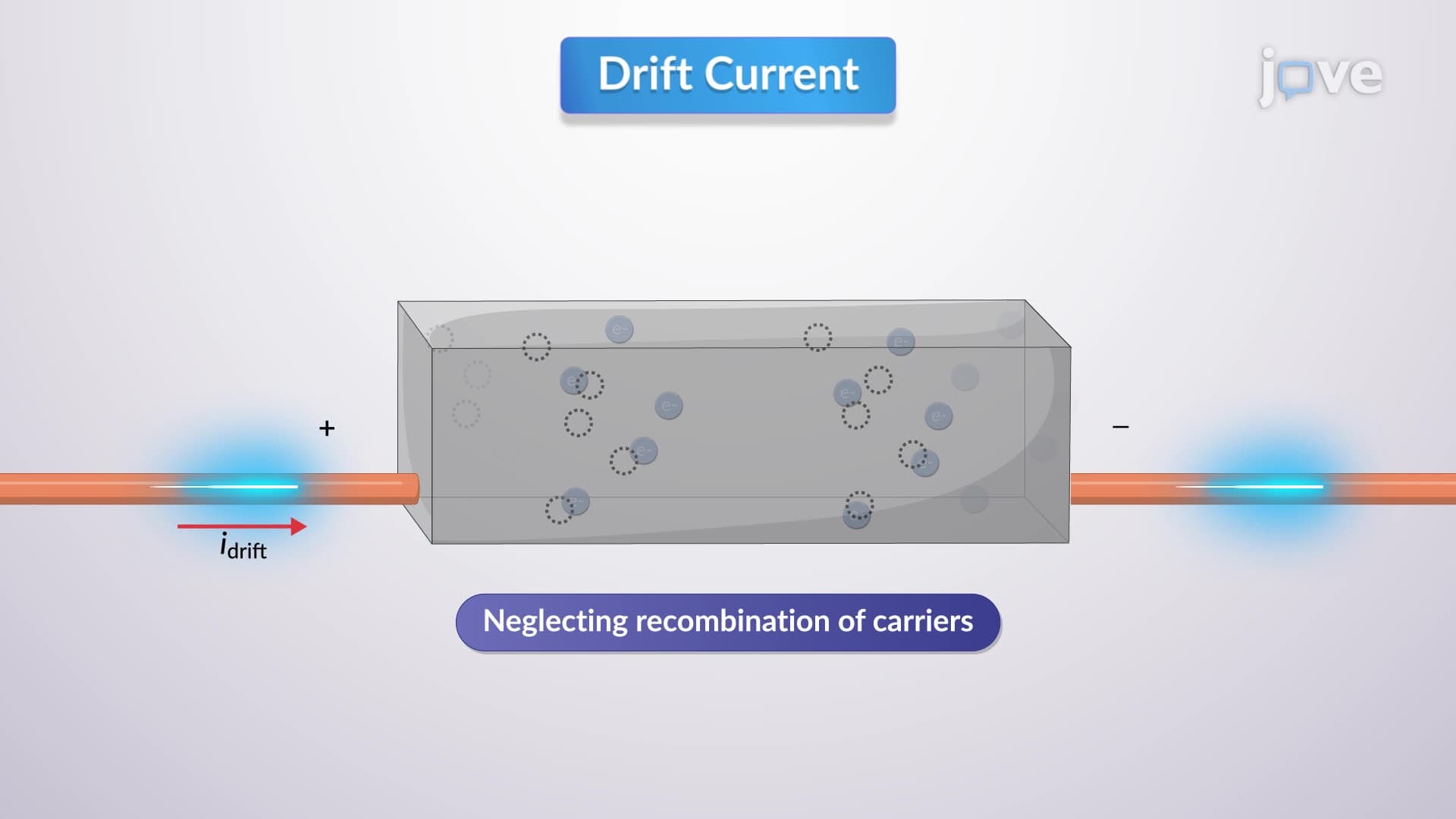
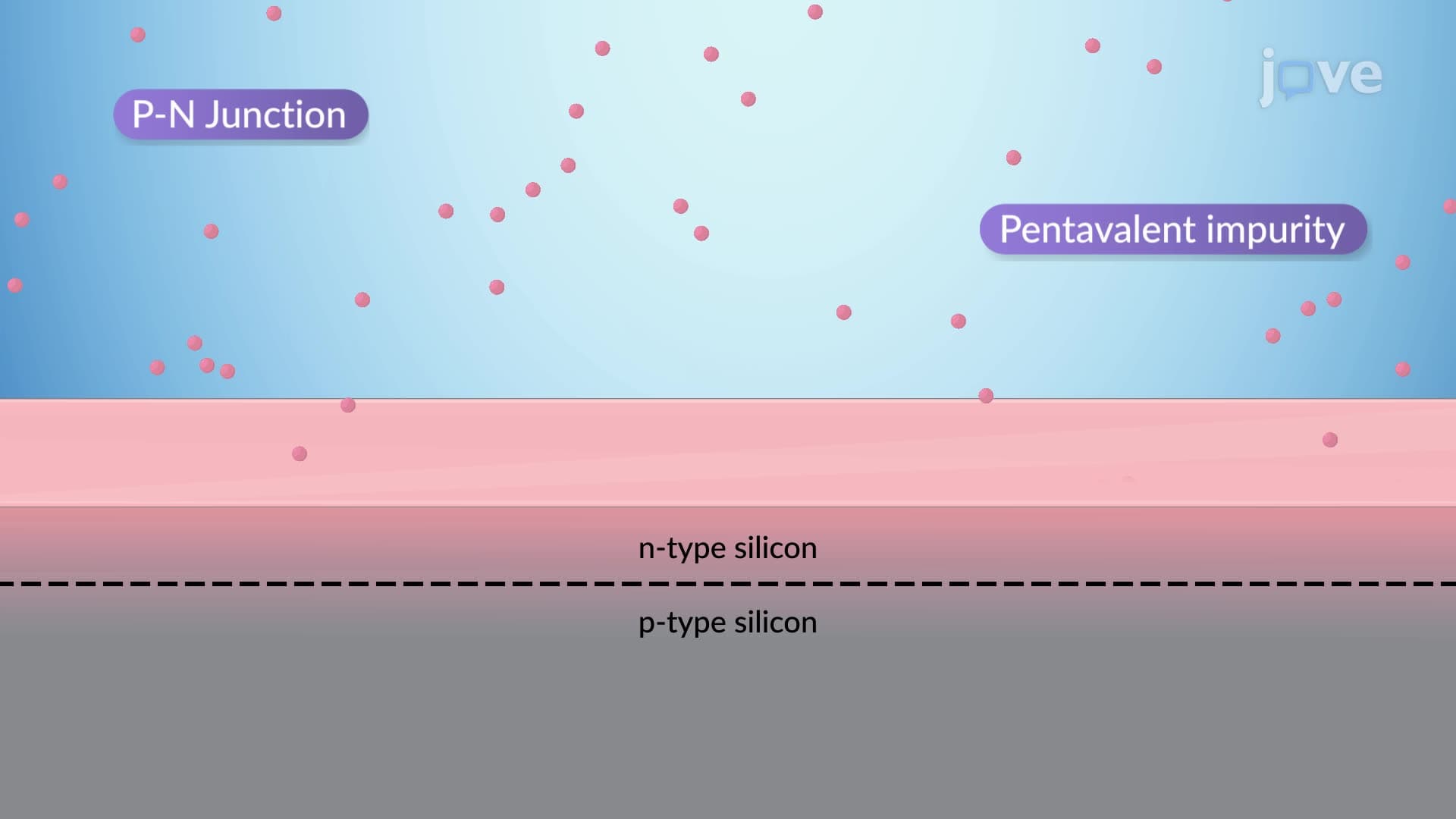
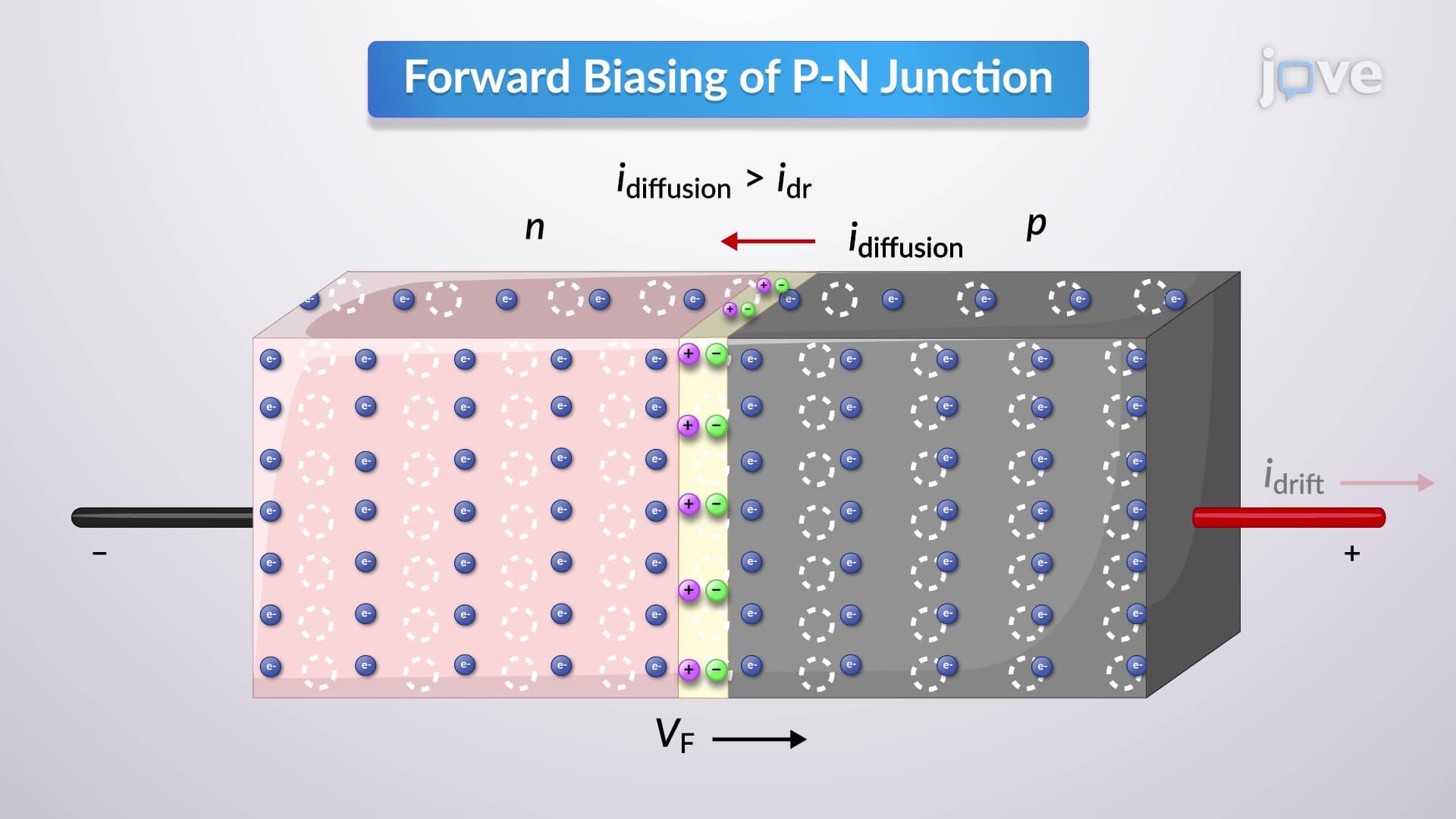
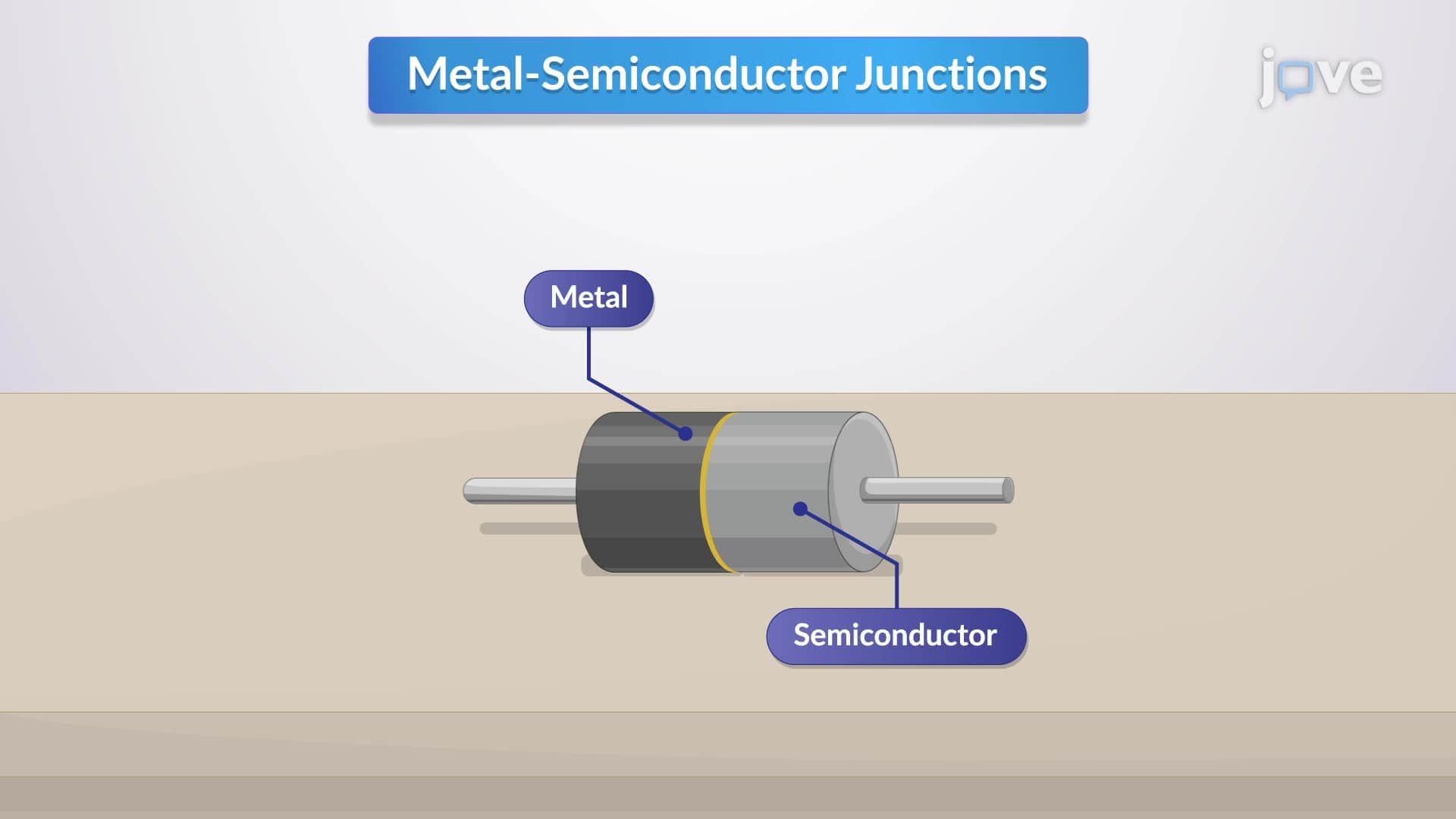
Carrier Generation and Recombination

00:00
01:22
Video Summary: What Is Carrier Generation and Recombination
Ever wondered how your iPhone's camera sensor converts light into digital images? The secret lies in carrier transport mechanisms within semiconductor materials. Silicon-based image sensors rely on precise carrier generation and recombination processes to capture everything from selfies to professional photography. Understanding what is carrier generation and recombination reveals the fundamental physics behind modern electronics, from solar panels in California to LED displays in Times Square. Watch the full video on JoVE Coach to master this concept with expert-led visuals and step-by-step explanations.
- Understand what is carrier generation and recombination and their roles in semiconductor device operation
- Identify the three primary mechanisms of carrier generation: band-to-band, indirect, and Auger processes
- Analyze the differences between direct and indirect bandgap semiconductors in carrier transport processes
- Compare thermal excitation and photon absorption pathways in electron-hole pair creation
- Evaluate the energy requirements for different recombination mechanisms in semiconductor materials
- Apply knowledge of trap states and their influence on indirect recombination processes
- Recognize the impact of momentum conservation in band-to-band transitions
- Explore real-world applications of carrier transport in photovoltaic cells and light-emitting devices
Understanding Carrier Generation and Recombination Fundamentals
Carrier transport forms the backbone of all semiconductor device physics, governing how electrons and holes move through crystalline materials. These charge carriers determine the electrical properties of everything from computer processors manufactured by Intel to solar panels produced by First Solar in Ohio. The balance between carrier generation (creation) and recombination (annihilation) directly controls device performance, efficiency, and operational characteristics.
Mechanisms of Carrier Generation
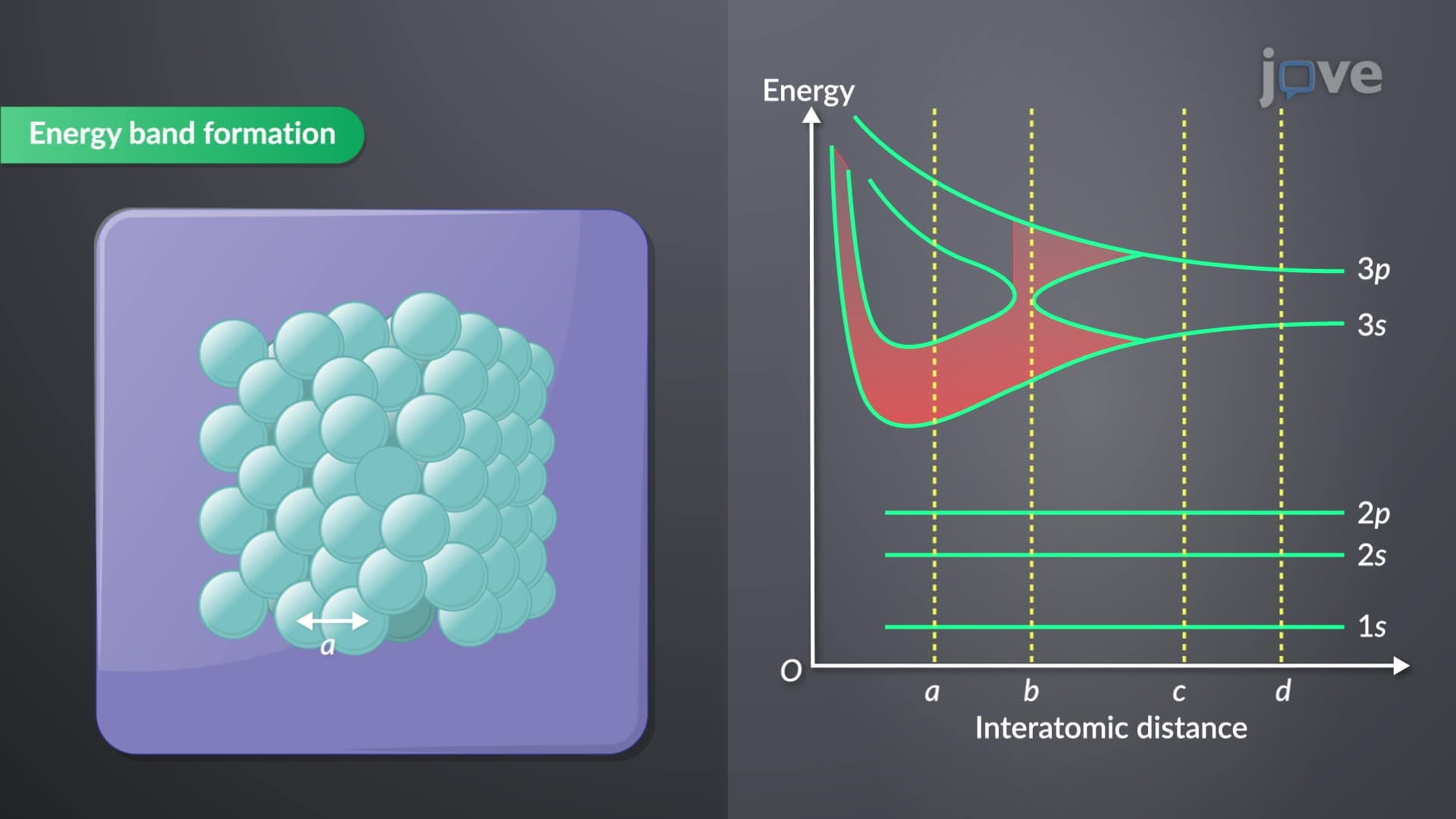
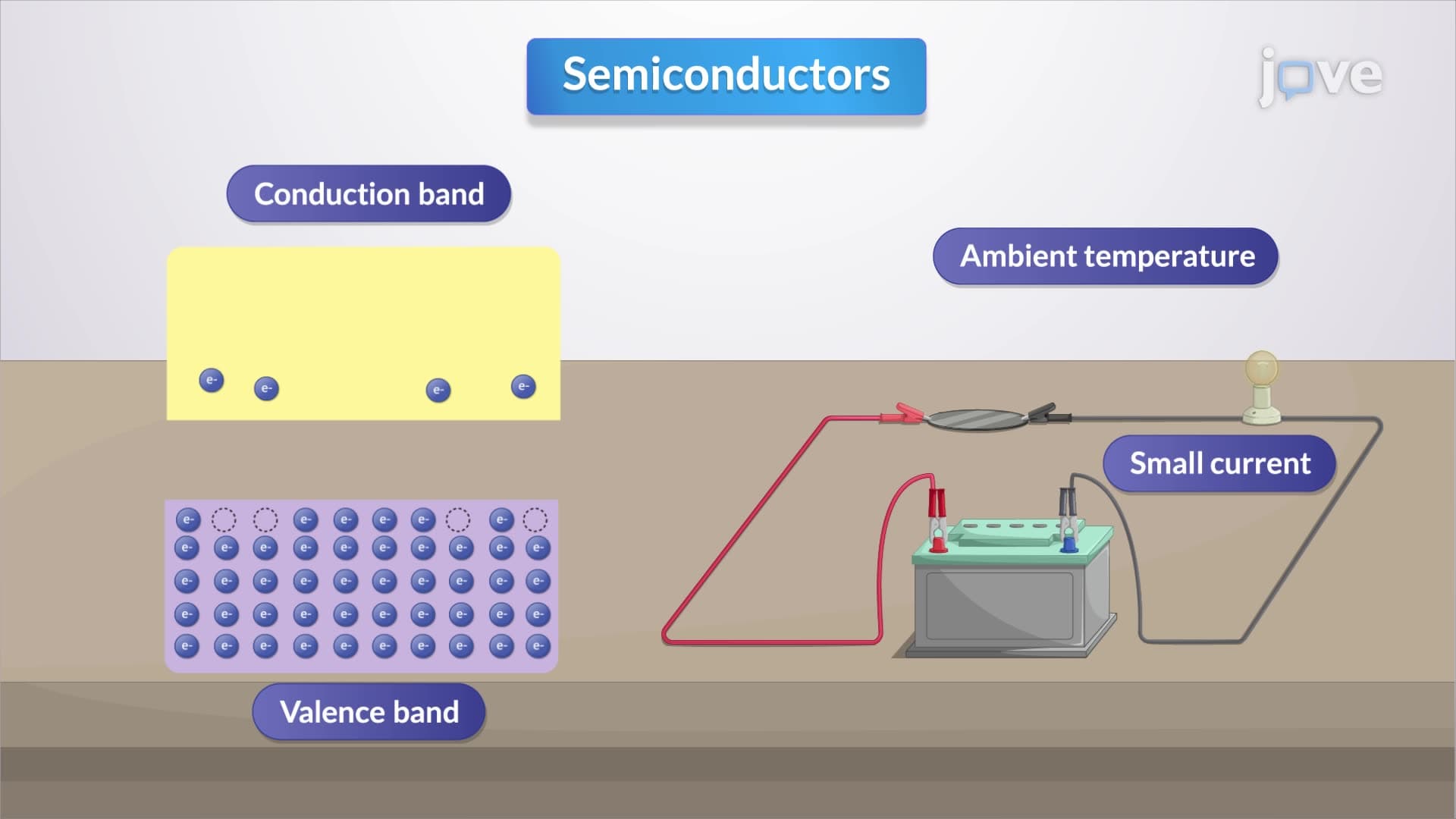
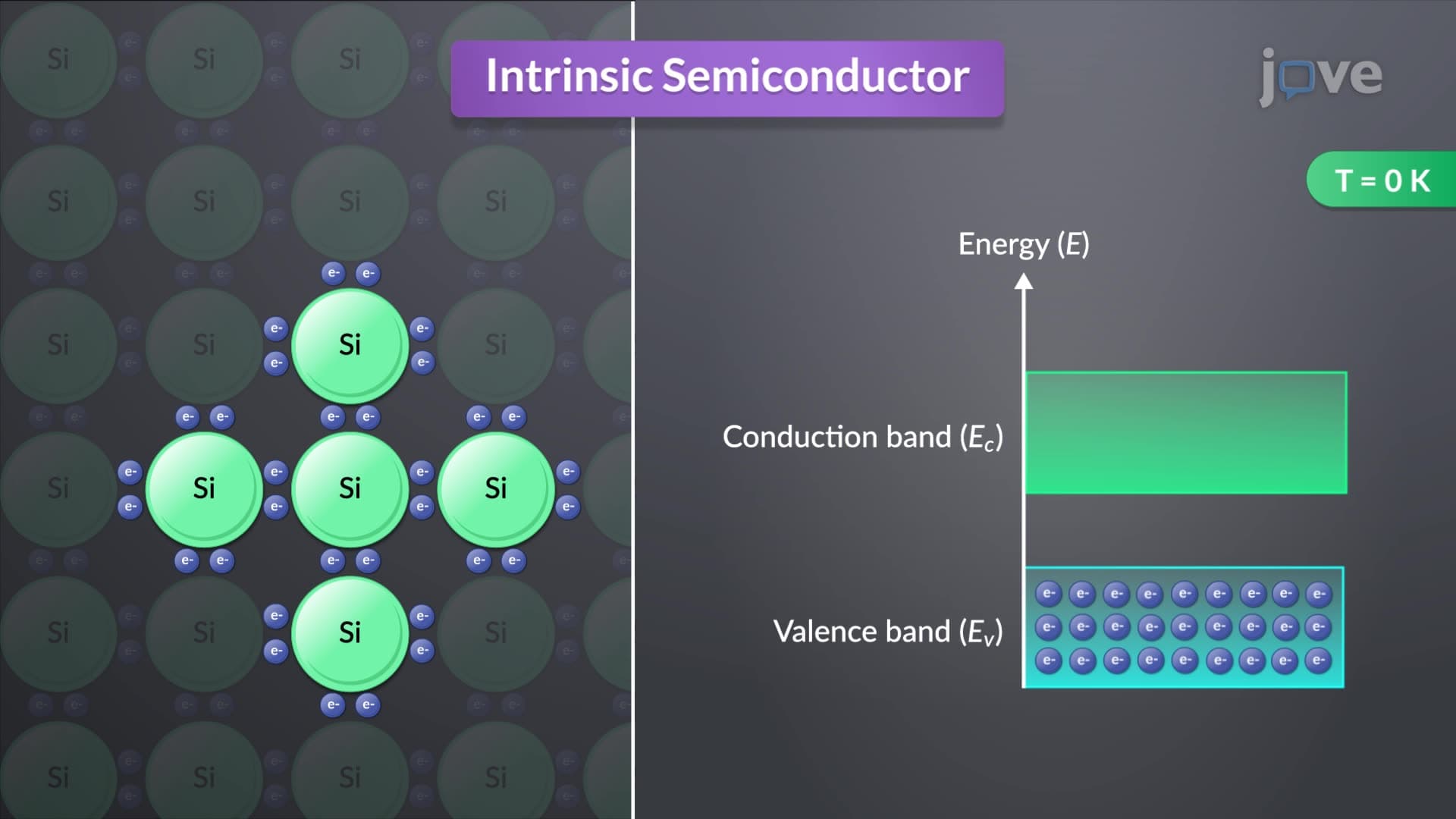
Carrier generation creates mobile electrons and holes through several distinct pathways. Band-to-band generation occurs most efficiently in direct bandgap semiconductors like gallium arsenide (GaAs), commonly used in high-efficiency solar cells and laser diodes. When photons with sufficient energy strike the semiconductor, electrons absorb this energy and jump from the valence band to the conduction band, leaving behind positively charged holes.
Thermal excitation provides another generation pathway, particularly important in silicon-based devices operating at room temperature. The thermal energy at 300K (about 26 meV) can promote some electrons across smaller energy gaps, contributing to the dark current in photodetectors and the leakage current in transistors.
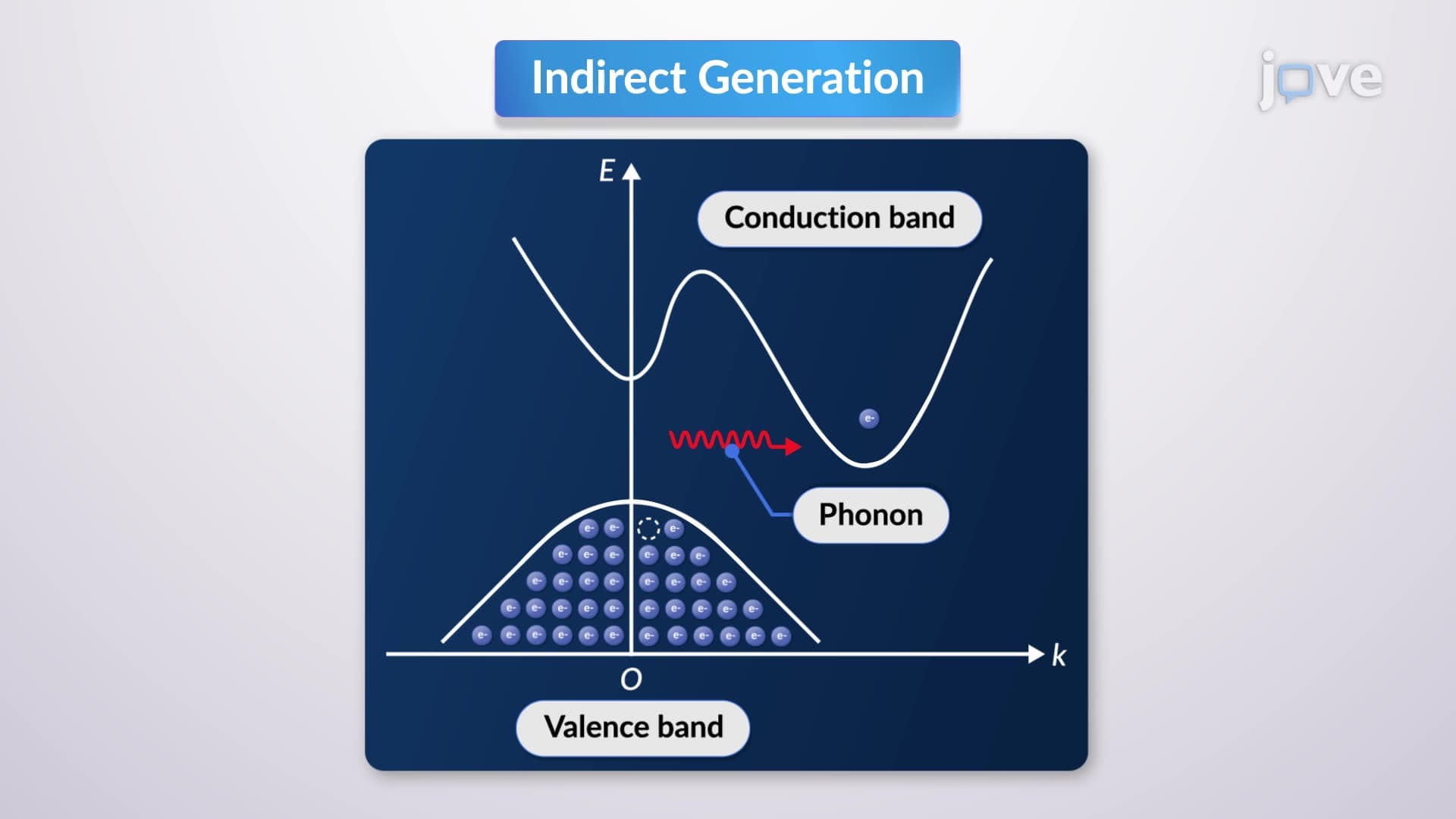
Indirect generation dominates in materials like silicon, where the valence band maximum and conduction band minimum occur at different momentum values. This process requires phonons (lattice vibrations) to conserve momentum, making it less efficient than direct transitions but still crucial for silicon photovoltaic cells that power residential solar installations across states like Arizona and Nevada.
Recombination Processes and Energy Release
Recombination mechanisms determine how efficiently devices convert electrical energy to light or vice versa. Band-to-band recombination in direct semiconductors releases photons, forming the basis for LED technology used in traffic lights, smartphone displays, and automotive headlights manufactured by companies like Cree in North Carolina.
Indirect recombination through trap states releases energy as heat rather than light, explaining why silicon makes poor LEDs but excellent transistors. These localized energy states within the bandgap act as stepping stones, allowing electrons to transition gradually between bands. Understanding trap behavior proves essential for AP Physics students analyzing semiconductor device characteristics and for electrical engineering majors studying device reliability.
Auger recombination becomes significant at high carrier concentrations, where the recombination energy transfers to a third carrier rather than being emitted as light. This process limits the efficiency of high-power LEDs and affects the performance of concentrated photovoltaic systems used in utility-scale solar farms.
The competition between these processes determines device quantum efficiency, operating speed, and thermal management requirements-critical considerations for engineers designing next-generation electronics and renewable energy systems.
Frequently Asked Questions
Carrier generation creates mobile electrons and holes in semiconductors through energy absorption, while recombination destroys these carriers by bringing electrons and holes back together. These processes control how semiconductors conduct electricity and emit or absorb light. Think of it like a dance floor where dancers (carriers) constantly join and leave the party.
The MCAT tests carrier transport concepts through questions about photoelectric effects, semiconductor properties, and energy band diagrams. You'll encounter problems involving photon absorption, electron mobility, and the relationship between wavelength and carrier generation in biological photosystems. Focus on understanding energy conservation and the connection between light absorption and electrical current generation.
AP Physics 2 covers photoelectric effects, atomic energy levels, and electromagnetic radiation-all directly related to carrier transport. Students analyze photon absorption, electron excitation, and energy quantization problems. The College Board often includes questions about solar cell efficiency and LED operation that require understanding carrier generation mechanisms.
Medical imaging equipment like digital X-ray detectors and PET scanners rely on carrier generation to convert radiation into electrical signals. Pulse oximeters use LED-photodetector pairs based on carrier recombination and generation to measure blood oxygen levels. Understanding these processes helps explain how modern diagnostic equipment works at hospitals like Mayo Clinic and Johns Hopkins.
Basic algebra and energy conservation principles suffice for introductory understanding of carrier transport. You'll work with simple energy equations (E = hf for photons) and qualitative band diagrams rather than complex quantum mechanics. Most high school physics and introductory college courses focus on conceptual understanding rather than mathematical derivations.
Create visual diagrams showing energy bands and carrier movements for different generation mechanisms. Practice identifying whether semiconductors are direct or indirect bandgap from their applications (LEDs vs. transistors). Connect each process to real devices you use daily, and work through energy balance problems step by step.
Dive deeper into semiconductor device physics, including PN junctions, transistor operation, and photovoltaic cell design. Study quantum mechanics applications in solid-state physics, or explore optoelectronics for LED and laser engineering. These topics appear in advanced physics courses and engineering programs at universities like MIT and Stanford.
Trap states act like energy "parking spots" within the semiconductor bandgap, slowing down carrier recombination and reducing device efficiency. In solar cells, traps decrease power output by converting light energy to heat instead of electricity. Engineers minimize trap formation through careful crystal growth and processing techniques used by companies like SunPower and Tesla's solar division.
Related Micro-courses