Loading subject page…

- Electrical Engineering
- Transistors
- Characteristics of BJT
Micro-course: Transistors
16,906 views
Learn key concepts and earn your certificate.
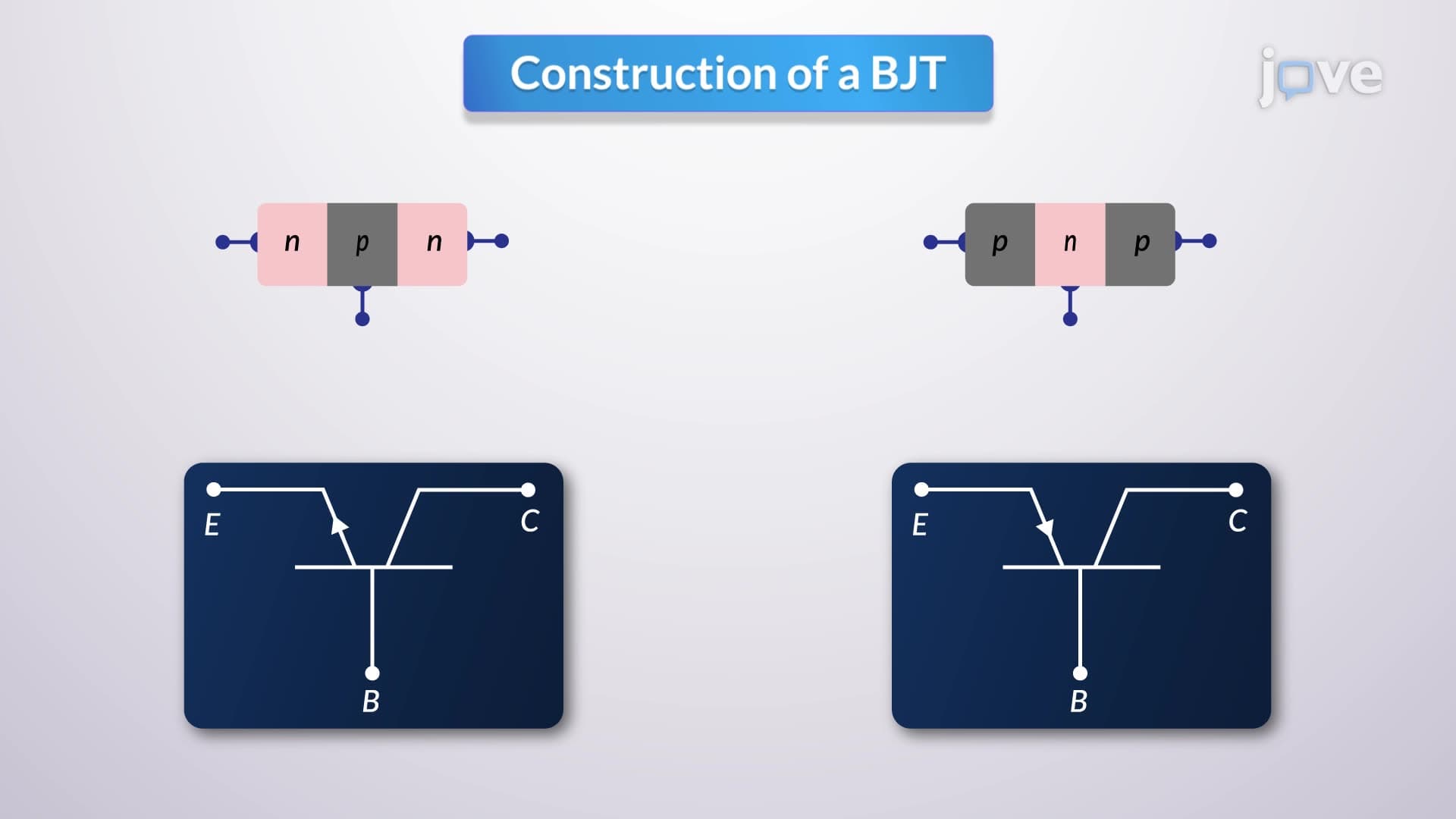

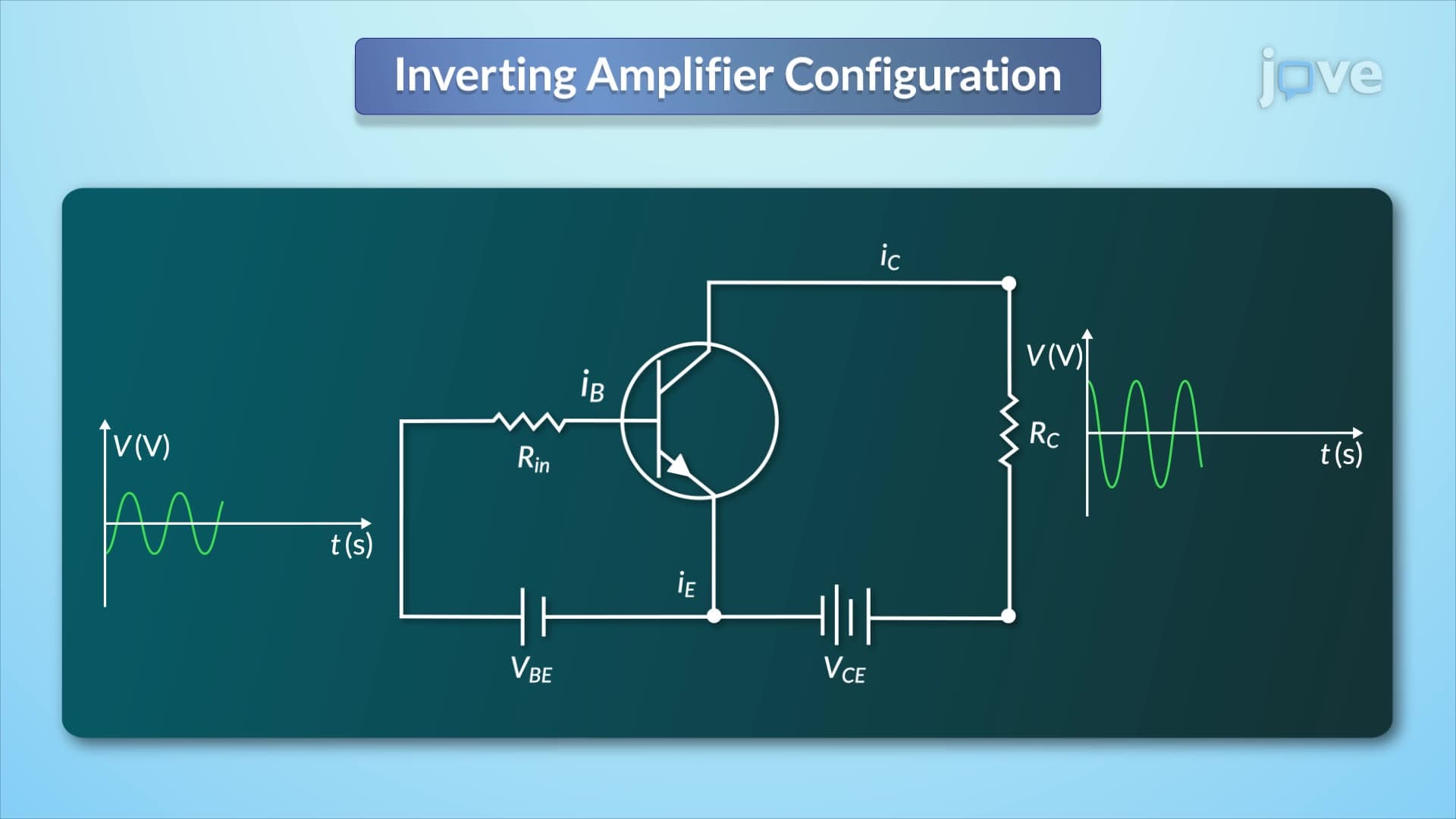
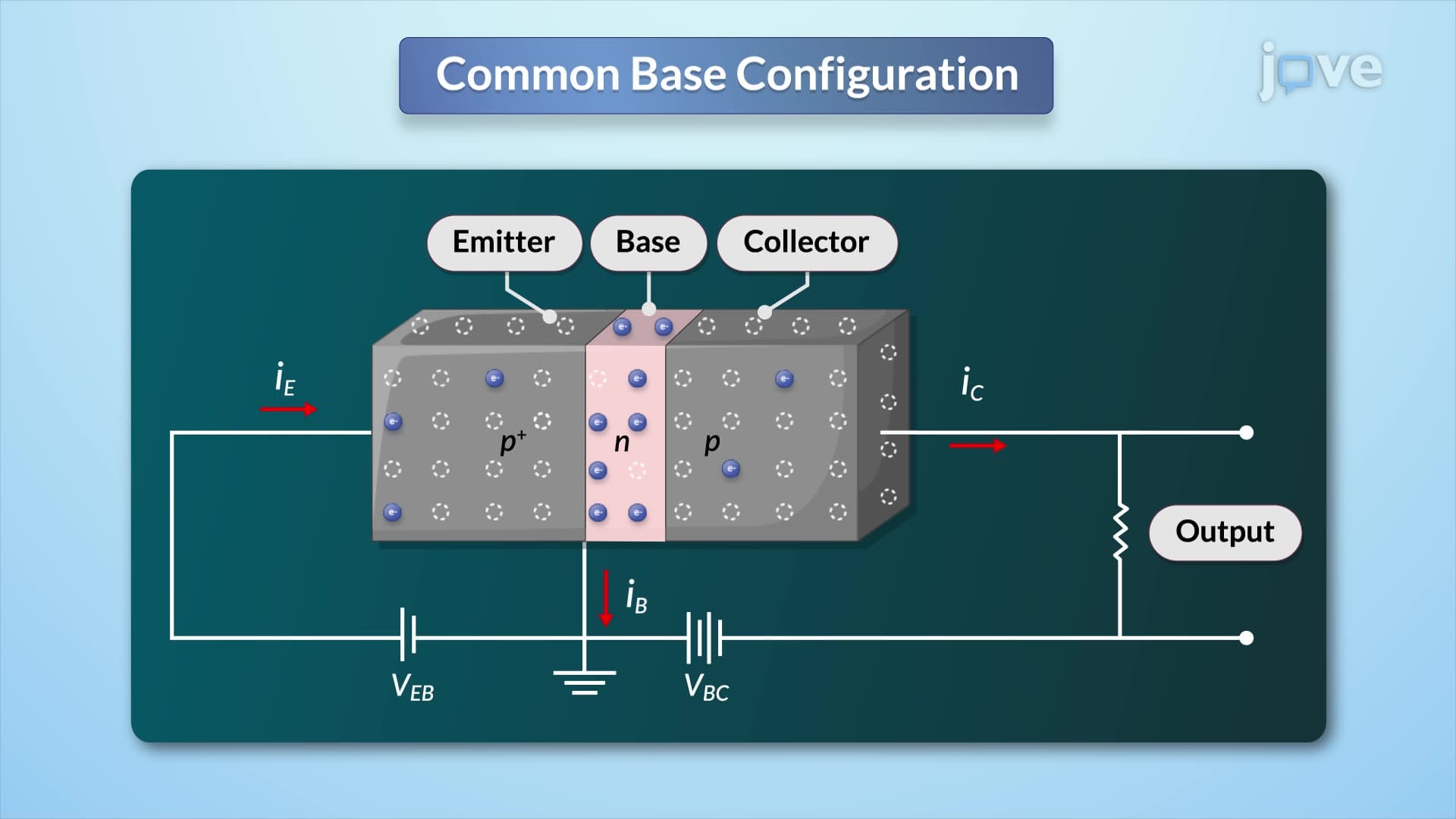
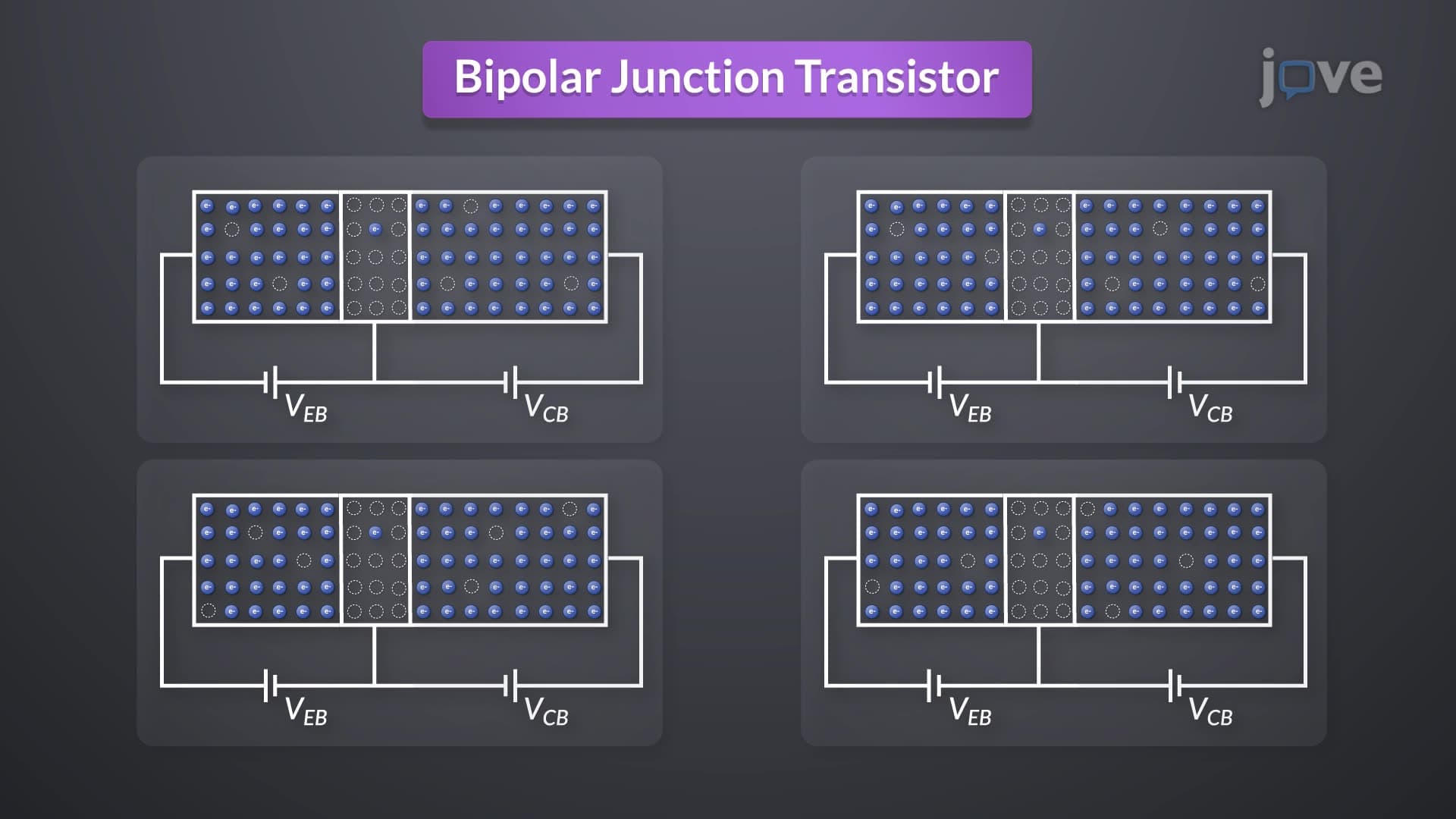




Characteristics of BJT

00:00
01:17
Video Summary: What are Characteristics of Bjt
Did you know that every smartphone processor contains billions of transistors switching millions of times per second? Understanding the modes of operations of BJT (Bipolar Junction Transistor) is crucial for grasping how these fundamental building blocks work. From the amplifiers in your car's stereo system to the switching circuits in LED displays across Times Square, BJT characteristics determine performance in countless electronic devices. Watch the full video on JoVE Coach to master this concept with expert-led visuals and step-by-step explanations.
- Understand the characteristics of BJT and how voltage-current relationships define transistor behavior in different operating regions
- Identify the three primary operating modes: active, saturation, and cutoff regions through characteristic curves
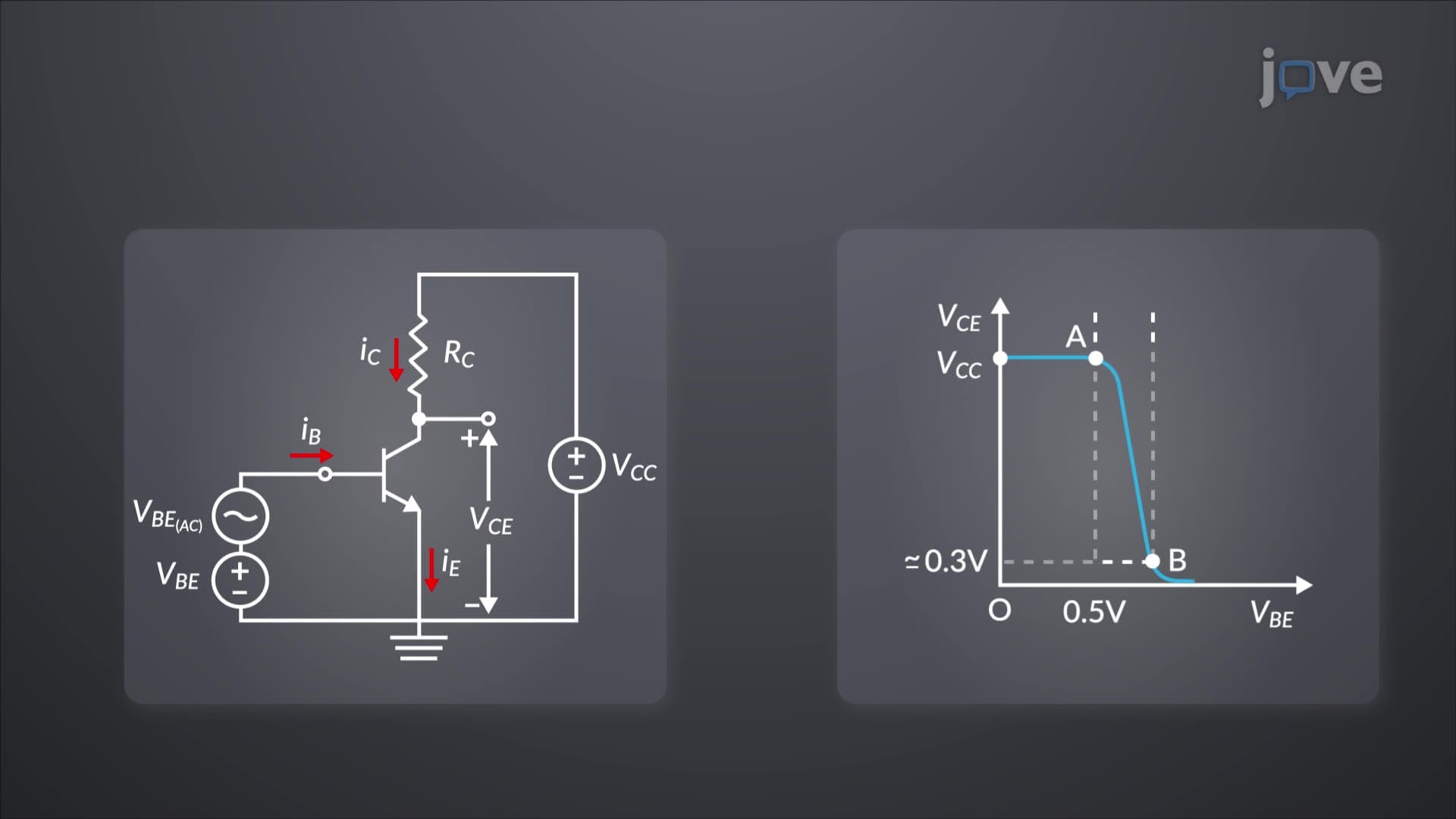
- Analyze input characteristics by examining base-emitter voltage variations while maintaining constant collector-emitter voltage
- Compare output characteristics showing collector current dependence on collector-emitter voltage at constant base current
- Evaluate the Early effect and its impact on finite output resistance in practical transistor applications
- Apply knowledge of BJT operating modes to predict transistor behavior in amplifier and switching circuits
- Recognize the Shockley-type relationship governing exponential current-voltage dependencies in semiconductor junctions
- Explore how depletion region changes affect base width modulation and overall transistor performance
Understanding the Characteristics of BJT Operating Regions
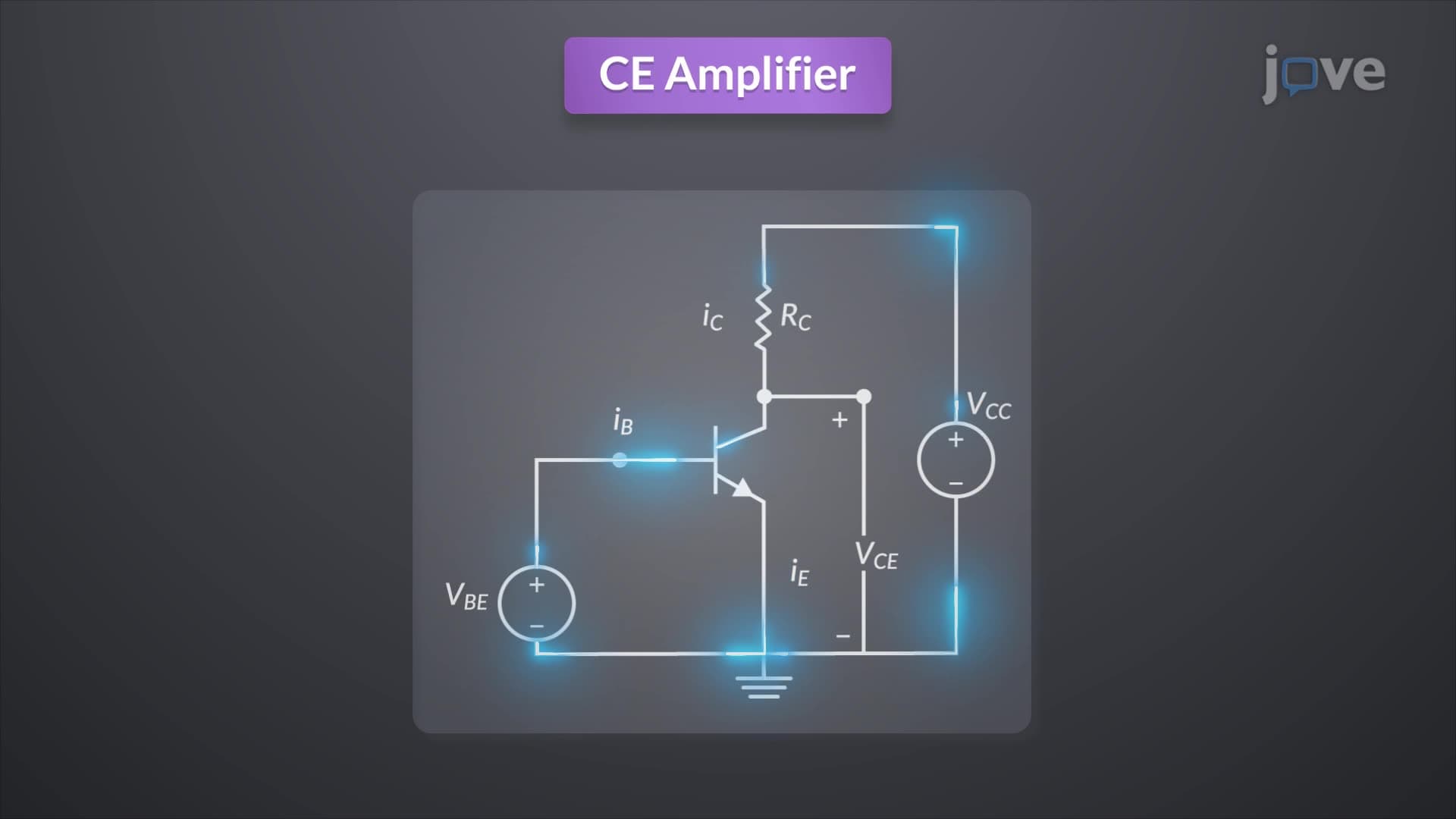
The characteristics of BJT fundamentally describe how these three-terminal semiconductor devices respond to different voltage and current conditions. Unlike simple resistors that follow Ohm's law linearly, BJTs exhibit complex, non-linear relationships that make them invaluable for amplification and switching applications. These characteristics are typically mapped through experimental measurements in the common-emitter configuration, the most widely used BJT setup in electronic circuits.
Input Characteristics: Base-Emitter Junction Behavior
The input characteristics reveal the relationship between base current and base-emitter voltage while maintaining constant collector-emitter voltage. This relationship follows the Shockley diode equation, exhibiting exponential behavior typical of PN junctions. When base-emitter voltage increases beyond approximately 0.7V for silicon transistors, base current rises exponentially. This characteristic is crucial for understanding how small voltage changes at the input can control much larger currents, forming the foundation for transistor amplification. Students preparing for AP Physics or college electronics courses should recognize this as analogous to a forward-biased diode, since the base-emitter junction is essentially a PN diode.
Output Characteristics: Collector Current Control
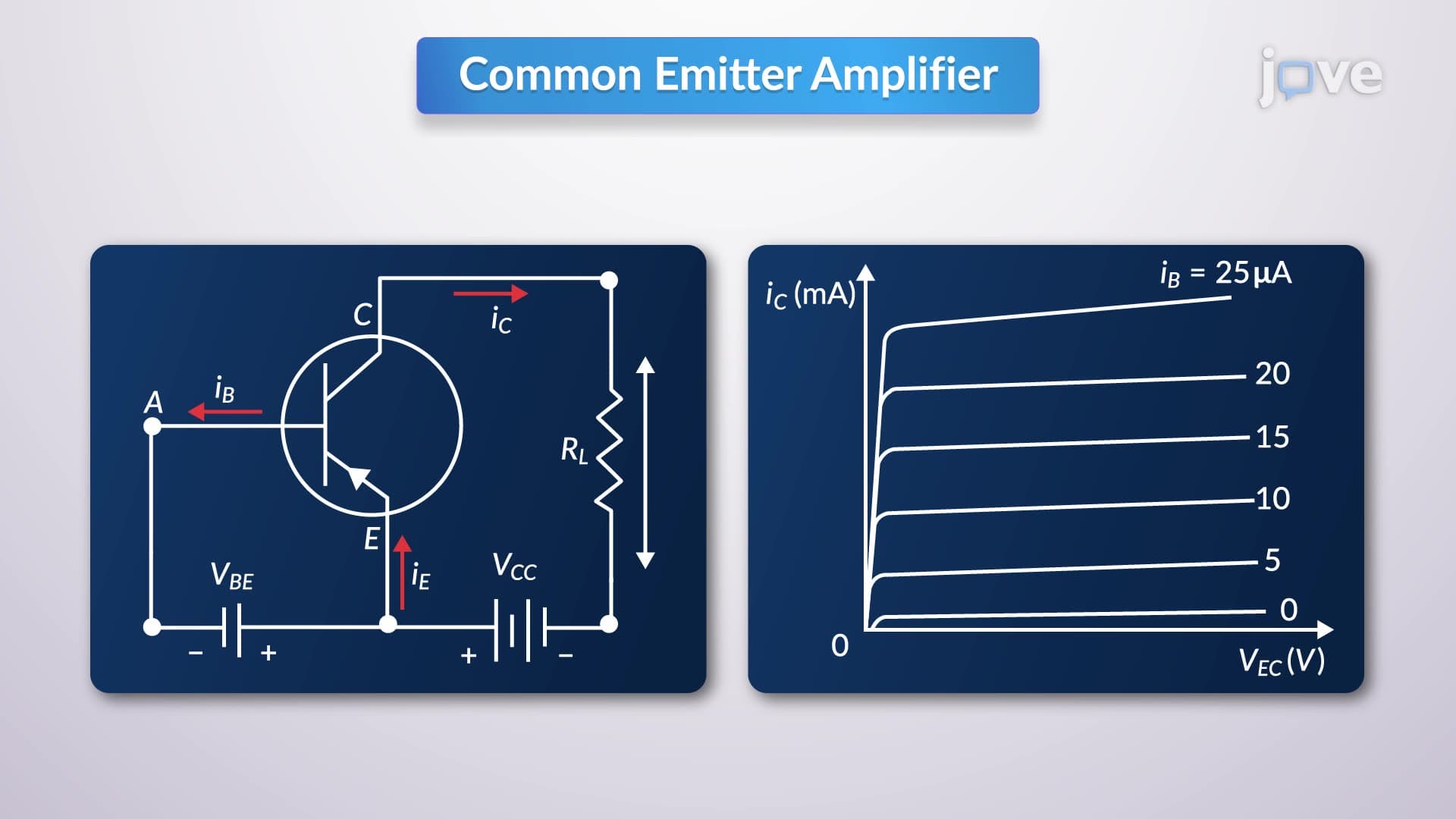
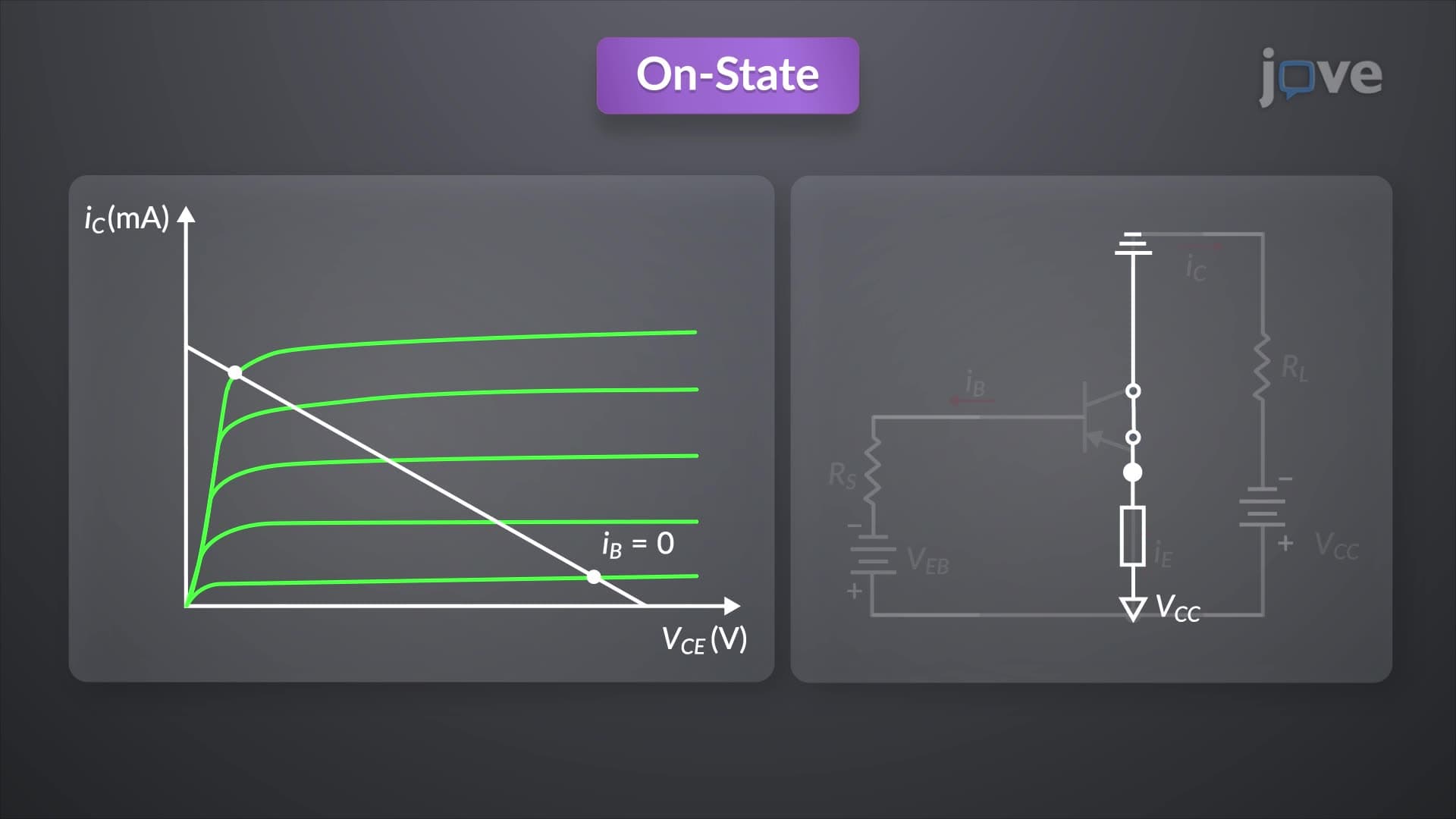
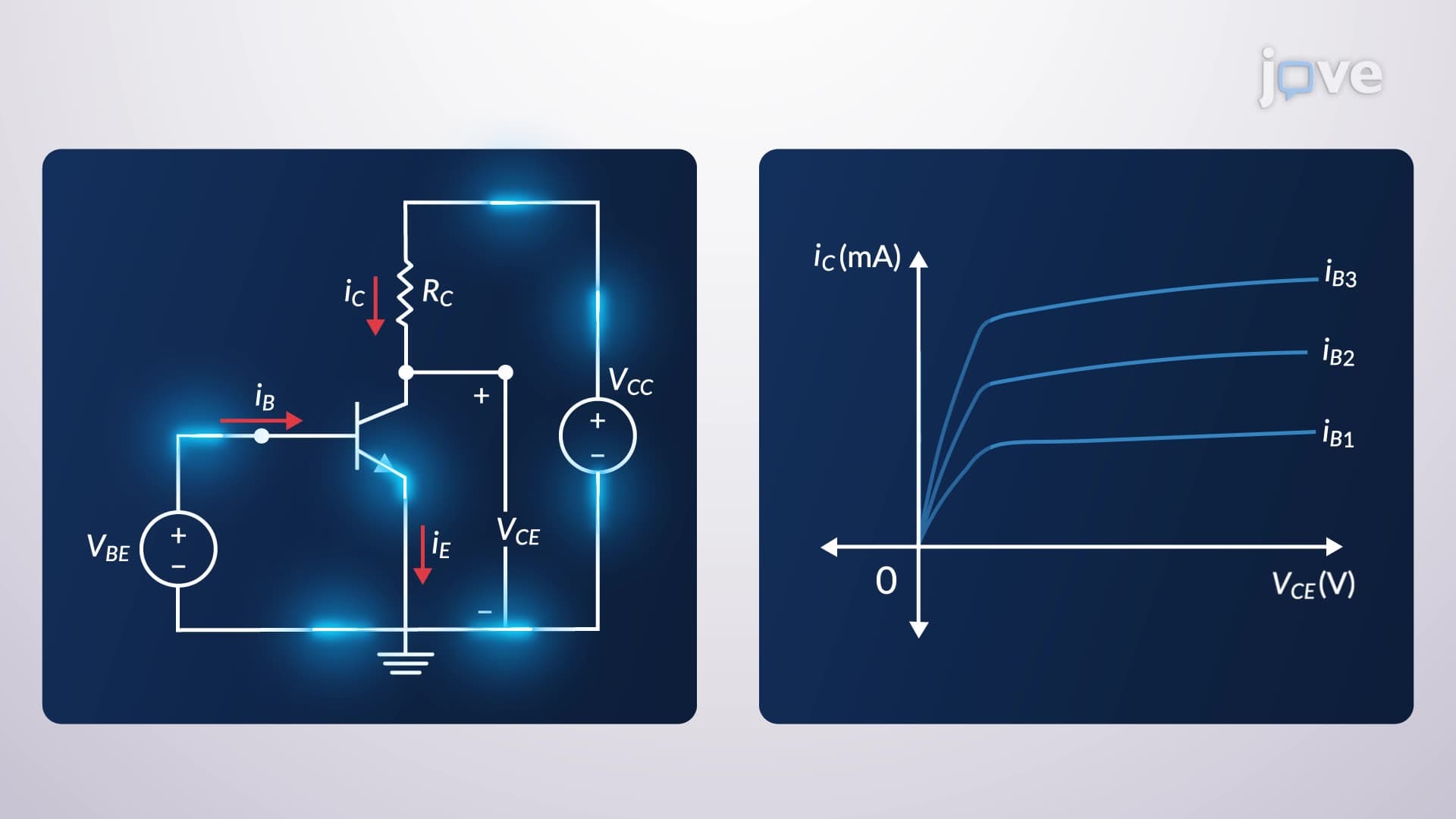
The output characteristics demonstrate how collector current varies with collector-emitter voltage for different fixed base current values. These curves reveal three distinct operating regions. In the saturation region, occurring at low collector-emitter voltages (typically below 0.2V), the transistor acts like a closed switch with minimal resistance between collector and emitter terminals. This mode is essential in digital logic circuits found in computer processors and memory devices manufactured by companies like Intel and AMD.
Active Region and Early Effect
The active region represents the transistor's linear amplification mode, where collector current remains relatively constant despite changes in collector-emitter voltage. Here, the transistor exhibits very high output resistance, making it ideal for amplifier applications in audio equipment and RF circuits. However, the Early effect introduces a slight upward slope in these characteristic curves due to base width modulation. As collector-emitter voltage increases, the collector-base depletion region widens, effectively shortening the base region and slightly increasing collector current. This phenomenon, named after electrical engineer James Early, explains why real transistors have finite rather than infinite output resistance. Understanding this effect is particularly important for students taking advanced electronics courses at institutions like MIT or Stanford, where precise circuit analysis requires accounting for non-ideal transistor behavior.
Frequently Asked Questions
BJT characteristics include input characteristics (base current vs. base-emitter voltage) and output characteristics (collector current vs. collector-emitter voltage). These relationships define three operating regions: active (amplification), saturation (switching on), and cutoff (switching off). Understanding these characteristics helps predict transistor behavior in any circuit application.
MCAT questions often focus on understanding semiconductor physics and exponential current-voltage relationships in biological sensors. AP Physics C exams may test your ability to analyze characteristic curves and identify operating regions. Practice interpreting graphs showing collector current vs. voltage relationships for different base current values.
Most electrical engineering programs introduce BJT characteristics in circuits courses like ECE 201 or similar. Physics majors encounter them in solid-state physics or electronics lab courses. Pre-med students may see simplified versions in biophysics when studying electronic medical devices and sensors.
Smartphones use BJT characteristics in power management circuits and RF amplifiers. Car audio systems rely on these characteristics for clean sound amplification. Medical devices like ECG machines use BJTs in precision amplifier circuits that detect tiny electrical signals from the heart.
Not at all! If you understand basic algebra and graphing, you can master BJT characteristics. Start with recognizing that these are just voltage-current relationships shown as graphs. The math is simpler than calculus, focusing mainly on reading and interpreting characteristic curves rather than complex equations.
Practice sketching characteristic curves from memory and identifying the three operating regions. Use flashcards for key voltage values (like 0.7V for silicon base-emitter voltage). Work through problems that require reading values from characteristic curve graphs, as this skill appears frequently on exams.
Explore BJT amplifier configurations (common-emitter, common-base, common-collector) and their specific applications. Study MOSFET characteristics for comparison, then move into operational amplifiers. Understanding frequency response and small-signal analysis builds naturally from basic BJT characteristics.
Temperature significantly affects BJT performance, with base-emitter voltage decreasing about 2mV per degree Celsius increase. This temperature dependence is crucial in automotive electronics and aerospace applications where devices experience wide temperature ranges. Understanding thermal effects helps explain why electronic devices sometimes behave differently in summer versus winter conditions.
Related Micro-courses

11 Concepts

7 Concepts

5 Concepts