Loading subject page…

- Electrical Engineering
- Transistors
- Switching of BJT
Micro-course: Transistors
16,906 views
Learn key concepts and earn your certificate.

Switching of BJT

00:00
01:22
Video Summary: What Is Switching of Bjt
Ever wondered how your smartphone can instantly switch between apps with lightning speed? BJT amplifiers serve as the fundamental switching components that make this digital magic possible in countless electronic devices across America, from Tesla's autopilot systems to NASA's mission control computers. Understanding what is switching of BJT reveals how these transistors transition between "on" and "off" states, controlling current flow through precise manipulation of stored charge in the base region. Watch the full video on JoVE Coach to master this concept with expert-led visuals and step-by-step explanations.
- Understand what is switching of BJT and how transistors function as ideal electronic switches in digital circuits
- Identify the three distinct operating modes during BJT switching: off-state, active mode, and saturation mode
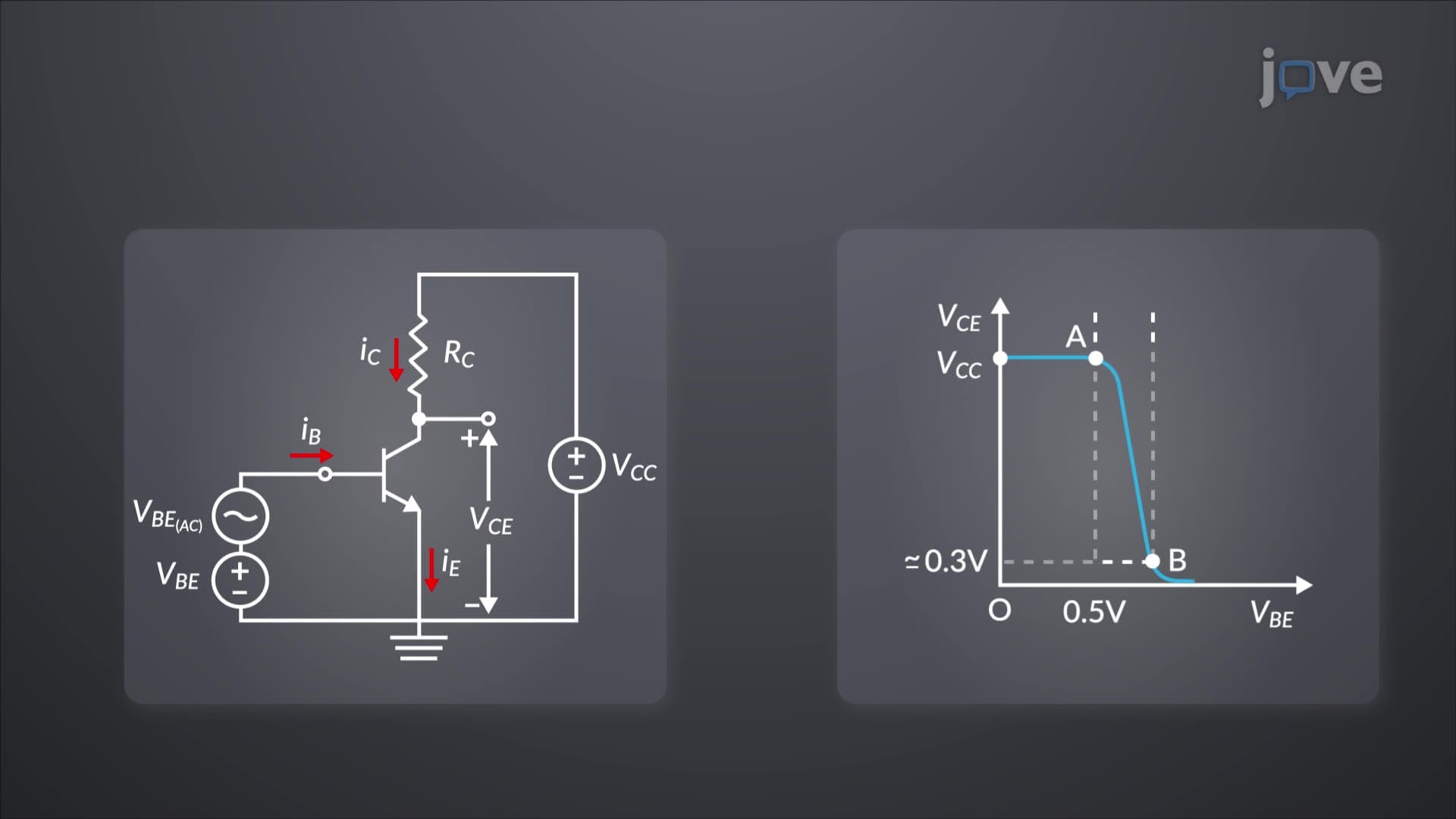
- Analyze the relationship between base-emitter voltage changes and collector current behavior during switching transitions
- Compare turn-on and turn-off phases in BJT switching, focusing on minority carrier charge dynamics
- Evaluate the role of stored charge (Q_S) in determining transistor operating modes during switching events
- Apply BJT switching principles to explain digital circuit operations in real-world electronic systems
- Recognize how excess minority carrier charge affects switching speed and efficiency in practical applications
- Explore the transient behavior of collector current during rapid voltage transitions in switching circuits
Understanding What is Switching of BJT in Digital Electronics
BJT (Bipolar Junction Transistor) switching forms the backbone of digital electronics, enabling the binary logic that powers everything from Apple's M-series chips to Google's data centers. Unlike analog amplification, BJT switching operates in discrete states-either fully "on" (saturated) or completely "off" (cutoff)-making it ideal for digital applications where precise voltage levels represent binary data.
The Physics Behind BJT Switching Operations
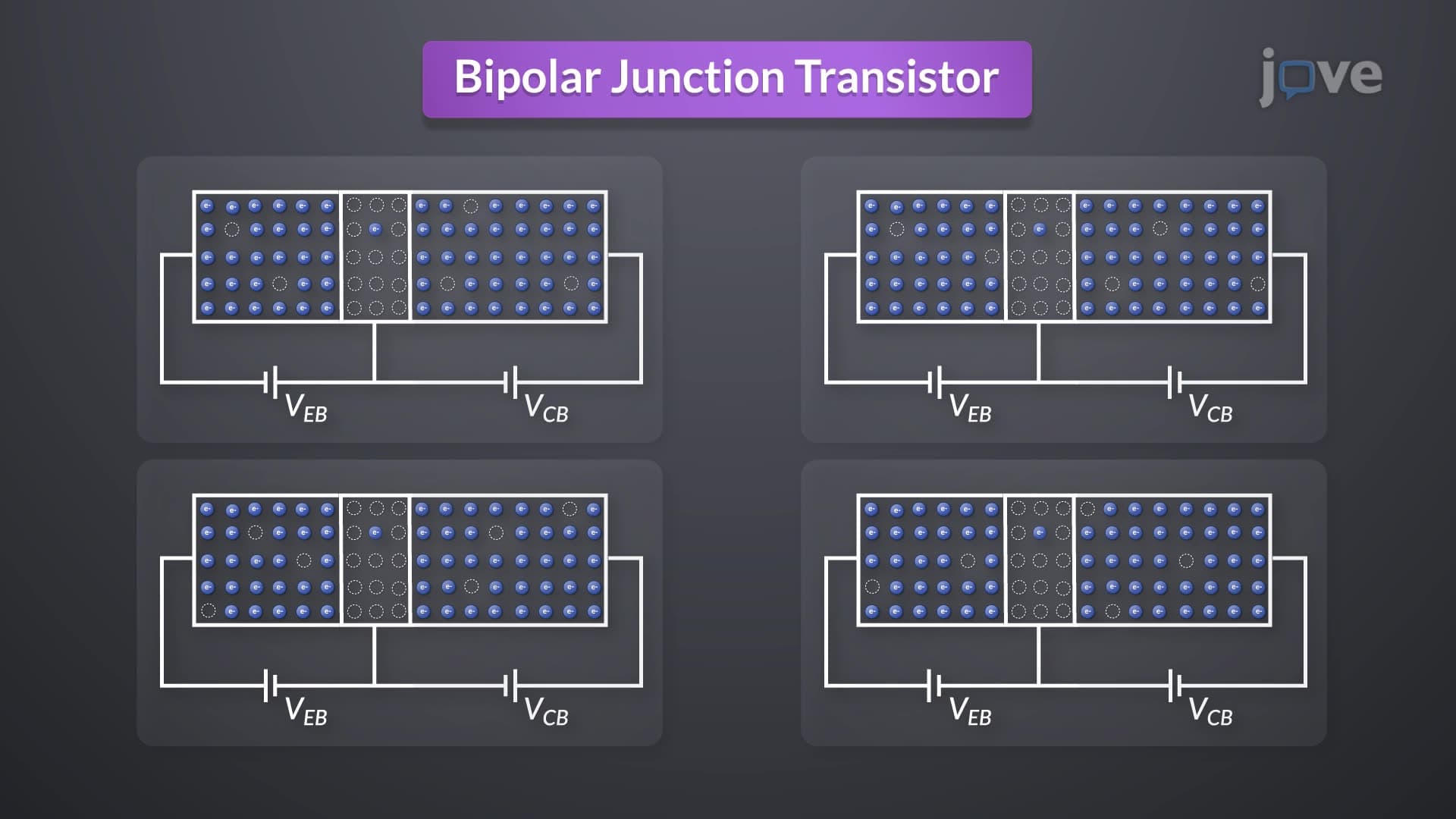
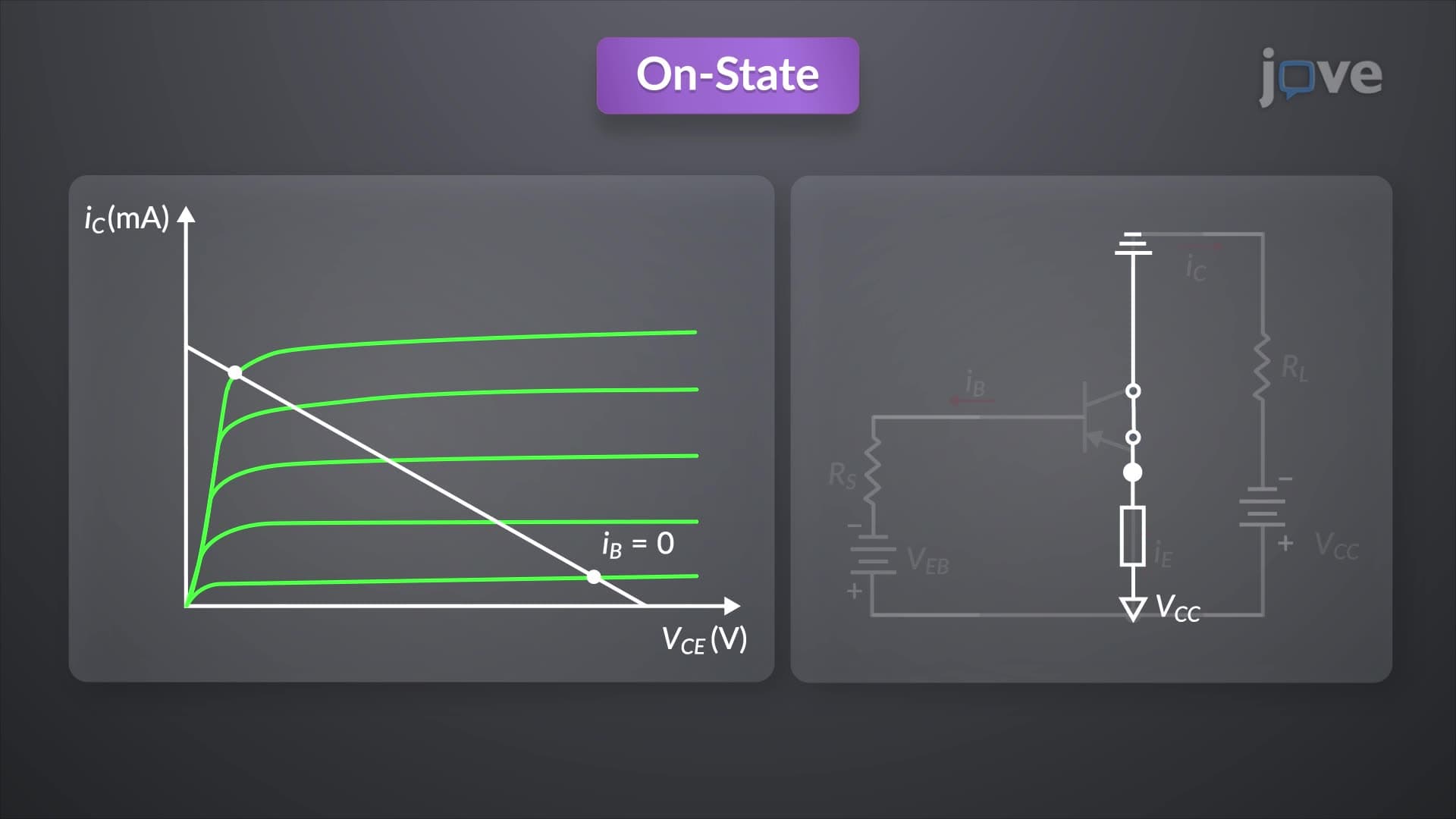
The switching mechanism revolves around controlling minority carrier charge storage in the base region. Initially, when both junctions are reverse-biased, the transistor remains in cutoff mode with negligible collector current-only reverse saturation current from minority carriers flows. This represents the logical "0" state in digital systems.
When forward bias is applied to the base-emitter junction, majority carriers begin injecting into the base region, rapidly increasing base current and subsequently collector current. The speed of this transition depends critically on how quickly minority carriers can establish themselves in the base region. For high-frequency applications like those found in Intel's processors, this switching speed becomes paramount for system performance.
Active Mode vs. Saturation in BJT Switching
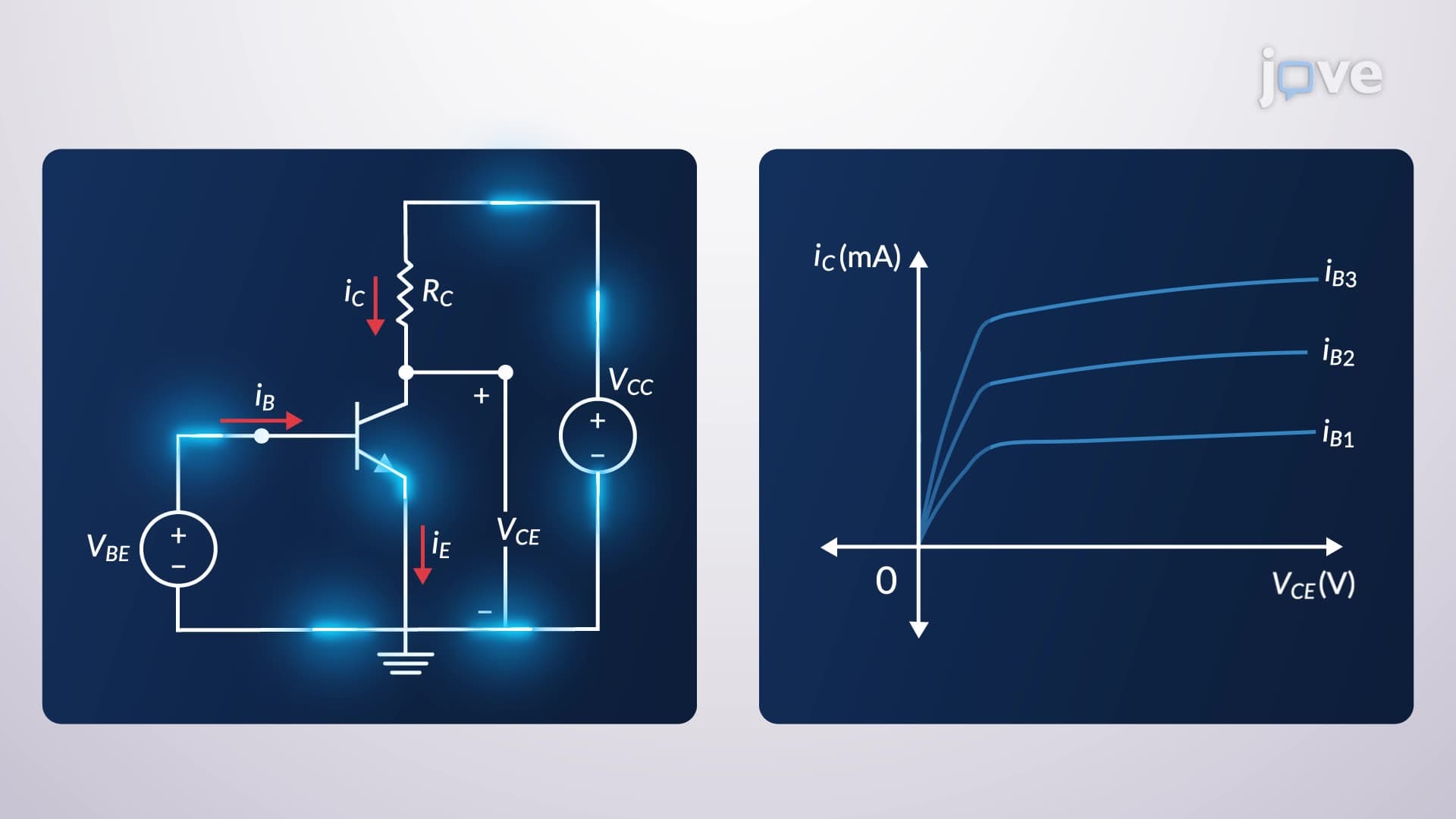
The distinction between active and saturation modes determines switching efficiency. In active mode, the stored base charge remains below the critical value Q_S (base charge at zero collector-base voltage), allowing linear current control. However, during rapid switching-common in microprocessor applications-the base charge often exceeds Q_S, forcing the transistor into saturation.
Saturation mode ensures complete switch closure but introduces switching delays. When transitioning from "on" to "off," the collector current remains nearly constant until stored charge reduces to Q_S. This phenomenon, called storage time, limits switching frequency in applications like PWM motor controllers used in Tesla vehicles or switching power supplies in Amazon's server farms.
Practical Applications in Modern Electronics
BJT switching finds extensive use in digital logic circuits, particularly in older computer architectures and specialized applications requiring high current handling. The College Board's AP Physics curriculum emphasizes these switching characteristics, as students must understand both the theoretical charge dynamics and practical limitations affecting circuit performance in standardized testing scenarios.
Frequently Asked Questions
BJT switching involves operating the transistor as a digital switch between fully "on" and "off" states, unlike amplification which uses the linear region for signal processing. In switching applications, the transistor either blocks current completely (cutoff mode) or allows maximum current flow (saturation mode), enabling digital logic operations essential for computer processors and digital control systems.
AP Physics exams typically focus on understanding switching states, current relationships, and energy considerations during transitions. Students must explain how bias conditions determine operating modes and calculate switching times based on stored charge dynamics. Practice problems often involve analyzing circuit diagrams showing BJT switches controlling motors or LED displays.
The MCAT emphasizes conceptual understanding of switching principles and their biological applications, such as in medical device electronics. College electronics courses dive deeper into mathematical modeling of switching transients, storage time calculations, and practical design considerations for digital circuits used in engineering applications.
In Ford and GM vehicles, BJT switches control everything from fuel injection timing to LED headlight arrays. These transistors rapidly turn high-current loads on and off based on microcontroller signals, enabling precise control of automotive systems while handling the substantial electrical demands of modern vehicles.
BJT switching concepts are accessible to students with basic knowledge of electric current and voltage. The key is understanding that switching simply means turning electrical pathways "on" or "off," similar to a light switch but much faster. Most students grasp the concept quickly when related to familiar digital devices like smartphones and gaming consoles.
Focus on memorizing the three operating modes (cutoff, active, saturation) and their bias conditions. Practice drawing switching waveforms showing voltage and current relationships over time. Work through numerical problems involving switching delays and stored charge calculations, as these commonly appear on exams at universities like MIT and Stanford.
Students should investigate MOSFET switching, which dominates modern digital electronics due to superior switching speeds and lower power consumption. Additionally, exploring switching power supply design and digital logic families (TTL, CMOS) builds on BJT switching fundamentals while connecting to contemporary electronic system design.
Related Micro-courses

11 Concepts

7 Concepts

5 Concepts