Loading subject page…

- Finance
- Analysis of Financial Statements
- Calculating Depreciation: Straight-line Method
Micro-course: Analysis of Financial Statements
5,450 views
Learn key concepts and earn your certificate.



Calculating Depreciation: Straight-line Method

00:00
01:16
Video Summary: Calculating Depreciation Straight Line Method Guide
When Netflix allocated $15 billion in content assets or when Amazon Web Services manages massive data center equipment investments, calculating depreciation straight line method becomes critical for accurate financial reporting and strategic planning. This fundamental accounting approach enables finance professionals to systematically allocate asset costs over their useful lives, providing predictable expense recognition for budgeting and P&L management. The Calculating Depreciation Straight Line Method Guide demonstrates how to apply this essential technique across various asset classes, from manufacturing equipment to technology infrastructure. Watch the full video on JoVE Coach to master this concept with expert-led visuals and step-by-step explanations.
- Apply straight-line depreciation calculations to optimize annual budget allocations and improve cash flow forecasting accuracy
- Evaluate asset replacement strategies by analyzing depreciation schedules against operational performance metrics
- Implement consistent depreciation policies across business units to ensure standardized financial reporting and compliance
- Analyze the P&L impact of different useful life assumptions to support strategic capital expenditure decisions
- Compare depreciation methods to identify optimal approaches for various asset categories and industry requirements
- Leverage depreciation schedules in board presentations to justify capital allocation and equipment replacement timing
- Identify tax planning opportunities by aligning depreciation strategies with business growth objectives
- Assess asset utilization efficiency by correlating depreciation expenses with operational output and revenue generation
Understanding Calculating Depreciation Straight Line Method in Strategic Context
Finance leaders at companies like Ford Motor Company face constant pressure to optimize asset utilization while maintaining accurate financial reporting. The straight-line depreciation method provides a foundational framework for systematically allocating asset costs, enabling consistent expense recognition and simplified financial planning across complex operations.
Core Calculation Framework for Business Applications
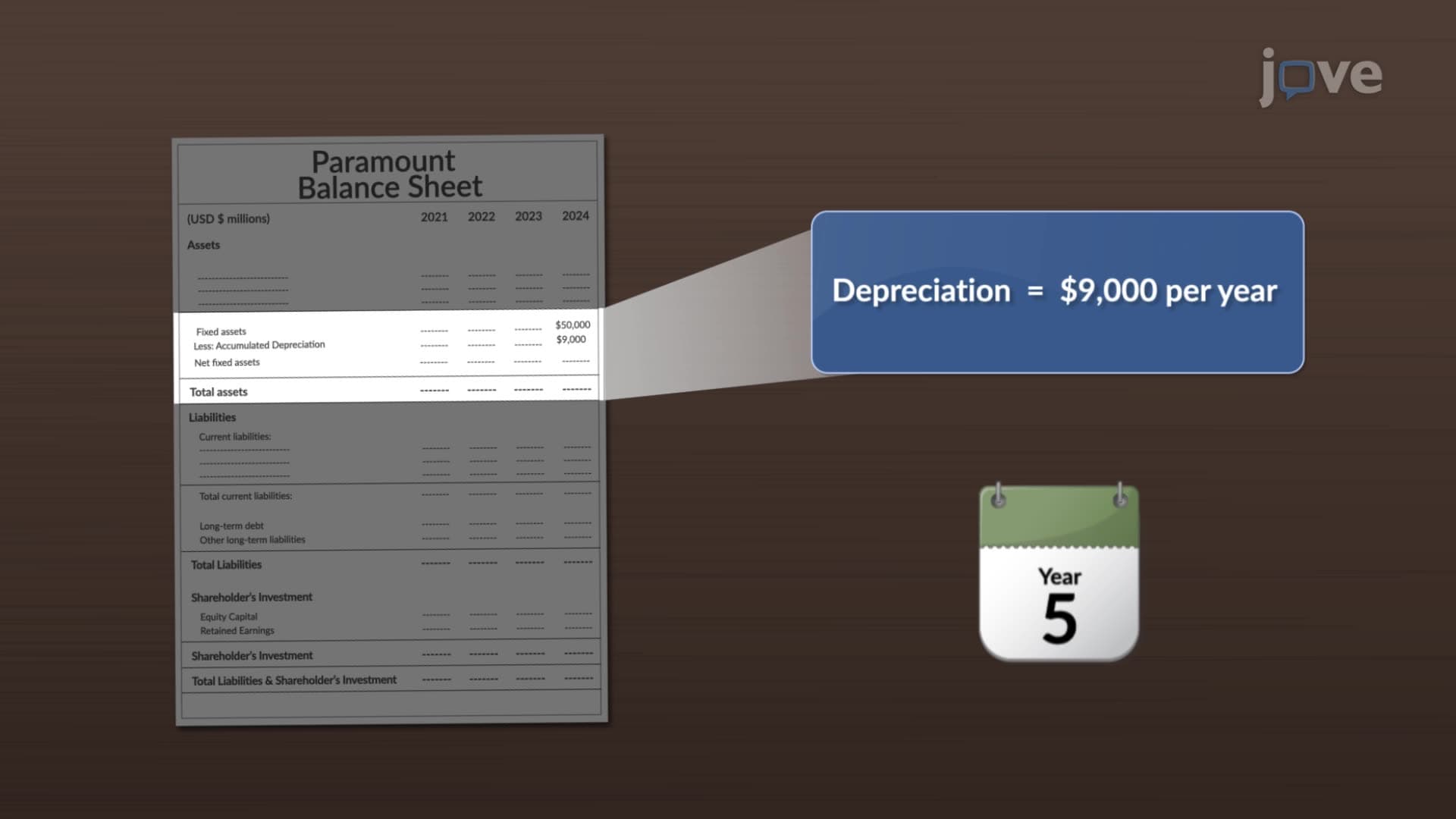
The straight-line method formula remains elegantly simple: (Asset Cost - Salvage Value) ÷ Useful Life = Annual Depreciation Expense. When Caterpillar purchases manufacturing equipment for $500,000 with an expected 10-year useful life and $50,000 residual value, the annual depreciation becomes $45,000. This predictable expense pattern supports accurate budgeting and enables finance teams to model long-term profitability with confidence.
Strategic Implications for Asset Management Decisions
Beyond mere compliance, calculating depreciation straight line method influences critical business decisions. When evaluating equipment upgrades, CFOs can assess whether accelerated replacement schedules justify higher annual depreciation charges against productivity gains. Technology companies like Microsoft regularly face these decisions when upgrading server infrastructure, where depreciation timing directly impacts quarterly earnings and investor relations.
Integration with Performance Management Systems
Smart organizations integrate depreciation calculations into broader performance metrics. By tracking depreciation expense per unit of output or per revenue dollar, management can identify underperforming assets and optimize capital deployment. General Electric's industrial divisions have historically used such metrics to drive operational excellence and maximize shareholder returns.
Implementation Considerations for Finance Teams
Successful implementation requires establishing clear asset categorization policies and useful life assumptions aligned with industry standards. Finance professionals must balance conservative estimates with realistic operational expectations, ensuring depreciation schedules support both accurate reporting and strategic flexibility. Regular review cycles enable adjustments as market conditions and technology evolution impact asset utilization patterns.
Frequently Asked Questions
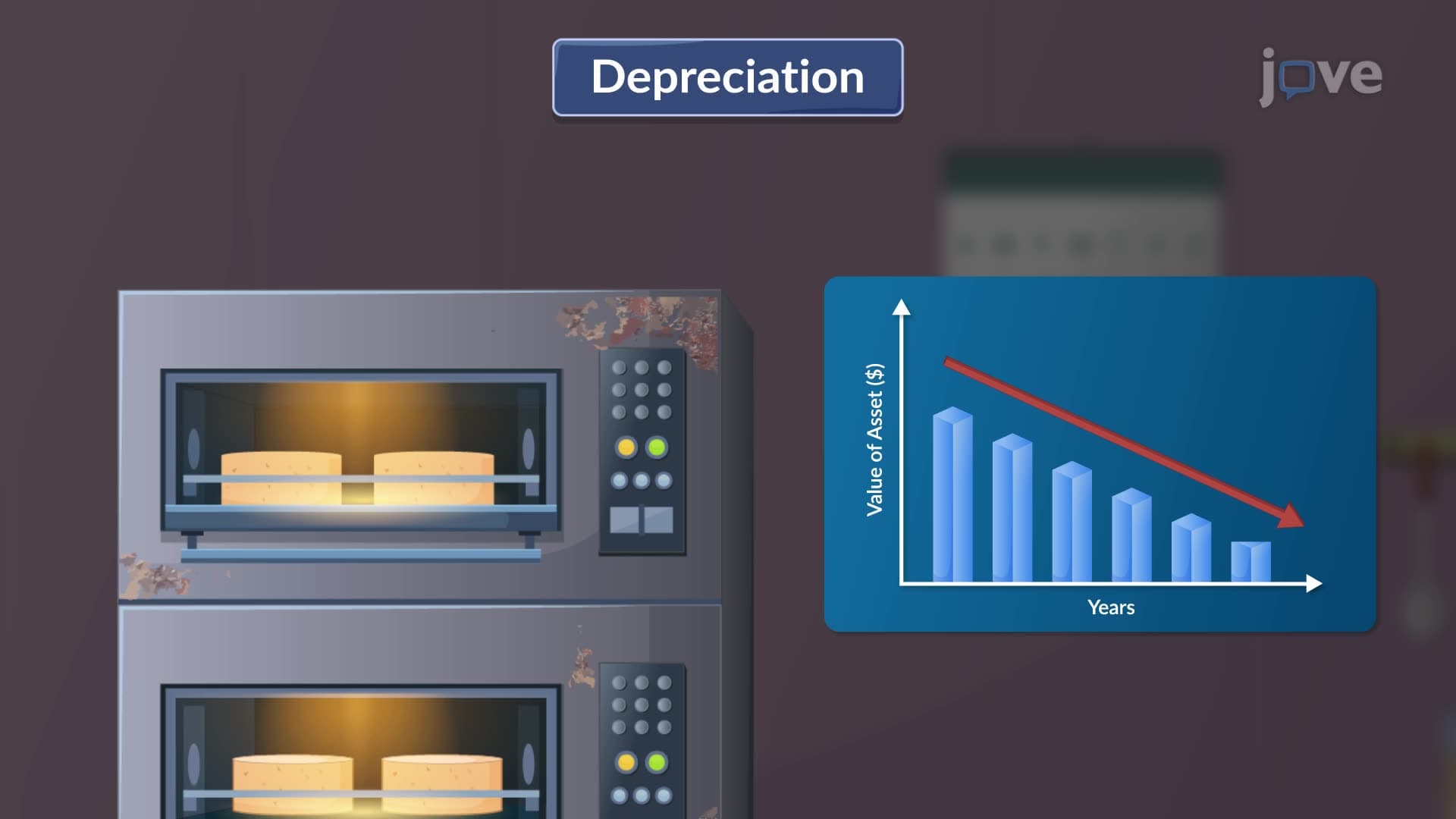
A systematic accounting approach that allocates an asset's cost evenly over its useful life, creating predictable annual expenses. This method assumes assets lose value at a constant rate, making it ideal for budgeting and financial planning purposes.
It provides predictable annual expense figures that simplify multi-year budget forecasting and cash flow projections. Finance teams can accurately model future P&L impacts and plan capital replacement cycles with greater confidence.
Use straight-line when demonstrating stable, predictable earnings patterns to investors, or when asset usage remains consistent over time. It's particularly effective for real estate, furniture, and equipment with steady utilization rates.
Walmart typically uses straight-line depreciation for store fixtures, buildings, and distribution centers, spreading costs over 15-40 year useful lives. This approach supports consistent expense recognition across thousands of locations and simplifies financial consolidation.
Basic mathematical skills and business judgment suffice for most applications. The key is understanding how depreciation choices affect financial statements and business performance metrics rather than complex technical calculations.
Strong depreciation knowledge demonstrates financial acumen essential for senior roles, enables better capital allocation decisions, and provides credibility when presenting asset management strategies to executive leadership.
Consider studying accelerated depreciation methods and their tax implications, as this knowledge enables more sophisticated asset management strategies and tax optimization opportunities.
Research industry standards, consult equipment manufacturers' recommendations, and analyze historical performance data from similar assets. Conservative estimates protect against over-optimistic assumptions while supporting accurate financial reporting.
Related Micro-courses


