Loading subject page…

- Finance
- Analysis of Financial Statements
- Cash Flow Statement: Investing Activities
Micro-course: Analysis of Financial Statements
5,450 views
Learn key concepts and earn your certificate.





Cash Flow Statement: Investing Activities


00:00
01:27
Video Summary: Cash Flow Statement Investing Activities Explained
When Amazon invested $15.3 billion in property and equipment in 2022, investors closely analyzed their cash flow statement investing activities to gauge the company's long-term growth strategy. Understanding cash flow statement investing enables finance professionals to evaluate how effectively companies allocate capital for future expansion versus maintain current operations. This critical financial analysis skill helps managers assess whether heavy capital expenditures signal strategic growth or unsustainable cash burn. Watch the full video on JoVE Coach to master this concept with expert-led visuals and step-by-step explanations.
- Apply investing activity analysis to evaluate whether companies are positioned for sustainable growth or facing potential liquidity challenges
- Assess capital allocation efficiency by comparing investing cash flows against revenue growth and market expansion outcomes
- Identify red flags in investing activities that signal poor strategic decision-making or overextension of resources
- Analyze the relationship between investing cash outflows and future revenue potential to inform investment recommendations
- Evaluate management effectiveness by examining patterns in asset acquisitions, disposals, and strategic investments over multiple periods
- Leverage investing activity trends to predict future operational capacity and competitive positioning in client presentations
- Implement cash flow forecasting techniques that incorporate planned capital expenditures and asset optimization strategies
- Compare investing activity patterns across industry competitors to identify strategic advantages and operational inefficiencies
Understanding Cash Flow Statement Investing Activities in Strategic Context
Cash flow statement investing activities reveal the backbone of corporate strategy-how companies deploy capital to build competitive advantages and drive long-term value creation. Unlike operating cash flows that reflect day-to-day business performance, investing activities demonstrate management's vision for future growth and operational efficiency. When Target invested $4 billion in supply chain modernization and store renovations between 2017-2019, these investing cash outflows positioned the retailer to compete more effectively against Amazon's logistics capabilities.
Interpreting Capital Allocation Patterns for Business Decision-Making
Professional analysis of investing activities requires understanding the strategic context behind major cash movements. Heavy capital expenditures in property, plant, and equipment typically signal expansion phases, while significant asset disposals may indicate portfolio optimization or financial distress. Tesla's $7.2 billion investment in manufacturing facilities during 2021-2022 reflected aggressive production scaling, while General Electric's systematic asset sales generated over $20 billion to reduce debt and focus on core industrial operations.
The timing and magnitude of these activities provide critical insights for board-level discussions about resource allocation. Finance leaders must distinguish between growth-oriented investments that enhance long-term competitive positioning versus maintenance capital expenditures required to sustain current operations.
Analyzing Investment Quality and Strategic Alignment
Effective evaluation of investing activities extends beyond simple cash flow tracking to assess investment quality and strategic alignment. Microsoft's $68.7 billion acquisition of Activision Blizzard in 2023 represented a strategic pivot toward gaming and metaverse capabilities, while their consistent cloud infrastructure investments generated measurable returns through Azure revenue growth.
Professional analysts examine the relationship between investing cash outflows and subsequent revenue generation, market share expansion, or operational efficiency gains. This analysis informs critical business decisions about capital budgeting, merger and acquisition strategies, and competitive positioning.
Portfolio Management and Asset Optimization Strategies
Sophisticated companies use investing activities as portfolio management tools, continuously optimizing their asset base for maximum return on invested capital. Warren Buffett's Berkshire Hathaway exemplifies this approach, strategically acquiring undervalued assets while divesting non-core holdings to maximize shareholder value. Understanding these patterns helps finance professionals develop frameworks for evaluating investment opportunities and recommending strategic initiatives to executive leadership.
Frequently Asked Questions
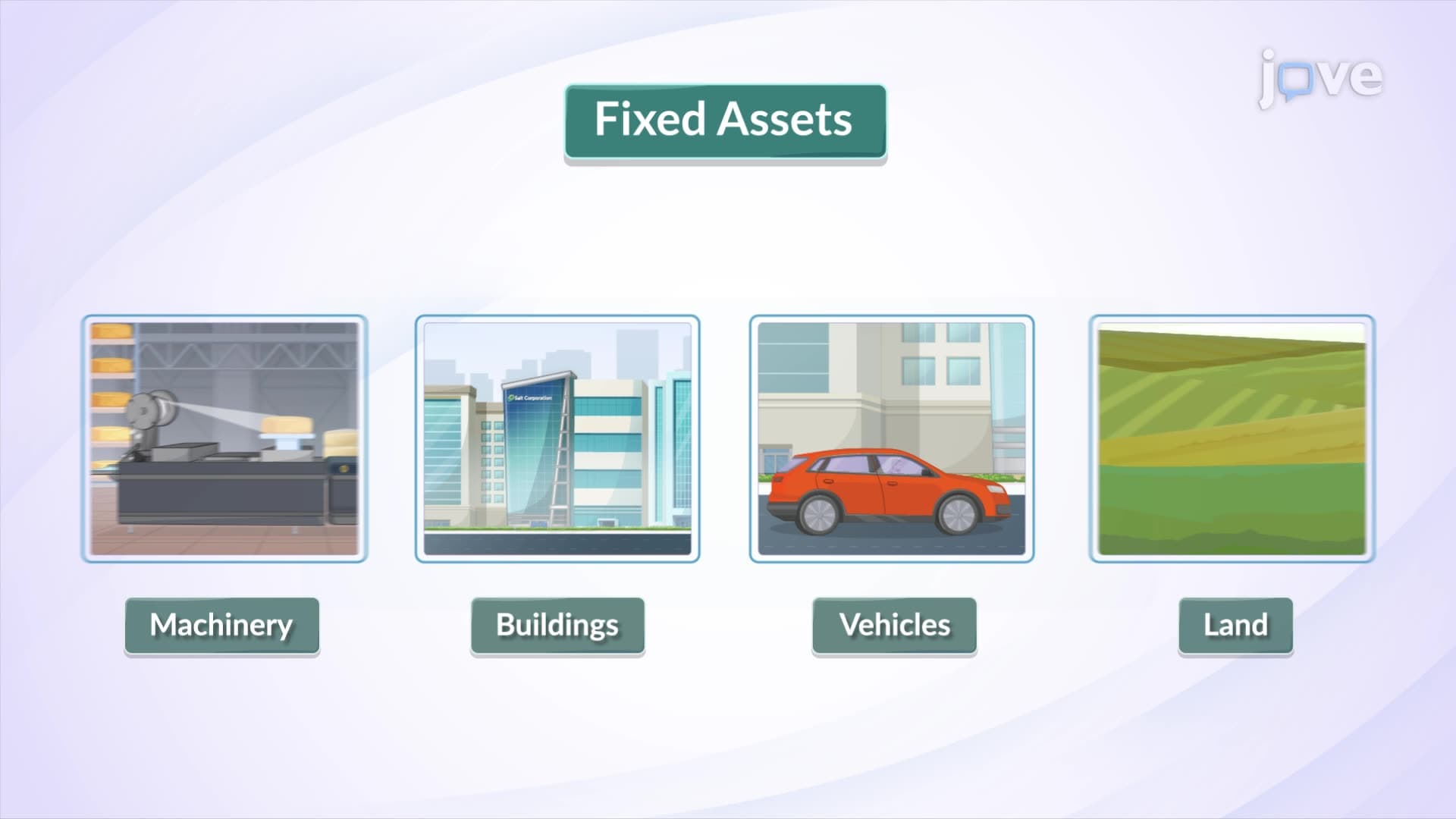
Investing activities include cash flows from acquiring or disposing of long-term assets like property, equipment, subsidiaries, or securities. This encompasses capital expenditures for expansion, technology upgrades, facility construction, strategic acquisitions, and proceeds from asset sales. These activities reflect how companies allocate resources for future growth and operational efficiency.
Negative investing cash flow typically indicates growth-phase investments rather than financial problems. Focus on the strategic rationale behind major expenditures and their expected return timelines. Present the relationship between current investments and projected revenue growth or cost savings to demonstrate value creation potential to stakeholders.
Emphasize the strategic implications of investing decisions on competitive positioning and long-term profitability. Connect capital allocation patterns to market opportunities, operational efficiency gains, and shareholder value creation. Use competitor benchmarks to contextualize investment levels and highlight strategic advantages or gaps requiring attention.
Apple invested over $11 billion annually in property, plant, and equipment between 2018-2022, primarily in manufacturing capabilities, retail expansion, and R&D facilities. These investments enabled supply chain control, premium customer experiences, and innovation capacity that competitors struggled to match, directly contributing to sustained market leadership and premium pricing power.
While financial statement knowledge helps, the key skill is understanding business strategy and competitive dynamics. Focus on learning how different types of investments impact operational capacity, market positioning, and revenue generation. Start with basic capital expenditure analysis and gradually build expertise in complex acquisition and disposal evaluation.
This skill positions you as a strategic thinker who can evaluate long-term business decisions beyond short-term financial performance. It's essential for roles in corporate development, strategic planning, investment banking, and senior management positions where capital allocation decisions directly impact company valuation and competitive success.
Focus on return on invested capital (ROIC) analysis and discounted cash flow modeling to evaluate investment quality. Understanding how investing activities connect to free cash flow generation and enterprise valuation will enhance your ability to make comprehensive strategic recommendations to leadership teams.
Strategic investments typically expand capacity, enter new markets, or enhance competitive advantages, while maintenance capex sustains current operations. Review management commentary and industry context to understand the strategic rationale. Growth-oriented companies usually have higher ratios of strategic to maintenance investments, indicating expansion focus versus operational preservation.
Related Micro-courses


