Loading subject page…

- Finance
- Analysis of Financial Statements
- Balance Sheet
Micro-course: Analysis of Financial Statements
5,450 views
Learn key concepts and earn your certificate.





Balance Sheet

00:00
01:23
Video Summary: What Is Balance Sheet
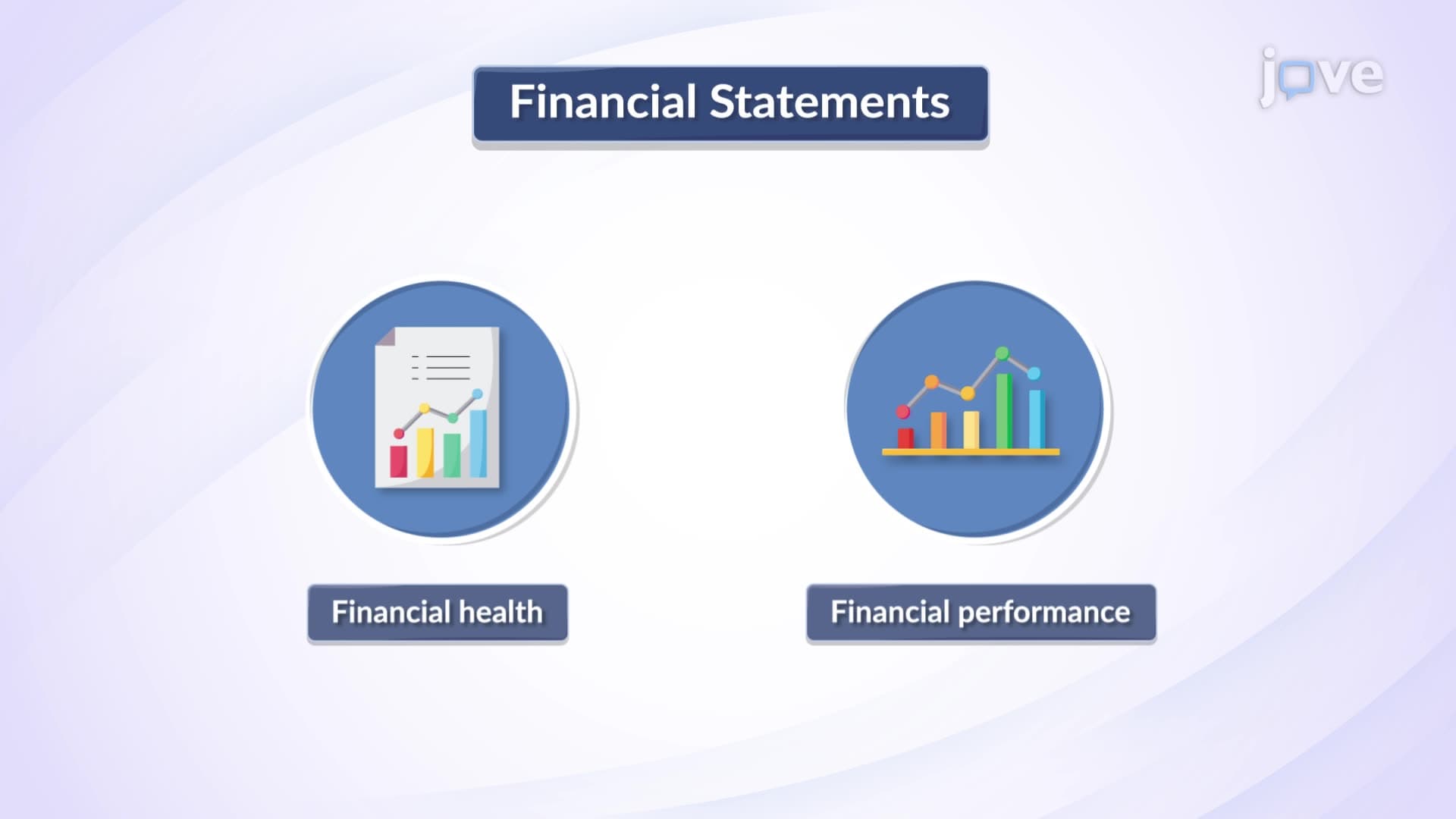
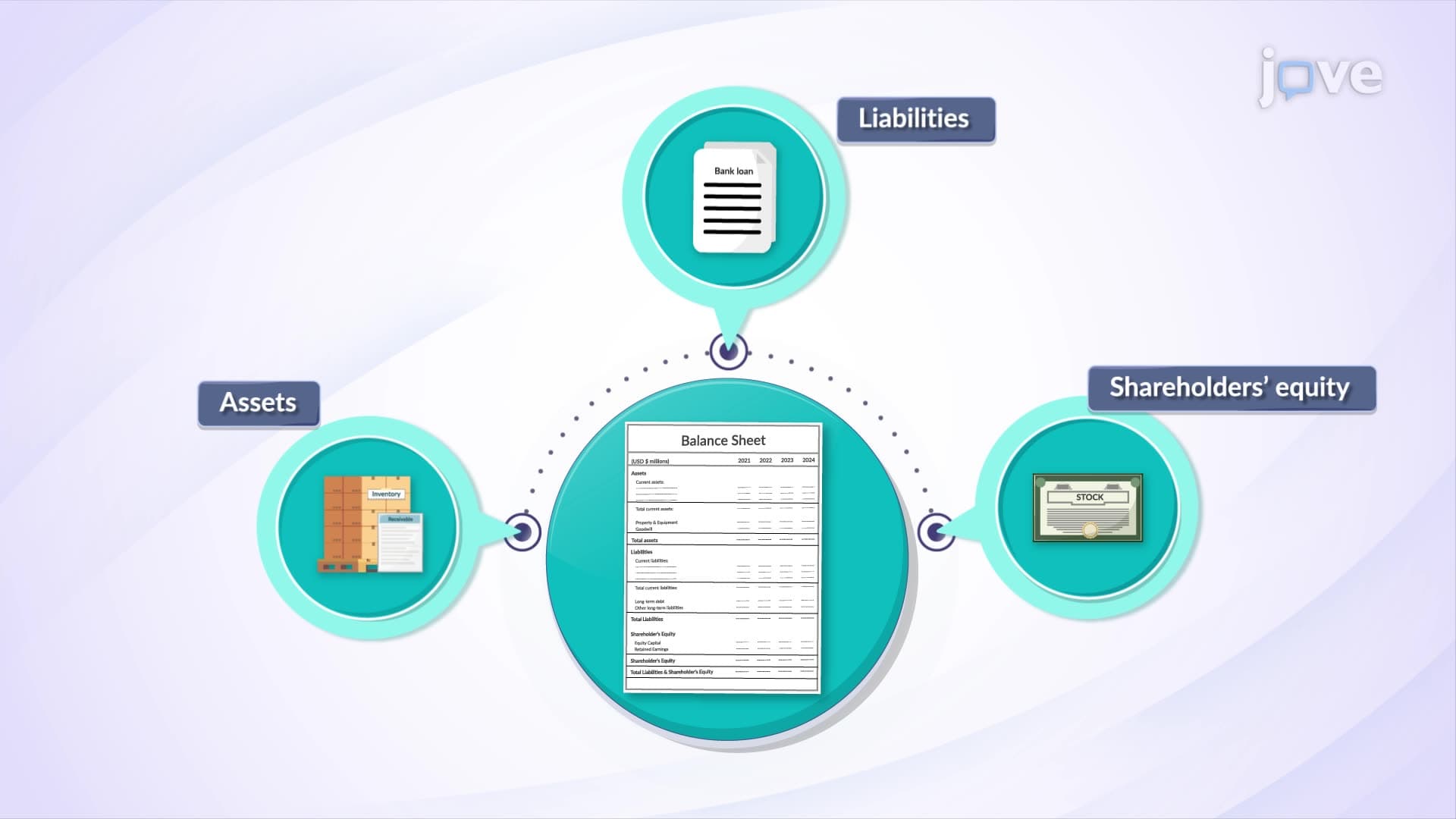
When Apple reports $29.2 billion in cash reserves or when analysts question Tesla's debt-to-equity ratios, they're examining the balance sheet-a critical financial statement that reveals a company's financial position at any given moment. This balance sheet provides executives and investors with a comprehensive snapshot of what the business owns (assets), owes (liabilities), and the shareholders' stake (equity). Understanding balance sheet fundamentals enables professionals to assess financial stability, make strategic decisions, and evaluate investment opportunities. Watch the full video on JoVE Coach to master this concept with expert-led visuals and step-by-step explanations.
- Evaluate financial health and stability of your organization or potential business partners through systematic balance sheet analysis
- Apply the fundamental accounting equation (Assets = Liabilities + Shareholders' Equity) to assess how company resources are financed
- Analyze liquidity positions to determine your company's ability to meet short-term obligations and operational needs
- Identify red flags in debt levels and capital structure that could impact business sustainability and growth strategies
- Compare competitive positioning by benchmarking balance sheet metrics against industry leaders and market standards
- Leverage balance sheet insights to support capital allocation decisions, merger evaluations, and strategic planning initiatives
- Assess investment opportunities by understanding how assets generate returns and how liabilities impact profitability
- Implement balance sheet monitoring as a regular management practice for tracking business performance and stakeholder communications
Understanding Balance Sheet Fundamentals for Business Leaders
When Microsoft's board evaluates acquisition targets or when Amazon's executives plan expansion strategies, they rely heavily on balance sheet analysis to guide multi-billion-dollar decisions. The balance sheet serves as the financial foundation that reveals whether a company has the resources and stability to execute its strategic vision.
The Strategic Framework: Assets, Liabilities, and Equity
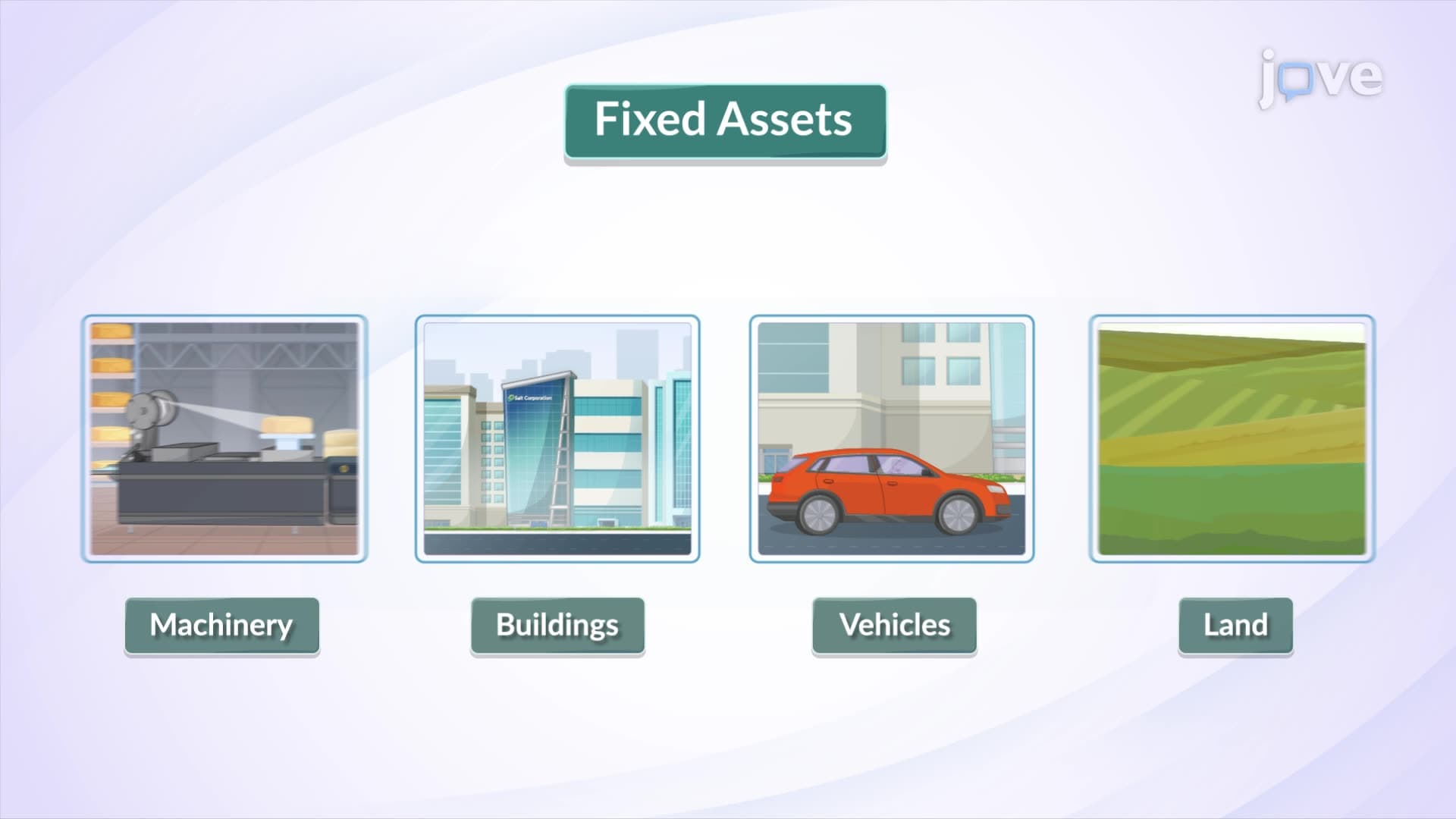
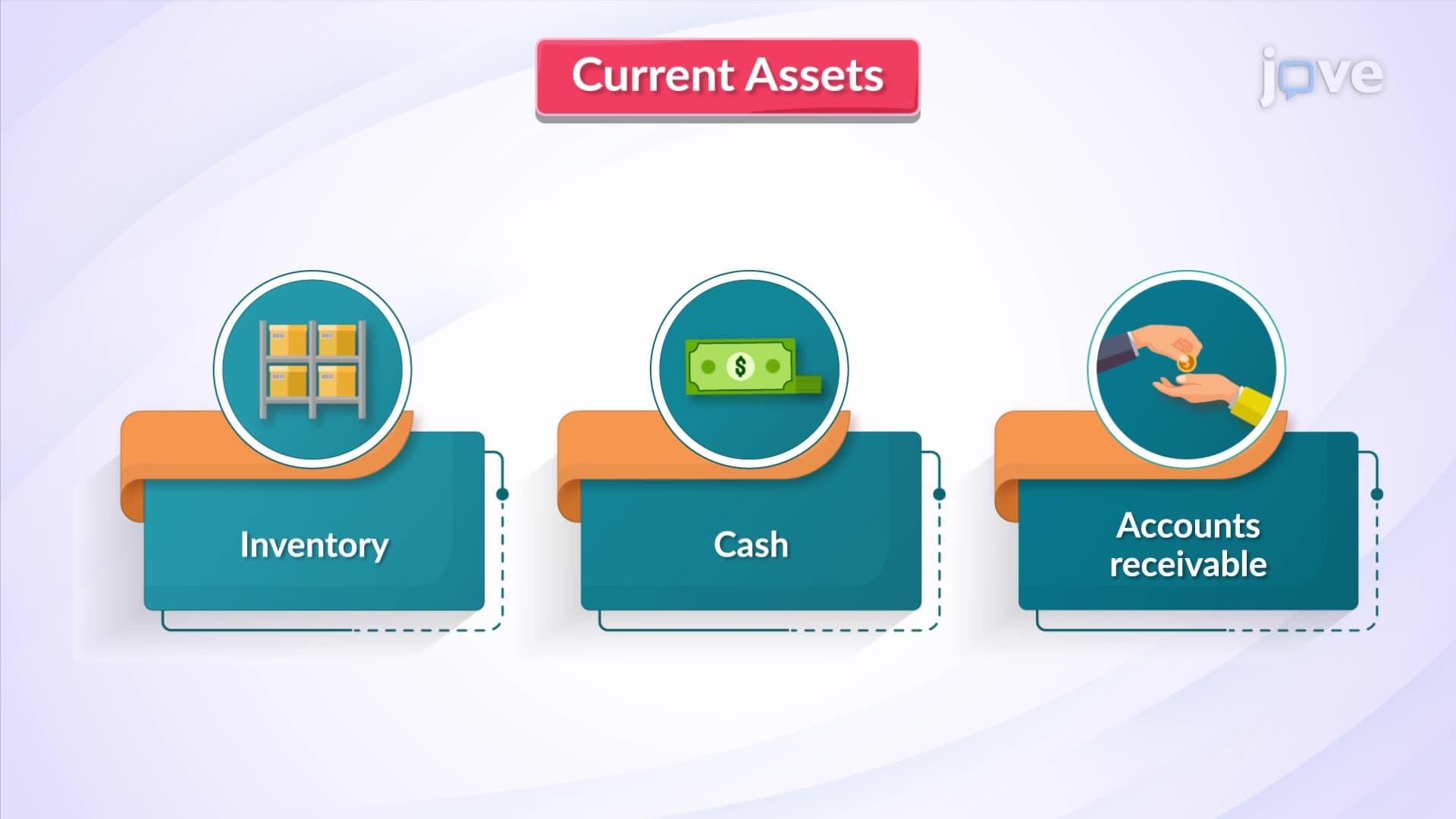
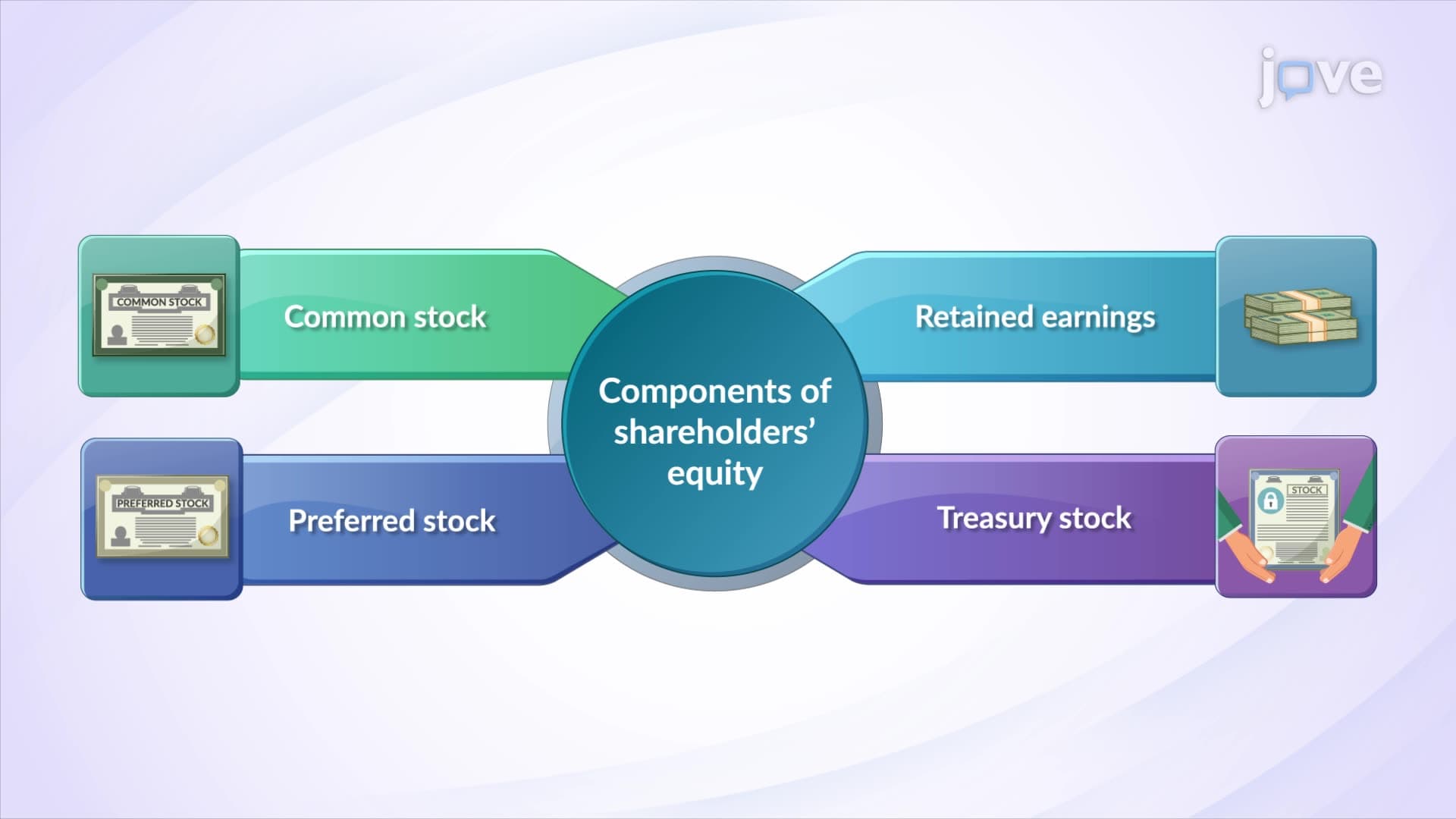
The balance sheet operates on a fundamental principle: Assets = Liabilities + Shareholders' Equity. This equation isn't just an accounting rule-it's a strategic lens for understanding how businesses finance growth and operations. Assets encompass everything from cash and inventory to intellectual property and real estate holdings. For technology giants like Google, intangible assets such as patents and trademarks often represent the most valuable balance sheet components.
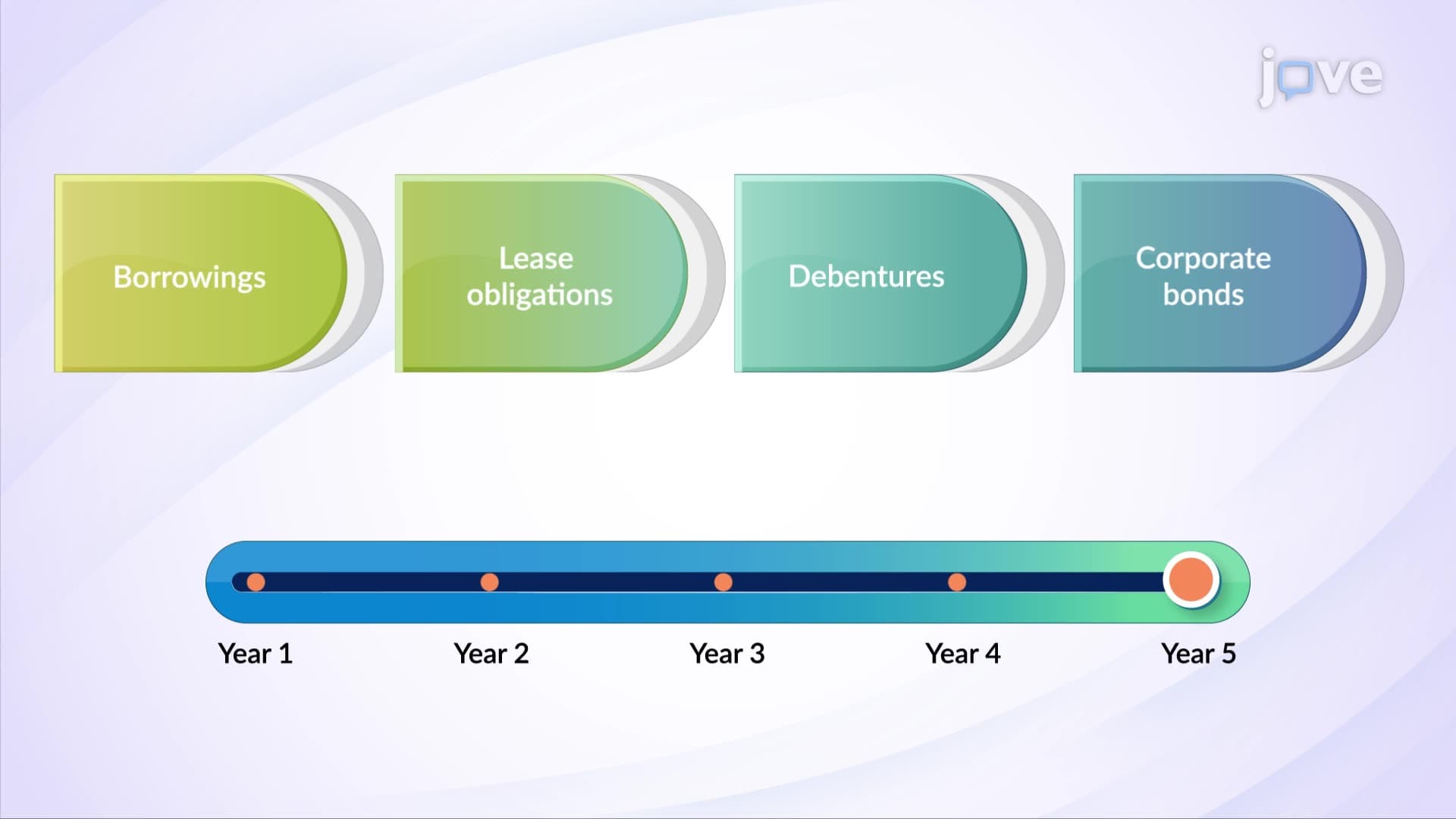
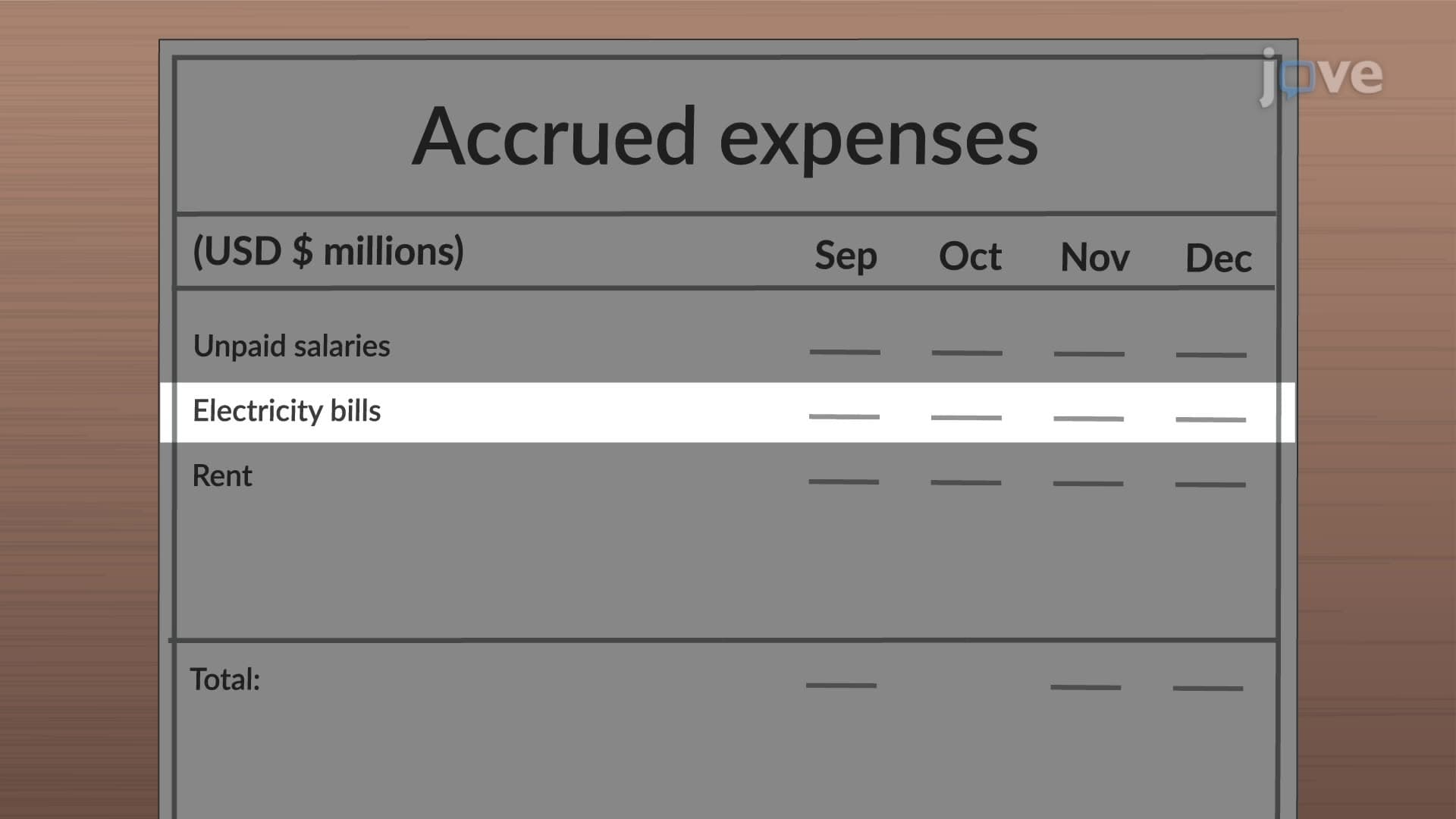
Liabilities tell the story of how companies fund their operations and growth. Current liabilities like accounts payable and accrued expenses reveal operational cash flow patterns, while long-term debt indicates strategic financing decisions. Consider how Starbucks uses supplier financing and lease arrangements to expand rapidly while managing capital efficiency.
Competitive Intelligence Through Balance Sheet Analysis
Professional managers use balance sheet comparisons to identify competitive advantages and vulnerabilities. A company with strong cash reserves and minimal debt-like Berkshire Hathaway-can capitalize on market downturns and acquisition opportunities that competitors cannot pursue. Conversely, high debt levels might signal either aggressive growth strategies or potential financial stress, depending on industry context and market conditions.
Practical Applications for Decision-Making
Balance sheet insights directly impact daily business decisions. When evaluating new suppliers, procurement teams examine vendor balance sheets to assess financial stability and delivery reliability. Investment committees use balance sheet analysis to determine optimal capital structure and financing strategies. Even marketing leaders reference balance sheet strength when positioning their companies against competitors in client presentations.
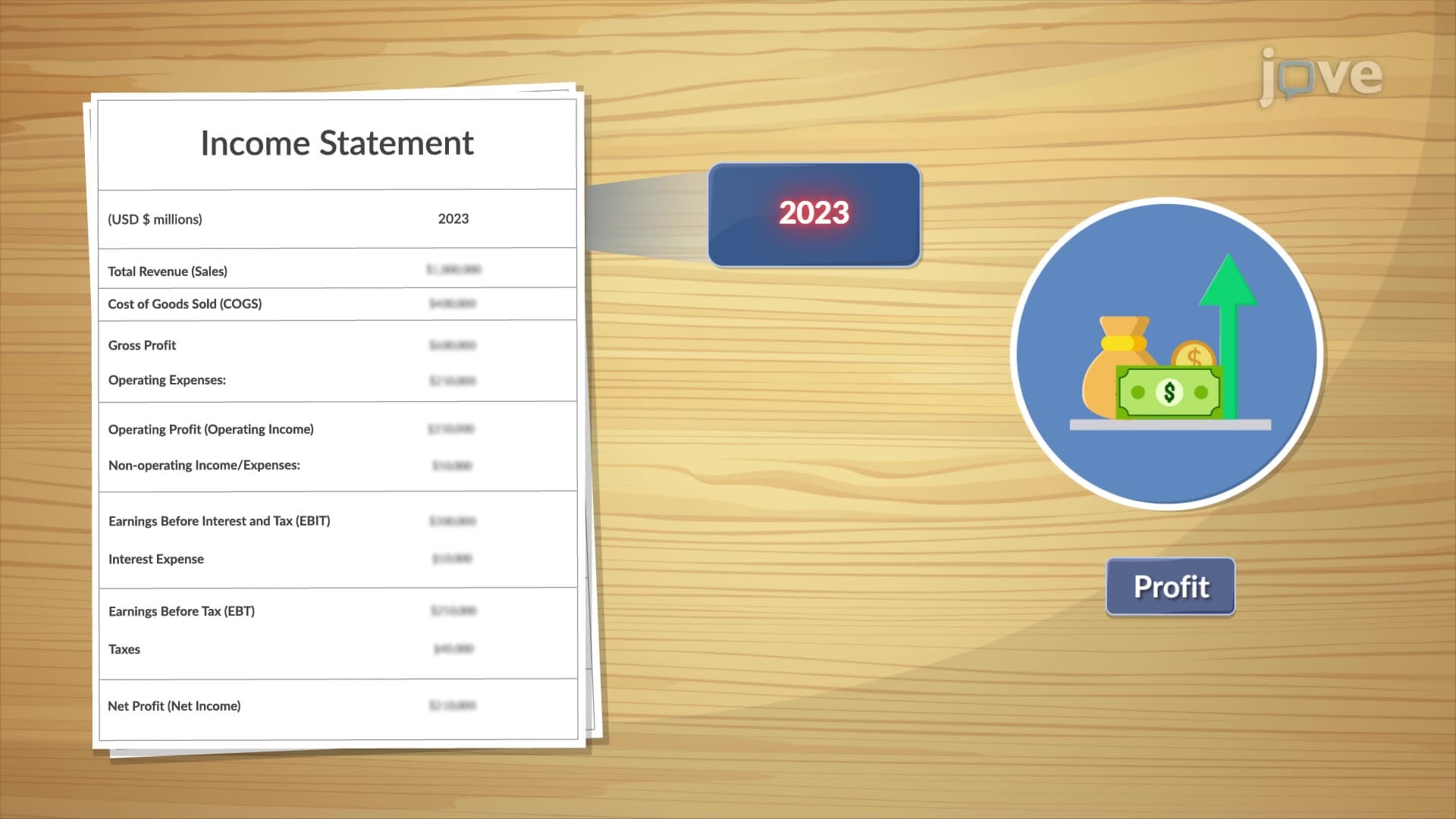
The balance sheet also serves as an early warning system for potential challenges. Declining cash positions, increasing debt-to-equity ratios, or growing accounts receivable can signal operational issues before they impact profit and loss statements.
Frequently Asked Questions
A balance sheet is a financial snapshot showing what your company owns, owes, and shareholders' equity at a specific moment. It's essential for strategic planning, competitive analysis, vendor evaluation, and investment decisions that directly impact your department's budget and growth opportunities.
Use balance sheet metrics to demonstrate financial stability to clients, benchmark against competitors, and support budget requests. Strong balance sheet positions help win contracts and negotiate better terms, while identifying competitor weaknesses creates competitive advantages in market positioning.
Monitor declining cash positions, excessive debt-to-equity ratios above industry norms, and growing accounts receivable that might indicate collection problems. These indicators can signal potential partnership risks or negotiation leverage points in business deals.
Amazon maintains high cash reserves and strategic debt levels to fund rapid expansion, technology investments, and market penetration. Their balance sheet structure enables aggressive pricing strategies and long-term investments that competitors with weaker financial positions cannot match.
No advanced accounting knowledge required. Focus on key ratios like debt-to-equity, current ratios, and cash positions that directly relate to business decisions. Most balance sheet insights for strategic planning involve trend analysis and competitive comparisons rather than complex accounting principles.
Balance sheet fluency demonstrates financial acumen essential for senior management roles, enables more informed strategic discussions, and improves your ability to evaluate business opportunities. This knowledge is particularly valuable for leadership positions involving P&L responsibility or business development.
Progress to cash flow statements to understand how balance sheet changes impact operational funding, then explore financial ratio analysis for deeper competitive benchmarking and performance evaluation capabilities.
Related Micro-courses


