Loading subject page…

- Finance
- Analysis of Financial Statements
- Income Statement
Micro-course: Analysis of Financial Statements
5,450 views
Learn key concepts and earn your certificate.









Income Statement


00:00
01:11
Video Summary: What Is Income Statement
Fortune 500 CFOs rely on income statements to communicate quarterly performance to investors and guide strategic resource allocation decisions. An income statement reveals whether companies like Apple or Microsoft are effectively converting revenue into sustainable profits across reporting periods. This financial document tracks revenue, expenses, gains, and losses to determine net profitability-critical data for executive decision-making, competitive positioning, and shareholder value creation. Watch the full video on JoVE Coach to master this concept with expert-led visuals and step-by-step explanations.
- Analyze revenue trends and expense patterns to identify operational efficiency opportunities and cost optimization strategies
- Evaluate gross profit margins to assess competitive positioning and pricing power within your industry sector
- Apply operating profit calculations to measure core business performance independent of financing and tax strategies
- Implement income statement analysis frameworks for quarterly business reviews and strategic planning sessions
- Compare year-over-year performance metrics to benchmark against industry standards and competitor financials
- Leverage net profit data to support capital allocation decisions, dividend policies, and growth investment priorities
- Assess earnings quality by examining the relationship between operating income and net income components
- Identify non-operating income sources that may indicate one-time gains or unsustainable profit drivers
What is Income Statement: The Executive Dashboard for Profitability
When Starbucks reports quarterly earnings, investors scrutinize one critical document above all others: the income statement. This financial report serves as the ultimate scorecard for management's ability to generate sustainable profits from business operations. Unlike balance sheets that capture a snapshot in time, income statements reveal the dynamic flow of value creation over specific periods-typically quarters or fiscal years.
Revenue Recognition and Top-Line Growth Analysis
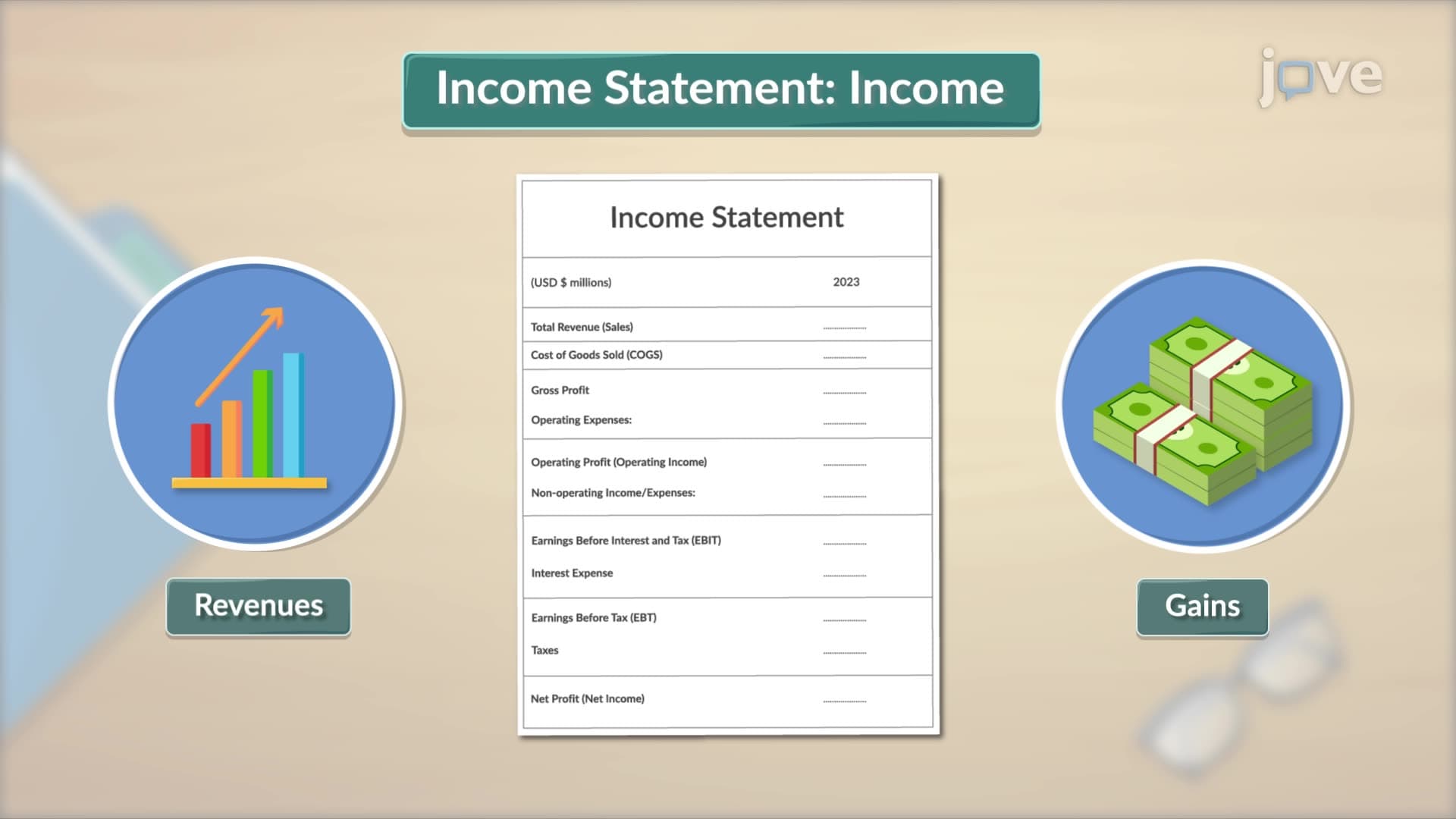
The income statement begins with total revenue, representing all money earned from core business activities. For technology giants like Microsoft, this includes software licensing, cloud services, and hardware sales. Revenue quality matters as much as quantity-recurring subscription revenue from Office 365 carries more strategic value than one-time license fees. Professional managers must distinguish between organic growth and acquisition-driven increases when evaluating top-line performance.
Cost Structure and Operational Efficiency Metrics
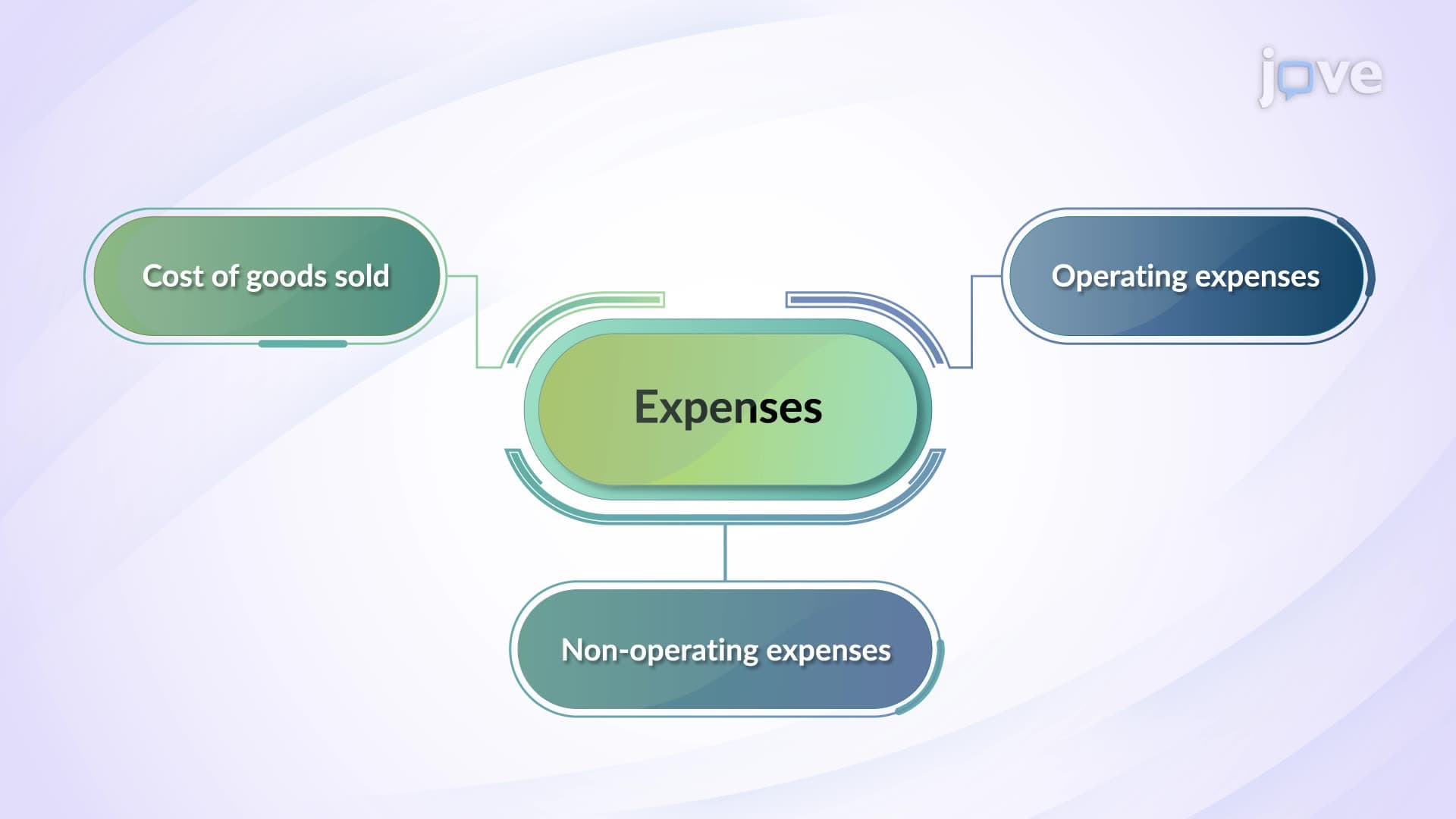
Below revenue lies the cost of goods sold (COGS), directly tied to product delivery. Amazon's COGS includes warehouse operations, shipping costs, and inventory management-expenses that scale with sales volume. Gross profit margins reveal pricing power and operational efficiency. Companies maintaining higher margins often possess competitive moats through brand strength, proprietary technology, or market positioning advantages.
Operating Leverage and Strategic Investment Impact
Operating expenses encompass sales, marketing, research and development, and administrative costs necessary for business operations. Tesla's significant R&D investments in autonomous driving technology appear as operating expenses today but represent future competitive advantages. Operating profit (EBIT) measures core business profitability before financing decisions and tax strategies, providing the clearest view of management's operational effectiveness.
Net Income and Shareholder Value Creation
The bottom line-net income-represents residual profits available for dividends, debt reduction, or reinvestment. Warren Buffett's Berkshire Hathaway demonstrates how retained earnings compound shareholder value through strategic acquisitions and organic growth initiatives. Professional investors analyze net profit margins alongside return on equity to assess capital efficiency and long-term wealth creation potential.
Frequently Asked Questions
An income statement measures a company's profitability over specific periods by tracking revenues, expenses, and net income. Business professionals use this document to evaluate operational performance, make strategic decisions, support budget planning, and communicate financial results to stakeholders including investors, lenders, and board members.
Compare current period results against prior years and industry benchmarks to identify trends and performance gaps. Use gross margins to evaluate pricing strategies, operating margins to assess cost control effectiveness, and net income growth to support resource allocation decisions and investment priorities.
Highlight revenue growth rates, margin expansion or contraction, and year-over-year profit trends. Connect financial metrics to strategic initiatives-for example, how increased marketing spend drove revenue growth or how operational improvements enhanced profitability. Always contextualize results against industry competitors and market conditions.
Walmart analyzes quarterly income statements to optimize its massive supply chain operations. Management tracks gross margins by product category to negotiate better supplier terms, monitors operating expenses to identify efficiency opportunities, and uses net income trends to guide store expansion decisions and shareholder return policies.
No specialized accounting training is required, though understanding basic financial principles helps. Focus on key ratios like gross margin percentages, operating margin trends, and net income growth rates. Most business intelligence tools can calculate these metrics automatically, allowing you to concentrate on strategic interpretation rather than technical calculations.
Strong financial analysis skills distinguish high-performing managers and executives. You'll contribute more effectively to strategic planning, budget reviews, and board presentations. These capabilities are essential for senior leadership roles, business development positions, and consulting opportunities across virtually all industries.
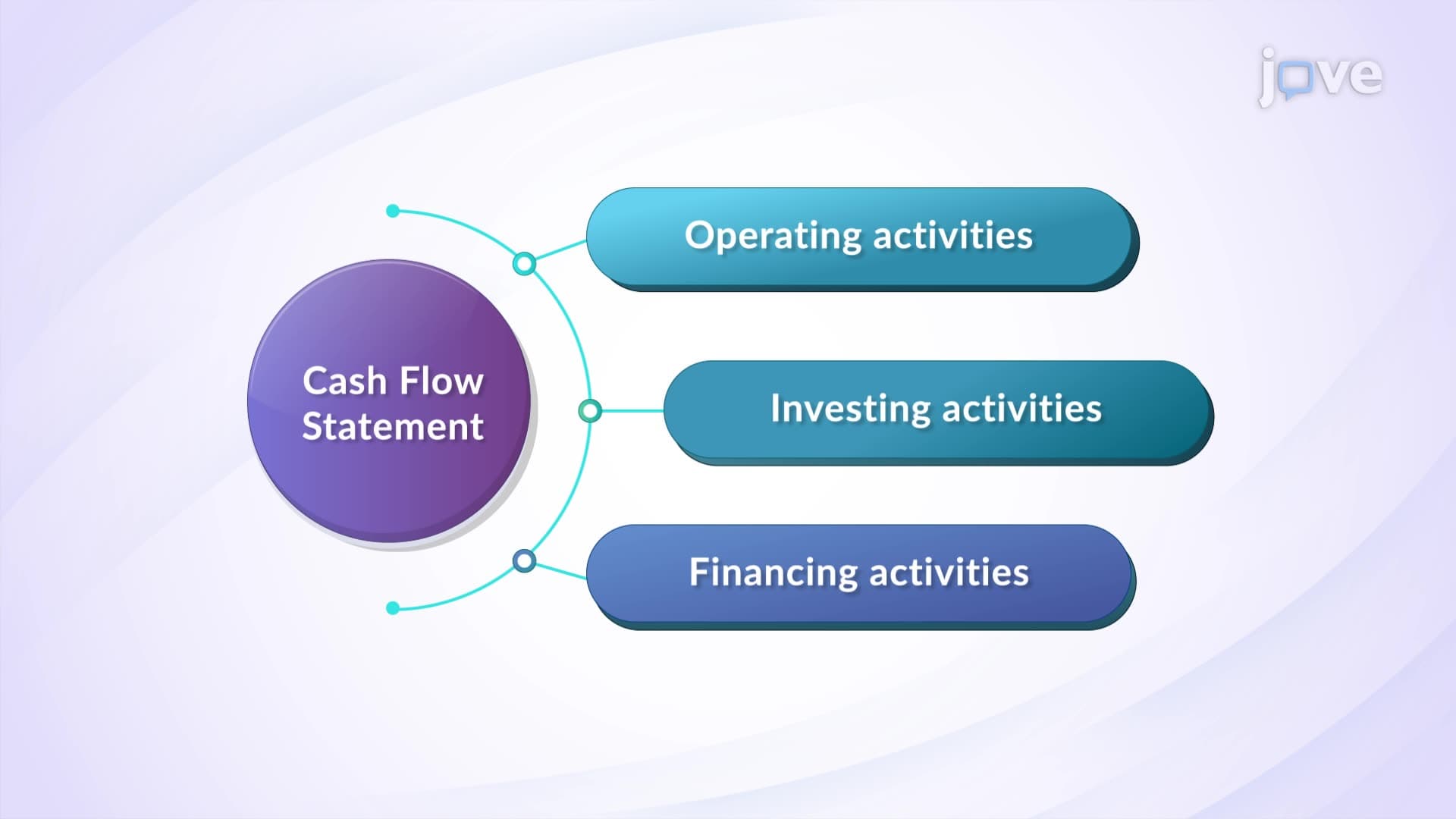
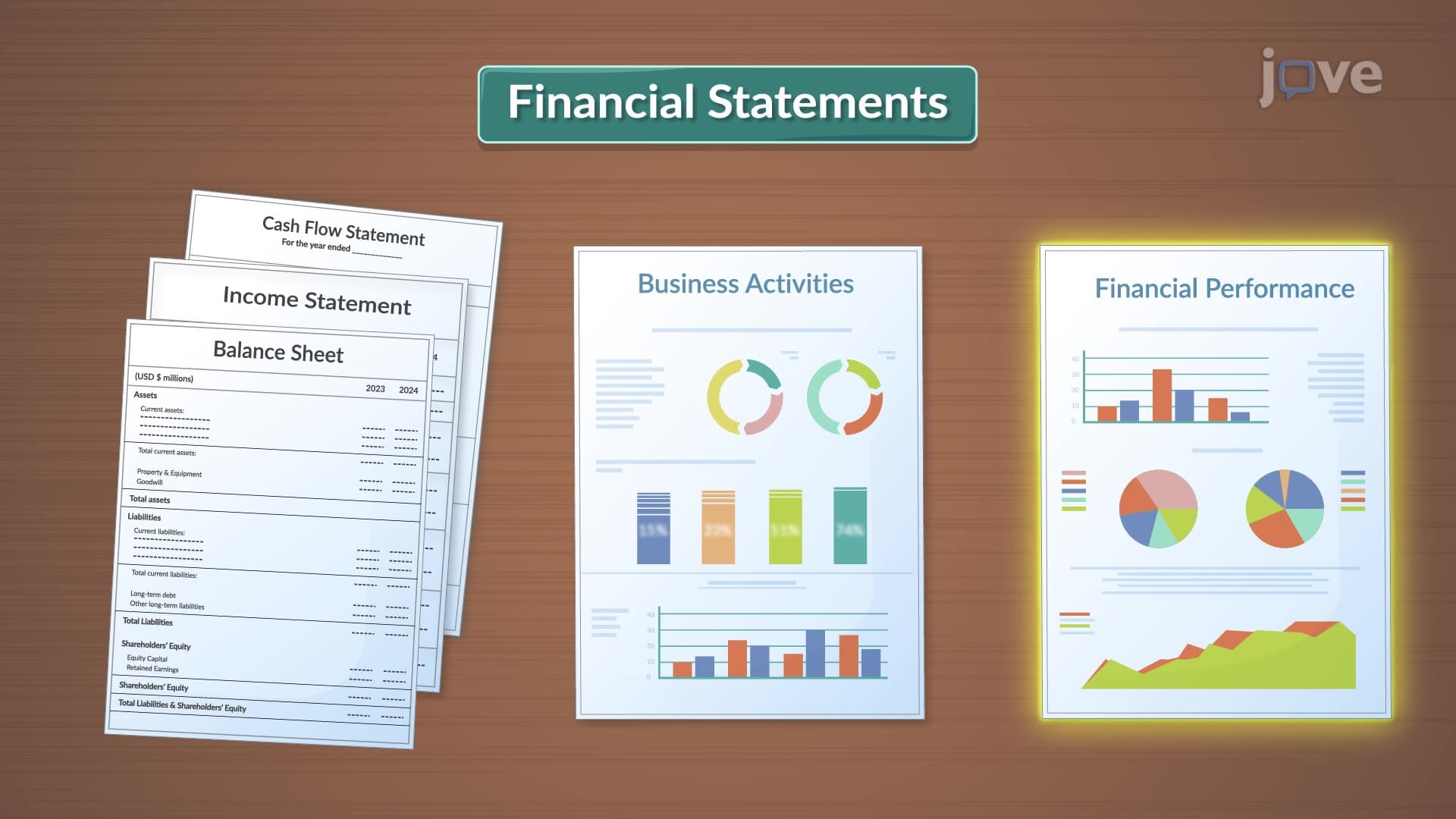
Cash flow statements reveal how companies generate and deploy cash resources, while balance sheets show financial position and capital structure. Understanding the interconnections between these three financial statements provides comprehensive insight into business performance and strategic positioning.
Related Micro-courses


