Loading subject page…

- Finance
- Analysis of Financial Statements
- Shareholder's Equity
Micro-course: Analysis of Financial Statements
5,450 views
Learn key concepts and earn your certificate.







Shareholder's Equity

00:00
01:25
Video Summary: What Is Shareholders Equity
When analyzing potential acquisitions or evaluating company performance, shareholder's equity serves as a critical metric for assessing true enterprise value beyond surface-level revenue figures. This fundamental financial concept represents the residual value remaining for shareholders after all debts are settled-essentially what investors would receive if a company like Microsoft or Apple were liquidated today. Understanding What is Shareholder's Equity empowers executives to make informed decisions about capital allocation, merger opportunities, and competitive positioning in today's market. Watch the full video on JoVE Coach to master this concept with expert-led visuals and step-by-step explanations.
- Apply shareholder's equity analysis to evaluate acquisition targets and determine fair market valuations during M&A negotiations
- Assess company financial health by comparing shareholder's equity trends across quarters to identify operational efficiency improvements
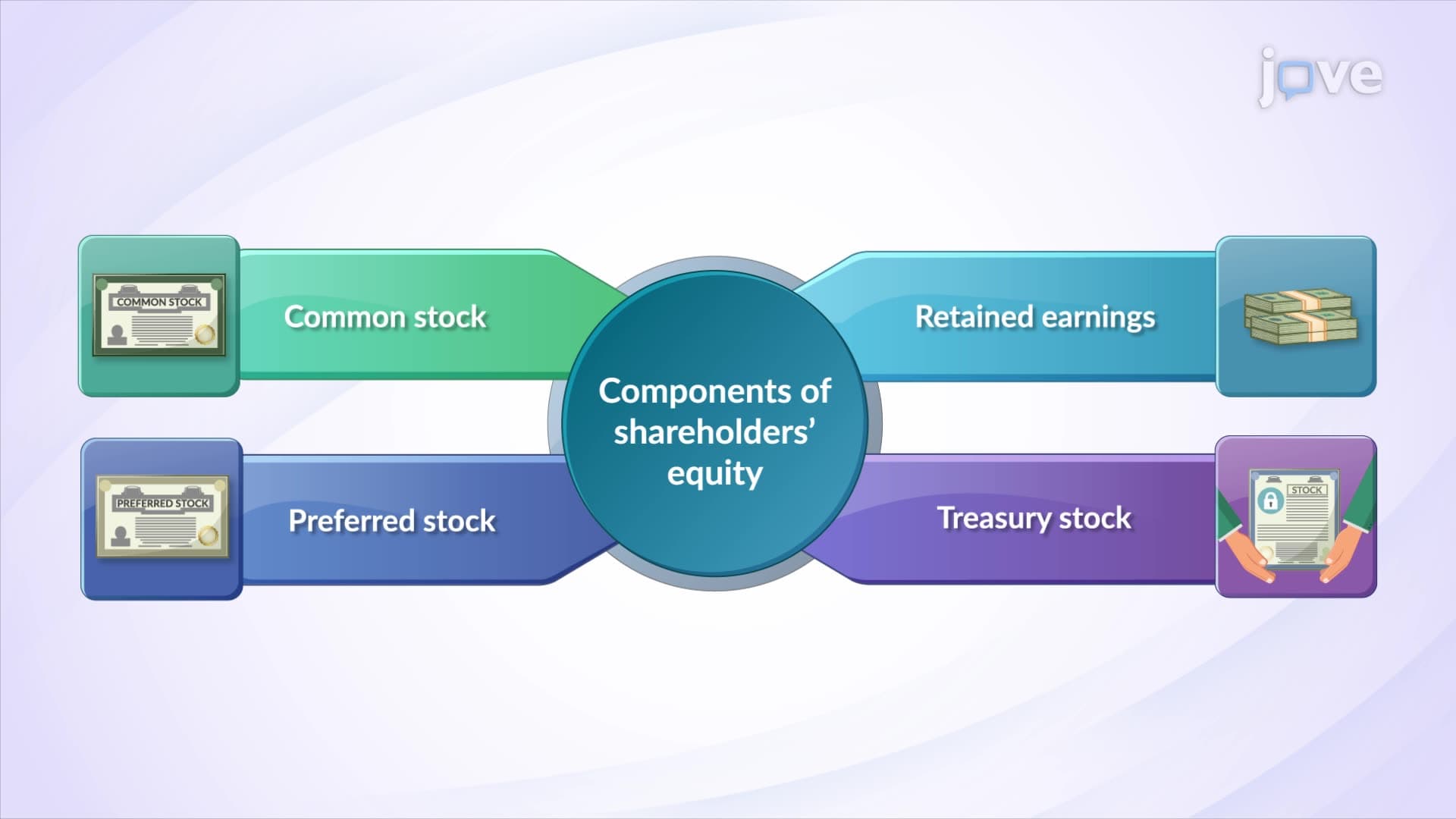
- Analyze the four core components-common stock, preferred stock, retained earnings, and treasury stock-to understand capital structure decisions
- Evaluate competitor financial strength using shareholder's equity ratios to inform strategic market positioning and competitive responses
- Implement equity-based performance metrics in executive dashboards and board reporting to track long-term value creation
- Leverage shareholder's equity data to justify capital expenditure decisions and demonstrate ROI to stakeholders
- Identify warning signs of financial distress through declining shareholder's equity patterns before they impact business operations
- Compare industry benchmarks using equity metrics to optimize capital allocation strategies and improve investor relations
Understanding Shareholder's Equity as a Strategic Business Tool
When Tim Cook presents Apple's quarterly results to investors, one metric consistently drives stock price reactions: shareholder's equity growth. This fundamental accounting concept extends far beyond basic bookkeeping-it represents the true ownership value that drives executive compensation, merger premiums, and strategic decision-making across corporate America.
The Strategic Components That Drive Enterprise Value
Shareholder's equity definition encompasses four critical elements that seasoned executives monitor closely. Common stock reflects initial and subsequent equity investments, while preferred stock often signals strategic partnerships or specialized investor relationships-like Berkshire Hathaway's preferred positions in distressed companies. Retained earnings demonstrate management's ability to generate profits and reinvest strategically rather than simply returning cash to shareholders. Treasury stock reveals active share buyback programs, a tool companies like IBM and Oracle have used extensively to enhance shareholder returns and signal confidence in future performance.
Competitive Intelligence Through Equity Analysis
Smart executives leverage shareholder's equity overview data to gain competitive advantages. When Amazon's shareholder's equity surged during its cloud computing expansion, competitors like Microsoft recognized the strategic threat and accelerated their own Azure investments. Similarly, declining equity trends often precede major strategic pivots-General Electric's equity erosion in 2017-2018 foreshadowed its dramatic industrial portfolio restructuring.
Practical Applications in Executive Decision-Making
Professional managers use shareholder's equity metrics to optimize capital structure decisions, evaluate dividend sustainability, and assess acquisition financing options. Private equity firms like KKR and Blackstone analyze target company equity positions to determine optimal leverage ratios and exit strategies. Corporate development teams compare equity metrics across industry peers to identify undervalued acquisition targets or justify premium pricing in competitive bidding situations.
This metric becomes particularly valuable during economic uncertainty, when traditional revenue multiples may mislead investors about underlying company strength and resilience.
Frequently Asked Questions
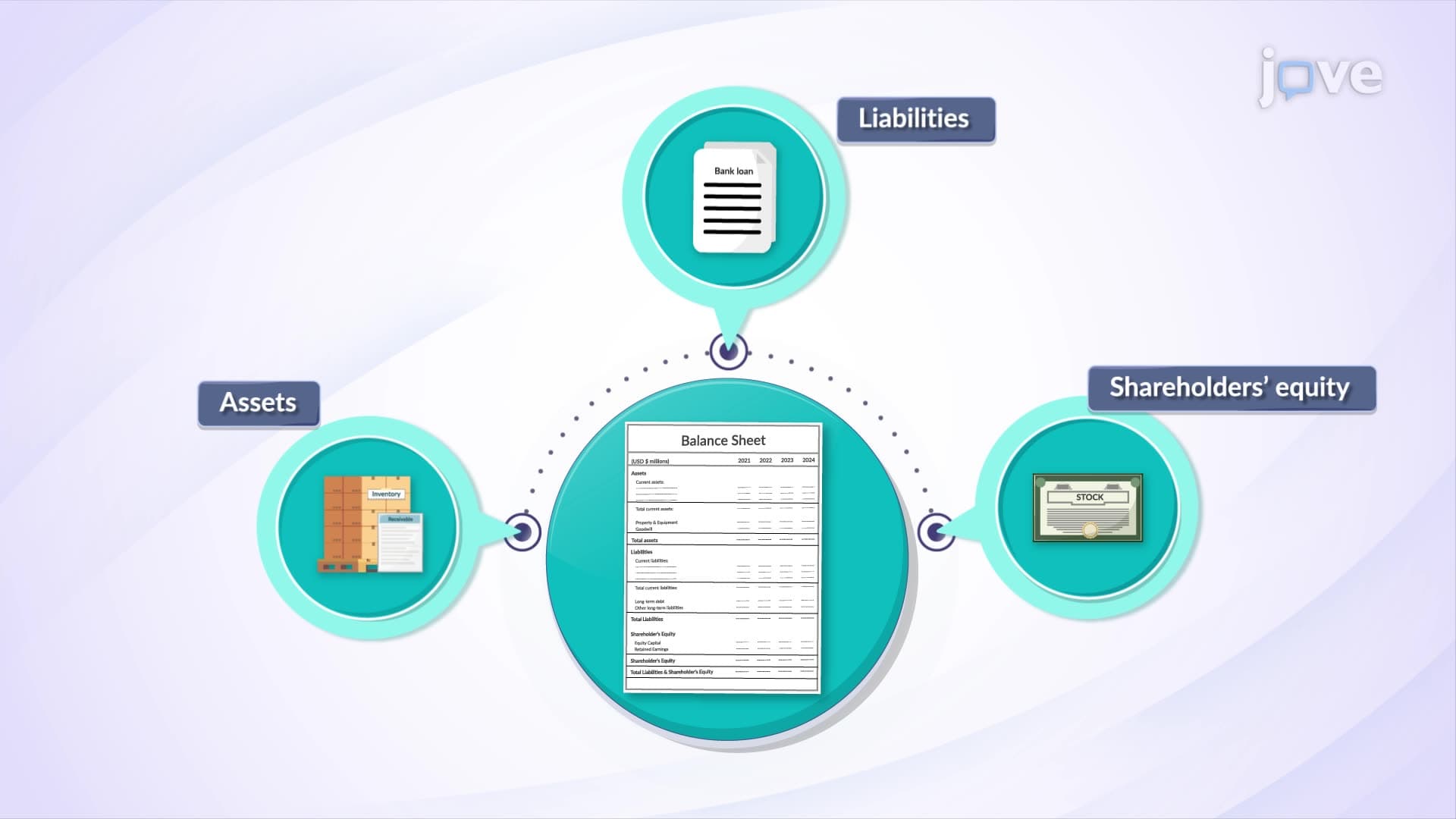
Shareholder's equity represents the actual dollar value shareholders would receive if a company sold all assets and paid all debts today. It's calculated by subtracting total liabilities from total assets, giving executives and investors a clear picture of true company worth beyond market speculation. Think of it as the company's net worth from an ownership perspective.
Compare your company's equity growth trends against key competitors to identify market position strengths and weaknesses. Use equity component breakdowns to evaluate whether growth comes from operational success (retained earnings) or external funding (stock issuance). This analysis helps prioritize resource allocation and identify sustainable competitive advantages versus temporary market positions.
Watch for declining retained earnings despite revenue growth, which indicates poor operational efficiency or unsustainable business models. Excessive treasury stock relative to total equity might signal management's lack of profitable reinvestment opportunities. Sudden preferred stock increases often indicate financial distress or unfavorable investor terms that could complicate future financing.
When Netflix transitioned from DVD to streaming, its shareholder's equity initially declined due to massive content investments and technology infrastructure costs. However, management used this equity analysis to justify continued spending to board members and investors, demonstrating how short-term equity reduction would drive long-term competitive positioning. This strategic equity deployment ultimately created today's streaming market leadership.
No advanced accounting knowledge required-focus on understanding the business story behind the numbers rather than technical calculations. Most financial software and analyst reports provide equity breakdowns automatically. Your value comes from interpreting trends, comparing competitive positions, and translating equity insights into actionable business strategies that drive operational improvements and market advantage.
Equity analysis skills demonstrate financial acumen essential for senior management roles, board positions, and strategic consulting opportunities. Executives who understand equity implications make more informed capital allocation decisions, communicate more effectively with investors and stakeholders, and identify business opportunities that colleagues might miss. This knowledge directly supports promotion to roles involving P&L responsibility, corporate development, or investor relations.
Master return on equity (ROE) calculations to evaluate management effectiveness in generating profits from shareholder investments. Understanding debt-to-equity ratios provides insights into capital structure optimization and financial risk management. These complementary metrics create a comprehensive framework for evaluating company performance and competitive positioning in your industry.
Related Micro-courses


