Loading subject page…


20,015 views

Video Summary: Applications of Classical Conditioning in Everyday Life
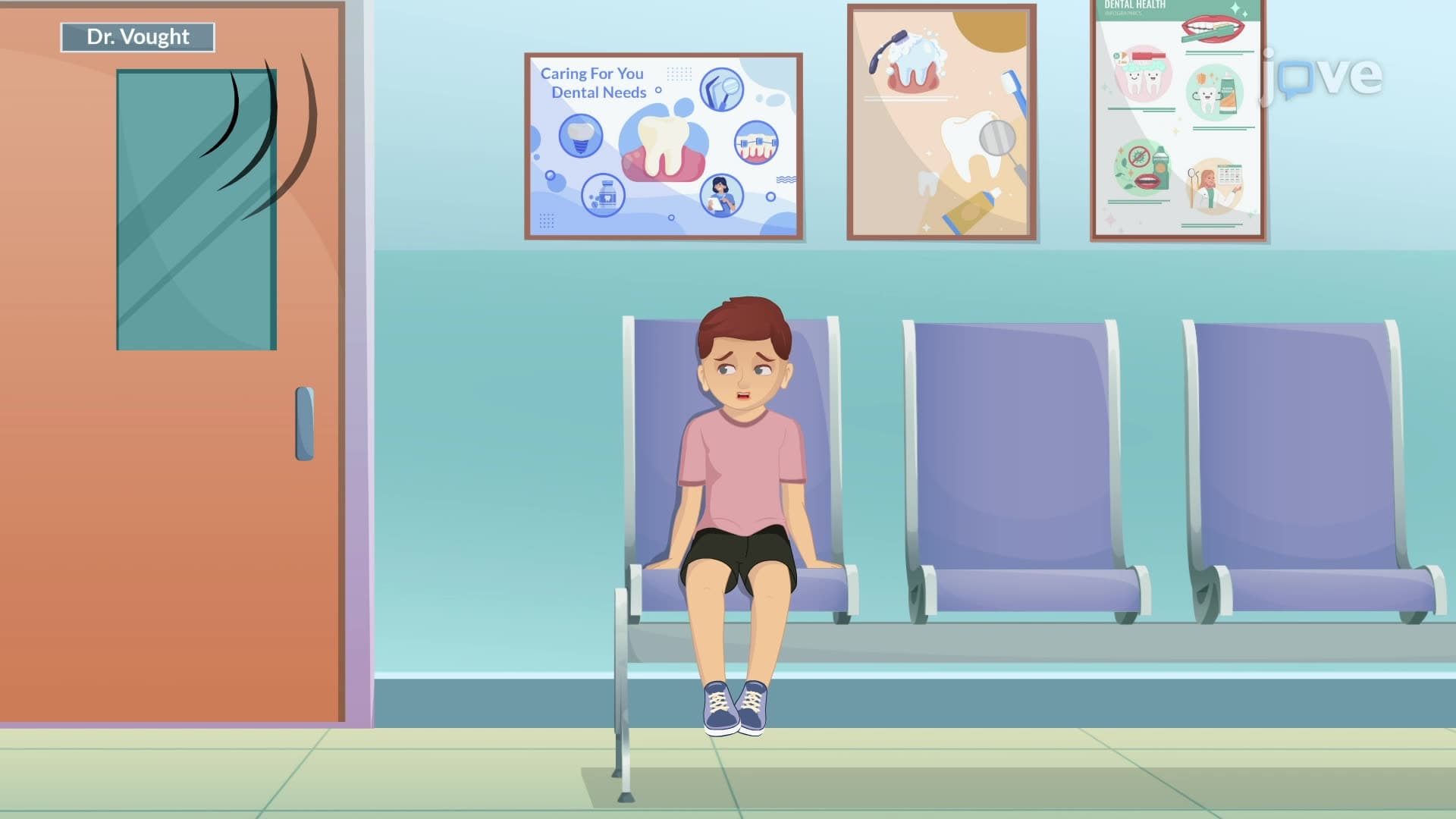
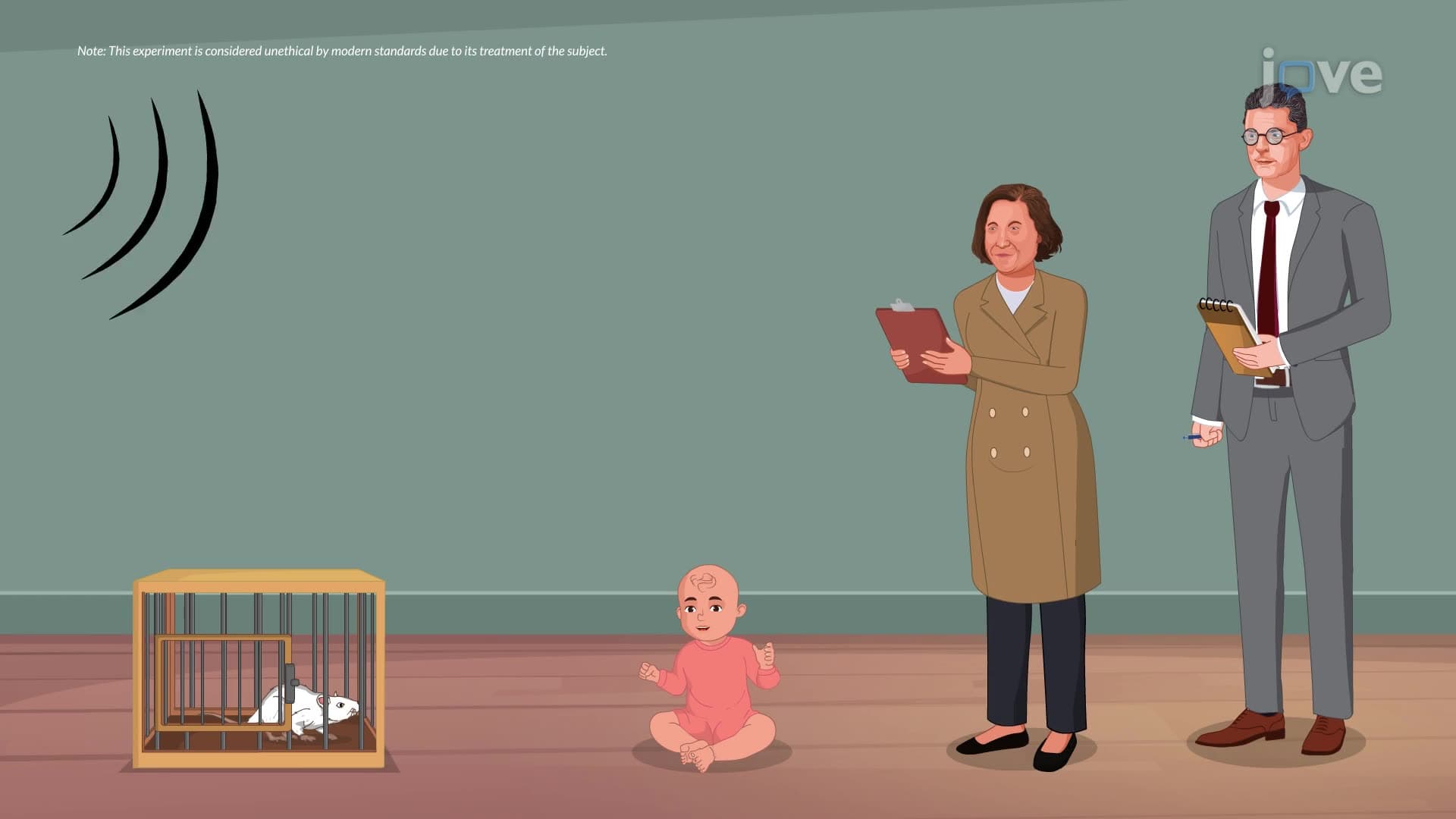
Ever wonder why you feel nauseous just thinking about tequila after a bad night, or why hospital smells make you anxious? While this content focuses on operant conditioning principles, classical conditioning explains these automatic responses we develop through paired associations. From Little Albert's famous fear conditioning at Johns Hopkins University to modern addiction treatment programs across US rehabilitation centers, the Applications of Classical Conditioning in Everyday Life demonstrate how our brains form powerful connections between stimuli and responses. Watch the full video on JoVE Coach to master this concept with expert-led visuals and step-by-step explanations.
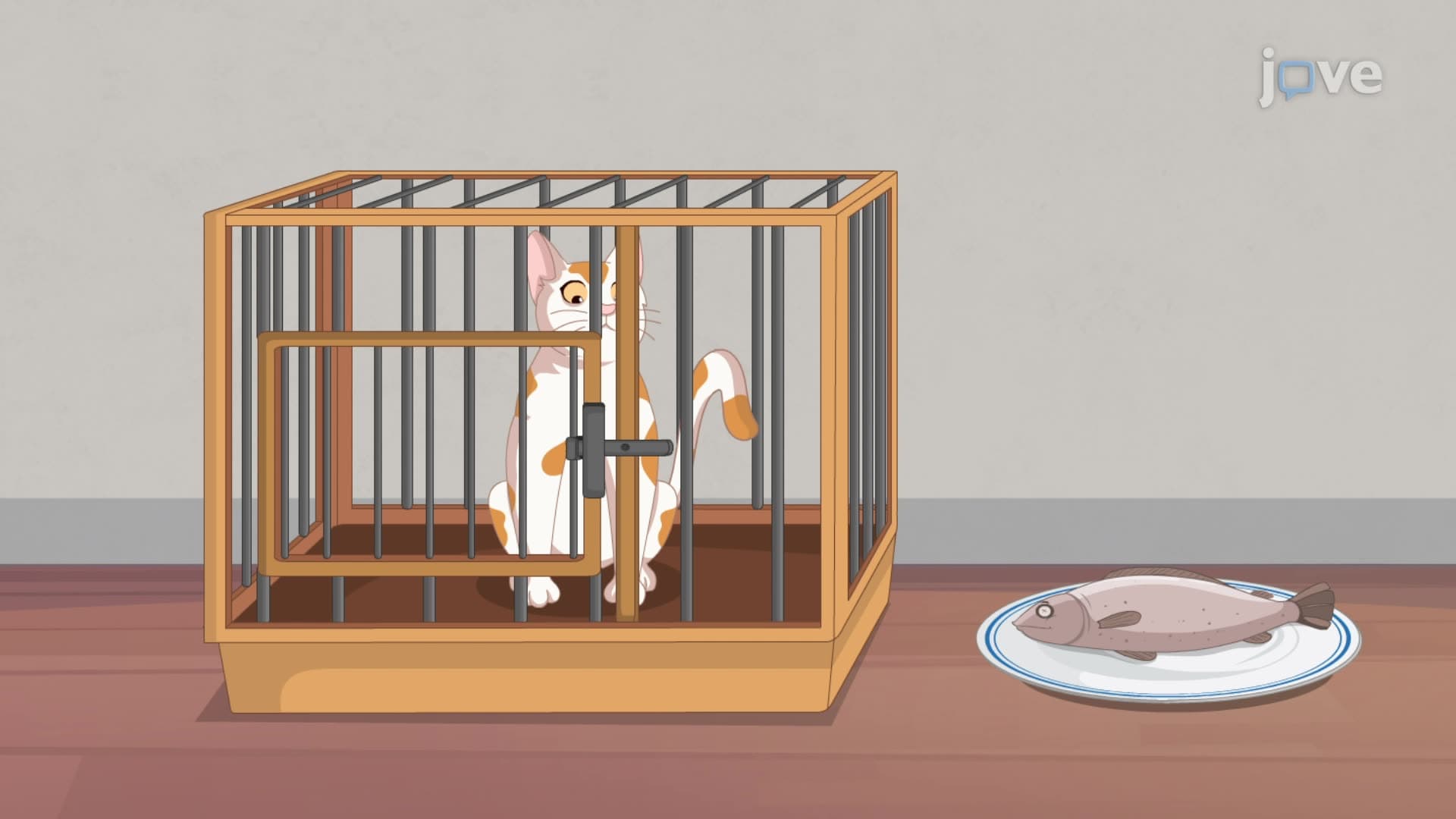
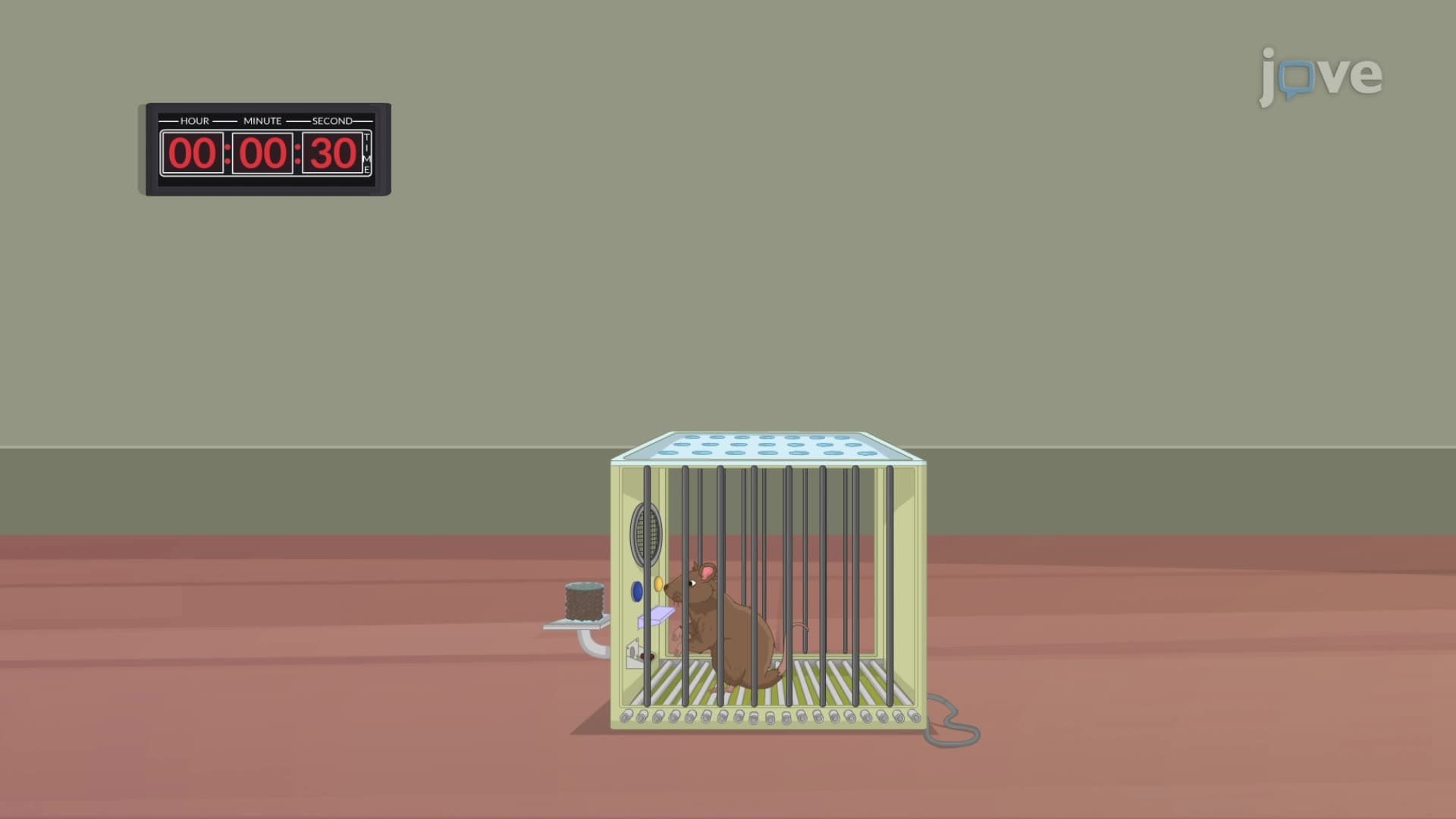
Classical conditioning, discovered by Ivan Pavlov, represents one of psychology's most fundamental learning processes. Unlike operant conditioning, which focuses on consequences shaping behavior, classical conditioning involves automatic responses triggered by environmental stimuli. This distinction becomes crucial when studying for AP Psychology exams or college-level behavioral science courses.
Mental health professionals across the United States extensively use classical conditioning principles. Aversion therapy, employed in substance abuse treatment centers from the Betty Ford Center to local rehabilitation facilities, pairs unpleasant stimuli with addictive substances. For instance, Antabuse medication creates severe nausea when combined with alcohol, conditioning patients to avoid drinking. Similarly, systematic desensitization helps veterans at VA hospitals overcome PTSD by gradually pairing relaxation techniques with trauma-related triggers.
The placebo effect demonstrates classical conditioning's power in healthcare settings. When patients at major medical centers like Johns Hopkins or Mayo Clinic receive inactive treatments alongside genuine medications, their bodies learn to associate the treatment ritual with healing responses. This conditioning can produce measurable physiological changes, explaining why clinical trials require double-blind protocols to ensure accurate results.
Drug tolerance and overdose risks illustrate conditioning's life-or-death implications. Research from institutions like UCLA and Harvard Medical School shows that heroin users develop conditioned responses to their usual injection environment. When using drugs in unfamiliar settings, their bodies lack preparatory responses, dramatically increasing overdose risk. This principle explains why many overdoses occur when users take their "normal" dose in new locations.
Understanding these concepts proves essential for students preparing for the MCAT's behavioral sciences section or AP Psychology exams. Questions often require distinguishing between classical and operant conditioning scenarios, analyzing real-world applications, or predicting behavioral outcomes based on conditioning principles.
Related Micro-courses