Loading subject page…

- Introduction to Psychology
- Learning
- Real-World Application of Classical Conditioning
Micro-course: Learning
20,013 views
Learn key concepts and earn your certificate.


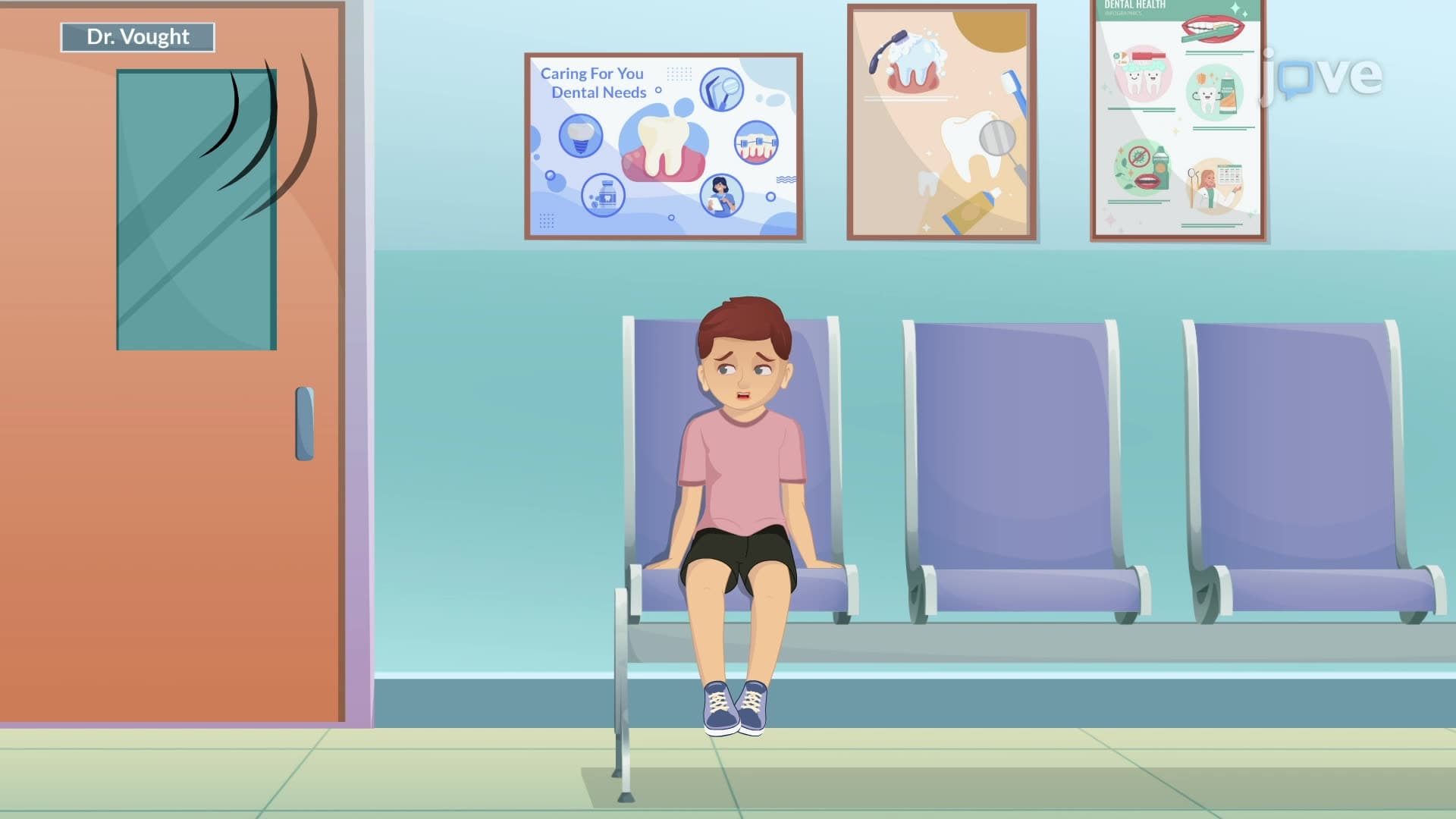
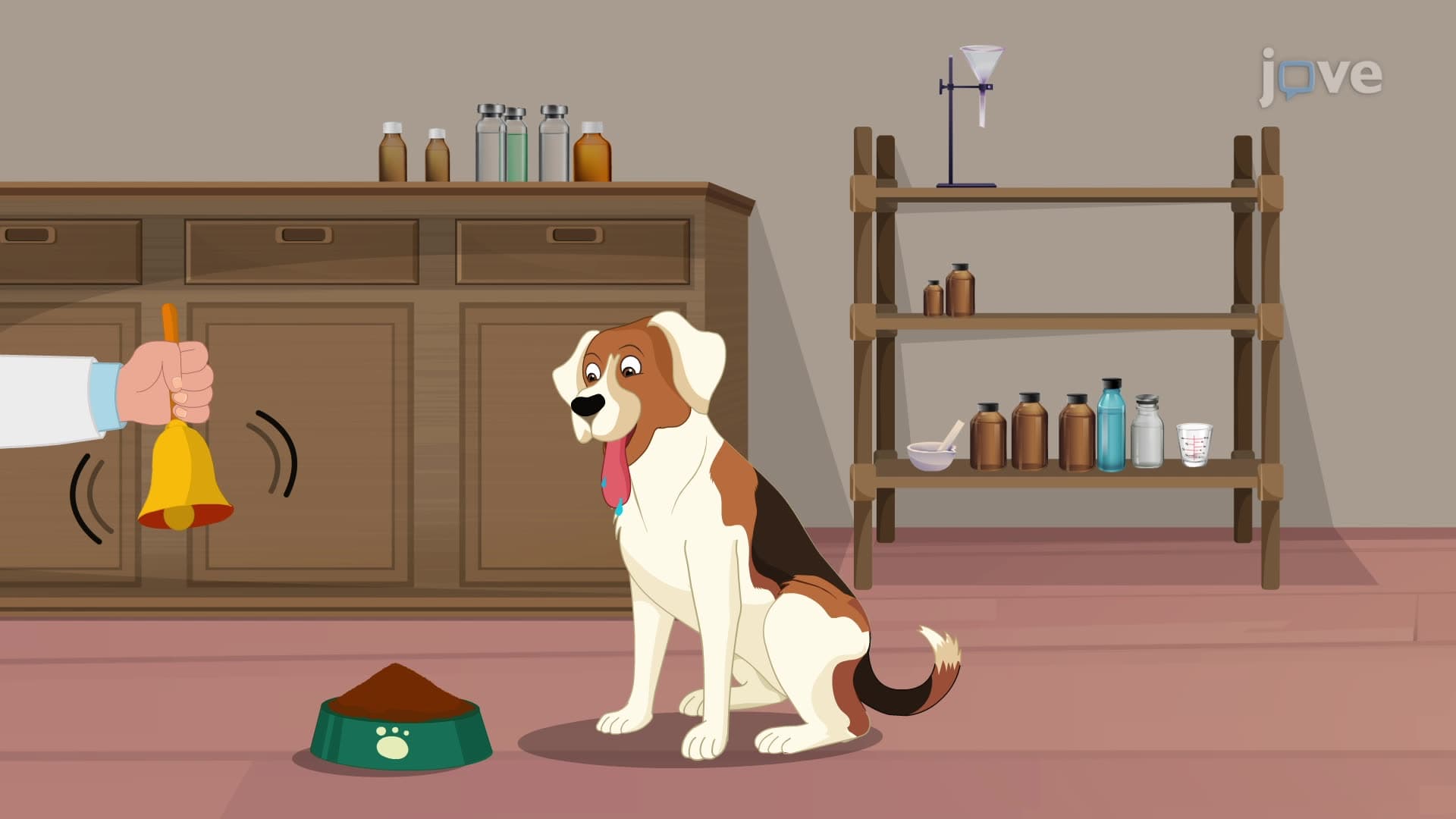

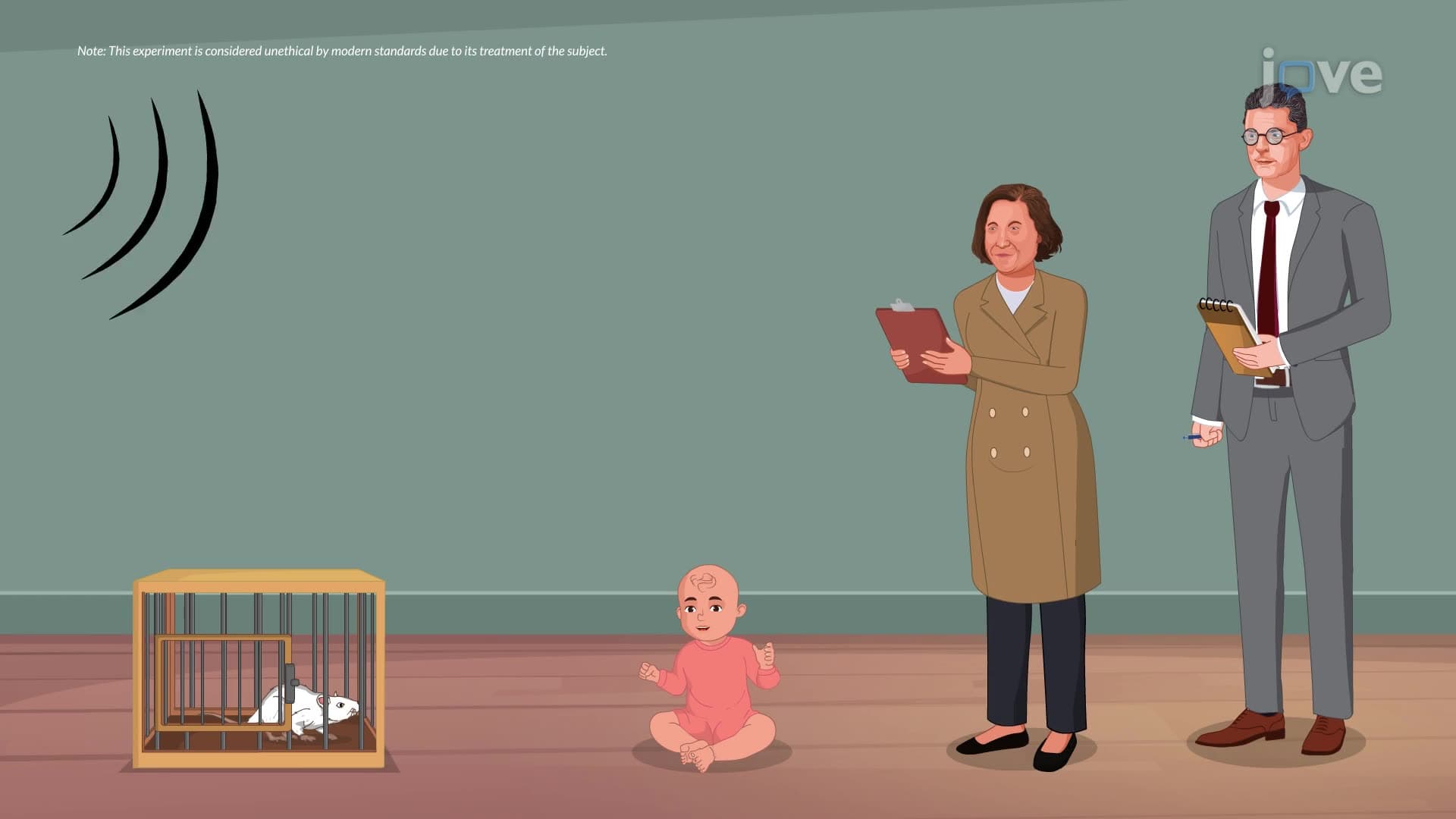

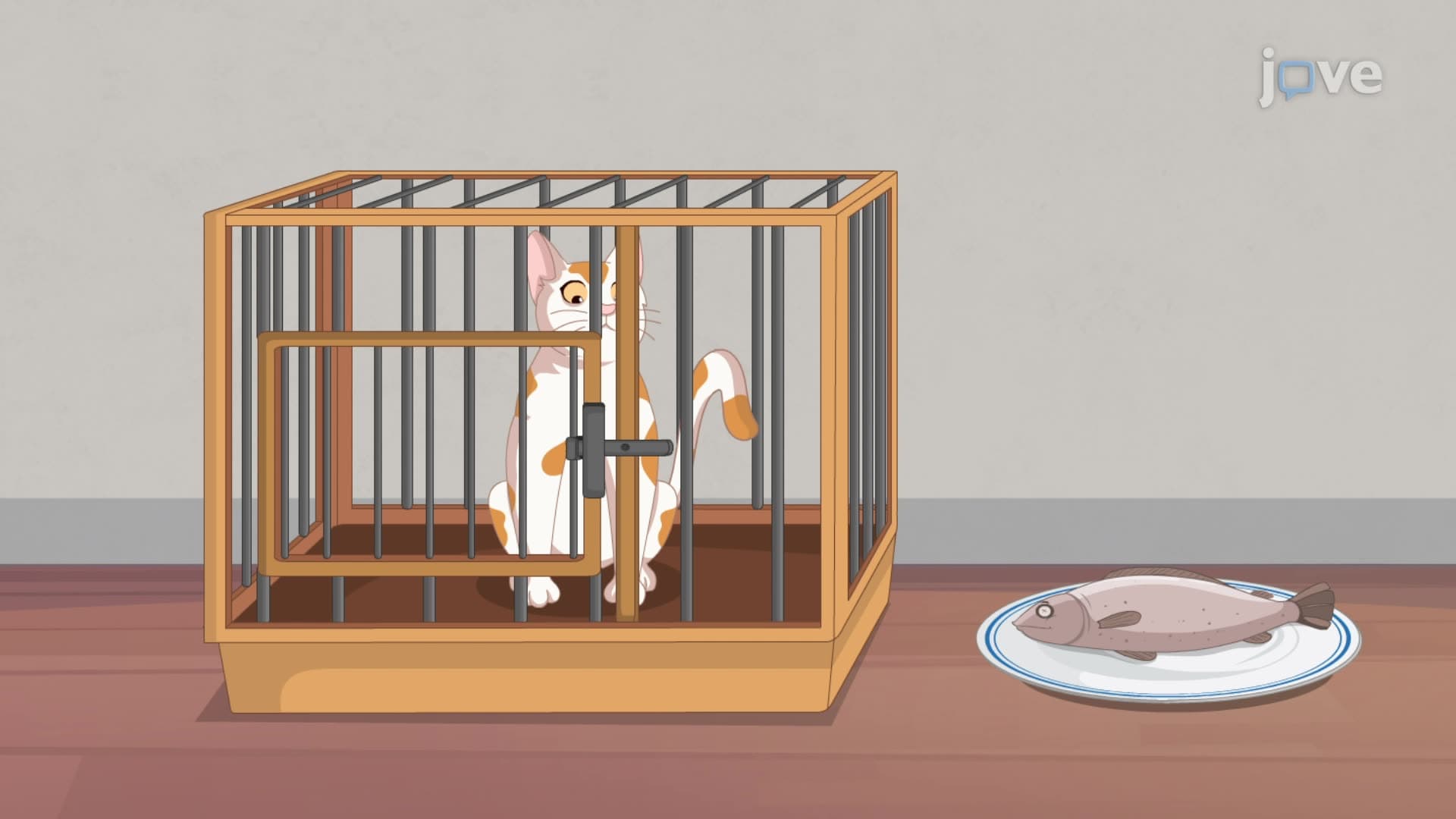

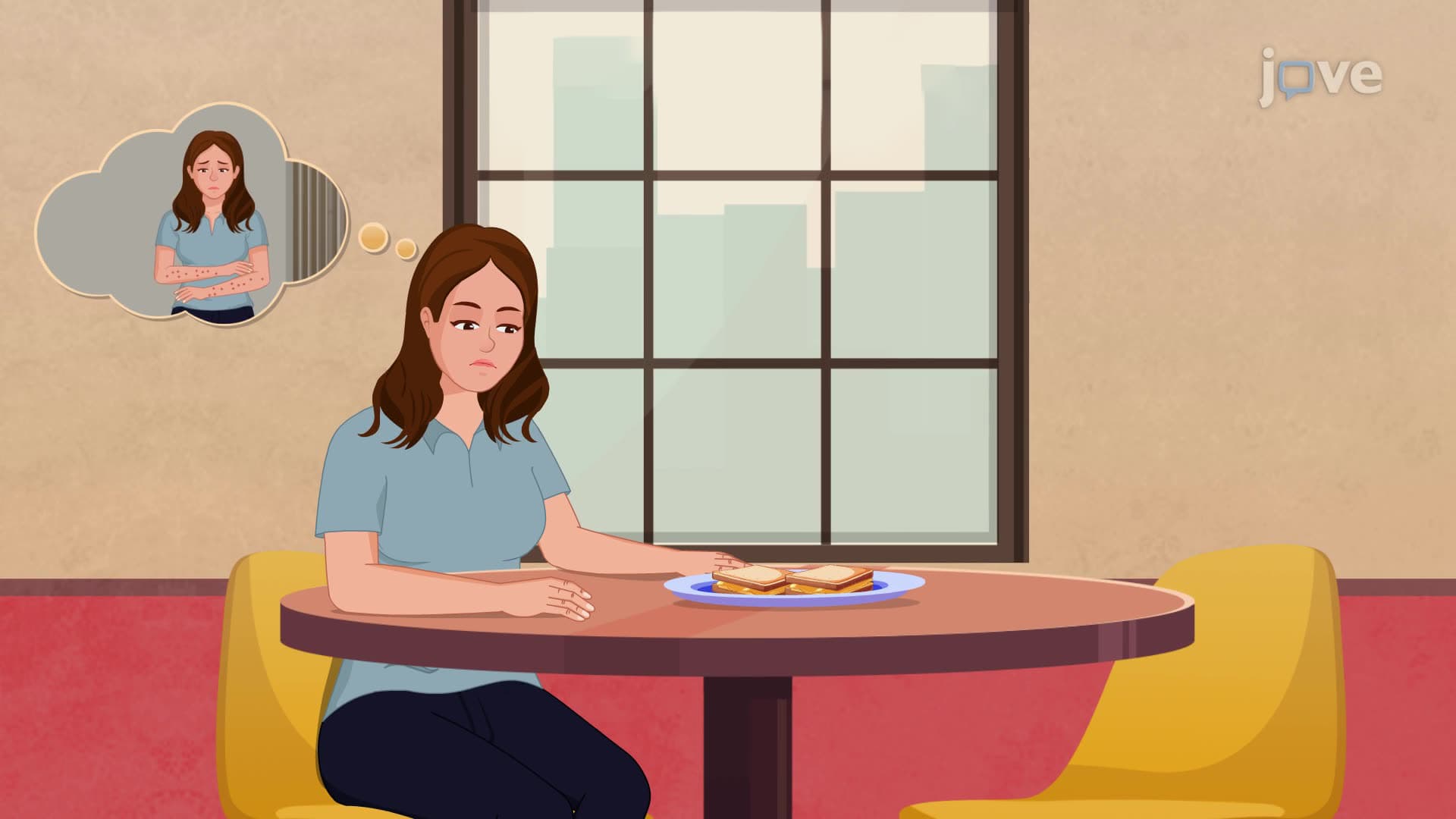
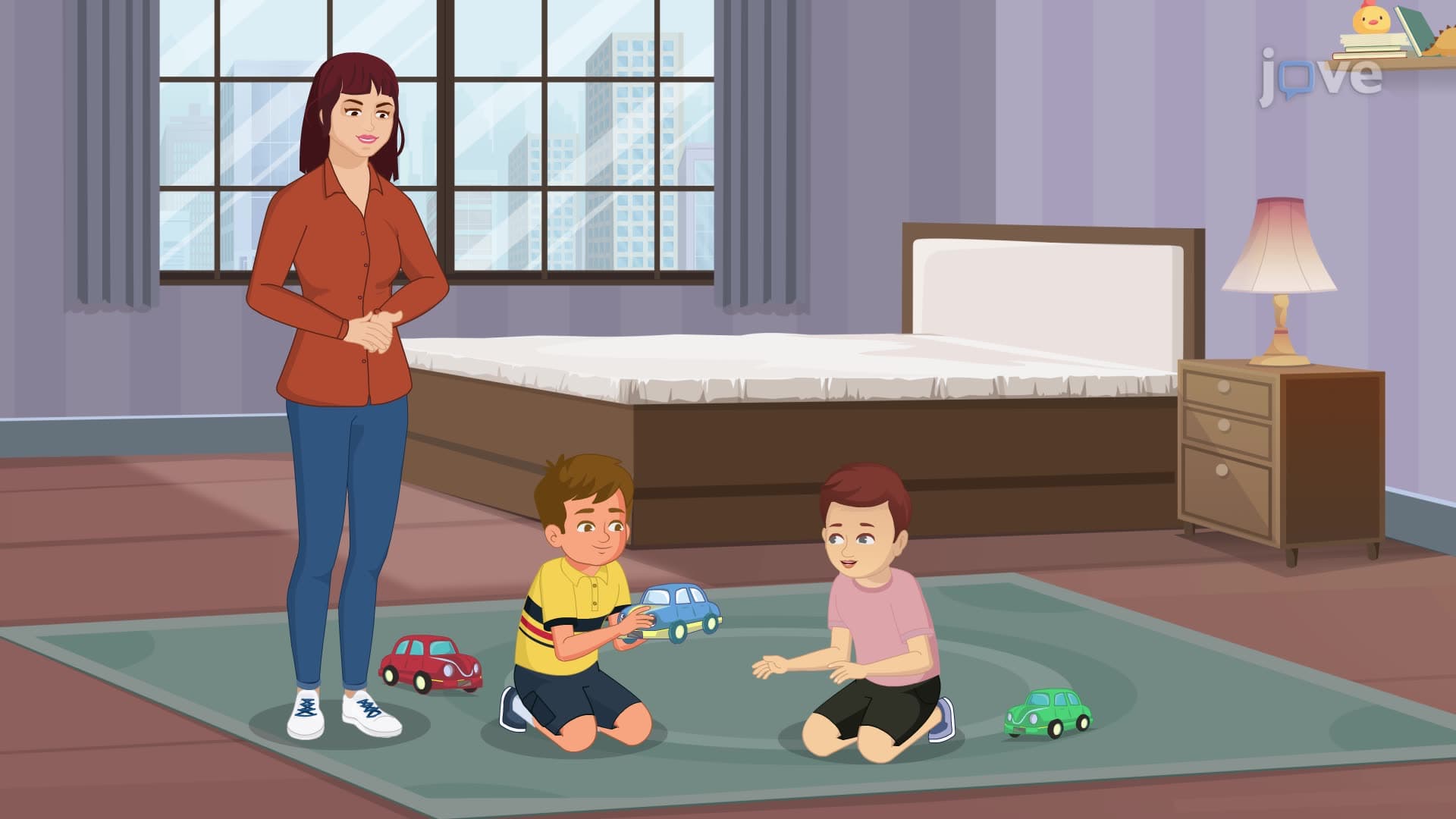

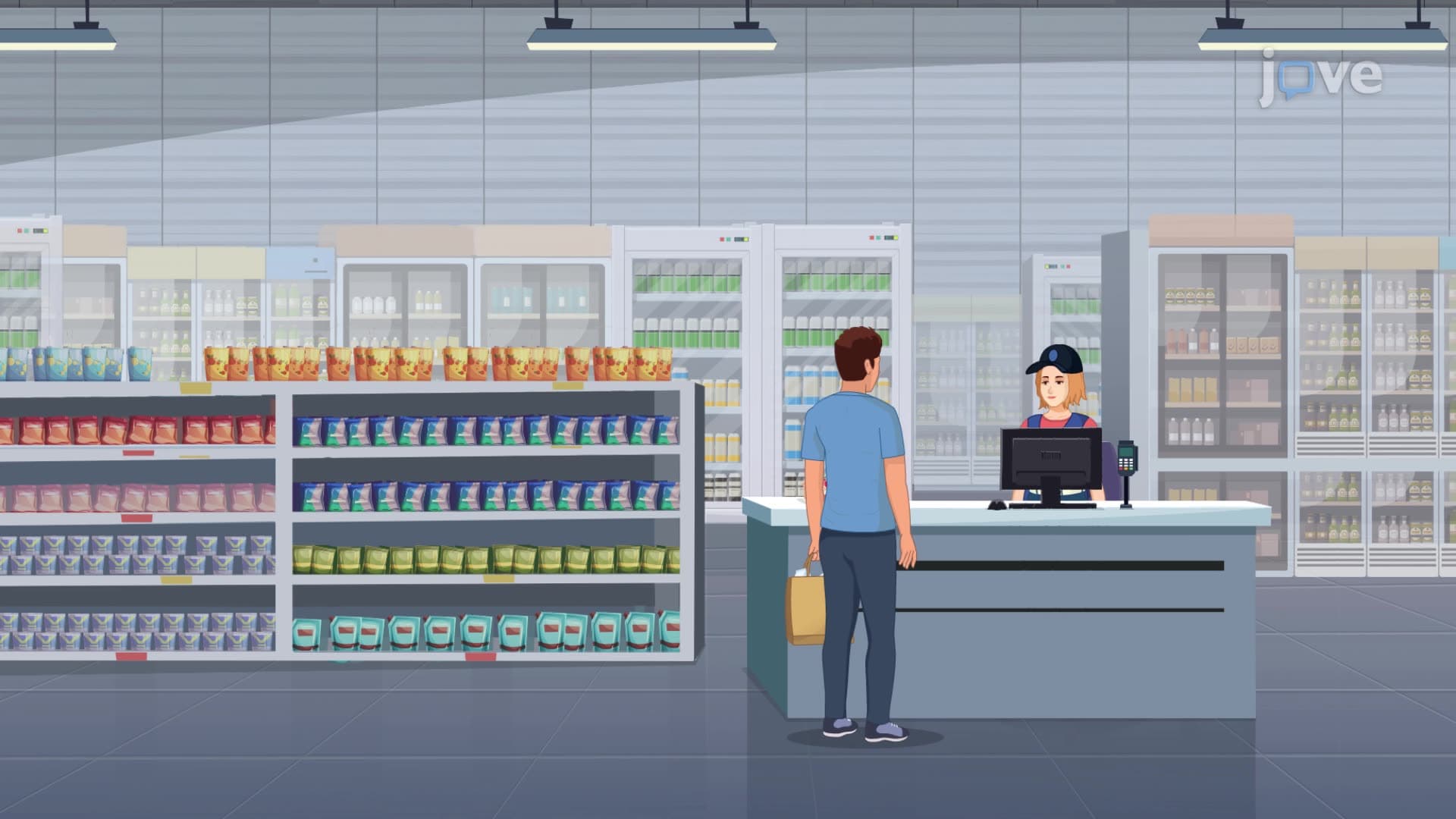


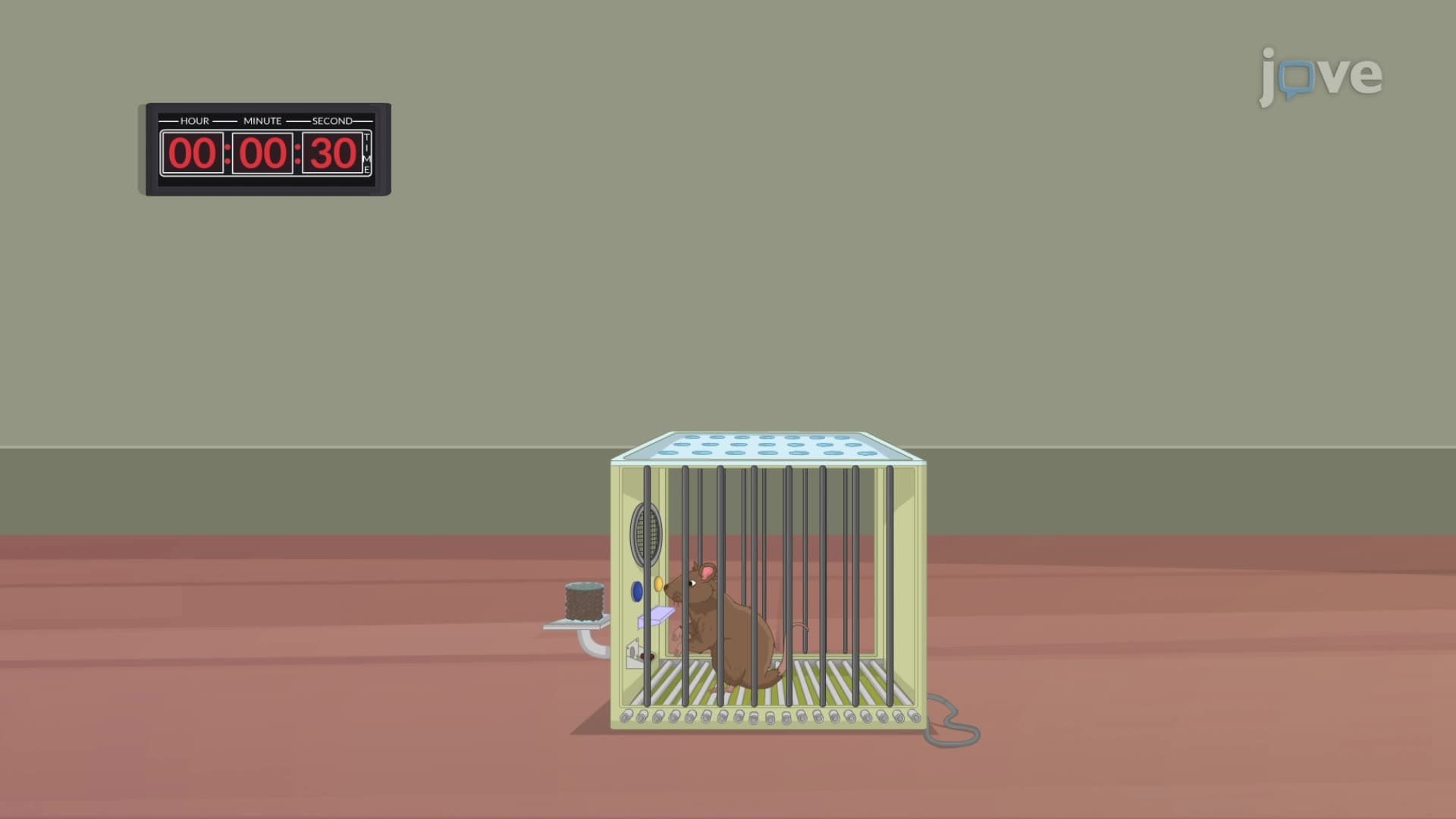



Real-World Application of Classical Conditioning


00:00
01:15
Video Summary: Real World Application of Classical Conditioning Explained
Did you know that seeing a McDonald's golden arches can make you crave french fries even when you're not hungry? The applications of classical conditioning in everyday life extend far beyond Pavlov's famous dogs, shaping everything from advertising strategies to addiction patterns. Real world application of classical conditioning explained reveals how higher-order conditioning creates chains of learned responses, where neutral stimuli become powerful triggers through repeated associations. Understanding these mechanisms helps explain why a Starbucks logo can trigger caffeine cravings or why certain songs instantly transport you to specific memories. Watch the full video on JoVE Coach to master this concept with expert-led visuals and step-by-step explanations.
- Understand how real world application of classical conditioning explained demonstrates the progression from first-order to higher-order conditioning in daily scenarios
- Identify the difference between second-order and third-order conditioning using concrete examples like food advertising and brand recognition
- Analyze why successive levels of conditioning produce progressively weaker responses and how this applies to marketing effectiveness
- Apply classical conditioning principles to explain addiction mechanisms and behavioral patterns in clinical psychology
- Evaluate the role of higher-order conditioning in creating emotional responses to symbols, logos, and environmental cues
- Recognize how classical conditioning influences consumer behavior, phobias, and therapeutic interventions
- Compare the effectiveness of different conditioning orders in educational settings and behavior modification programs
- Explore connections between classical conditioning and memory formation in cognitive psychology
Understanding Real World Application of Classical Conditioning Explained
Classical conditioning extends far beyond laboratory settings, influencing countless aspects of American society from Wall Street trading floors to suburban shopping malls. The applications of classical conditioning in everyday life demonstrate how learned associations shape behavior through systematic pairing of stimuli, creating predictable response patterns that psychologists and marketers leverage extensively.
Higher-Order Conditioning: Building Complex Response Chains
Second-order conditioning occurs when neutral stimuli become conditioned through association with already-established conditioned stimuli. Consider how Nike's "swoosh" logo triggers athletic motivation even without seeing actual sports equipment. The logo (neutral stimulus) becomes paired with athletic achievement imagery (conditioned stimulus), which was previously associated with feelings of accomplishment and energy. This explains why students wearing Nike gear might feel more confident before AP Psychology exams or SAT testing sessions.
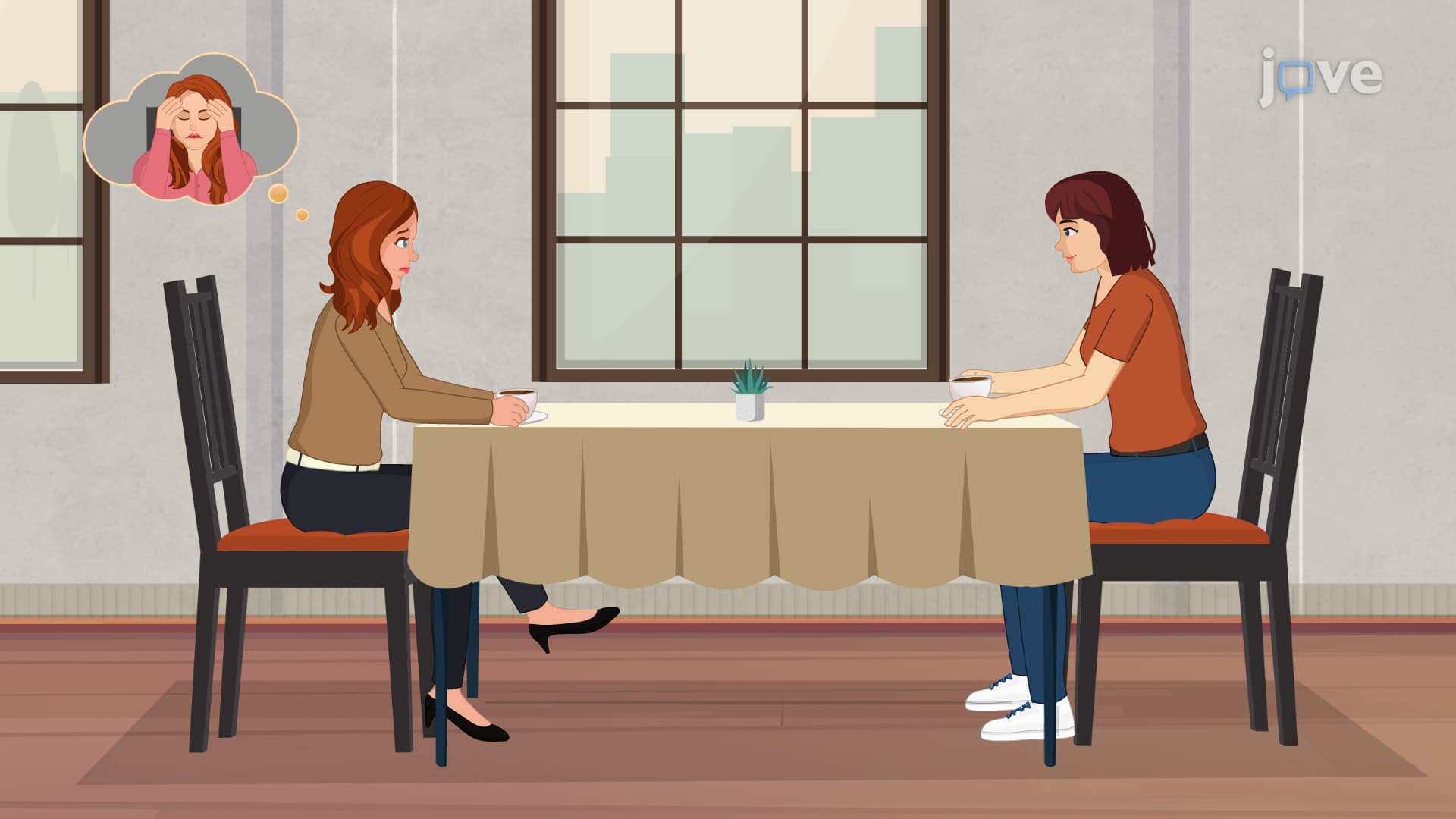
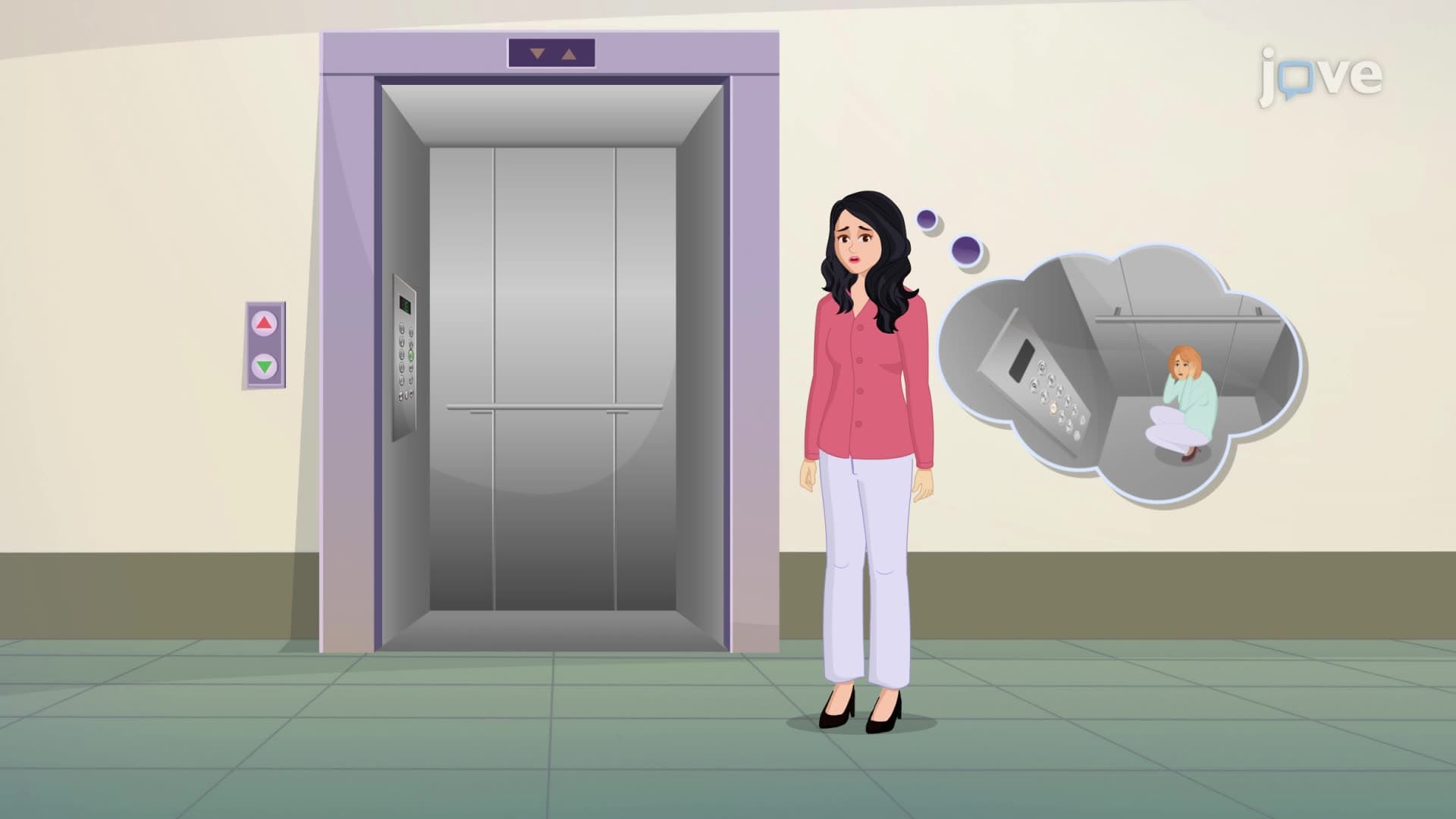
Third-order conditioning adds another layer of complexity. A student might develop test anxiety not just from seeing exam materials, but from entering specific classroom buildings where they previously experienced academic stress. The building architecture becomes a third-order stimulus, triggering anxiety responses through its association with classroom environments, which were previously linked to test-taking stress.
Clinical Applications in American Healthcare Settings
Mental health professionals across the United States utilize classical conditioning principles in exposure therapy and systematic desensitization. Veterans Affairs hospitals employ these techniques to treat PTSD, where therapists gradually expose patients to trauma-related stimuli in controlled environments. For instance, a combat veteran might initially experience anxiety from helicopter sounds (conditioned stimulus). Through therapeutic intervention, this response can be modified by pairing helicopter audio with relaxation techniques in safe clinical settings.
Understanding these mechanisms proves crucial for MCAT preparation, particularly in behavioral sciences sections where students must analyze case studies involving phobia treatment and addiction recovery programs.
Educational and Marketing Implications
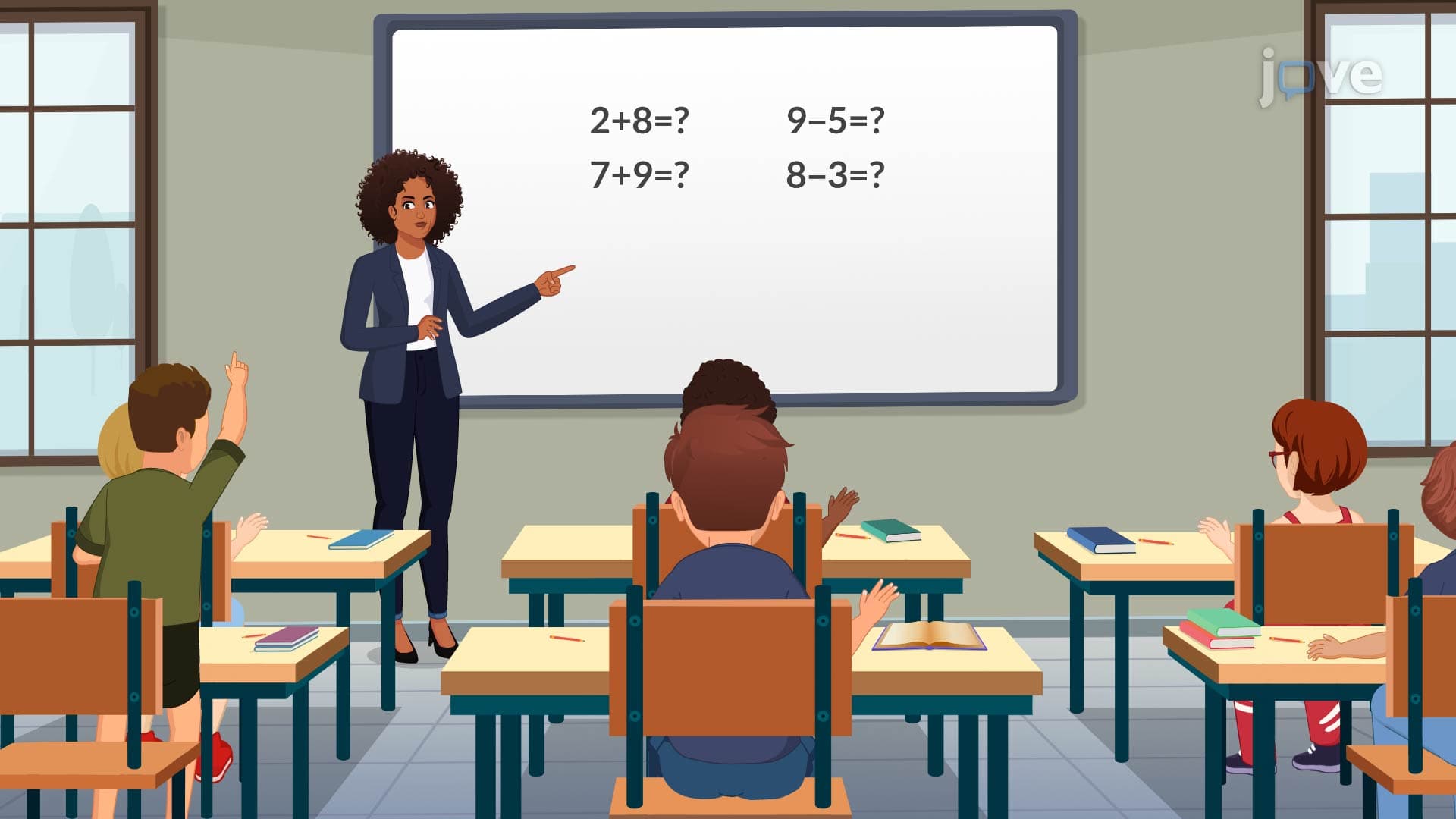
School districts implement classical conditioning when designing learning environments. The consistent pairing of pleasant classroom aesthetics with positive learning experiences helps students develop favorable associations with education. This principle appears frequently in AP Psychology coursework and college-level learning theory classes, where students analyze how environmental factors influence academic performance and motivation.
Frequently Asked Questions
Real world application of classical conditioning involves complex, multi-layered associations that occur naturally in everyday environments, unlike controlled laboratory conditions. These applications include higher-order conditioning where neutral stimuli become conditioned through association with already-established conditioned responses. This creates chains of learned behaviors that influence everything from consumer purchases to emotional reactions to environmental cues.
AP Psychology frequently tests classical conditioning through scenario-based questions involving advertising, phobia development, and therapeutic interventions. Students must identify unconditioned stimuli, conditioned stimuli, and conditioned responses in real-world contexts. The exam often includes questions about extinction, spontaneous recovery, and generalization using examples like brand loyalty or fear conditioning.
MCAT preparation should emphasize higher-order conditioning, extinction processes, and clinical applications in mental health treatment. Focus on understanding how conditioning principles apply to addiction medicine, behavioral therapy, and patient compliance with medical treatments. Practice analyzing case studies involving systematic desensitization and exposure therapy used in American healthcare settings.
College psychology courses extensively cover conditioning applications in abnormal psychology, cognitive behavioral therapy, and research methodology classes. This knowledge forms the foundation for understanding more complex topics like operant conditioning, social learning theory, and neuroplasticity. Students use these principles to analyze therapeutic interventions and design behavioral modification programs.
Consider how Pavlov's principles influence morning coffee rituals: the sound of a coffee grinder (conditioned stimulus) triggers alertness and anticipation (conditioned response) because it's associated with caffeine's energizing effects (unconditioned stimulus). Starbucks leverages this by ensuring consistent auditory and visual cues across locations, creating predictable emotional responses that drive customer loyalty and repeat purchases.
Classical conditioning concepts are highly accessible because they relate to familiar everyday experiences like food cravings triggered by restaurant logos or emotional responses to music. Students can easily identify examples from their own lives, making abstract psychological principles concrete and memorable. The key is connecting terminology to personal experiences rather than memorizing definitions.
Create personal examples for each conditioning type, practice identifying stimulus-response relationships in advertising and media, and use flashcards for terminology. Focus on real-world scenarios rather than abstract definitions. Draw diagrams showing conditioning progressions and practice explaining examples aloud to reinforce understanding before AP exams or college midterms.
Students should progress to operant conditioning and reinforcement schedules, then explore cognitive-behavioral therapy applications and social learning theory. Advanced topics include neuroplasticity research, addiction neuroscience, and behavioral economics. These concepts build naturally on classical conditioning foundations and appear frequently in upper-level psychology coursework and graduate school preparation.
Related Micro-courses