Loading subject page…


20,014 views


Video Summary: What are Principles of Classical Conditioning
Ever wonder why your mouth waters when you smell your favorite pizza place, even before taking a bite? The real world application of classical conditioning explains this automatic response through five fundamental principles that shape our daily behaviors. From Pavlov's famous dog experiments to modern advertising techniques used by companies like McDonald's with their golden arches, these principles of classical conditioning demonstrate how we learn to associate neutral stimuli with meaningful responses. Watch the full video on JoVE Coach to master this concept with expert-led visuals and step-by-step explanations.
The principles of classical conditioning form the foundation of behavioral psychology, explaining how organisms learn associations between environmental stimuli and automatic responses. These five interconnected principles-acquisition, generalization, discrimination, extinction, and spontaneous recovery-operate in predictable patterns that psychologists have documented across species and contexts.
Acquisition represents the initial learning phase where a neutral stimulus becomes a conditioned stimulus through repeated pairing with an unconditioned stimulus. This process depends on two critical factors: contiguity and contingency. Contiguity requires precise timing-the conditioned stimulus must appear just before or simultaneously with the unconditioned stimulus. In therapeutic settings, systematic desensitization relies on this principle when treating phobias at American treatment centers.
Contingency ensures reliability in the association. The conditioned stimulus must consistently predict the unconditioned stimulus occurrence. Consider how retail chains like Starbucks use classical conditioning: the distinctive aroma (conditioned stimulus) consistently precedes the coffee experience (unconditioned stimulus), creating strong behavioral associations that drive customer loyalty.
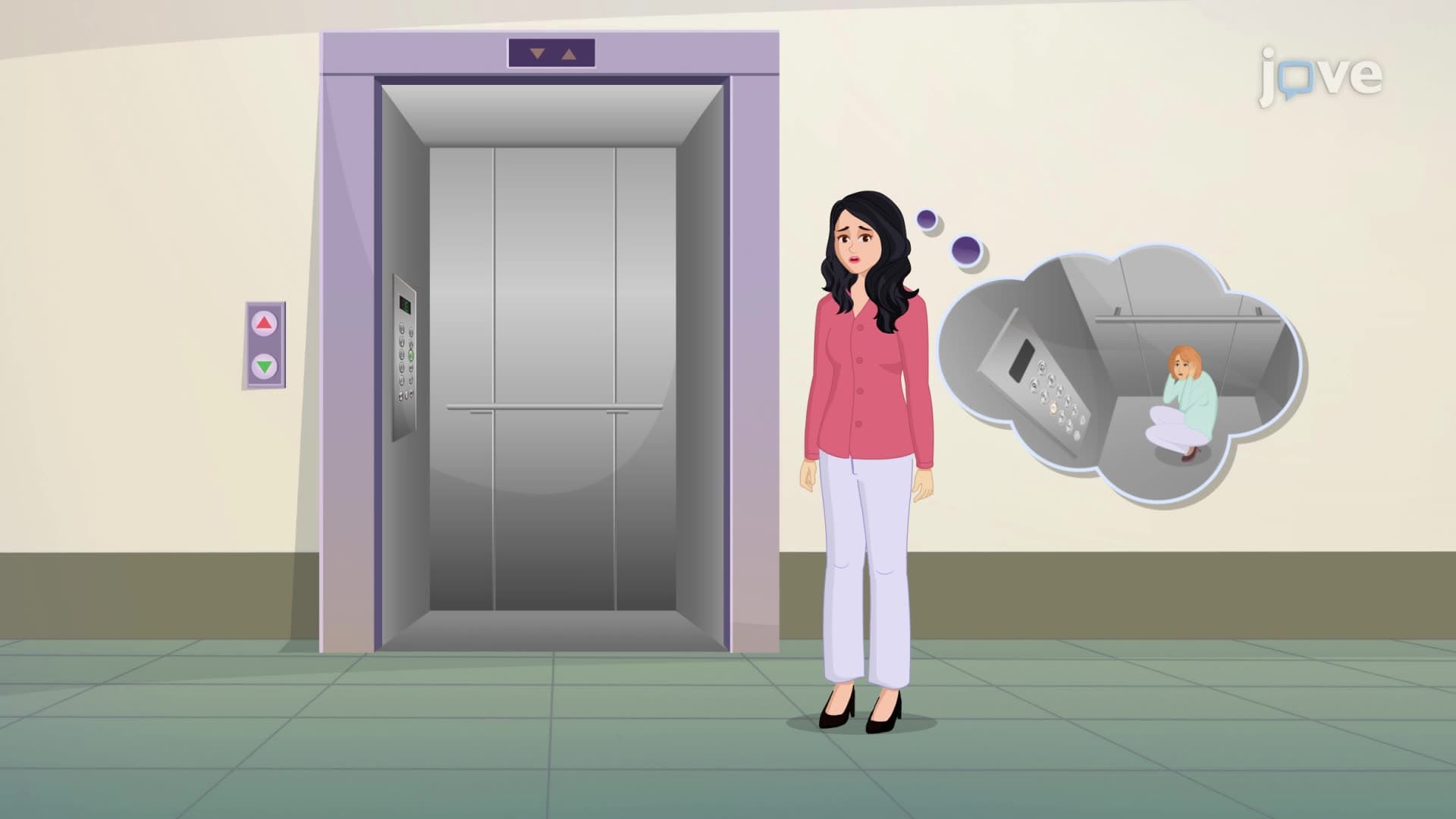
Generalization occurs when stimuli similar to the original conditioned stimulus trigger the same conditioned response. This principle explains why students might feel test anxiety not just during SAT exams but also during AP tests or college midterms-the testing environment generalizes across similar academic situations.
Discrimination provides the opposite function, helping organisms distinguish when responses are appropriate. Through discrimination training, individuals learn to respond selectively. For instance, medical students preparing for the MCAT learn to discriminate between similar-sounding medical terms, responding accurately only to specific stimuli rather than generalizing inappropriately.
Extinction demonstrates that conditioned responses weaken when the conditioned stimulus repeatedly appears without the unconditioned stimulus. However, extinction doesn't erase learning-it suppresses it. This principle appears in exposure therapy, where American psychologists help patients overcome phobias by gradually exposing them to feared stimuli without negative consequences.
Spontaneous recovery reveals learning's durability when previously extinguished responses suddenly reappear after time passes. This phenomenon explains why students might suddenly recall "forgotten" information during finals week or why recovered addiction patients may experience unexpected cravings years later. Understanding these principles helps educators design more effective study strategies and clinicians develop comprehensive treatment plans for American healthcare systems.
Related Micro-courses