Loading subject page…

- Introduction to Psychology
- Learning
- Reinforcement Schedules
Micro-course: Learning
20,013 views
Learn key concepts and earn your certificate.






















Reinforcement Schedules


00:00
01:24
Video Summary: What are Reinforcement Schedules
Ever wonder why slot machines are so addictive while studying for tests feels like a chore? The secret lies in timing and consequences on behavior - specifically, how different reinforcement schedules shape our actions. From McDonald's employees earning hourly wages to casino gamblers chasing jackpots, reinforcement schedules determine whether behaviors persist or fade away. Understanding what are reinforcement schedules reveals why some rewards create lasting motivation while others don't. Watch the full video on JoVE Coach to master this concept with expert-led visuals and step-by-step explanations.
- Understand what are reinforcement schedules and how they control behavioral patterns through systematic reward timing
- Identify the four main types of partial reinforcement schedules: fixed interval, variable interval, fixed ratio, and variable ratio
- Compare continuous reinforcement versus partial reinforcement effectiveness in maintaining long-term behaviors
- Analyze how timing and consequences on behavior create different motivation levels and extinction resistance
- Evaluate why variable ratio schedules produce the strongest and most persistent behavioral responses
- Apply reinforcement schedule principles to predict behavior in workplace, educational, and social settings
- Recognize real-world examples of each schedule type in everyday American contexts
- Explore how understanding timing and consequences on behavior improves learning strategies and habit formation
Understanding What Are Reinforcement Schedules
What are reinforcement schedules? They represent systematic patterns of delivering rewards or consequences that shape and maintain behavior over time. These schedules form the backbone of behavioral psychology, explaining everything from why employees show up to work to how students develop study habits. The timing and consequences on behavior relationship determines whether actions become ingrained habits or quickly disappear.
Continuous vs. Partial Reinforcement: The Foundation
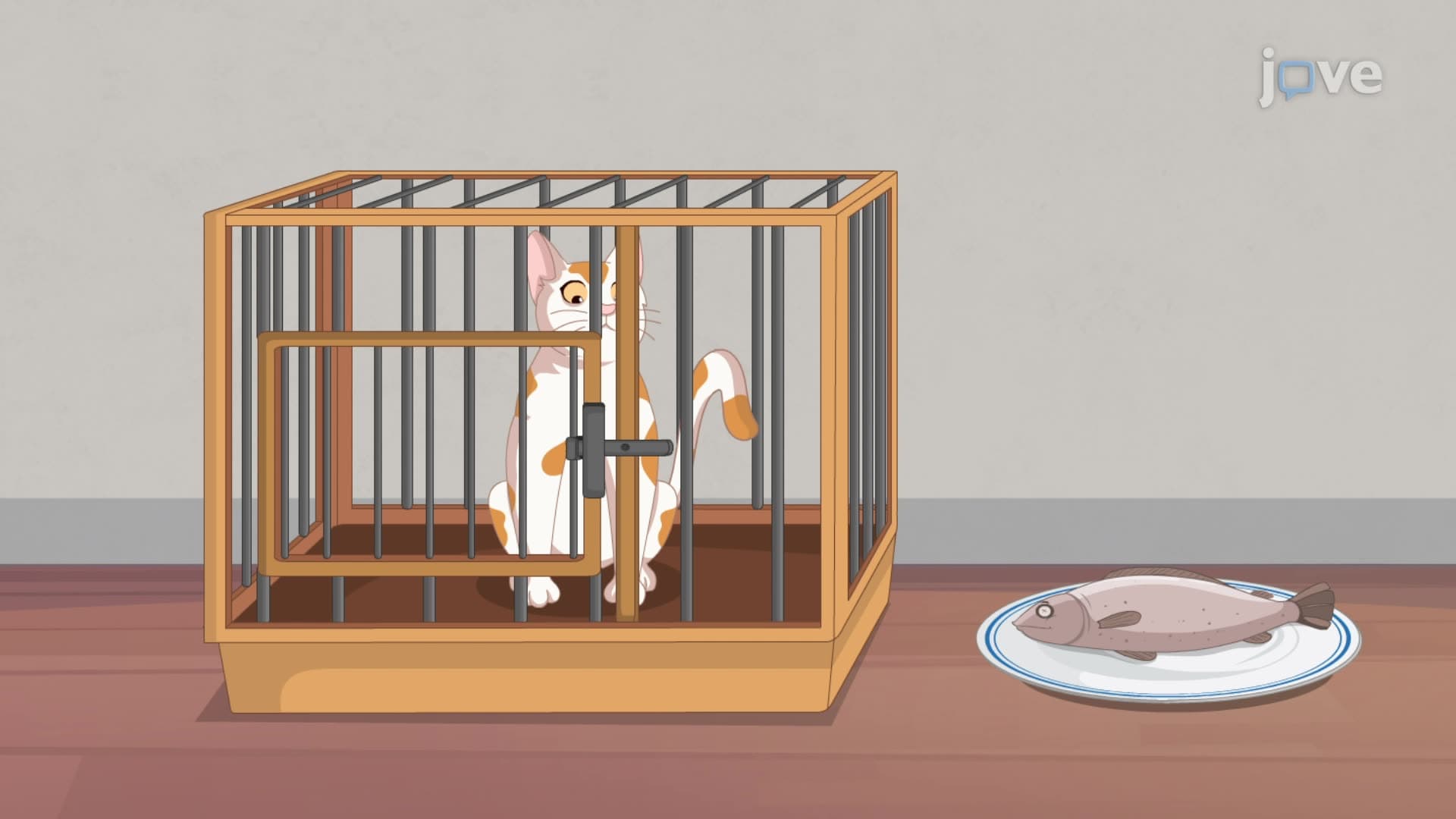
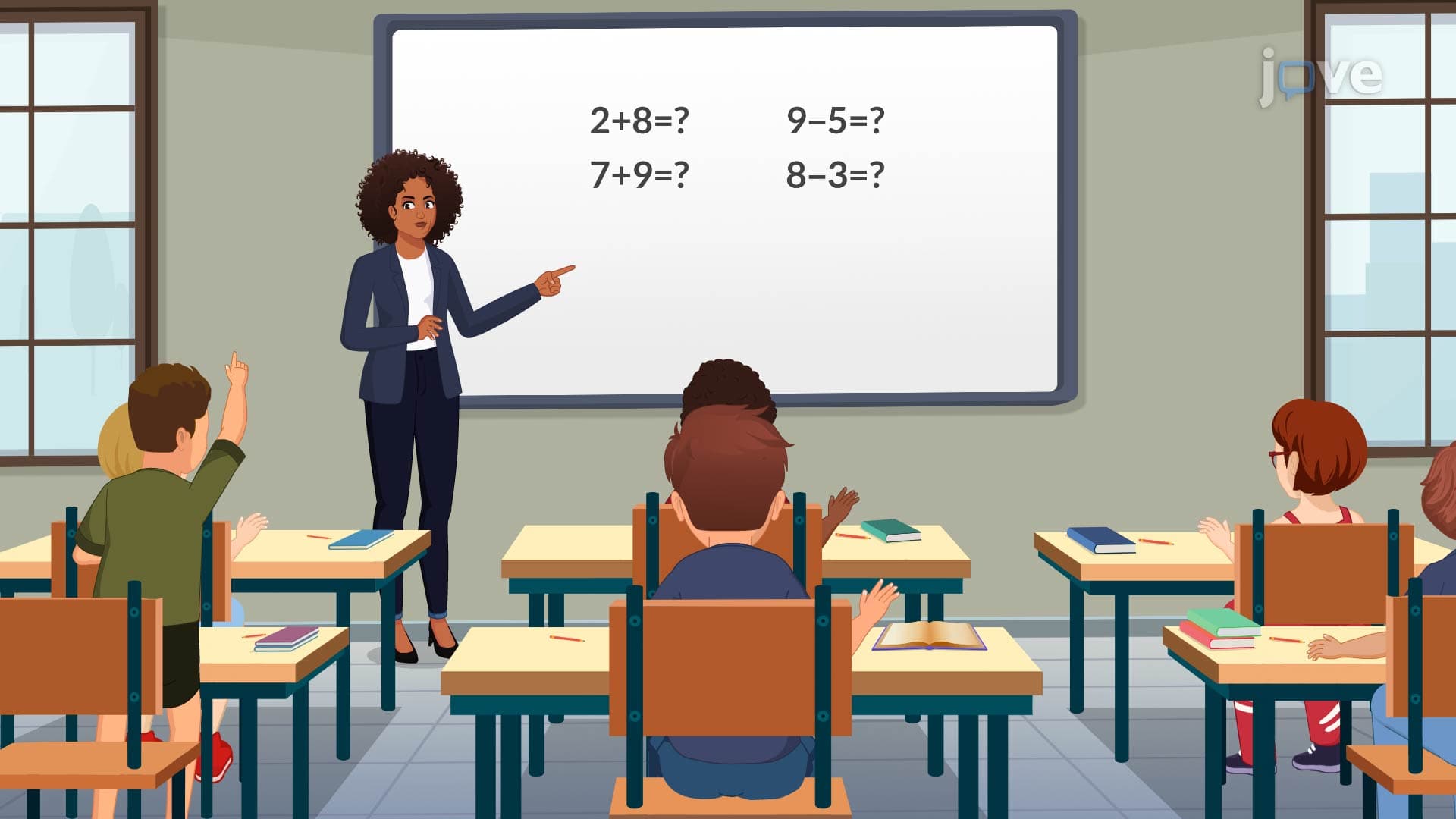
Continuous reinforcement provides a reward after every correct response - like receiving immediate feedback on every math problem solved correctly. While this creates rapid initial learning, behaviors maintained through continuous reinforcement extinguish quickly when rewards stop. Think of a vending machine that suddenly stops working; you'd likely give up after a few failed attempts.
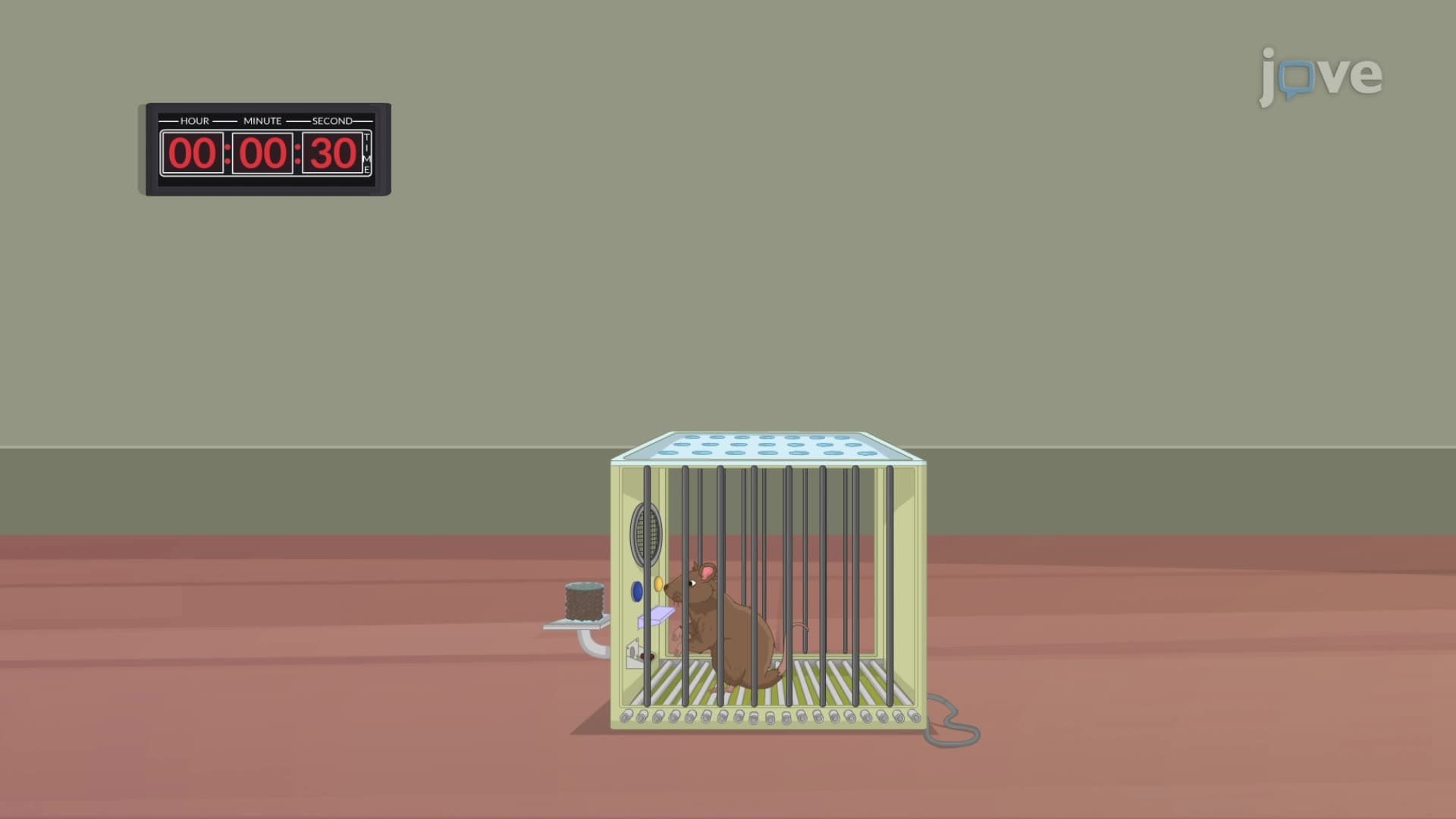
Partial reinforcement, however, rewards behavior intermittently according to specific patterns. This timing and consequences on behavior approach creates remarkable persistence. Laboratory studies show that partially reinforced behaviors can withstand thousands of unrewarded trials before extinction occurs - explaining why people continue playing broken slot machines or checking social media despite inconsistent rewards.
The Four Types of Partial Reinforcement Schedules
Fixed Interval (FI) schedules deliver rewards after predetermined time periods. US postal workers receiving bi-weekly paychecks exemplify this pattern. Students often demonstrate FI behavior patterns, studying intensively just before scheduled exams then reducing effort immediately afterward - the classic "scalloped" response pattern that AP Psychology students learn to identify.
Variable Interval (VI) schedules provide rewards at unpredictable time intervals averaging around a set duration. Police officers conducting random traffic stops create VI schedules for safe driving behavior. This unpredictability maintains steady response rates because drivers never know when enforcement might occur.
Fixed Ratio (FR) schedules reward behavior after a specific number of responses. Starbucks' loyalty program giving free drinks after every 10 purchases uses FR scheduling. Factory workers paid per piece completed also experience FR schedules, typically showing brief pauses after each reward followed by rapid response rates.
Variable Ratio (VR) schedules provide rewards after an unpredictable number of responses, averaging around a set ratio. Las Vegas casinos exemplify VR schedules - slot machines might pay out after 3, 47, or 15 pulls, but average one payout per 20 attempts. This creates the highest response rates and strongest resistance to extinction.
Real-World Applications and Academic Relevance
Understanding how timing and consequences on behavior works proves essential for MCAT behavioral sciences sections, AP Psychology FRQs, and college learning theory courses. Students applying to graduate programs often encounter these concepts in GRE Psychology subject tests, where reinforcement schedule questions frequently appear.
Frequently Asked Questions
Reinforcement schedules are systematic patterns for delivering rewards that shape behavior over time. They determine when and how often consequences follow actions, controlling whether behaviors strengthen, weaken, or persist. Think of them as the "rules" governing how rewards are distributed in learning situations.
AP Psychology frequently tests reinforcement schedules through multiple-choice questions about schedule types and FRQ scenarios requiring students to identify schedules in real-world examples. Students must distinguish between interval vs. ratio schedules and fixed vs. variable patterns. Practice identifying schedules in workplace, school, and social media contexts for exam success.
MCAT Behavioral Sciences sections include reinforcement schedules within learning theory passages, often connecting to addiction, behavioral modification, or educational psychology. Expect questions linking variable ratio schedules to gambling addiction or comparing schedule effectiveness in clinical interventions. Focus on understanding timing and consequences on behavior principles rather than memorizing definitions.
Social media platforms like Instagram and TikTok use variable ratio schedules through unpredictable likes, comments, and viral content. Users never know which post will receive engagement, creating persistent posting behavior similar to gambling addiction. This timing and consequences on behavior pattern explains why people check their phones hundreds of times daily despite inconsistent rewards.
No advanced mathematics required - reinforcement schedules focus on behavioral patterns rather than complex calculations. High school students can master these concepts through real-world examples and practice identification. The key lies in recognizing patterns and understanding how timing and consequences on behavior works in everyday situations.
Create flashcards with real-world examples for each schedule type, practice identifying schedules in daily life scenarios, and focus on understanding why variable ratio produces the strongest responses. Use mnemonics like "Variable Ratio = Vegas" to remember the most addictive schedule type during high-pressure exam situations.
Reinforcement schedules appear across multiple psychology courses including Learning & Memory, Behavioral Psychology, and Abnormal Psychology. Understanding these timing and consequences on behavior principles provides foundation knowledge for advanced topics like behavioral therapy techniques, addiction treatment protocols, and educational psychology applications in classroom management.
Related Micro-courses