Loading subject page…


20,014 views

Video Summary: What Is Preparedness and Phobias
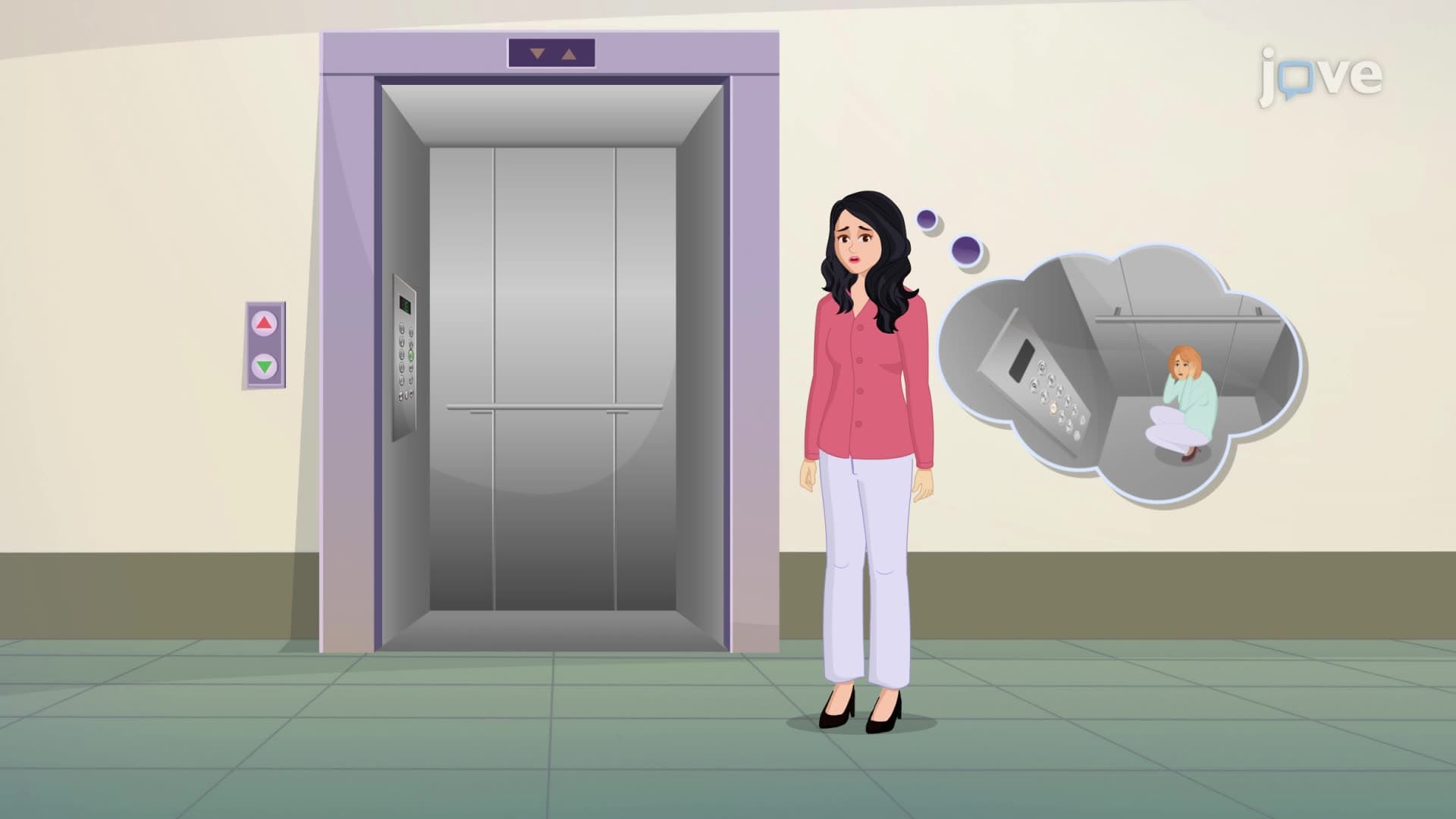
Why do millions of Americans fear spiders despite never being bitten by one? Instinctive drift explains how our evolutionary wiring can override learned behaviors, creating automatic fear responses to certain stimuli like snakes, heights, or enclosed spaces. Consider how someone might develop elevator phobia after simply hearing about a trapped passenger at the Empire State Building, demonstrating how What is Preparedness And Phobias connects our ancestral survival mechanisms to modern anxiety disorders. Watch the full video on JoVE Coach to master this concept with expert-led visuals and step-by-step explanations.
What is Preparedness And Phobias represents a fascinating intersection of evolutionary psychology and behavioral learning theory. This concept explains why humans develop certain fears more readily than others, even without direct negative experiences. The preparedness theory, developed by psychologist Martin Seligman, suggests that we're biologically "prepared" to fear stimuli that posed threats to our ancestors' survival.
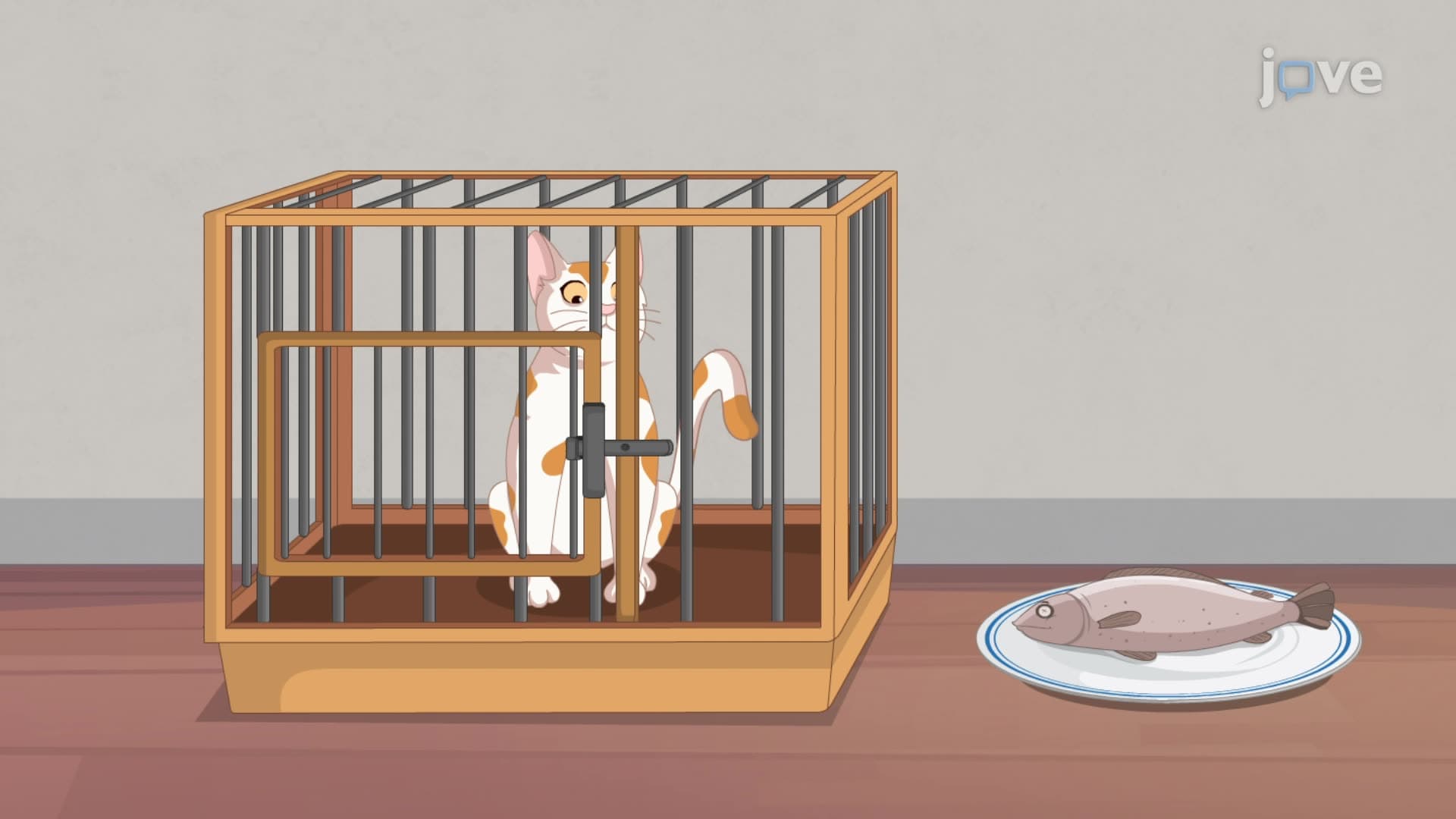
Instinctive drift plays a crucial role in understanding preparedness and phobias. This phenomenon occurs when an organism's innate behavioral tendencies interfere with or override learned behaviors. In the context of phobias, instinctive drift explains why someone might develop an intense fear of snakes after seeing one in a nature documentary, despite never encountering a snake in real life. The evolutionary programming kicks in, causing the learned safety response to "drift" back toward the instinctive fear response.
For American students preparing for AP Psychology or college-level courses, understanding this concept is essential. The College Board frequently tests knowledge of how biological predispositions influence learning and behavior. Students should recognize that instinctive drift definition encompasses the tendency for innate behaviors to reassert themselves over conditioned responses, particularly when the innate behavior has survival value.
Consider the case studies from major American medical centers like Johns Hopkins or Mayo Clinic, where therapists regularly treat patients with specific phobias. A patient might develop aviophobia (fear of flying) after hearing news reports about airplane incidents, despite never experiencing turbulence themselves. This demonstrates how what is instinctive drift in detail manifests in clinical settings, the evolutionary fear of heights and loss of control overrides rational knowledge about aviation safety statistics.
Students encounter these concepts across multiple academic contexts. In AP Psychology, preparedness theory appears in units covering learning and cognition. Pre-med students studying for the MCAT will find questions about classical conditioning and biological constraints on learning. The instinctive drift concept frequently appears in behavioral psychology courses at universities like Stanford, Harvard, and UCLA.
Understanding this material also proves valuable for students pursuing careers in clinical psychology, where recognizing the evolutionary basis of phobias informs treatment approaches like systematic desensitization and cognitive-behavioral therapy.
Related Micro-courses