Loading subject page…


20,015 views

Video Summary: What Is Primary and Secondary Reinforcers
Ever wonder why a high-five from your coach feels just as rewarding as your favorite pizza? Understanding generalization discrimination and extinction through primary and secondary reinforcers reveals how our brains learn to value everything from basic needs to social approval. Primary reinforcers like food naturally satisfy us, while secondary reinforcers like grades gain power through association. Stanford University's token economy programs demonstrate how secondary reinforcers effectively modify behavior in real-world settings. Watch the full video on JoVE Coach to master this concept with expert-led visuals and step-by-step explanations.
Primary and secondary reinforcers form the cornerstone of operant conditioning theory, explaining how behaviors are strengthened and maintained across different contexts. This distinction is crucial for students preparing for AP Psychology exams and college-level psychology courses, where understanding reinforcement mechanisms directly impacts performance on multiple-choice and free-response questions.
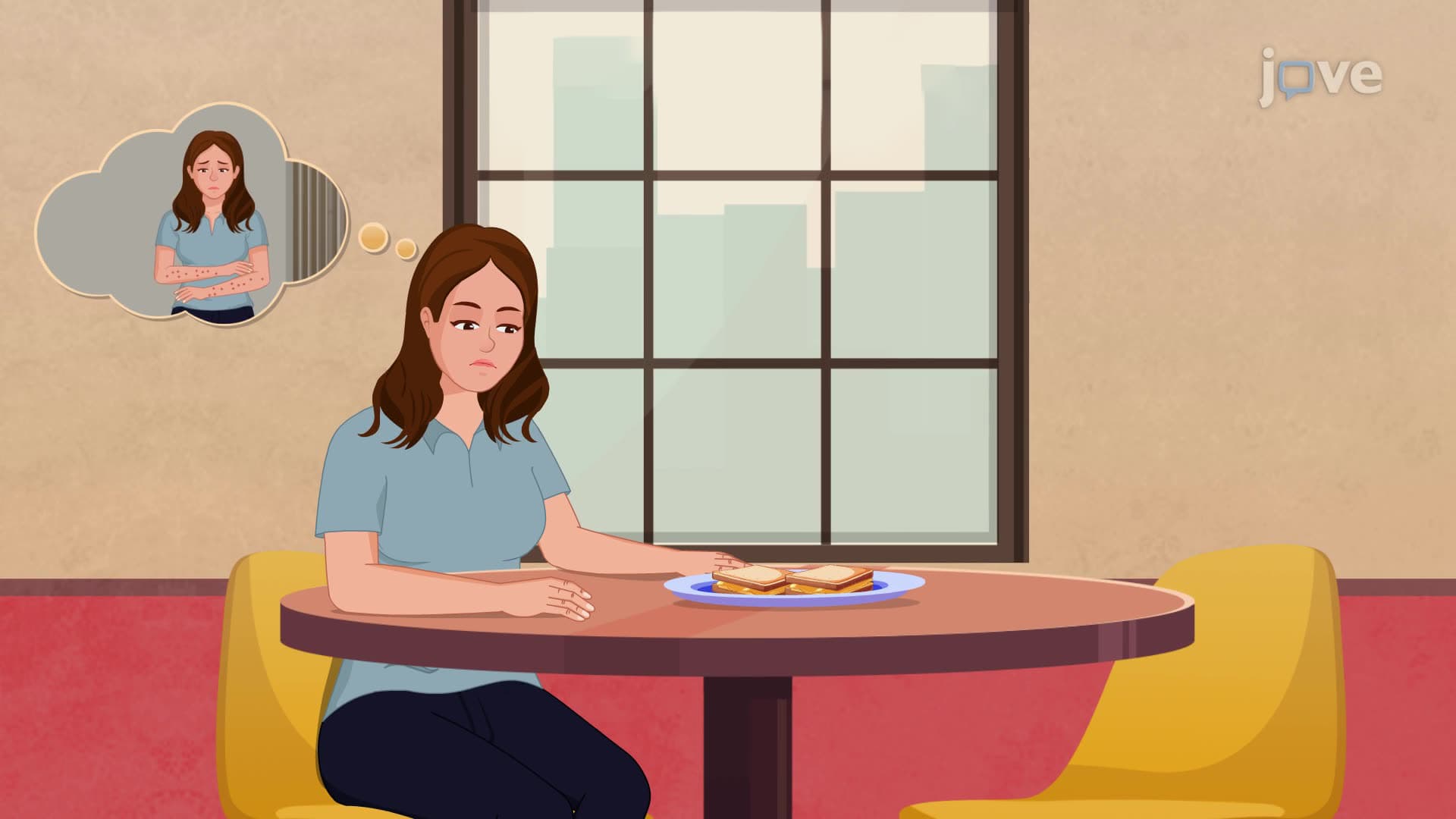
Primary reinforcers possess inherent biological value, requiring no previous learning to be effective. These reinforcers directly satisfy fundamental physiological needs essential for survival and well-being. Food serves as the most obvious example-a hungry student doesn't need to learn that a sandwich is rewarding; the biological drive for nutrition makes food naturally reinforcing.
Beyond nutrition, primary reinforcers include sleep, physical comfort, and social connection through affection. For instance, when MIT researchers studied sleep deprivation effects on student performance, they found that rest served as a powerful primary reinforcer, with participants naturally seeking sleep regardless of external rewards. This biological imperative makes primary reinforcers universally effective across cultures and contexts.
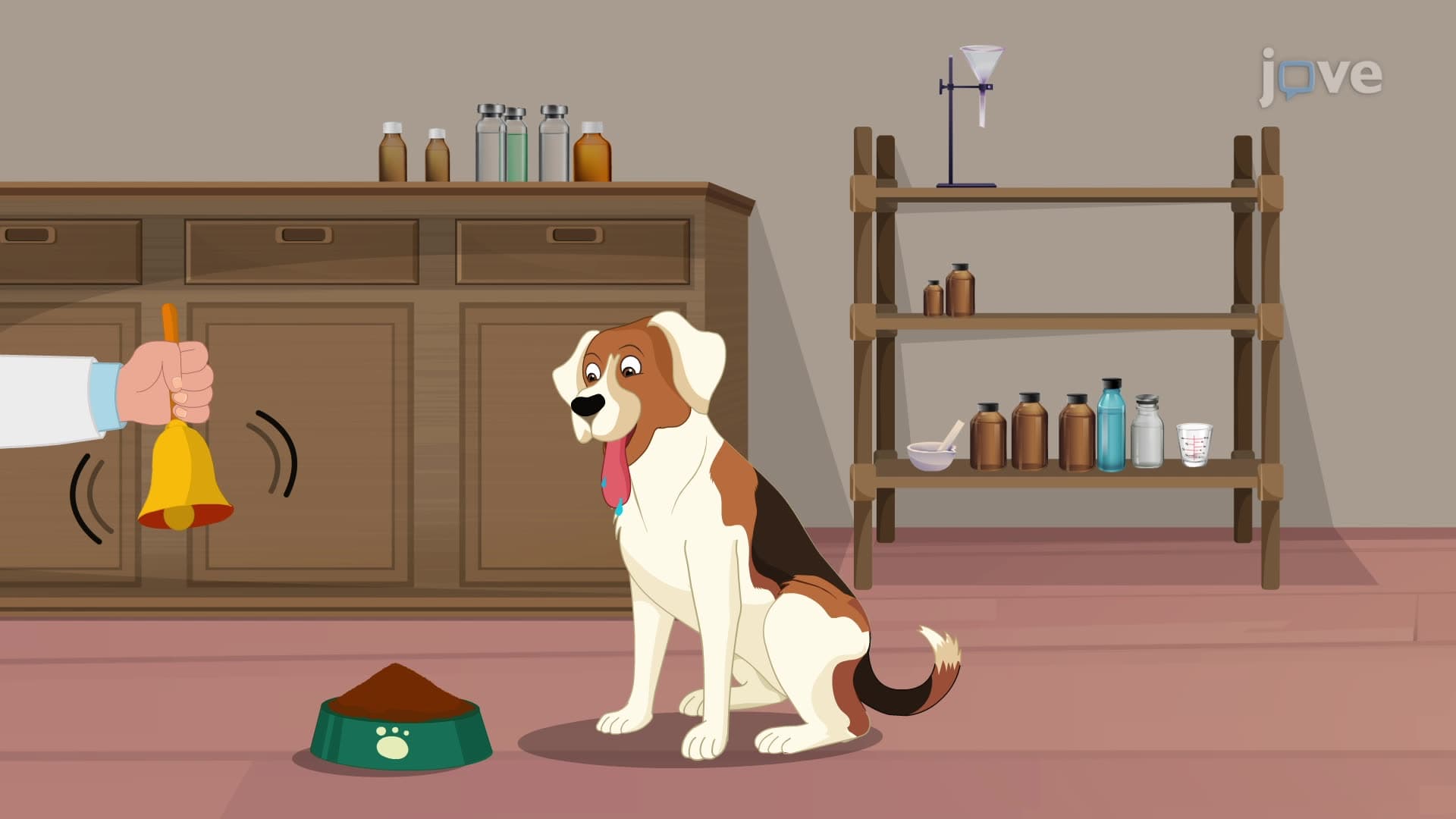
Secondary reinforcers gain their motivational power through repeated pairing with primary reinforcers, making them learned or conditioned responses. Money exemplifies this concept perfectly-paper currency has no biological value, yet becomes highly reinforcing because it consistently provides access to primary reinforcers like food, shelter, and comfort.
The University of California's behavioral economics research demonstrates how secondary reinforcers can become surprisingly powerful. Students working for course credit (a secondary reinforcer) often show the same motivation levels as those working for direct payment, illustrating how academic achievements gain reinforcing properties through association with future career success and social approval.
Token economies represent sophisticated applications of secondary reinforcement principles in institutional settings. These systems use symbols, points, or physical tokens that participants can exchange for desired items or privileges. Harvard Medical School's psychiatric units successfully implement token economies where patients earn points for attending therapy sessions, participating in group activities, and demonstrating positive behaviors.
Similarly, many US high schools utilize token-based systems where students earn "Panther Points" or similar school-branded currency for academic achievement, attendance, and citizenship. These tokens can be exchanged for privileges like front-of-lunch-line passes, preferred parking spots, or homework exemptions. The MCAT frequently tests understanding of how these systems leverage both immediate reinforcement (earning tokens) and delayed gratification (saving for larger rewards).
Related Micro-courses