Loading subject page…

- Introduction to Psychology
- Learning
- Punishment
Micro-course: Learning
20,013 views
Learn key concepts and earn your certificate.



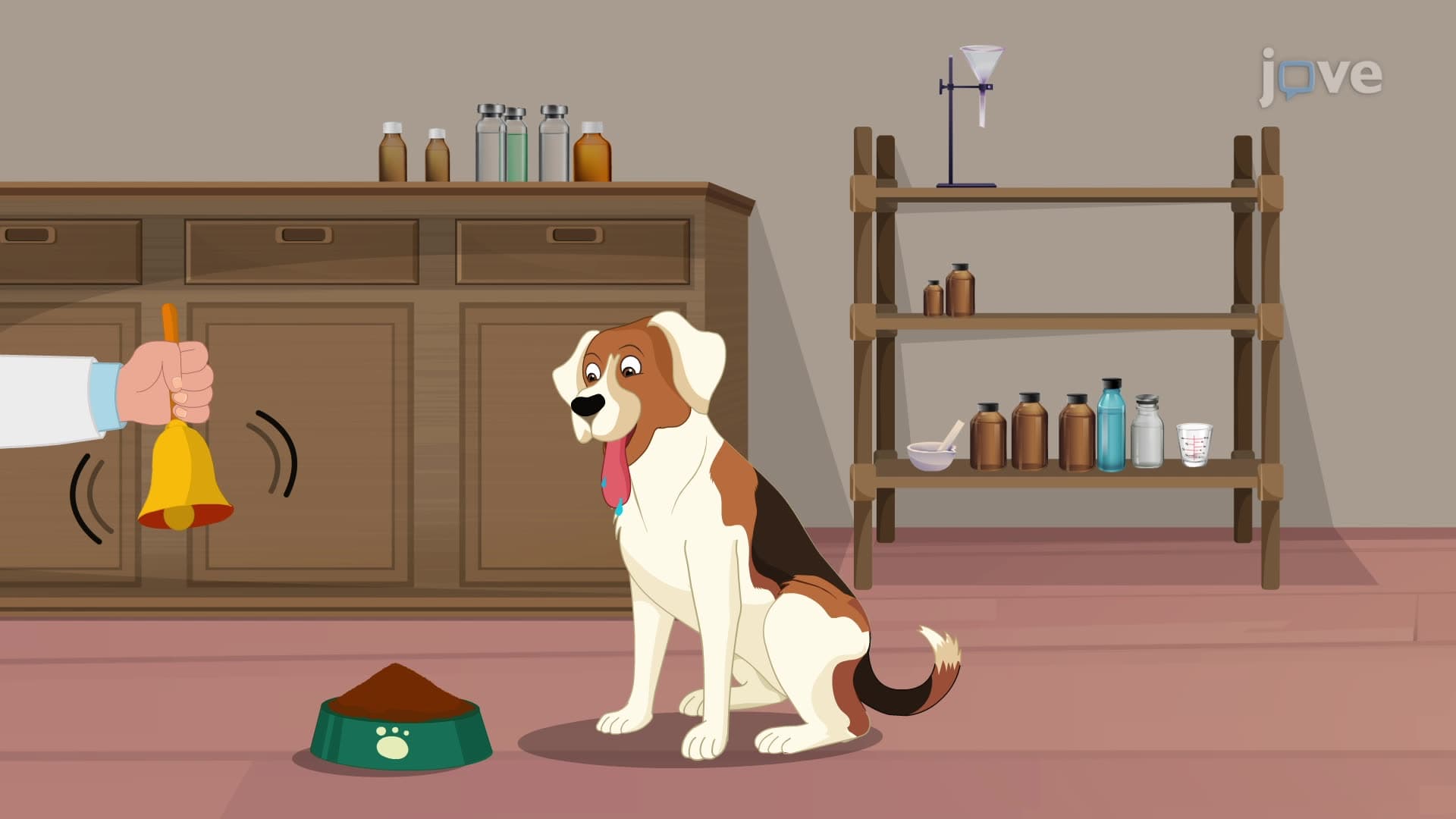




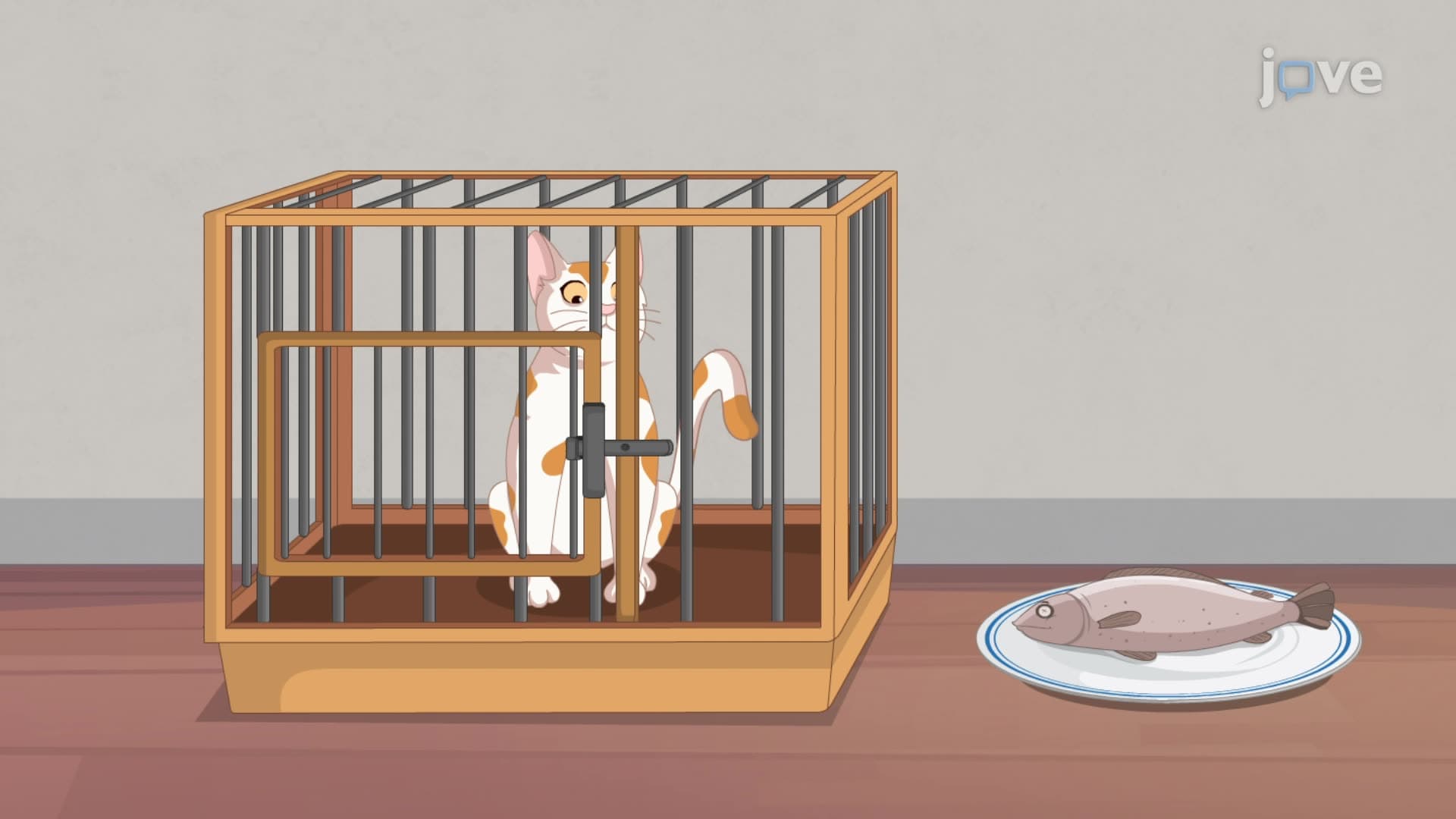






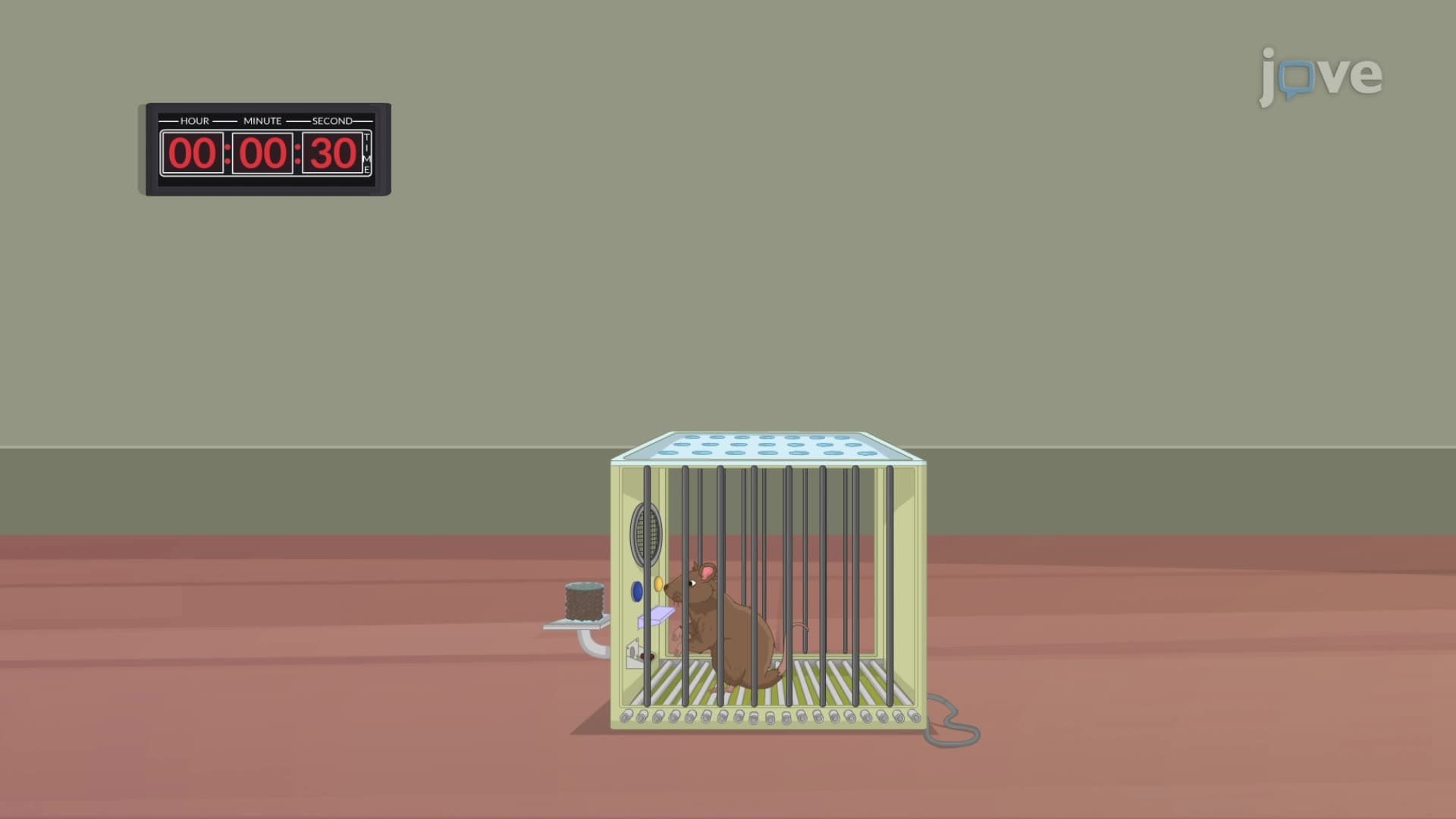
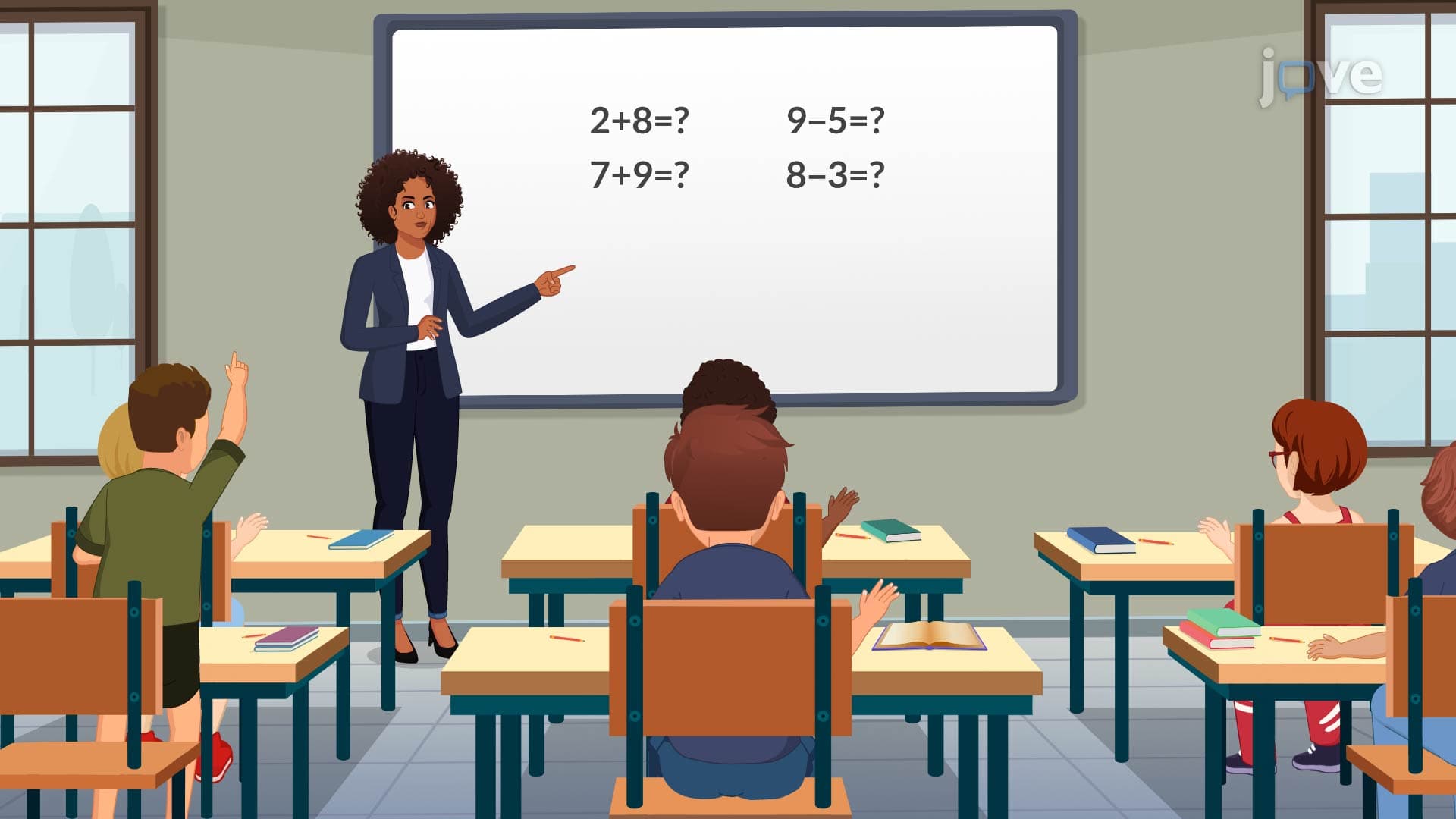






Punishment


00:00
01:27
Video Summary: What Is Punishment
Ever wonder why time-outs work better than yelling? The role of shaping in behavior modification reveals that punishment serves a specific function distinct from reinforcement. While negative reinforcement strengthens desired behaviors by removing unpleasant stimuli, punishment aims to decrease unwanted behaviors through either adding negative consequences or removing positive ones. Consider how a high school teacher might use detention (positive punishment) or remove phone privileges (negative punishment) to address disruptive classroom behavior. Watch the full video on JoVE Coach to master this concept with expert-led visuals and step-by-step explanations.
- Understand what is punishment and how it differs from negative reinforcement in behavioral psychology
- Identify the two main types of punishment: positive punishment (adding unpleasant stimuli) and negative punishment (removing pleasant stimuli)
- Analyze the limitations of punishment as a behavior modification technique, including potential negative side effects
- Compare the effectiveness of punishment versus reinforcement strategies in educational and therapeutic settings
- Evaluate real-world examples of punishment in schools, homes, and clinical environments
- Apply knowledge of punishment principles to design more effective behavior intervention programs
- Recognize how physical punishment can model aggressive behaviors in children and adolescents
- Explore alternative approaches that combine mild punishment with positive reinforcement for optimal behavioral outcomes
Understanding What is Punishment in Behavioral Psychology
Punishment represents one of the fundamental principles in operant conditioning, serving as a consequence that decreases the likelihood of a behavior recurring. Unlike reinforcement, which strengthens behaviors, punishment specifically aims to weaken or eliminate unwanted actions. The role of shaping in behavior modification becomes crucial here, as punishment alone rarely teaches appropriate replacement behaviors.
Types of Punishment: Positive vs. Negative Applications
Positive punishment involves presenting an aversive stimulus following an unwanted behavior. In US schools, this might include assigning extra homework for tardiness or requiring students to write apology letters for disrespectful behavior. The Massachusetts Department of Education guidelines emphasize that any positive punishment must be educationally relevant and proportionate to the infraction.
Negative punishment removes a desirable stimulus to decrease behavior frequency. Common examples include losing recess time, having technology privileges revoked, or missing social events. Research from Stanford University demonstrates that negative punishment often proves more effective than positive punishment, particularly when the removed privilege directly relates to the problematic behavior.
Limitations and Potential Drawbacks of Punishment
The role of shaping definition extends beyond simple consequence delivery. Punishment frequently fails to provide clear behavioral guidance, instead focusing on what not to do rather than teaching appropriate alternatives. Students who receive detention for talking during class may learn to avoid detection rather than develop genuine respect for learning environments.
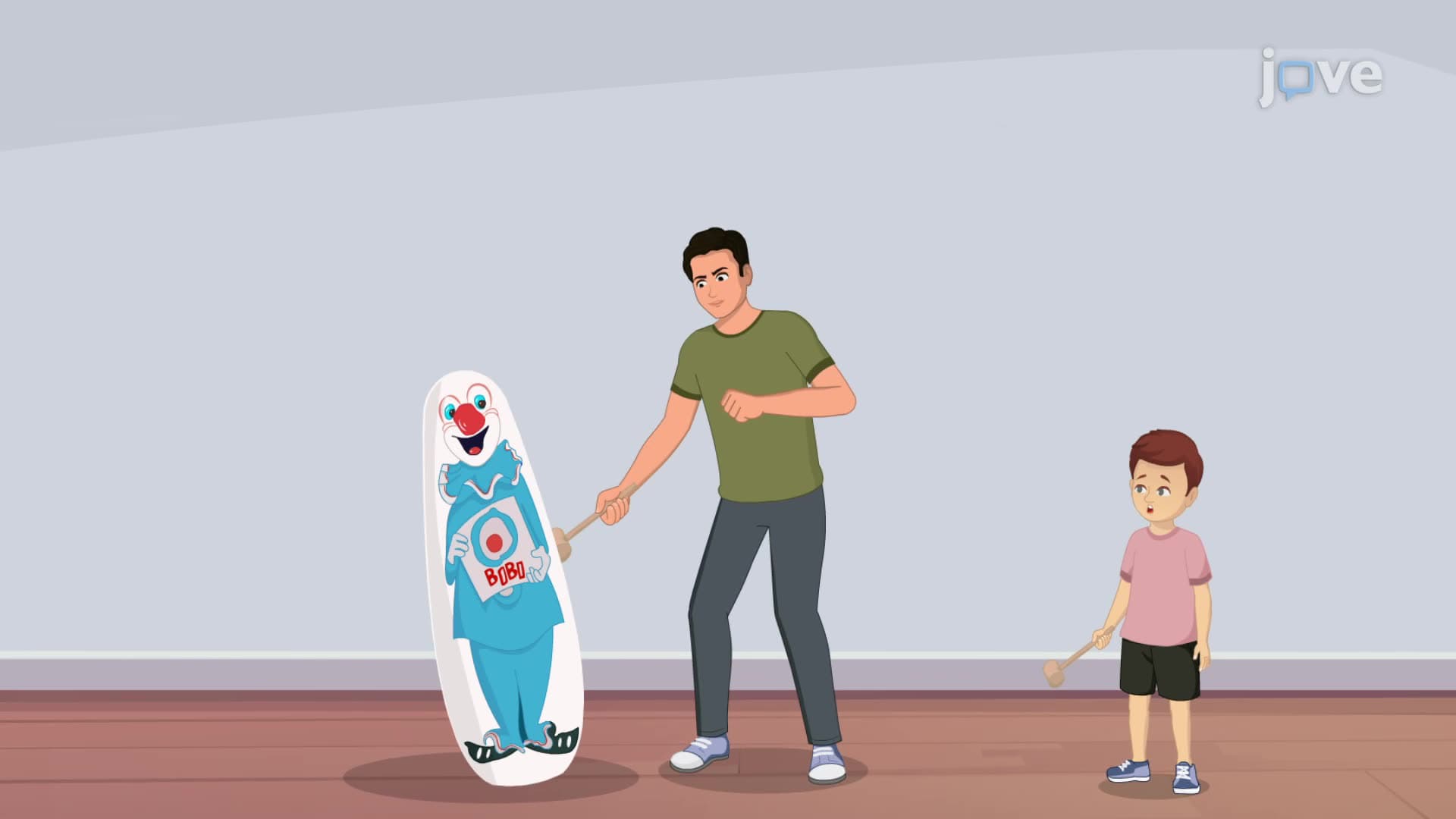
Physical punishment presents particularly concerning issues. The American Psychological Association's research indicates that corporal punishment can model aggressive problem-solving strategies. Children who experience spanking may subsequently use hitting to resolve conflicts with peers, demonstrating how punishment can inadvertently teach the very behaviors it aims to eliminate.
Effective Integration with Reinforcement Strategies
Understanding the role of shaping in detail reveals why combining mild punishment with positive reinforcement yields superior outcomes. The Colorado Department of Education's positive behavioral intervention programs demonstrate this approach: students might lose points for inappropriate behavior while simultaneously earning recognition for positive choices. This dual strategy addresses unwanted behaviors while actively building desired skills.
AP Psychology and college-level behavioral psychology courses emphasize that effective behavior modification requires careful consideration of timing, consistency, and individual differences. Students preparing for the MCAT will encounter questions about operant conditioning principles, making thorough understanding of punishment mechanisms essential for medical school admission success.
Frequently Asked Questions
Punishment is a consequence that decreases the likelihood of a behavior recurring by either adding something unpleasant (positive punishment) or removing something pleasant (negative punishment). Unlike reinforcement, punishment specifically aims to weaken behaviors rather than strengthen them. It works through operant conditioning principles, where organisms learn to associate certain actions with negative outcomes.
AP Psychology frequently tests punishment through multiple-choice scenarios asking students to identify positive vs. negative punishment examples. College exams often include essay questions comparing punishment effectiveness with reinforcement strategies. The MCAT may present punishment concepts within behavioral science passages, requiring analysis of learning theories in clinical contexts.
This distinction commonly appears on AP Psychology, MCAT, and college midterms because students frequently confuse these concepts. Negative reinforcement strengthens behavior by removing unpleasant stimuli (like buckling seatbelt to stop annoying beeping), while negative punishment weakens behavior by removing pleasant stimuli (like losing phone privileges). Remember: reinforcement always strengthens, punishment always weakens.
US schools typically employ negative punishment through loss of privileges, detention, or removal from preferred activities, following guidelines from state education departments. Therapeutic settings might use response cost systems where clients lose tokens or points for inappropriate behaviors. Modern approaches emphasize combining mild punishment with strong positive reinforcement programs for optimal outcomes.
Most students master punishment concepts quickly because they relate to everyday experiences like losing privileges or receiving consequences. The main challenge involves distinguishing positive/negative punishment from positive/negative reinforcement. Using clear examples and focusing on whether consequences strengthen or weaken behaviors helps clarify these distinctions effectively.
Create a comparison chart listing positive punishment, negative punishment, positive reinforcement, and negative reinforcement with multiple examples for each. Practice with AP Psychology released questions focusing on operant conditioning scenarios. Use mnemonic devices like "punishment decreases, reinforcement increases" to remember the fundamental distinction during high-pressure testing situations.
Explore classical conditioning, particularly how punishment might create conditioned fear responses that interfere with learning. Study behavioral modification techniques used in educational settings, including token economies and applied behavior analysis. Understanding cognitive-behavioral approaches that combine behavioral principles with thought pattern modification provides valuable context for advanced psychology coursework.
Related Micro-courses