Loading subject page…

- Marketing
- Marketing Environment
- Marketing Environment
Micro-course: Marketing Environment
22,796 views
Learn key concepts and earn your certificate.










Marketing Environment

00:00
01:24
Video Summary: What Is Marketing Environment
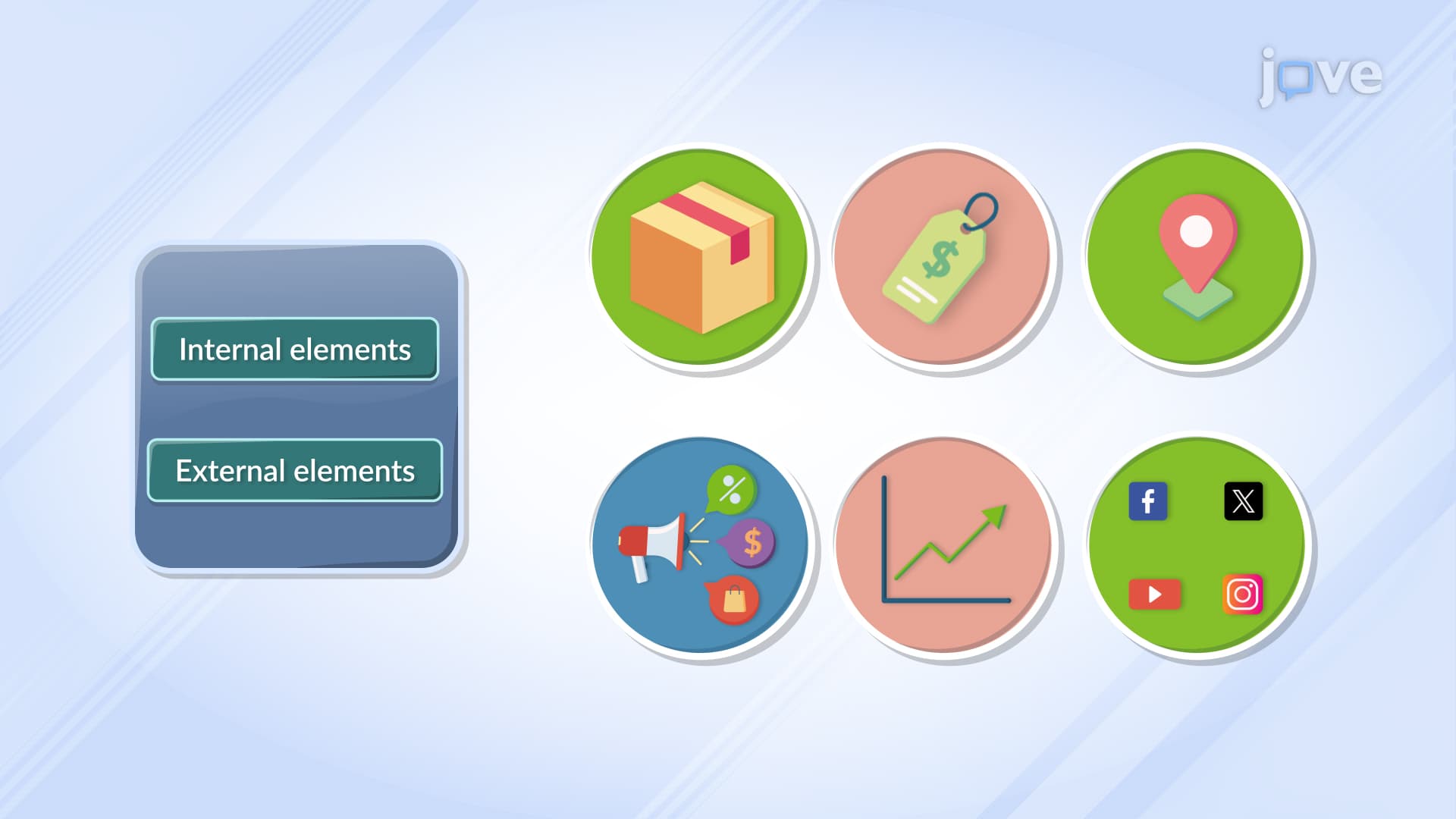
Strategic decisions at companies like Amazon require constant assessment of competitive pressures, regulatory shifts, and consumer behavior changes. The marketing environment encompasses all internal and external factors that influence an organization's marketing decisions and competitive positioning. Internal elements include brand equity, operational capabilities, and resource allocation, while external forces span from immediate competitors to broader economic trends. Understanding these interconnected dynamics enables leaders to anticipate market shifts and capitalize on emerging opportunities. Watch the full video on JoVE Coach to master this concept with expert-led visuals and step-by-step explanations.
- Evaluate internal marketing capabilities to identify competitive advantages and resource optimization opportunities
- Analyze micro-environment factors including customer segments, supplier relationships, and competitive positioning strategies
- Assess meso-environment influences such as industry regulations, distribution partnerships, and compliance requirements
- Implement macro-environment monitoring systems for economic, technological, and political trend analysis
- Apply environmental scanning techniques to anticipate market disruptions and strategic pivot points
- Leverage environmental insights for portfolio planning, market entry decisions, and resource allocation
- Identify external threats and opportunities that impact revenue forecasting and strategic planning
- Compare organizational strengths against environmental challenges to develop competitive response strategies
Understanding Marketing Environment in Strategic Context
When Starbucks expanded beyond coffee into retail partnerships with Target and grocery distribution, leadership needed comprehensive environmental analysis to navigate new competitive landscapes. The marketing environment represents the complete ecosystem of factors influencing marketing strategy effectiveness and organizational performance.
Internal Environment: Controllable Strategic Assets
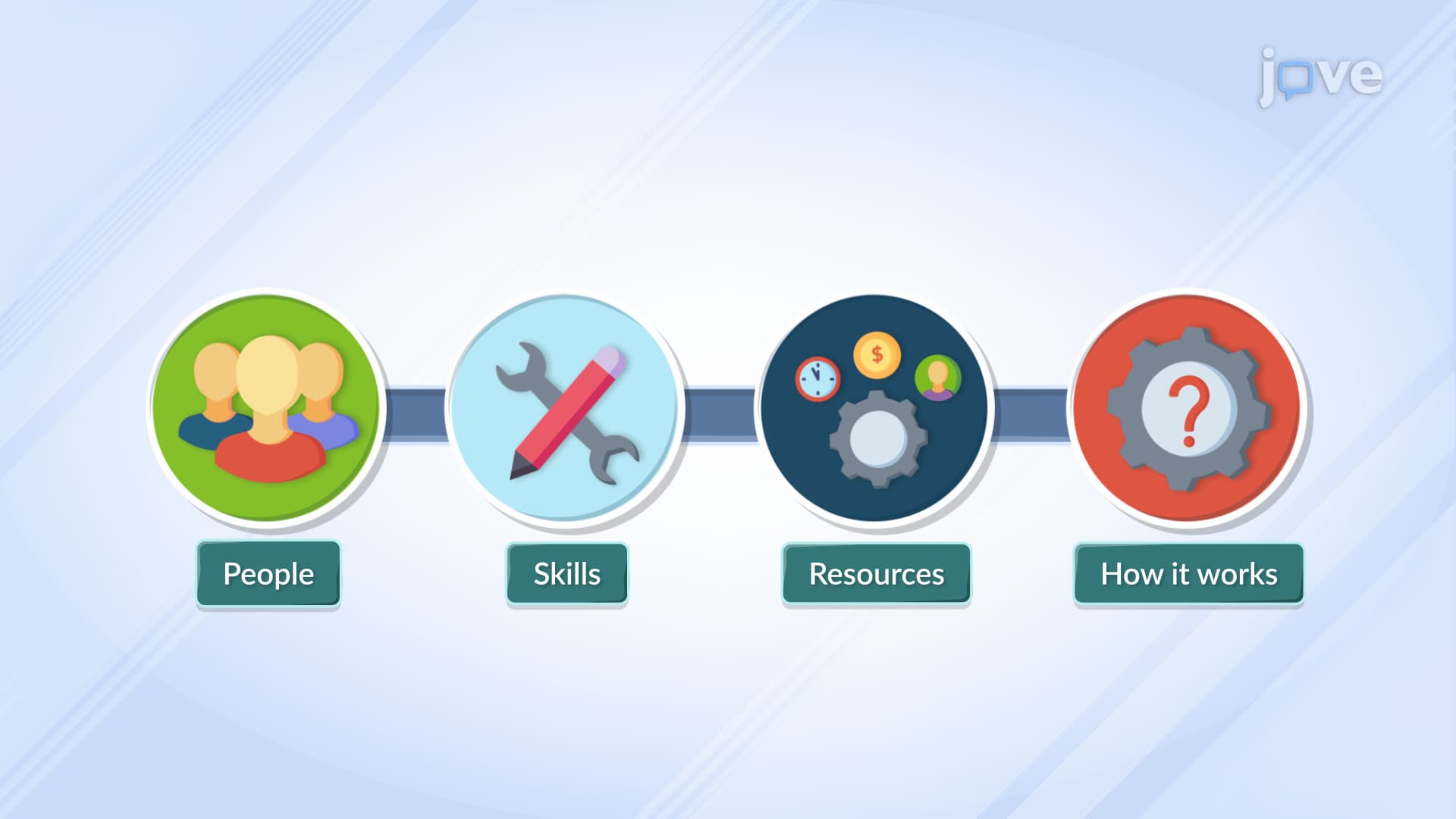
Internal marketing environment encompasses organizational capabilities directly under management control. For Apple, internal factors include brand positioning, product development capabilities, retail experience design, and marketing budget allocation. These elements reflect core competencies that drive competitive differentiation. Strategic leaders must regularly audit internal capabilities against market demands, identifying gaps that require investment or partnership solutions. Internal environment analysis informs resource allocation decisions, capability development priorities, and operational excellence initiatives.
External Environment: Market Forces and Competitive Dynamics
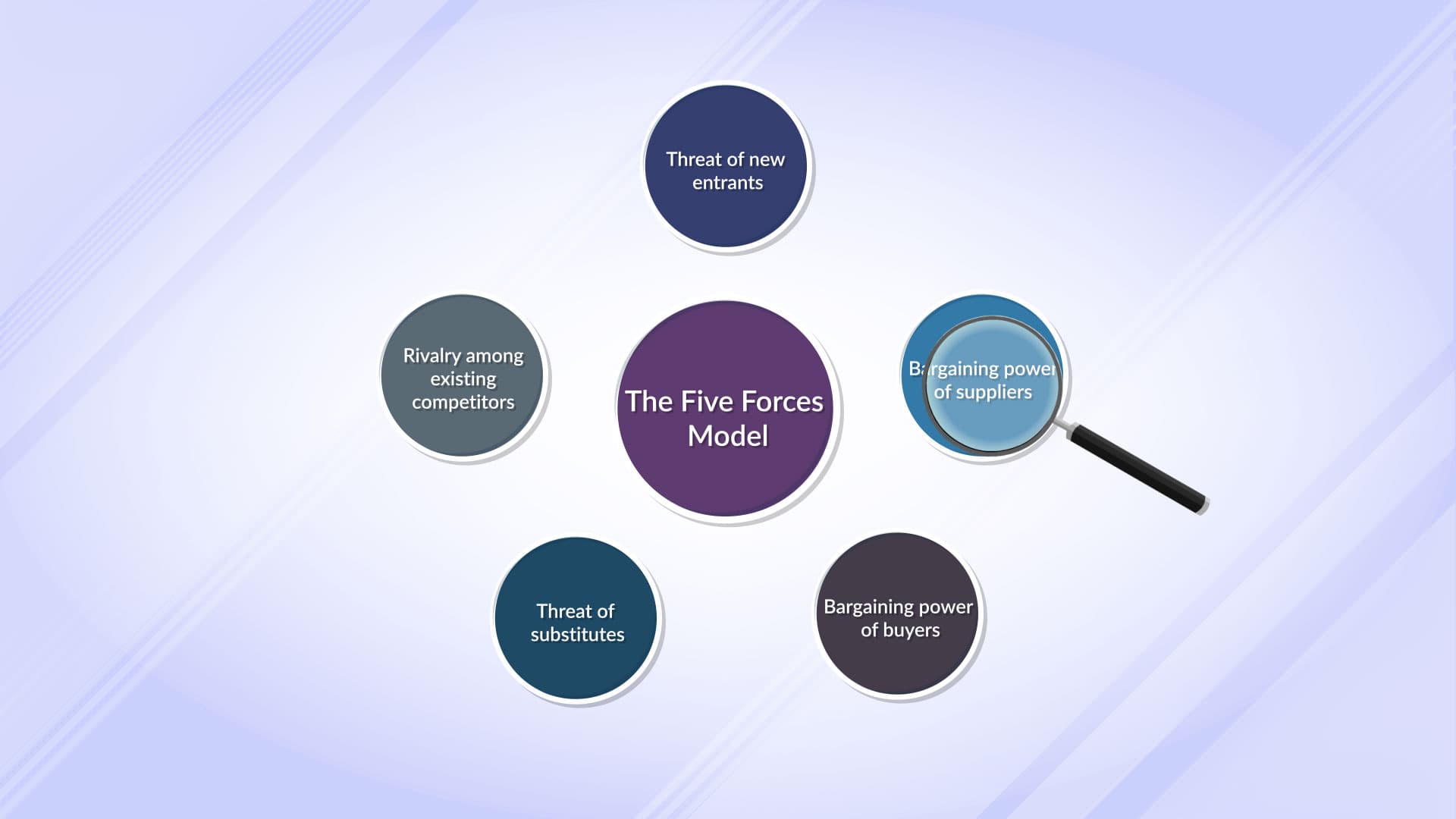
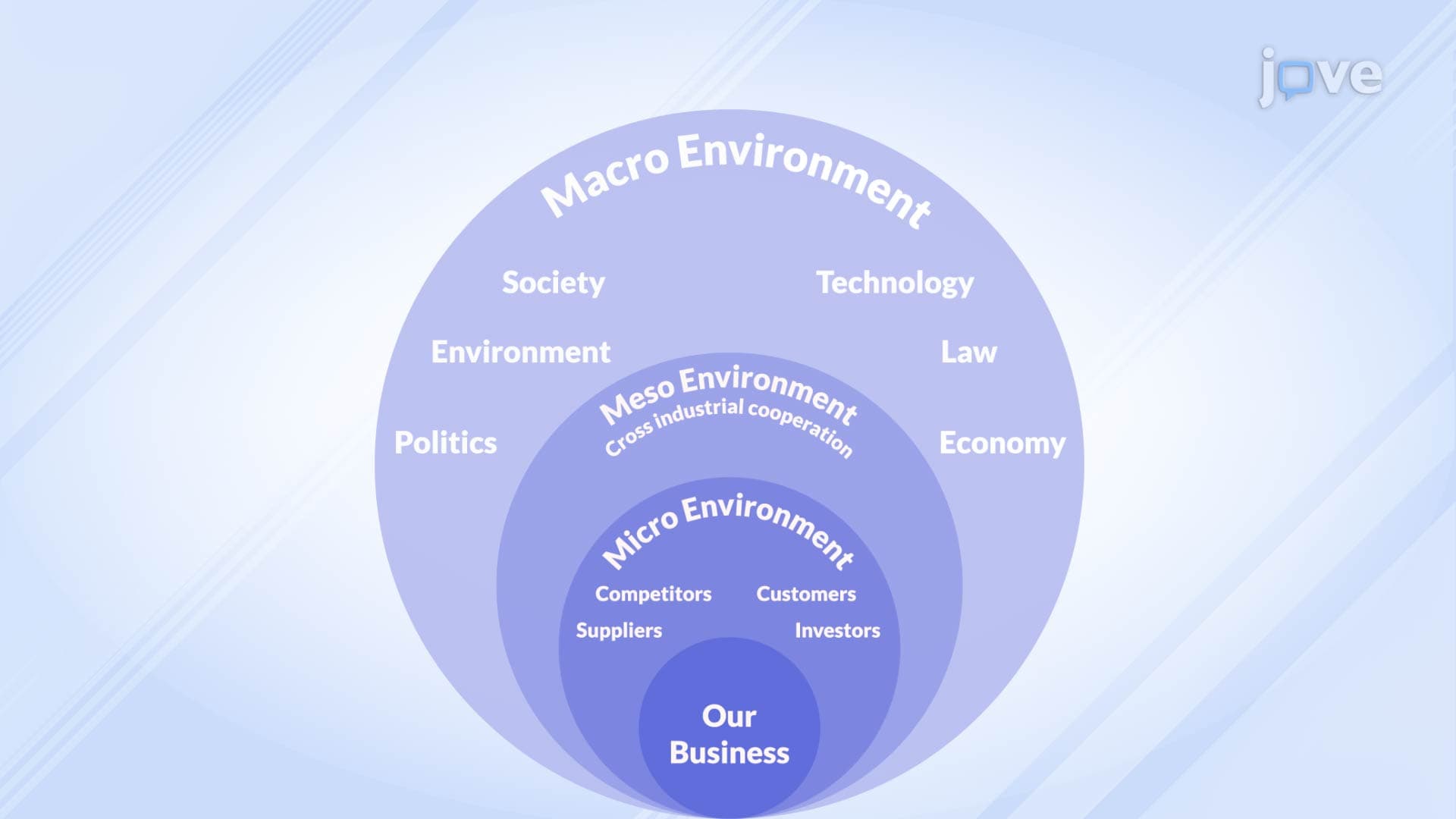
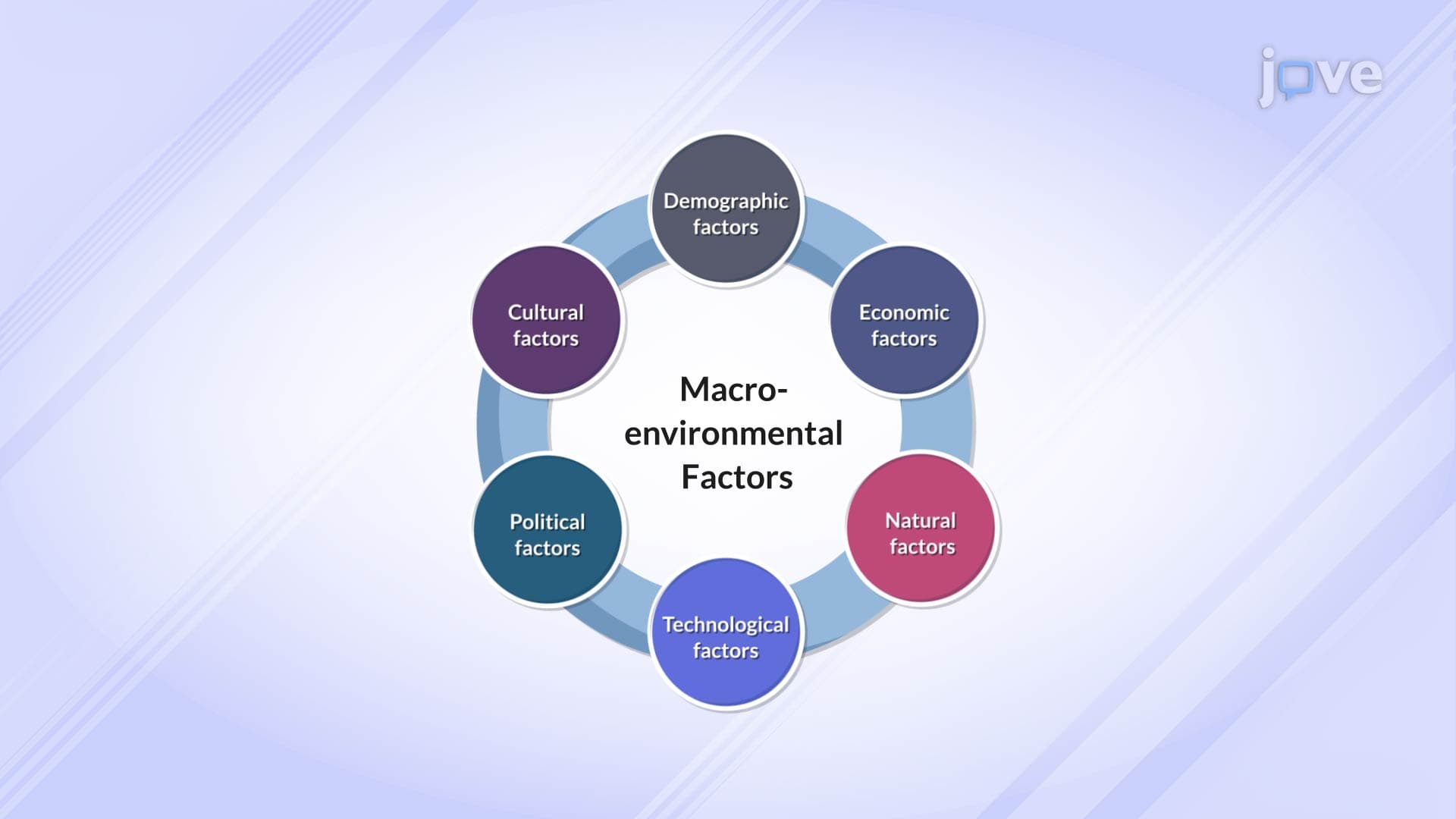
The external marketing environment operates across three interconnected levels requiring distinct analytical approaches. The micro-environment includes immediate stakeholders: customers, suppliers, distributors, and direct competitors. Netflix's content strategy decisions must account for competitor offerings, content creator relationships, and subscriber preference evolution. The meso-environment encompasses industry-specific factors like regulatory requirements, trade association standards, and distribution channel dynamics. Pharmaceutical companies like Pfizer navigate FDA approval processes, healthcare provider relationships, and insurance reimbursement policies. The macro-environment reflects broader societal forces: economic conditions, technological disruptions, cultural shifts, legal frameworks, and political developments affecting entire market categories.
Strategic Implementation and Competitive Response
Environmental analysis drives portfolio strategy, market timing decisions, and competitive positioning choices. When Tesla entered automotive markets, macro-environment factors including environmental regulations, battery technology advancement, and consumer sustainability preferences created favorable conditions. However, micro-environment challenges included established dealer networks, supplier capacity constraints, and manufacturing scale requirements. Successful organizations develop environmental monitoring systems that track leading indicators, scenario planning capabilities, and rapid response protocols for environmental shifts.
Proactive environmental management requires cross-functional collaboration between marketing, strategy, operations, and finance teams. Organizations that excel at environmental analysis gain first-mover advantages in emerging markets, avoid regulatory pitfalls, and optimize resource deployment against competitive threats and market opportunities.
Frequently Asked Questions
Marketing environment encompasses all internal capabilities and external forces that influence marketing effectiveness and competitive positioning. It matters because environmental factors determine market opportunity size, competitive intensity, regulatory constraints, and resource requirements for successful strategy execution.
Start with internal capability assessment focusing on competitive advantages, resource constraints, and operational strengths. Then analyze micro-environment factors including customer segments, competitor strategies, and supplier relationships. Finally, evaluate macro-environment trends affecting industry dynamics, regulatory landscape, and market growth potential.
Environmental analysis should inform market entry decisions, product launch timing, competitive response strategies, and resource allocation choices. Conduct comprehensive environmental reviews before strategic initiatives, quarterly business reviews, and annual planning cycles to identify emerging opportunities and threats.
Amazon continuously monitors customer behavior patterns, competitor pricing strategies, supplier capacity, and regulatory developments across multiple markets. This environmental intelligence enables rapid market entry decisions, dynamic pricing optimization, and proactive compliance management while anticipating competitive responses to strategic initiatives.
No specialized research background required, though analytical thinking and business acumen help. Marketing environment analysis builds on fundamental business strategy concepts and benefits from cross-functional collaboration with finance, operations, and strategy teams who bring complementary analytical perspectives.
Environmental analysis skills demonstrate strategic thinking capabilities valued in senior management roles. Professionals who effectively assess market dynamics, anticipate competitive threats, and identify growth opportunities typically advance faster into general management, strategy consulting, and executive positions requiring market intelligence competency.
Competitive analysis frameworks and market segmentation strategies build naturally on environmental analysis foundations. These concepts help translate environmental insights into actionable marketing strategies, target market selection, and competitive positioning decisions.
Related Micro-courses

24 Concepts
11 Concepts