Loading subject page…

- Marketing
- Marketing Environment
- Organizational Capacity
Micro-course: Marketing Environment
22,796 views
Learn key concepts and earn your certificate.










Organizational Capacity

00:00
01:25
Video Summary: What Is Organizational Capacity
In today's competitive landscape, the difference between market leaders and laggards often comes down to organizational capacity-the ability to effectively deploy resources to achieve strategic objectives. Companies like Amazon demonstrate exceptional organizational capacity through their logistics infrastructure, technology investments, and talent management systems that enable rapid scaling and market domination. Understanding organizational capacity helps business leaders identify performance gaps, optimize resource allocation, and build competitive advantages across leadership, finance, human resources, and operational capabilities. Watch the full video on JoVE Coach to master this concept with expert-led visuals and step-by-step explanations.
- Assess your organization's core capabilities across people, processes, technology, and financial resources to identify strategic strengths and improvement areas
- Evaluate competitive positioning by analyzing how organizational capacity enables or constrains market opportunities and business growth initiatives
- Apply systematic capacity assessment frameworks to make data-driven decisions about resource allocation, strategic planning, and operational improvements
- Implement capacity-building strategies that align with business objectives, from talent development to technology infrastructure investments
- Analyze how industry leaders leverage organizational capacity to create sustainable competitive advantages and drive market performance
- Leverage capacity insights to optimize team structures, budget planning, and strategic initiative prioritization in your current role
- Identify organizational bottlenecks and capacity gaps that may be limiting business performance or growth potential
Understanding Organizational Capacity in Business Strategy
When Netflix transformed from DVD-by-mail to streaming giant, their success hinged on organizational capacity-the strategic ability to mobilize resources, talent, and capabilities to achieve business objectives. For working professionals, understanding organizational capacity provides crucial insights into why some companies thrive while others struggle despite similar market conditions.
The Four Pillars of Organizational Capacity
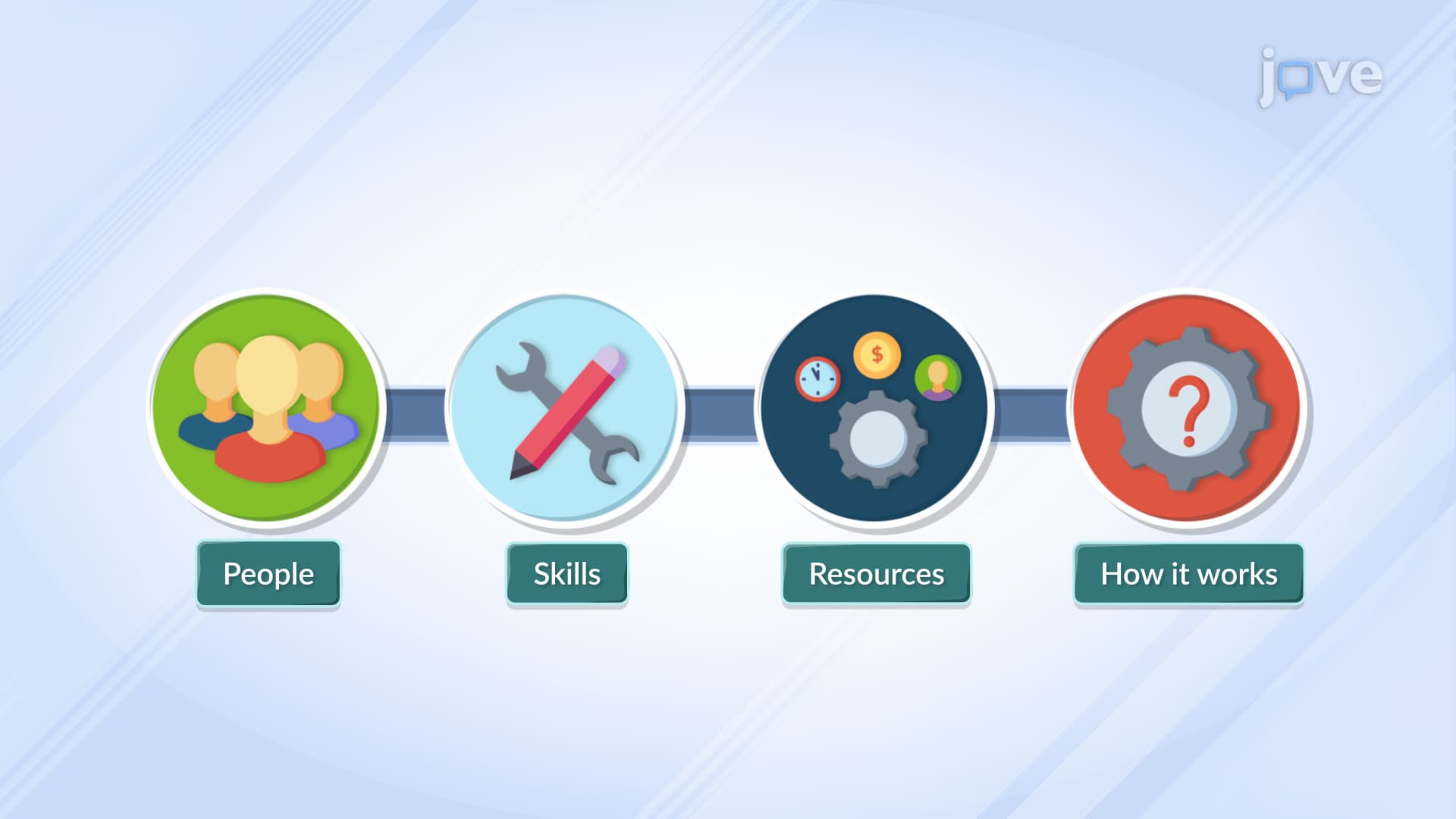
Organizational capacity operates across four interconnected dimensions that directly impact business performance. Human capital capacity encompasses leadership quality, employee skills, and cultural alignment-evident in companies like Southwest Airlines, where employee engagement drives customer satisfaction and operational efficiency. Financial capacity determines strategic flexibility and growth potential, as demonstrated by Apple's massive cash reserves enabling bold R&D investments and market expansion.
Operational capacity includes systems, processes, and infrastructure that enable efficient execution. Walmart's supply chain excellence exemplifies how operational capacity creates competitive moats. Finally, adaptive capacity reflects an organization's ability to evolve with market changes-a capability that allowed Microsoft to successfully transition from software licensing to cloud services under Satya Nadella's leadership.
Strategic Implications for Business Leaders
Organizational capacity directly influences strategic decision-making and competitive positioning. When evaluating merger and acquisition opportunities, executives assess target companies' capacity to integrate systems, retain talent, and maintain operational performance. Private equity firms specifically analyze capacity gaps to determine value creation potential and resource requirements.
For portfolio managers and business unit leaders, capacity assessment informs resource allocation decisions. Understanding capacity constraints helps prevent over-commitment and identifies areas requiring investment before pursuing growth initiatives. Companies with robust organizational capacity can scale operations, enter new markets, and weather economic downturns more effectively than those with capacity limitations.
Building and Measuring Organizational Capacity
Successful capacity building requires systematic assessment and targeted improvement initiatives. Leading organizations conduct annual capacity audits examining leadership pipeline strength, technology infrastructure adequacy, financial flexibility, and operational scalability. These assessments inform strategic planning, budget allocation, and talent development priorities.
The most effective capacity-building efforts align with business strategy and competitive requirements. Companies facing digital transformation invest heavily in technology infrastructure and digital skills development. Those pursuing geographic expansion focus on management systems and cultural adaptation capabilities.
Frequently Asked Questions
Organizational capacity is your company's ability to effectively use its people, money, systems, and processes to achieve business goals and compete successfully. It's essentially how well-equipped your organization is to execute strategy and deliver results. Think of it as the engine that powers business performance and growth.
Start by evaluating four key areas: talent capabilities and gaps, available financial resources, operational systems and processes, and your team's ability to adapt to change. Map these against your business objectives to identify where capacity constraints might limit performance. Use this analysis to prioritize investments and resource allocation decisions.
Organizational capacity should be central to strategic planning, especially when considering growth initiatives, market expansion, or competitive responses. Before committing to new strategies, ensure your organization has or can develop the necessary capacity to execute successfully. Capacity constraints often determine strategic feasibility more than market opportunity.
Amazon built exceptional organizational capacity through massive technology infrastructure investments, sophisticated logistics networks, and a culture of customer obsession and innovation. Their capacity for rapid scaling, data analytics, and operational excellence enabled expansion from books to cloud computing, advertising, and logistics services. This comprehensive capacity allows them to enter and often dominate new markets quickly.
No advanced degree is required-organizational capacity concepts are practical and observable in any business environment. Focus on understanding how resources, people, and processes work together to achieve results. Your experience managing teams, projects, or business operations provides valuable context for applying these concepts effectively.
Professionals who understand organizational capacity can contribute more strategically to business planning, identify improvement opportunities, and lead more effective teams. This knowledge positions you for roles involving strategic planning, operations management, business development, or consulting. It's particularly valuable for leadership positions requiring resource allocation and performance optimization decisions.
Consider exploring organizational change management, as it builds directly on capacity concepts by addressing how organizations develop and adapt their capabilities. Strategic planning frameworks and competitive analysis also complement organizational capacity knowledge, providing broader context for business strategy and execution.
Related Micro-courses

24 Concepts
11 Concepts