Loading subject page…

- Marketing
- Segmentation, Targeting, Positioning
- Segmenting Industrial Markets
Micro-course: Segmentation, Targeting, Positioning
17,192 views
Learn key concepts and earn your certificate.
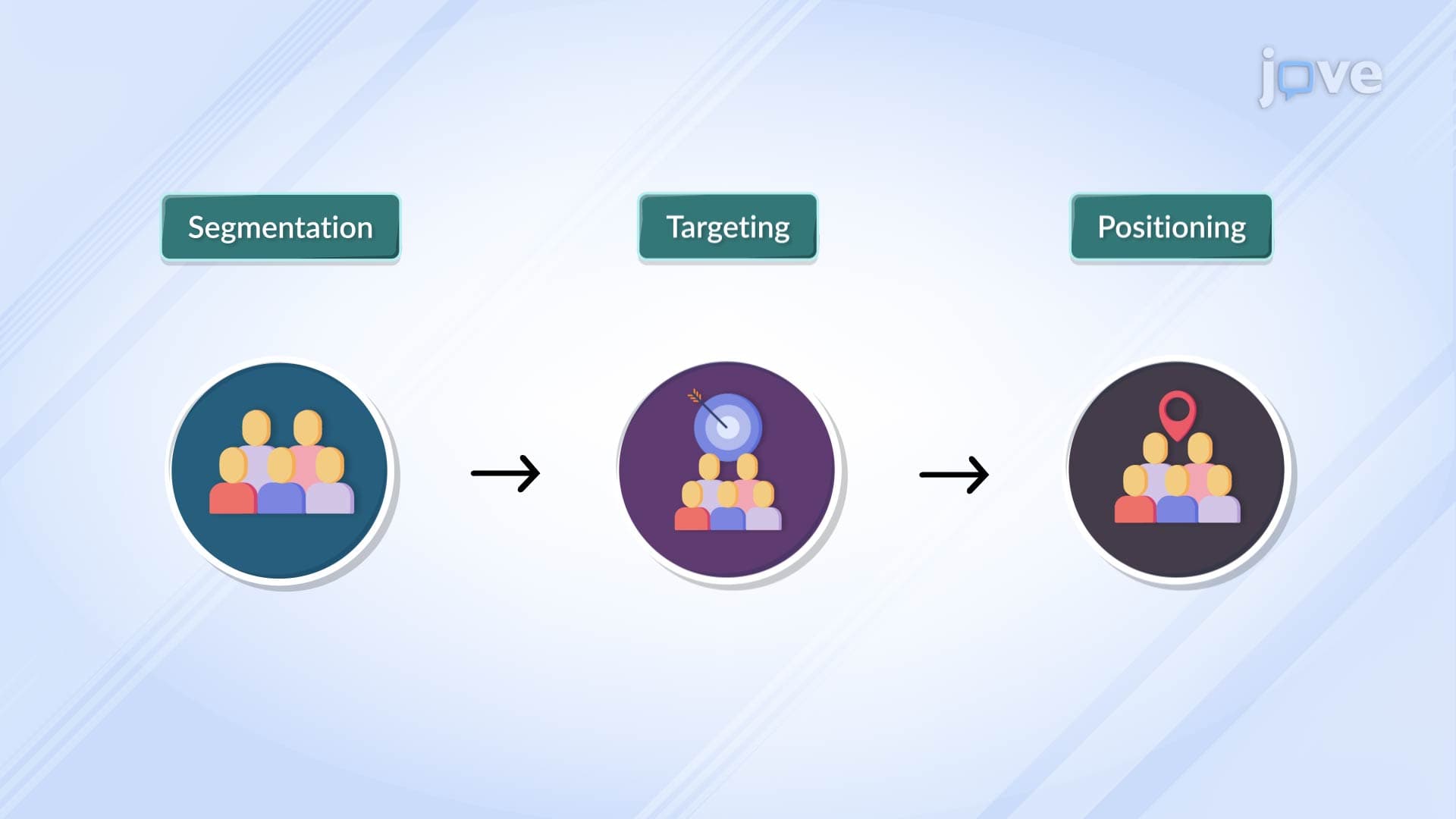

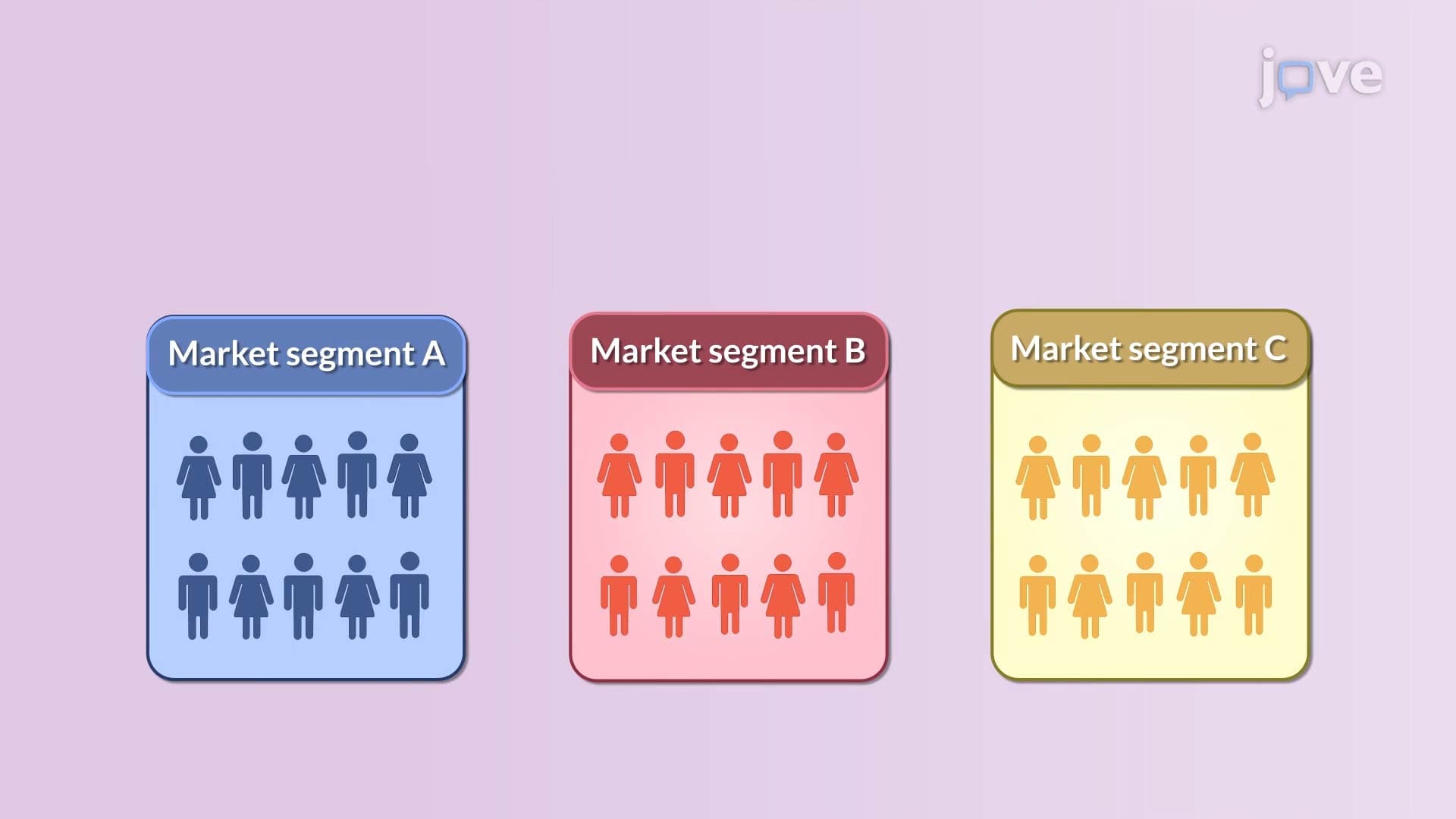


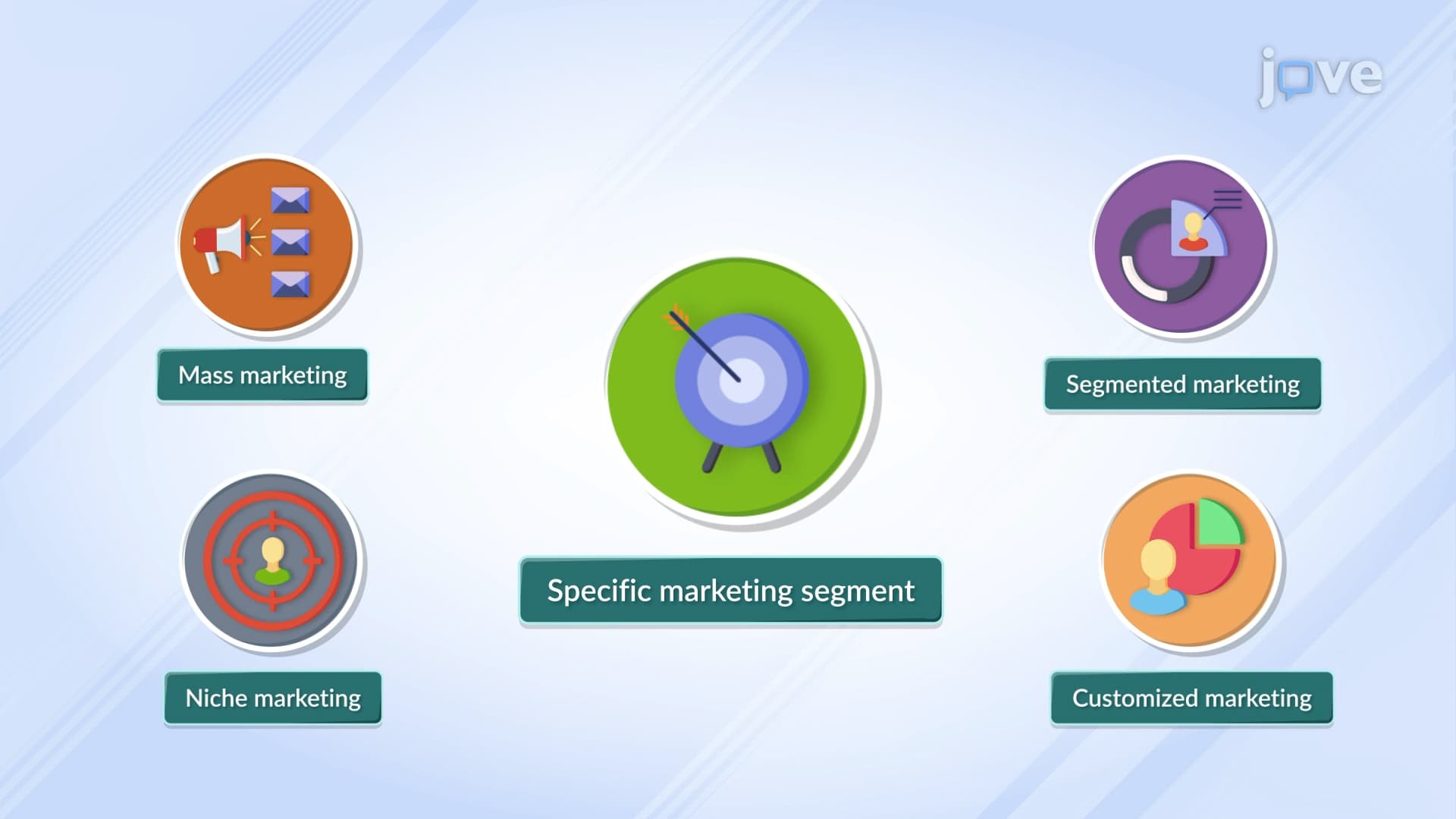


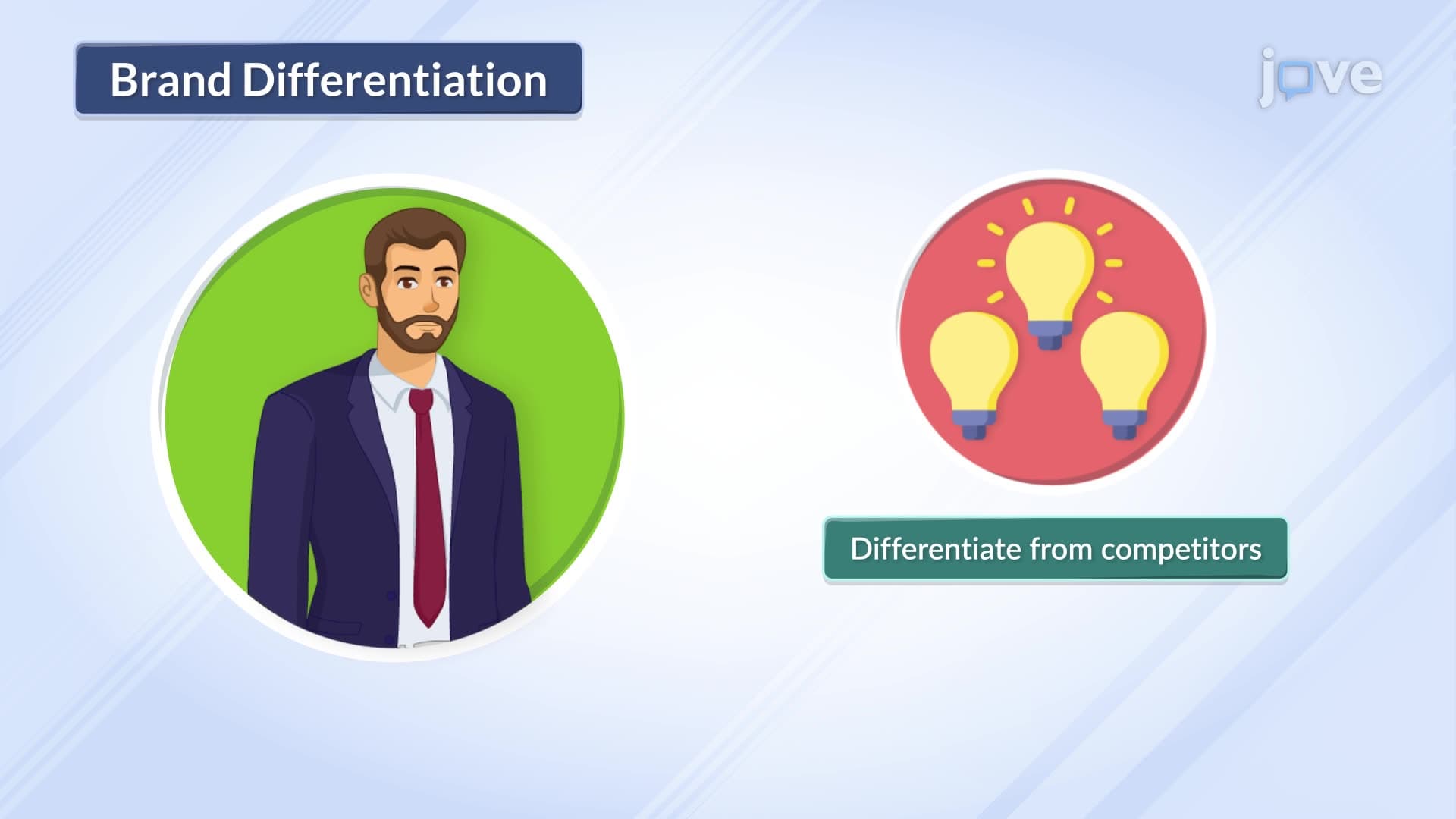
Segmenting Industrial Markets


00:00
01:25
Video Summary: What are Segmenting Industrial Markets
When General Electric sells jet engines to Boeing versus smaller regional aircraft manufacturers, they can't use the same sales approach-this illustrates why segmenting industrial markets matters for B2B success. Segmenting industrial markets involves dividing business customers into distinct groups based on demographics, operations, purchasing behavior, situational needs, and decision-maker characteristics. This nested approach helps companies like Caterpillar tailor their heavy machinery sales strategies to construction giants versus small contractors. Watch the full video on JoVE Coach to master this concept with expert-led visuals and step-by-step explanations.
- Apply the nested segmentation approach to identify high-value customer segments and optimize resource allocation across your B2B sales pipeline
- Evaluate demographic factors like industry type and company size to prioritize target accounts and customize value propositions for maximum conversion
- Analyze operating variables including technology adoption and production capacity to position products effectively against competitive alternatives
- Implement purchasing behavior analysis to streamline sales processes and align with customer decision-making structures
- Assess situational factors such as project urgency and market conditions to optimize timing and pricing strategies
- Leverage personal characteristics of procurement managers to build stronger relationships and influence buying decisions
- Identify cross-selling and upselling opportunities by understanding the complete customer profile across all segmentation dimensions
- Compare segmentation effectiveness across different industrial verticals to inform strategic market expansion decisions
Understanding Segmenting Industrial Markets in Practice
When Salesforce targets enterprise software sales, they don't approach a Fortune 500 financial services firm the same way they would a mid-market manufacturing company. This strategic differentiation exemplifies segmenting industrial markets-the systematic process of dividing business customers into meaningful groups to maximize sales effectiveness and market penetration.
The Five-Layer Nested Segmentation Framework
The most effective approach follows a nested methodology, starting broad and narrowing focus. Demographic segmentation forms the foundation, categorizing prospects by industry vertical, company size, and geographic concentration. For instance, John Deere segments agricultural equipment buyers differently than construction equipment purchasers, recognizing distinct seasonal patterns and operational requirements.
Operating variables add the next layer of precision. Technology infrastructure, production capacity, and automation levels reveal purchasing priorities and budget constraints. A highly automated Toyota manufacturing plant has different procurement needs than a smaller automotive supplier still relying on manual processes.
Purchasing approach characteristics examine the decision-making structure itself. Is procurement centralized at headquarters or distributed across regional offices? IBM's enterprise sales teams map these organizational dynamics to identify key influencers and streamline the sales cycle.
Situational and Personal Factors Drive Final Targeting
Situational factors consider timing and context. Is this purchase driven by an urgent production deadline or routine equipment replacement? Understanding these dynamics helps companies like Cisco position networking solutions as either critical infrastructure investments or operational improvements.
Personal characteristics of procurement managers complete the picture. Individual preferences, risk tolerance, and vendor relationships influence final decisions. Smart B2B companies build detailed profiles of key decision-makers to personalize outreach and build trust.
This comprehensive segmentation approach enables precise market targeting, improves sales conversion rates, and optimizes marketing spend allocation across industrial customer segments.
Frequently Asked Questions
Segmenting industrial markets is the process of dividing business customers into distinct groups based on demographics, operations, purchasing behavior, and decision-maker characteristics. This approach increases sales effectiveness by 20-30% according to McKinsey research, enabling companies to tailor value propositions and optimize resource allocation.
Start with demographic analysis to prioritize high-value industry verticals and company sizes within your addressable market. Then layer in operational factors like technology adoption to refine targeting. Use this segmentation to allocate sales territories, customize marketing campaigns, and set realistic pipeline goals.
Most teams focus too heavily on demographic factors without considering purchasing behavior and situational context. Successful presentations demonstrate how segmentation directly impacts revenue growth and sales efficiency. Include specific examples of how different segments require distinct approaches to win deals.
Microsoft segments their Azure cloud services differently for financial services versus healthcare organizations. Banks prioritize security and compliance features, while hospitals focus on integration capabilities and data analytics. This segmentation drives distinct product positioning, pricing models, and sales processes for each vertical.
No specialized research background is required. Start with your existing customer data and sales team insights to identify patterns in company characteristics, buying behavior, and deal outcomes. Most CRM systems contain sufficient data to begin effective segmentation immediately.
Segmentation skills demonstrate strategic thinking and data-driven decision-making capabilities valued in senior marketing and sales roles. Professionals who can identify and target high-value customer segments often advance to director-level positions and command 15-25% higher compensation.
Customer lifetime value (CLV) analysis naturally extends segmentation insights by quantifying the long-term revenue potential of different segments. This combination enables sophisticated portfolio management and investment decisions across your customer base.
Track conversion rates, average deal size, and sales cycle length across different segments. Successful segmentation typically shows 20-40% variation in these metrics between segments, validating your approach and identifying optimization opportunities.
Related Micro-courses