Loading subject page…
- Math Fundamentals
- Foundations of Mathematics
- Inequalities
Micro-course: Foundations of Mathematics
1,065 views
Learn key concepts and earn your certificate.







Inequalities

00:00
01:28
Video Summary: What are Inequalities
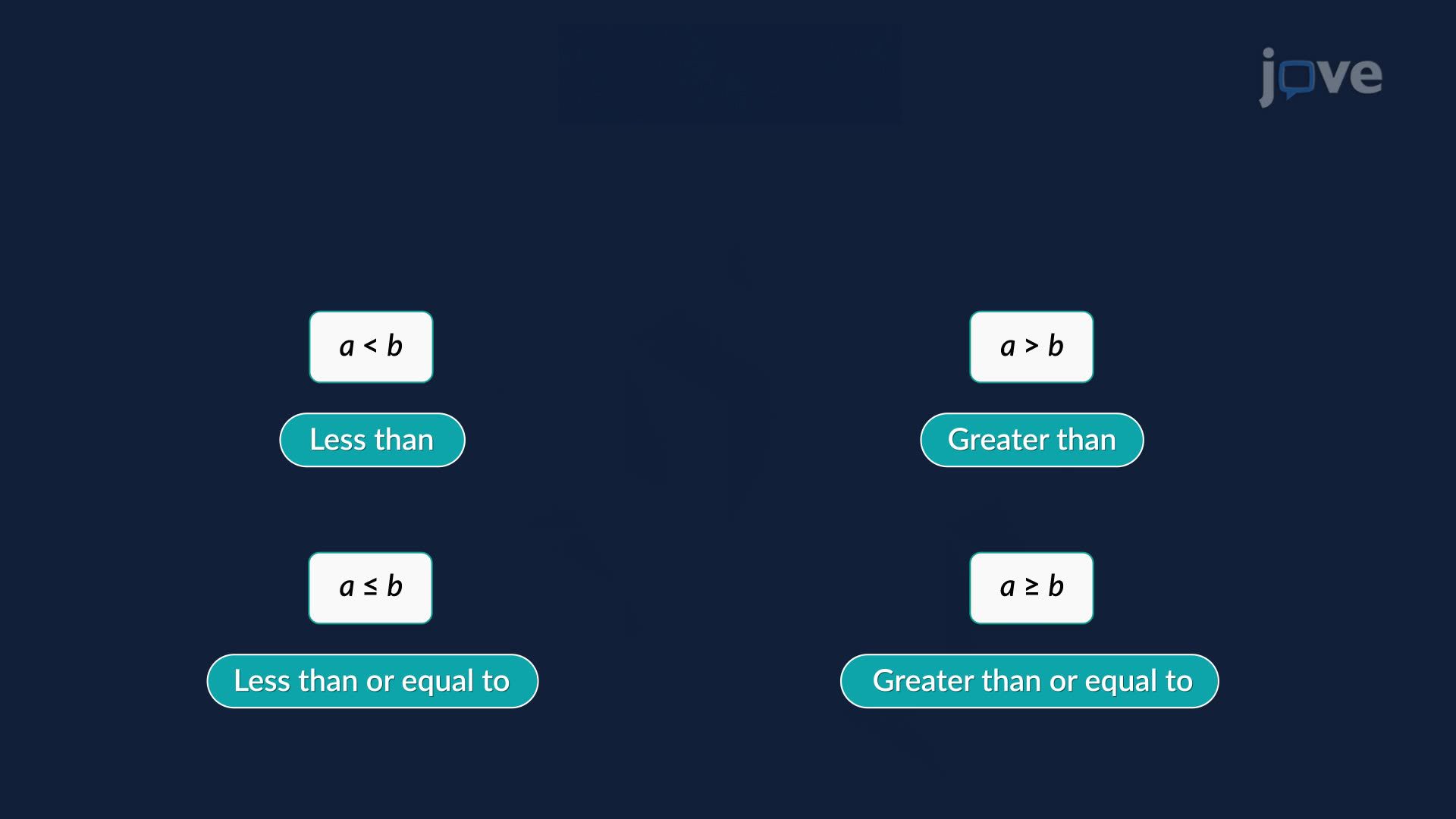
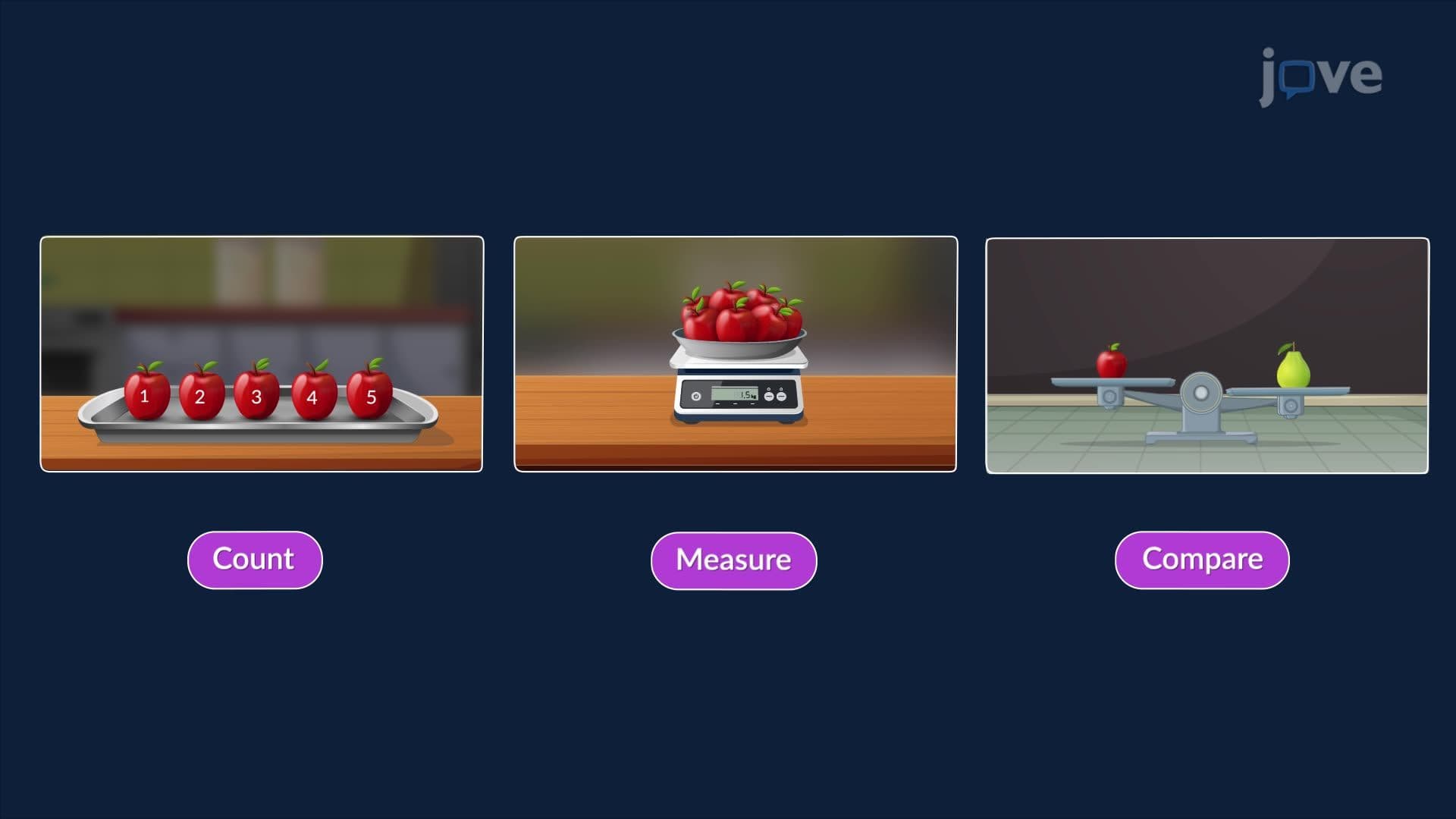
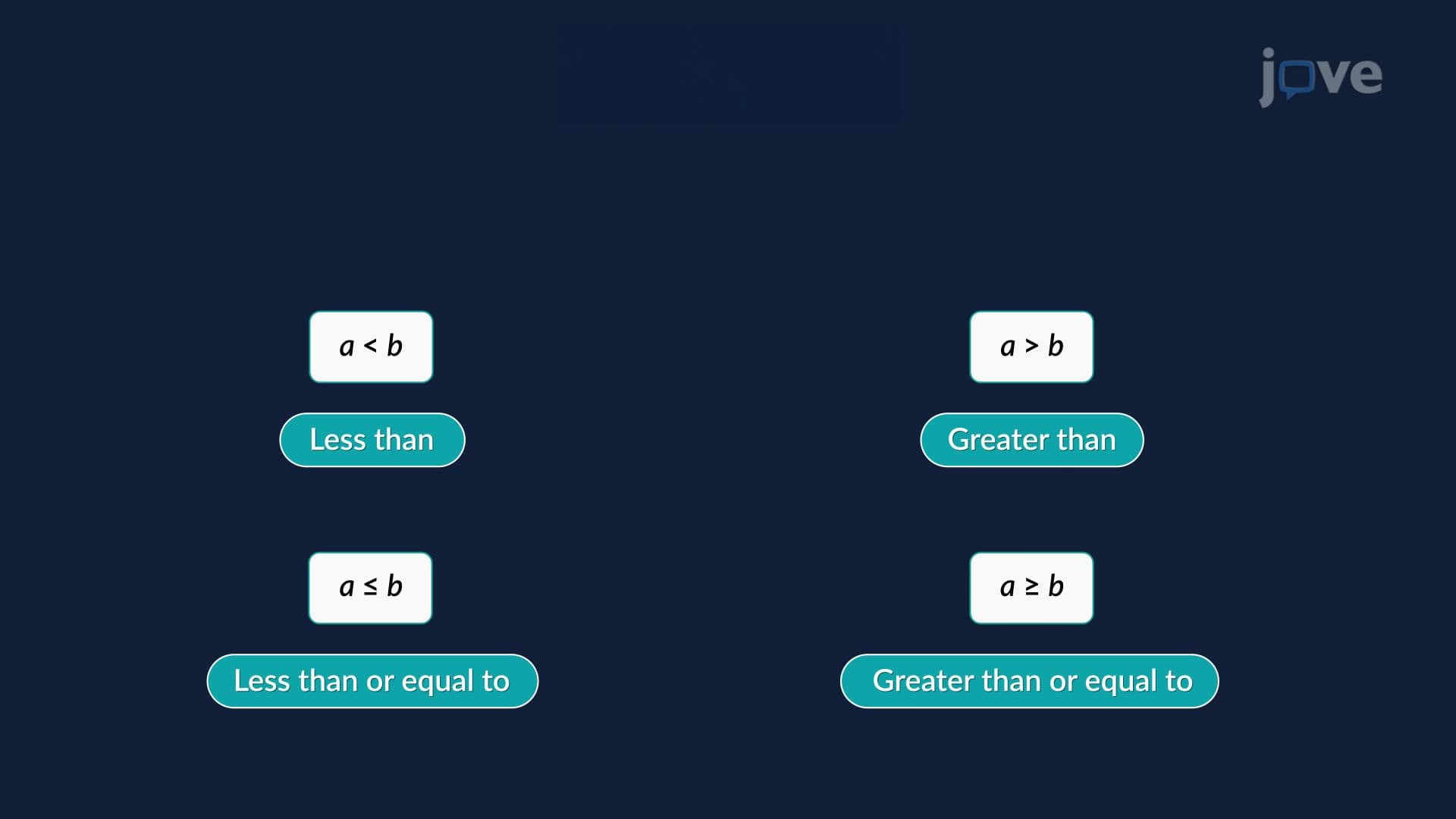
Ever wonder why roller coasters have height restrictions? Inequalities are mathematical statements that compare two values, determining which is larger, smaller, or if they're equal within certain bounds. From Disney World's "You must be this tall to ride" signs requiring guests to be over 48 inches, to college admission GPA thresholds, inequalities govern countless real-world decisions. These mathematical relationships use symbols like <, >, ≤, and ≥ to express ranges of acceptable values, making them essential tools for problem-solving in algebra and beyond. Watch the full video on JoVE Coach to master this concept with expert-led visuals and step-by-step explanations.
- Understand what are inequalities and how they differ from equations in mathematical problem-solving
- Identify the four main inequality symbols (<, >, ≤, ≥) and their corresponding meanings in mathematical expressions
- Analyze interval notation to represent solution sets using brackets and parentheses correctly
- Compare the properties of inequalities, especially how operations affect the direction of inequality signs
- Apply inequality rules when multiplying or dividing by negative numbers to avoid common algebraic errors
- Recognize real-world applications of inequalities in contexts like test scores, manufacturing tolerances, and admission requirements
- Evaluate compound inequalities and their corresponding interval notation representations
- Explore how inequalities connect to graphing on number lines and coordinate planes
Understanding What Are Inequalities in Mathematics
Inequalities form the backbone of comparative mathematics, extending beyond simple equality to express relationships between values that may not be exactly equal. Unlike equations that show exact equality, inequalities reveal ranges of solutions, making them incredibly powerful for modeling real-world scenarios where flexibility and thresholds matter.
Types of Inequalities and Their Symbols
The four fundamental types of inequalities include strict inequalities (< and >) and non-strict inequalities (≤ and ≥). Strict inequalities exclude the boundary value-for example, x > 5 means x can be 5.1 or 6, but never exactly 5. Non-strict inequalities include the boundary, so x ≤ 8 allows x to equal 8. This distinction proves crucial in standardized tests like the SAT Math section, where students must carefully interpret whether boundary conditions are included in solution sets.
Interval Notation and Solution Sets
Interval notation provides a concise mathematical language for expressing inequality solutions. Square brackets [a, b] indicate closed intervals where endpoints are included, while parentheses (a, b) represent open intervals excluding endpoints. For instance, the inequality 2 ≤ x < 7 translates to interval notation [2, 7), combining both closed and open notation. This skill appears frequently on AP Calculus exams and college algebra assessments, where precise notation can determine correct answers.
Properties and Operations with Inequalities
The most critical property distinguishing inequalities from equations involves sign reversal when multiplying or dividing by negative numbers. While adding 3 to both sides of x > 5 maintains the inequality direction (x + 3 > 8), multiplying both sides by -2 reverses it (-2x < -10). This property catches many students off-guard during high-stakes testing. Similarly, when taking reciprocals of positive values in inequalities, the direction reverses: if 0 < a < b, then 1/a > 1/b.
American students encounter inequalities throughout their academic journey-from basic algebra in 9th grade through advanced calculus. Understanding these concepts thoroughly provides essential preparation for college entrance exams and establishes mathematical reasoning skills applicable across STEM disciplines.
Frequently Asked Questions
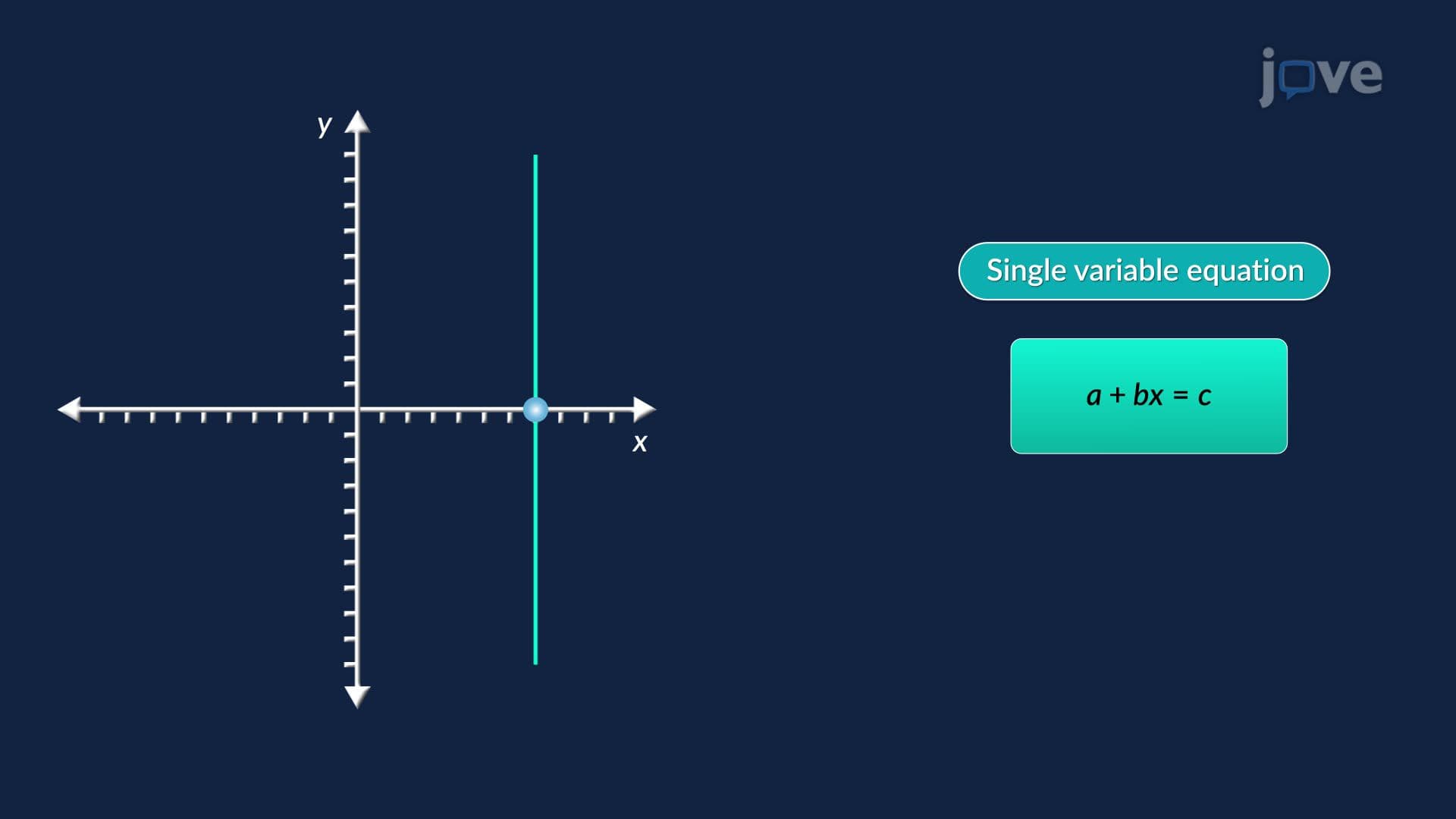
Equations show exact equality between two expressions, while inequalities compare expressions to show which is larger, smaller, or within certain bounds. Equations typically have specific solutions (like x = 3), whereas inequalities usually have ranges of solutions (like x > 3). This makes inequalities perfect for modeling real-world scenarios with flexible boundaries, such as budget constraints or performance thresholds.
SAT Math frequently tests inequality concepts through word problems, graphing questions, and algebraic manipulation. You'll encounter questions involving compound inequalities, absolute value inequalities, and systems of inequalities. The test emphasizes understanding when to reverse inequality signs and interpreting solutions in context. Practice with College Board's official SAT practice problems helps build familiarity with these question formats.
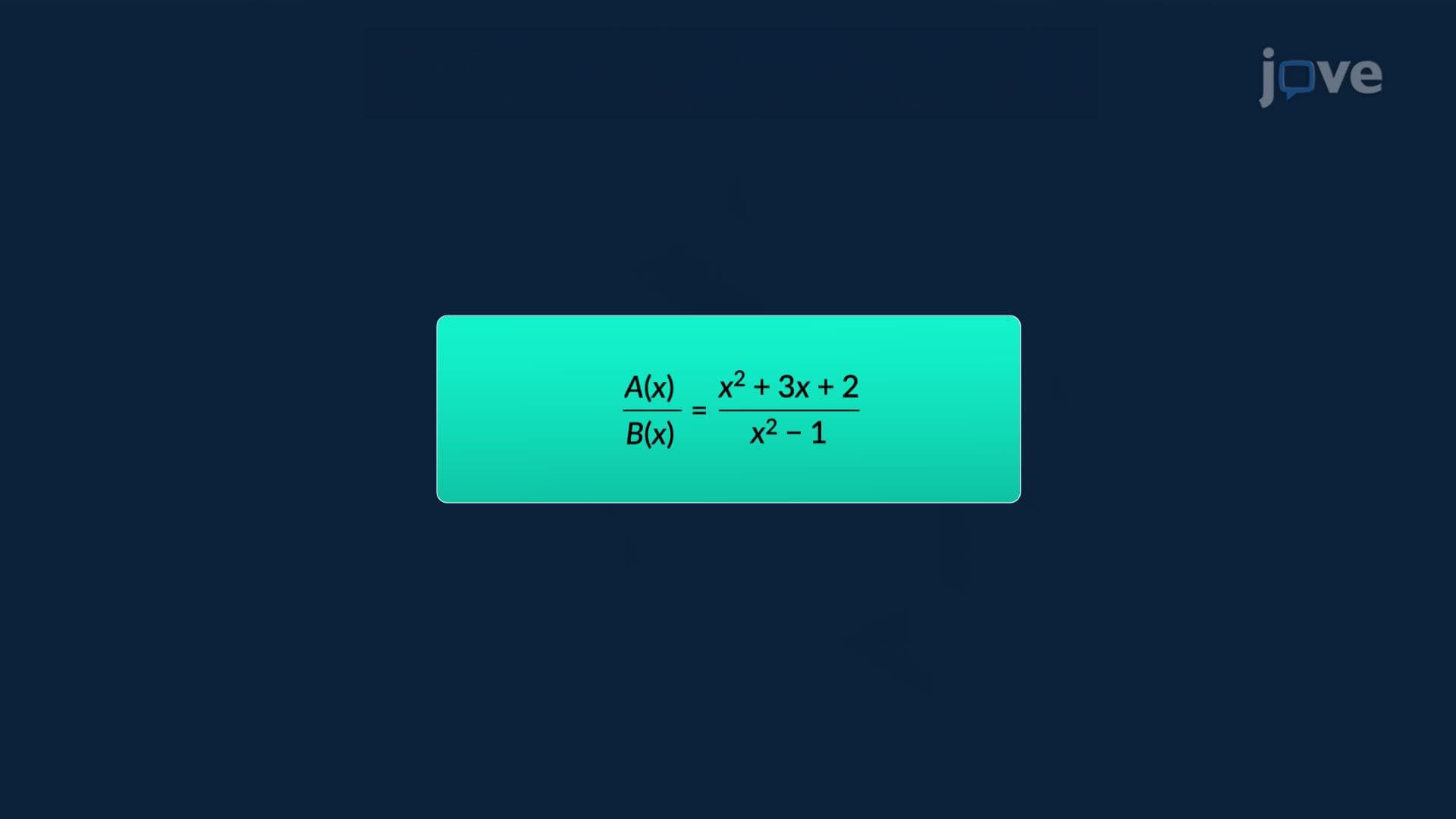
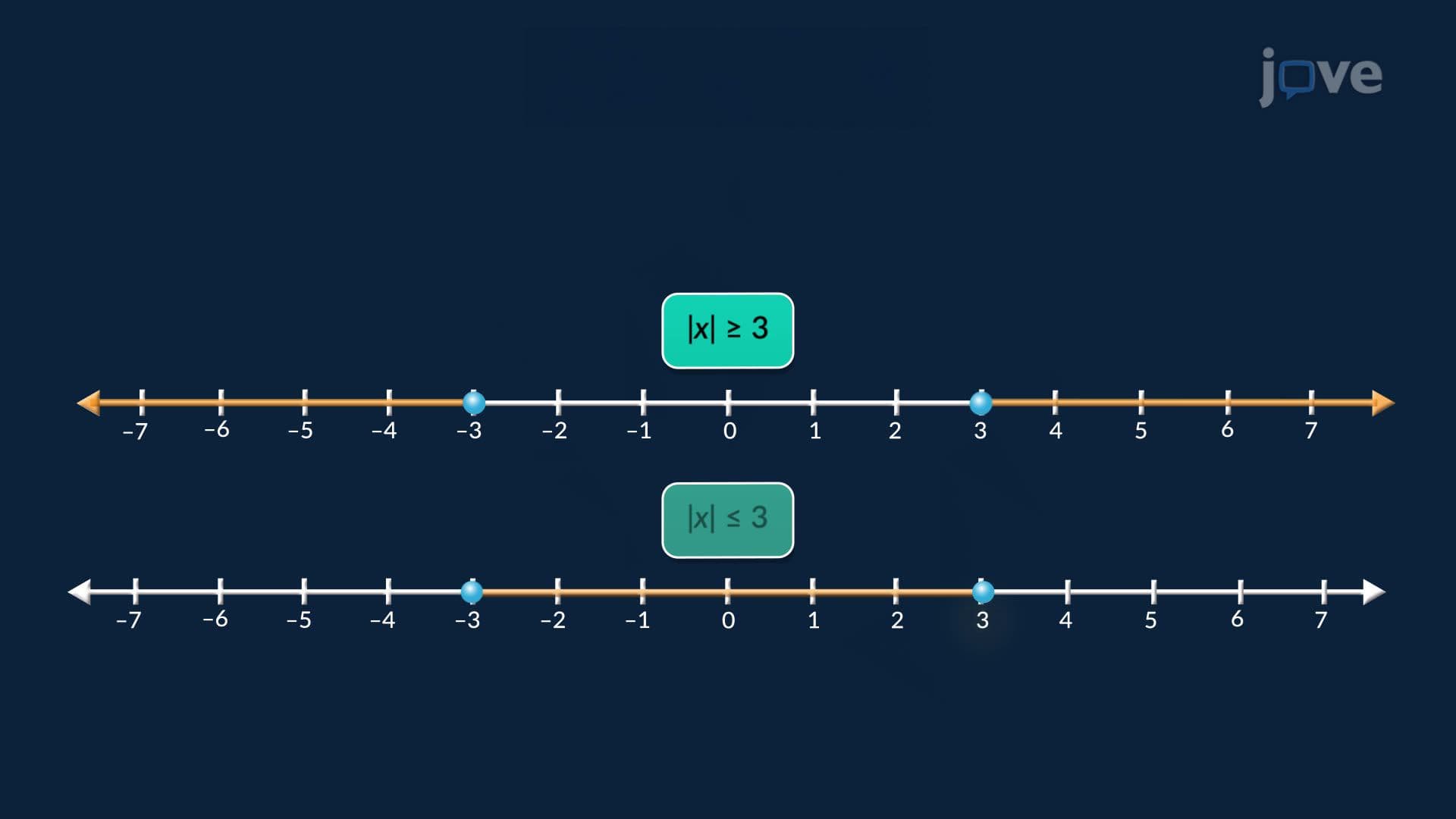
AP Calculus builds on four main inequality types: linear inequalities (ax + b > c), quadratic inequalities involving parabolas, rational inequalities with asymptotes, and absolute value inequalities. You'll also work with inequalities in optimization problems and when analyzing function behavior. The AP exam expects fluency with interval notation and graphical interpretation of inequality solutions.
Engineers use inequalities for safety margins in bridge design, ensuring structures can handle loads greater than expected maximums. Financial analysts apply inequalities when setting investment risk parameters, requiring returns above certain thresholds. Quality control managers in manufacturing use inequalities to define acceptable product specifications, rejecting items outside tolerance ranges. These applications demonstrate why inequality concepts matter beyond classroom learning.
Basic inequality concepts only require arithmetic and introductory algebra skills typically taught in middle school. You need to understand negative numbers, fractions, and simple algebraic operations. The key challenge isn't mathematical complexity but remembering when to reverse inequality signs. With practice, most students master these concepts within a few weeks of focused study.
Create a mental checklist: whenever you multiply or divide both sides by a negative number, immediately reverse the inequality sign. Practice this rule repeatedly until it becomes automatic. During exams, circle or highlight negative coefficients to remind yourself to check the inequality direction. Many students find success by verifying their final answer with a test value to ensure the inequality makes logical sense.
Build upon inequalities by exploring systems of inequalities, which appear in linear programming and optimization problems. Advanced topics include polynomial inequalities, rational inequalities, and inequality applications in calculus like analyzing function domains and ranges. These concepts prepare you for higher-level mathematics courses and standardized tests requiring sophisticated mathematical reasoning skills.
Related Micro-courses
8 Concepts

14 Concepts
10 Concepts