Loading…
Loading video…

25,808 views
Ever wonder how engineers calculate the exact forces needed to balance a massive suspension bridge like San Francisco's Golden Gate Bridge? The simplification force and couple system i concept reveals how complex force networks can be reduced to a single equivalent force. By understanding how resultant forces and couple moments interact through perpendicular relationships, engineers can determine precise loading conditions for structural design. Watch the full video on JoVE Coach to master this concept with expert-led visuals and step-by-step explanations.
Simplification Force And Couple System I represents a cornerstone principle in statics and mechanics, enabling engineers to transform complex force arrangements into manageable single-force equivalents. This concept proves essential for structural analysis, where multiple loads acting on buildings, bridges, and mechanical systems must be simplified for practical calculation and design purposes.
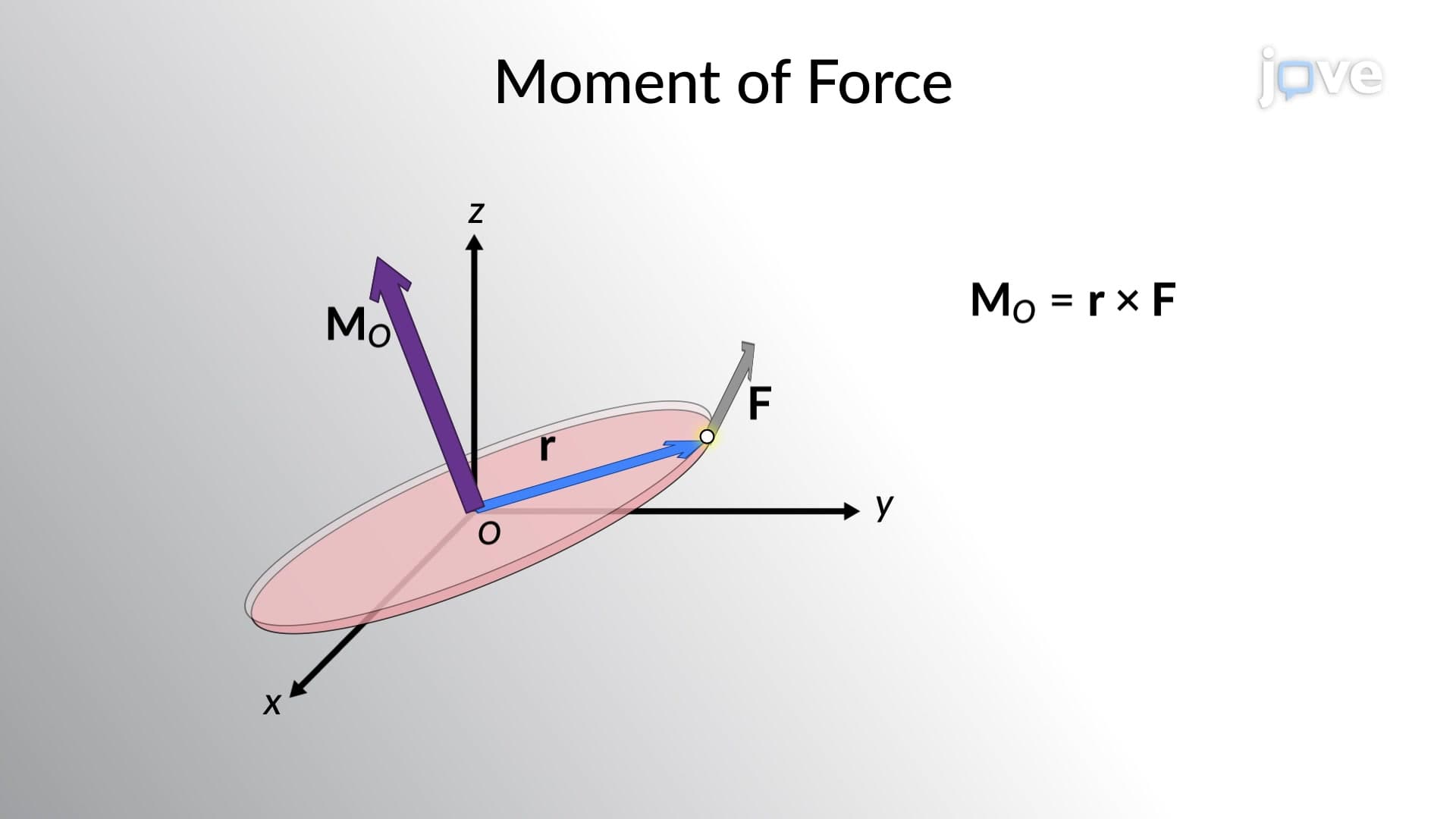
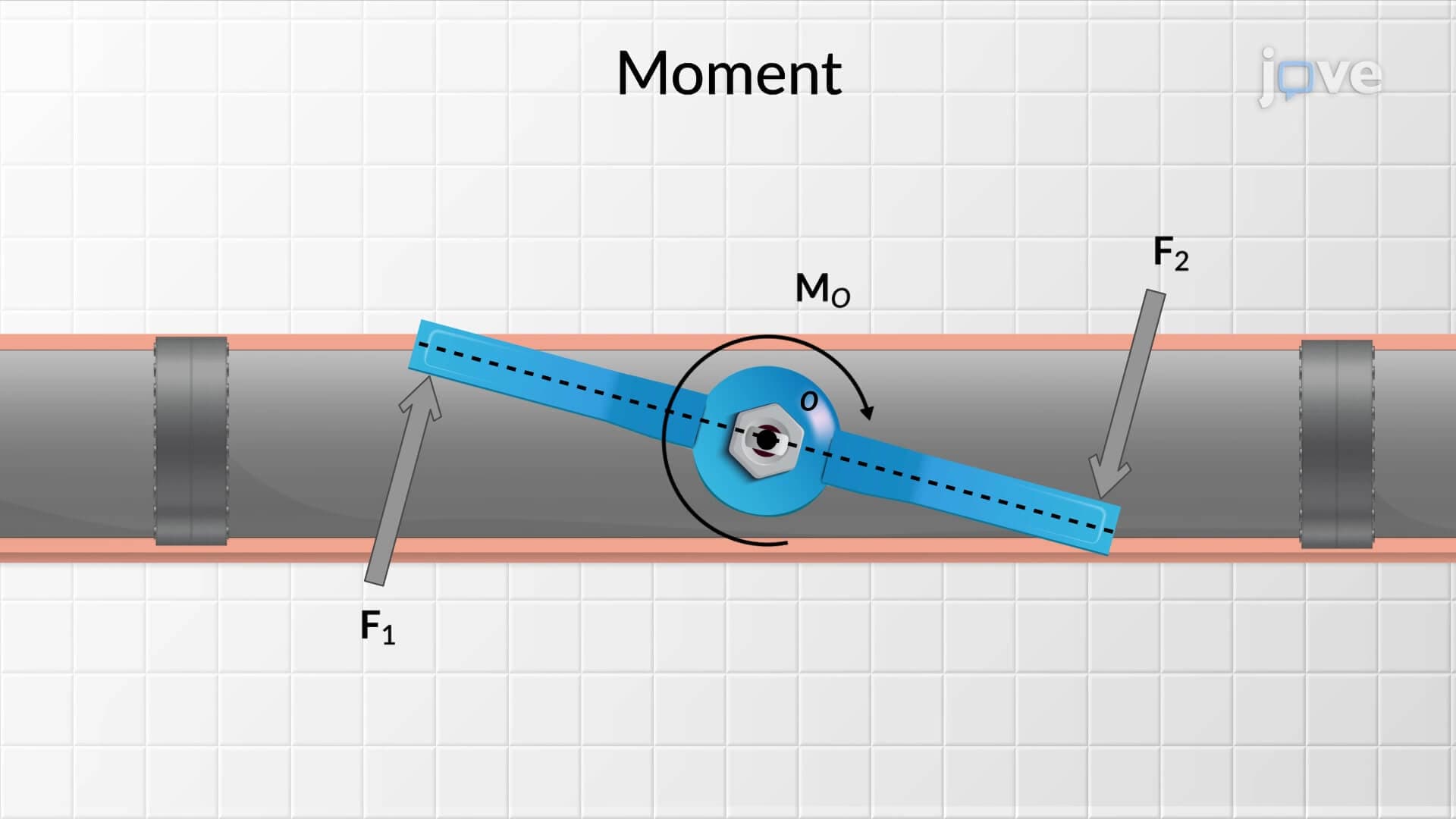
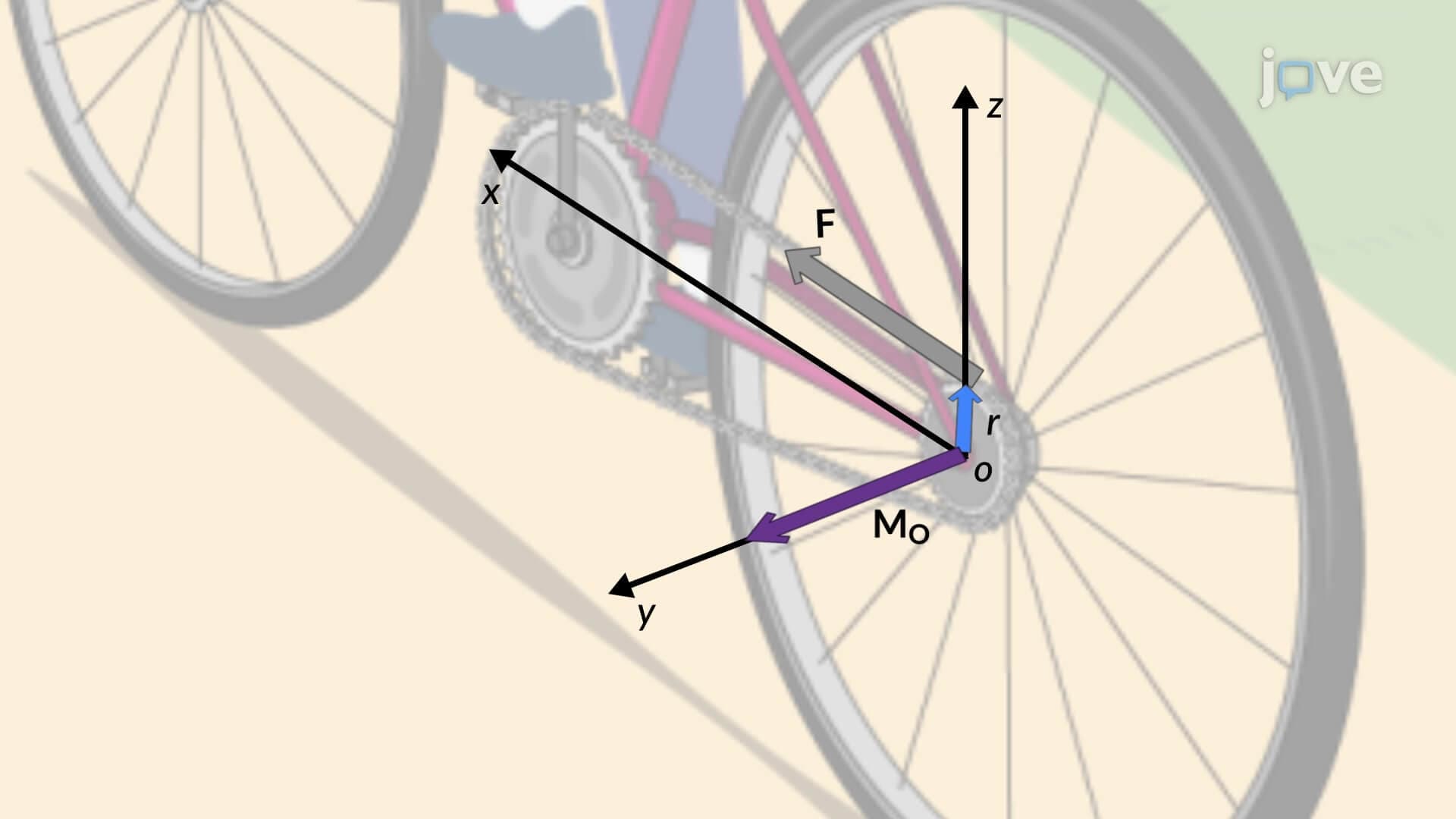
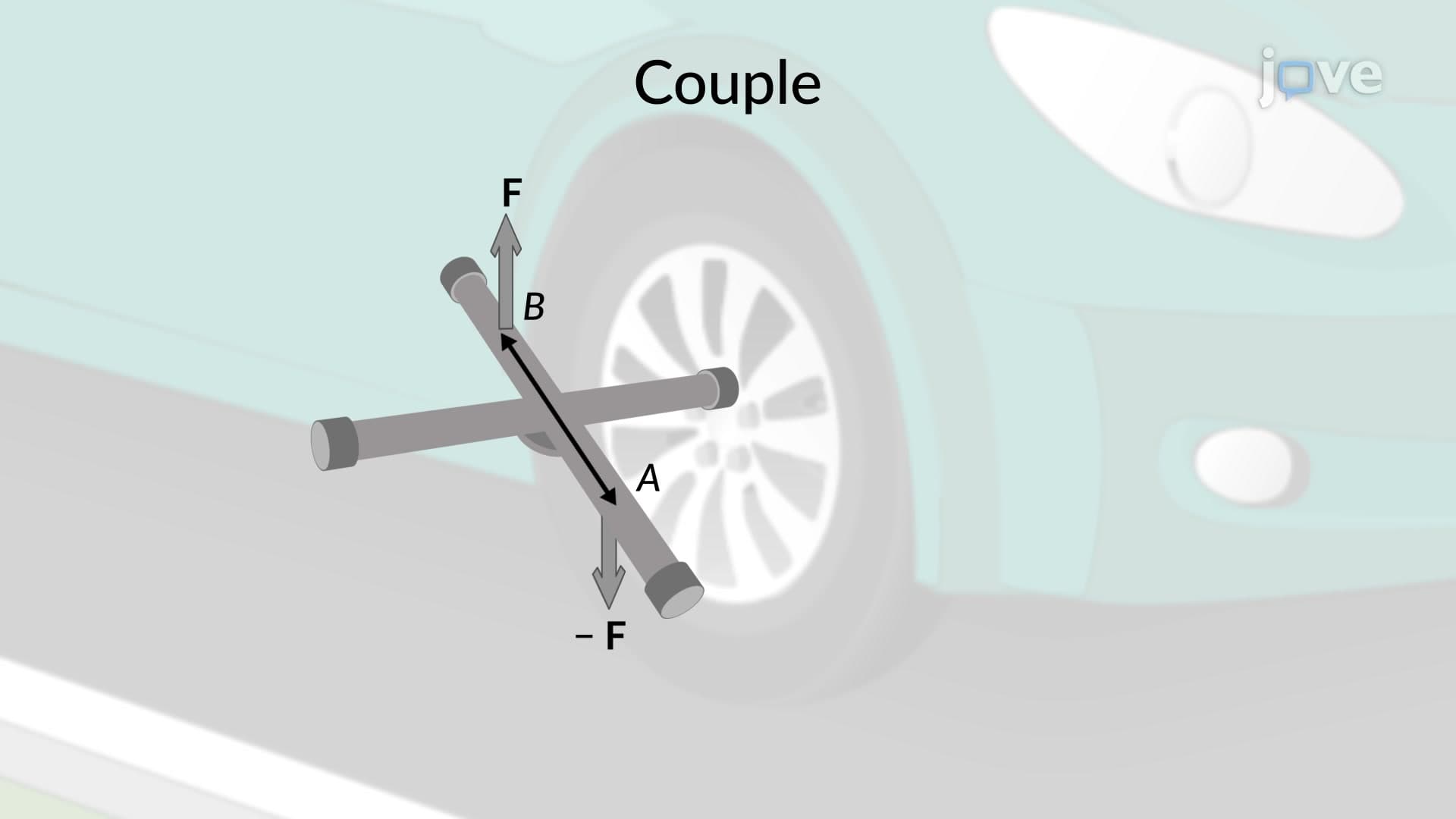
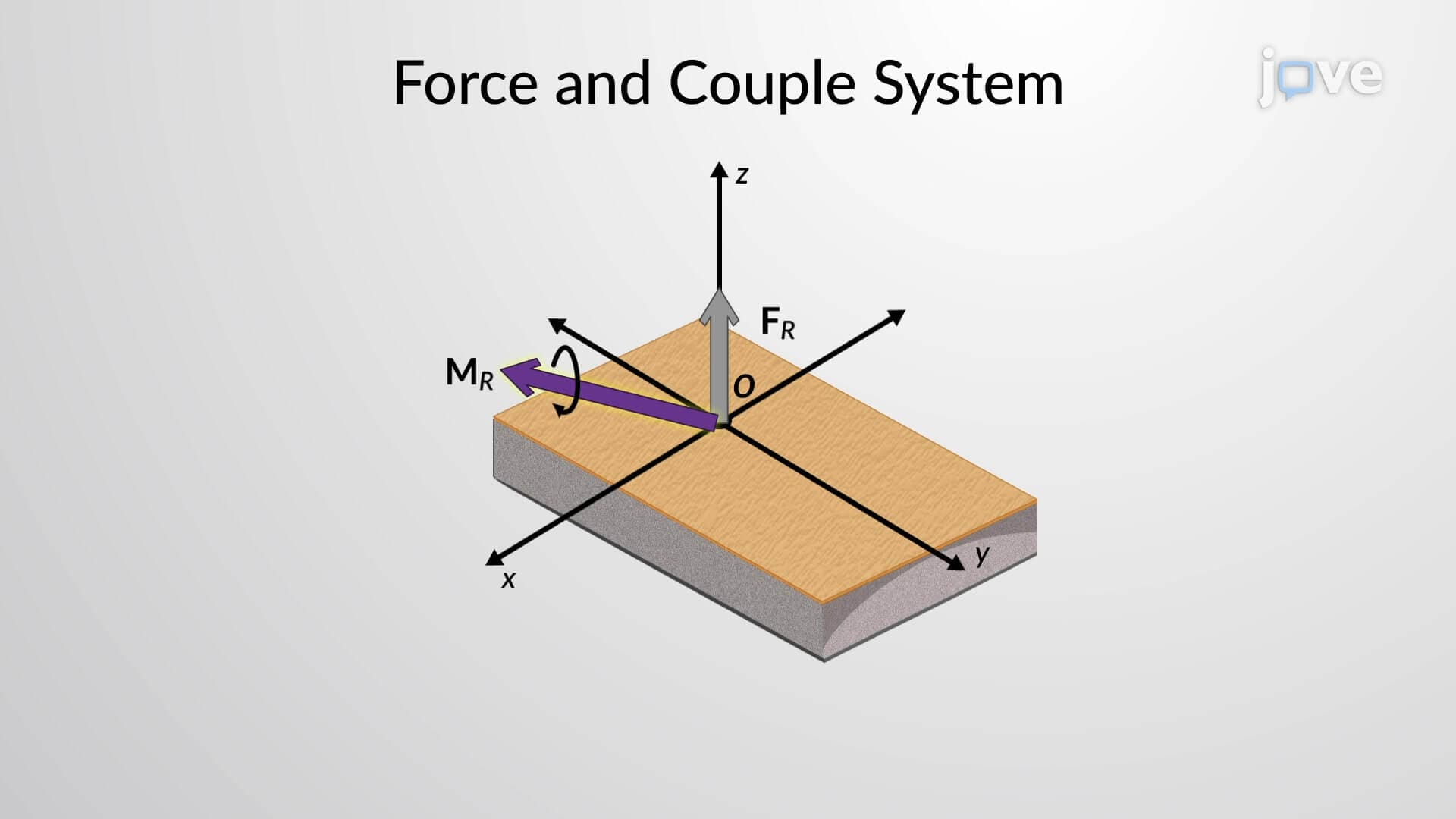
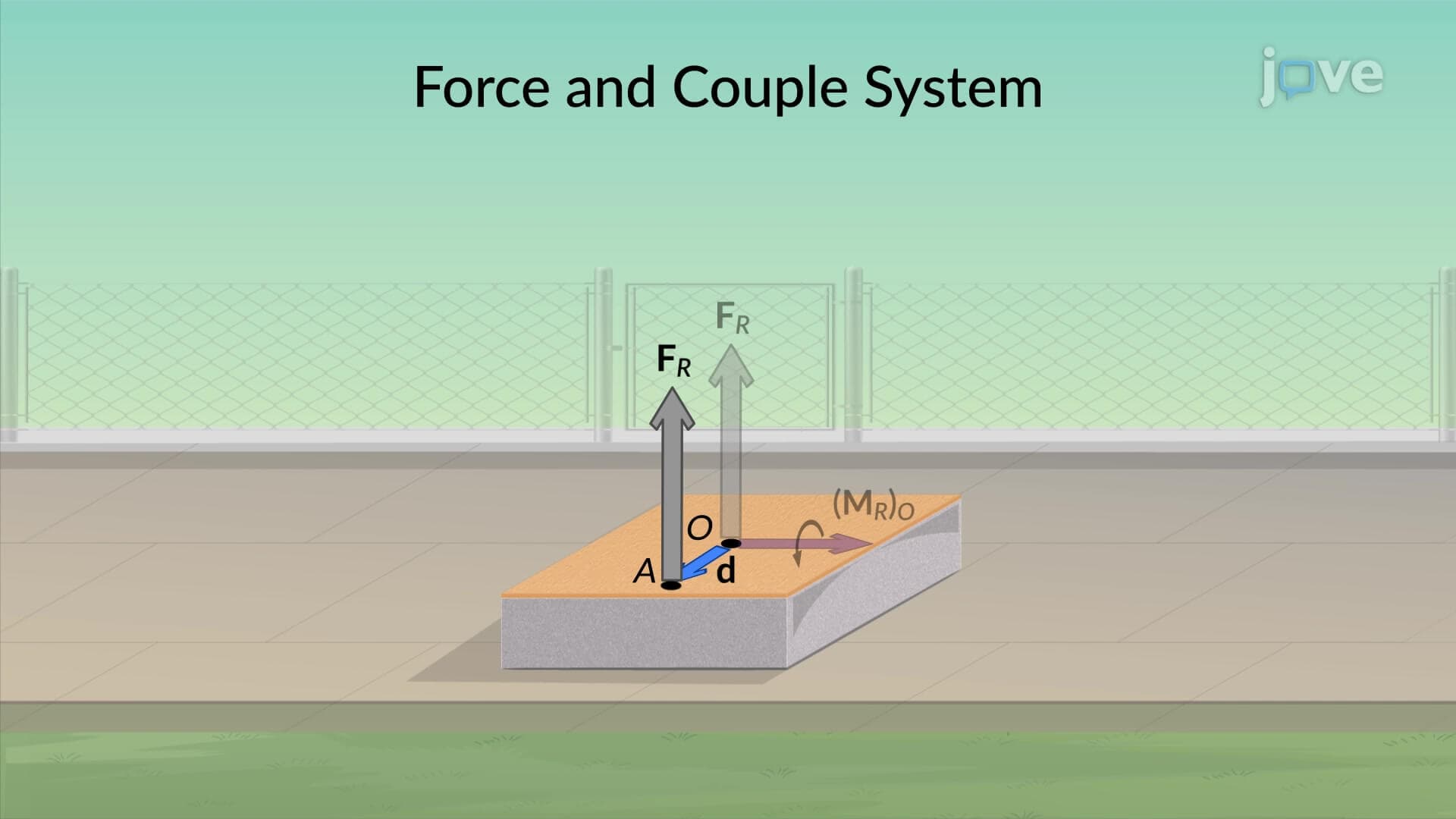
The fundamental principle relies on the perpendicular relationship between resultant forces and couple moments. When a system contains both forces and moments, engineers can relocate the resultant force to a new position where it produces an equivalent effect. This relocation distance equals the couple moment divided by the resultant force magnitude, maintaining mathematical equivalency while simplifying analysis.
Concurrent force systems occur when all force lines of action intersect at a single point, creating zero moment about that intersection. Consider a tower crane's loading point where multiple cables converge—all tension forces meet at one location, eliminating rotational effects. This scenario appears frequently in AP Physics problems and college statics courses, where students must determine single resultant forces from multiple concurrent loads.
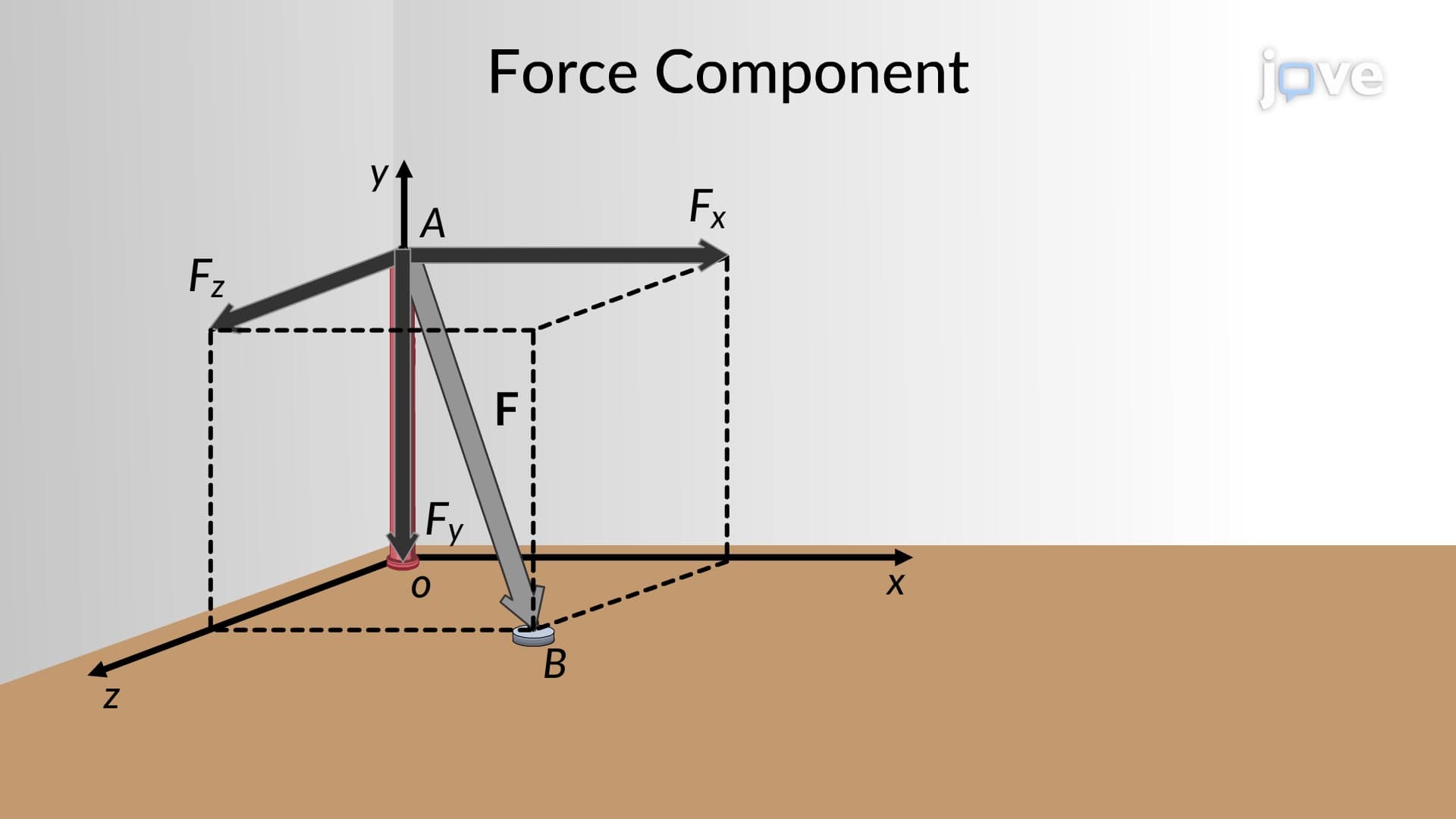
The absence of moments in concurrent systems simplifies calculations significantly. Students can use vector addition techniques, applying the parallelogram rule or component methods to find resultant magnitude and direction. This concept appears on SAT Subject Tests and forms foundational knowledge for engineering mechanics coursework.
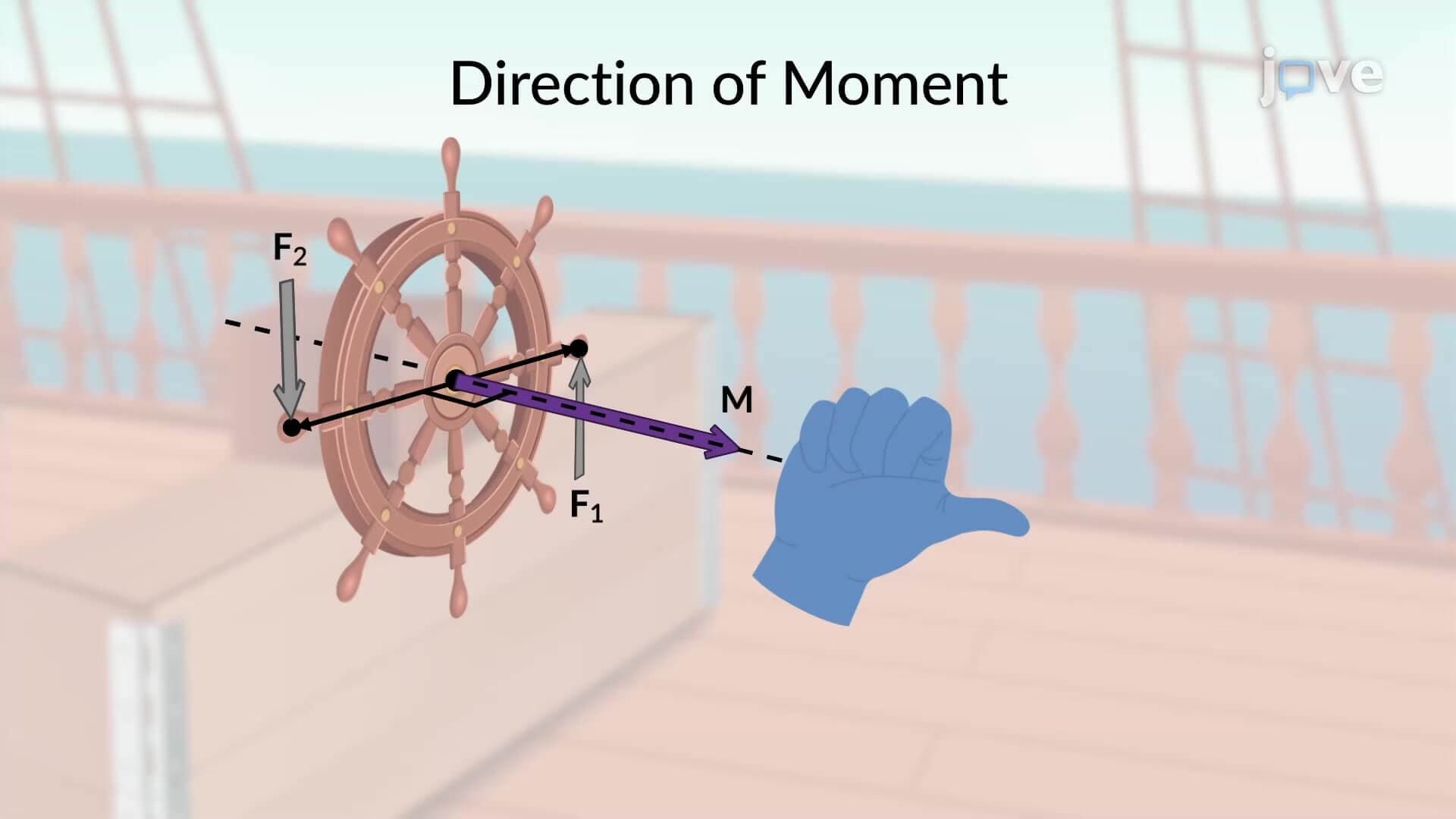
Coplanar force systems confine all forces and their resultant to a single plane, with the resultant couple moment perpendicular to this plane. Highway bridge loading exemplifies this concept—vehicle weights, wind forces, and structural loads typically act within vertical planes, while any resulting moments rotate about horizontal axes.
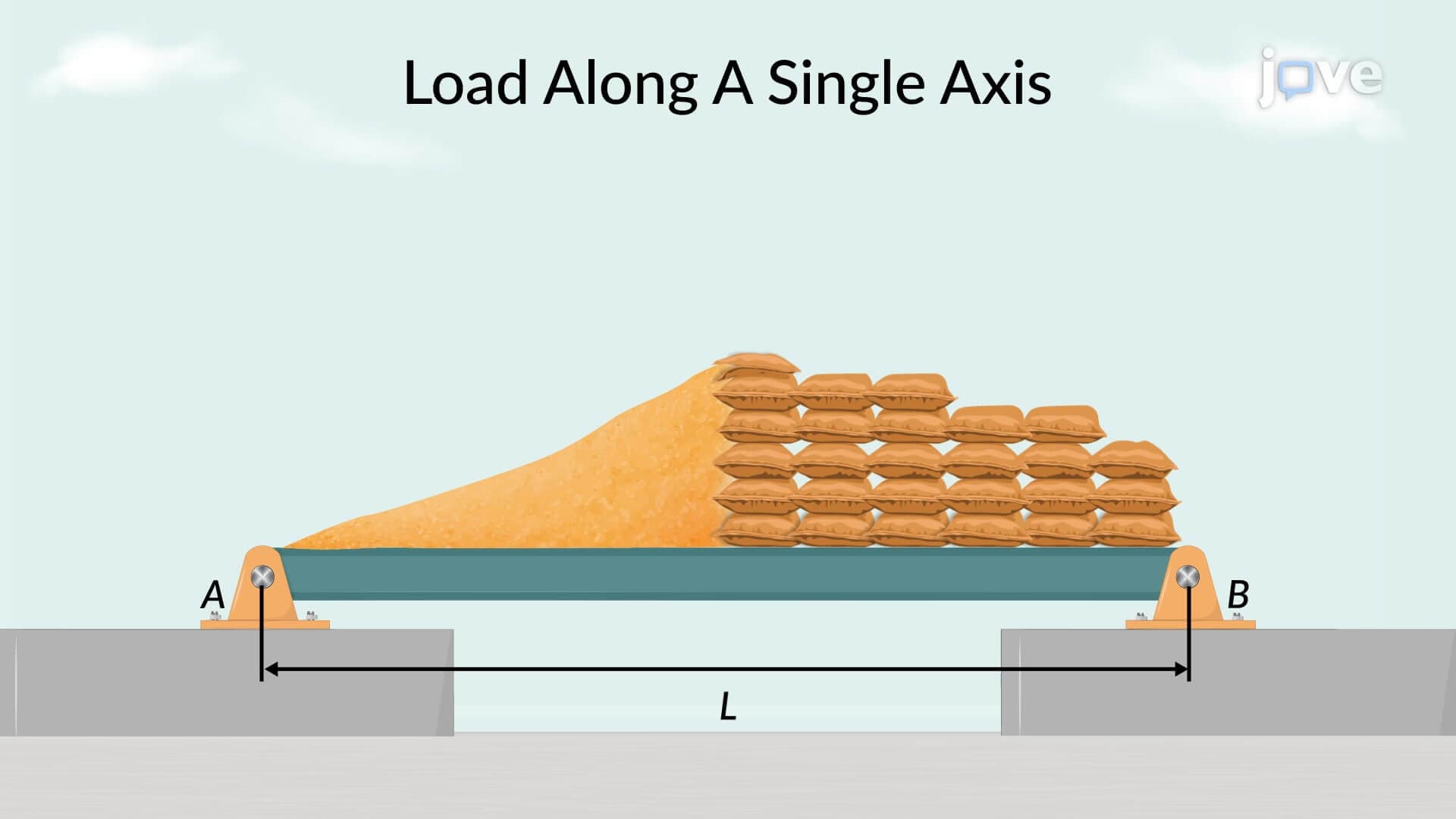
Parallel force systems feature forces aligned along the same direction, common in distributed loading scenarios like snow loads on rooftops or water pressure against dam faces. The resultant couple moment remains perpendicular to the force direction, enabling engineers to determine the equivalent single force location through moment equilibrium calculations.
Professional structural engineers regularly apply these principles when analyzing building frameworks, determining foundation reactions, and designing mechanical systems. The concept appears prominently in college-level statics courses, Fundamentals of Engineering (FE) exam preparation, and graduate-level structural analysis programs.
Students encounter this material in AP Physics C: Mechanics, where force system reduction problems test conceptual understanding and mathematical application skills. College mechanics courses expand these principles into three-dimensional applications, preparing students for advanced engineering analysis techniques.
Frequently Asked Questions
Simplification force and couple system i is the process of reducing complex force arrangements into equivalent single resultant forces by utilizing perpendicular relationships between forces and moments. This concept enables engineers to analyze complicated structural systems more efficiently, making it fundamental for building design, mechanical engineering, and physics problem-solving.
AP Physics C frequently includes problems requiring students to reduce multiple force systems to single resultants, particularly in rotational equilibrium contexts. Students must demonstrate understanding of moment calculations, force vector addition, and the geometric relationships between forces and their equivalent positions.
Concurrent force systems have all force lines intersecting at one point, creating zero net moment about that intersection. This eliminates rotational effects, allowing direct vector addition to find resultants without considering moment equilibrium, simplifying calculations compared to general force systems.
College statics exams often present beam loading problems, truss analysis scenarios, or mechanical system designs requiring force reduction techniques. Students must calculate equivalent single forces, determine new lines of action, and verify moment equivalency through mathematical proof and graphical representation.
Bridge designers use these principles when analyzing traffic loads on structures like the Brooklyn Bridge, where multiple vehicle weights must be reduced to equivalent concentrated loads. Building engineers apply similar techniques when designing foundations to support distributed floor loads and wind forces.
Basic algebra, trigonometry, and vector concepts provide sufficient mathematical foundation for understanding force system reduction. Students with solid geometry skills and comfort with right-triangle relationships typically master these concepts successfully in introductory physics or engineering mechanics courses.
Practice drawing clear force diagrams, systematically applying vector addition techniques, and verifying moment equilibrium calculations. Work through progressively complex problems, starting with concurrent systems before advancing to general coplanar and parallel arrangements found in typical textbook examples.
Force system simplification provides foundation knowledge for structural analysis, machine design, and advanced mechanics of materials. Students who master these principles progress more effectively through courses in structural steel design, reinforced concrete analysis, and mechanical system dynamics.
Advance to three-dimensional force systems, distributed loading analysis, and structural member design principles. Consider exploring topics like shear and moment diagrams, deflection calculations, and dynamic loading effects that build upon static force reduction concepts.
Related Micro-courses
Related Subjects
 Civil Engineering 30 micro-courses›Electrical Engineering 33 micro-courses›