Loading subject page…

- Mechanical Engineering
- Force System Resultants
- Moment of a Force: Scalar Formulation
Micro-course: Force System Resultants
25,808 views
Learn key concepts and earn your certificate.

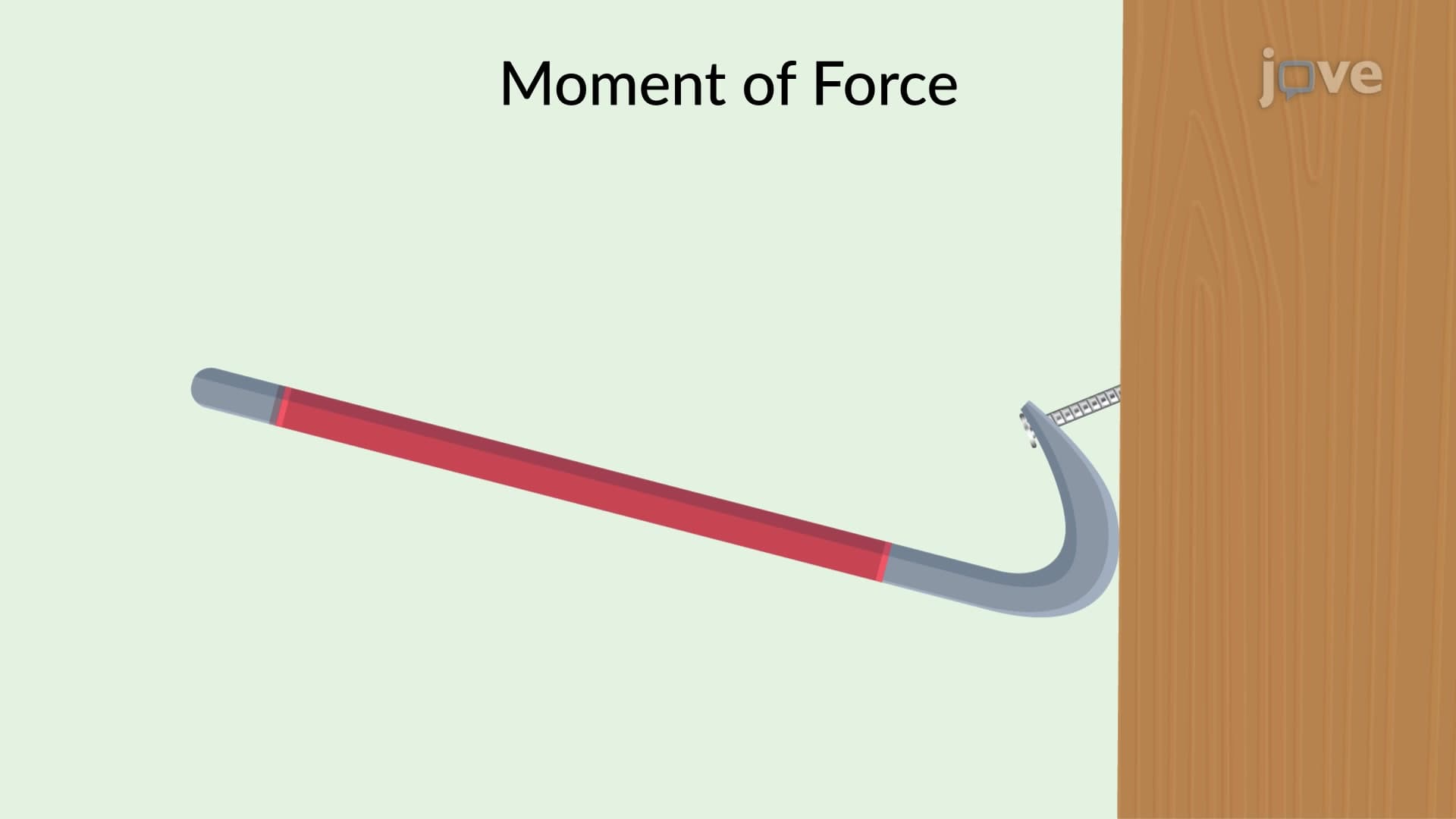
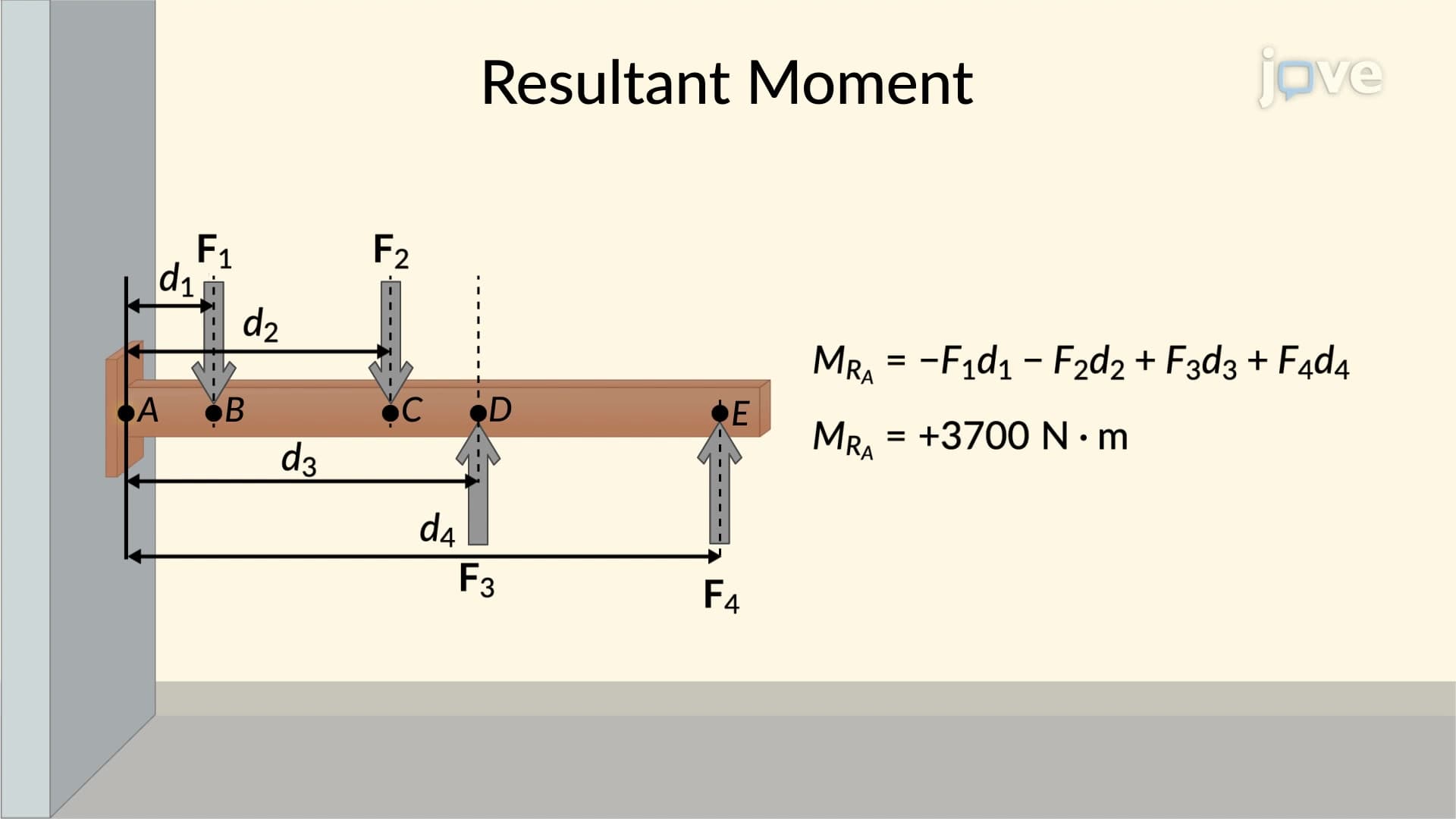
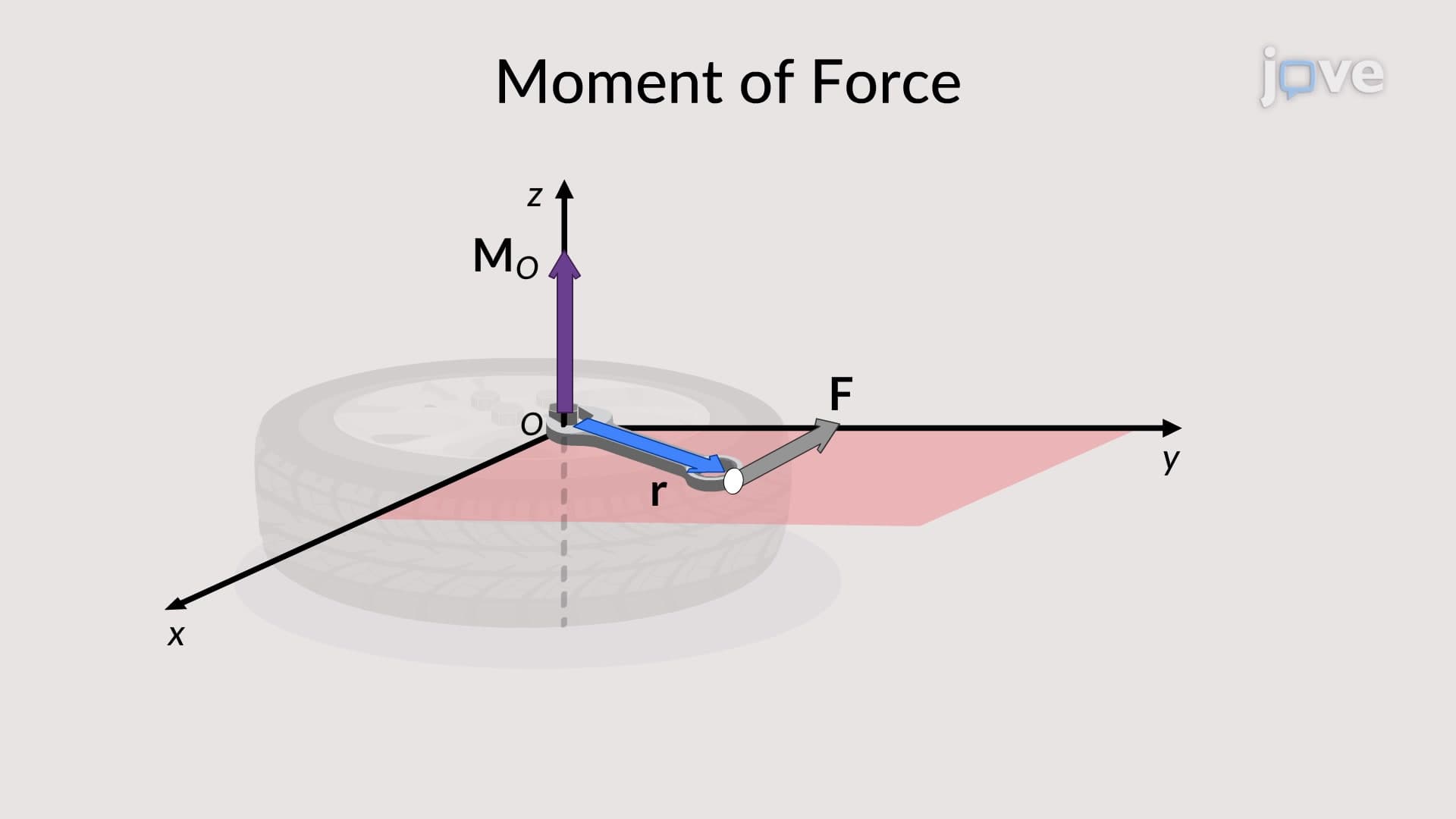
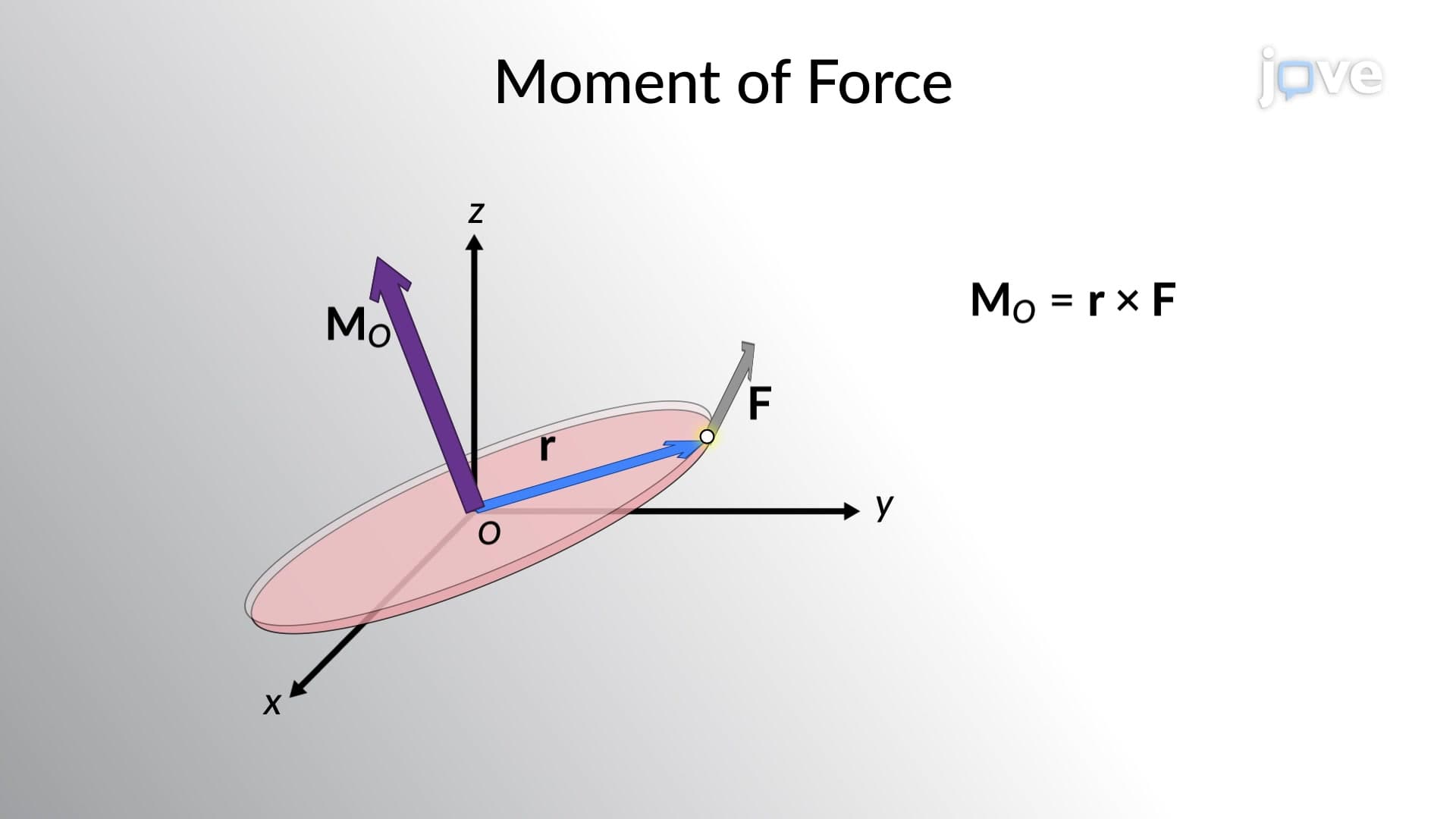



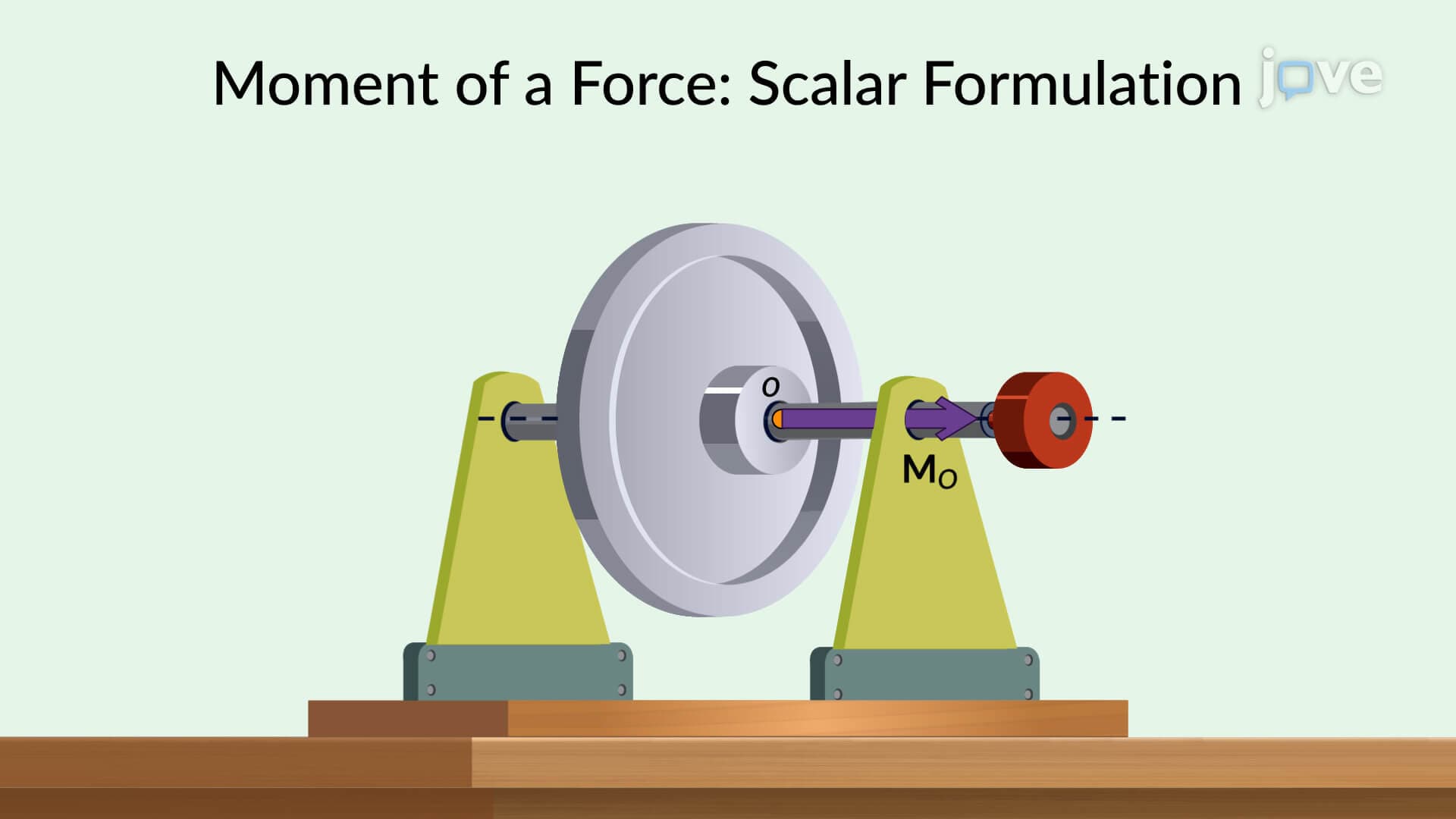
Moment of a Force: Scalar Formulation

00:00
01:18
- Understand what is moment force scalar formulation and its role in calculating rotational forces in mechanical systems
- Identify the three essential components: applied force magnitude, moment arm distance, and the resulting moment calculation
- Analyze how moment arm length affects the total torque produced by a given force application
- Apply the scalar formulation M = F × d to solve real-world engineering and physics problems
- Recognize the difference between maximum and minimum moment conditions based on force application angle
- Evaluate why perpendicular force application produces the greatest rotational effect in mechanical advantage scenarios
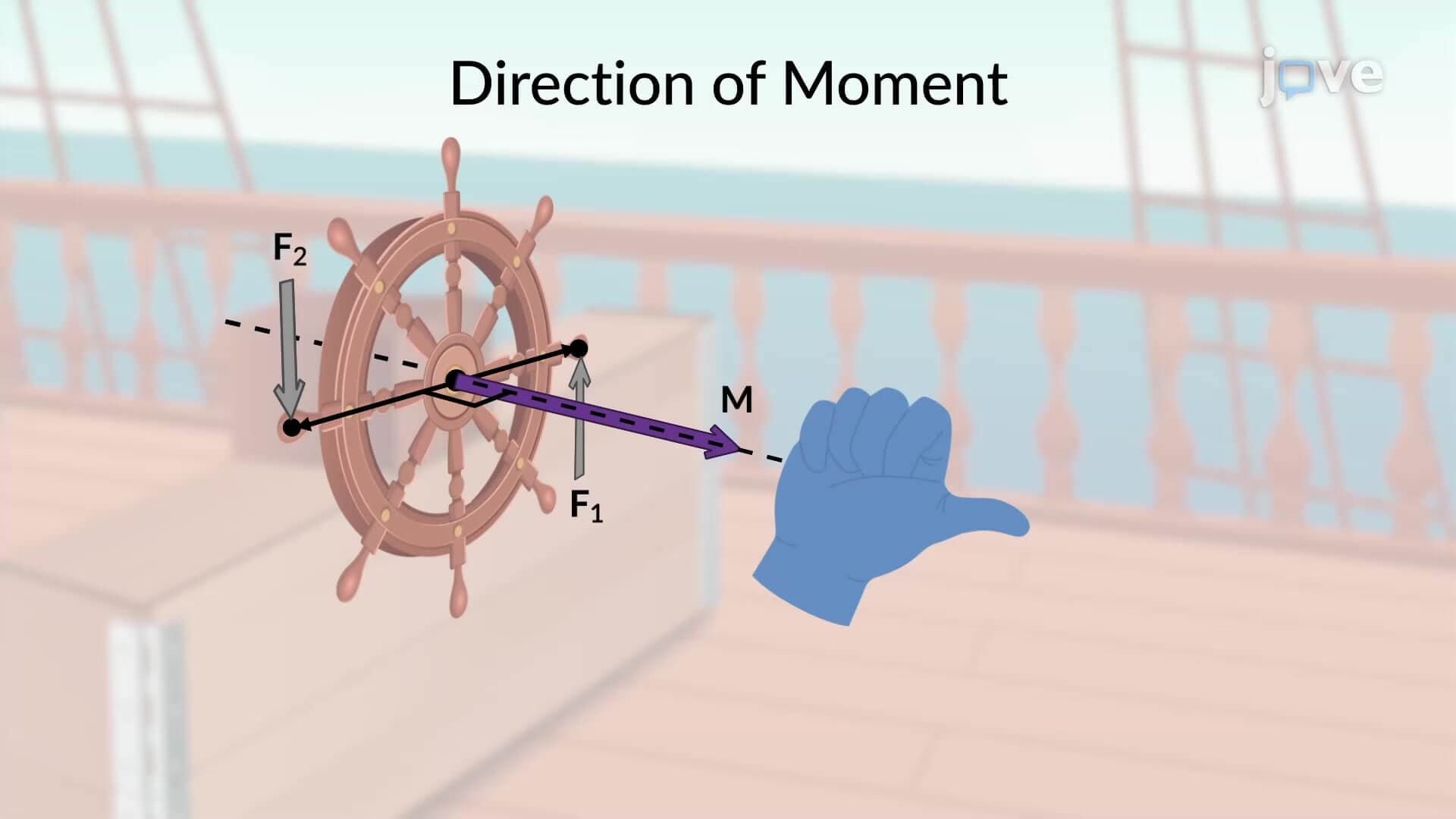
- Compare clockwise versus counterclockwise moment conventions using the right-hand rule for direction determination
- Explore practical applications in automotive, construction, and manufacturing industries where moment calculations are critical
Understanding Moment Force Scalar Formulation Fundamentals
The moment force scalar formulation represents one of the most practical applications of rotational mechanics in engineering and physics. At its core, this mathematical relationship quantifies how effectively a force can rotate an object around a fixed pivot point. The scalar approach focuses on calculating the magnitude of rotational effect, making it accessible for students tackling AP Physics problems or preparing for engineering coursework at institutions like MIT or Georgia Tech.
Mathematical Framework and Key Components
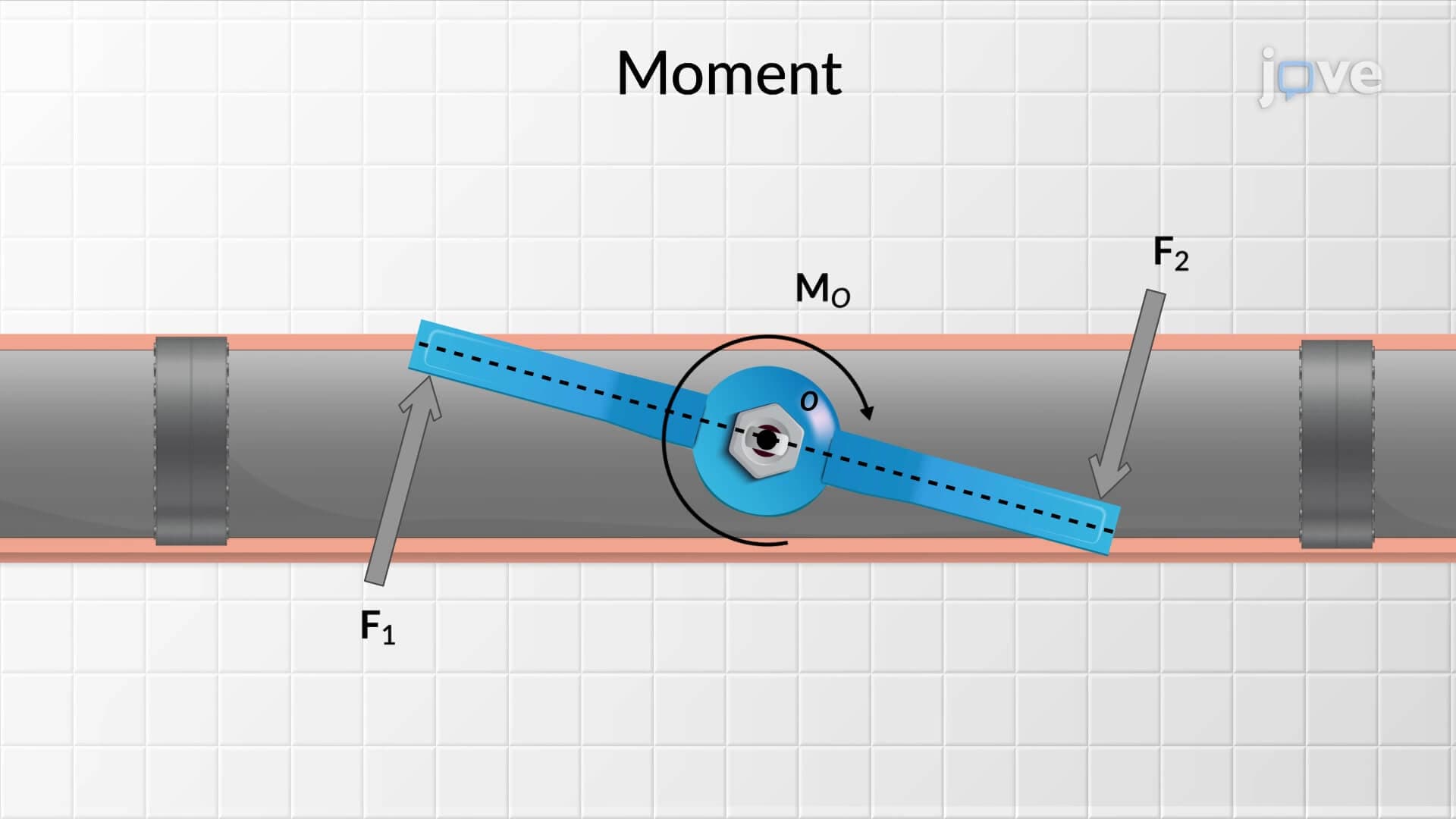
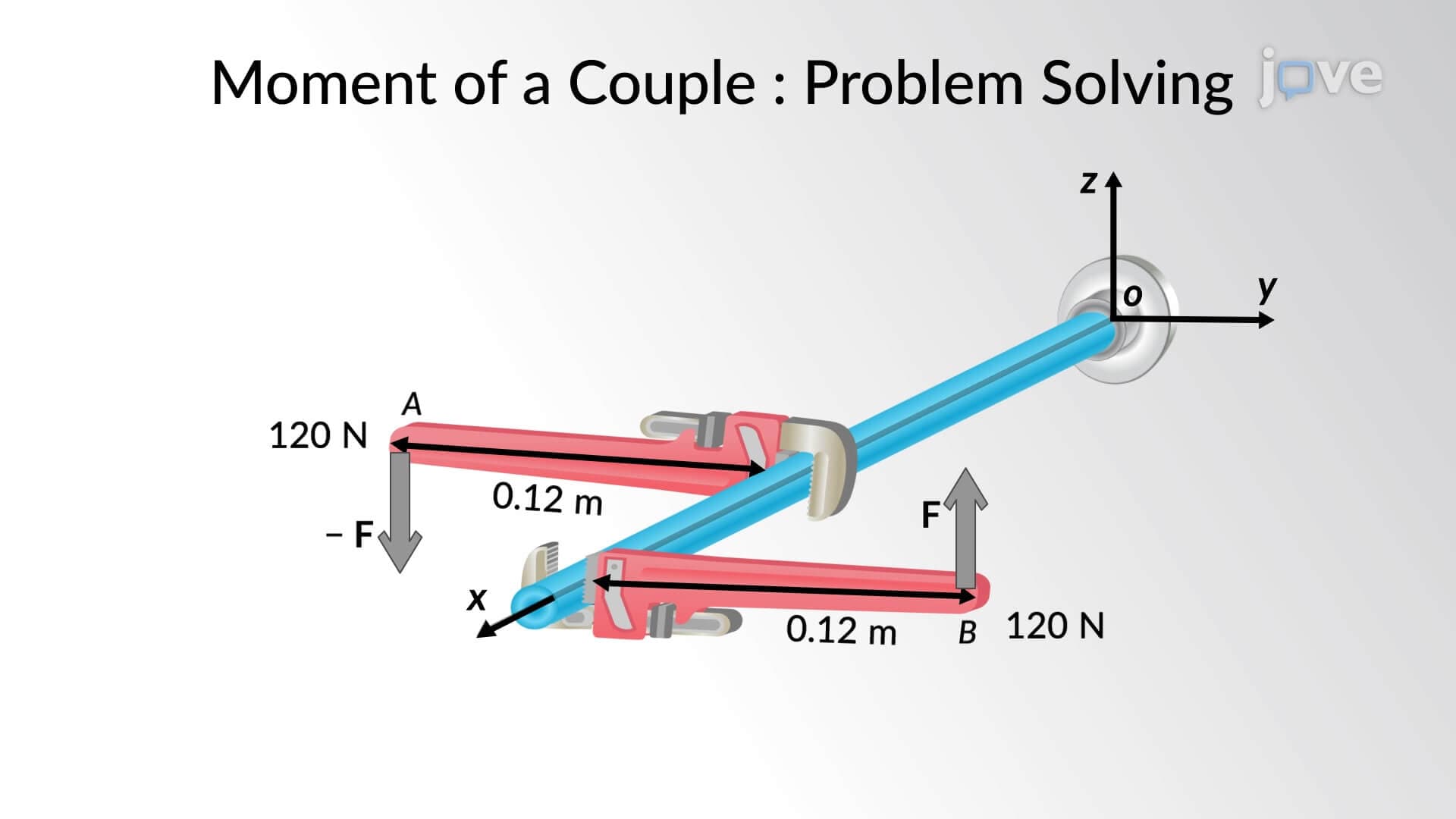
The moment force scalar formulation follows the fundamental equation: M = F × d, where M represents the moment magnitude, F equals the applied force, and d represents the moment arm distance. This perpendicular distance from the rotation axis to the force's line of action determines the mechanical advantage achieved. Students preparing for the MCAT or SAT Subject Tests should note that maximum moment occurs when force application is perpendicular to the radius, while zero moment results from forces directed through the pivot point.
Real-World Applications in American Industry
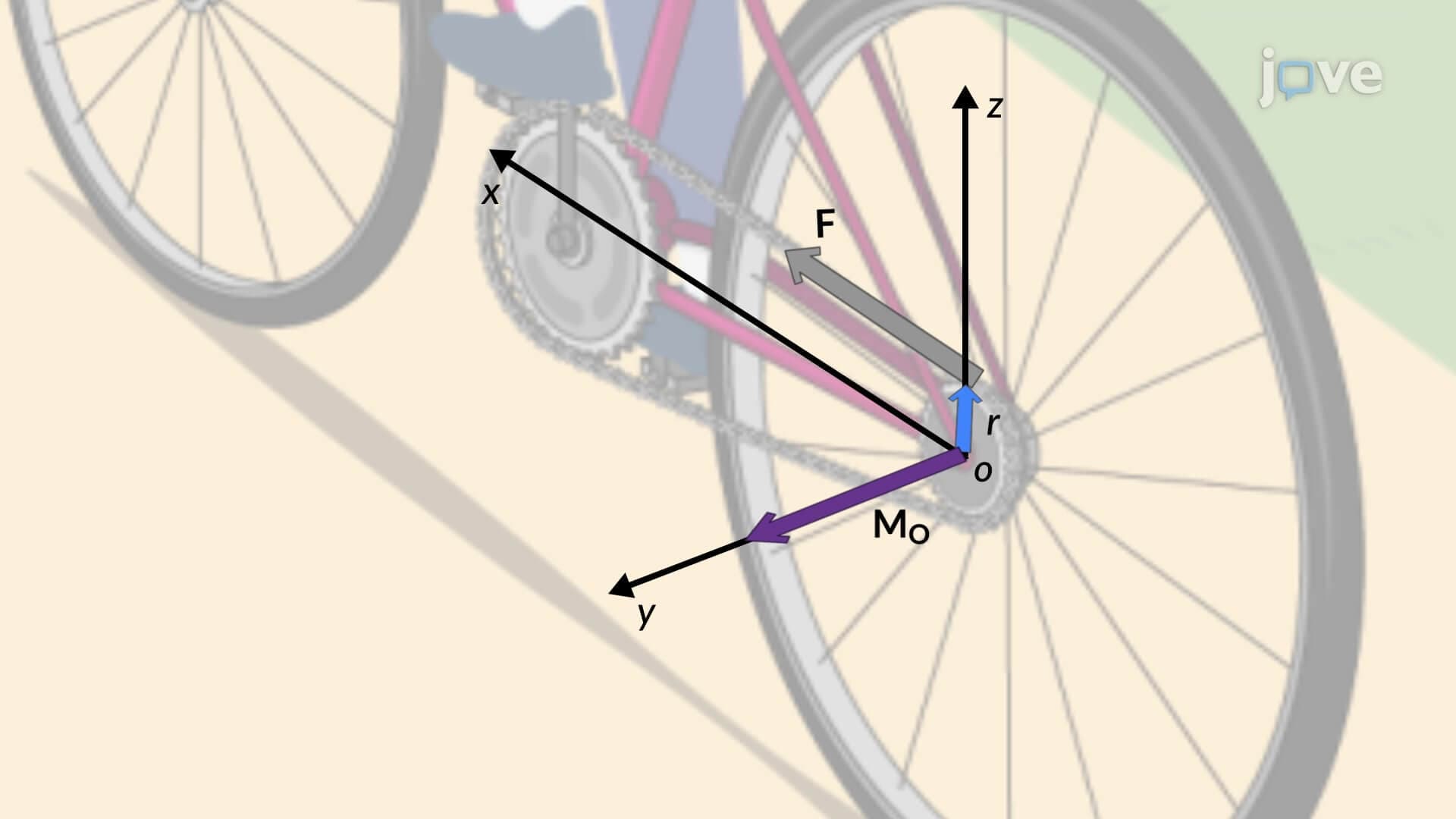
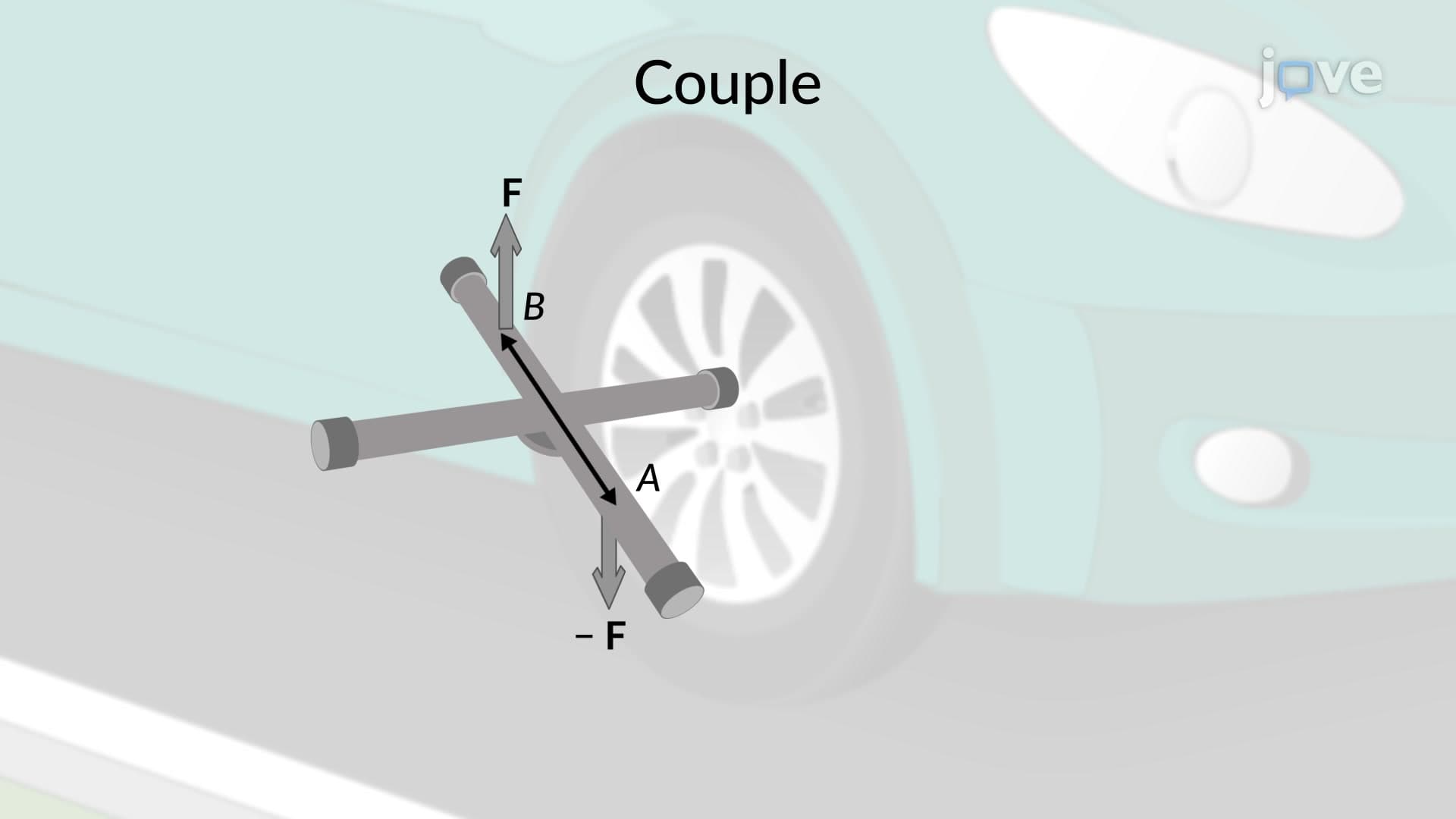
Understanding moment force scalar formulation proves essential across numerous sectors of the US economy. Automotive technicians rely on torque specifications when tightening wheel bolts on vehicles, typically requiring 80-100 pound-feet of moment for proper securing. Construction workers use this principle when operating pneumatic impact wrenches on steel beam connections for skyscrapers in cities like New York or Chicago. Even bicycle mechanics apply moment calculations when adjusting brake systems or pedal assemblies for optimal performance.
Exam Strategies and Problem-Solving Approaches
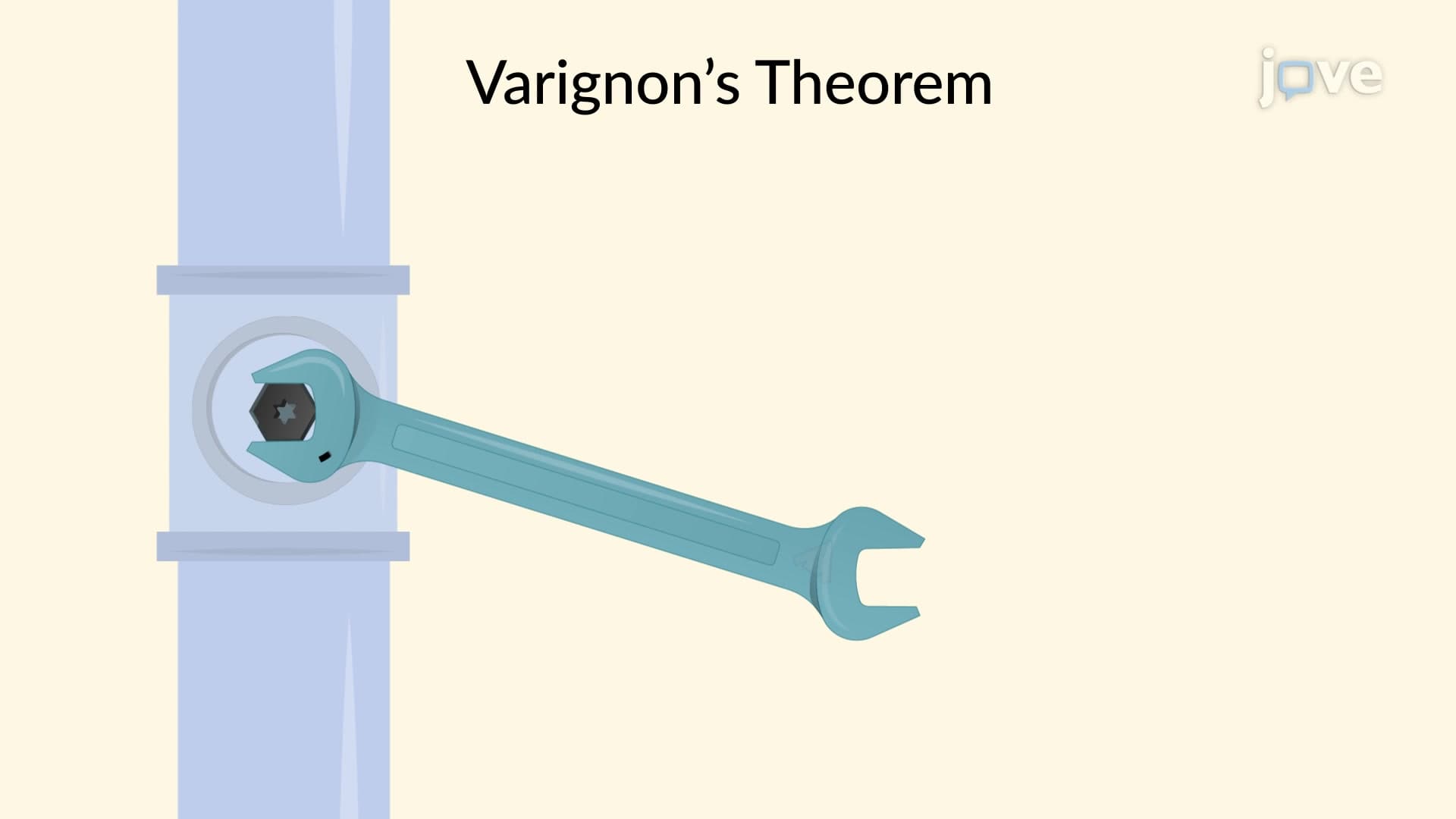
College students encountering moment force scalar formulation in physics or engineering courses should focus on identifying given values and unknown variables systematically. AP Physics exam questions often present scenarios involving levers, gears, or rotating machinery where students must calculate required forces or moment arms. Practice problems frequently feature applications like calculating the force needed to turn a valve wheel or determining optimal wrench length for specific torque requirements. Success depends on recognizing when forces act perpendicular versus at angles, requiring trigonometric adjustments to the basic scalar formulation.
Frequently Asked Questions
Moment force scalar formulation calculates only the magnitude of rotational force using M = F × d, focusing on how much turning effect is produced. Unlike vector formulation, it doesn't determine direction through cross products. This simplified approach works perfectly for most engineering applications and introductory physics coursework.
AP Physics 1 and C exams frequently include moment problems involving levers, rotating platforms, or mechanical advantage scenarios. Students must identify perpendicular distances, apply the scalar equation correctly, and often combine torque calculations with equilibrium conditions. Practice with real-world scenarios like wrench applications or playground equipment.
MCAT physics sections test moment understanding through biomechanics problems, such as calculating joint torques during muscle contractions or analyzing lever systems in human anatomy. Students should master the relationship between force magnitude, moment arm length, and resulting rotational effects for optimal scoring.
Construction professionals apply moment calculations when using torque wrenches for structural bolting, operating crane systems, or positioning heavy equipment. For example, installing bridge bolts requires precise torque values calculated through moment formulation to ensure structural integrity while preventing overtightening damage.
Not at all! The concept builds naturally on basic multiplication and distance measurement skills from geometry. Most students grasp the fundamental relationship quickly since it mirrors everyday experiences like using longer handles for greater leverage when opening stubborn jar lids.
Start by clearly identifying the pivot point, measuring perpendicular distances accurately, and organizing given information systematically. Practice with diverse scenarios from playground seesaws to automotive applications. Focus on understanding when maximum and minimum moments occur based on force application angles.
Progress to vector moment calculations, three-dimensional torque analysis, and rotational equilibrium systems. These concepts prove essential for mechanical engineering programs at schools like Purdue or Virginia Tech, particularly in dynamics and machine design coursework.
Engineering programs extensively use moment calculations in statics, dynamics, and machine design courses. Students analyze everything from gear systems in automotive transmissions to structural beam loading in civil engineering projects, making this fundamental knowledge crucial for academic and professional success.
Related Micro-courses

Related Subjects

Civil Engineering30 micro-courses
›