Loading subject page…


25,816 views

Video Summary: What Is Principle of Moments
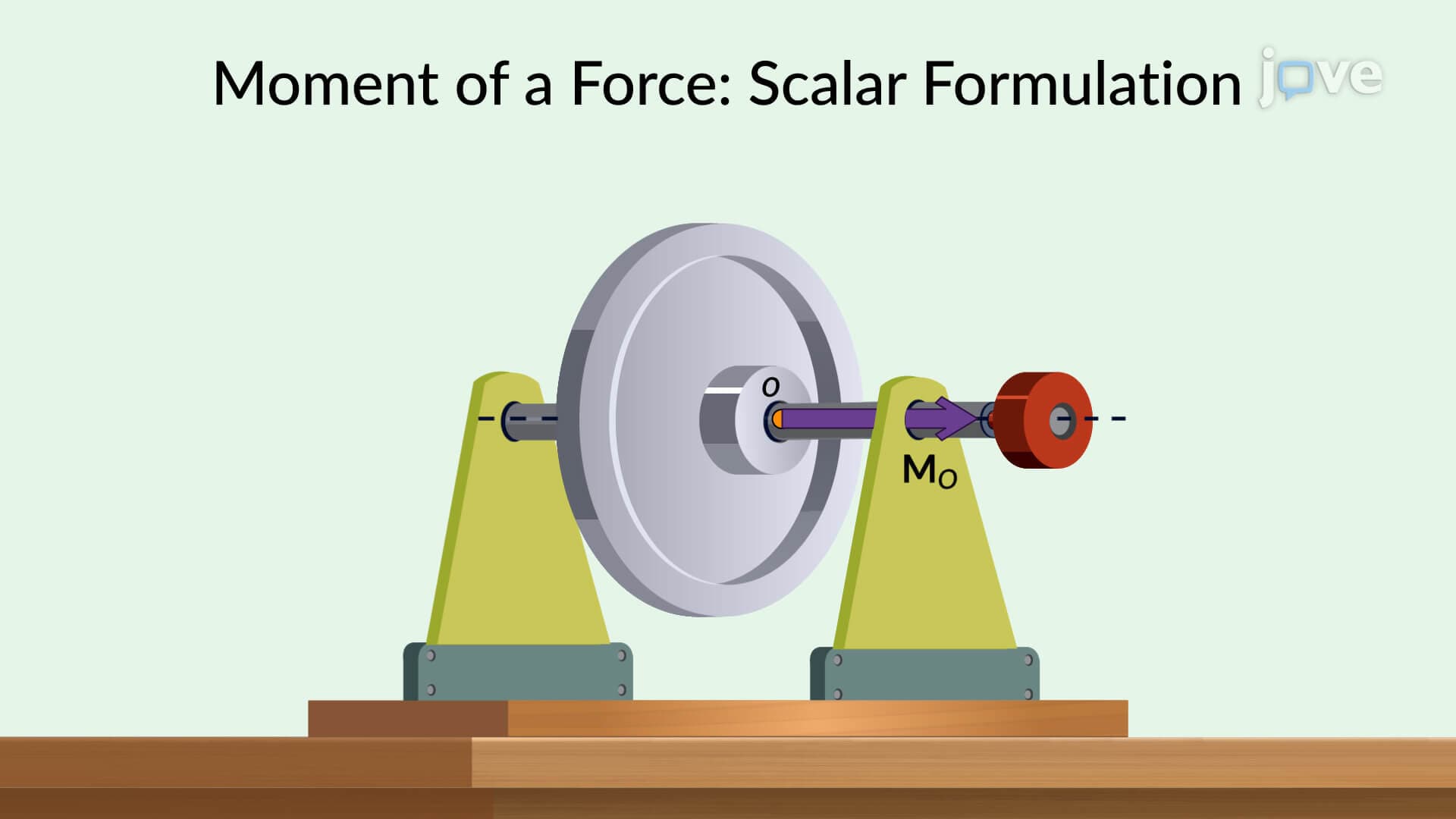
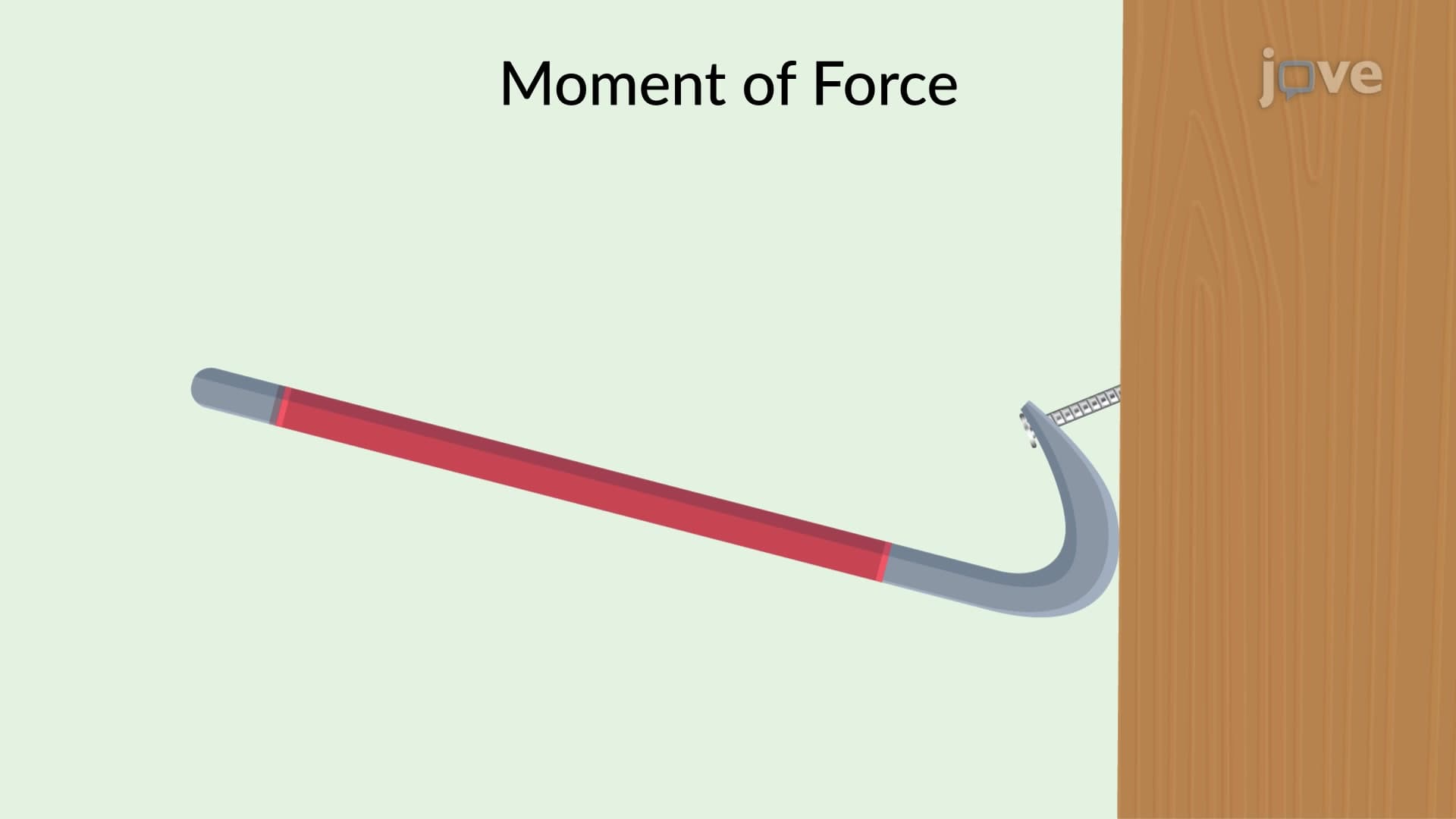
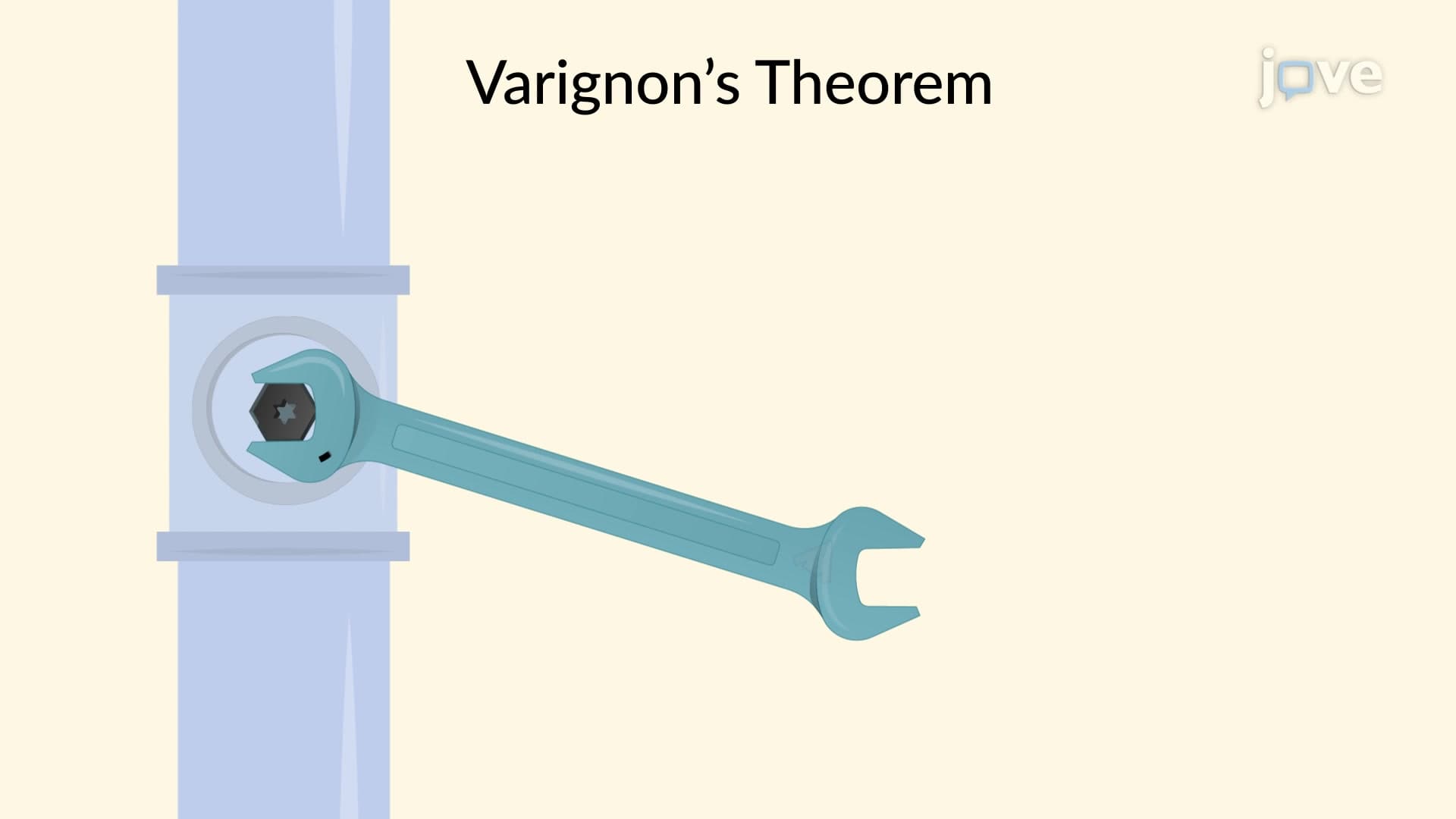
Ever wonder why a wrench works better with a longer handle, or how engineers calculate the exact forces needed to balance a massive crane? The principle of moments explains these everyday mechanical phenomena through a fundamental physics law. This concept, also known as Varignon's theorem, governs how forces create rotational effects around pivot points-from simple door hinges to complex suspension bridges like San Francisco's Golden Gate Bridge. Watch the full video on JoVE Coach to master this concept with expert-led visuals and step-by-step explanations.
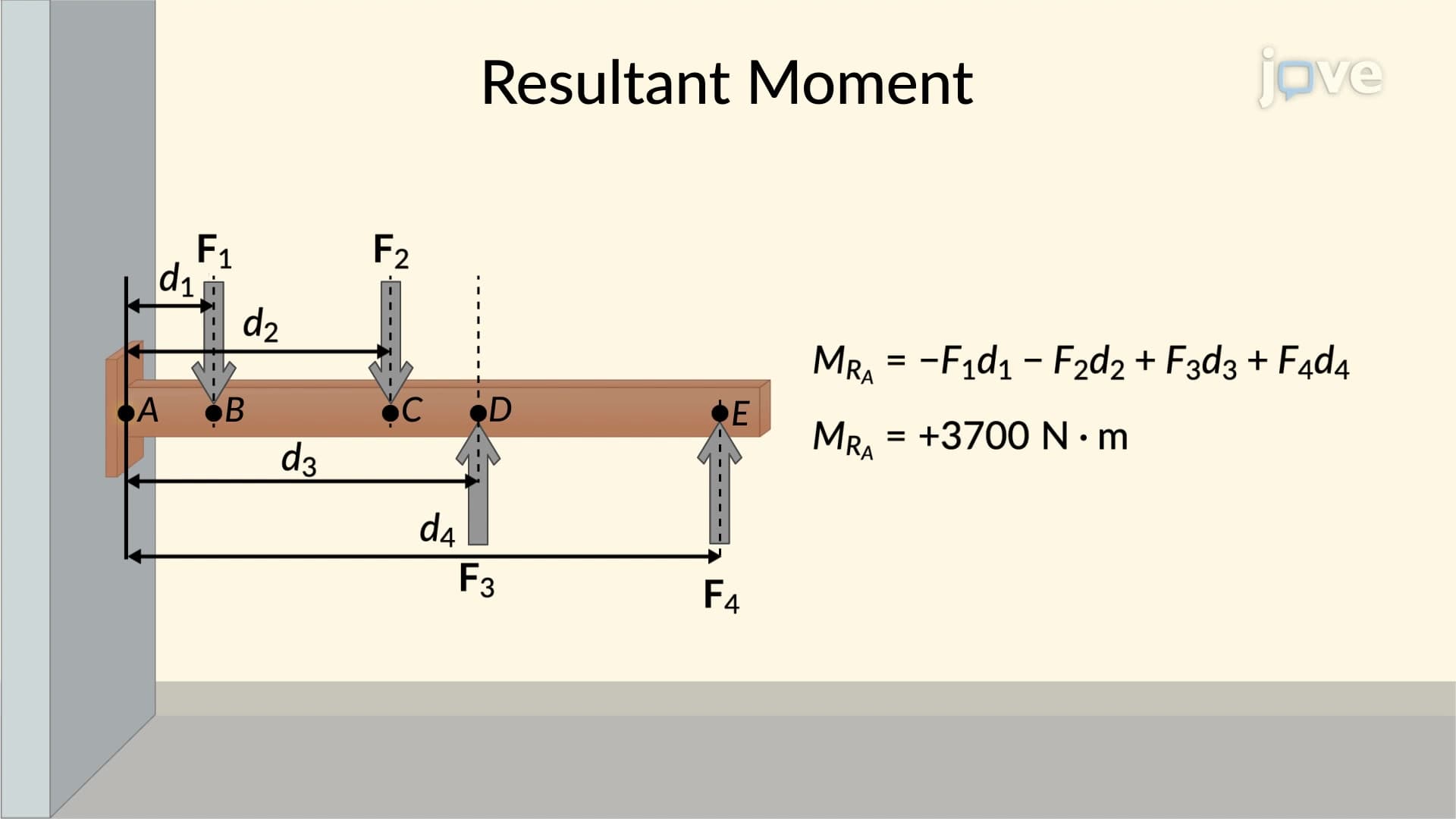
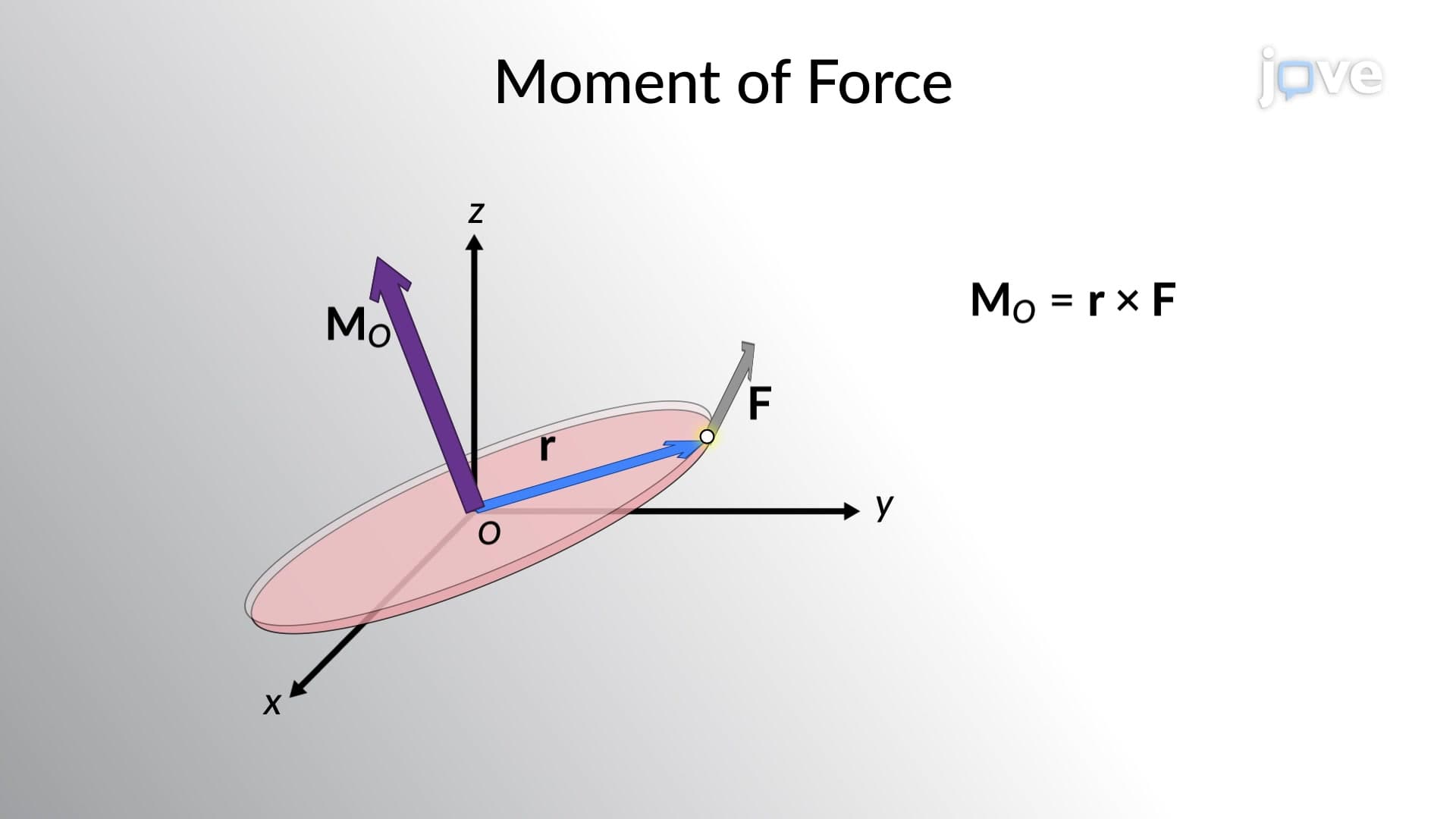
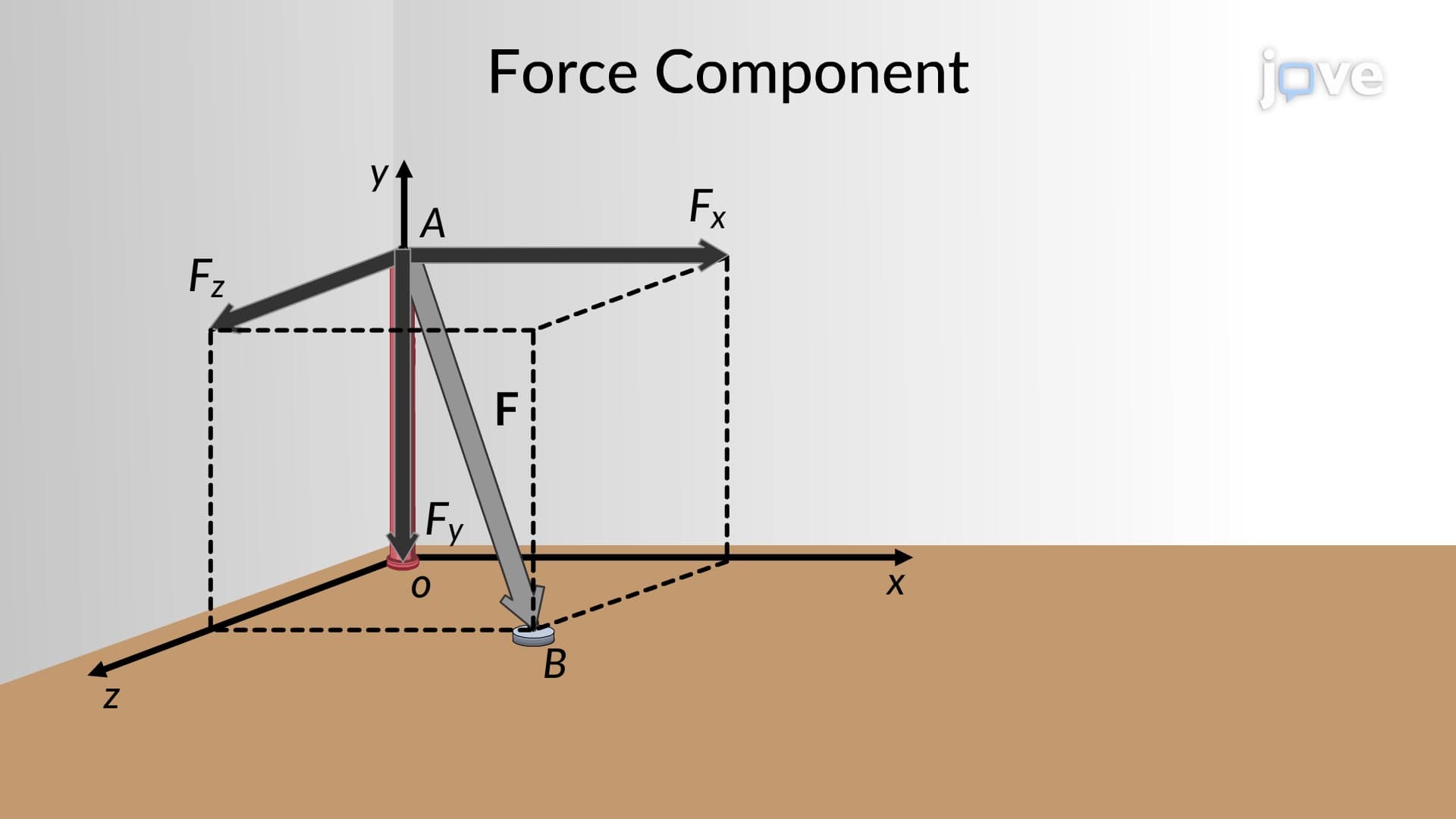
The principle of moments represents one of physics' most practical and widely-applied concepts, governing how forces create rotational effects around fixed points. Also known as Varignon's theorem, this principle states that the moment of a force about any point equals the sum of the moments of its components about the same point. This fundamental relationship appears throughout engineering applications, from calculating torque requirements in automotive design to analyzing structural loads in bridge construction.
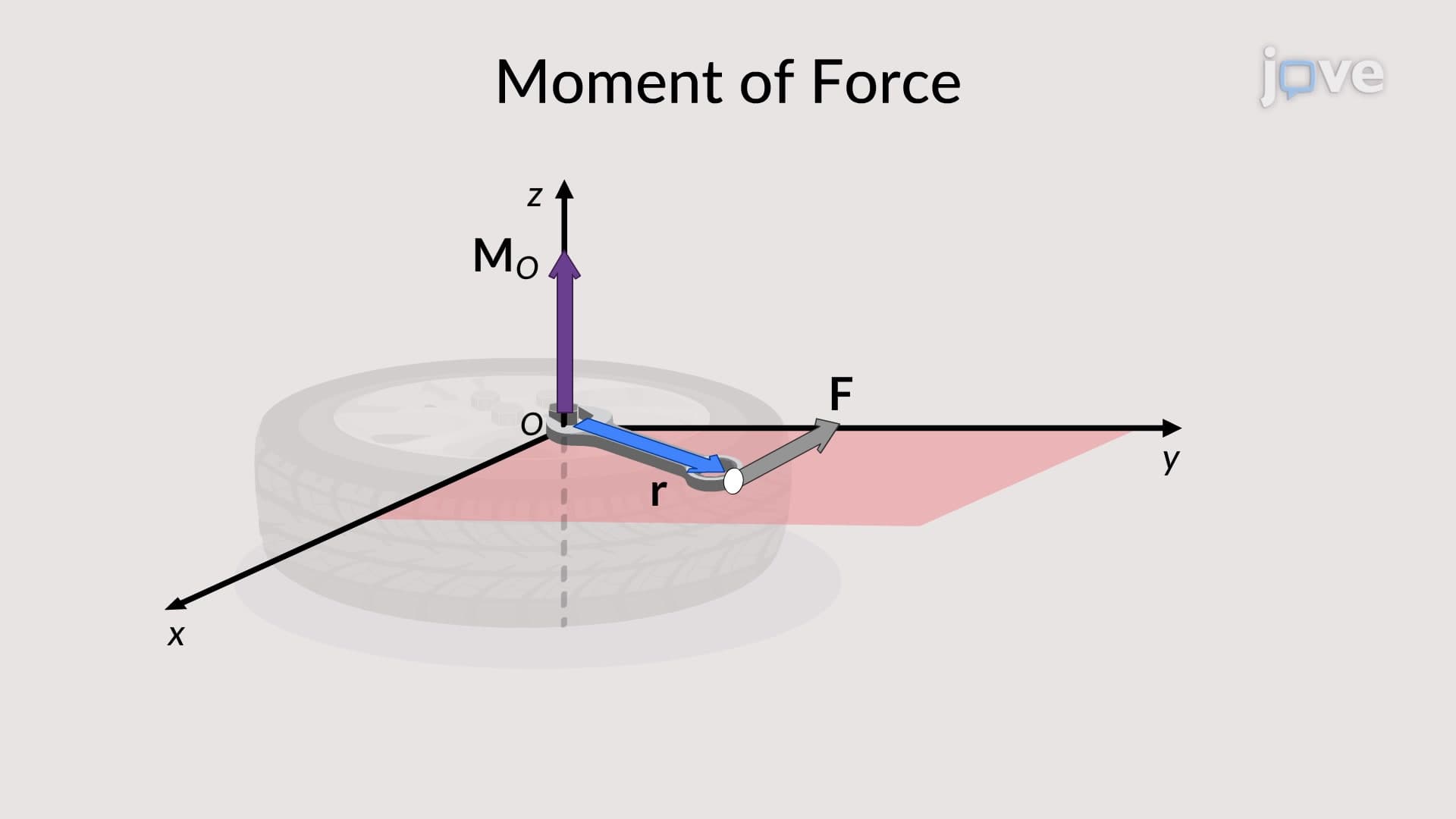
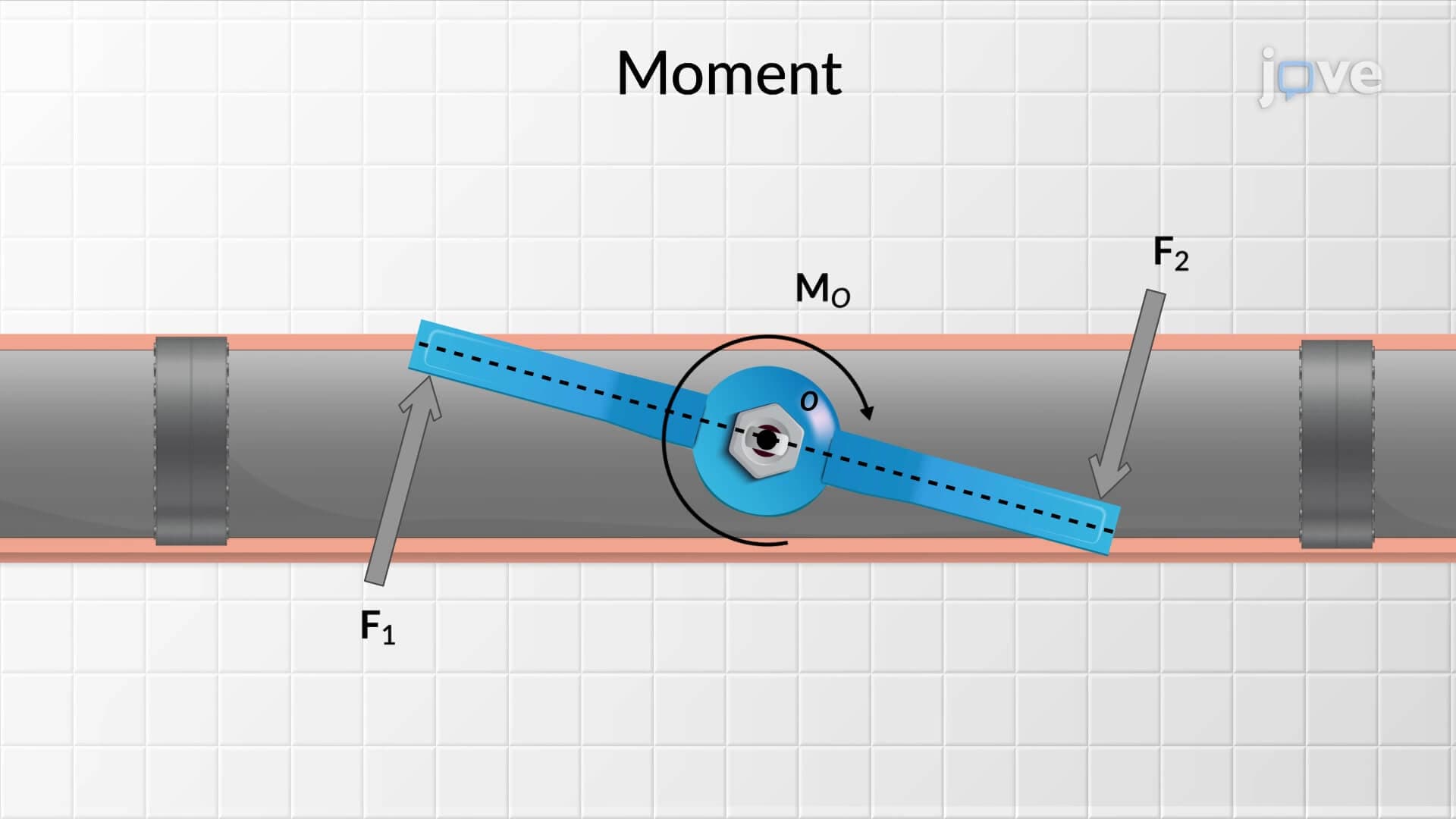
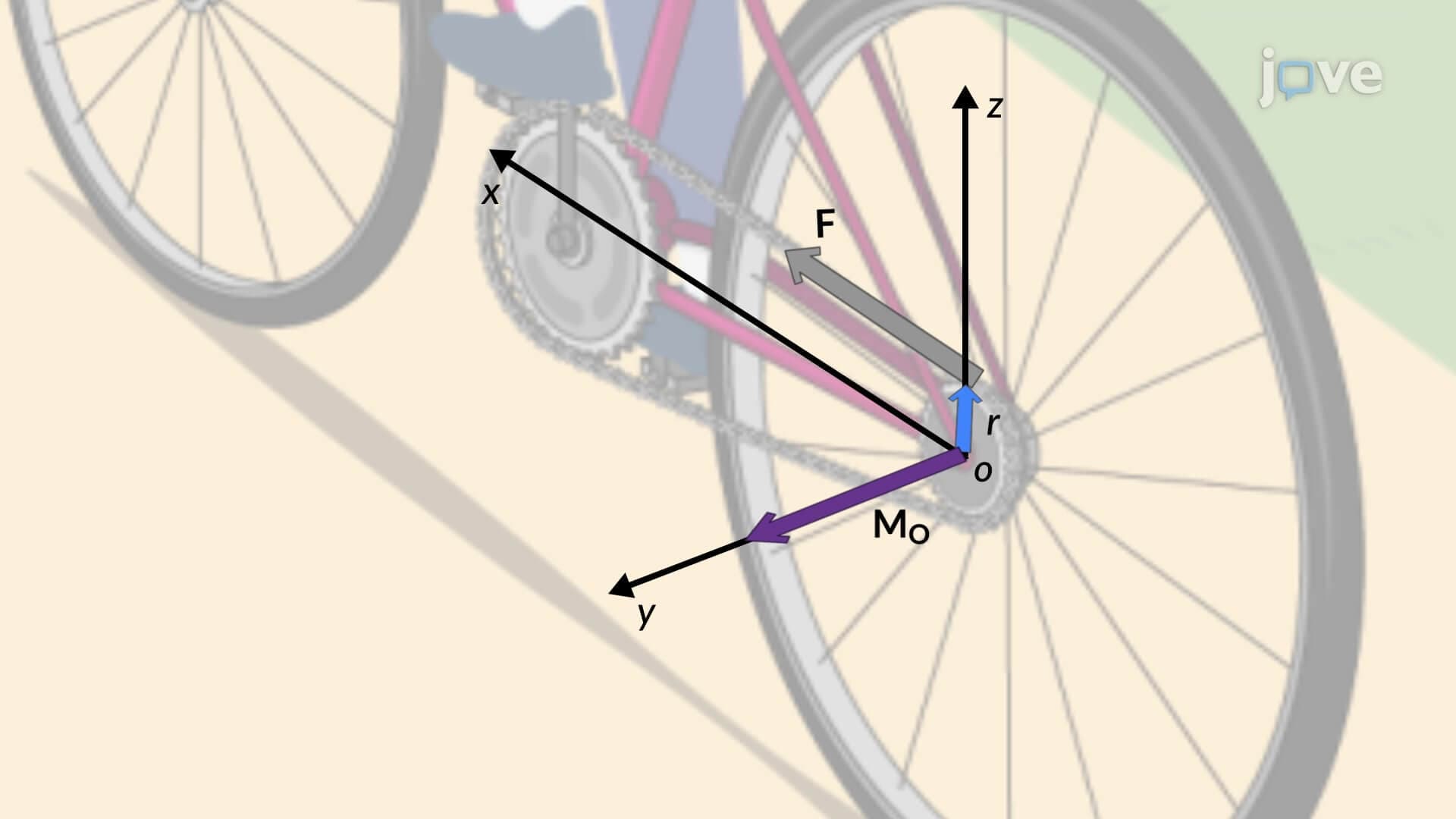
In mathematical terms, a moment equals force multiplied by perpendicular distance: M = F × d. The perpendicular distance, called the moment arm, represents the shortest distance from the line of action of the force to the pivot point. This calculation proves essential for AP Physics students and appears frequently on standardized tests including the MCAT and SAT Subject Tests.
Consider the construction of Chicago's Willis Tower, where engineers applied moment principles to ensure structural stability against wind forces. The building's design accounts for moments created by wind pressure, calculating how forces at various heights create rotational effects about the foundation. Similarly, automotive engineers use moment calculations when designing steering systems-the effort required to turn a steering wheel depends directly on the moment arm length and applied force.
Manufacturing facilities across the United States rely on moment principles for machinery design. Assembly line robots, for instance, must calculate precise moments to manipulate objects without causing unwanted rotation. This application demonstrates why mechanical engineering programs at institutions like MIT and Stanford emphasize thorough understanding of moment calculations.
Two primary methods exist for moment calculation. The direct method multiplies total force by perpendicular distance, while the component method resolves forces into horizontal and vertical components, then calculates individual moments before summing them. Both approaches yield identical results, but component resolution often simplifies complex problems involving angled forces.
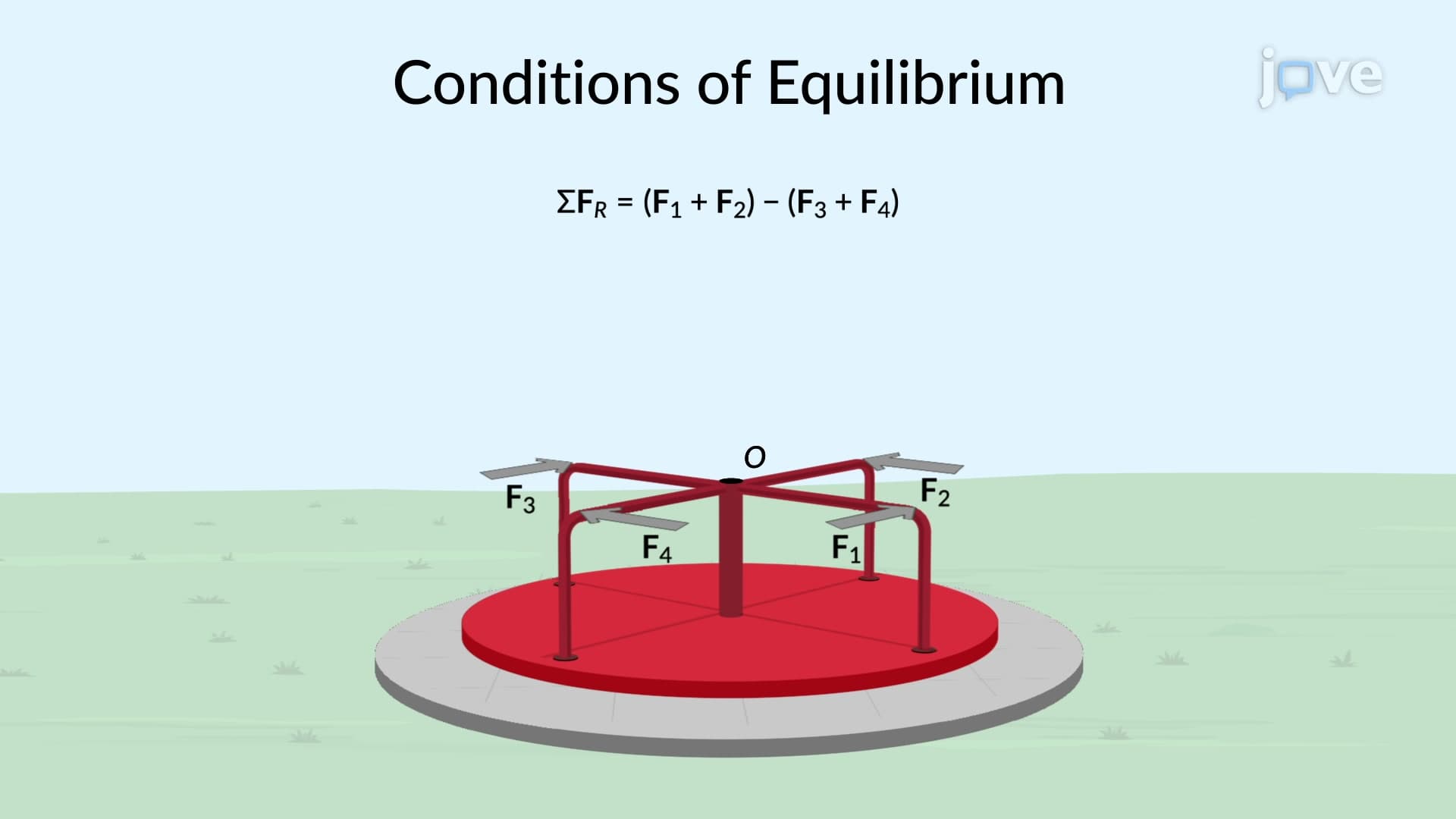
College physics courses typically introduce moment calculations through equilibrium problems, where students must ensure clockwise moments equal counterclockwise moments. These problems appear regularly on AP Physics C exams and form foundational knowledge for engineering coursework. Students preparing for the MCAT encounter moment principles in biomechanics contexts, such as analyzing forces in human joints during movement.
Understanding moment principles proves crucial for success in standardized testing and advanced coursework. AP Physics problems frequently involve analyzing lever systems, balanced beams, and rotating objects. College-level statics courses build upon these foundations, applying moment calculations to complex truss analysis and structural design problems. Students planning engineering careers benefit from mastering both calculation methods, as professional practice often requires selecting the most efficient approach based on problem complexity and available information.
Related Micro-courses