Loading…
Loading video…

25,808 views
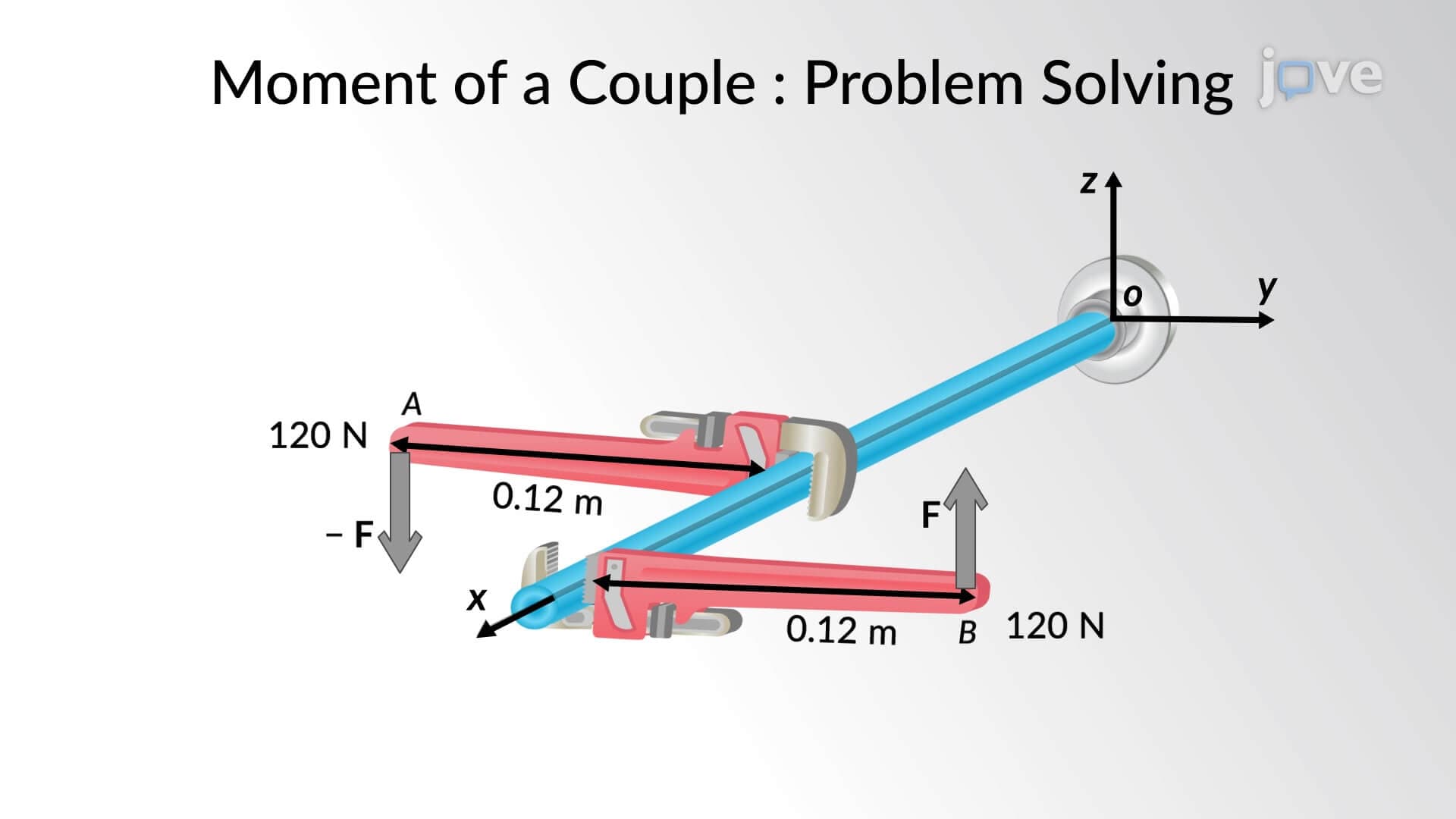
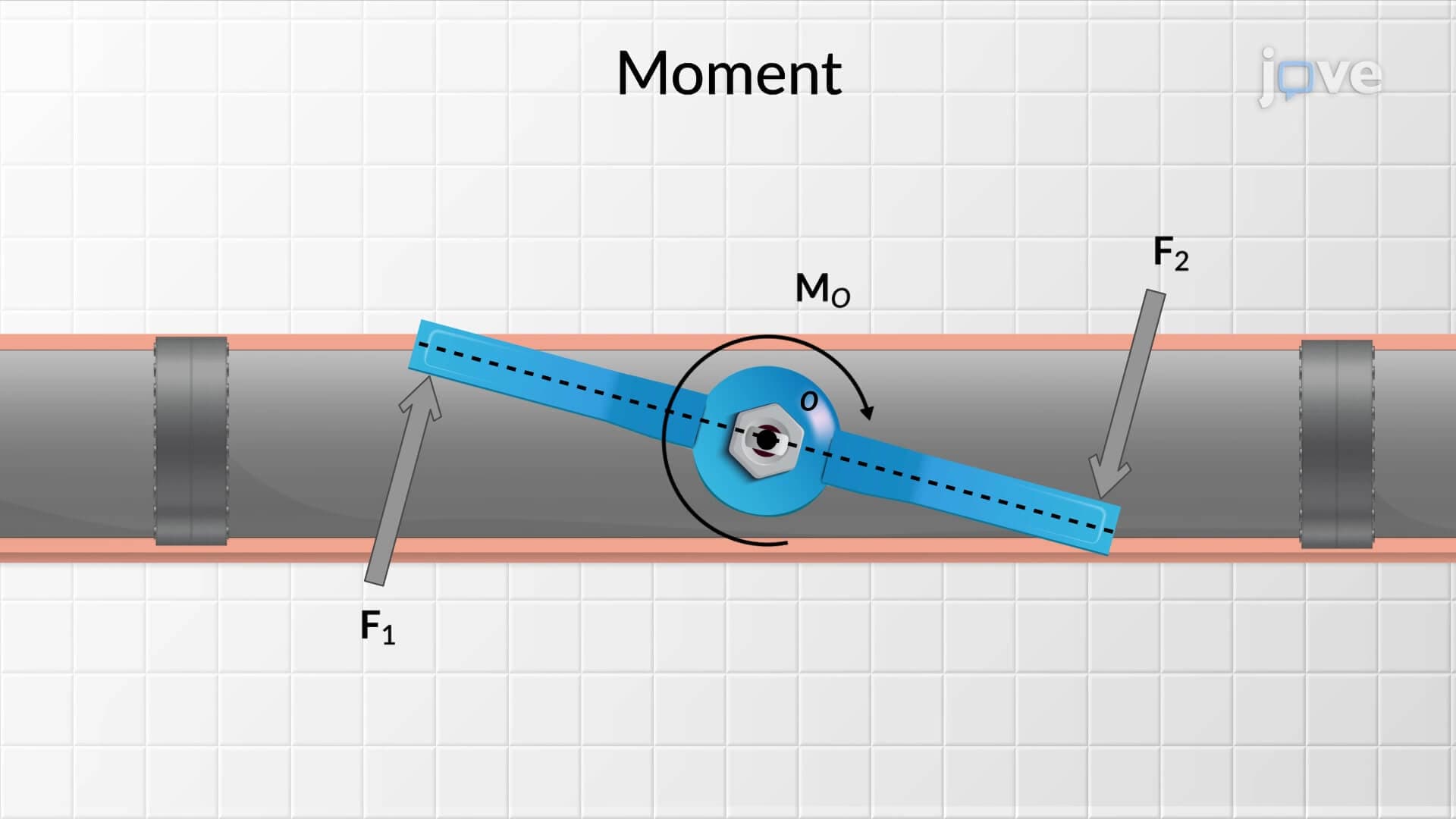
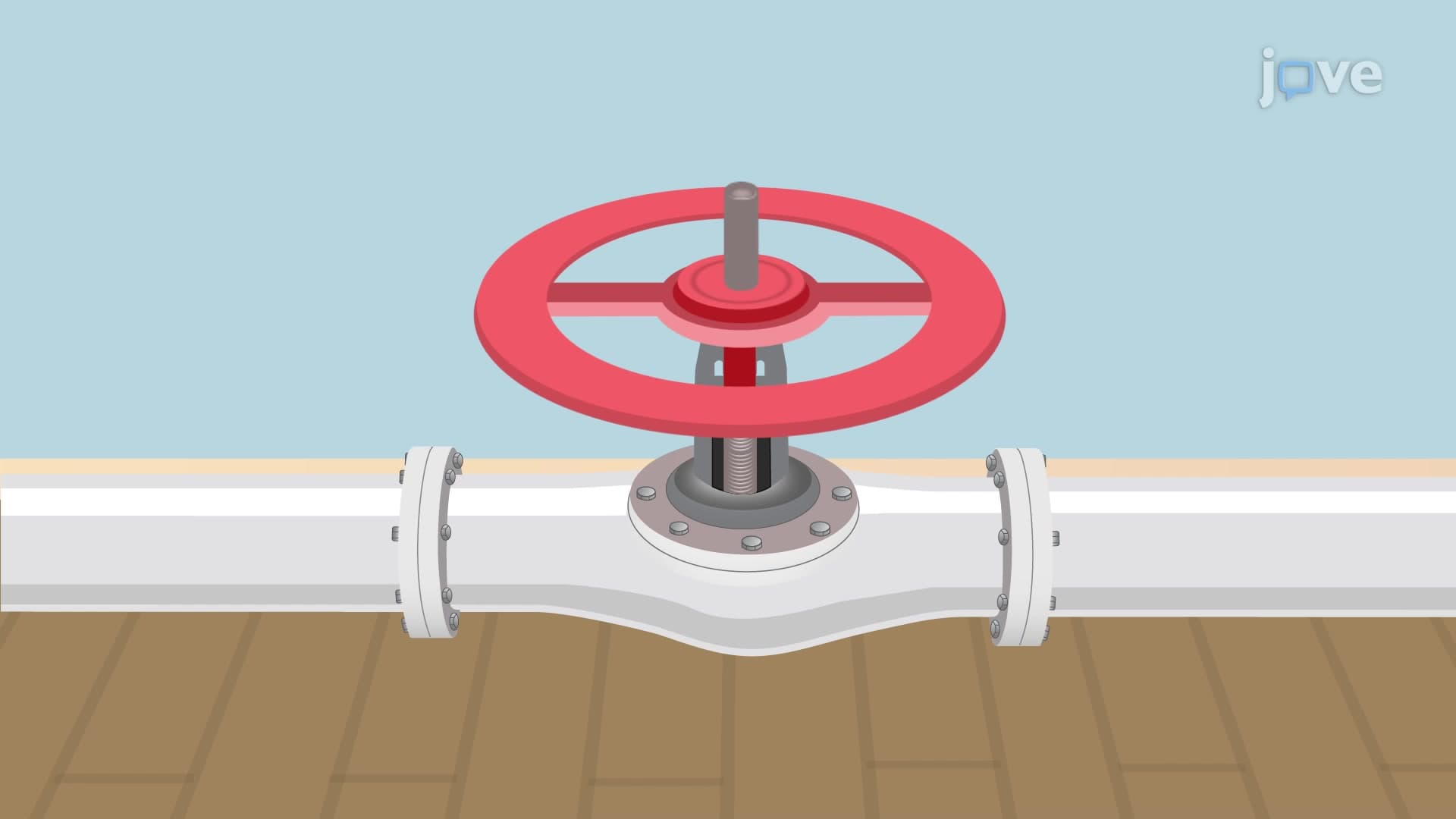
Ever wondered how engineers calculate the twisting forces on airplane propellers or bridge supports? Moment couple problem solving determines the rotational effects when equal and opposite forces act at different points—like two mechanics simultaneously turning wrenches on opposite ends of a pipeline valve at a Texas oil refinery. This fundamental engineering concept combines vector mathematics with real-world force analysis. Watch the full video on JoVE Coach to master this concept with expert-led visuals and step-by-step explanations.
Moment couple problem solving represents a specialized branch of statics that analyzes the rotational effects of force pairs. Unlike single forces that create moments about specific points, couples generate pure rotation regardless of the reference point chosen. This concept proves essential for engineering students preparing for AP Physics, college-level statics courses, and professional engineering examinations.
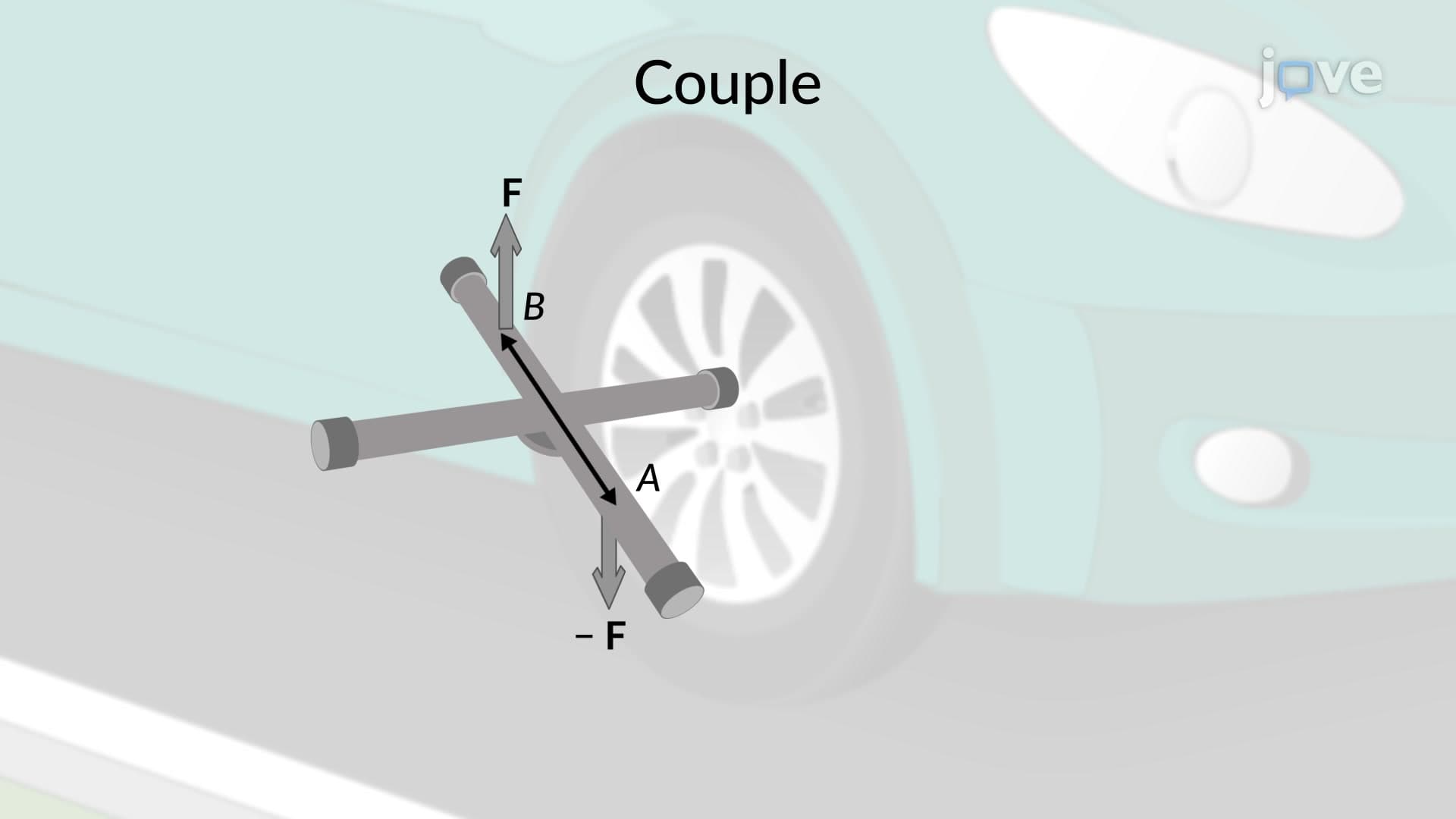
A couple consists of two forces that are equal in magnitude, opposite in direction, and act along parallel lines. The defining characteristic is that these forces cannot be reduced to a single resultant force—they always produce a net rotational effect. This principle appears frequently in MCAT physics sections and engineering fundamentals courses across US universities.
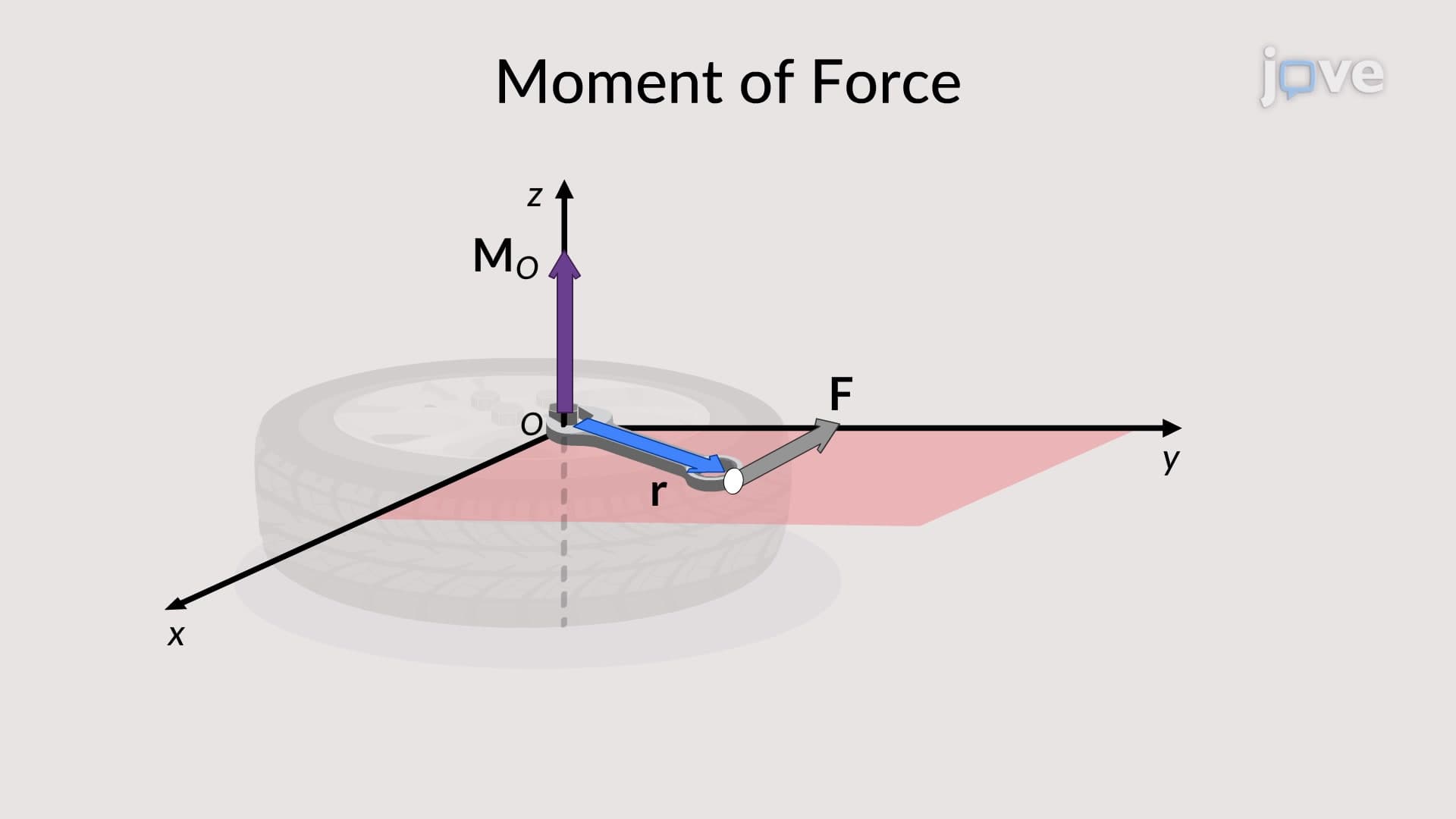
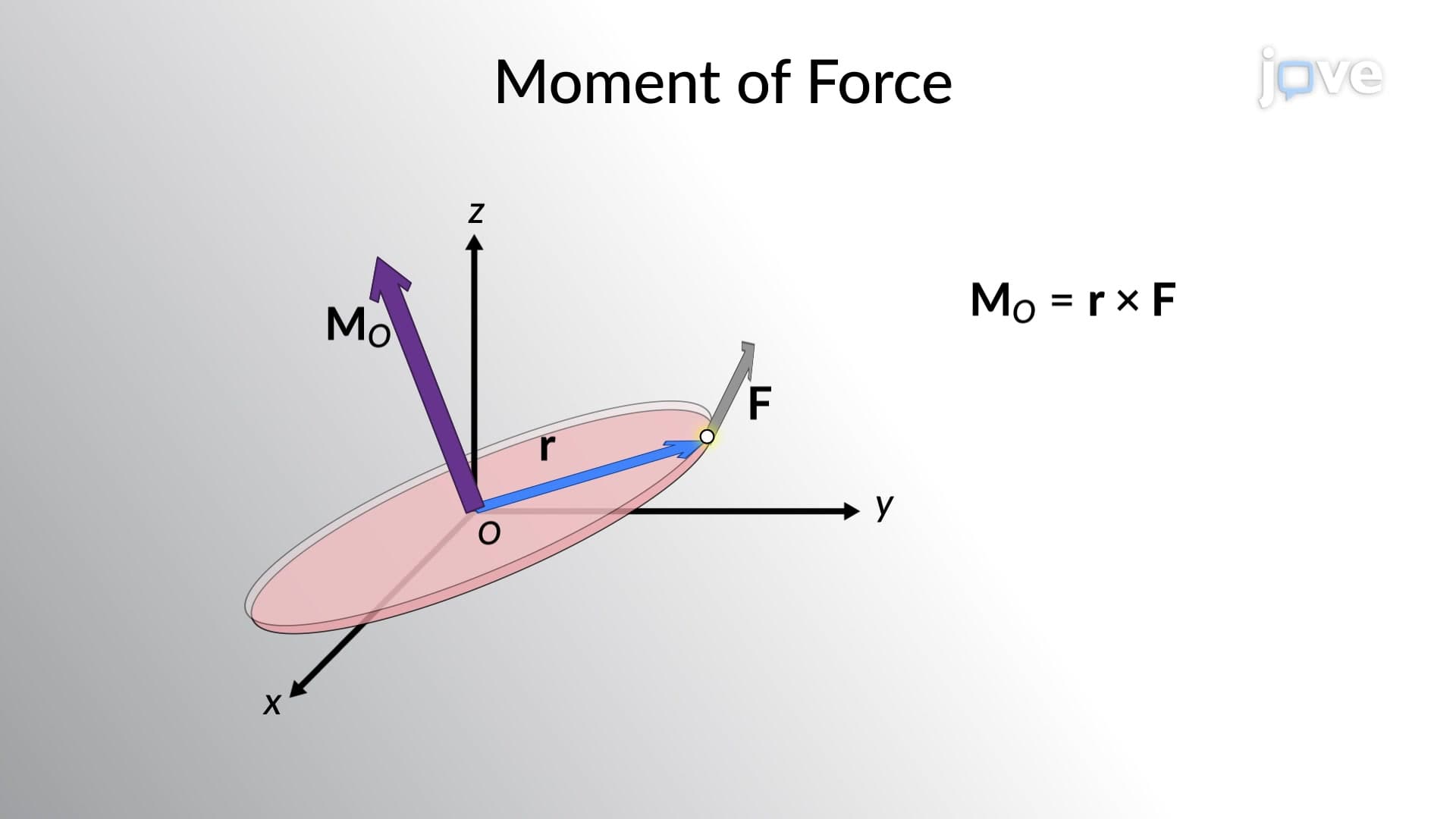
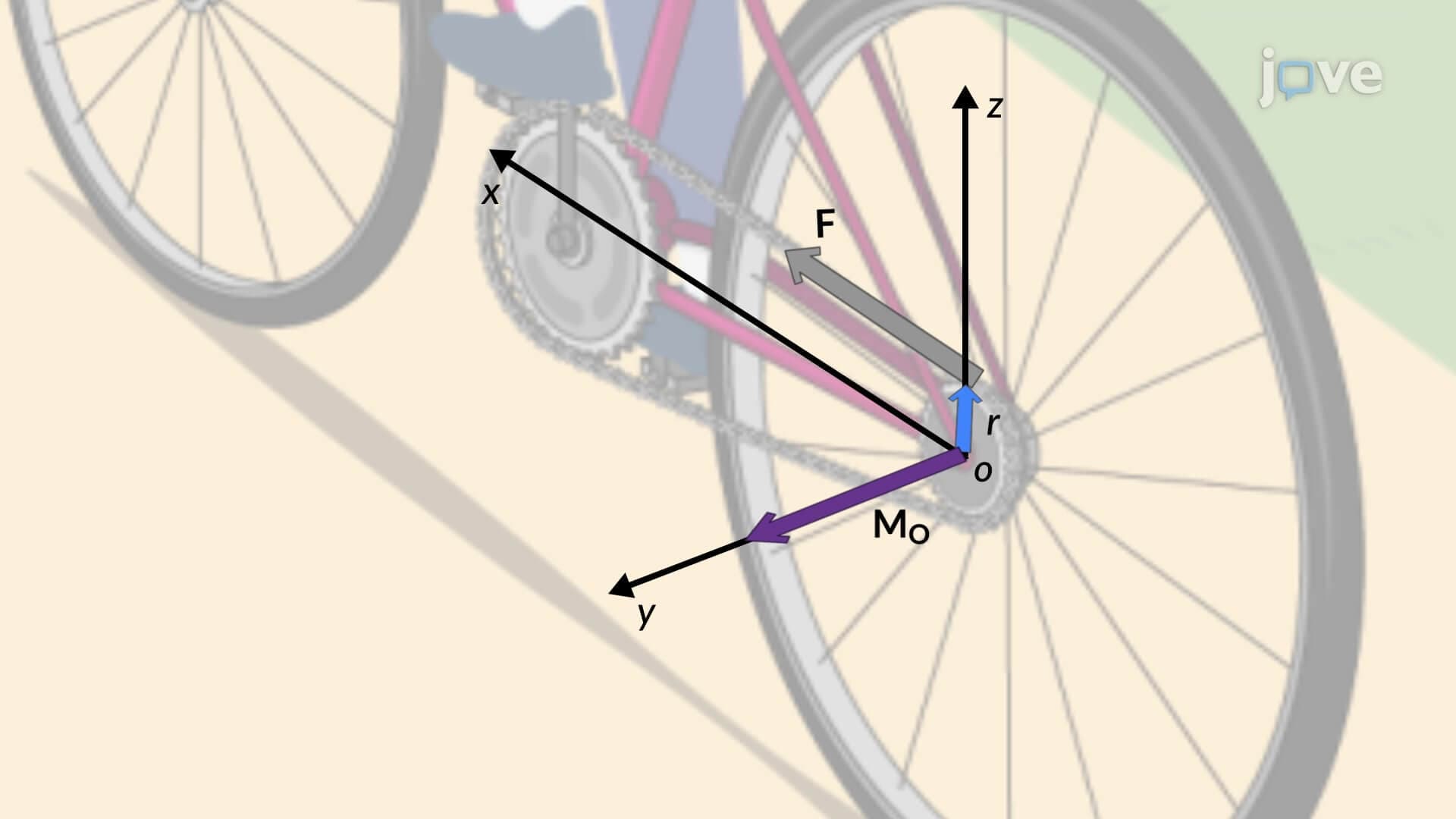
The couple moment calculation relies on vector cross-products and position vectors. For forces F applied at points A and B, the couple moment M equals the cross-product of the distance vector r (from point A to B) and the force vector F. The mathematical expression becomes:
M = r × F
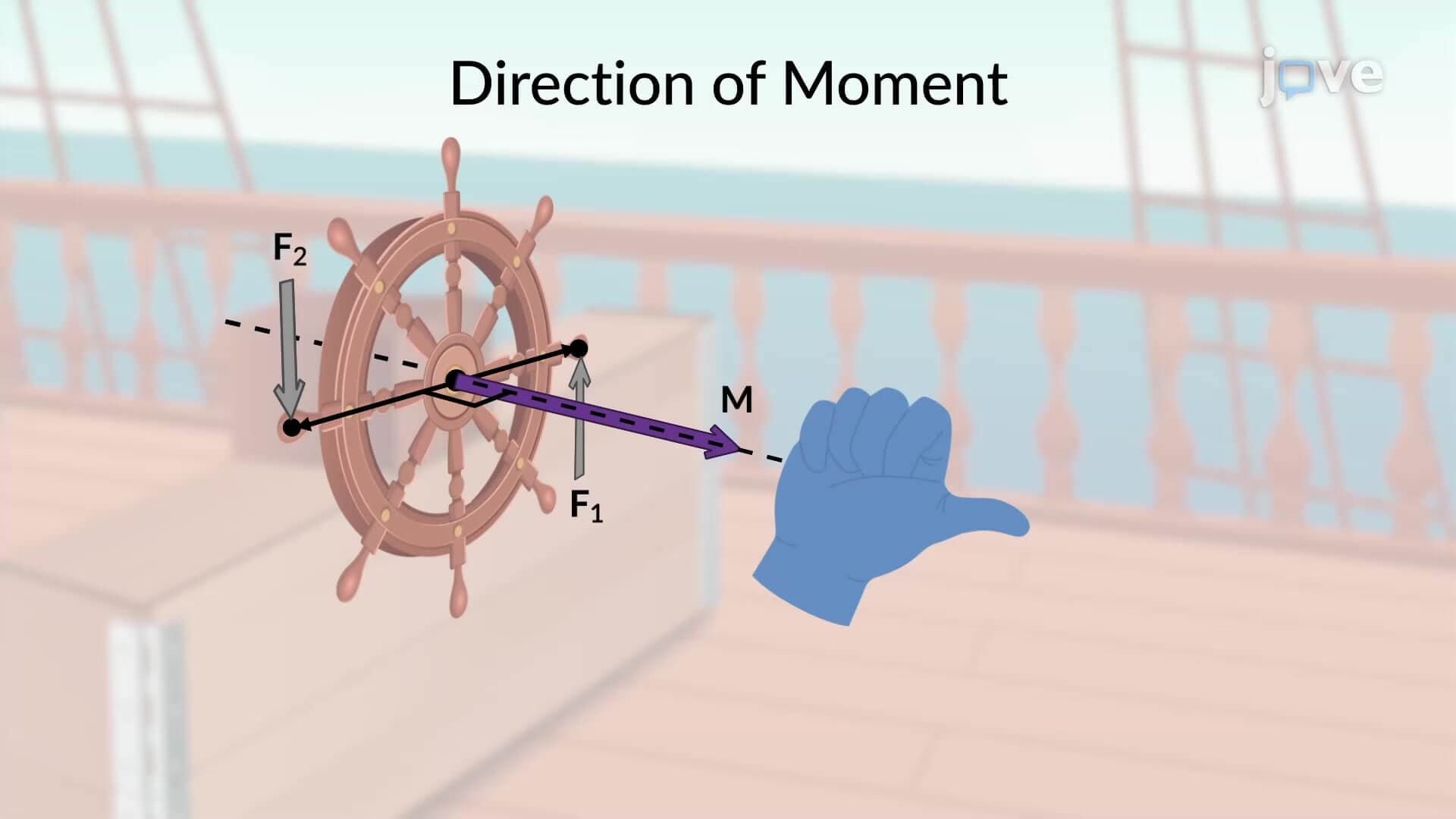
The magnitude equals |r| × |F| × sin(θ), where θ represents the angle between vectors. In perpendicular force applications, this simplifies to |r| × |F|. The direction follows the right-hand rule, crucial for three-dimensional problem solving in college physics and engineering mechanics courses.
Moment couples appear throughout American engineering practice. Automotive engineers analyze couples in steering systems when drivers turn wheels—the hands apply equal and opposite forces on the steering wheel rim. Aerospace engineers at companies like Boeing and Lockheed Martin calculate couple moments on aircraft control surfaces during flight maneuvers.
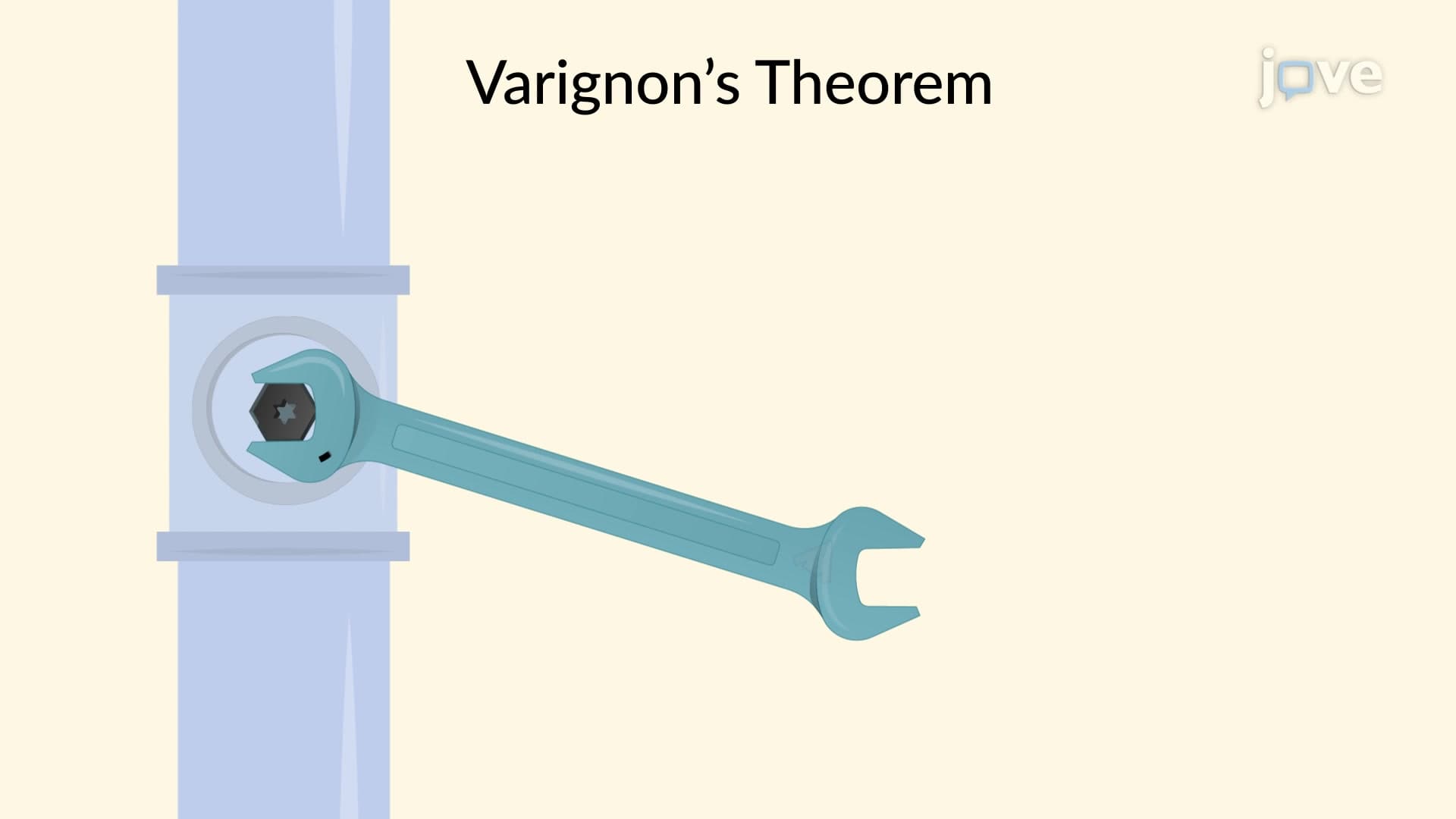
Construction engineers designing bridges must consider couple moments from wind loads acting on opposite bridge faces. Oil and gas industry professionals encounter couples in pipeline valve operations, where maintenance crews use opposing wrenches to prevent pipe rotation while loosening connections.
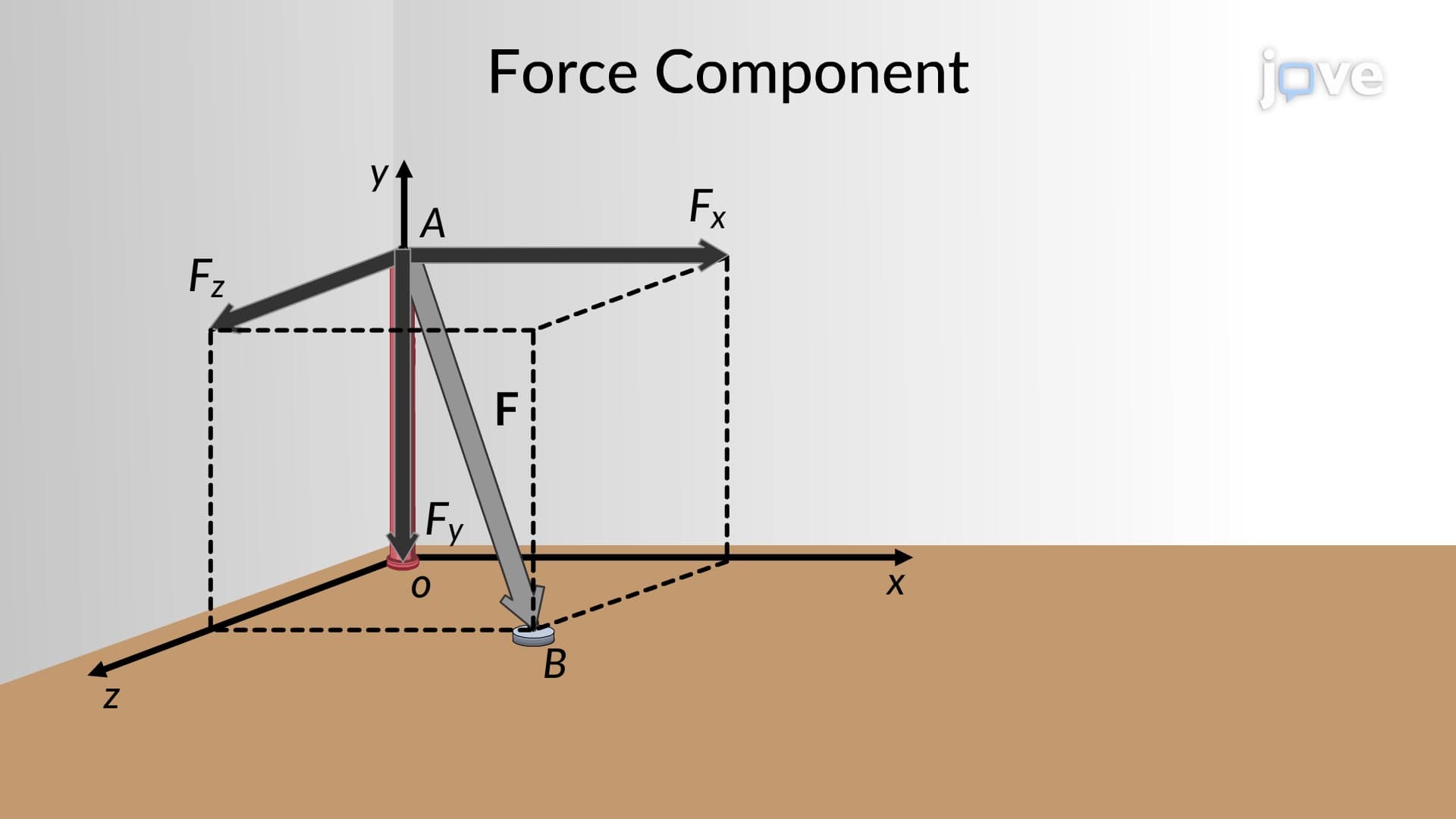
Successful moment couple problem solving requires systematic approaches. First, identify all force pairs meeting couple criteria. Second, establish a coordinate system and determine position vectors. Third, apply cross-product calculations using determinant methods for three-dimensional problems. Finally, verify results using alternative reference points—couple moments should remain constant.
Students preparing for AP Physics C exams or university statics courses should practice problems involving multiple couples in single systems. These complex scenarios frequently appear on college midterms and professional engineering licensing examinations across US institutions.
Frequently Asked Questions
Moment couple problem solving analyzes systems where two equal, opposite forces create pure rotation. Unlike regular moments that depend on the reference point, couple moments remain constant regardless of where you calculate them. This makes couple analysis more straightforward once you identify the force pairs.
AP Physics C and college statics exams frequently test couple identification, vector cross-products, and three-dimensional calculations. Expect problems combining multiple couples or asking you to find equivalent single couples. Practice with coordinate systems and determinant methods for success.
MCAT questions focus on conceptual understanding rather than complex calculations. You'll encounter couples in biological systems like muscle pairs, lever mechanisms, and rotational equilibrium scenarios. Emphasis falls on recognizing when forces form couples and understanding rotational effects.
US industries use couple analysis extensively—automotive steering systems, aircraft control surfaces, construction crane operations, and oil pipeline maintenance. Manufacturing facilities rely on couple calculations for robotic arm design and precision machinery positioning throughout American industrial operations.
Basic vector mathematics and trigonometry provide sufficient foundation for most couple problems. High school students in AP Physics or college freshmen can master these concepts with consistent practice. The key lies in systematic problem-solving approaches rather than advanced mathematical techniques.
Focus on pattern recognition—identify force pairs first, then apply systematic calculation methods. Create summary sheets with common couple configurations and practice three-dimensional problems using determinant methods. Work through problems from multiple US textbooks to see various presentation styles.
Couple analysis forms the foundation for advanced topics like stress analysis, machine design, and structural engineering. Understanding couples prepares you for dynamics, vibrations, and finite element analysis courses common in US engineering programs.
Yes, couples can exist in both static and dynamic systems. While introductory courses emphasize equilibrium applications, couples appear in accelerating systems and rotational dynamics problems. Advanced courses explore couples in moving machinery and oscillating systems throughout engineering curricula.
Related Micro-courses
Related Subjects
 Civil Engineering 30 micro-courses›Electrical Engineering 33 micro-courses›