Loading subject page…

- Mechanical Engineering
- Force System Resultants
- Moment of a Force About an Axis: Scalar
Micro-course: Force System Resultants
25,808 views
Learn key concepts and earn your certificate.
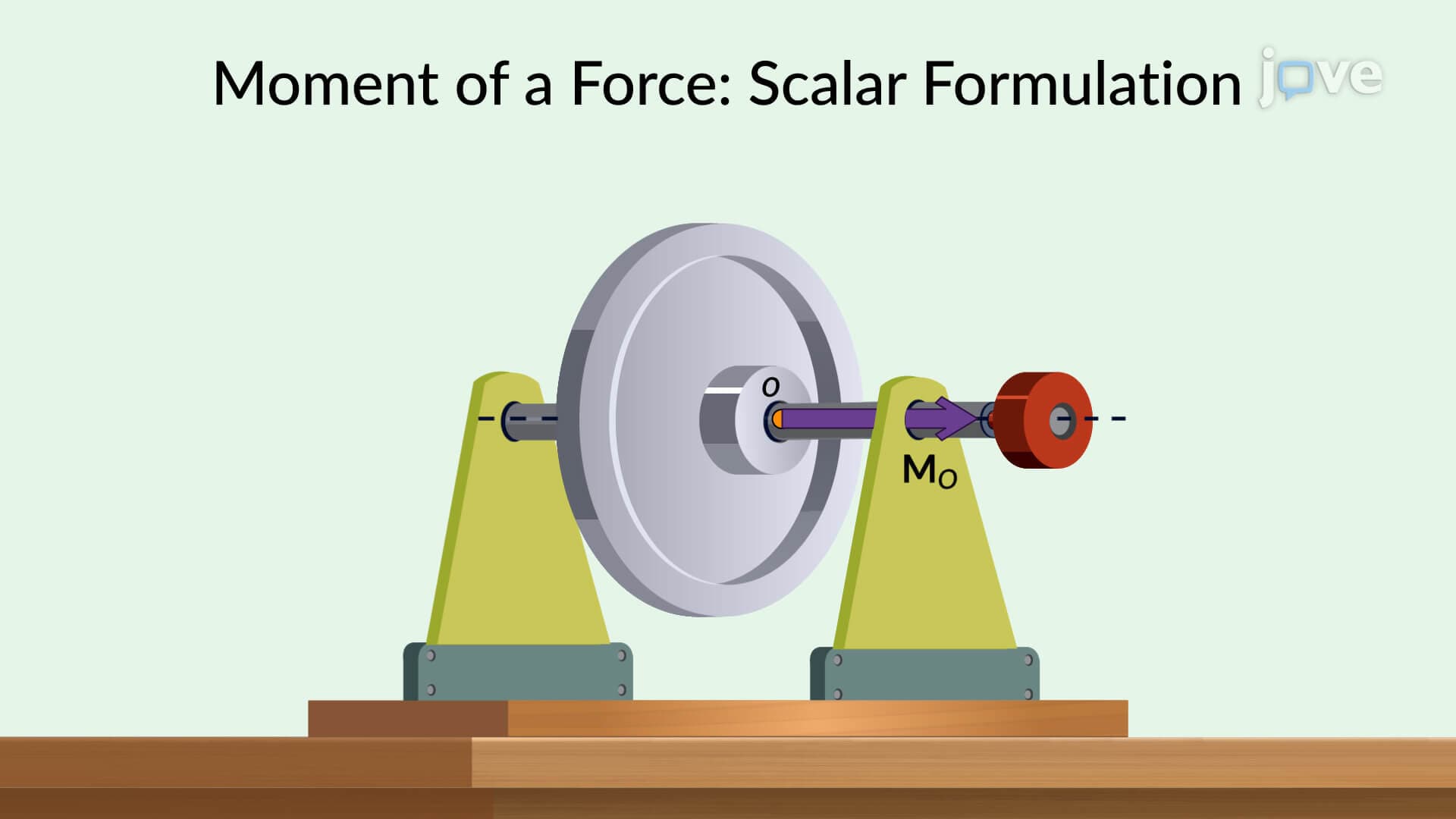

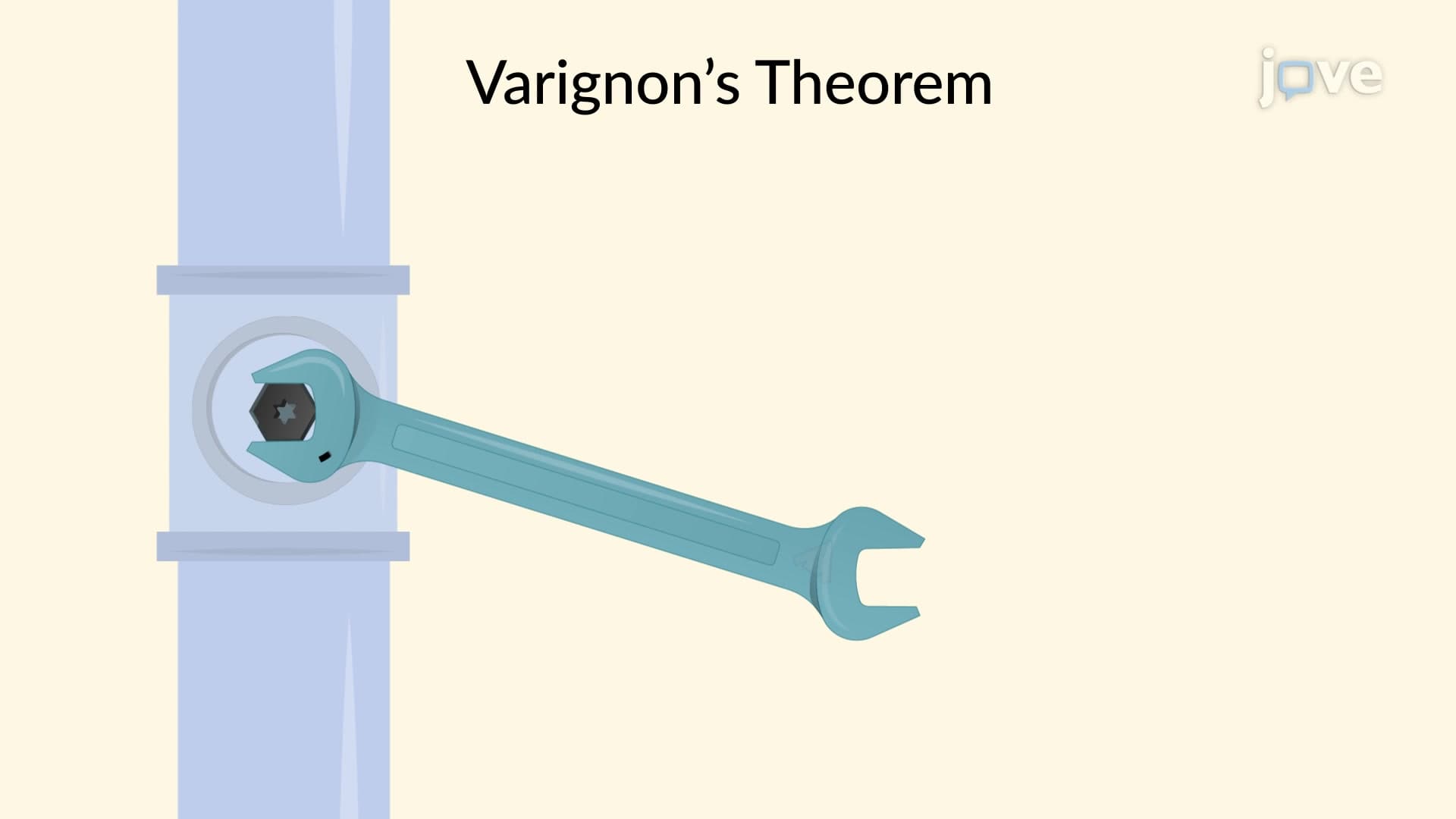
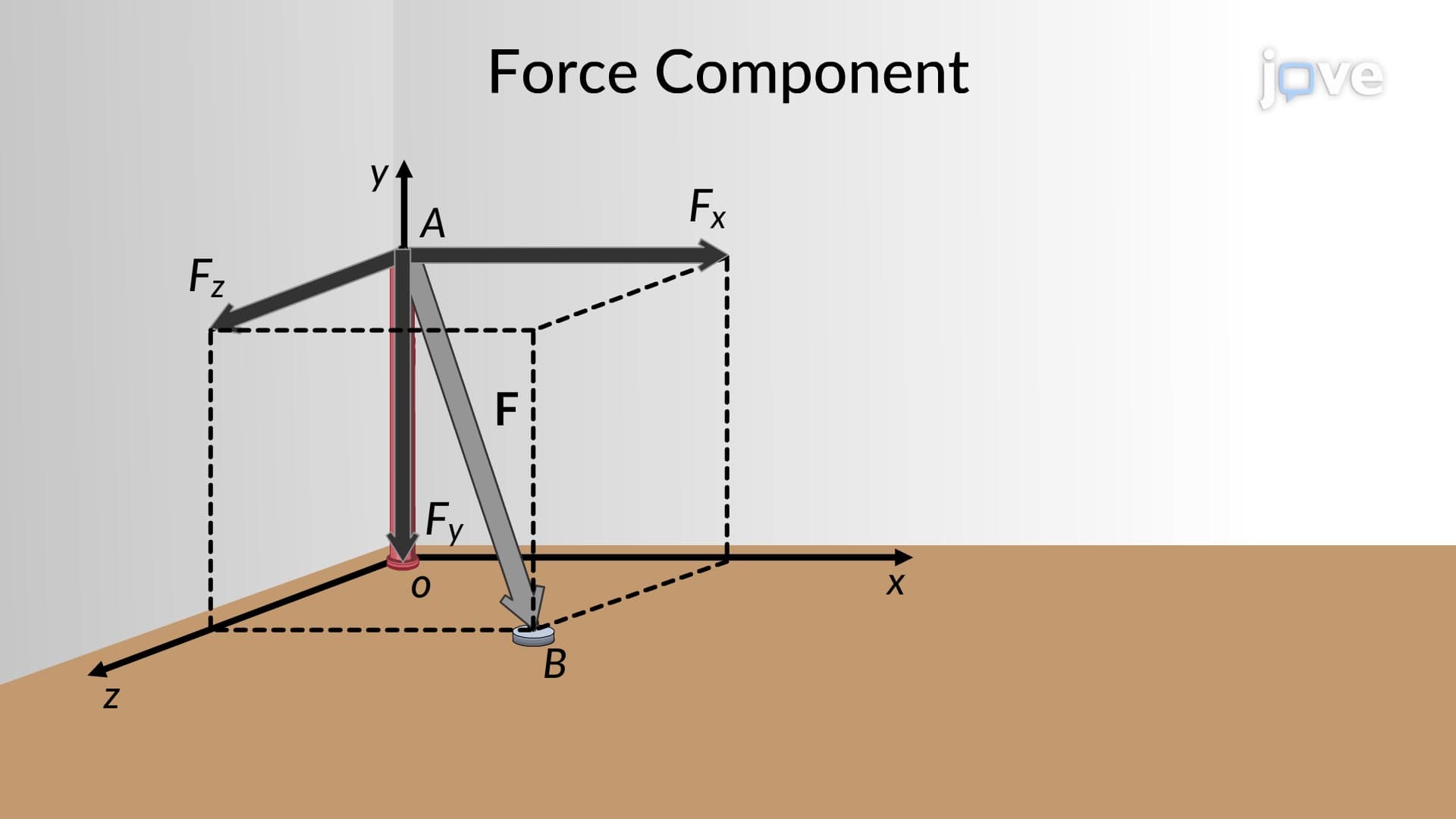
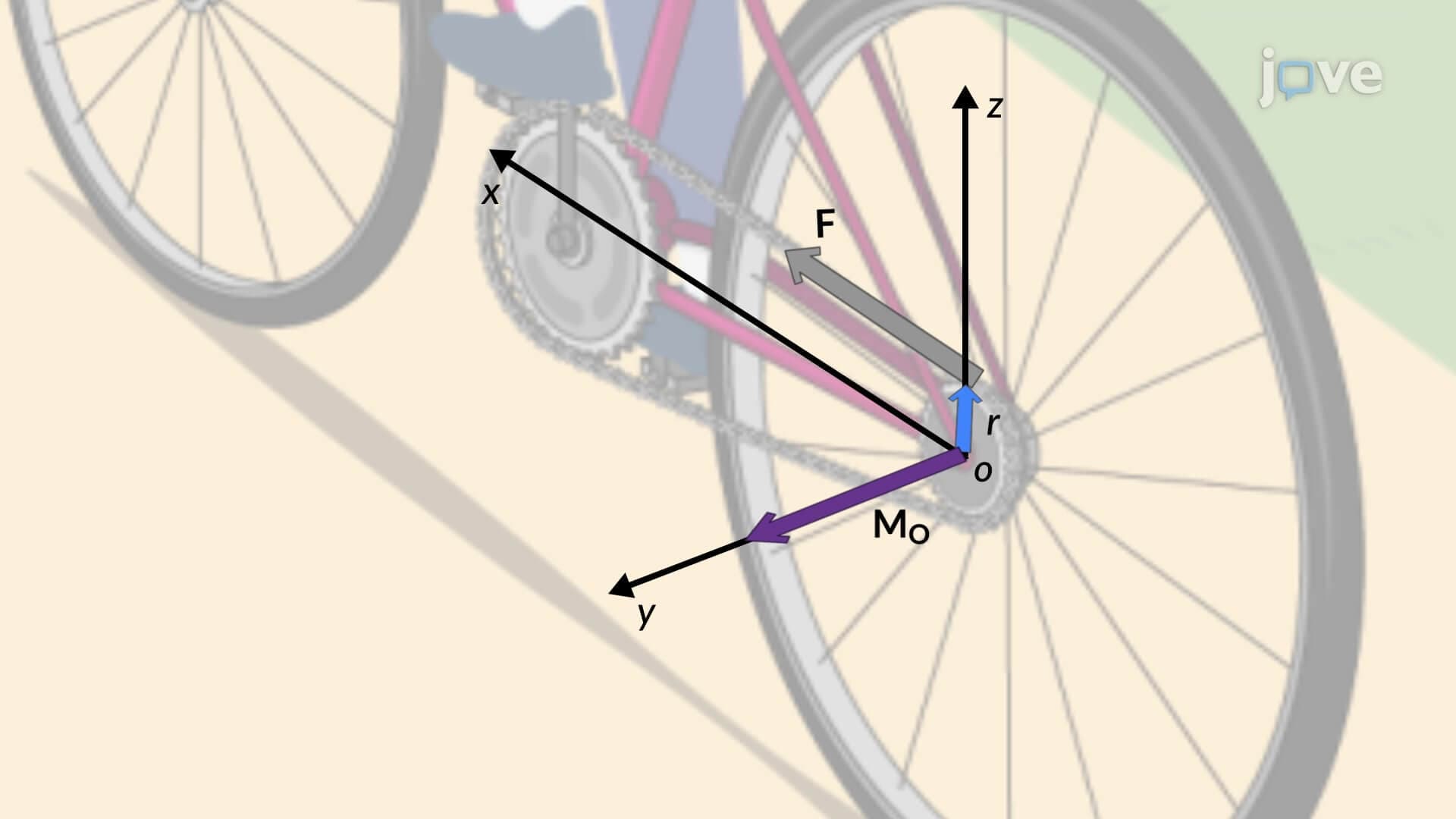
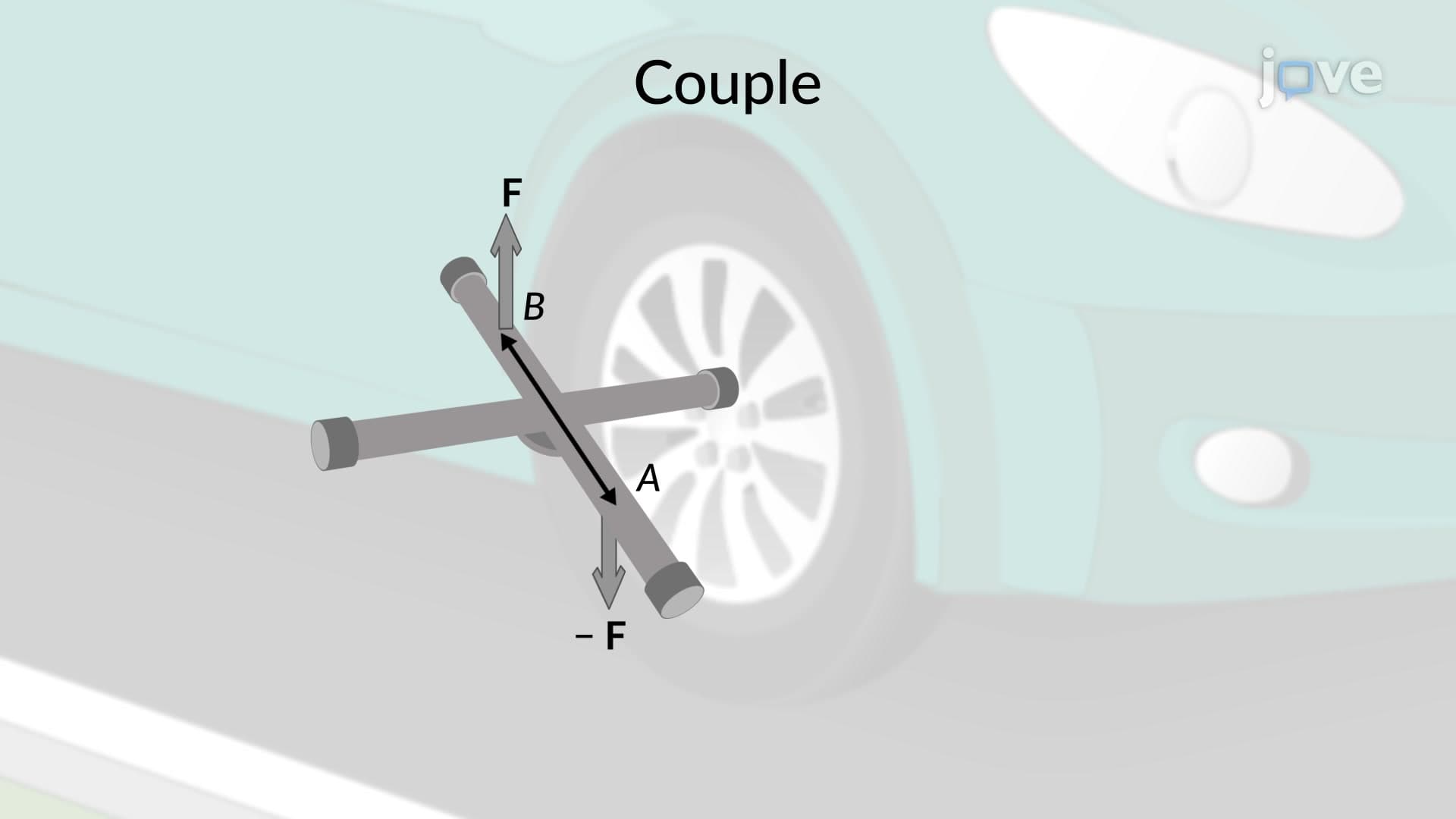
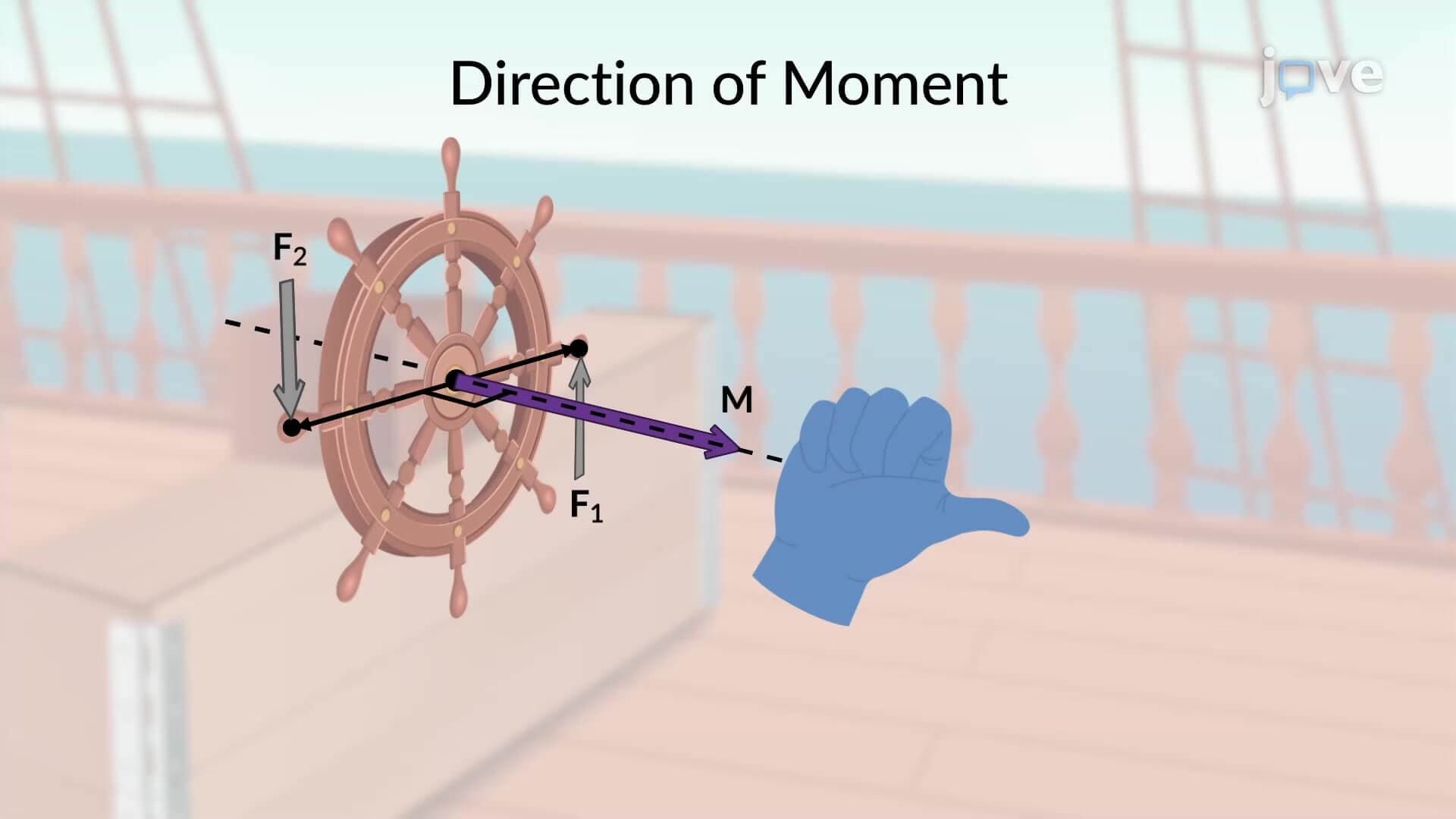
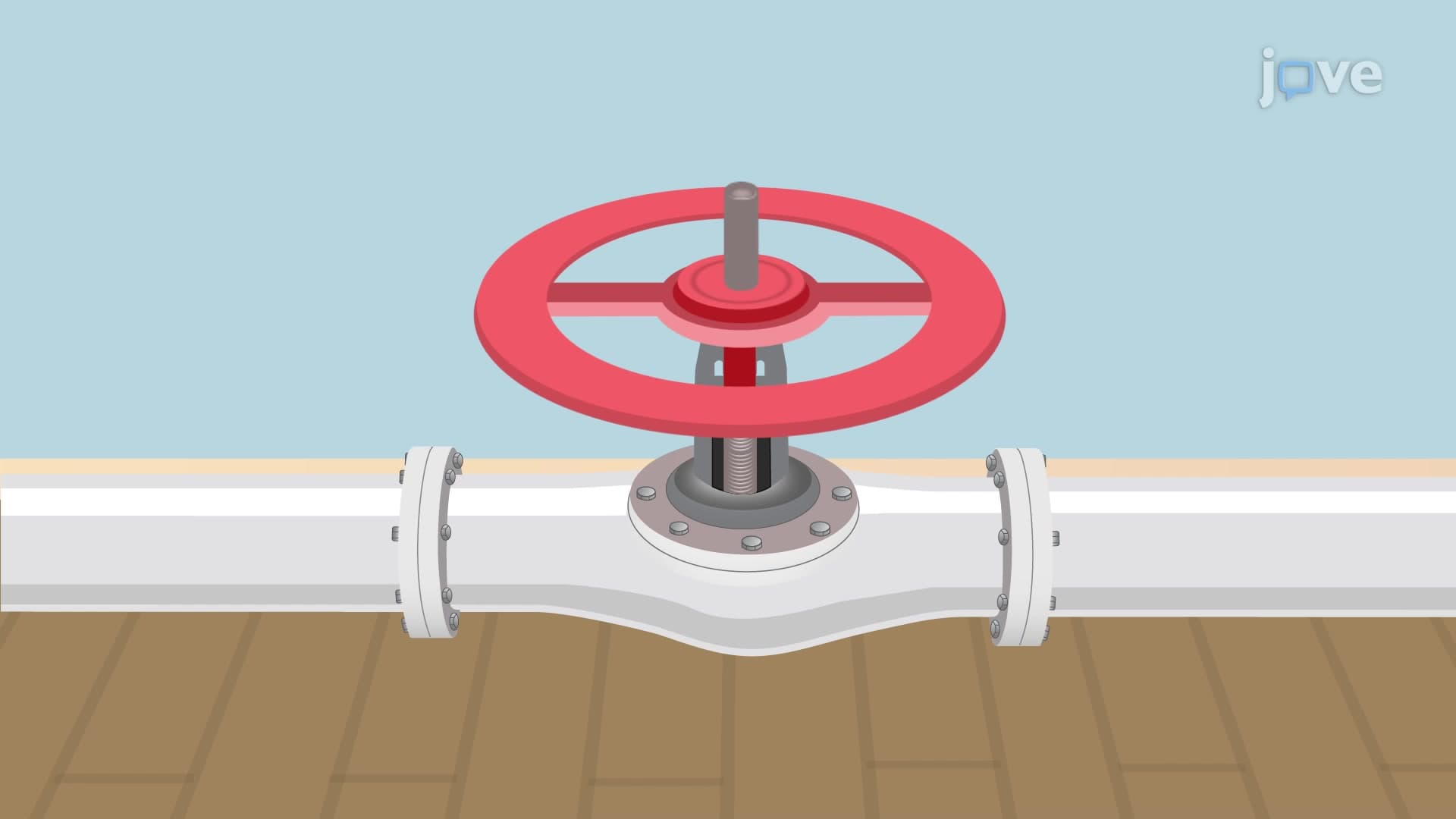
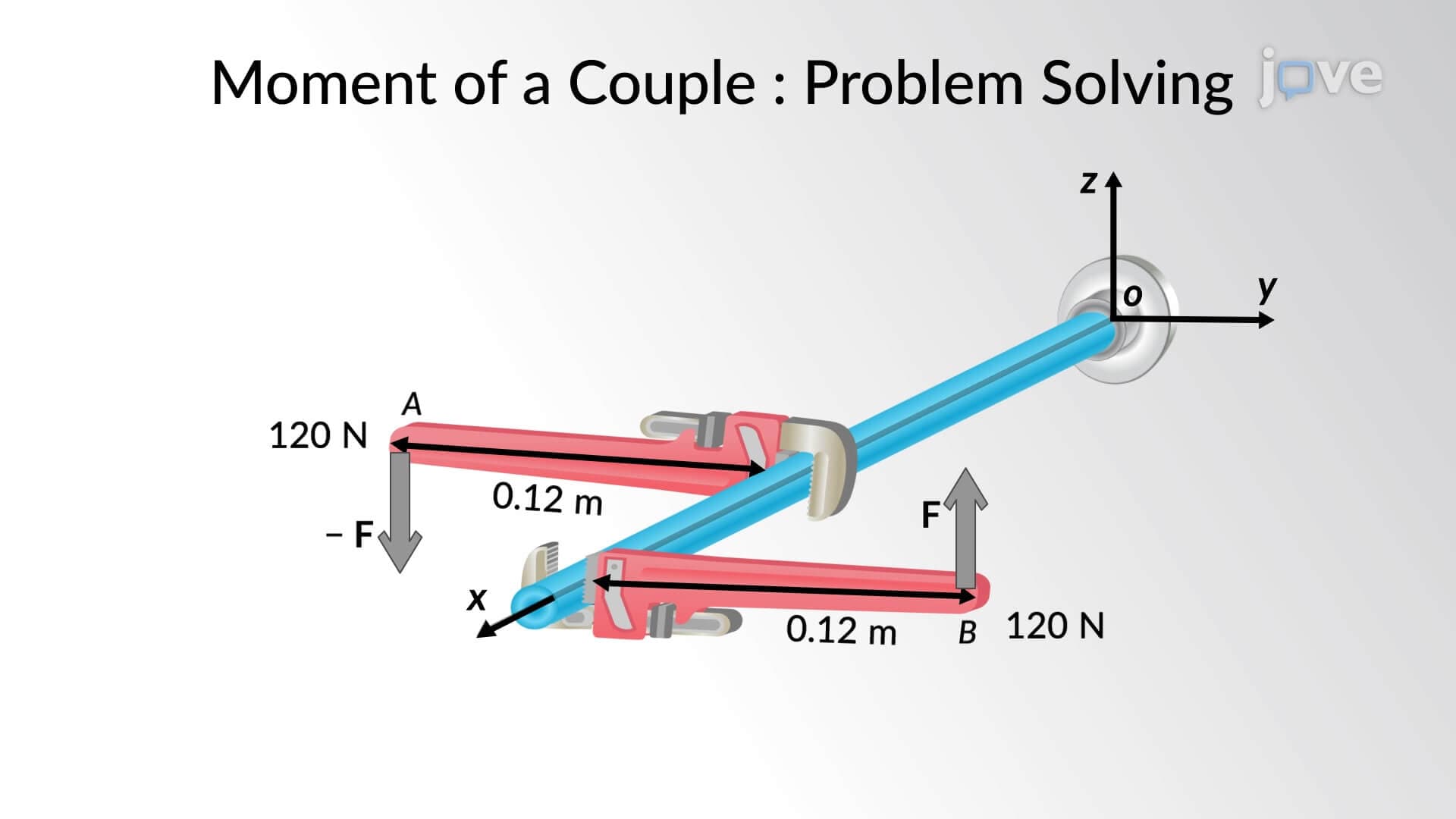
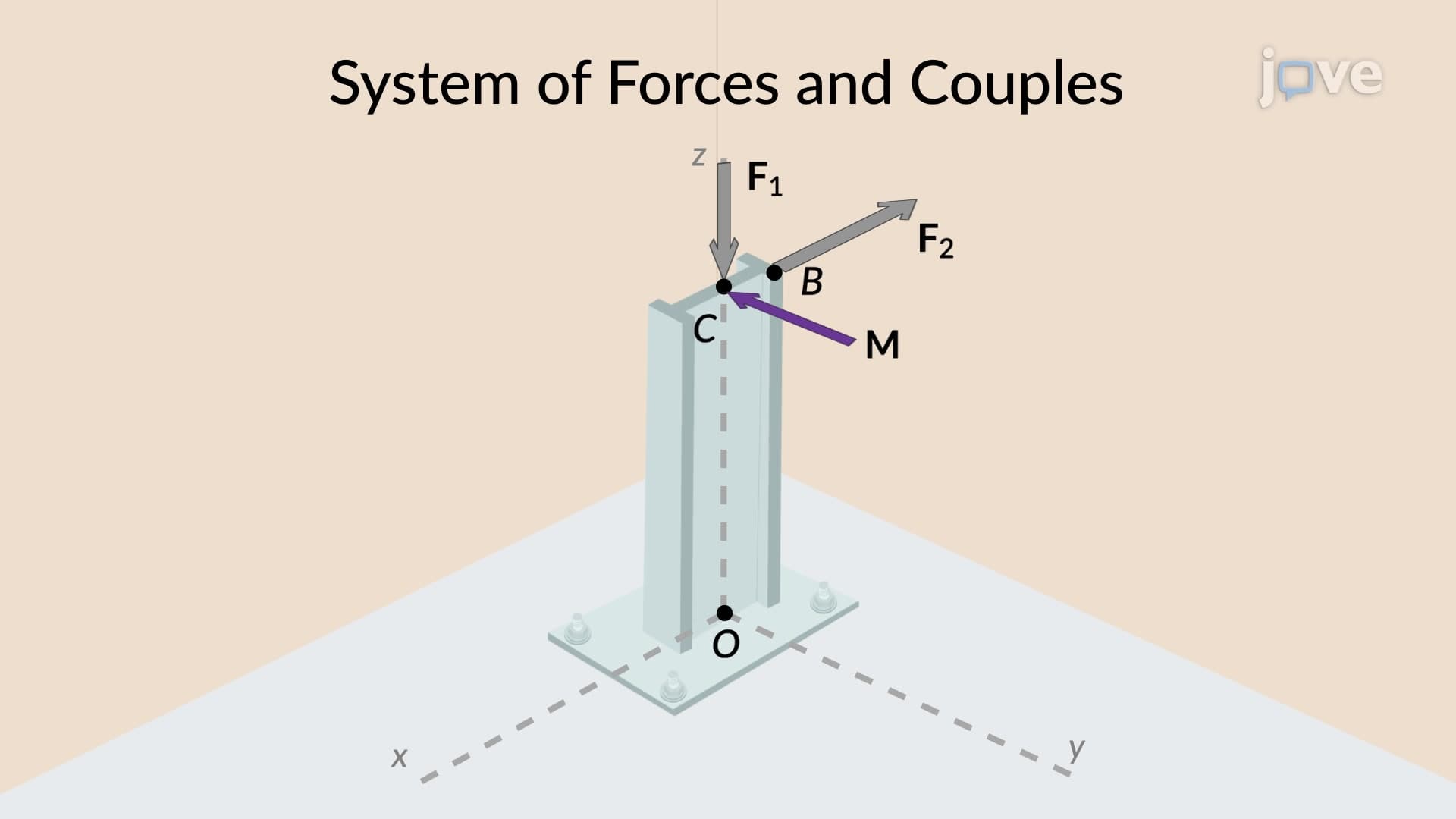
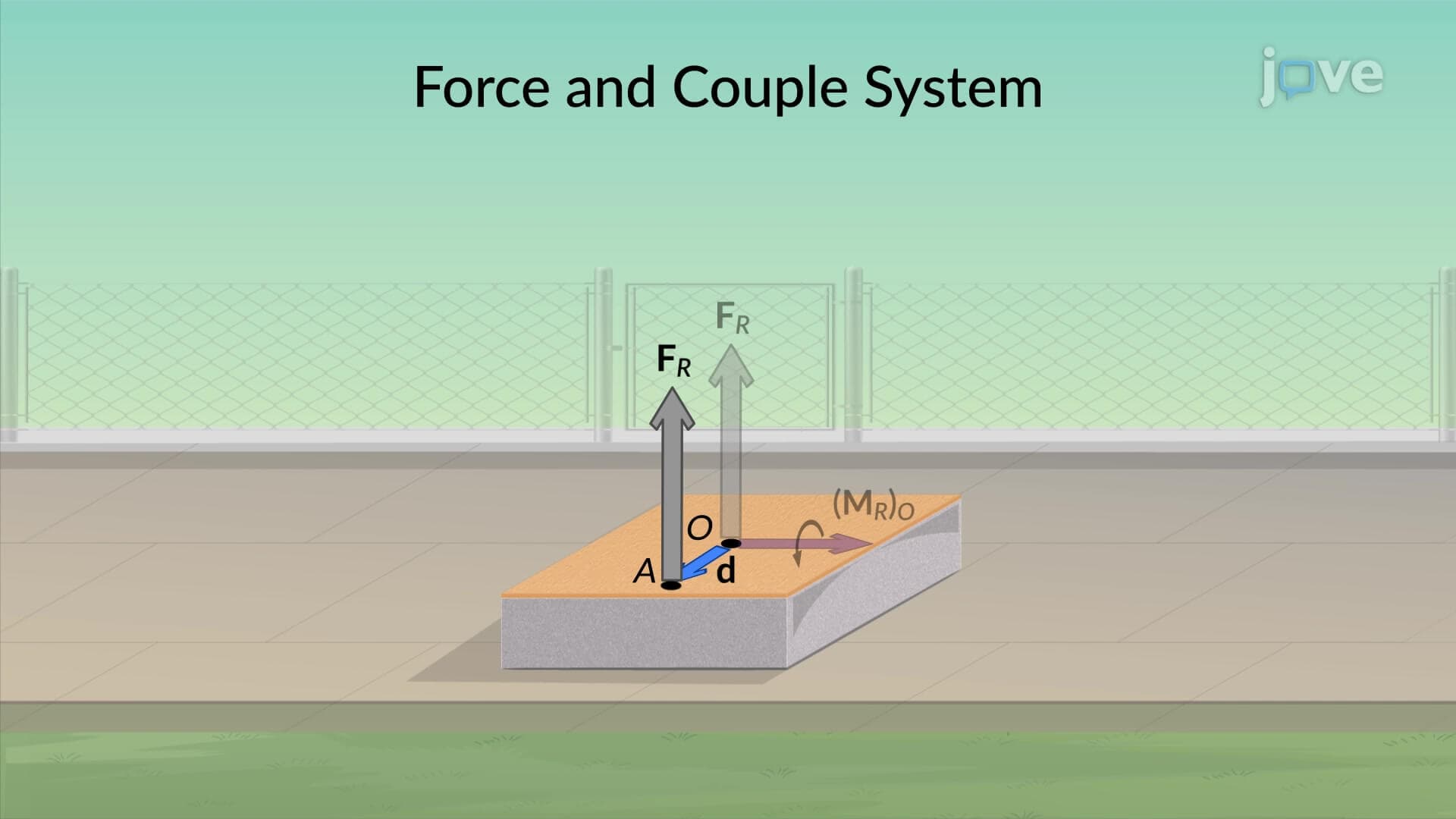
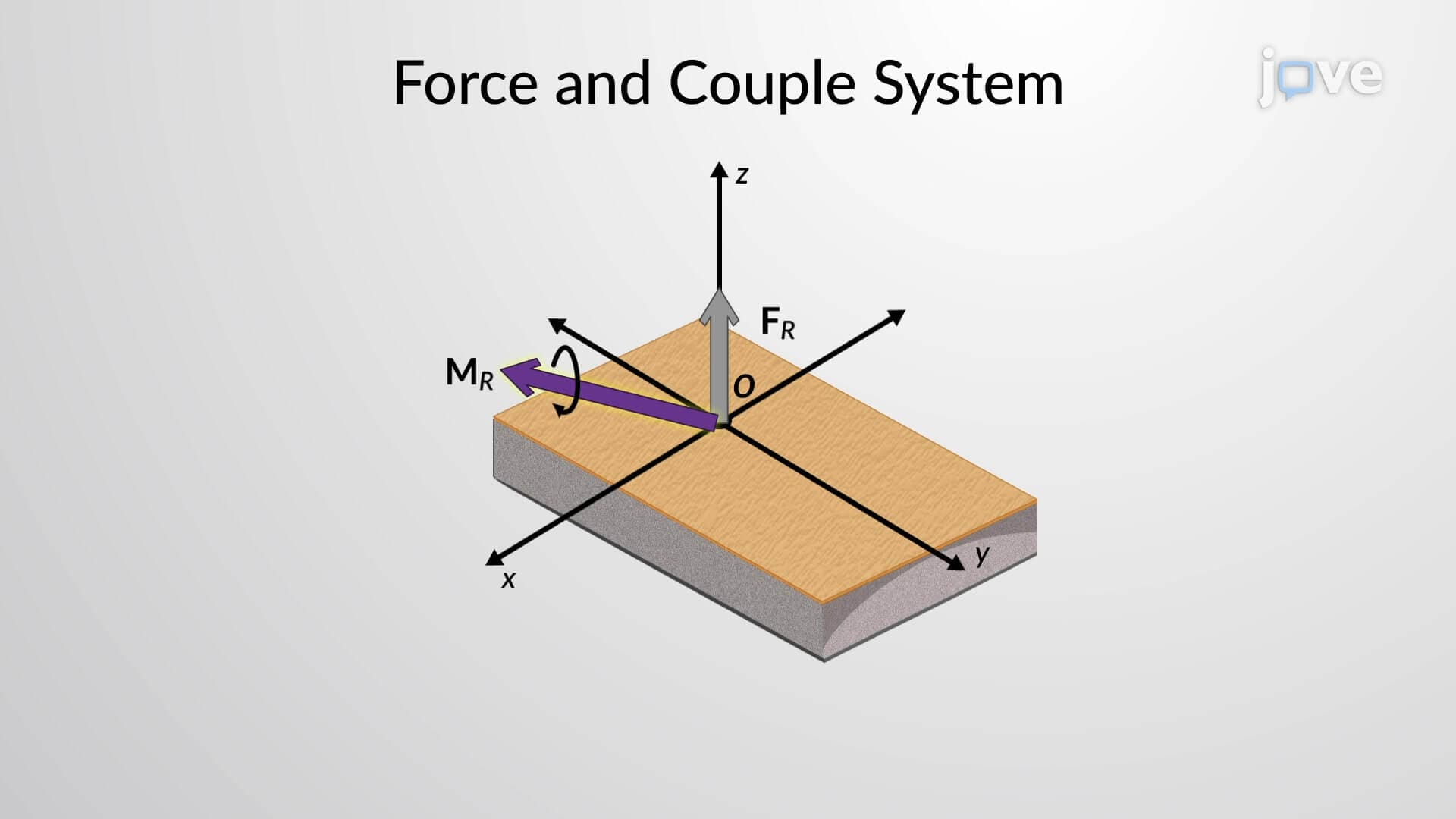

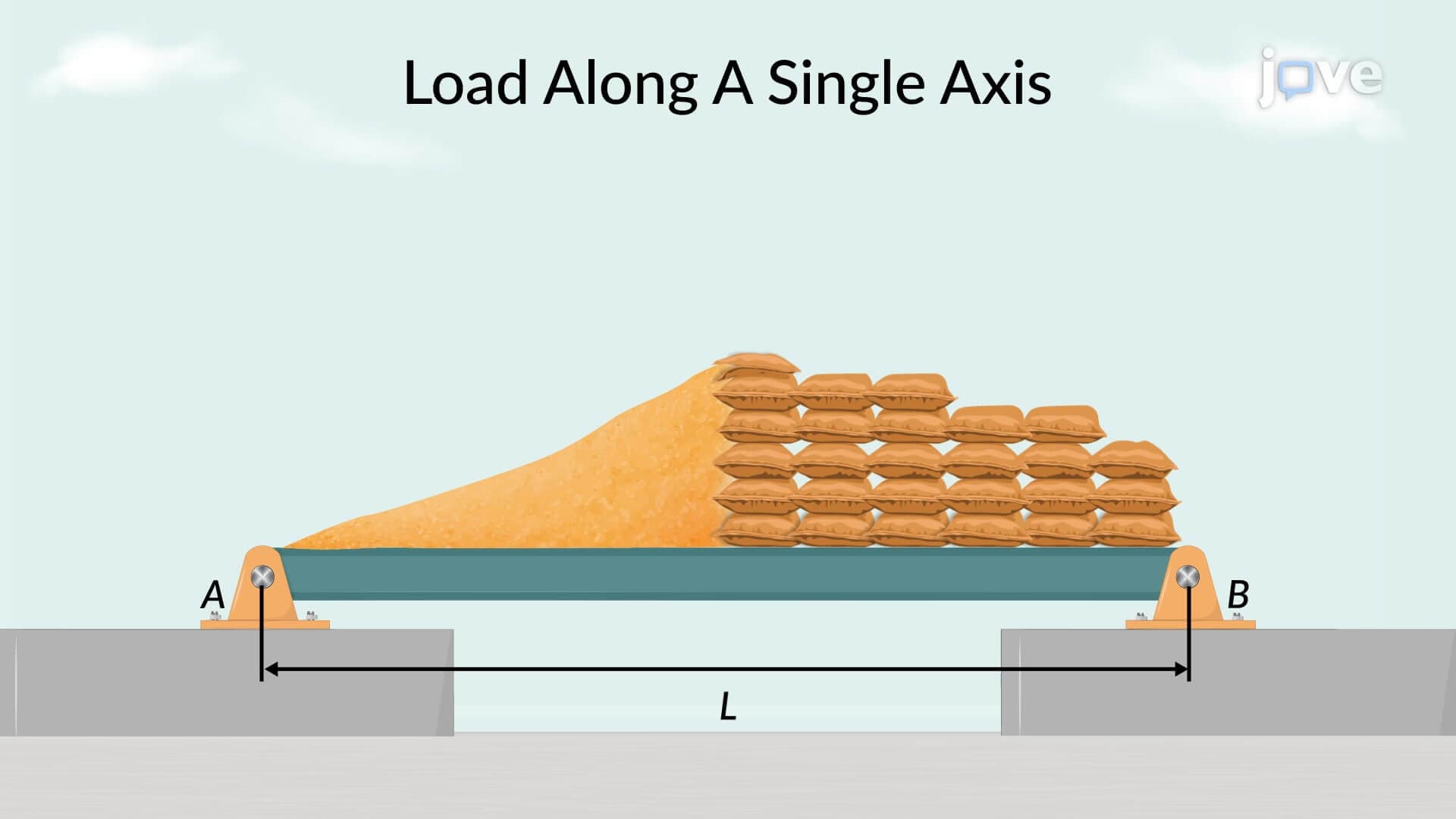

Moment of a Force About an Axis: Scalar


00:00
01:28
Video Summary: Moment Force About an Axis Scalar Explained
Ever wonder why a bicycle wheel spins so efficiently when you pedal? The secret lies in understanding moment force about an axis scalar, a fundamental physics concept that describes rotational motion. When a cyclist applies force to the pedal, the chain transfers this energy to create a moment force that rotates the wheel around its central axis. This scalar quantity measures the effectiveness of a force in causing rotation, with applications ranging from automotive engineering to mechanical systems throughout American manufacturing. Watch the full video on JoVE Coach to master this concept with expert-led visuals and step-by-step explanations.
- Understand the fundamental definition of moment force about an axis scalar and its role in rotational mechanics
- Identify the key components needed to calculate moment force: applied force magnitude, moment arm distance, and angle of application
- Analyze how perpendicular distance from the axis of rotation affects the magnitude of rotational force
- Apply the mathematical relationship M = F × r × sin(θ) to solve real-world engineering problems
- Recognize the difference between scalar and vector representations of rotational moments
- Evaluate how moment force calculations appear in AP Physics and college-level mechanics courses
- Compare moment force applications across different mechanical systems like bicycles, motors, and turbines
- Explore the connection between moment force, angular velocity, and power generation in rotating machinery
Understanding Moment Force About An Axis Scalar Fundamentals
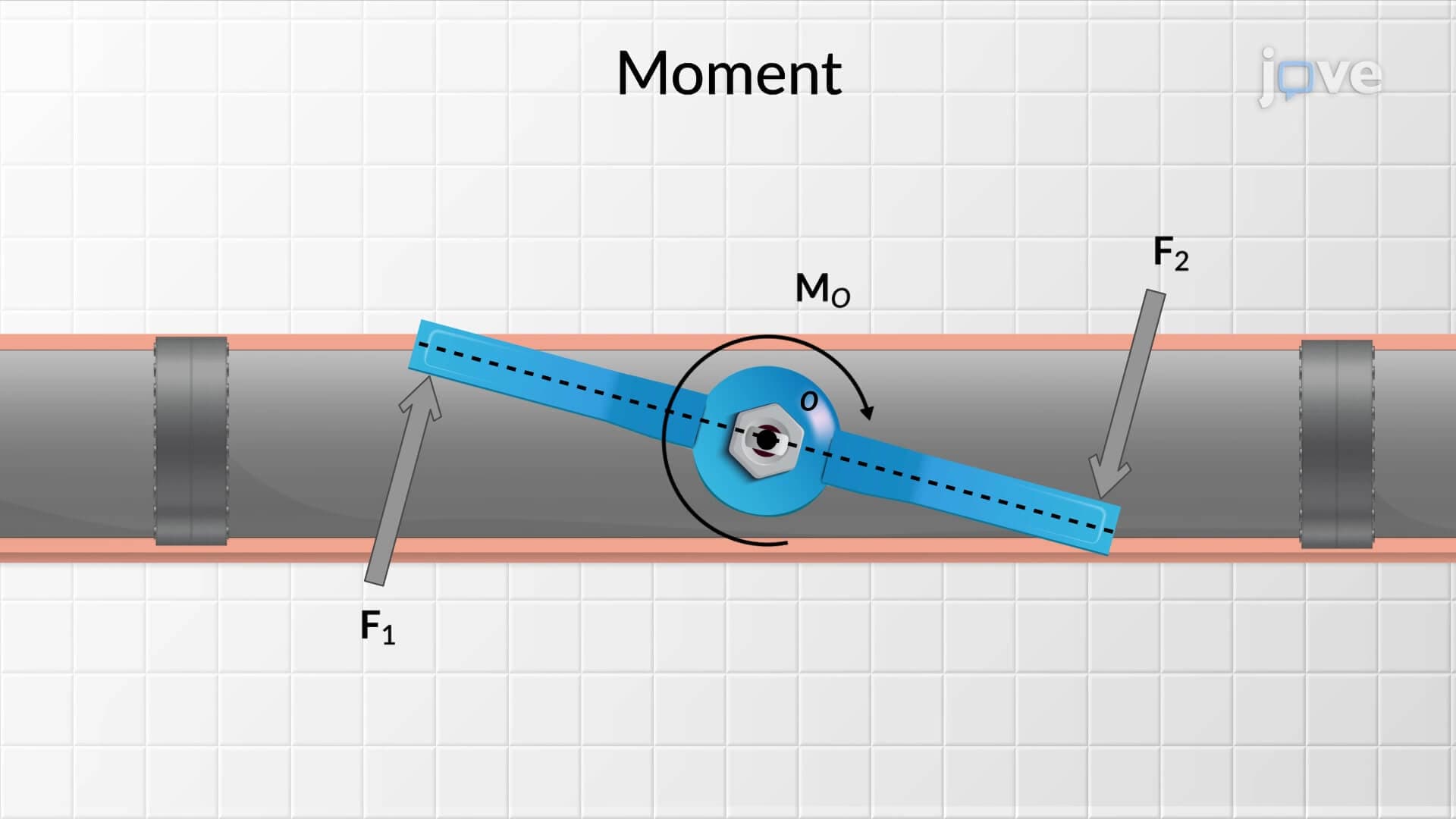
Moment force about an axis scalar represents the tendency of a force to cause rotation around a specific axis, expressed as a single numerical value without directional components. Unlike vector quantities that require both magnitude and direction, this scalar approach focuses purely on the rotational effectiveness of an applied force. In engineering mechanics, this concept forms the foundation for analyzing everything from simple levers to complex turbine systems used in American power plants.
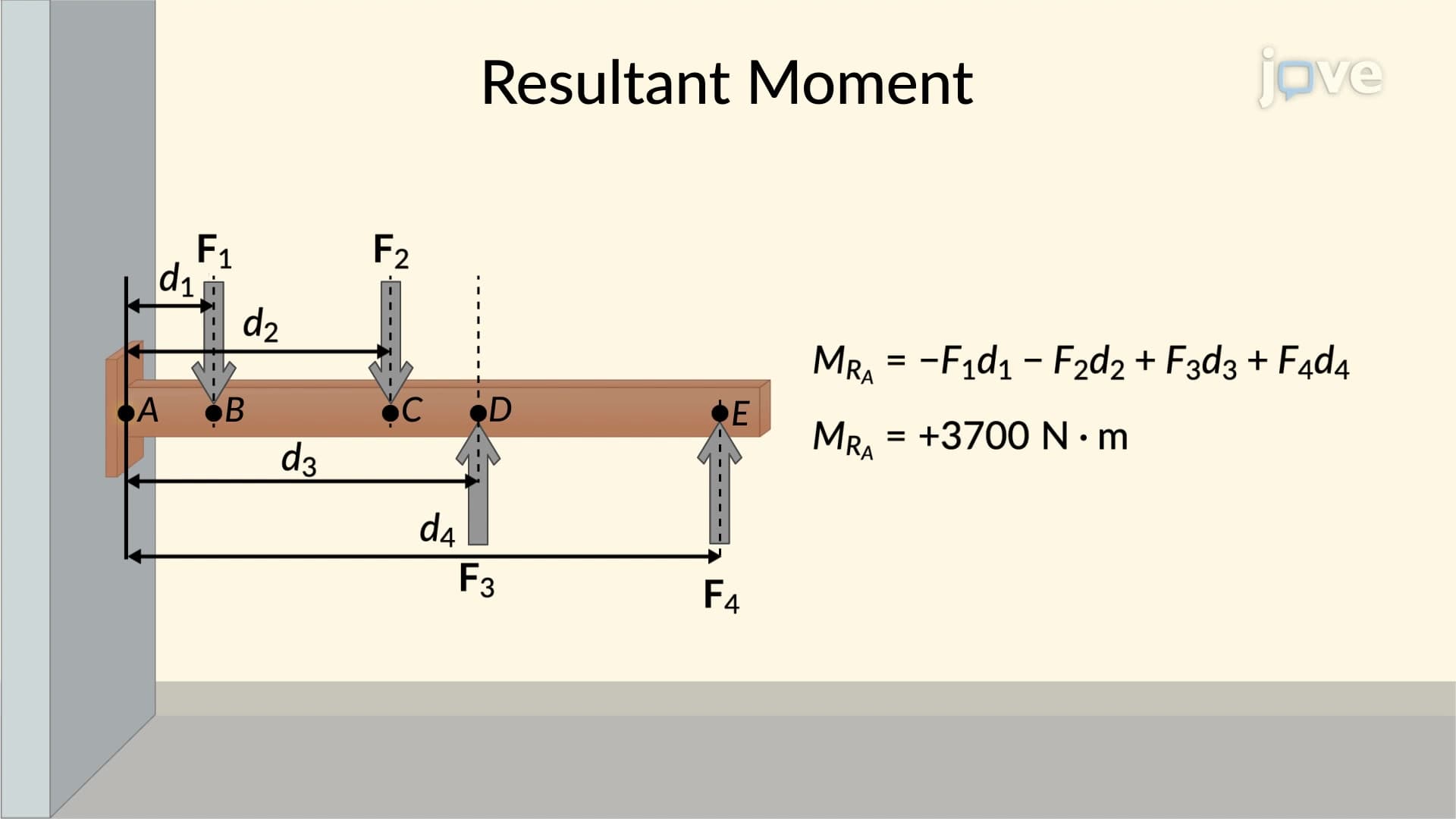
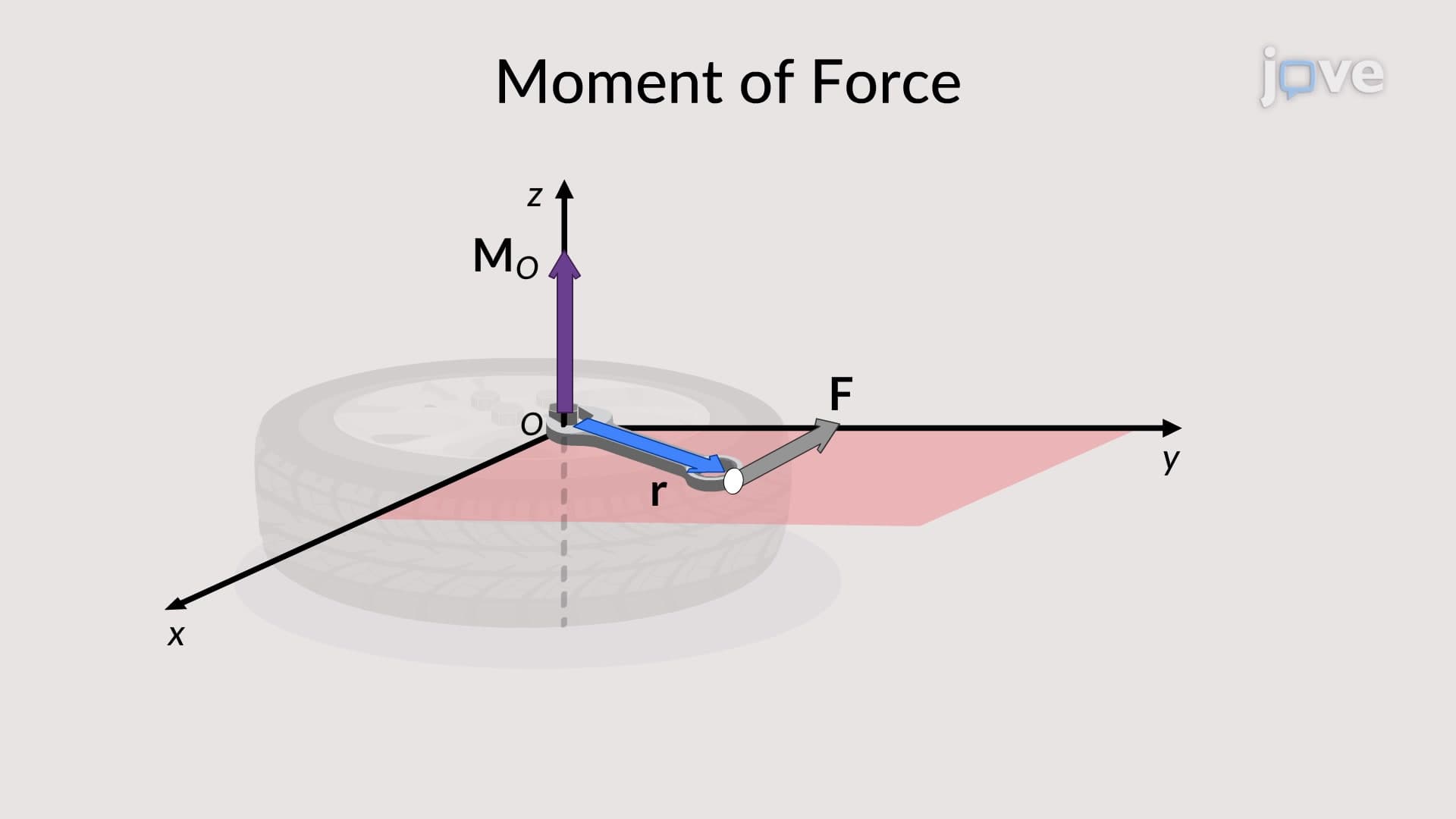
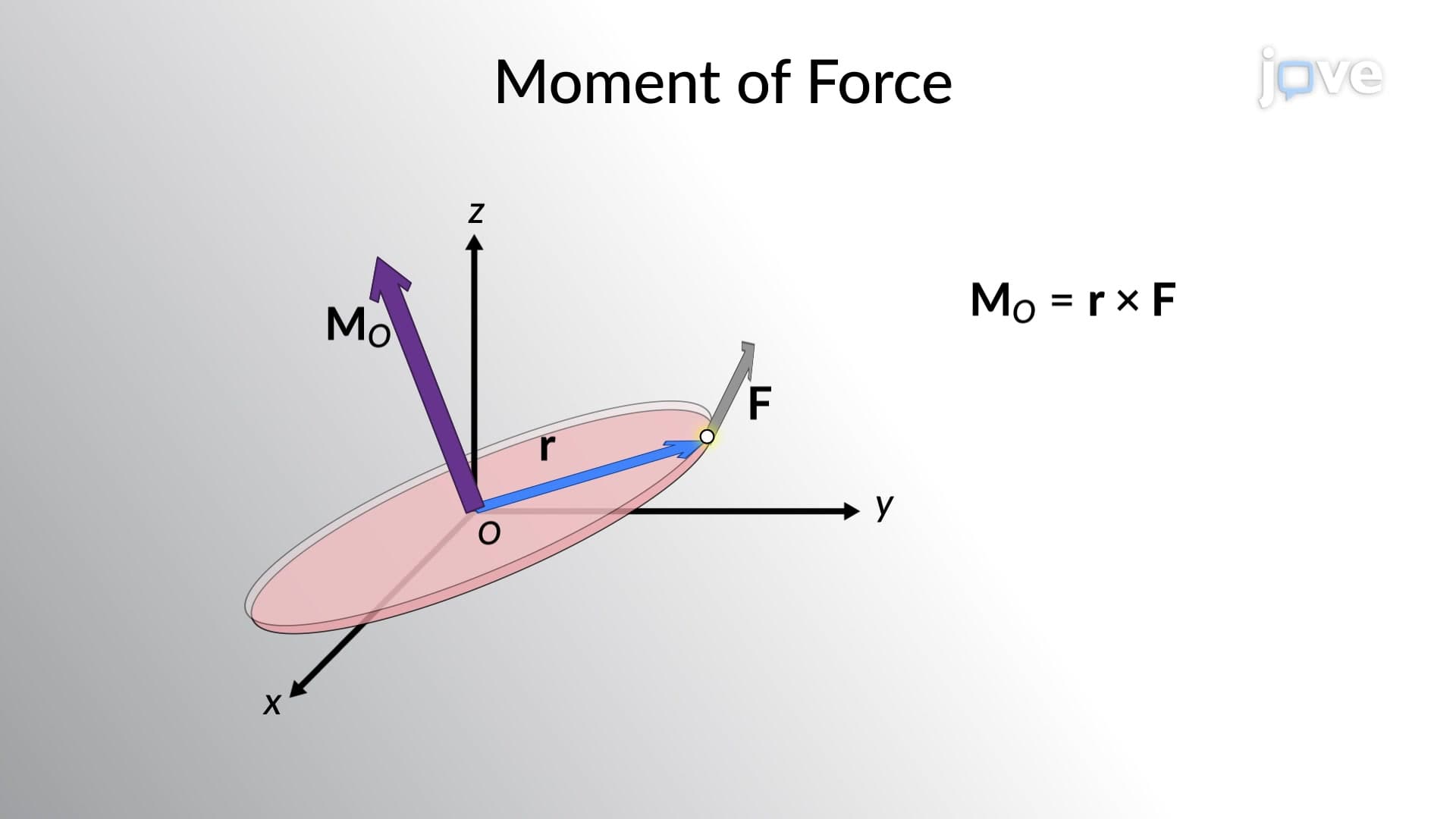
The mathematical expression for moment force about an axis scalar follows the relationship M = F × r × sin(θ), where F represents the applied force magnitude, r denotes the perpendicular distance from the axis to the line of action (moment arm), and θ indicates the angle between the force vector and the radius vector. When forces act tangentially to a circular path, as in bicycle wheel systems, the angle equals 90 degrees, simplifying the equation to M = F × r.
Real-World Applications in American Industry
Manufacturing facilities across the United States rely heavily on moment force calculations for designing efficient mechanical systems. Consider the operation of wind turbines in Texas wind farms, where engineers must calculate the moment force generated by wind pressure on turbine blades to optimize power generation. Similarly, automotive assembly plants in Detroit use moment force principles when designing transmission systems that transfer engine power to vehicle wheels.
In aerospace applications, companies like Boeing and Lockheed Martin apply these concepts when designing aircraft control surfaces. The moment force about the aircraft's center of gravity determines how effectively control inputs influence aircraft rotation, directly impacting flight safety and performance characteristics.
Academic Importance and Exam Relevance
Students preparing for AP Physics exams frequently encounter moment force problems involving everyday scenarios like see-saws, wrenches, and rotating machinery. College-level engineering mechanics courses at institutions such as MIT, Stanford, and Georgia Tech emphasize these calculations as prerequisite knowledge for advanced topics in structural analysis and machine design.
The concept also appears in MCAT physics sections, where pre-medical students must understand rotational mechanics in biological systems. For instance, understanding how muscles generate moment forces around joint axes helps explain human biomechanics and movement efficiency.
Frequently Asked Questions
Moment force about an axis scalar measures a force's ability to cause rotation around a specific axis, expressed as a single number without direction. Unlike regular force that causes linear motion, moment force creates rotational motion and depends on both the force magnitude and its distance from the rotation axis.
AP Physics 1 and C exams frequently include moment force problems involving levers, torque calculations, and rotational equilibrium scenarios. Students typically solve problems about opening doors, using wrenches, or analyzing playground equipment. These questions often combine with angular motion topics worth 10-15% of the total exam score.
Yes, MCAT physics sections include rotational mechanics problems, particularly in biological contexts like joint movement and muscle function. Understanding moment force helps explain how the human body generates rotational motion efficiently. Practice problems often involve calculating forces needed for specific movements or analyzing mechanical advantage in biological systems.
Common examples include bicycle pedaling systems, car steering wheels, industrial conveyor belts in Amazon warehouses, and wind turbines in California's renewable energy facilities. Each system uses moment force principles to convert applied forces into efficient rotational motion for specific purposes.
Not at all! The concept builds naturally on basic force understanding from earlier physics courses. Students who grasp multiplication and basic trigonometry can master moment force calculations. The key is connecting mathematical formulas to familiar rotating objects like bicycle wheels or door handles.
Focus on identifying the three key components in every problem: force magnitude, moment arm distance, and angle between force and radius vectors. Practice drawing clear diagrams showing these elements, then apply the formula systematically. Work through progressively challenging problems from textbooks used at universities like UC Berkeley or University of Michigan.
Moment force concepts serve as prerequisites for advanced topics in mechanical engineering, aerospace design, and structural analysis. Students use these principles in courses on machine design, robotics, and fluid machinery throughout programs at institutions like Purdue University and Virginia Tech.
Progress to vector moment calculations, three-dimensional rotational dynamics, and gyroscopic effects. These topics appear in upper-level engineering courses and prepare students for specialized fields like robotics, aerospace control systems, and advanced manufacturing processes used in American industries.
Related Micro-courses