Loading…
Loading video…

17,768 views
Did you know that the wheel bearings in your car experience forces equivalent to supporting several elephants while spinning thousands of times per minute? Bearings problem solving involves calculating the forces, moments, and friction in mechanical bearing systems to ensure they operate safely under load. Engineers at companies like Boeing use these calculations to design aircraft landing gear that can withstand the enormous forces during takeoff and landing. Watch the full video on JoVE Coach to master this concept with expert-led visuals and step-by-step explanations.
What is bearings problem solving? It's a systematic approach to analyzing the mechanical behavior of bearing systems under various loading conditions. This engineering discipline combines principles of statics, friction theory, and materials science to predict how bearings will perform in real applications. Students encounter these problems frequently in AP Physics C, college-level statics courses, and mechanical engineering programs across universities like MIT, Stanford, and Georgia Tech.
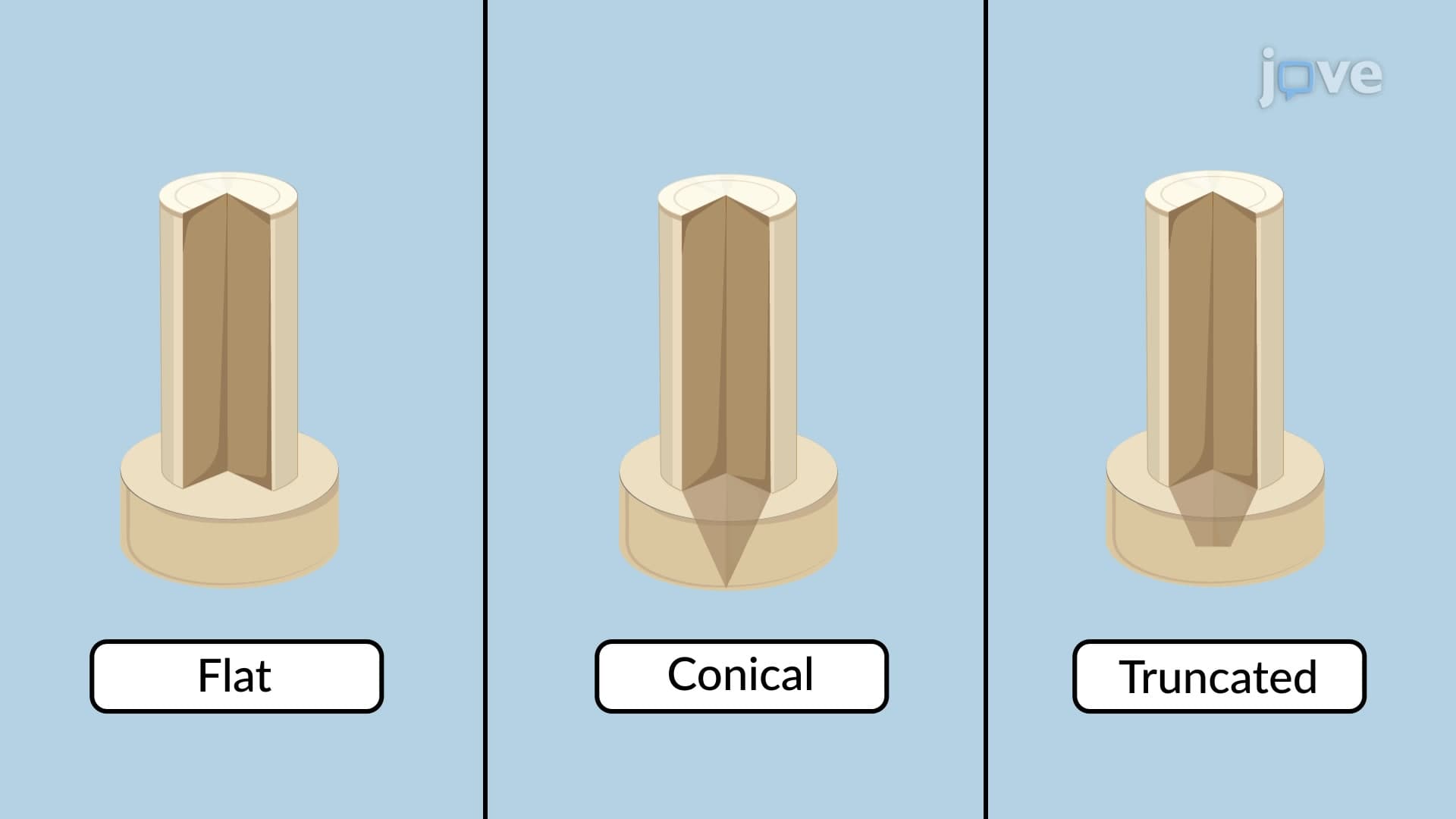
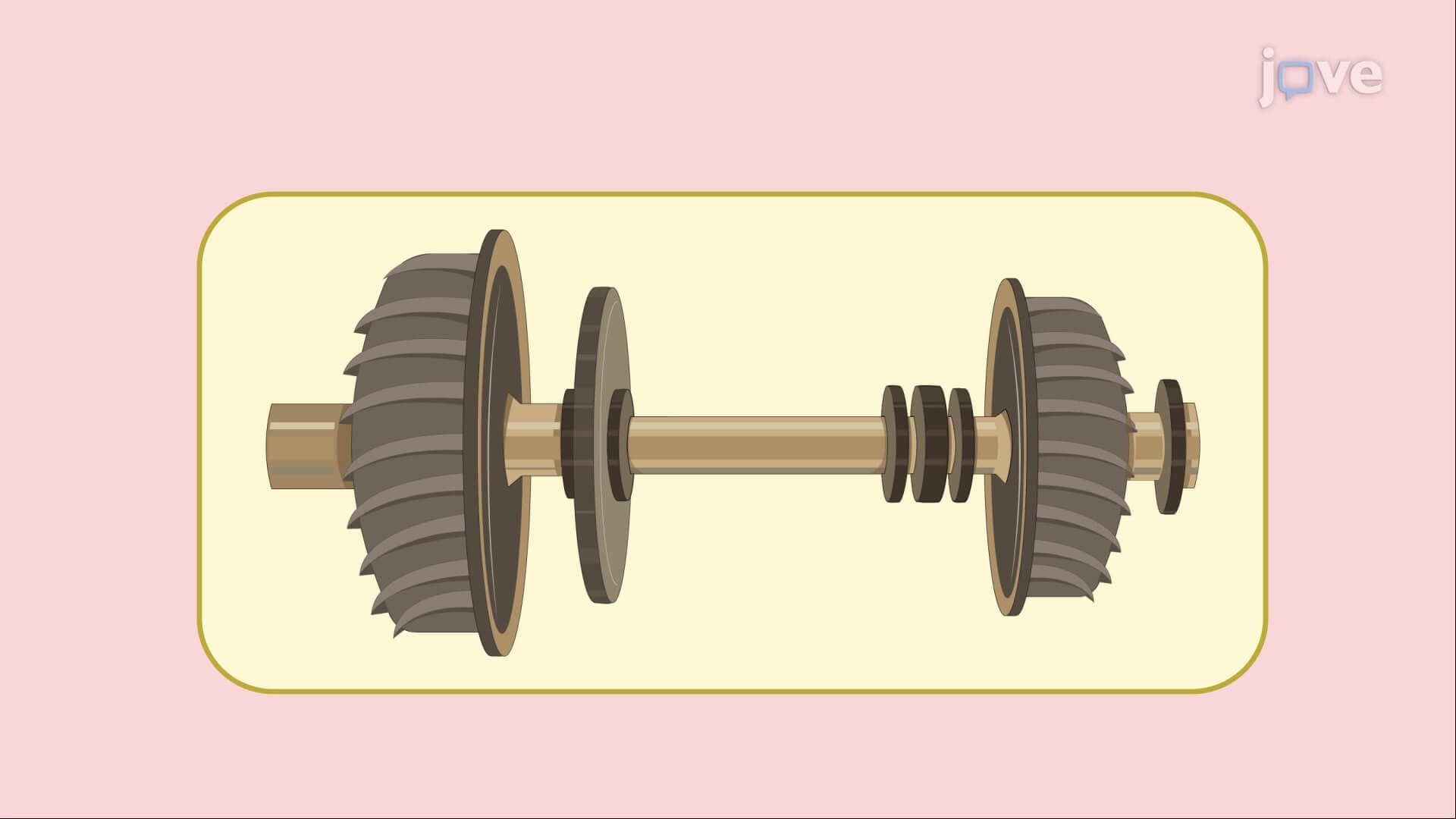
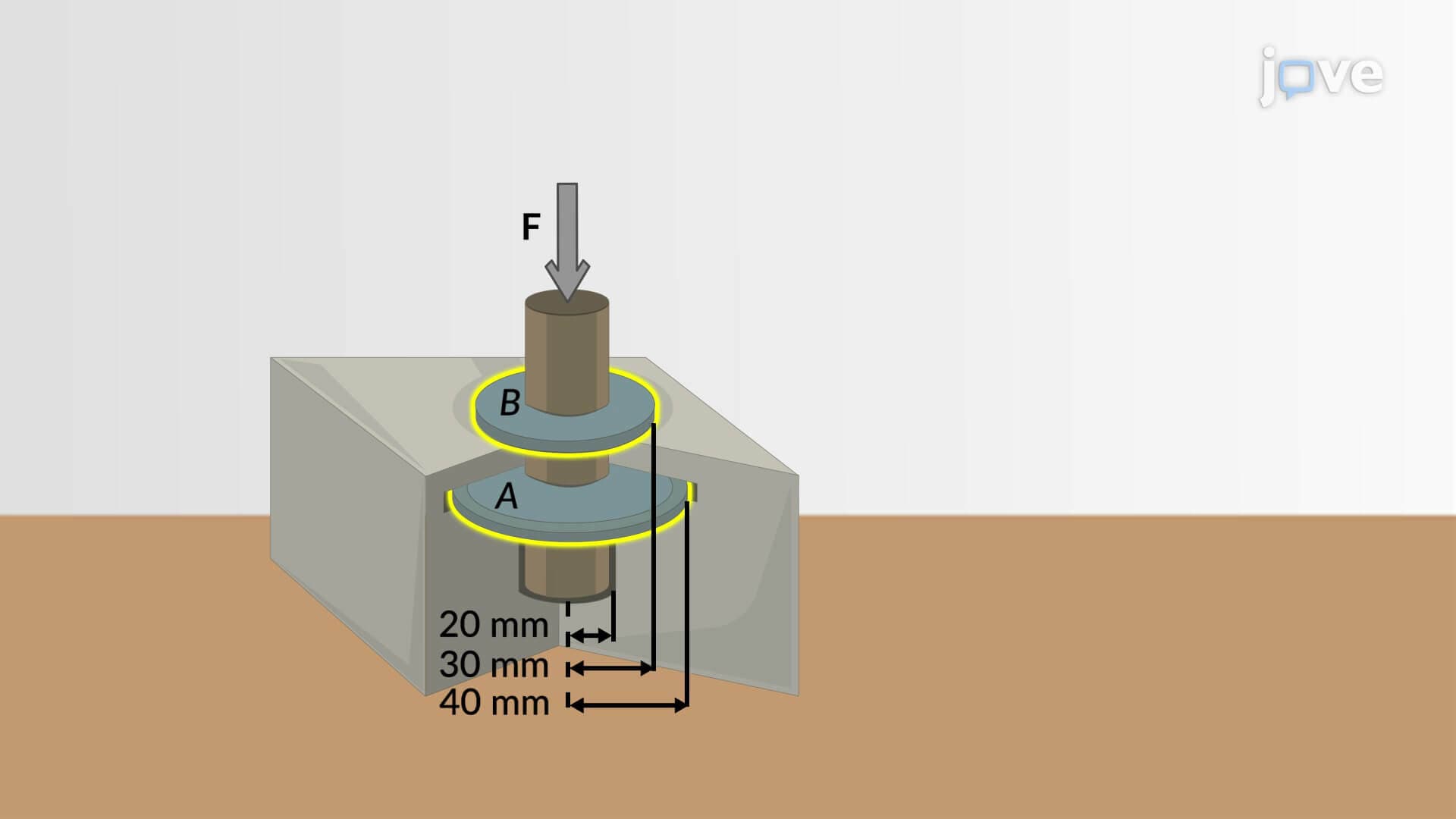
Bearings problem solving typically involves analyzing complex force distributions. In double-collar bearings, the total axial load doesn't distribute equally between collars. Instead, factors like collar radius, surface condition, and geometric constraints determine how forces split. For example, in automotive wheel hubs manufactured by companies like Timken in Ohio, engineers must calculate how braking forces distribute between different bearing elements to prevent premature failure.
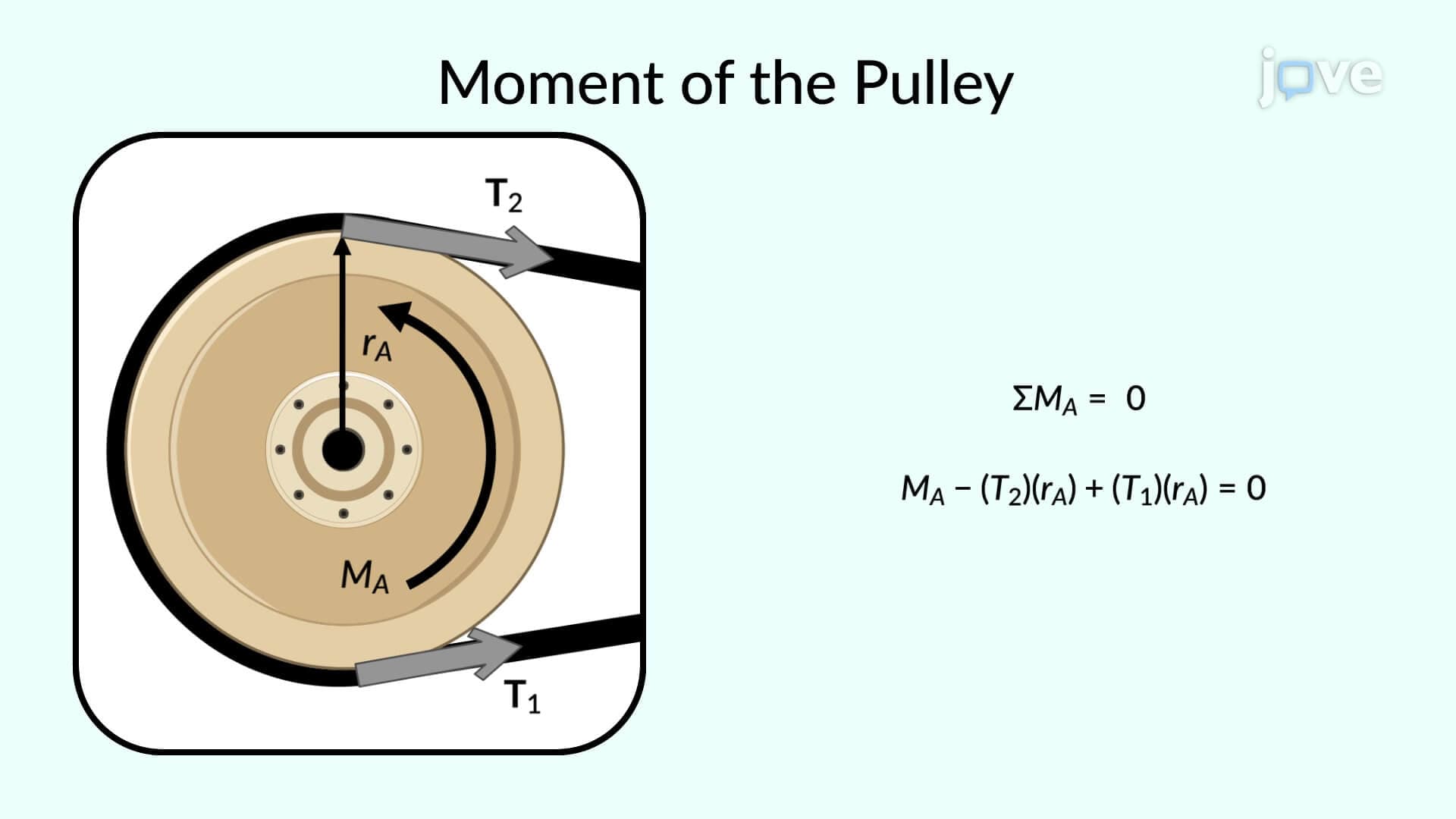
The core of bearings problem solving lies in calculating friction moments—the resistive torques that bearings generate under load. These calculations use the fundamental relationship: M = μ × F × r, where friction coefficient (μ), normal force (F), and effective radius (r) determine the moment. This concept appears regularly on the Fundamentals of Engineering (FE) exam and in mechanical engineering coursework at schools like Purdue and Virginia Tech.
Advanced bearings problem solving involves adapting calculations for changing conditions. When axial loads increase, engineers must determine new friction moments and required driving torques. This skill proves essential for students preparing for graduate school or careers in aerospace, automotive, or manufacturing industries. Companies like General Electric and Caterpillar regularly hire engineers who excel at these analytical techniques.
Frequently Asked Questions
Bearings problem solving is the analytical process of calculating forces, moments, and friction in mechanical bearing systems to ensure safe operation. It's crucial because bearing failures can cause catastrophic equipment breakdowns, making these calculations essential for designing everything from car wheels to industrial machinery.
The bearings problem solving definition encompasses analyzing axial and radial forces, calculating friction coefficients, determining load distributions, and computing required torques. It involves both static analysis for stationary conditions and dynamic considerations for rotating systems.
AP Physics C often includes bearing-related problems in the mechanics section, focusing on static equilibrium, friction calculations, and torque analysis. Students typically encounter simplified bearing scenarios involving force balance and moment calculations around pivot points.
Absolutely—the FE exam includes multiple questions on bearing analysis, friction calculations, and mechanical design. Understanding force distribution, moment calculations, and failure analysis gives you a significant advantage in the machine design and mechanics sections.
Basic algebra and trigonometry are sufficient for most undergraduate bearing problems. While advanced courses may use calculus for complex stress distributions, introductory mechanical engineering courses focus on equilibrium equations and basic friction relationships.
Ford engineers use bearing analysis to design wheel hubs, transmission components, and engine systems. They calculate load capacities, predict maintenance intervals, and optimize designs for millions of operating cycles while meeting safety standards.
Practice drawing free-body diagrams, memorize key friction formulas, and work through problems with varying load conditions. Focus on systematic problem-solving approaches and always check your units—many students lose points on calculation errors rather than conceptual mistakes.
Consider exploring rolling element bearing design, lubrication theory, and fatigue analysis. These topics appear in advanced mechanical design courses and are essential for careers in aerospace, automotive, or heavy machinery industries.
Related Micro-courses
Related Subjects
 Civil Engineering 30 micro-courses›Electrical Engineering 33 micro-courses›