Loading…
Loading video…

17,768 views
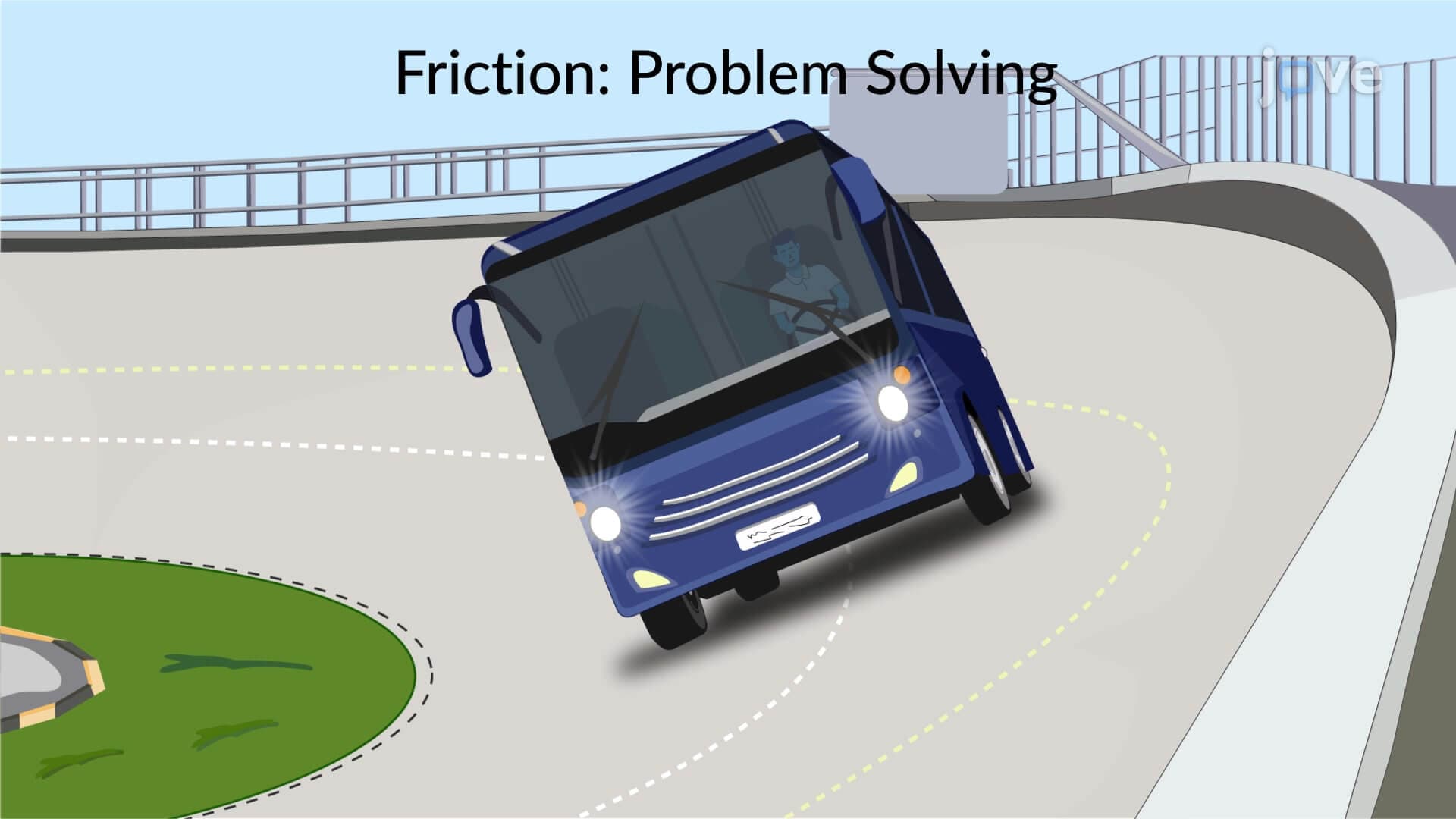
Ever wondered why NASCAR drivers can take banked turns at incredible speeds without sliding off the track? Friction problem solving involves analyzing the complex interplay between gravitational, normal, and frictional forces acting on objects in motion or at rest. This fundamental physics concept helps engineers design everything from highway banking angles to prevent car accidents to the optimal grip patterns on basketball shoes. Understanding what is friction problem solving enables students to tackle real-world scenarios like determining safe speeds for vehicles on curved roads. Watch the full video on JoVE Coach to master this concept with expert-led visuals and step-by-step explanations.
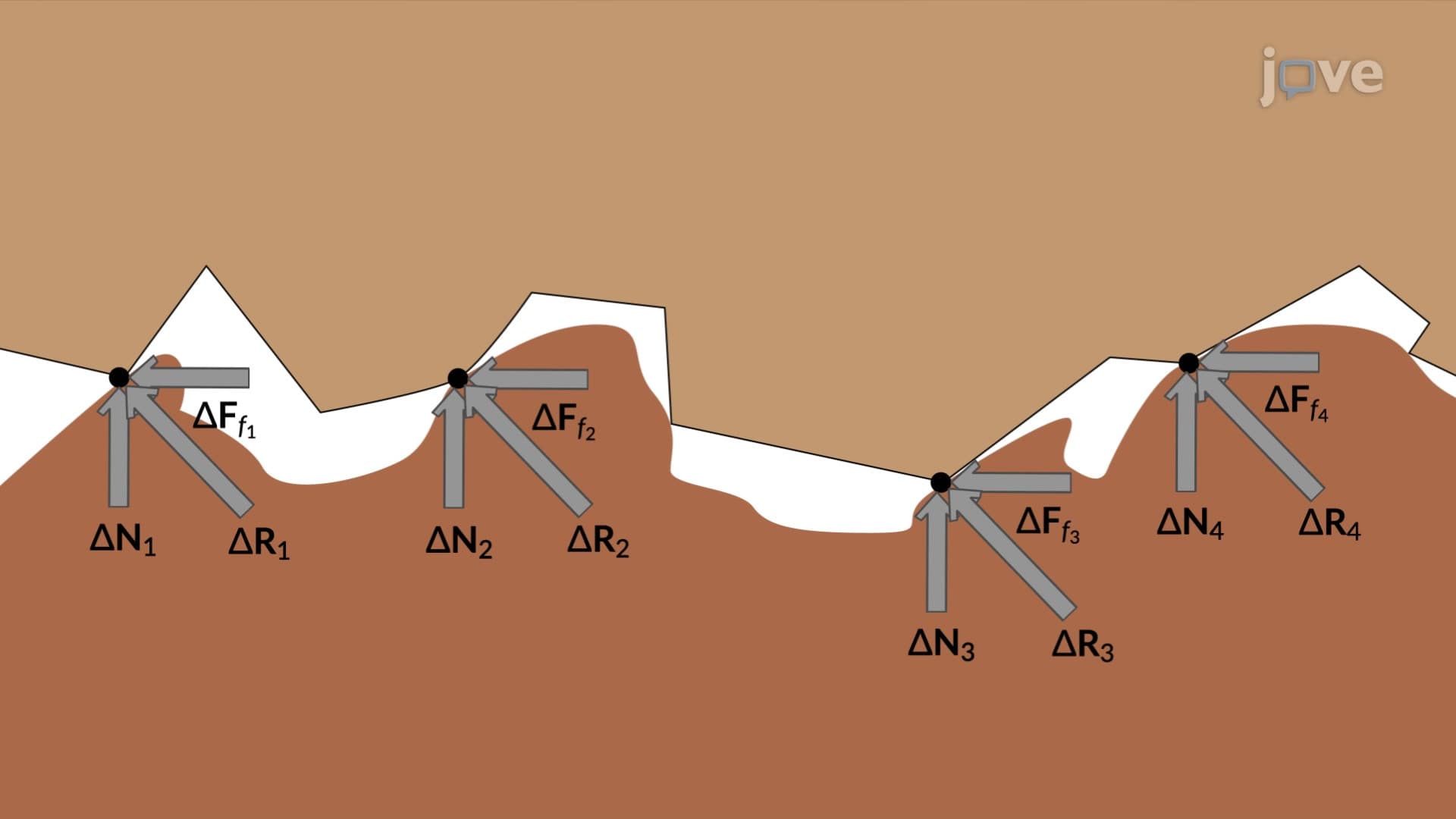
Friction problem solving represents a critical skill set in physics and engineering, requiring students to analyze the complex interactions between surfaces in contact. This systematic approach involves identifying all forces acting on an object, particularly focusing on how friction either opposes motion or prevents it entirely. The friction problem solving concept forms the foundation for understanding everything from why your car doesn't slide down a steep driveway to how rock climbers maintain their grip on vertical surfaces.
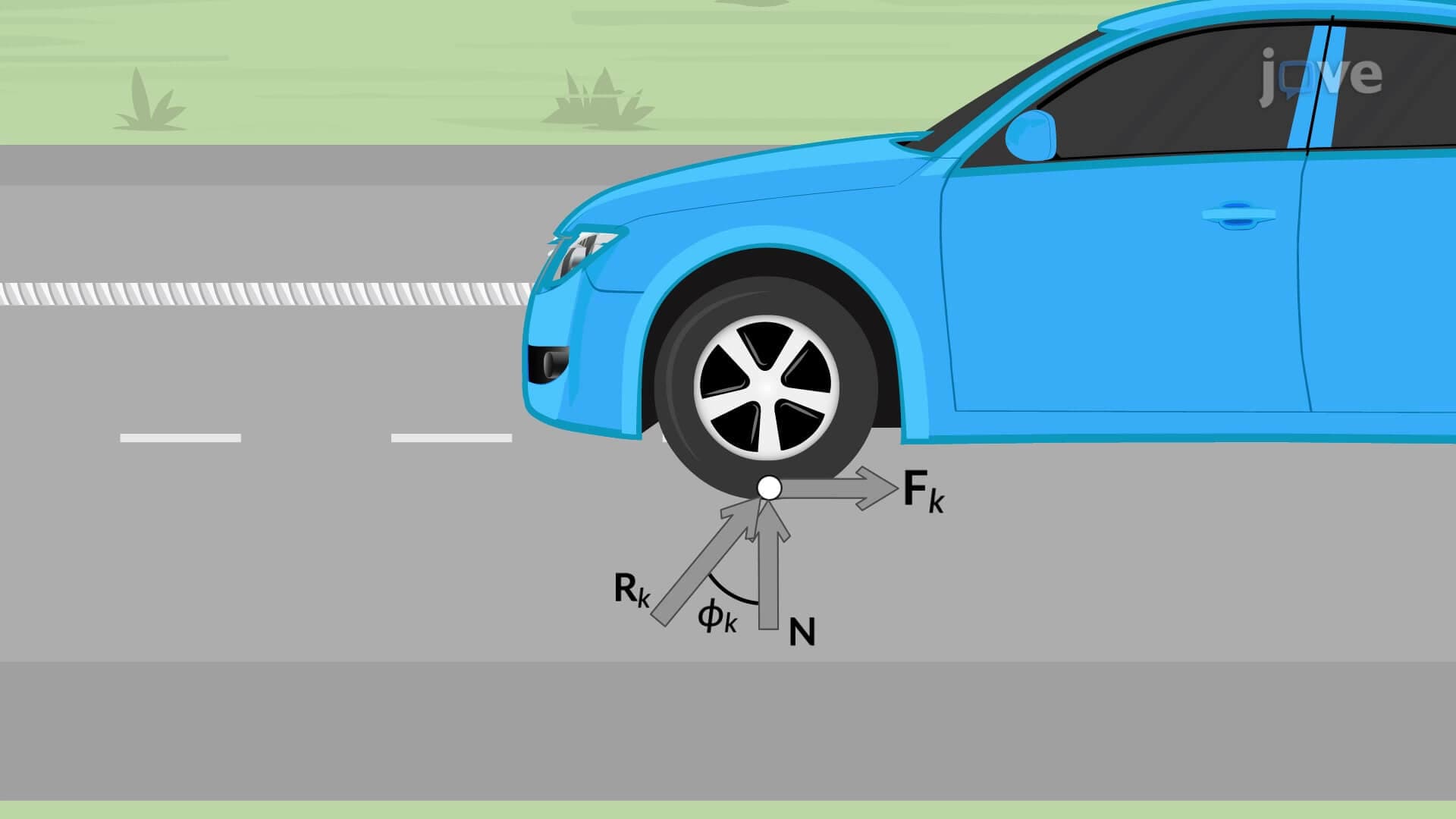
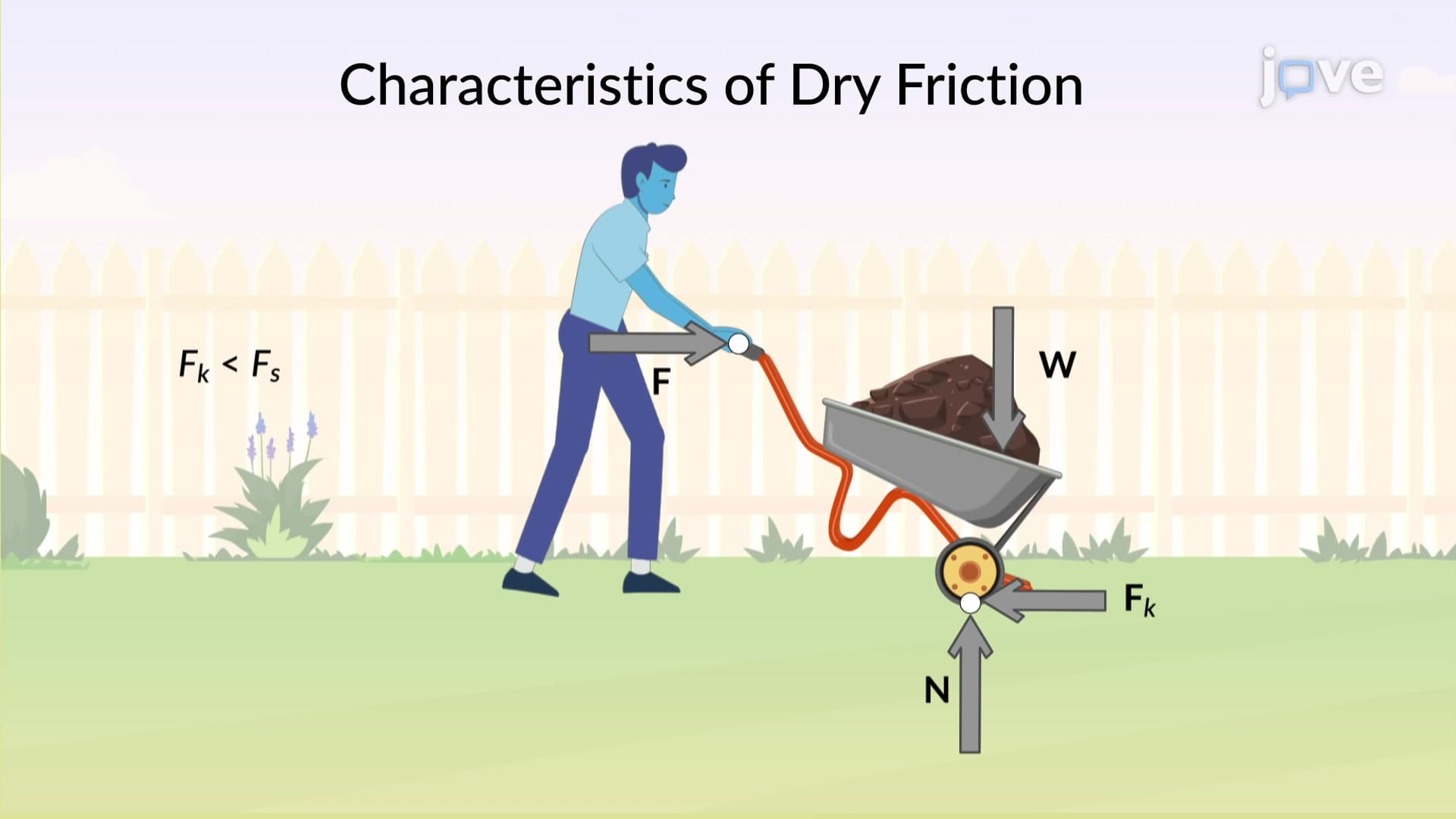
The friction problem solving basics begin with distinguishing between static and kinetic friction scenarios. Static friction prevents motion from starting, with a maximum value of μ(s) × N, where μ(s) is the coefficient of static friction and N is the normal force. Once motion begins, kinetic friction takes over with the constant value μ(k) × N. This distinction proves crucial when analyzing problems like determining the maximum angle before a block slides down an inclined plane, a common scenario in AP Physics courses and college-level mechanics exams.
The friction problem solving overview extends to complex scenarios like banked roadways, where friction works alongside gravitational and centripetal forces. Highway engineers in states like Colorado must calculate optimal banking angles for mountain roads, considering factors like typical vehicle speeds and weather conditions affecting friction coefficients. These calculations prevent accidents by ensuring vehicles can navigate curves safely even when road conditions reduce available friction.
A comprehensive friction problem solving study guide approach involves several systematic steps: drawing accurate free-body diagrams, identifying all contact points, determining normal forces, applying Newton's laws in component form, and checking solutions against physical constraints. Students preparing for standardized tests like the SAT Subject Test in Physics or AP Physics 1 exam must master this methodology, as friction problems frequently appear in multiple-choice and free-response sections.
The tipping analysis mentioned in advanced problems requires understanding moments and torques, where the location of the center of mass becomes critical. This concept applies directly to vehicle stability analysis, helping automotive engineers design safer SUVs and trucks that resist rollover accidents on curved highways.
Frequently Asked Questions
Friction problem solving is the systematic analysis of forces between surfaces in contact to predict motion or equilibrium conditions. It's essential because friction affects virtually every mechanical system, from the brakes in your car to the grip of your sneakers on a basketball court. Mastering this concept helps students understand real-world physics applications and excel in standardized tests like AP Physics.
The AP Physics 1 exam frequently includes friction problems in both multiple-choice and free-response sections, often combined with inclined planes or circular motion scenarios. Students must demonstrate ability to draw free-body diagrams, apply Newton's laws with friction forces, and solve for unknown quantities like coefficients of friction or critical angles. These problems typically account for 10-15% of the exam content.
Static friction prevents motion from starting and varies from zero up to its maximum value μ(s) × N, while kinetic friction opposes ongoing motion with the constant value μ(k) × N. In problem solving, you must first determine whether the object is stationary (use static friction) or moving (use kinetic friction). This distinction is crucial for correctly setting up equations and finding accurate solutions.
Highway banking on interstate systems like I-70 through the Rocky Mountains demonstrates friction problem solving in action. Engineers calculate optimal banking angles considering typical speeds (65-80 mph), weather conditions affecting friction coefficients (dry vs. icy roads), and vehicle types. These calculations ensure cars can navigate curves safely even when road friction is reduced, preventing thousands of accidents annually.
No, friction problem solving primarily requires algebra and basic trigonometry taught in high school. The key skills include resolving forces into components using sine and cosine functions, solving systems of linear equations, and understanding vector addition. Students comfortable with Algebra II and introductory trigonometry have the mathematical foundation needed for success.
Practice drawing detailed free-body diagrams, memorize the friction force equations (f ≤ μ(s) × N for static, f = μ(k) × N for kinetic), and work through problems systematically by identifying forces, writing equilibrium equations, and solving algebraically. Focus on understanding the physical meaning of your answers rather than just mathematical manipulation.
Once comfortable with friction fundamentals, explore rotational motion with friction (rolling objects), friction in circular motion (banked curves with centripetal force), and energy methods involving friction work. These advanced topics appear in AP Physics C and calculus-based college courses, building naturally on your friction problem-solving foundation.
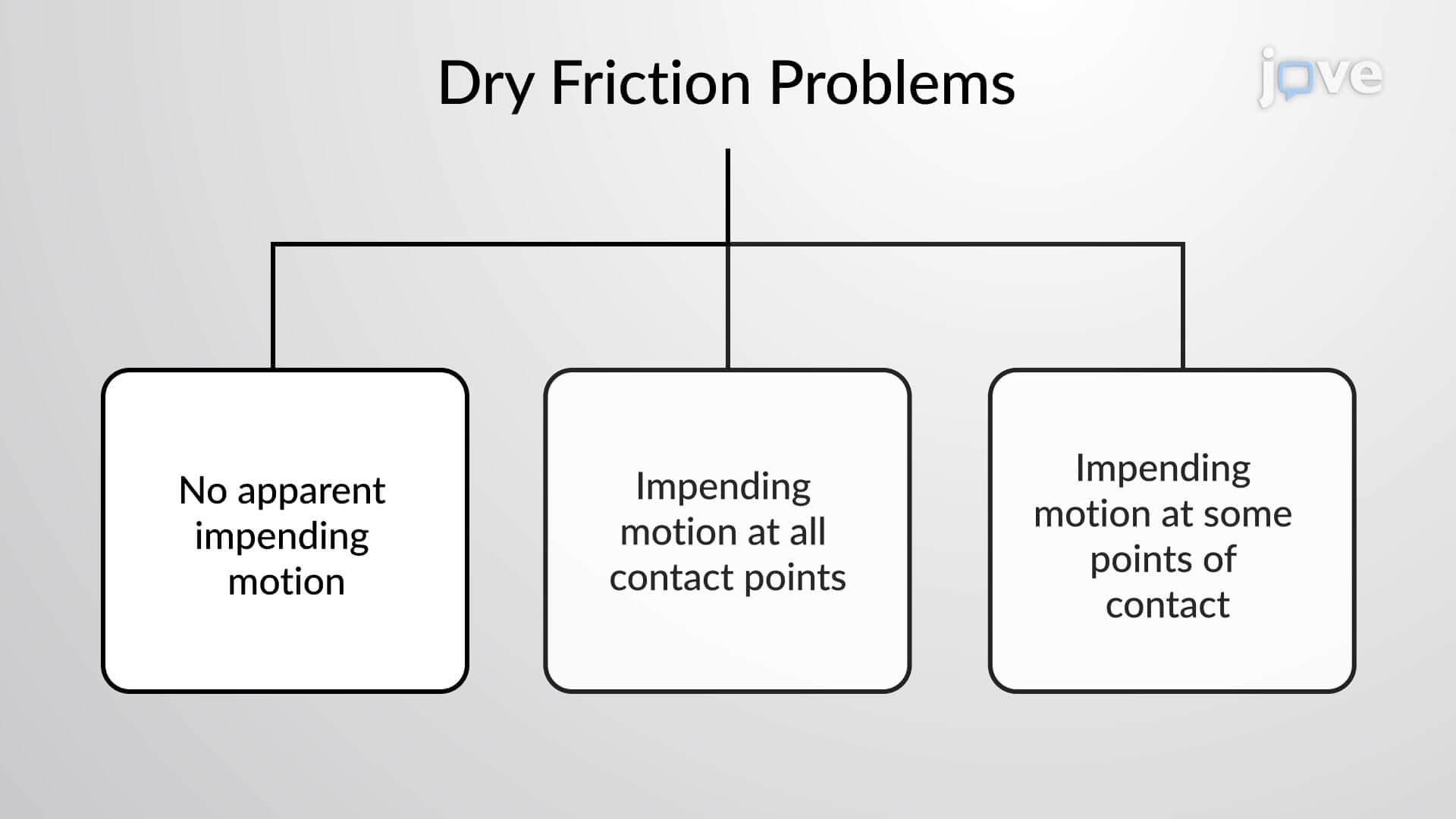
Real objects have physical dimensions and mass distributions, so they can either slide (slip) or rotate about a contact point (tip) when forces become too large. Engineers must check both conditions to ensure safety – for example, designing trucks that neither skid on curves nor roll over. Both conditions provide different limiting angles or forces, and the smaller value determines the actual limit.
Related Micro-courses
Related Subjects
 Civil Engineering 30 micro-courses›Electrical Engineering 33 micro-courses›