Loading…
Loading video…

17,768 views
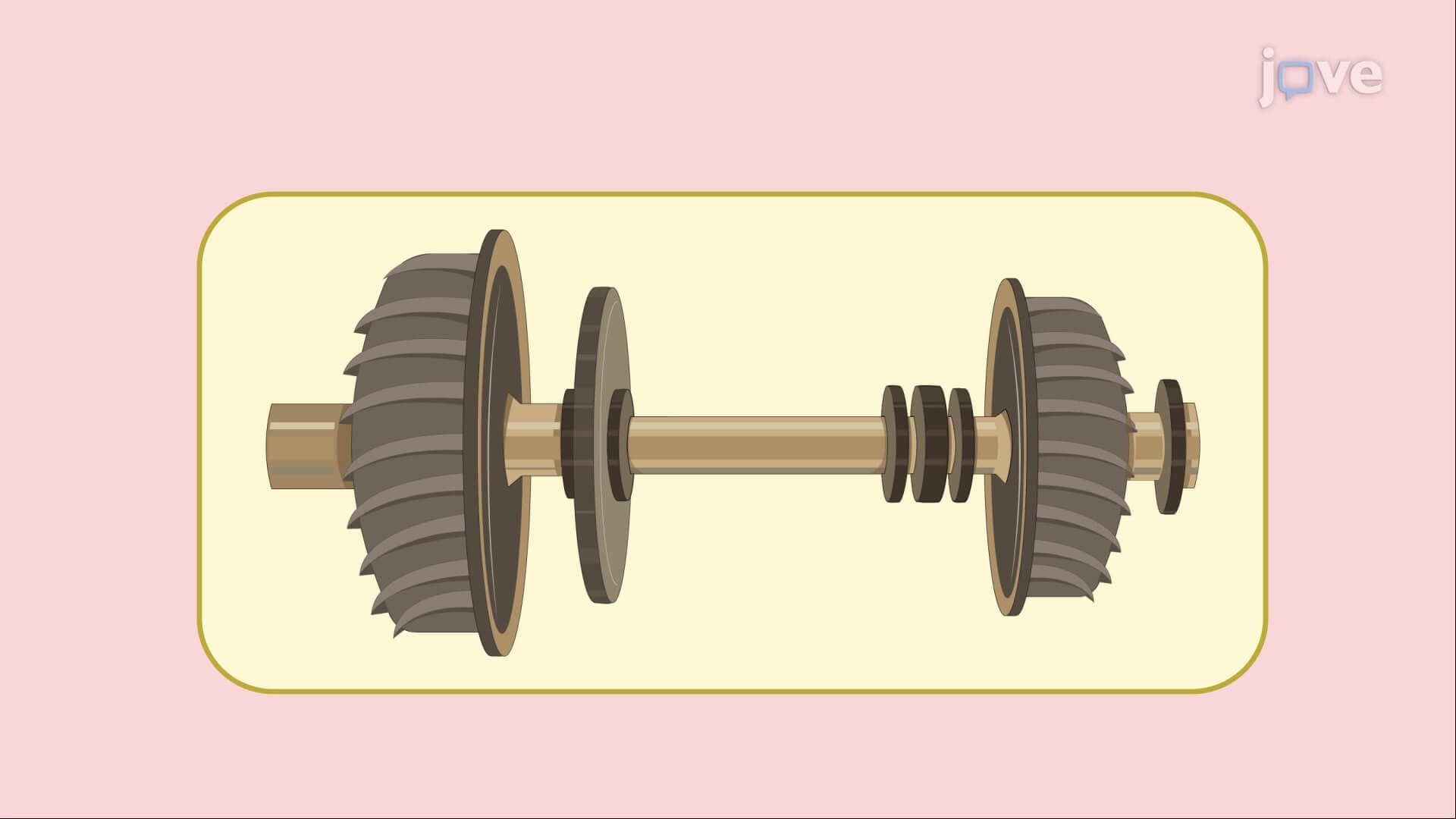
Ever wondered how massive industrial turbines at power plants like those at Hoover Dam handle thousands of pounds of axial force without failure? Collar bearings are the unsung heroes that support these enormous loads on rotating shafts, using precisely engineered contact areas between internal and external radii to distribute pressure evenly. These mechanical components can feature single or multiple collars depending on the application's demands. Watch the full video on JoVE Coach to master this concept with expert-led visuals and step-by-step explanations.
Collar bearings represent a critical class of thrust bearings specifically engineered to handle axial loads—forces acting parallel to a shaft's rotational axis. Unlike radial bearings that support perpendicular loads, collar bearings excel at managing the "push and pull" forces that would otherwise cause catastrophic shaft displacement. These components are essential in applications ranging from hydroelectric generators at facilities like the Tennessee Valley Authority to oil refinery pumps across Texas.
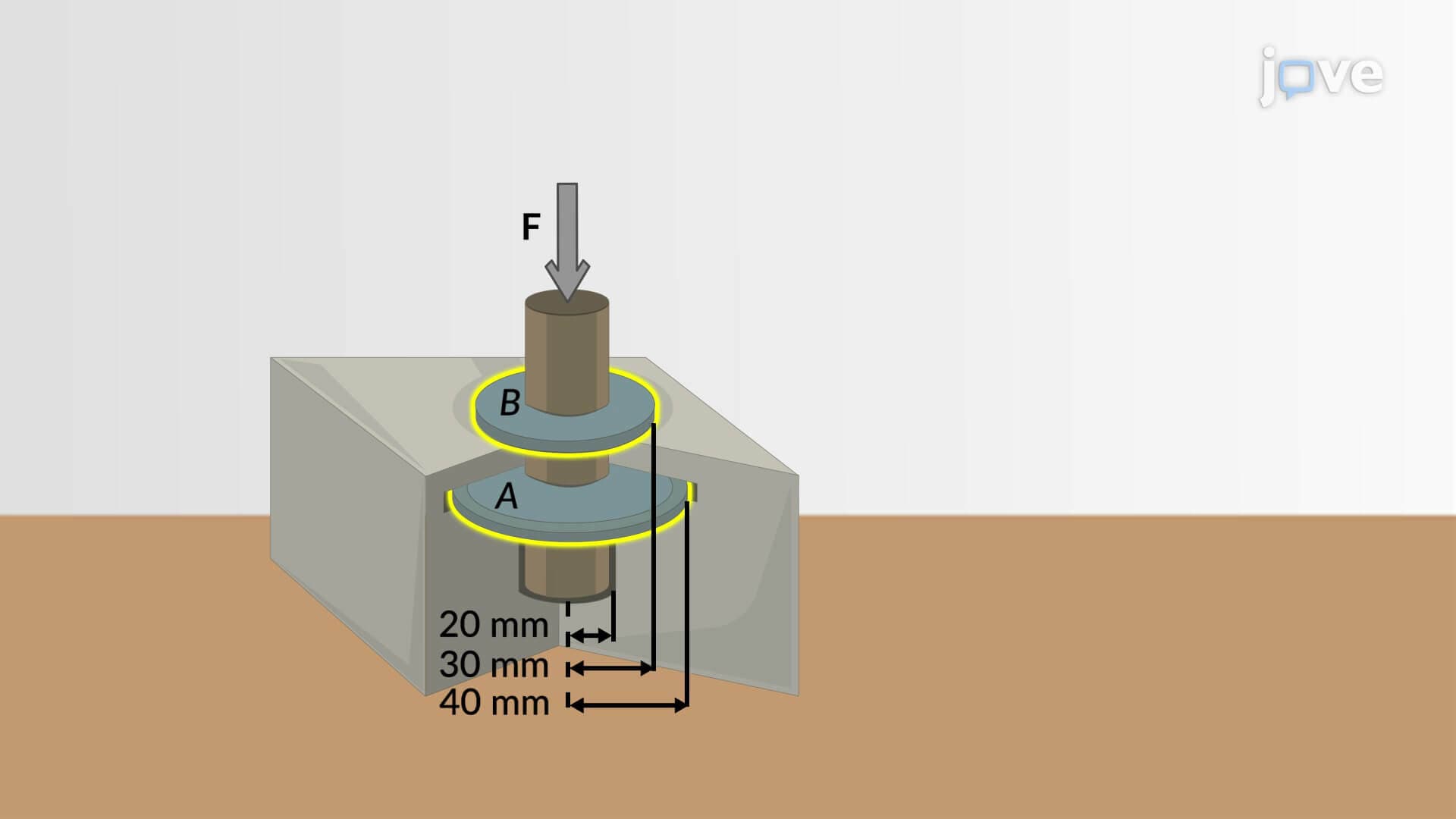
The collar bearings definition encompasses both single and multiple collar designs. Single collar bearings feature one load-bearing surface, making them ideal for moderate axial loads in applications like small turbines or industrial fans. Multiple collar configurations distribute loads across several surfaces, dramatically increasing load capacity for heavy-duty applications such as steel mill equipment or large marine propellers used by the U.S. Navy.
The engineering principle behind collar bearing effectiveness lies in load distribution across the annular contact area. This area spans from the collar's internal radius to its external radius, creating a ring-shaped bearing surface. When students encounter what is collar bearings in detail on exams like the AP Physics exam or college-level Statics courses, they must understand that uniform pressure distribution assumes P = F/A, where total axial force divides evenly across the entire contact area.
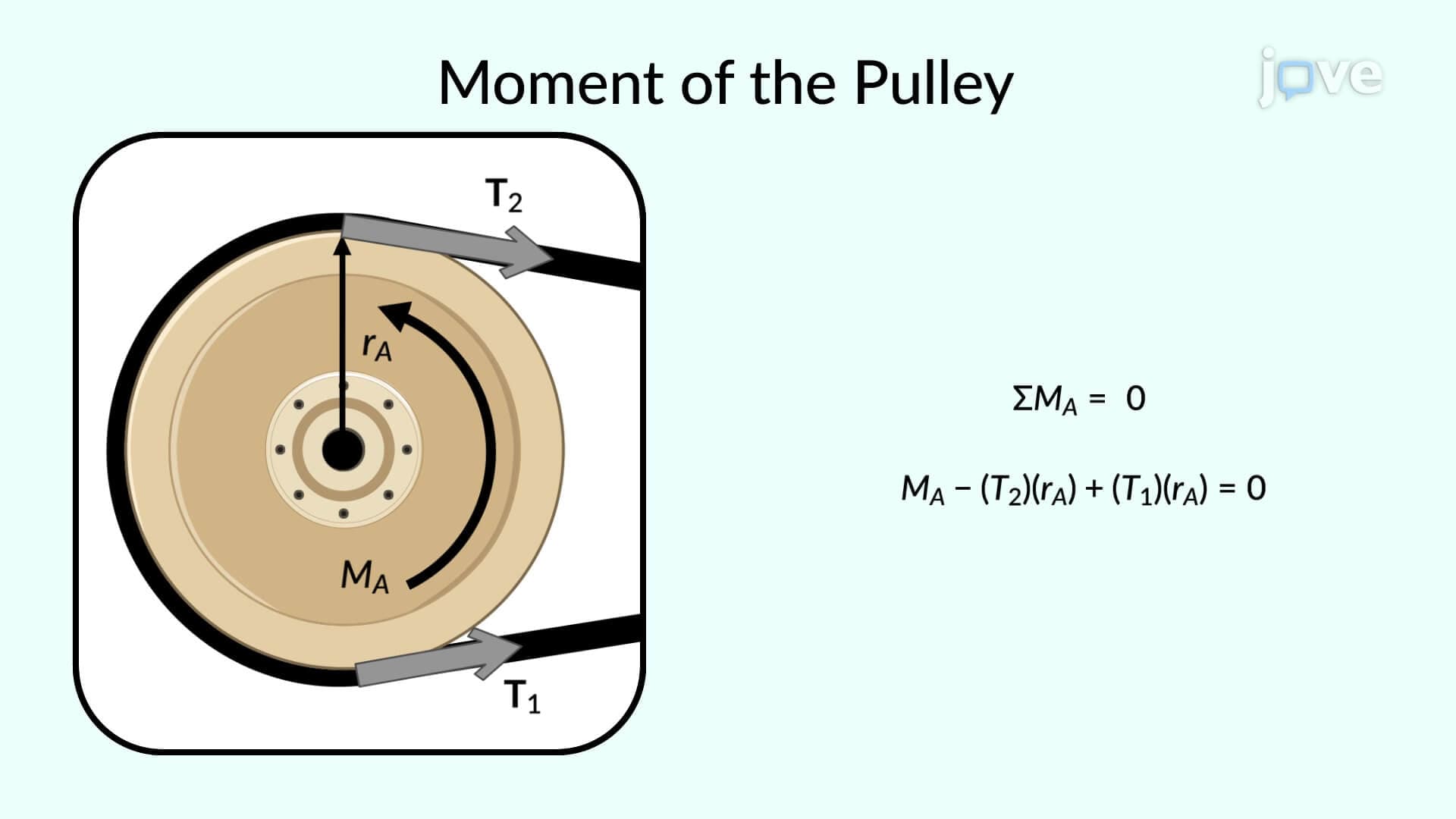
Advanced analysis requires examining infinitesimal area elements within the bearing surface. Each element experiences differential forces based on the friction coefficient, local pressure, and area magnitude. For students preparing for engineering entrance exams or MCAT physics sections, understanding moment equilibrium becomes crucial. The total moment required for shaft rotation equals the integration of all differential moments across the bearing surface, typically expressed as M = ∫(μ × P × r × dA), where μ represents the friction coefficient and r indicates the radial distance from the shaft center.
Frequently Asked Questions
Collar bearings are thrust bearings designed to support axial loads on rotating shafts, featuring annular contact surfaces between shaft collars and bearing housings. Unlike ball bearings or roller bearings that primarily handle radial loads, collar bearings specifically manage forces acting parallel to the shaft axis. They're commonly found in turbines, pumps, and heavy machinery where axial thrust must be contained while allowing smooth rotation.
Yes, collar bearing problems frequently appear on AP Physics C: Mechanics exams, particularly in rotational dynamics sections, and are standard topics in college Statics and Machine Design courses. These questions typically involve calculating bearing pressures, friction forces, or required moments for rotation. Students should master force distribution concepts and integration techniques to solve complex collar bearing scenarios effectively.
Start with the basic relationship M = ∫(friction force × radius × differential area) integrated over the entire bearing surface. For uniform pressure distribution, this simplifies to M = (2/3) × μ × F × (R_outer³ - R_inner³)/(R_outer² - R_inner²). Practice integrating differential moments and applying friction coefficients—these calculation steps are essential for engineering coursework success and professional licensing exams.
Major U.S. infrastructure relies heavily on collar bearings, including hydroelectric dams like Grand Coulee in Washington, wind turbines throughout the Midwest wind corridor, and naval ship propulsion systems. Industrial facilities such as chemical refineries in Louisiana and steel mills in Pennsylvania use large collar bearings in their rotating equipment. Even smaller applications like HVAC systems in commercial buildings utilize collar bearing principles.
Basic calculus integration skills are sufficient for most introductory collar bearing problems. You'll primarily work with simple geometric integrations over circular areas, which build naturally from Calculus I concepts. The physics principles involve straightforward force balance and moment equilibrium—topics covered in high school AP Physics or college-level Statics courses without requiring advanced mathematical techniques.
Focus on understanding the physical meaning behind each formula rather than rote memorization. Practice deriving the pressure equation P = F/A and moment relationships from first principles. Create step-by-step solution templates for common problem types, and work through practice problems from your textbook or past AP exams. Understanding load distribution concepts will help you tackle variations you haven't seen before.
Expand your knowledge to other thrust bearing types like ball thrust bearings and tapered roller bearings. Study journal bearings for radial load applications, then progress to bearing selection criteria and lubrication systems. These topics connect directly to machine design principles and prepare you for advanced coursework in mechanical engineering or industrial technology programs.
Related Micro-courses
Related Subjects
 Civil Engineering 30 micro-courses›Electrical Engineering 33 micro-courses›