Loading subject page…

Micro-course: Analyzing Gene Expression and Function
152,901 views
Learn key concepts and earn your certificate.











Gene Therapy

00:00
00:59
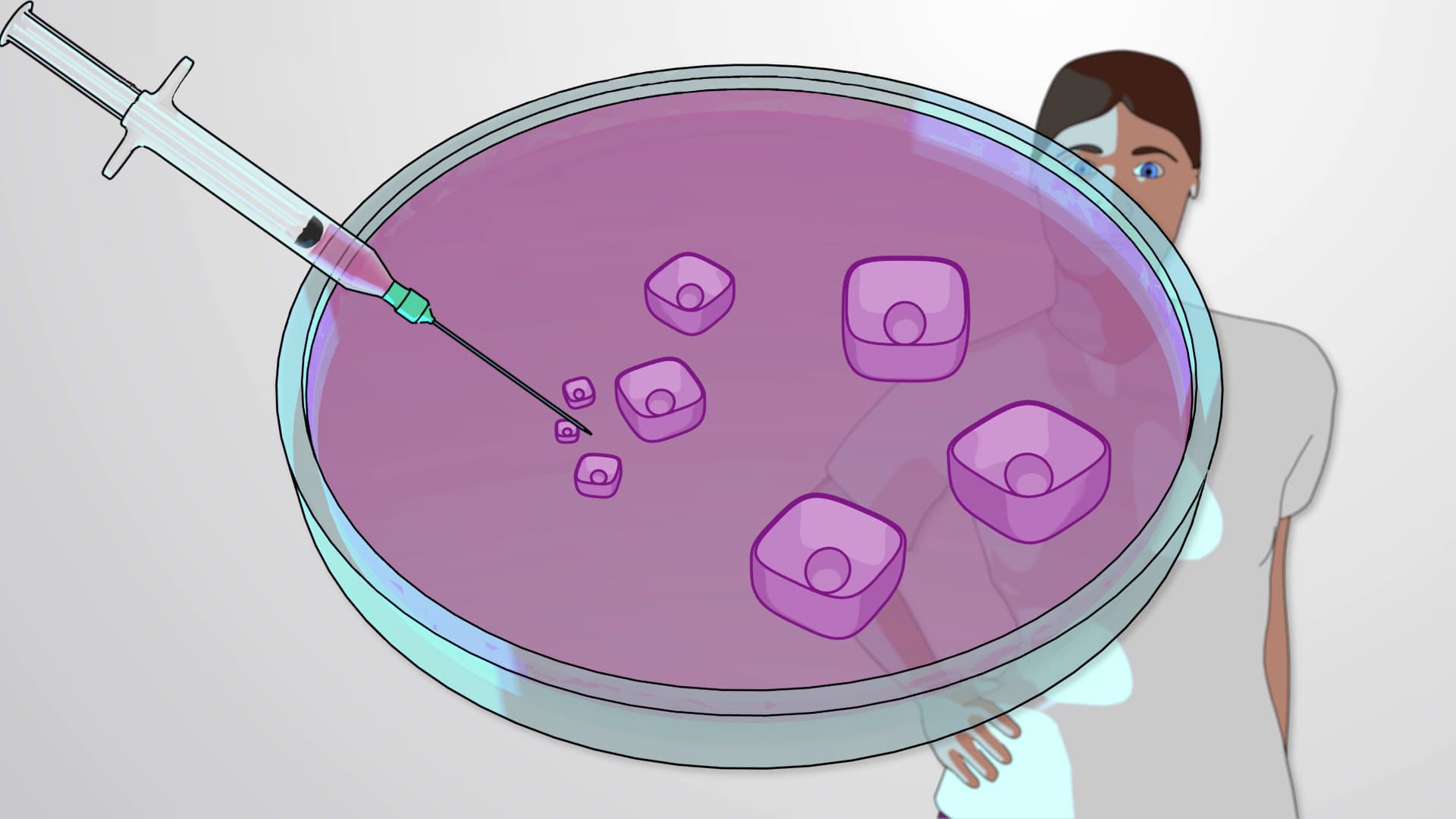
Video Summary: What Is Gene Therapy
Did you know that doctors at Children's Hospital of Philadelphia successfully treated a baby with severe combined immunodeficiency using gene therapy in 2022? Gene therapy represents a revolutionary approach to treating diseases by directly modifying or replacing faulty genes within a patient's cells. This cutting-edge medical technique offers hope for previously incurable genetic disorders like cystic fibrosis and sickle cell disease. Watch the full video on JoVE Coach to master this concept with expert-led visuals and step-by-step explanations.
- Understand what is gene therapy and how it differs from traditional pharmaceutical treatments by targeting genetic causes of disease
- Identify the main types of vectors used in gene delivery, including viral vectors like adenoviruses and non-viral methods
- Analyze the difference between ex vivo and in vivo gene therapy approaches and their respective advantages
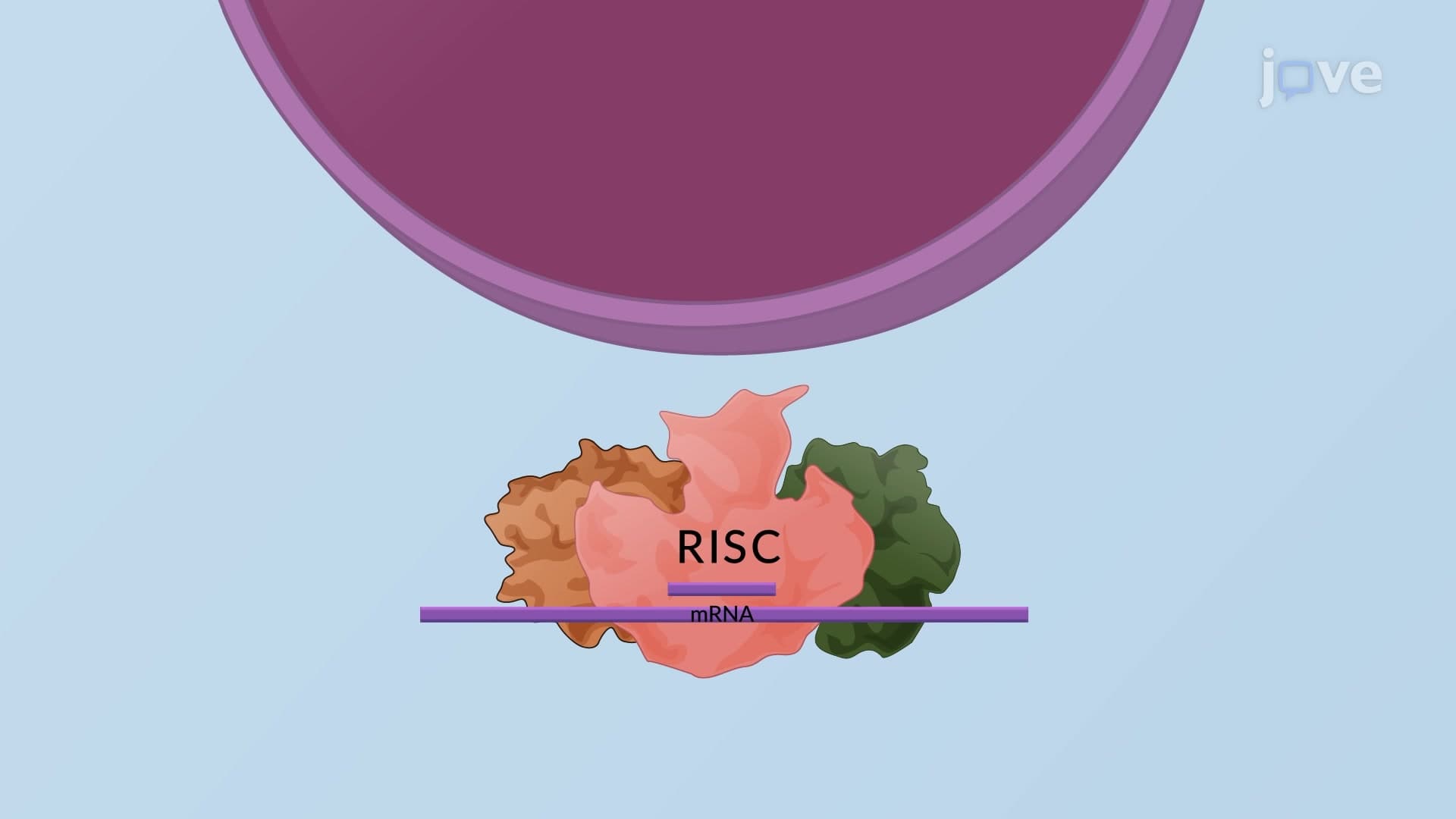
- Compare gene addition therapy, gene editing techniques, and gene silencing strategies used in modern treatments
- Evaluate the challenges facing gene therapy including immune responses, delivery efficiency, and ethical considerations
- Apply knowledge of CRISPR-Cas9 technology to understand how genome editing enhances therapeutic possibilities
- Recognize real-world applications of gene therapy in treating genetic disorders, cancers, and acquired diseases
- Explore the regulatory pathway for gene therapy approval through the FDA and current clinical trial phases
Understanding Gene Therapy Fundamentals
Gene therapy represents a paradigm shift in medicine, moving beyond treating symptoms to addressing the root genetic causes of disease. This therapeutic approach involves introducing genetic material into a patient's cells to correct defective genes or provide new cellular functions. Unlike traditional medications that temporarily manage symptoms, gene therapy aims to provide long-lasting or permanent cures by fixing the underlying genetic problem.
The concept builds on decades of molecular biology research and has evolved from theoretical possibility to clinical reality. Students studying for the AP Biology exam or college-level molecular biology courses should understand that gene therapy bridges multiple scientific disciplines, combining genetics, cell biology, immunology, and clinical medicine.
Vector Systems and Delivery Methods
Successful gene therapy depends on efficient delivery systems called vectors that transport therapeutic genes to target cells. Viral vectors remain the most commonly used delivery method, with each type offering distinct advantages. Retroviruses integrate into the host genome, providing permanent gene expression but raising concerns about insertional mutagenesis. Adenoviruses don't integrate into chromosomes, making them safer but requiring repeated treatments.
Lentiviruses, a subtype of retroviruses, can infect both dividing and non-dividing cells, making them particularly valuable for treating neurological disorders. The FDA has approved several viral vector-based therapies, including Luxturna for inherited retinal diseases and Zolgensma for spinal muscular atrophy, demonstrating the clinical viability of these approaches.
Therapeutic Strategies and Applications
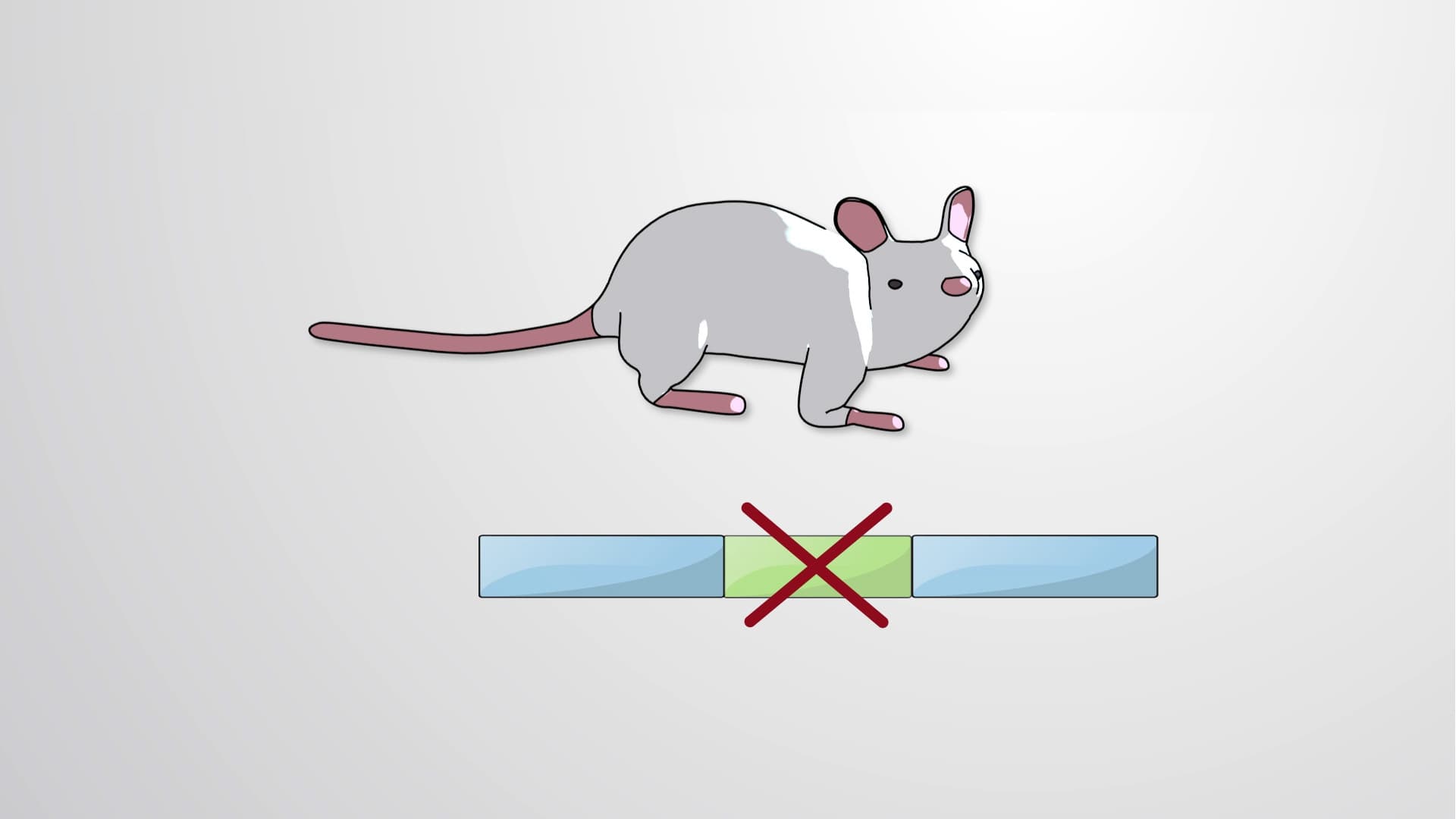
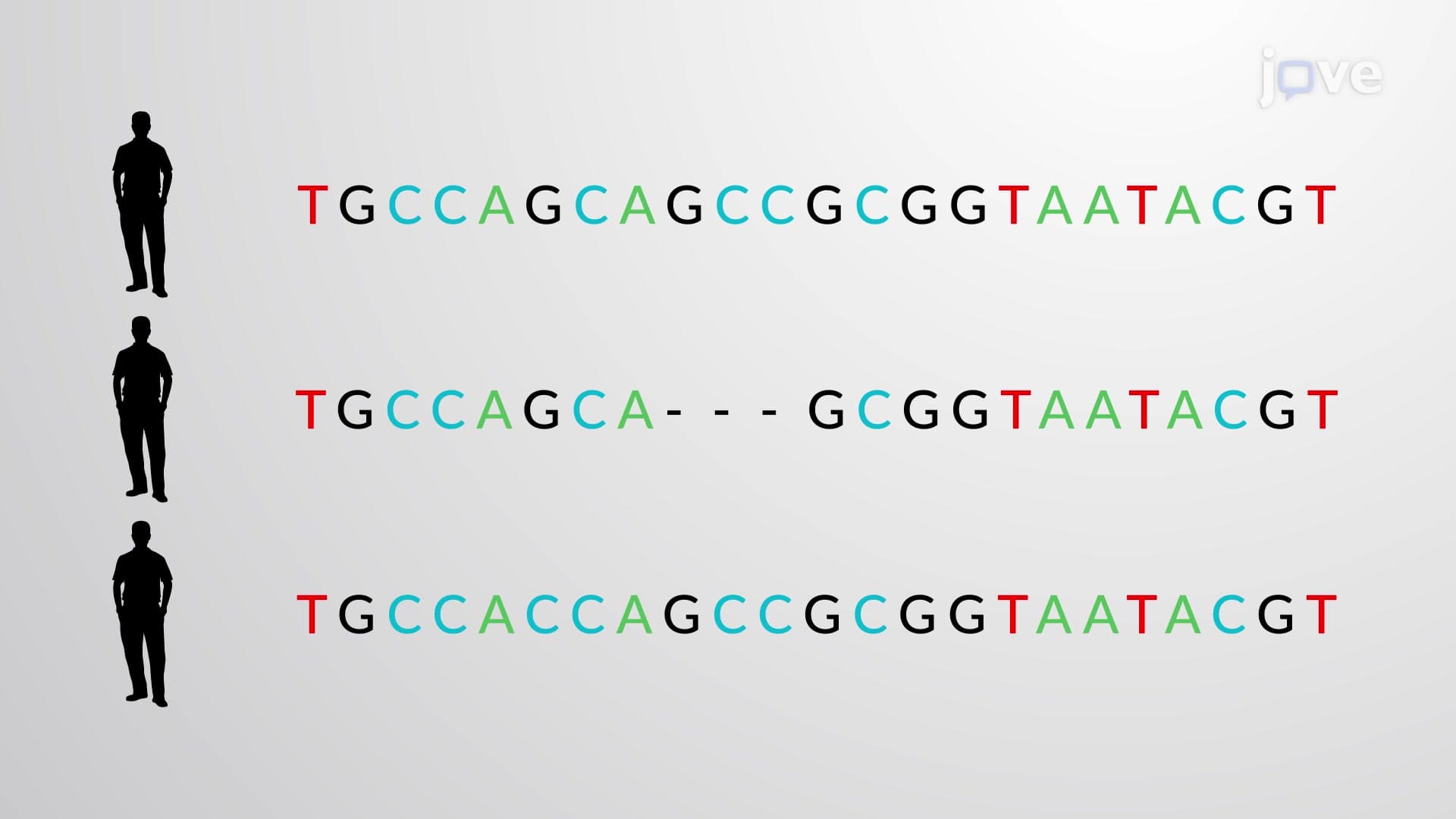
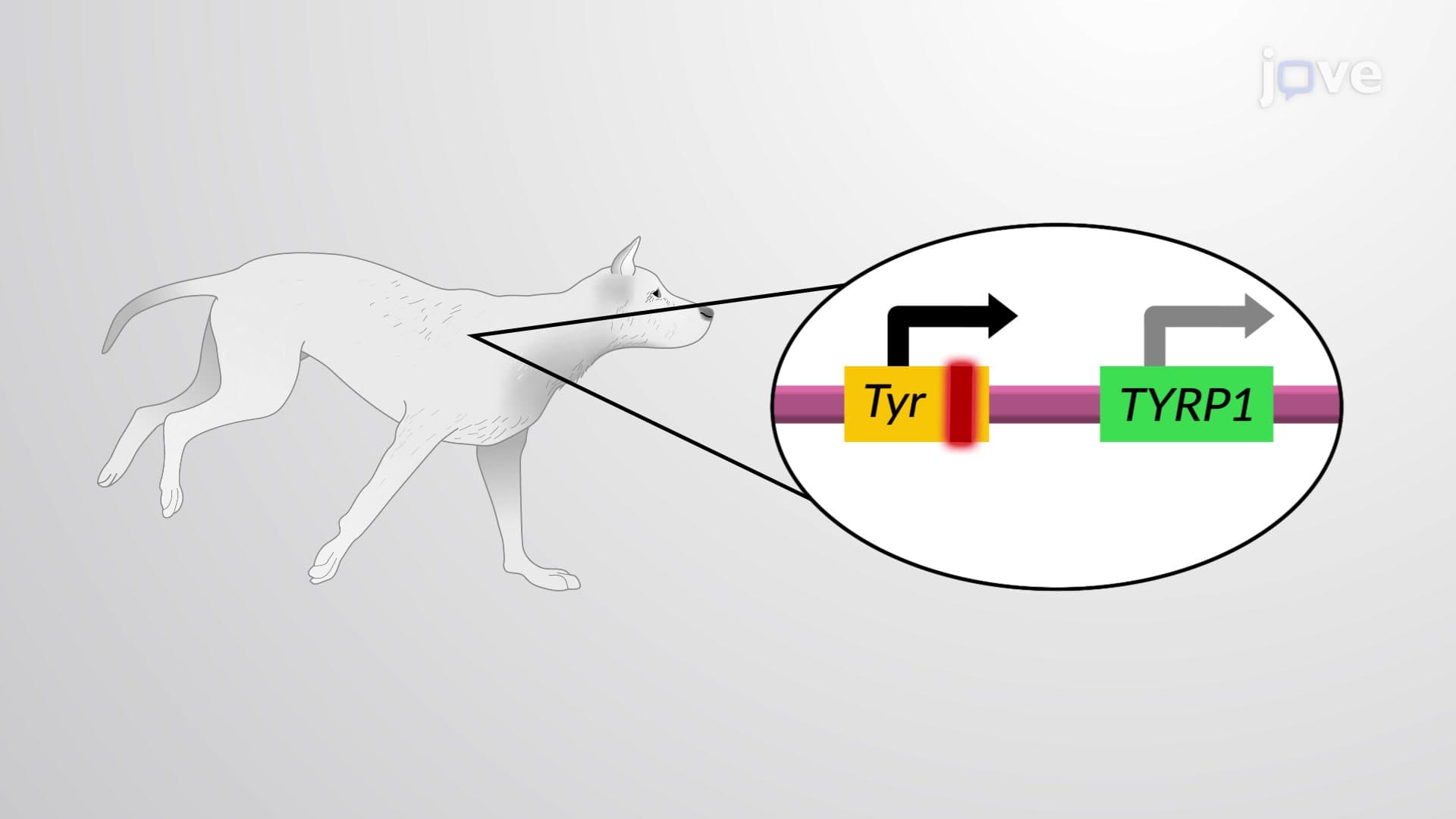
Gene therapy encompasses several distinct strategies depending on the disease mechanism. Gene addition therapy introduces functional copies of genes to compensate for defective ones, as seen in treatments for adenosine deaminase deficiency. Gene editing approaches, particularly CRISPR-Cas9 technology, can precisely modify DNA sequences to correct mutations causing diseases like sickle cell anemia.
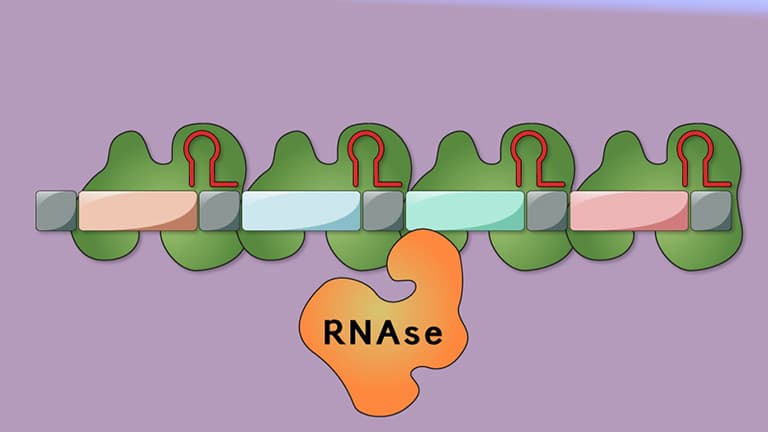
The FDA's approval of Casgevy in 2023, a CRISPR-based treatment for sickle cell disease, marked a historic milestone in genome editing therapeutics. Gene silencing techniques use RNA interference or antisense oligonucleotides to reduce expression of harmful genes, offering treatment options for dominant genetic disorders.
Current Challenges and Future Directions
Despite remarkable progress, gene therapy faces significant hurdles that students should understand for comprehensive exam preparation. Immune responses to viral vectors can limit treatment effectiveness and pose safety risks, as tragically demonstrated in early clinical trials. Manufacturing costs remain extraordinarily high, with some approved therapies costing over $2 million per treatment.
Delivery efficiency varies dramatically between tissue types, with the central nervous system and certain organs proving particularly challenging to target. Long-term gene expression control remains difficult, and off-target effects of genome editing tools require continued safety monitoring. However, advancing technologies like base editing and prime editing offer increasingly precise therapeutic options for the future.
Frequently Asked Questions
Gene therapy is a medical technique that introduces genetic material into a patient's cells to treat or prevent disease by correcting defective genes. The process typically involves using viral or non-viral vectors to deliver therapeutic DNA or RNA into target cells, where it can replace faulty genes, add new functions, or silence harmful gene expression.
The MCAT includes gene therapy concepts in the Biological and Biochemical Foundations section, focusing on molecular mechanisms and ethical considerations. AP Biology covers gene therapy in the gene expression and regulation unit, emphasizing vector systems, delivery methods, and applications to genetic disorders as examples of biotechnology applications.
The FDA has approved several gene therapies including Kymriah for certain blood cancers, Luxturna for inherited blindness, Zolgensma for spinal muscular atrophy, and Casgevy for sickle cell disease. These treatments demonstrate gene therapy's evolution from experimental procedure to established medical practice for specific genetic conditions.
Basic understanding of DNA structure, protein synthesis, and cellular biology provides sufficient foundation for learning gene therapy principles. While advanced biochemistry helps with deeper mechanistic understanding, high school biology and introductory college courses cover the essential concepts needed to grasp how gene therapy works and its medical applications.
Focus on understanding the different types of vectors and their advantages, memorize key approved therapies and their target diseases, and practice drawing diagrams showing gene delivery mechanisms. Create concept maps connecting gene therapy to broader topics like genetic disorders, biotechnology, and medical ethics for comprehensive exam preparation.
Gene therapy connects directly to CRISPR genome editing, recombinant DNA technology, and genetic engineering principles. Understanding these foundational biotechnology concepts helps explain how gene therapy vectors are designed, how therapeutic genes are produced, and how treatments are developed and tested through clinical trials.
Gene therapy careers span multiple fields including biomedical engineering for vector design, clinical research for testing new therapies, regulatory affairs for FDA approval processes, and genetic counseling for patient education. Pharmaceutical companies, academic medical centers, and biotechnology startups all actively hire professionals with gene therapy expertise.
Related Micro-courses


