Loading subject page…


152,901 views

Video Summary: What Is Synthetic Biology
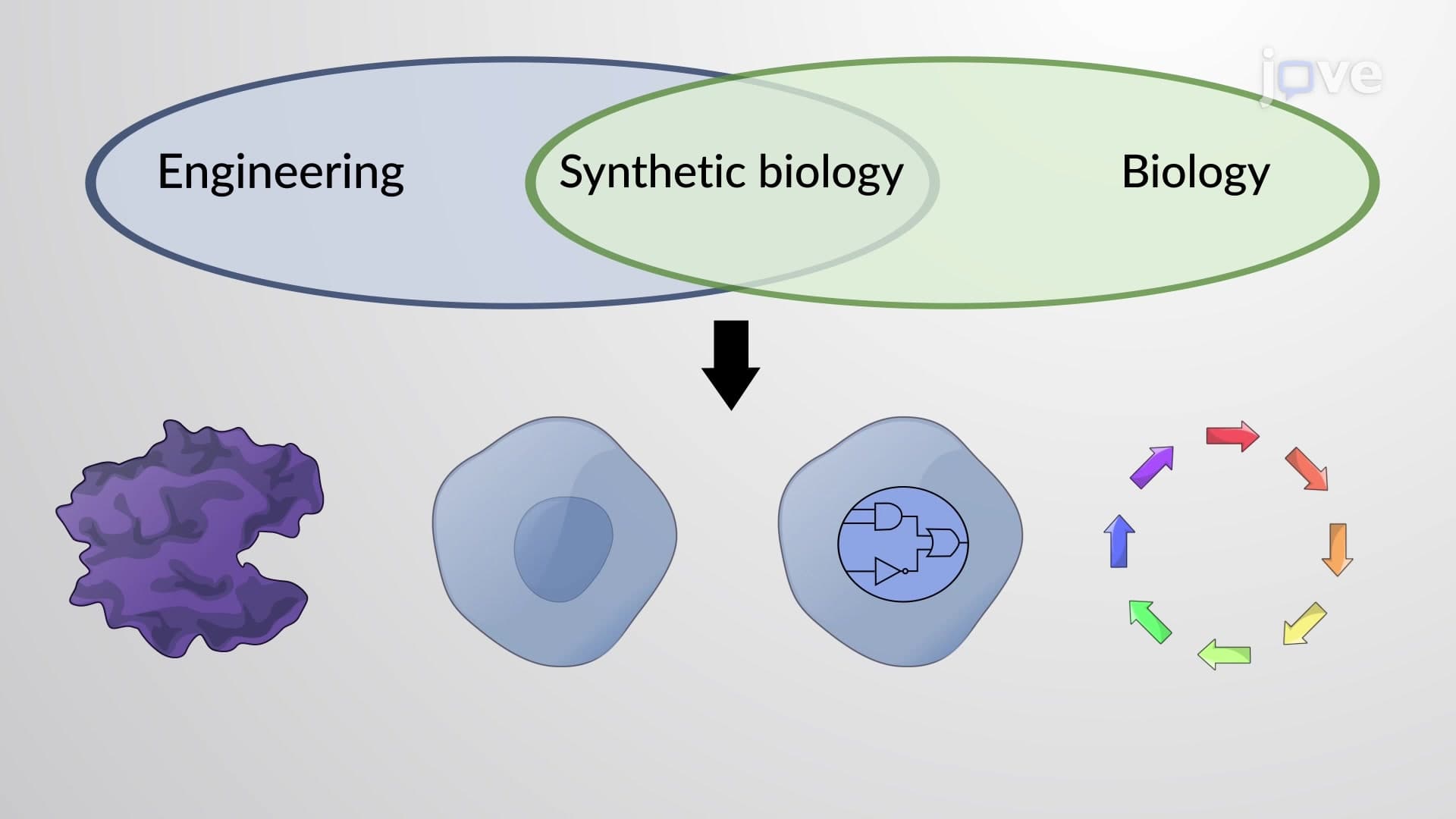
What if scientists could engineer living organisms like computer programmers write code? Synthetic biology revolutionizes how we approach biological systems by applying engineering principles to design custom DNA sequences and entirely new life forms. This cutting-edge field enabled researchers at Stanford University to engineer yeast cells that produce life-saving antimalarial drugs, demonstrating the incredible potential of what is synthetic biology. Watch the full video on JoVE Coach to master this concept with expert-led visuals and step-by-step explanations.
Synthetic biology represents a paradigm shift in biological sciences, merging engineering precision with biological complexity. Unlike traditional biology that studies existing natural systems, synthetic biology creates entirely new biological components from scratch. This field applies engineering design principles-modularity, standardization, and predictable outcomes-to biological systems, enabling scientists to program cells like living machines.
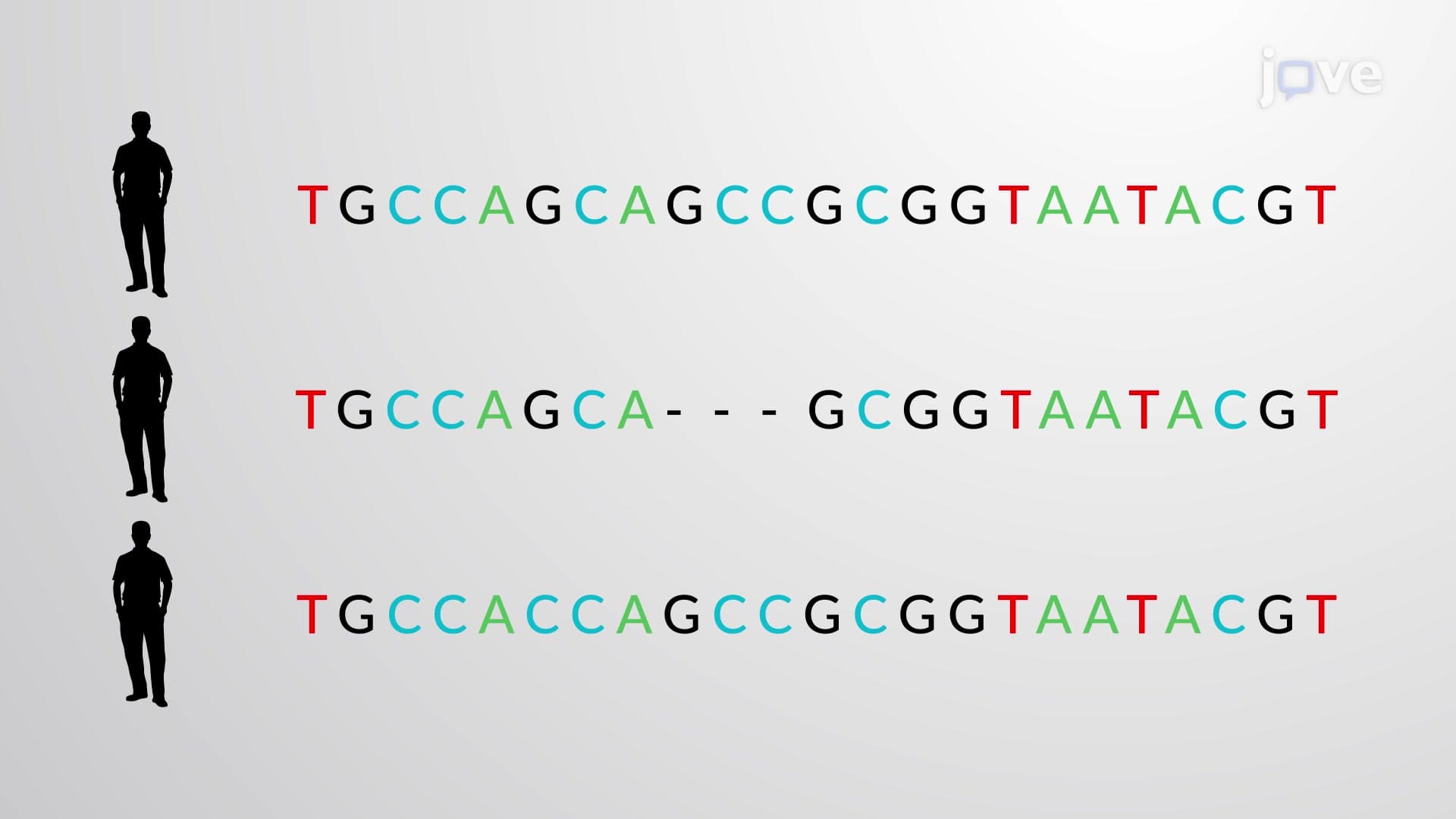
The foundation of synthetic biology rests on two revolutionary technologies. DNA sequencing allows researchers to decode the genetic blueprints of natural organisms, providing templates for synthetic designs. Meanwhile, chemical DNA synthesis enables the construction of custom genetic sequences that may never have existed in nature. Companies like Ginkgo Bioworks in Boston use these technologies to design microorganisms for manufacturing everything from fragrances to pharmaceuticals.
Students often confuse synthetic biology with genetic engineering, but key differences exist. Genetic engineering transfers existing genes between organisms, while synthetic biology creates entirely new genetic circuits. Genome editing makes small, precise changes to existing DNA, whereas synthetic biology can replace large genomic regions with artificially designed sequences. For AP Biology students, understanding these distinctions is crucial for exam success.
The practical applications extend far beyond laboratory curiosities. Researchers at UC Berkeley engineered bacteria to produce jet fuel, while teams at MIT designed cells that can detect and respond to cancer markers. The field's crown achievement-creating the first synthetic life form using an artificial genome based on Mycoplasma mycoides-demonstrates the incredible potential for addressing global challenges through engineered biology. These applications frequently appear in MCAT passages and college biology exams, making synthetic biology knowledge essential for pre-med students.
Related Micro-courses