Loading subject page…

- Organic Chemistry
- Amines
- Amines to Alkenes: Cope Elimination
Micro-course: Amines
119,801 views
Learn key concepts and earn your certificate.

Amines to Alkenes: Cope Elimination

00:00
01:14
Video Summary: Amines to Alkenes Cope Elimination Explained
Ever wondered how pharmaceutical companies convert nitrogen-containing compounds into alkenes during drug synthesis? Amines to alkenes Cope elimination transforms tertiary amines into less-substituted alkenes through a fascinating single-step process. Unlike traditional elimination reactions requiring external bases, this mechanism uses the amine oxide itself as both substrate and base. For instance, companies like Pfizer utilize similar eliminations when synthesizing cardiovascular medications. The Amines To Alkenes Cope Elimination Explained process occurs through syn stereochemistry with remarkable selectivity. Watch the full video on JoVE Coach to master this concept with expert-led visuals and step-by-step explanations.
- Understand the complete mechanism of Amines To Alkenes Cope Elimination Explained, including the formation of amine oxides from tertiary amines using hydrogen peroxide
- Identify the key structural differences between Cope elimination and Hofmann elimination, particularly the absence of external base requirements
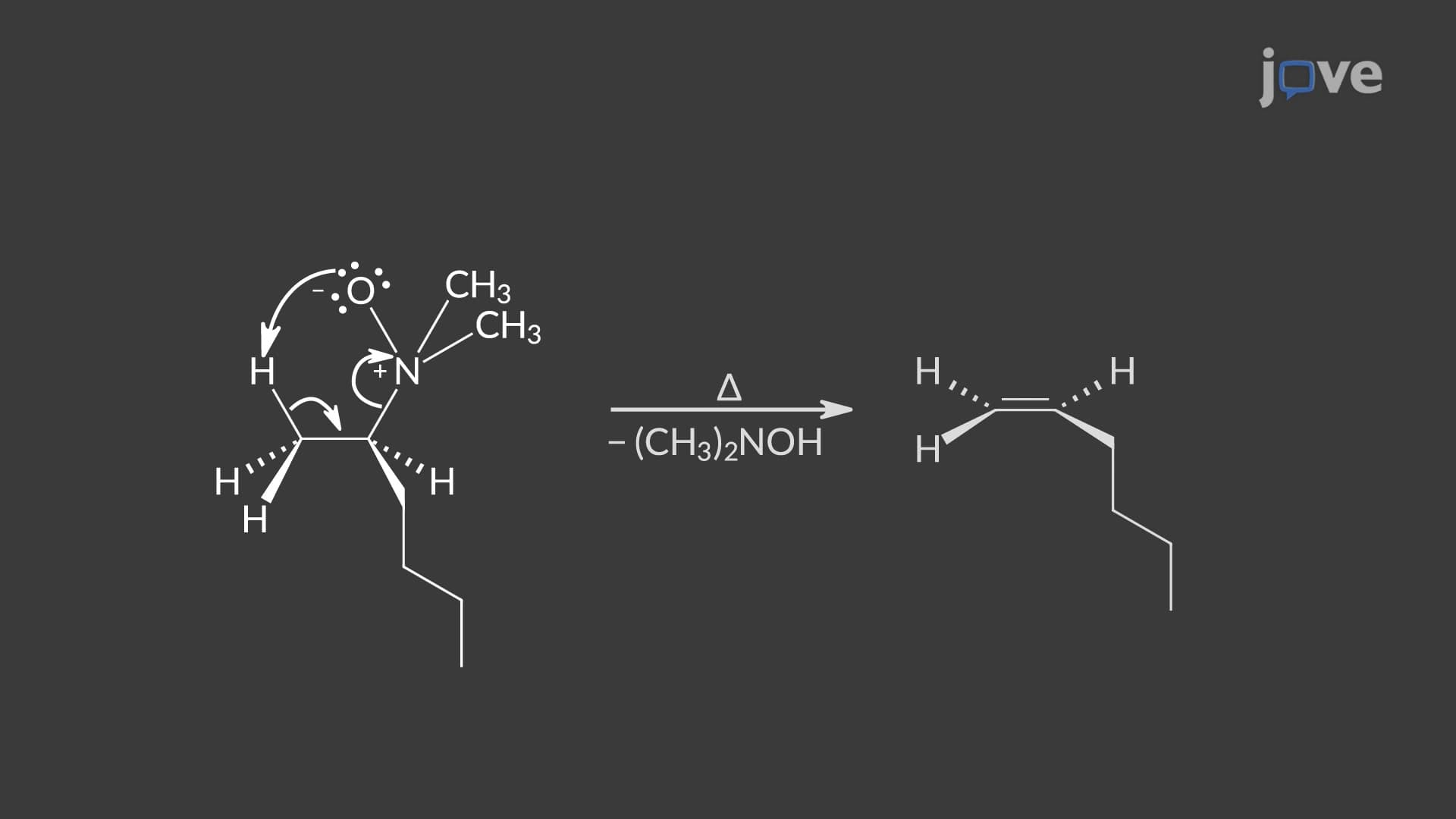
- Analyze the syn stereochemistry and concerted nature of the elimination process, recognizing the planar transition state geometry
- Compare product selectivity patterns, understanding why less-substituted alkenes form as major products despite typical alkene stability trends
- Evaluate the role of the positive charge on nitrogen in promoting elimination and facilitating intramolecular proton abstraction
- Apply knowledge of leaving group ability and understand why N,N-dimethylhydroxylamine serves as an effective departing group
- Recognize the thermal conditions required for reaction initiation and the cyclic electron flow mechanism
- Explore applications in organic synthesis and pharmaceutical chemistry where selective alkene formation proves crucial
Understanding Amines To Alkenes Cope Elimination Explained Fundamentals
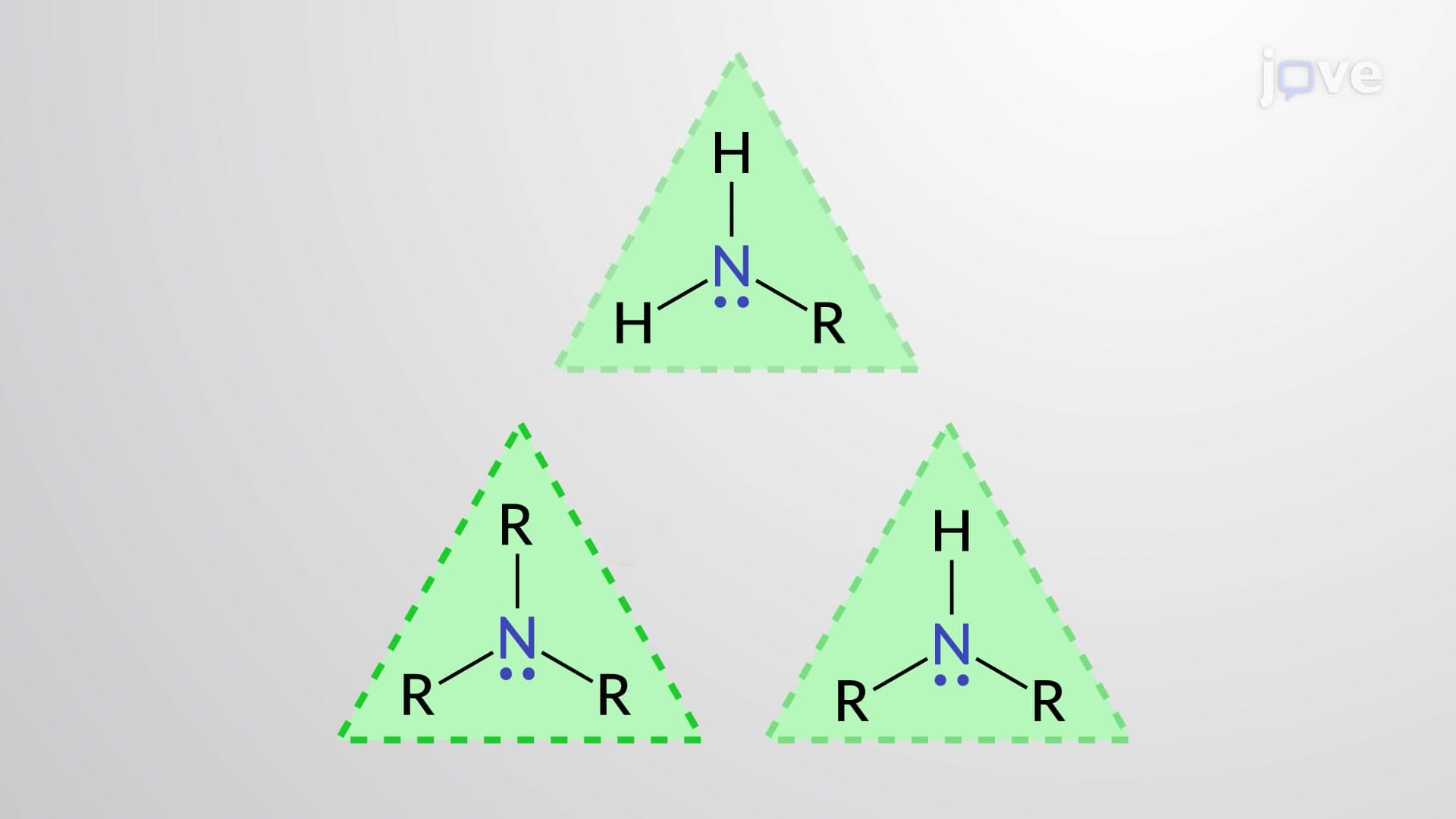
The Amines To Alkenes Cope Elimination Explained represents a sophisticated organic transformation that bridges nitrogen chemistry with alkene synthesis. This reaction belongs to the elimination reaction family but exhibits unique characteristics that distinguish it from traditional E1 and E2 mechanisms. The process begins with tertiary amines-compounds containing nitrogen bonded to three carbon groups-which undergo oxidation to form amine oxides.
Mechanism and Stereochemical Considerations
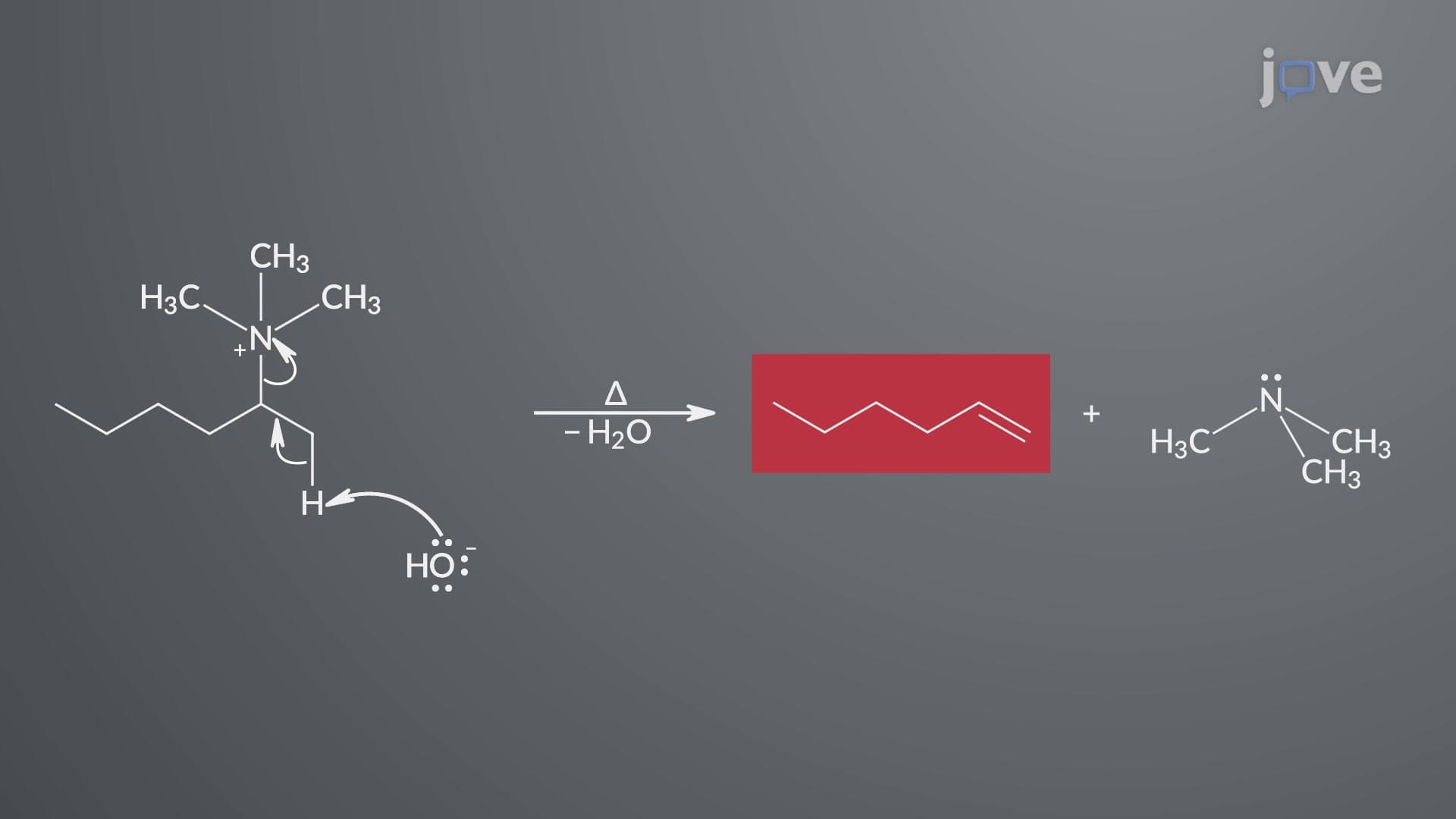
The elimination proceeds through a concerted mechanism featuring syn stereochemistry, meaning the departing hydrogen and leaving group must be positioned on the same side of the molecule. This geometric requirement creates a nearly planar transition state where six atoms participate in a cyclic arrangement. The positive charge on the nitrogen atom, resulting from oxidation, significantly enhances the elimination tendency by stabilizing the developing negative charge during the reaction.
Students preparing for the AP Chemistry exam or college organic chemistry courses should recognize that this syn requirement contrasts sharply with E2 eliminations, which typically proceed through anti-periplanar geometry. This difference becomes crucial when predicting products in stereochemically complex molecules, particularly those encountered in pharmaceutical synthesis.
Product Selectivity and Synthetic Applications
Unlike many elimination reactions that favor more-substituted alkenes (Zaitsev's rule), Cope elimination predominantly yields less-substituted products. This regioselectivity stems from the intramolecular nature of proton abstraction-the amine oxide preferentially removes less-hindered hydrogens due to steric accessibility. This selectivity proves invaluable in pharmaceutical manufacturing, where companies like Johnson & Johnson utilize similar principles when synthesizing complex drug molecules requiring specific alkene substitution patterns.
Industrial and Academic Relevance
The reaction finds extensive application in medicinal chemistry and natural product synthesis. Graduate students at institutions like MIT and Stanford frequently encounter Cope elimination when studying alkaloid chemistry or developing synthetic routes to biologically active compounds. For MCAT preparation, understanding this mechanism helps students grasp broader concepts of elimination reactions and their role in biological systems, particularly in metabolic pathways involving nitrogen-containing compounds.
Frequently Asked Questions
Cope elimination converts tertiary amines to alkenes through amine oxide intermediates without requiring external bases. The reaction proceeds via syn stereochemistry and produces less-substituted alkenes, contrasting with typical E2 eliminations that use anti geometry and often follow Zaitsev's rule.
MCAT questions typically focus on mechanism comparison, stereochemistry prediction, and product identification. AP Chemistry may test basic elimination concepts and regioselectivity patterns. Practice identifying syn vs. anti requirements and predicting major products based on steric hindrance rather than alkene stability.
The reaction's ability to selectively form less-substituted alkenes proves crucial when synthesizing drug molecules requiring specific substitution patterns. Companies like Merck utilize similar eliminations to control regioselectivity during complex natural product synthesis, particularly in cardiovascular and neurological drug development.
Basic understanding of elimination reactions, stereochemistry, and amine chemistry suffices for introductory study. High school students can grasp fundamental concepts, while deeper mechanistic details become important for college-level organic chemistry courses and professional exam preparation.
Focus on the "syn-cyclic-six" pattern: syn stereochemistry, cyclic transition state, and six-membered arrangement. Practice drawing the mechanism emphasizing electron flow from the less-hindered hydrogen through the planar transition state. Create comparison charts with Hofmann elimination to highlight key differences.
The intramolecular proton abstraction mechanism prioritizes steric accessibility over thermodynamic stability. The amine oxide preferentially removes less-hindered hydrogens, overriding typical alkene stability trends and creating valuable synthetic selectivity for complex molecule construction.
Explore other elimination reactions like Hofmann degradation, Chugaev elimination, and selenoxide eliminations. Study amine oxidation chemistry, nitrogen heterocycle synthesis, and retrosynthetic analysis applications. These topics frequently appear together in advanced organic chemistry courses and graduate-level examinations.
Related Micro-courses