Loading subject page…


119,803 views

Video Summary: Amines to Amides Acylation of Amines Explained
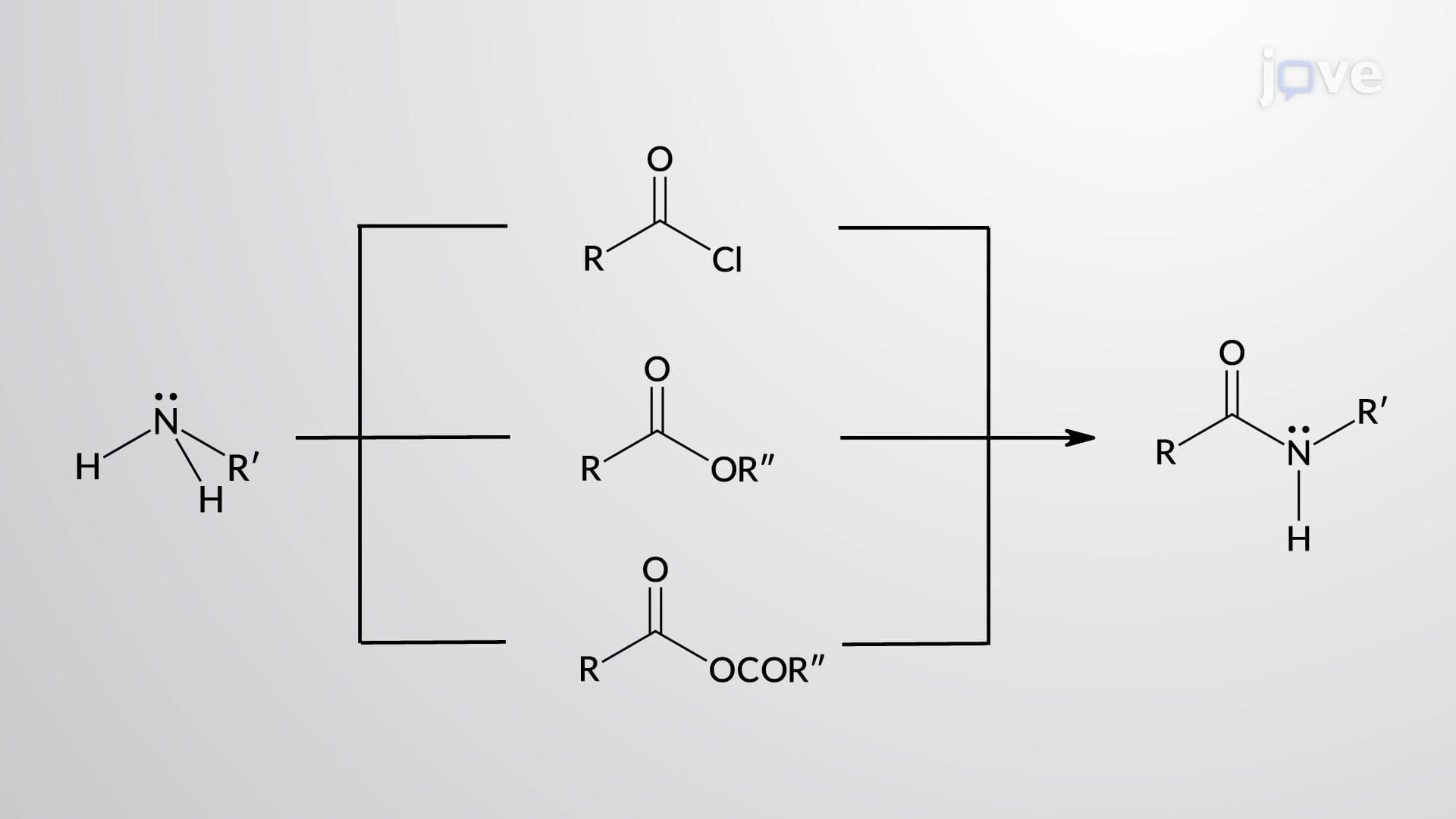
Ever wonder how pharmaceutical companies transform simple amine building blocks into complex drug molecules? Amines amides acylation amines represents one of organic chemistry's most fundamental transformations, where amine compounds react with carboxylic acid derivatives to form stable amide bonds. This reaction is crucial in synthesizing everything from nylon plastics to life-saving antibiotics like penicillin in US pharmaceutical facilities. Amines To Amides Acylation of Amines Explained demonstrates how this two-step mechanism requires two equivalents of amine molecules. Watch the full video on JoVE Coach to master this concept with expert-led visuals and step-by-step explanations.
The transformation of amines into amides through acylation represents a cornerstone reaction in organic synthesis, particularly relevant for students preparing for AP Chemistry, MCAT, and college-level organic chemistry courses. This nucleophilic acyl substitution mechanism involves replacing a leaving group attached to a carbonyl carbon with an amino group, creating the characteristic amide functional group found in proteins, pharmaceuticals, and synthetic polymers.
The amines amides acylation mechanism proceeds through a well-defined three-step pathway. Initially, the nucleophilic amine attacks the electrophilic carbonyl carbon of a carboxylic acid derivative (such as acid chlorides, anhydrides, or esters), forming a tetrahedral intermediate. This step requires careful consideration of sterics and electronics-primary amines react faster than secondary amines due to reduced steric hindrance.
The crucial second step involves elimination of the leaving group, which reconstructs the carbonyl double bond and forms a protonated amide intermediate. The leaving group ability follows the order: Cl⁻ > acetate > alkoxide > hydroxide, explaining why acid chlorides are preferred acylating agents in laboratory settings.
Finally, a second equivalent of amine acts as a Brønsted base, abstracting the acidic proton from the nitrogen atom to yield the neutral amide product. This stoichiometric requirement (2:1 amine to acyl compound) often appears in MCAT calculations and AP Chemistry equilibrium problems.
Amines to amides acylation fundamentally alters the electronic properties of the nitrogen-containing functional group. Resonance delocalization between the nitrogen lone pair and the carbonyl π system creates partial double bond character in the C-N bond. This resonance stabilization makes amides significantly less nucleophilic and less basic than their parent amines-a concept frequently tested in college organic chemistry exams.
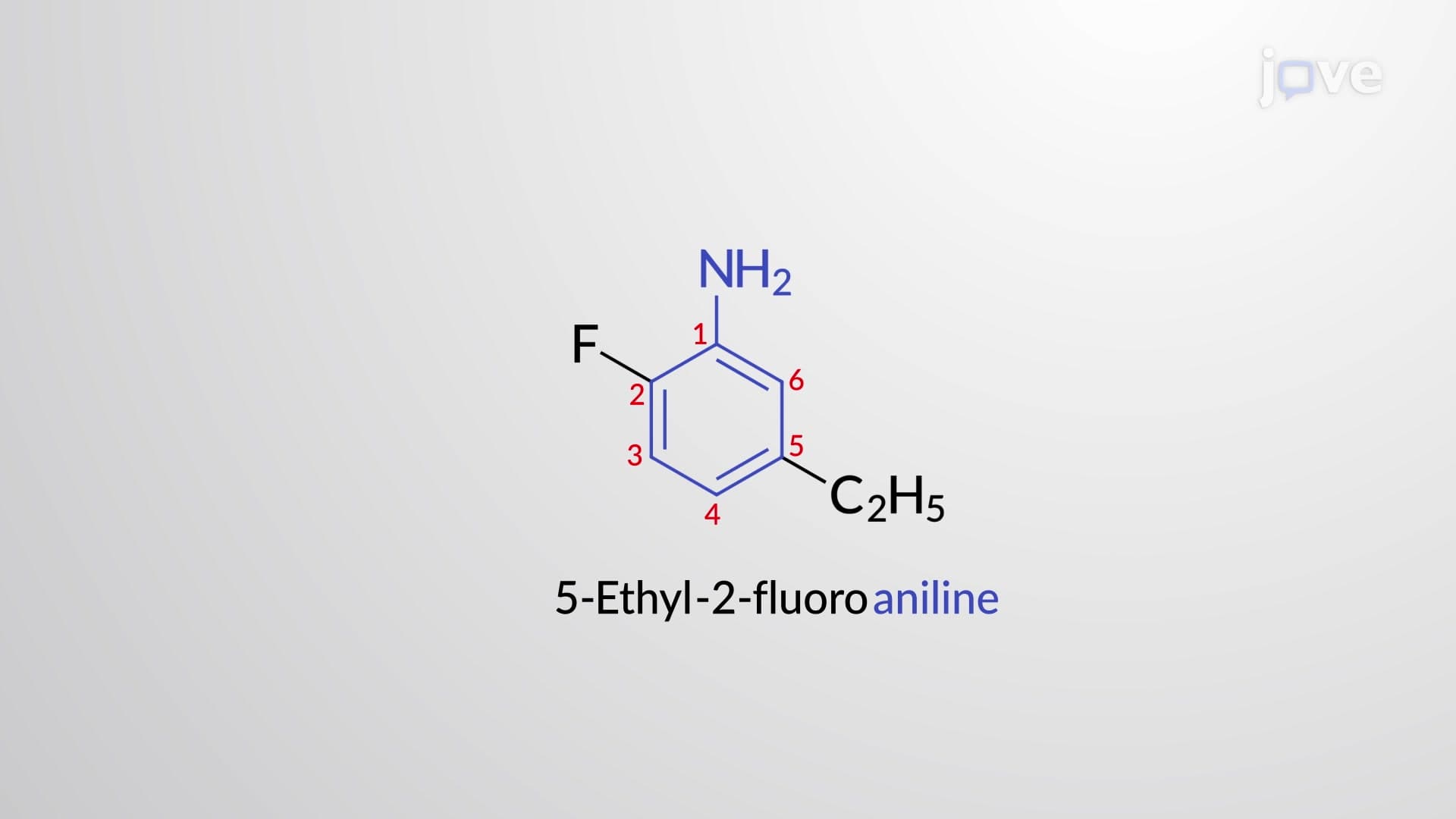
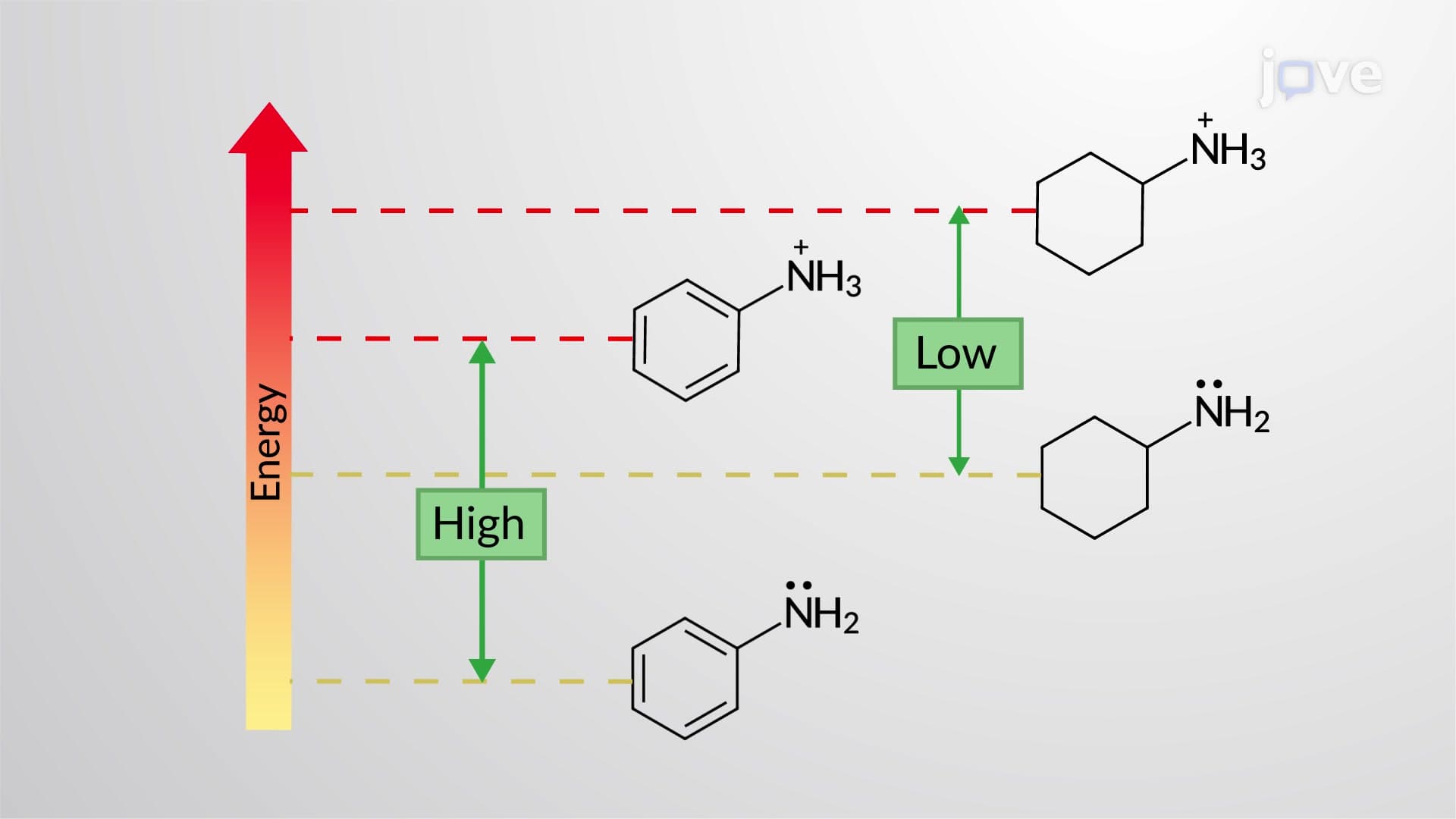
This decreased reactivity proves synthetically valuable, particularly in electrophilic aromatic substitution reactions. Aniline, with its strongly activating amino group, undergoes uncontrolled polyhalogenation when treated with bromine. However, acetylation of aniline creates acetanilide, whose amide group is only moderately activating, permitting controlled monobromination. This protection-deprotection strategy appears regularly in synthetic organic chemistry problems on the MCAT and advanced placement examinations.
Industrial applications of amide formation include nylon synthesis (where diamines react with diacid chlorides), pharmaceutical manufacturing (penicillin derivatives), and agrochemical production. Understanding these real-world connections helps students appreciate the practical importance of mastering acylation mechanisms for careers in chemical engineering, medicinal chemistry, and materials science.
Related Micro-courses