Loading subject page…

- Organic Chemistry
- Amines
- Diazonium Group Substitution: –OH and –H
Micro-course: Amines
119,803 views
Learn key concepts and earn your certificate.

Diazonium Group Substitution: –OH and –H

00:00
01:19
Video Summary: Diazonium Group Substitution Oh and H Explained
Ever wondered how pharmaceutical companies create aspirin from simple benzene rings? Diazonium group substitution -OH reactions are the chemical magic behind transforming basic aromatic compounds into life-saving medications. This powerful synthetic technique allows chemists to replace nitrogen-containing diazonium groups with hydroxyl (-OH) or hydrogen (-H) atoms, enabling precise molecular engineering. Companies like Pfizer routinely use these reactions to manufacture complex drugs with specific functional group placements. Watch the full video on JoVE Coach to master this concept with expert-led visuals and step-by-step explanations.
- Understand the fundamental mechanism of Diazonium Group Substitution -OH And -H Explained, including how primary arylamines convert to arenediazonium salts
- Identify the key reagents required for diazonium salt formation: sodium nitrite (NaNO2) and sulfuric acid (H2SO4)
- Analyze how warming arenediazonium salts leads to hydrolysis reactions that yield phenols through -OH substitution
- Apply the strategic use of aniline's directing effects to achieve substitution patterns impossible through direct halogenation
- Recognize when H3PO2 (hypophosphorous acid) is used to replace diazonium groups with hydrogen atoms
- Compare the synthetic advantages of diazonium chemistry versus direct aromatic substitution methods
- Evaluate how ortho- and para-directing effects of NH2 groups enable complex molecular architectures
- Explore real-world applications in pharmaceutical synthesis and industrial organic chemistry
Understanding Diazonium Group Substitution -OH And -H Explained
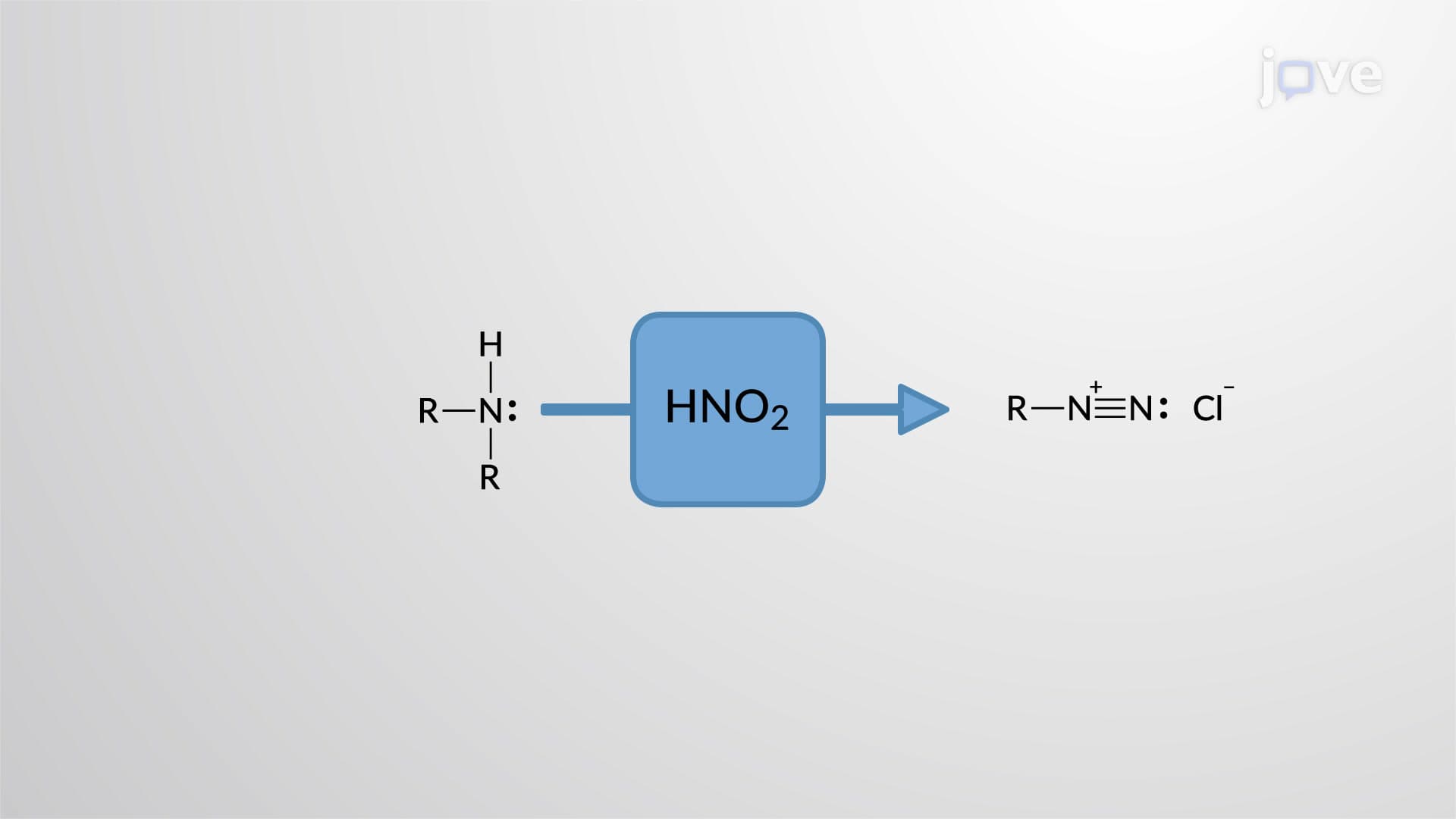
Diazonium Group Substitution -OH And -H Explained represents one of organic chemistry's most versatile synthetic strategies. This reaction sequence begins with primary aromatic amines (arylamines) undergoing diazotization to form highly reactive arenediazonium salts. These intermediates serve as molecular launching pads for installing various functional groups onto aromatic rings with exceptional precision.
The Diazotization Process and Mechanistic Pathway
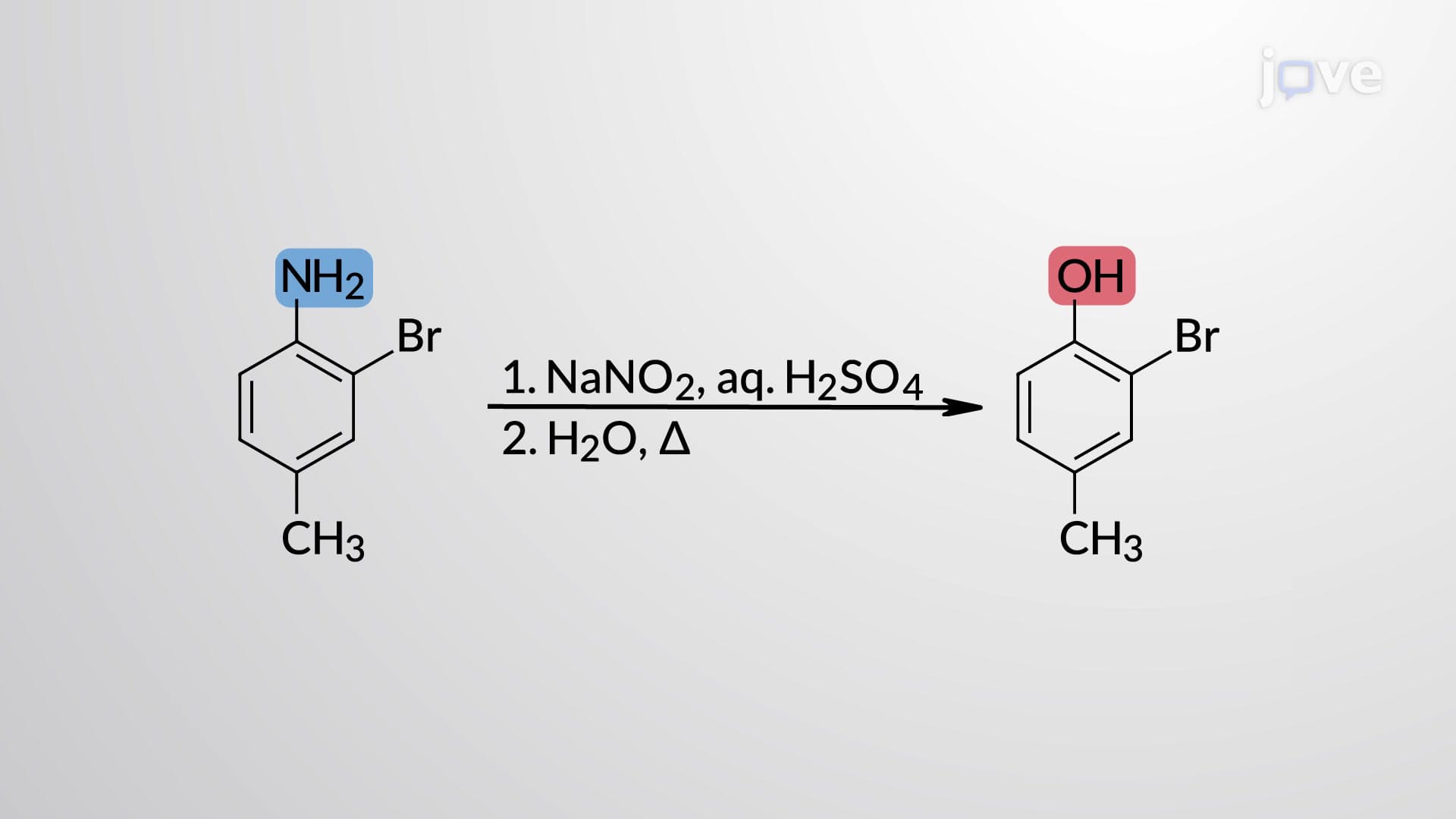
The transformation starts when primary arylamines react with sodium nitrite (NaNO2) in acidic conditions, typically using sulfuric acid (H2SO4). This diazotization reaction generates the crucial arenediazonium salt intermediate, characterized by the N2+ group attached to the aromatic ring. The diazonium cation is exceptionally electrophilic, making it prone to nucleophilic attack and subsequent nitrogen gas elimination.
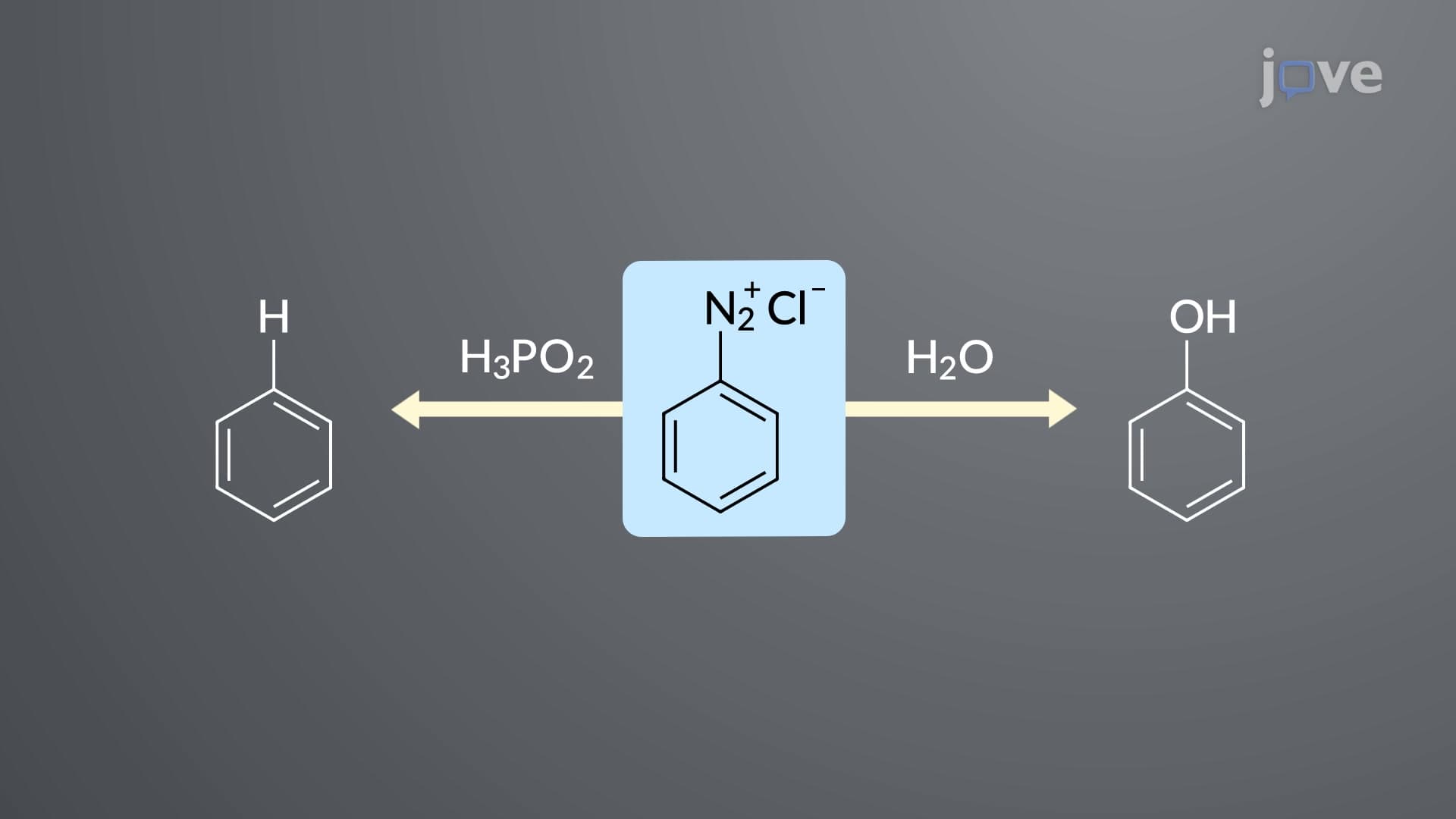
For hydroxyl substitution, warming the arenediazonium salt in aqueous solution triggers hydrolysis. Water molecules attack the carbon bearing the diazonium group, leading to nitrogen gas evolution and formation of phenols. This reaction is particularly valuable because direct hydroxylation of aromatic rings is otherwise challenging.
Strategic Applications in Synthetic Chemistry
The synthetic power of diazonium chemistry becomes evident in complex substitution patterns. Consider the synthesis of 1,3,5-tribromobenzene, impossible through direct halogenation because bromine is an ortho- and para-directing group. Instead, chemists exploit aniline's NH2 group, which is strongly activating and ortho/para-directing. After installing bromine atoms at desired positions, the amino group is removed via diazotization followed by treatment with hypophosphorous acid (H3PO2), which replaces the diazonium group with hydrogen.
This strategy appears frequently on AP Chemistry exams and MCAT organic chemistry sections. Students studying for college organic chemistry courses at institutions like UCLA or MIT encounter these reactions as fundamental tools for retrosynthetic analysis.
Industrial and Pharmaceutical Relevance
Major pharmaceutical companies utilize diazonium chemistry extensively. For instance, the synthesis of certain anti-inflammatory drugs requires precise phenol placement on aromatic scaffolds, achievable through diazonium hydroxyl substitution. Chemical manufacturers like Dow and DuPont employ these reactions for producing specialty chemicals, dyes, and advanced materials.
Understanding these mechanisms proves essential for pre-med students preparing for MCAT biochemistry sections, where enzyme active sites often feature precisely positioned hydroxyl groups created through similar synthetic strategies during drug development.
Frequently Asked Questions
Diazonium group substitution -OH and -H is a chemical reaction where a diazonium group (N2+) attached to an aromatic ring gets replaced by either a hydroxyl group (-OH) or hydrogen atom (-H). This process involves treating aromatic amines with sodium nitrite and acid to form diazonium salts, which then undergo substitution reactions. It's like molecular surgery, precisely removing one functional group and installing another in its exact location.
Both AP Chemistry and MCAT frequently test diazonium reactions in organic chemistry sections, particularly focusing on reaction mechanisms and synthetic applications. AP exams often ask students to predict products when aniline undergoes diazotization followed by warming in water. MCAT questions typically involve multi-step synthesis problems where diazonium chemistry enables otherwise impossible substitution patterns. These reactions appear in approximately 15-20% of organic chemistry passages on standardized tests.
The diazonium group (N2+) is an exceptional leaving group because it forms extremely stable nitrogen gas (N2) upon departure. Nitrogen gas is highly stable due to its triple bond, making the reaction thermodynamically favorable and irreversible. This stability drives the reaction forward, unlike many other leaving groups that can potentially reverse. The formation of nitrogen gas also provides visual confirmation that the reaction is proceeding, you'll literally see gas bubbles forming during the reaction.
Absolutely! While diazonium chemistry appears complex, it follows predictable patterns that high school students can master. The key is understanding three simple concepts: diazotization (making the diazonium salt), nucleophilic substitution (replacing the diazonium group), and recognizing good leaving groups. Students with basic knowledge of aromatic chemistry and substitution reactions can successfully learn these mechanisms. Many successful pre-med students first encounter this topic in introductory organic chemistry and build confidence through practice problems.
Focus on three key areas: memorize the diazotization conditions (NaNO2 + H2SO4), practice predicting products for both -OH and -H substitutions, and understand the strategic synthetic applications. Create reaction flowcharts showing aniline → diazonium salt → substituted product. Work through synthesis problems that require diazonium intermediates to achieve specific substitution patterns. Most college professors emphasize mechanism understanding over rote memorization, so practice drawing curved arrow mechanisms for each step.
Pharmaceutical companies like Johnson & Johnson and Merck routinely use diazonium chemistry to synthesize medications with precisely positioned hydroxyl groups on aromatic rings. The dye industry relies heavily on these reactions, companies like Clariant and Huntsman Corporation use diazonium intermediates to create textile dyes with specific color properties. Additionally, the synthesis of advanced materials for electronics manufacturing often employs diazonium chemistry to functionalize aromatic polymers. Even aspirin production involves related chemistry for installing functional groups at specific ring positions.
Mastering diazonium reactions provides a foundation for understanding retrosynthetic analysis, working backward from target molecules to identify necessary starting materials. This concept becomes crucial in advanced courses like total synthesis, where chemists design multi-step routes to complex natural products. Graduate programs in chemistry and many pharmaceutical research positions require deep understanding of these strategic disconnections. Students planning careers in medicinal chemistry or chemical engineering will use these principles throughout their professional development.
Build upon this foundation by exploring other aromatic substitution mechanisms, particularly electrophilic aromatic substitution patterns and their directing effects. Study nucleophilic aromatic substitution reactions, which complement diazonium chemistry in synthetic planning. Advanced topics include Sandmeyer reactions (using copper catalysts with diazonium salts) and azo coupling reactions for dye synthesis. These concepts frequently appear in upper-level organic chemistry courses and graduate school entrance exams.
Related Micro-courses