Loading subject page…


119,803 views

Video Summary: Diazotization Mechanism of Primary Amines with Nano2
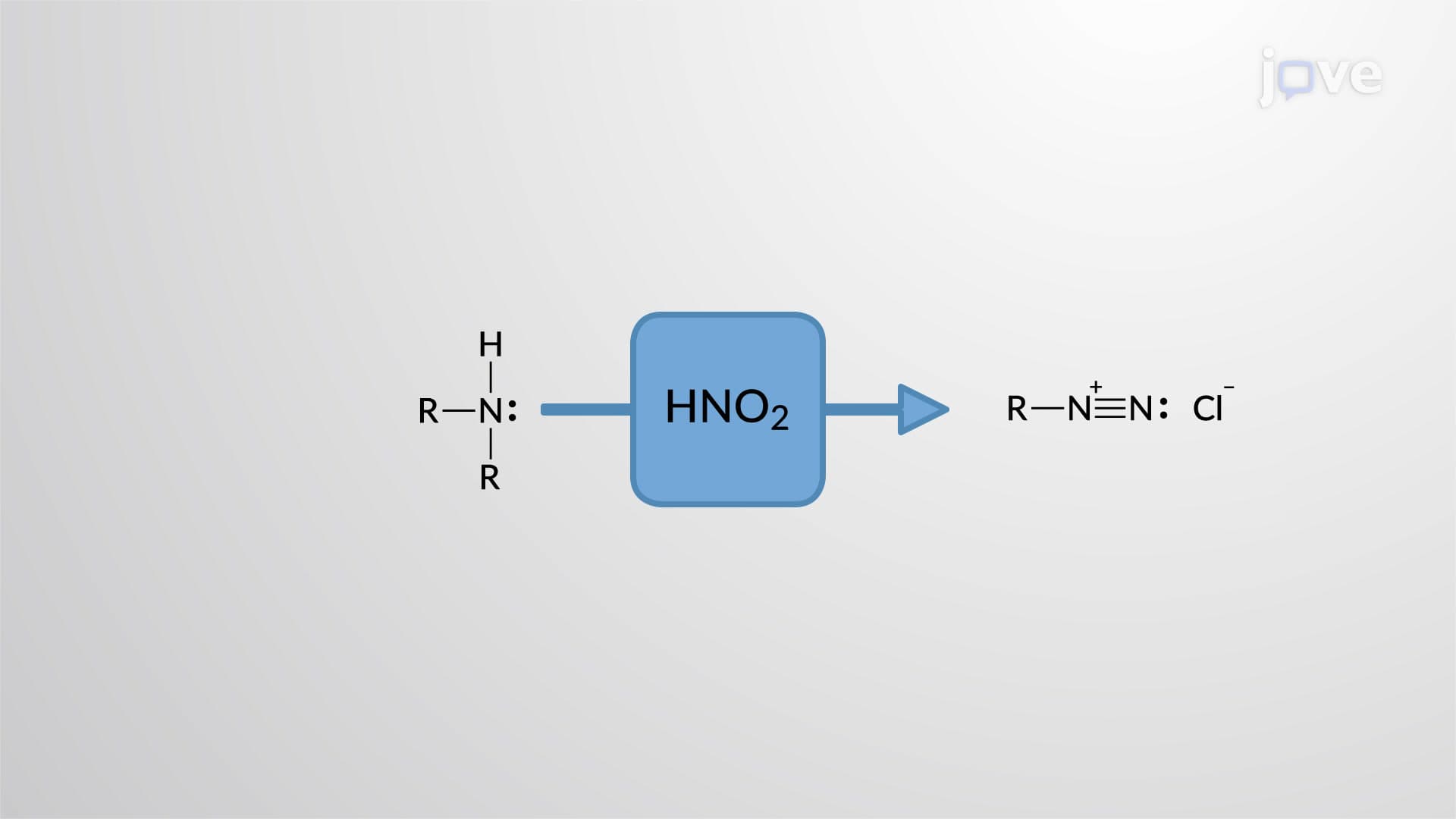
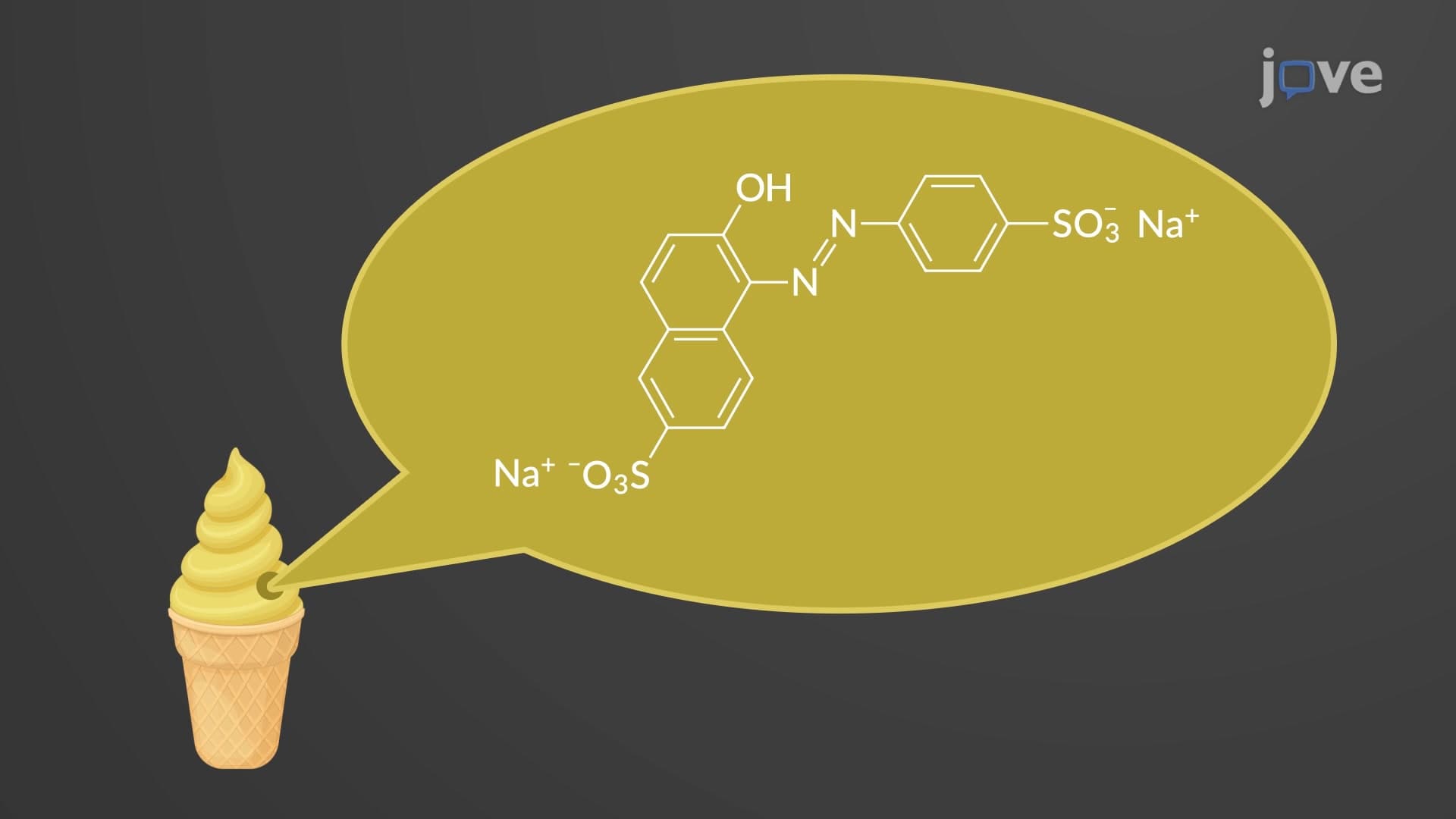
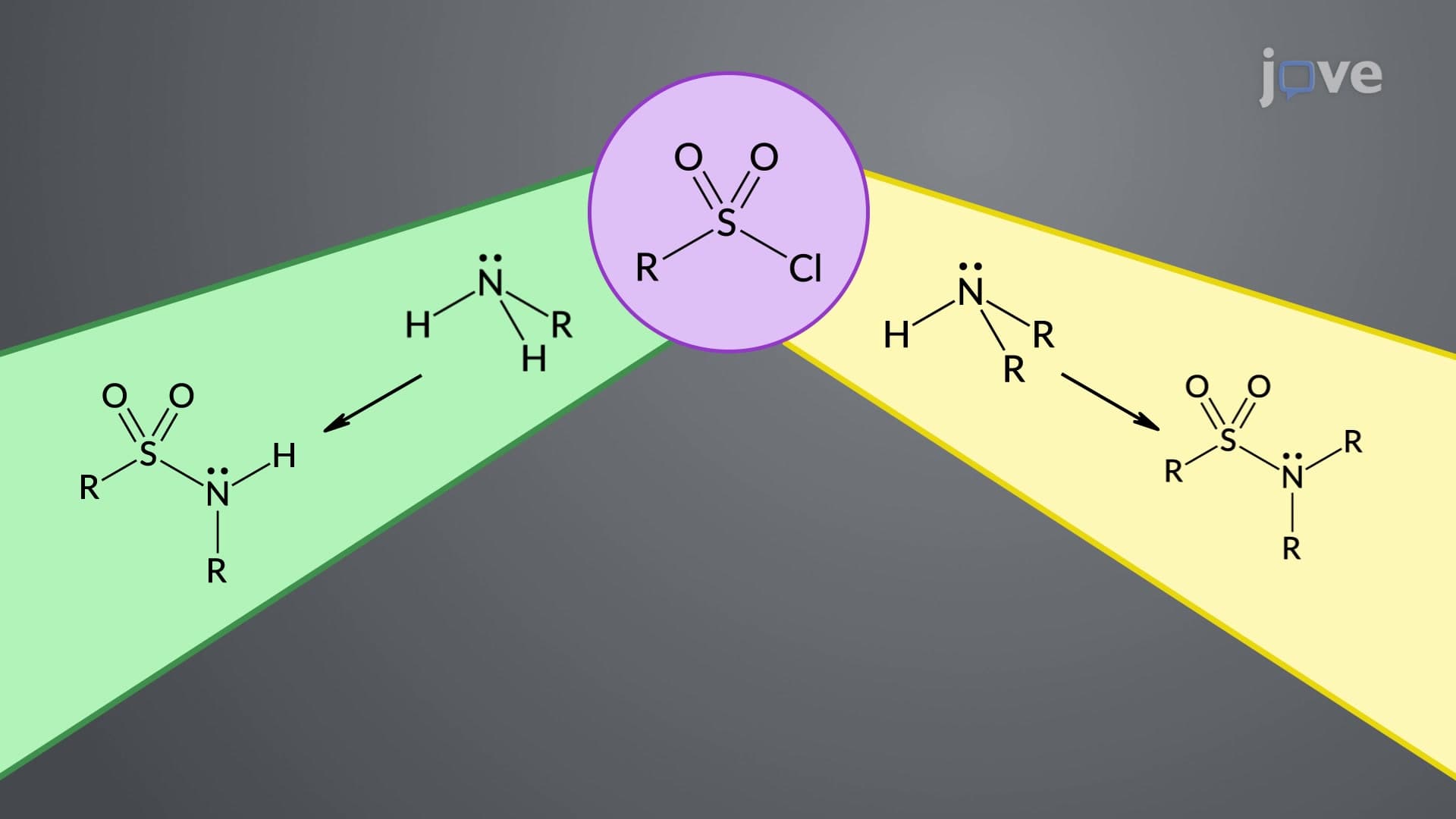
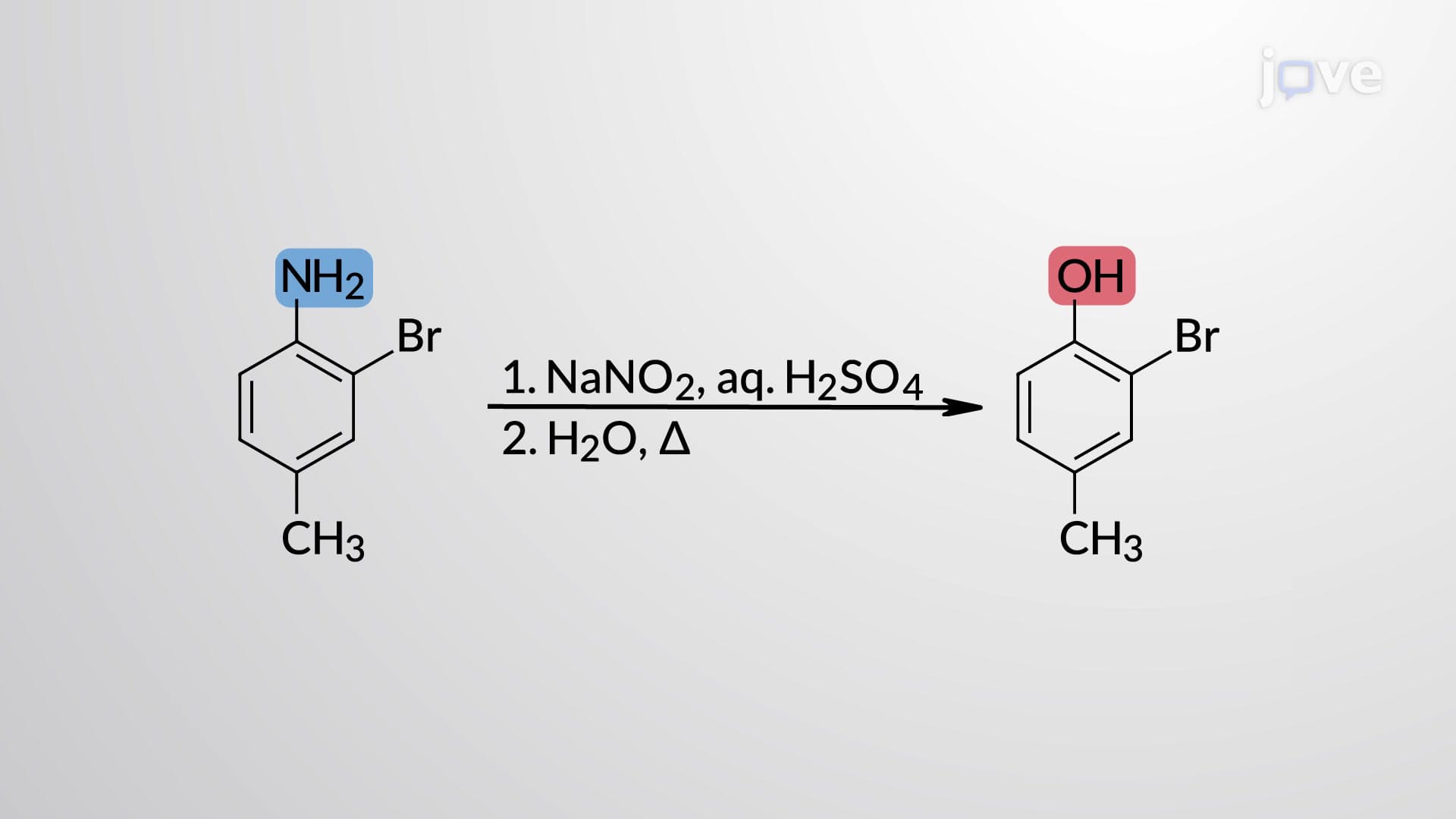
Ever wonder how pharmaceutical companies create life-saving antibiotics like sulfanilamide? The diazotization mechanism of primary amines transforms simple aromatic compounds into complex drug molecules through a fascinating multi-step reaction. When primary aromatic amines react with sodium nitrite (NaNO₂) in acidic conditions, they form highly reactive diazonium salts that serve as versatile intermediates in organic synthesis. This process is crucial in manufacturing dyes, pharmaceuticals, and agrochemicals across US chemical industries. Watch the full video on JoVE Coach to master this concept with expert-led visuals and step-by-step explanations.
The diazotization reaction represents one of organic chemistry's most important synthetic transformations, converting primary amines into highly versatile diazonium salts. This mechanism involves multiple steps, each with distinct intermediates that students encounter in advanced placement chemistry and undergraduate organic chemistry courses.
The reaction begins when sodium nitrite (NaNO₂) reacts with hydrochloric acid to generate nitrosonium ions (NO⁺) in situ. These electrophilic species become the key reactive intermediate that drives the entire process forward.
In the initial step, the lone pair of electrons on the primary amine's nitrogen atom performs a nucleophilic attack on the positively charged nitrosonium ion. This forms an unstable N-nitrosoaminium ion intermediate, characterized by a new N-N bond and a positive charge on the original amine nitrogen.
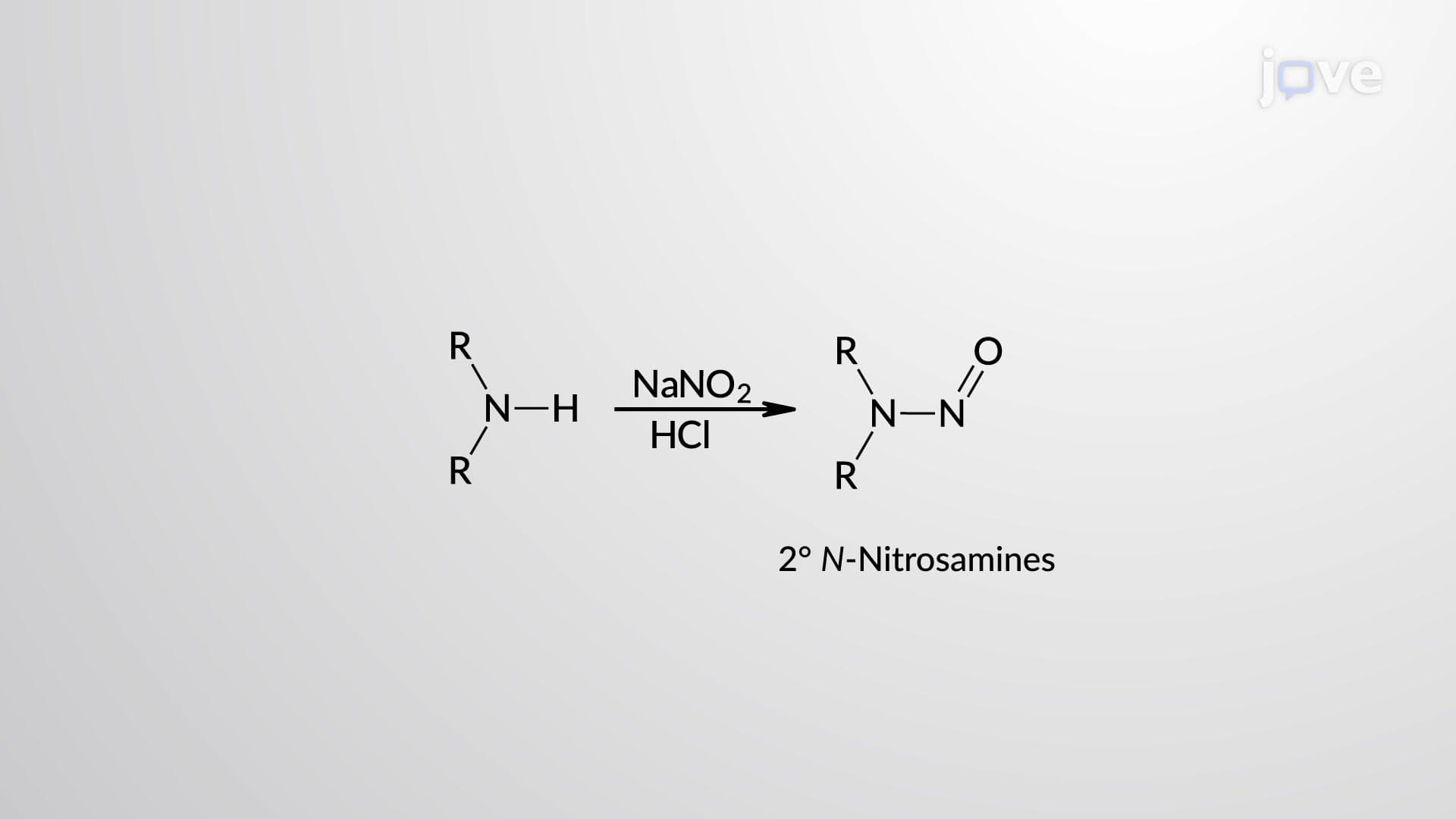
The mechanism continues with rapid deprotonation of the N-nitrosoaminium ion, yielding an N-nitrosamine intermediate. This step is crucial because it sets up the subsequent tautomerization process that forms the backbone of diazonium salt formation.
The N-nitrosamine undergoes tautomerization to form a diazohydroxide intermediate, featuring the characteristic N=N double bond that defines diazo compounds. This step involves intramolecular hydrogen migration and represents a key thermodynamic driving force.
The final transformation occurs when the hydroxyl group of the diazohydroxide becomes protonated in the acidic reaction medium. Water, being an excellent leaving group, departs to generate the final diazonium ion product. This step is thermodynamically favorable due to water's stability as a leaving group.
Understanding the stability differences between aliphatic and aromatic diazonium salts proves essential for MCAT preparation and advanced organic chemistry courses. Aliphatic diazonium ions rapidly decompose by releasing nitrogen gas, forming carbocations that undergo various side reactions including substitution, elimination, and rearrangement processes.
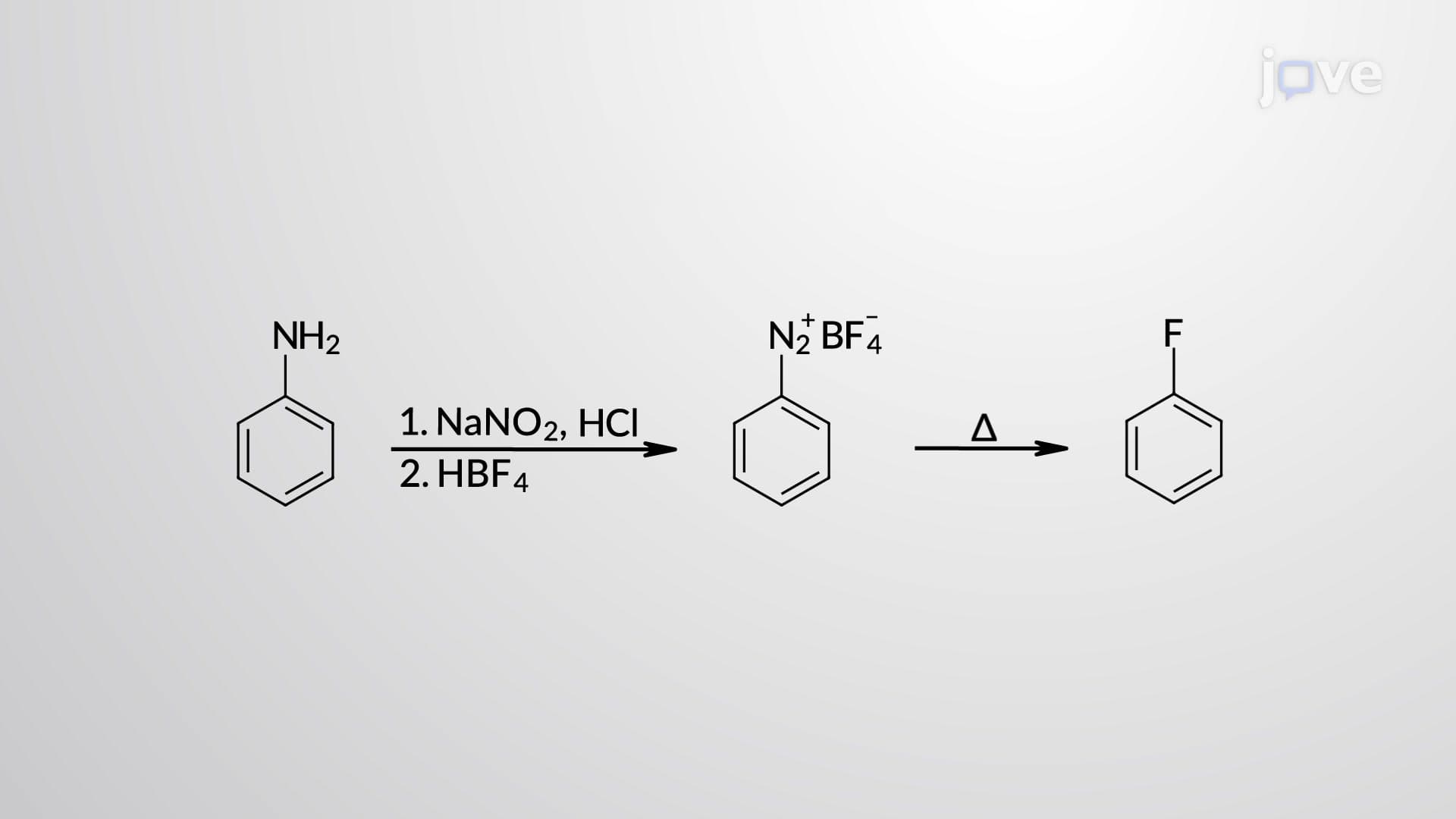
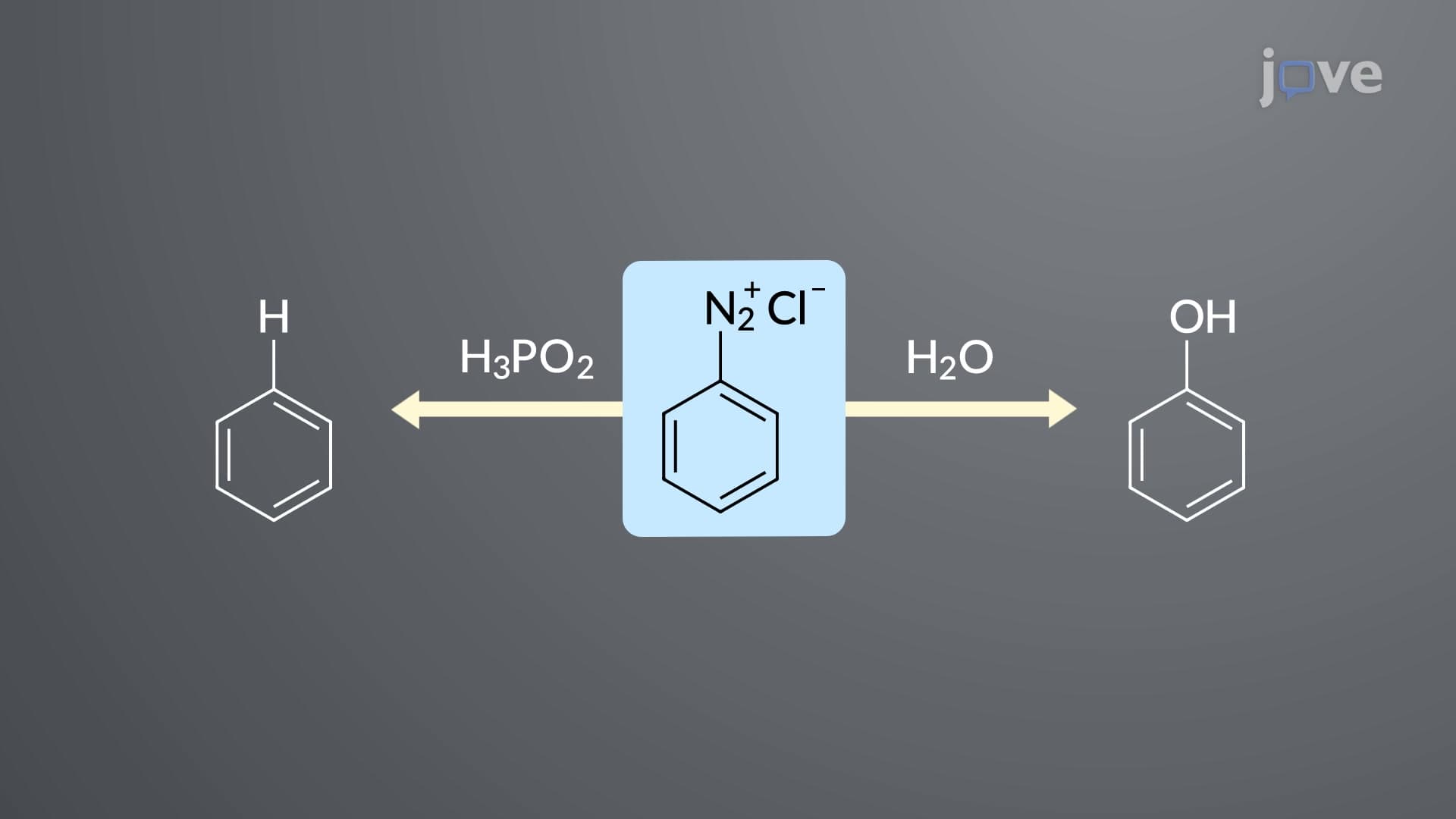
Conversely, aromatic diazonium salts benefit from resonance stabilization within the benzene ring system, making them valuable synthetic intermediates. US pharmaceutical companies utilize these stable aromatic diazonium salts to manufacture sulfa drugs, local anesthetics like procaine, and various antimicrobial agents used in American hospitals.
Related Micro-courses