Loading video…


 29 Concepts
 119.8K views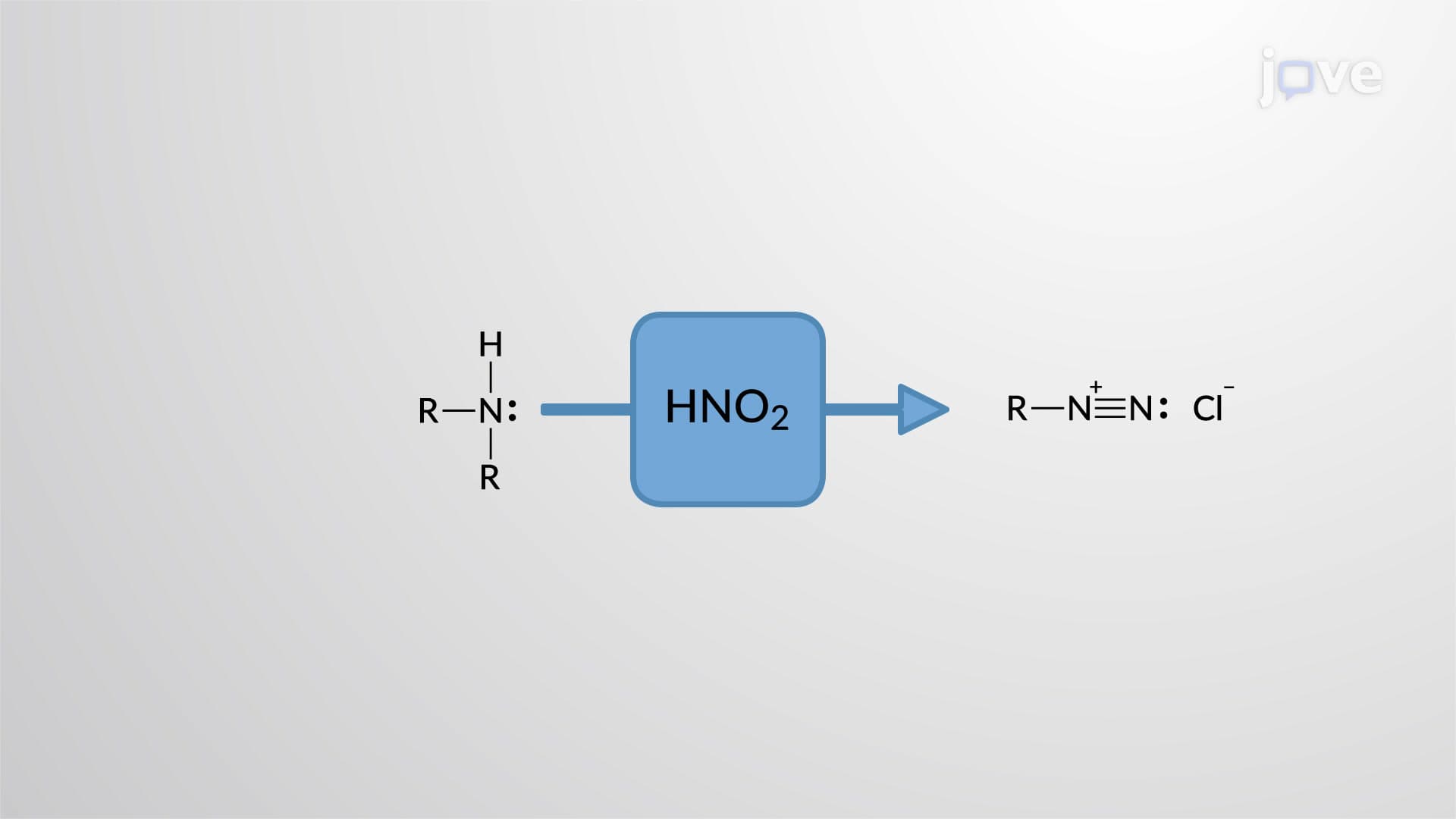

Video Summary: Diazotization of Primary Amines to Diazonium Salts Overview
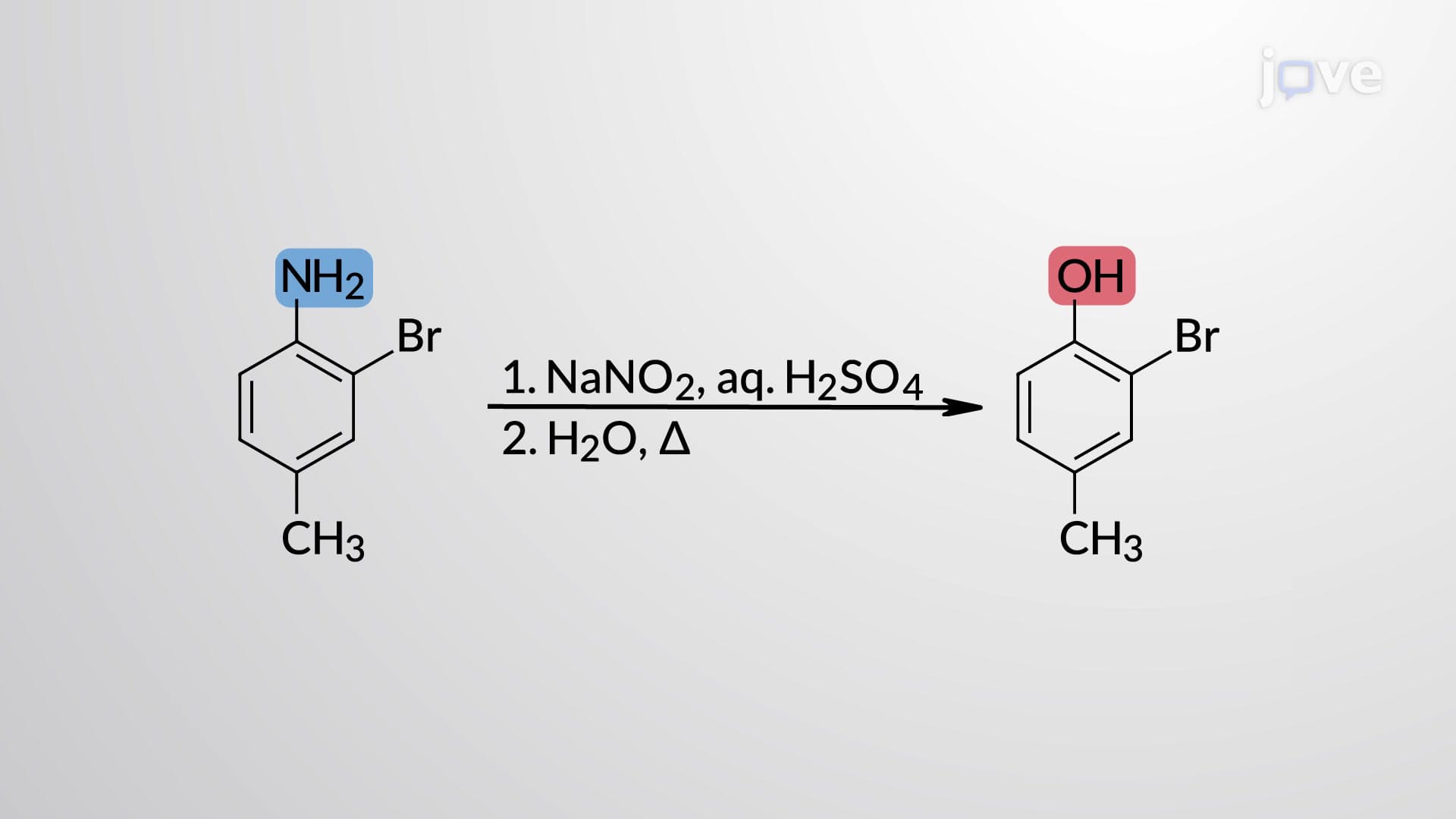
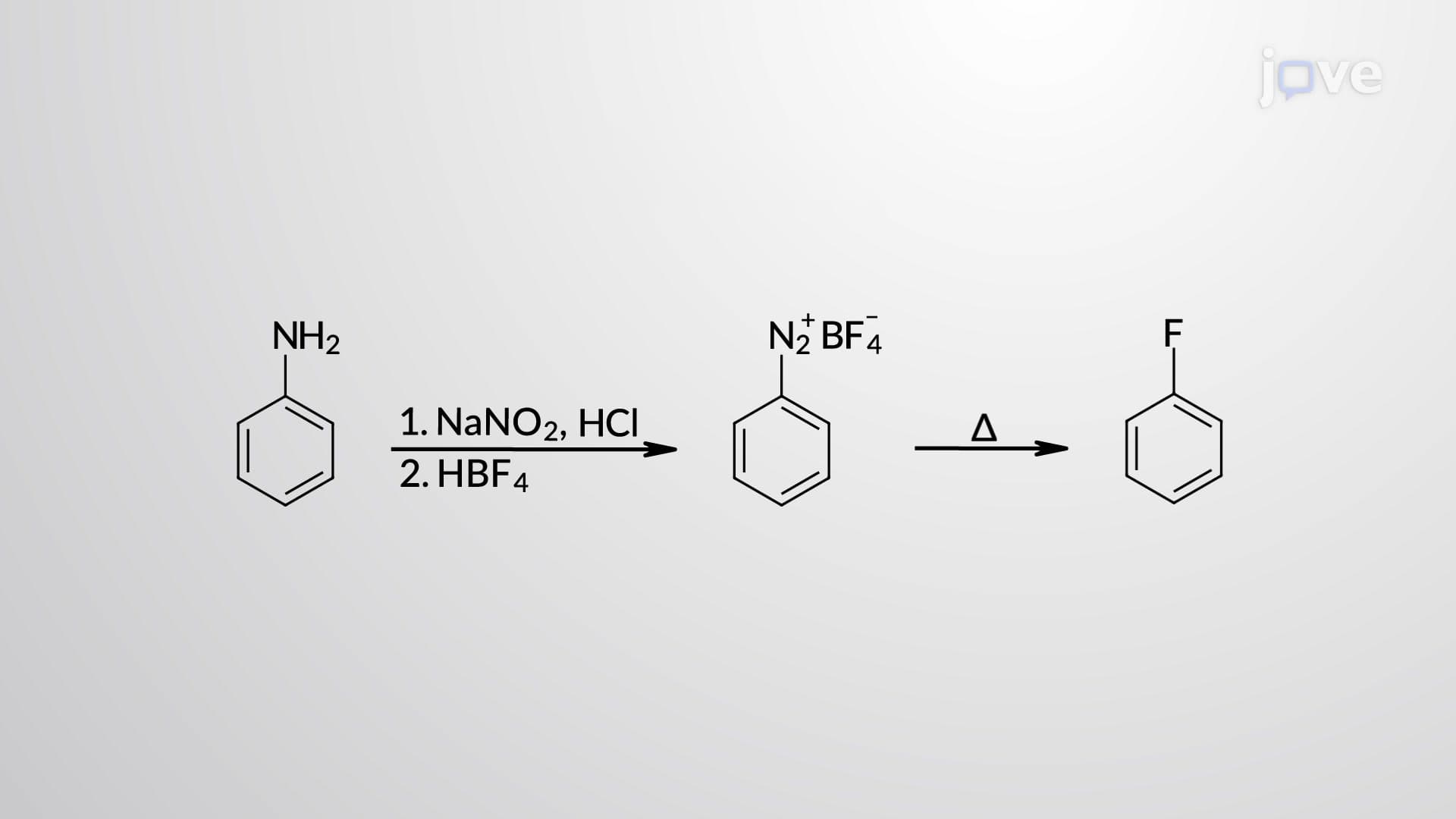
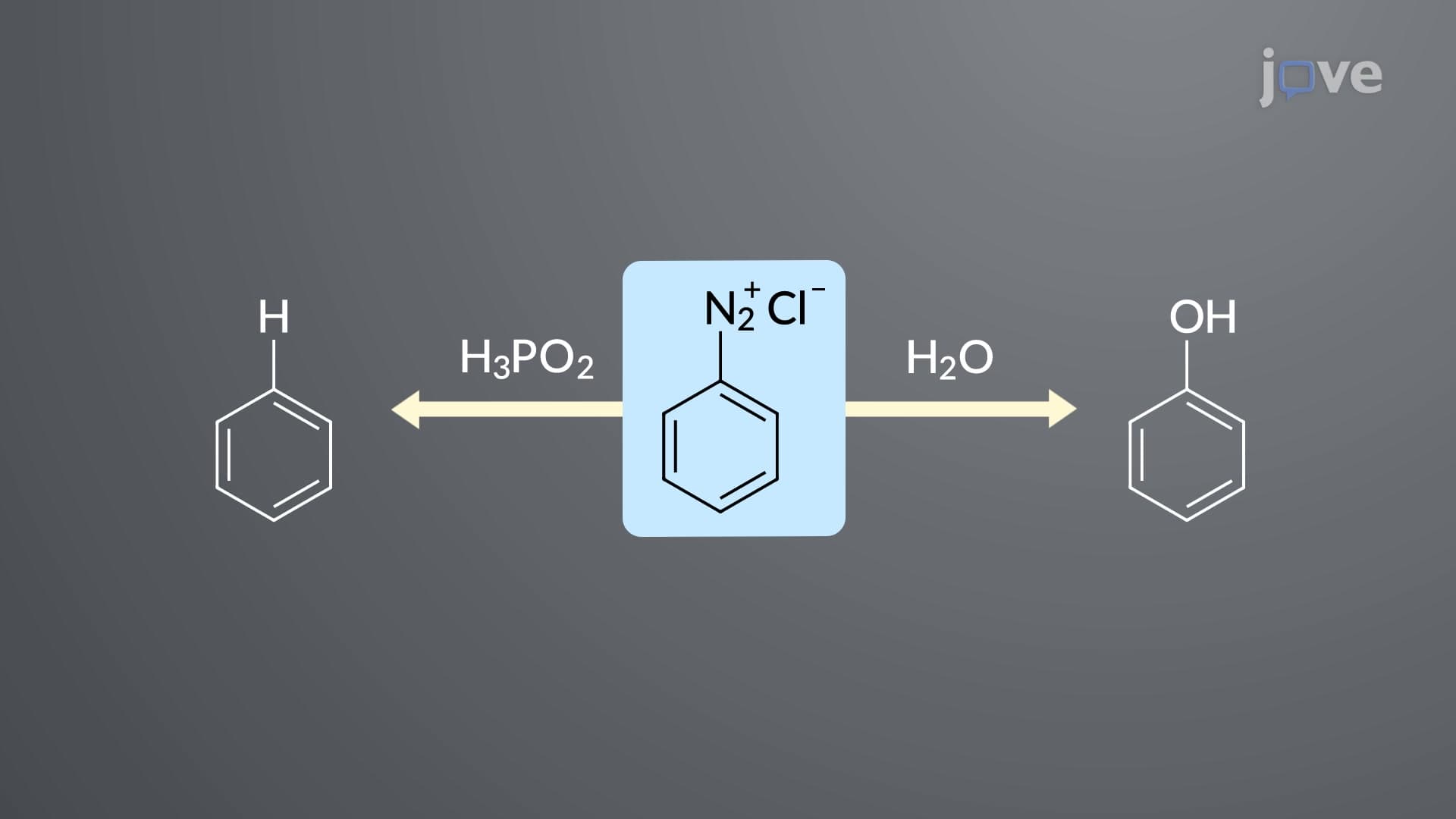
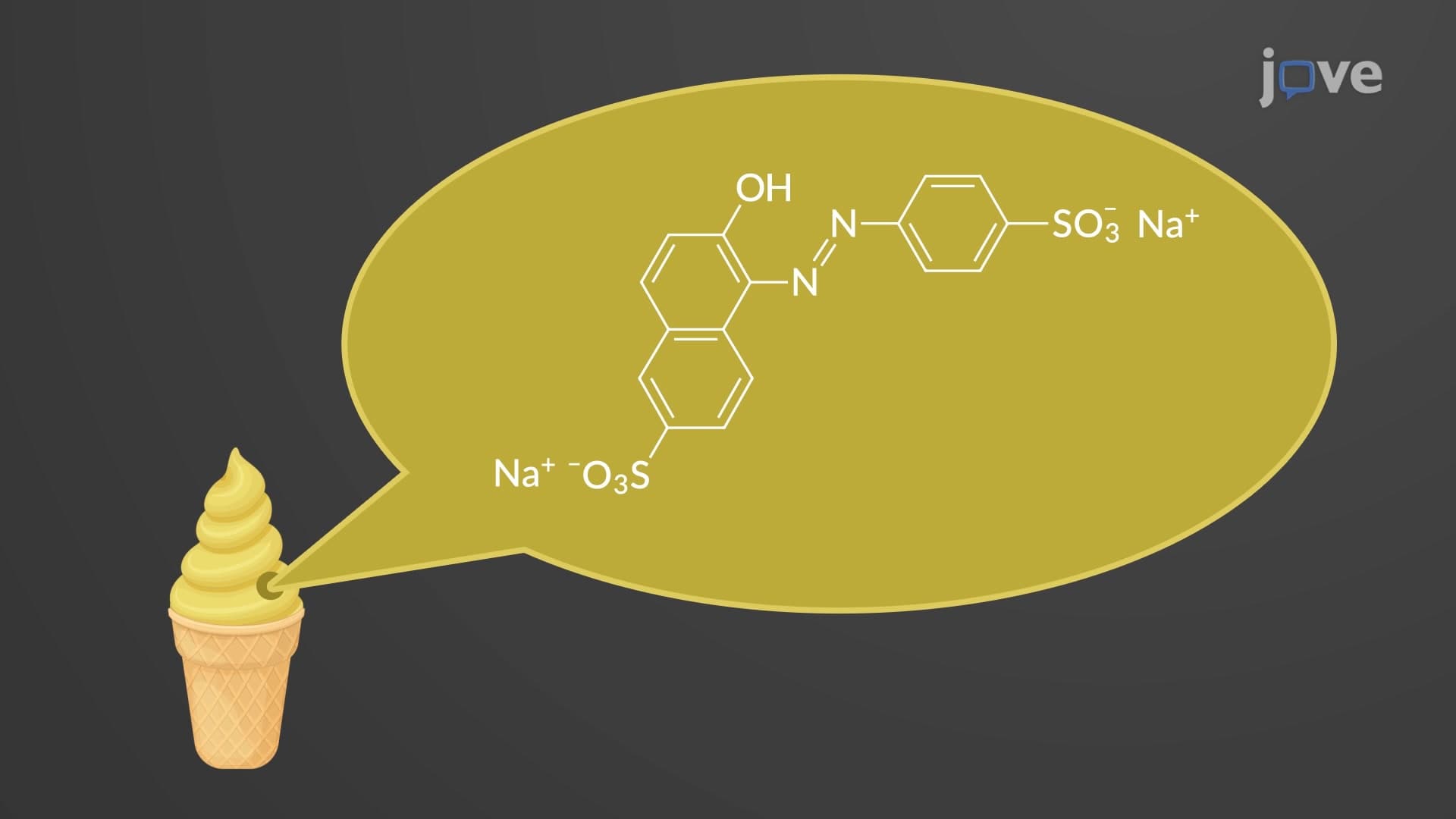
Ever wondered how pharmaceutical companies create the bright orange dye in Tylenol tablets? The diazotization primary amines diazonium process transforms simple nitrogen-containing compounds into versatile chemical building blocks. This fundamental organic chemistry reaction converts primary amines into reactive diazonium salts using nitrous acid under acidic conditions. From drug manufacturing at Pfizer to textile dyeing operations across North Carolina, understanding the diazotization of primary amines to diazonium salts: overview reveals how chemists manipulate molecular structures for countless applications. Watch the full video on JoVE Coach to master this concept with expert-led visuals and step-by-step explanations.
The diazotization reaction represents one of organic chemistry's most important transformations, converting primary amines into highly reactive diazonium salts. This process requires careful control of reaction conditions, particularly maintaining low temperatures (0-5°C) and acidic pH to ensure successful conversion. Students preparing for AP Chemistry or college organic chemistry courses must master this mechanism since it appears frequently on exams and serves as a gateway to understanding more complex aromatic substitution patterns.
Nitrous acid (HNO₂) acts as the essential reagent in diazotization reactions, yet its inherent instability necessitates in situ preparation. With a pKa of 3.37, HNO₂ is significantly weaker than nitric acid but strong enough to protonate under acidic conditions. Industrial chemists at companies like DuPont routinely prepare nitrous acid by combining sodium nitrite (NaNO₂) with hydrochloric acid, creating the perfect environment for diazonium salt formation. This preparation method ensures maximum reagent availability while minimizing decomposition losses.
The reaction mechanism proceeds through a fascinating sequence of protonation and elimination steps. Initially, the hydroxyl group of nitrous acid undergoes protonation in the acidic medium, forming an oxonium ion intermediate. This protonated species then eliminates water, generating the highly electrophilic nitrosonium ion (NO⁺). Students often struggle with this concept on MCAT organic chemistry sections, but remembering that elimination reactions frequently follow protonation helps predict the mechanism correctly.
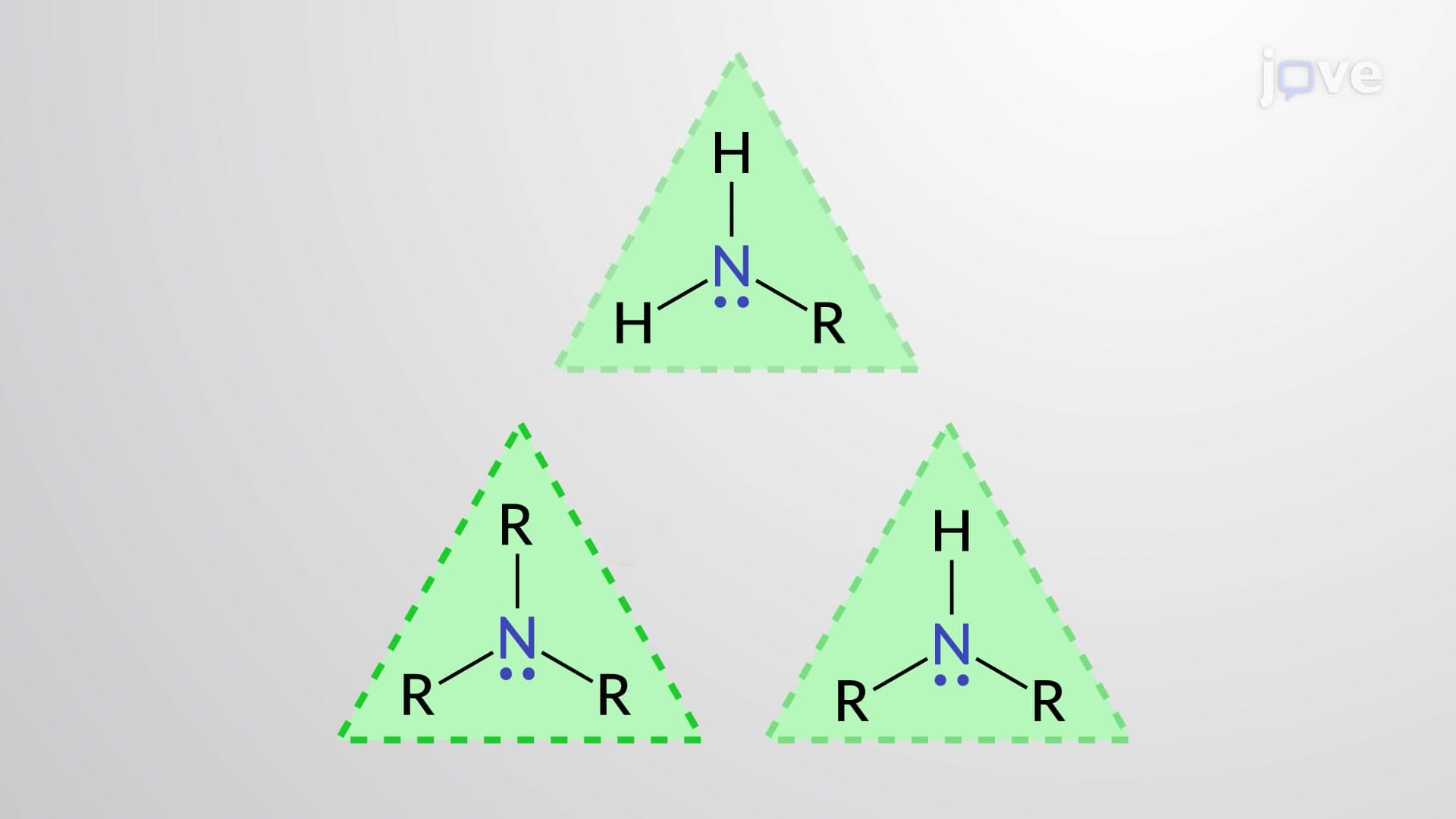
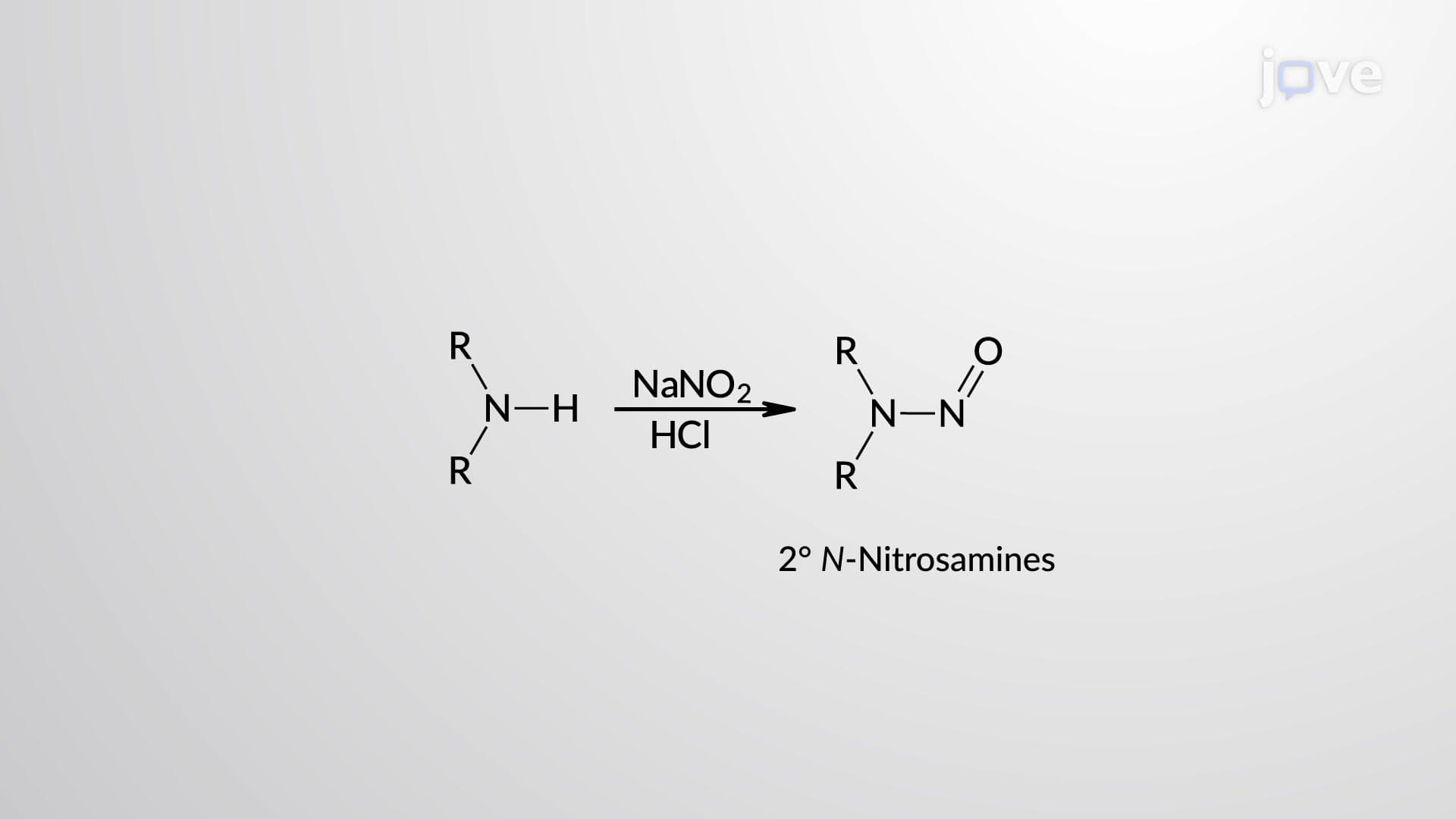
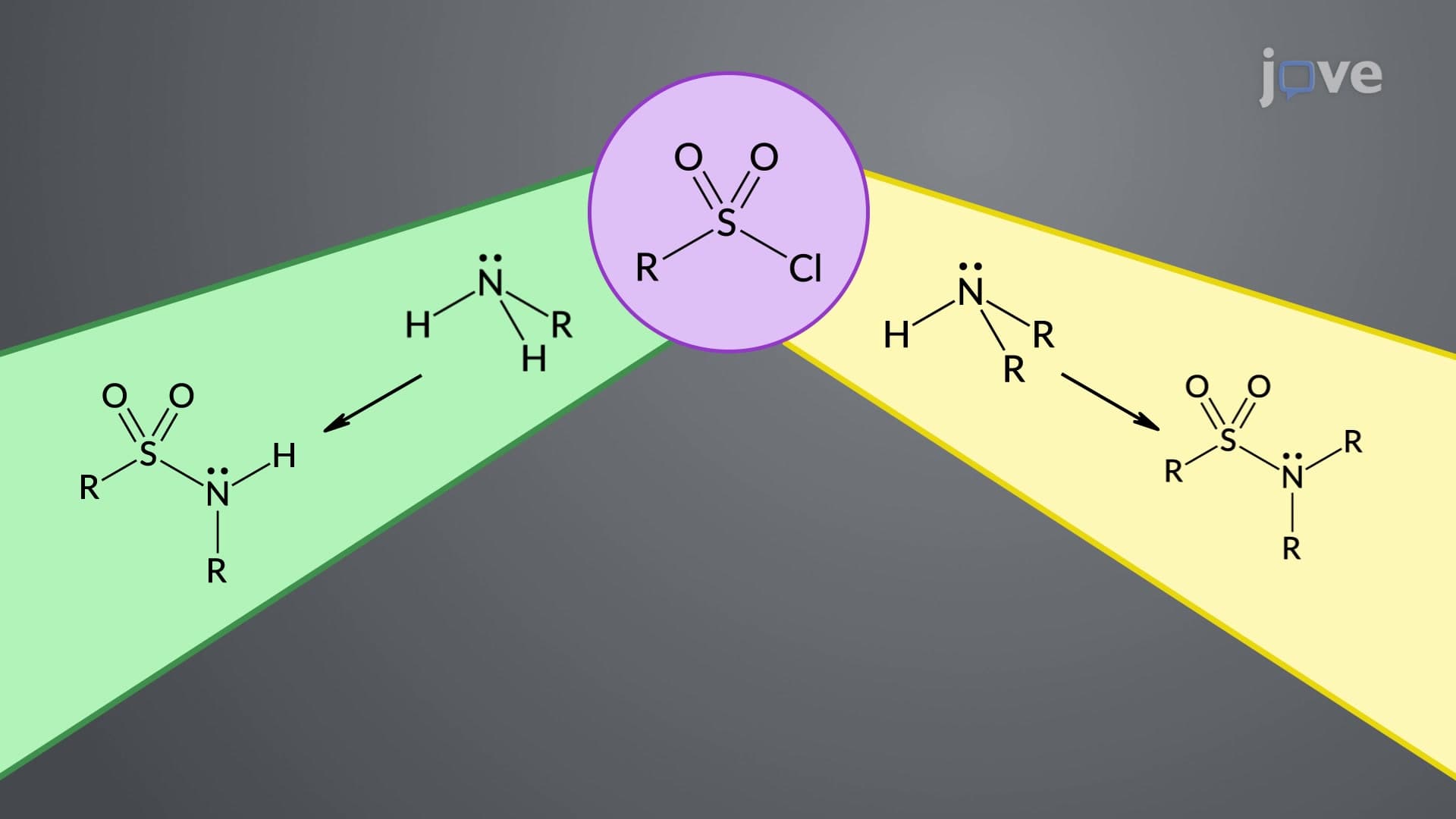
The beauty of diazotization lies in its selectivity-different amine classifications yield distinctly different products. Primary amines exclusively form diazonium salts, while secondary amines produce N-nitrosamines, and tertiary amines follow divergent pathways depending on whether they're aliphatic or aromatic. This selectivity makes diazotization invaluable in synthetic chemistry, allowing researchers at pharmaceutical companies like Bristol Myers Squibb to selectively modify complex molecular architectures. Understanding these selectivity patterns proves crucial for success in organic chemistry courses and standardized exams.
Related Micro-courses