Loading subject page…


119,803 views

Video Summary: Nomenclature of Secondary and Tertiary Amines Explained
Did you know that the antidepressant Prozac contains a secondary amine structure that determines its entire chemical name? Nomenclature secondary tertiary amines follows specific rules that distinguish between symmetrical compounds (like diethylamine) and unsymmetrical ones (like N-methylbutylamine). Pharmaceutical companies like Pfizer rely on precise nomenclature of secondary and tertiary amines explained systems to identify drug compounds accurately. Watch the full video on JoVE Coach to master this concept with expert-led visuals and step-by-step explanations.
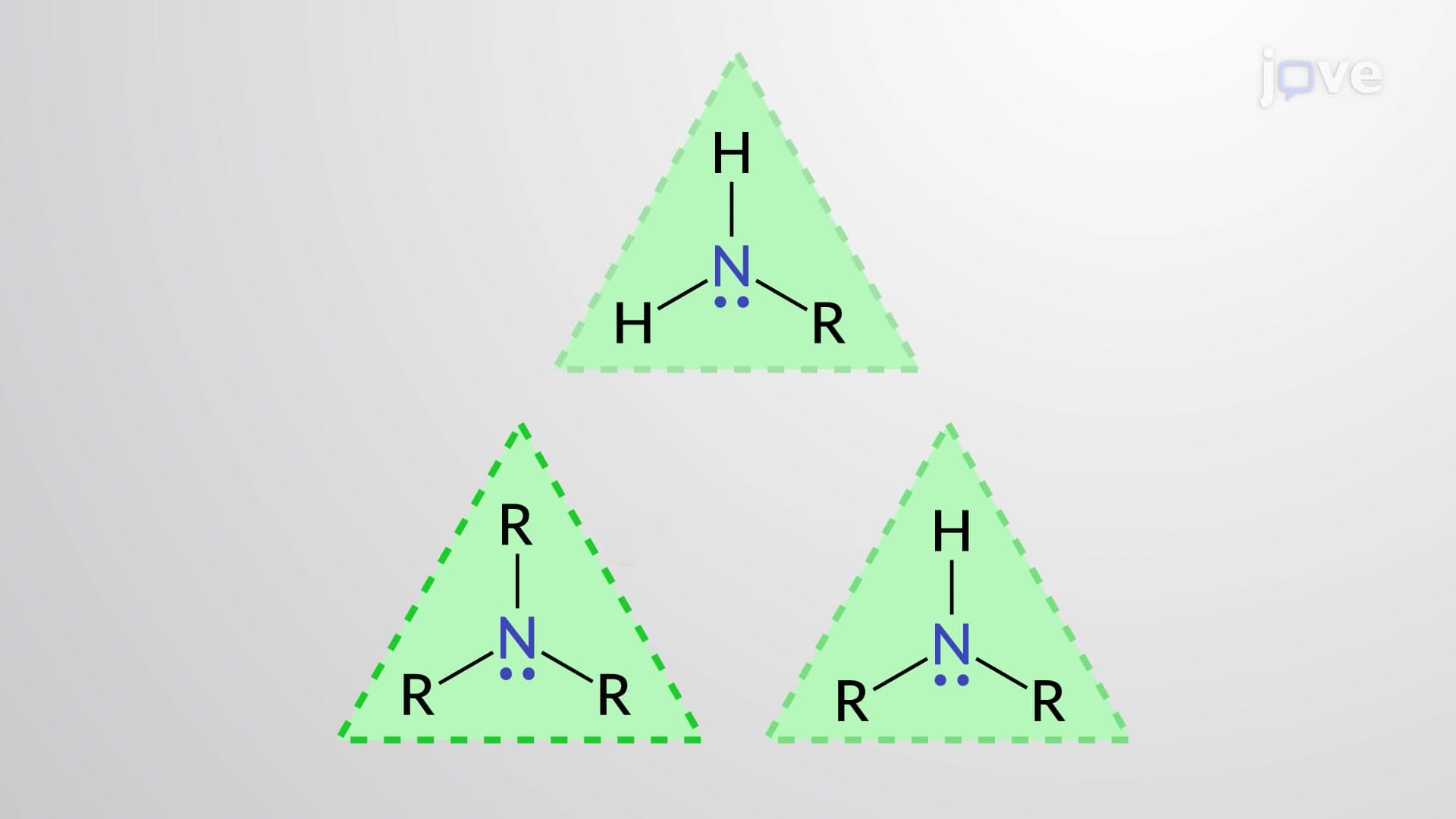
Nomenclature secondary tertiary amines begins with recognizing structural differences. Secondary amines contain two carbon-nitrogen bonds (like the neurotransmitter dopamine's precursor), while tertiary amines have three such bonds (found in compounds like caffeine). The key distinction lies in symmetry: symmetrical amines feature identical alkyl groups, while unsymmetrical amines combine different carbon chains.
The traditional approach treats these compounds as substituted alkylamines. For symmetrical secondary amines, the prefix "di-" precedes the alkyl group name (diethylamine, dipropylamine). Tertiary amines use "tri-" when all groups match (triethylamine). This system appears frequently on AP Chemistry exams and college organic chemistry courses, where students must quickly identify basic amine structures.
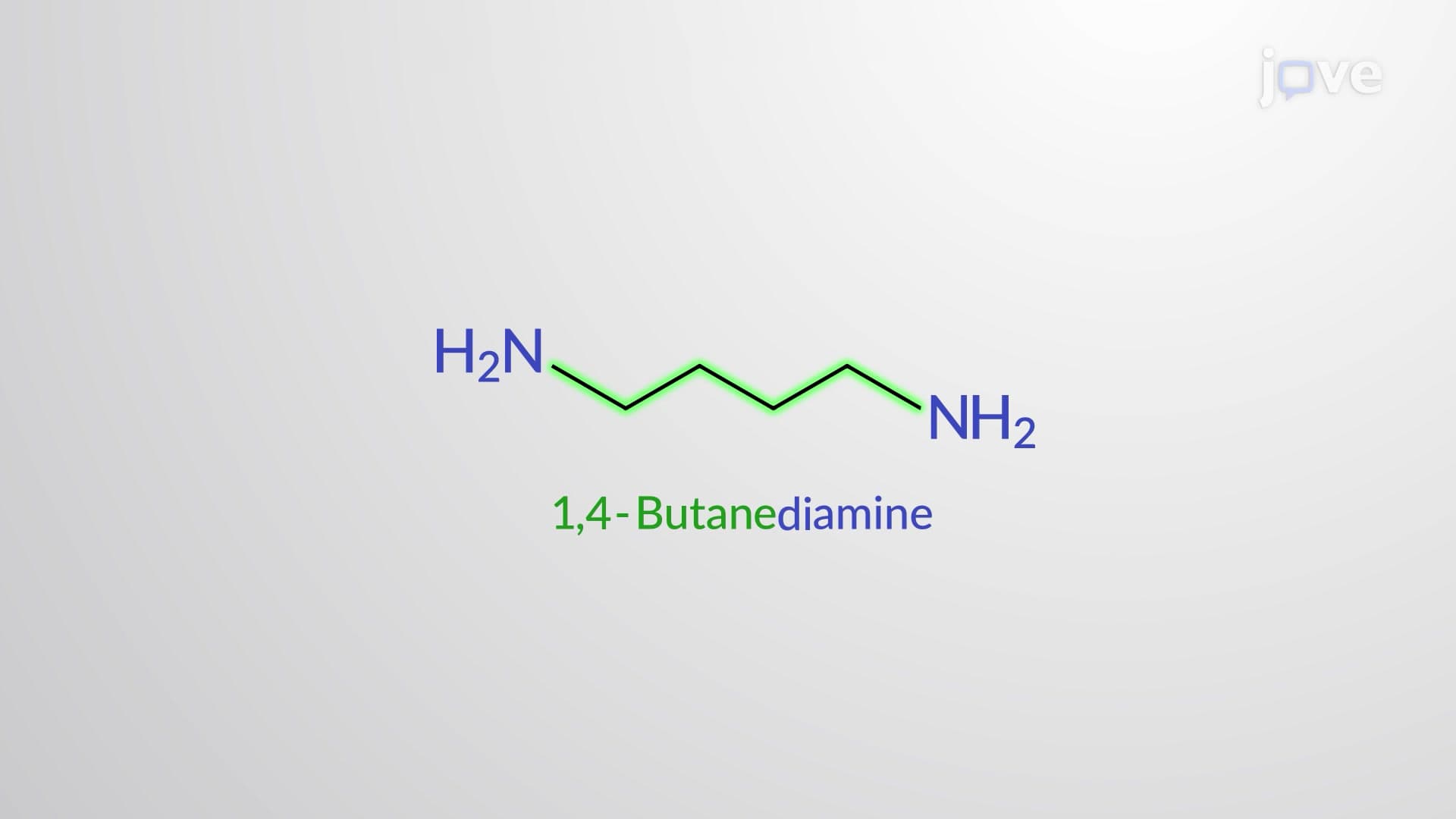
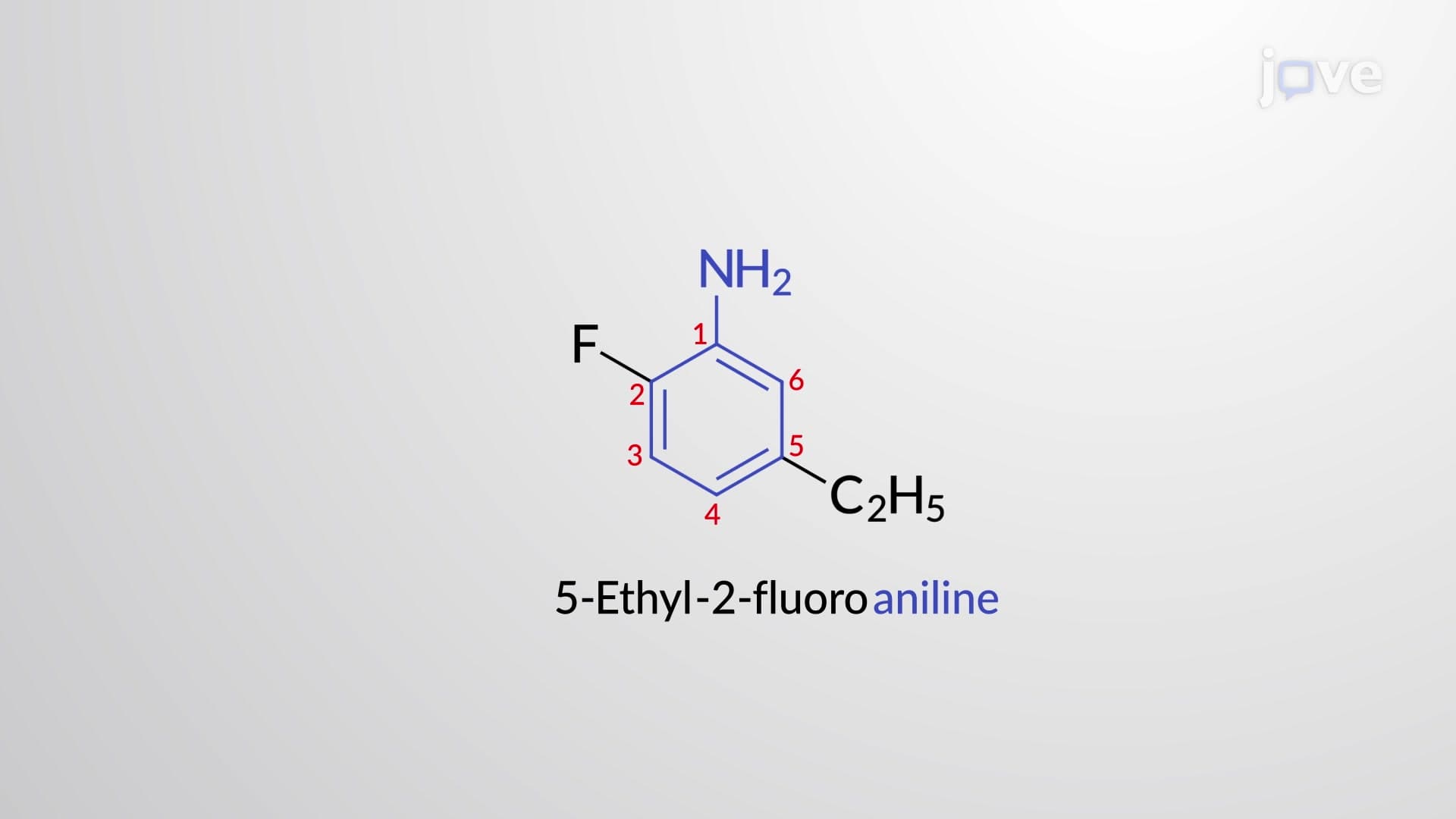
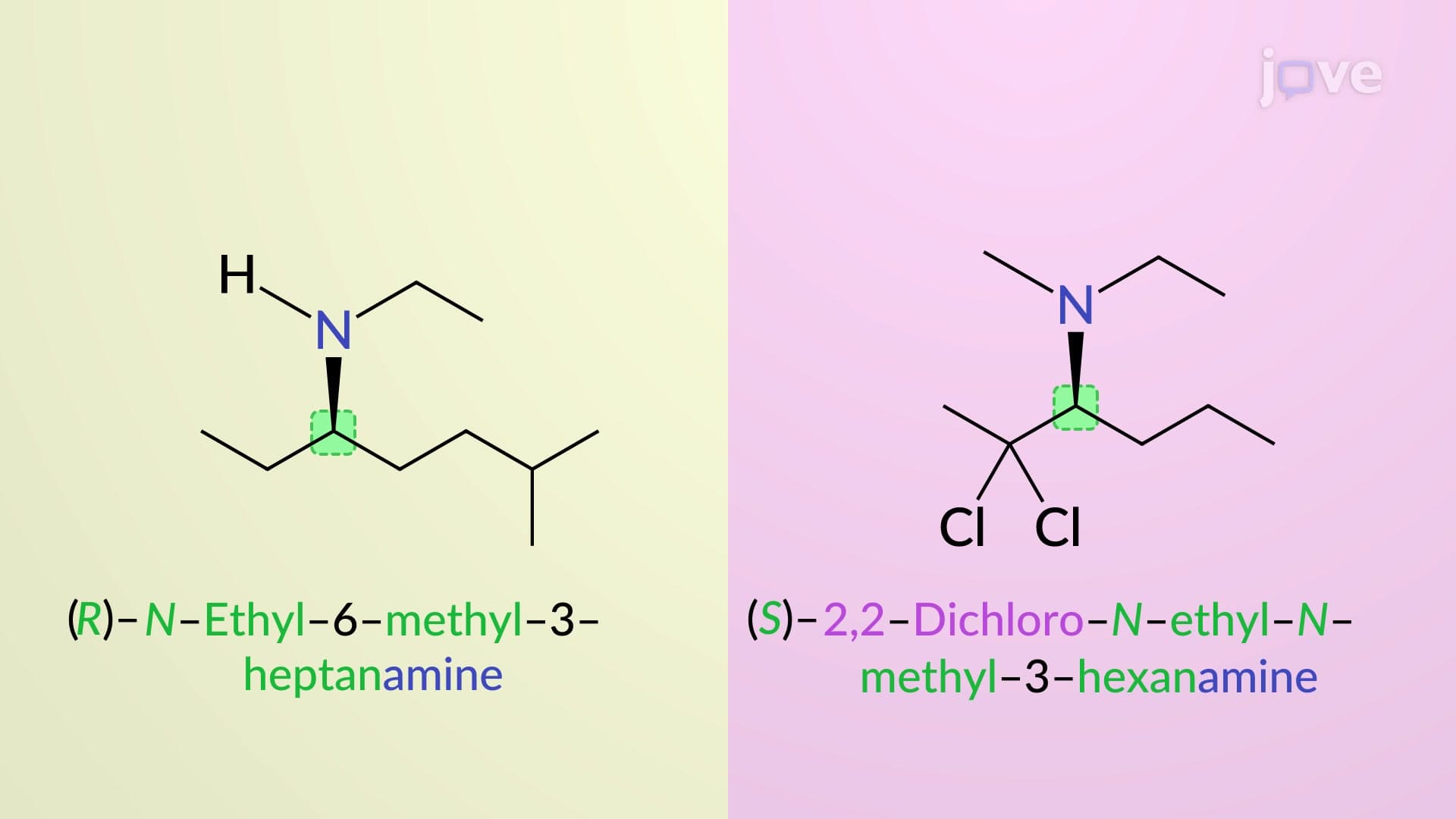
The International Union of Pure and Applied Chemistry provides more precise naming through N-alkylalkanamines. This nomenclature of secondary and tertiary amines explained approach follows five critical steps: identify all alkyl substituents, select the longest carbon chain as the parent, number carbons to give nitrogen the lowest possible position, assign "N-" locants to nitrogen-bonded groups, and assemble names alphabetically.
Major US pharmaceutical companies like Johnson & Johnson and Merck rely on systematic amine nomenclature for drug development. The antidepressant sertraline (Zoloft) contains both primary and secondary amine functionalities that must be precisely named for regulatory approval. Medical school prerequisites often include organic chemistry courses where students master these naming conventions before advancing to pharmacology and medicinal chemistry studies.
Understanding what is nomenclature of secondary and tertiary amines becomes essential for MCAT preparation, where chemical reasoning appears in both General Chemistry and Organic Chemistry sections. Students who master these concepts typically score higher on standardized tests and perform better in advanced coursework requiring structural analysis and chemical communication skills.
Related Micro-courses