Loading subject page…


119,803 views

Video Summary: Preparation of 1 Amines Azide Synthesis Explained
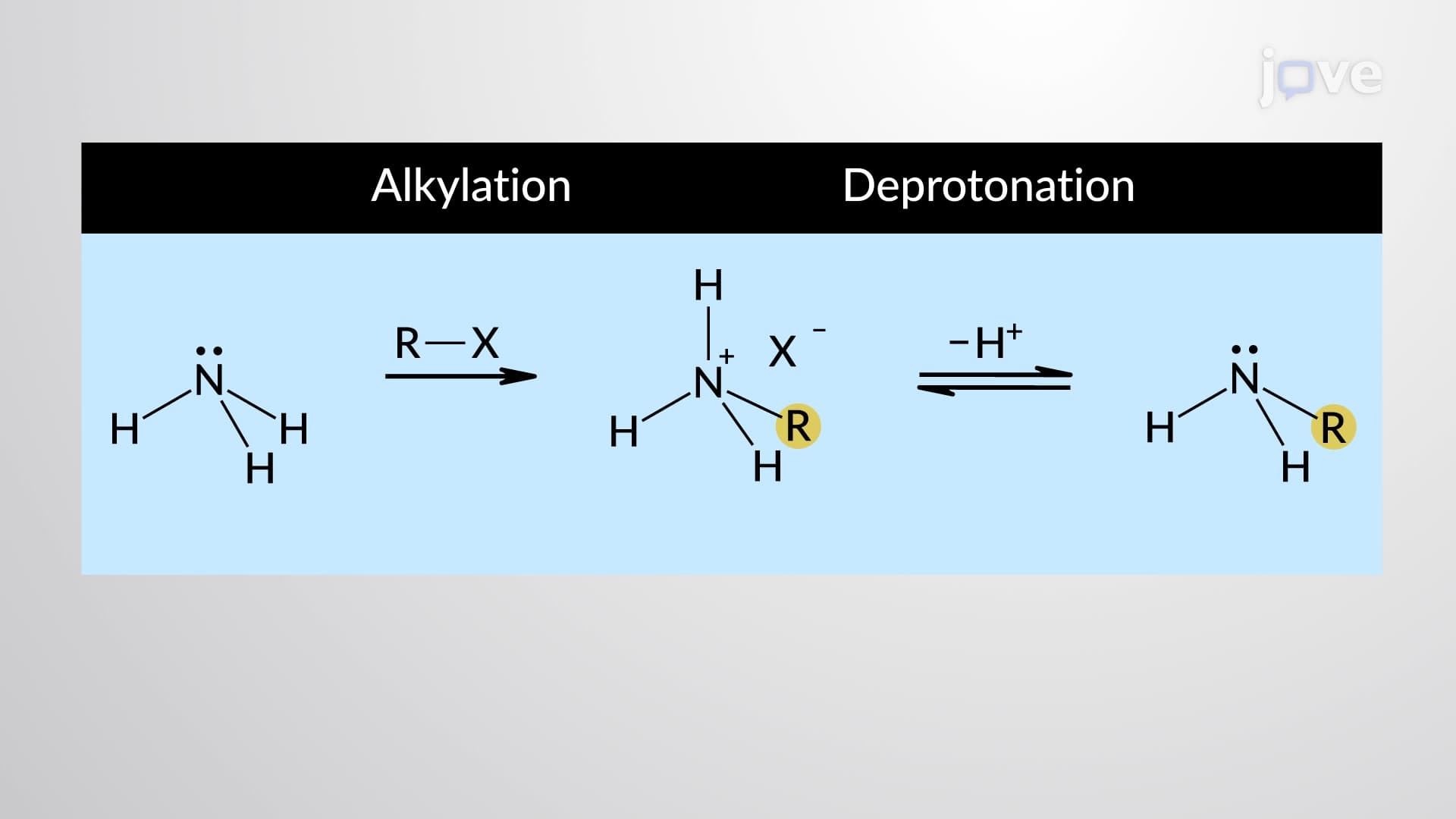
Why does directly mixing ammonia with alkyl halides fail to produce clean primary amines? The preparation of 1 amines azide synthesis offers an elegant solution to this common organic chemistry challenge. Pharmaceutical companies like Pfizer regularly use this method to synthesize primary amine building blocks for drug compounds, avoiding the messy polyalkylation that plagues direct ammonia alkylation. This preparation of 1 amines azide synthesis explained approach converts alkyl halides to azides first, then reduces them cleanly to primary amines. Watch the full video on JoVE Coach to master this concept with expert-led visuals and step-by-step explanations.
The preparation of 1 amines azide synthesis explained represents a crucial breakthrough in organic chemistry methodology. Unlike direct alkylation approaches, this two-step process elegantly circumvents the formation of secondary and tertiary amine byproducts that typically plague primary amine synthesis.
The reaction mechanism begins with azide anion (N3-) functioning as a nucleophile in an SN2 reaction with alkyl halides. This attack occurs with characteristic backside displacement, inverting stereochemistry at the carbon center. The resulting alkyl azide intermediate proves chemically stable and crucially non-nucleophilic, preventing further alkylation reactions that would generate unwanted polyalkylated products.
Students preparing for AP Chemistry or college organic chemistry courses should recognize that SN2 mechanisms require primary or secondary alkyl halides-tertiary halides won't work due to steric hindrance. This limitation appears frequently on MCAT practice questions testing mechanistic understanding.
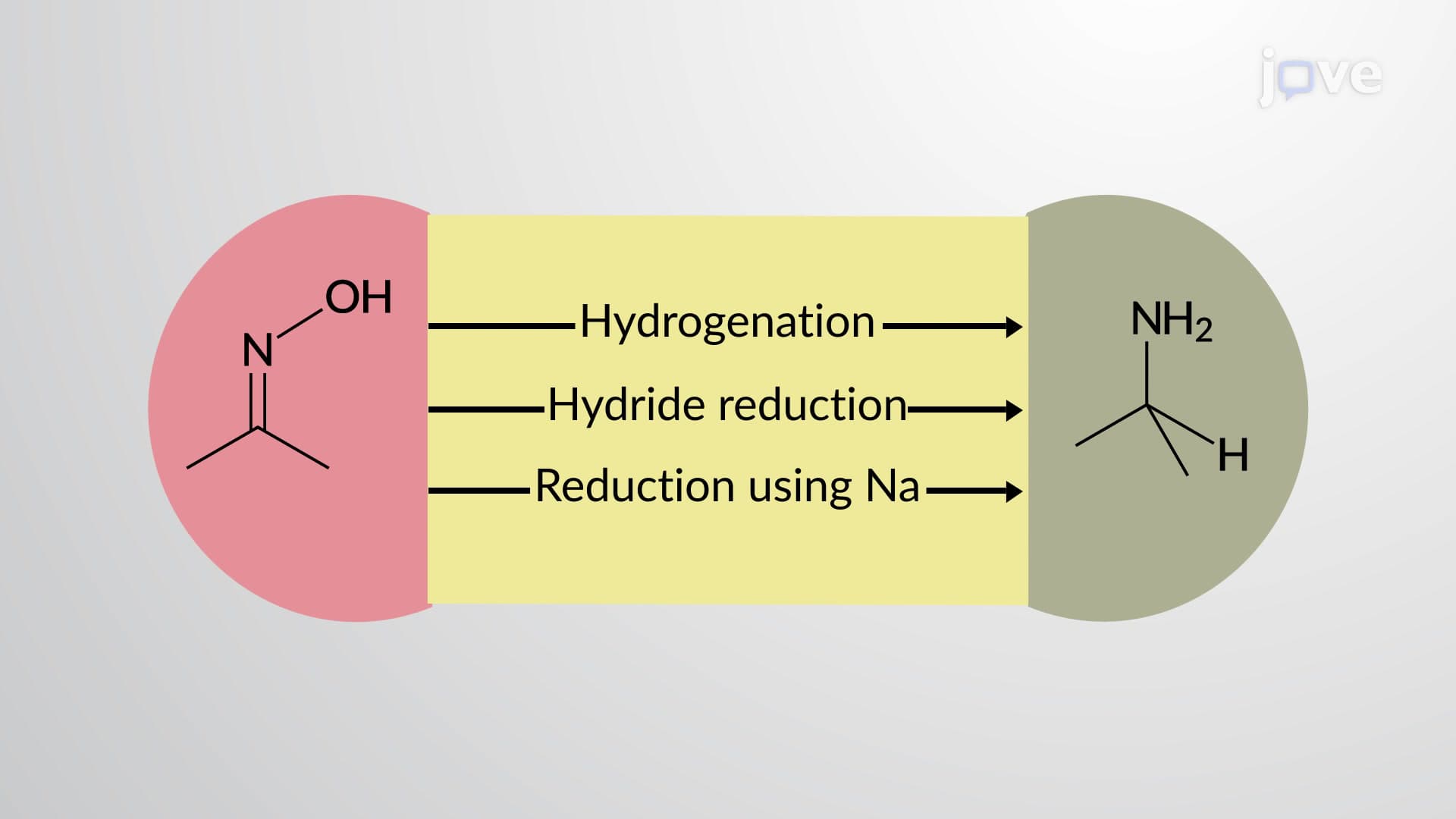
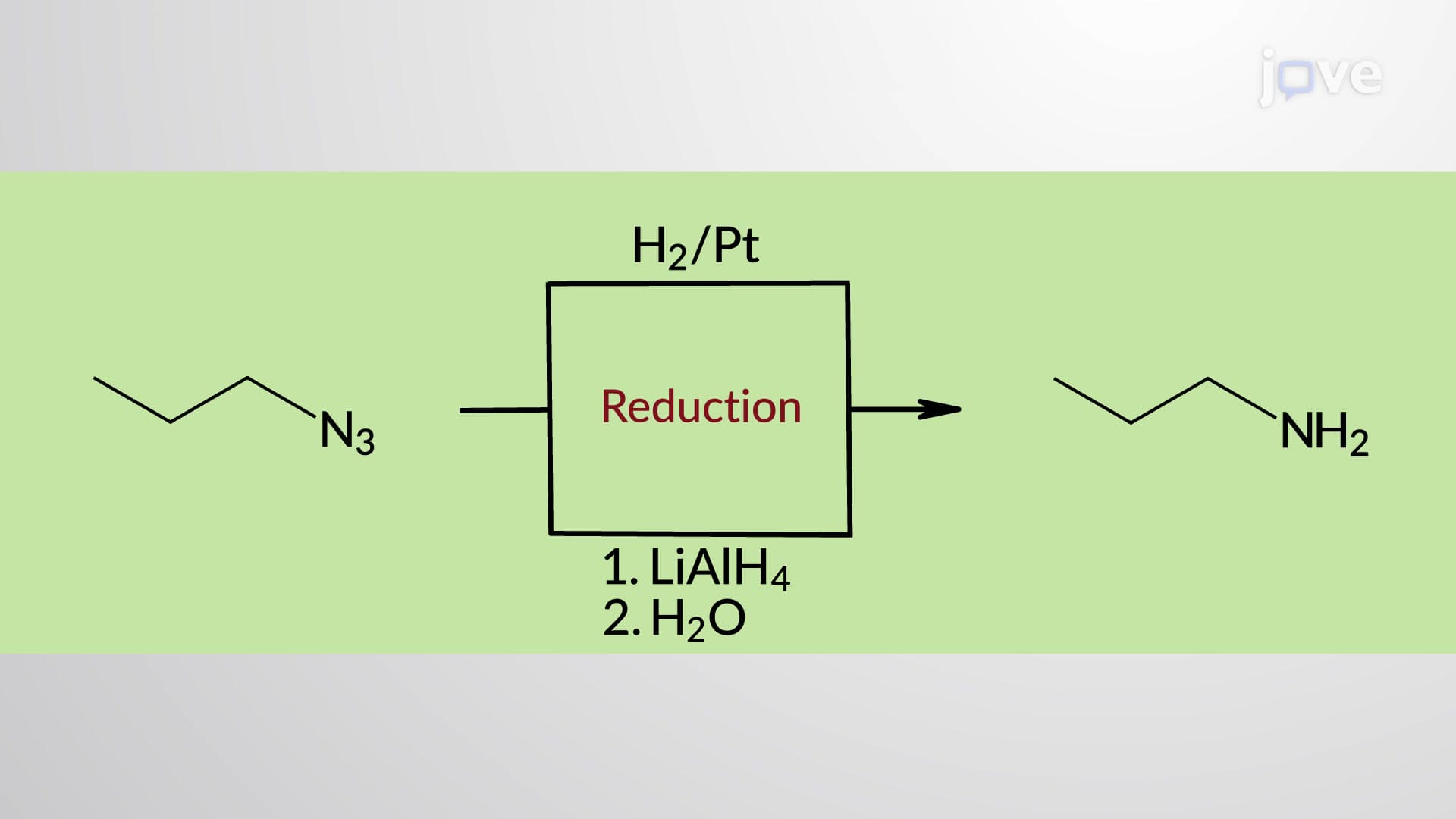
Two primary reduction methods convert alkyl azides to primary amines. Catalytic hydrogenation using palladium or platinum catalysts provides mild conditions suitable for molecules containing other reducible groups. Alternatively, lithium aluminum hydride (LAH) offers more vigorous reduction conditions, completely converting azides to amines but requiring careful handling due to its reactivity with protic solvents.
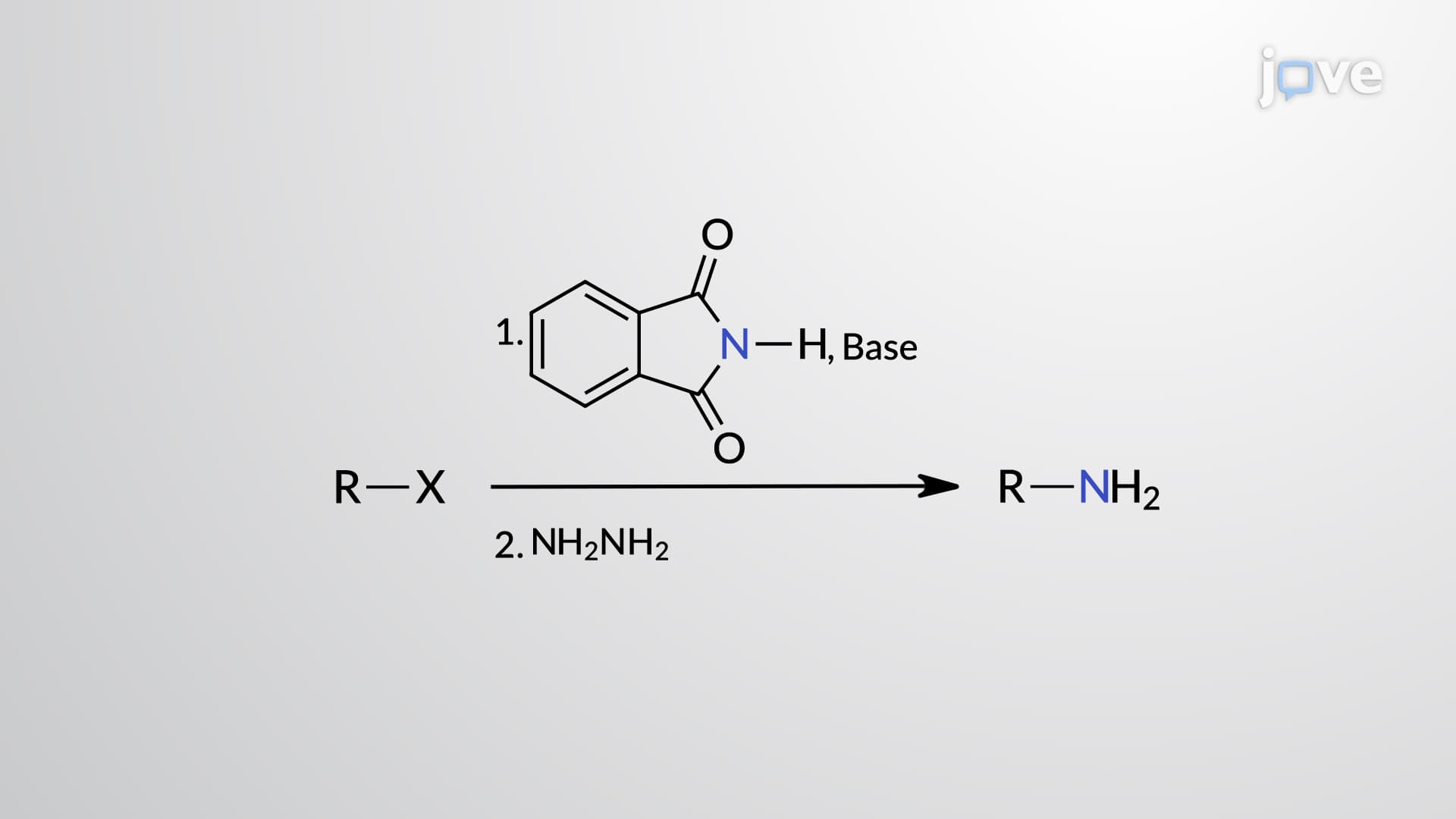
Pharmaceutical companies extensively employ this methodology. For example, the synthesis of amino acid derivatives for drug development often utilizes azide intermediates to ensure high primary amine selectivity. The Gabriel synthesis provides an alternative approach, but azide synthesis often proves more direct and cost-effective for industrial applications.
Beyond simple alkyl halide conversions, azide anions react with epoxides in ring-opening reactions, producing amino alcohols with defined stereochemistry. The anti-addition pattern results from azide attack occurring opposite to the departing oxygen, generating racemic products when starting from symmetrical epoxides.
This stereochemical control proves valuable in medicinal chemistry, where specific spatial arrangements determine biological activity. Students studying for organic chemistry exams should master drawing these mechanisms, as they frequently appear on midterm and final examinations.
Related Micro-courses