Loading subject page…

- Organic Chemistry
- Amines
- Preparation of Amines: Reductive Amination of Aldehydes and Ketones
Micro-course: Amines
119,803 views
Learn key concepts and earn your certificate.

Preparation of Amines: Reductive Amination of Aldehydes and Ketones

00:00
01:38
Video Summary: Preparation of Amines Reductive Amination Explained
Ever wonder how pharmaceutical companies create life-saving antidepressants like Prozac? The preparation of amines reductive amination transforms simple carbonyl compounds into complex nitrogen-containing molecules in a single reaction vessel. This powerful synthetic method combines aldehydes or ketones with amines using selective reducing agents like NaBH3CN to forge new carbon-nitrogen bonds. Fluoxetine (Prozac) exemplifies this technique's pharmaceutical importance in US drug manufacturing. Watch the full video on JoVE Coach to master this concept with expert-led visuals and step-by-step explanations.
- Understand how Preparation of Amines Reductive Amination Explained transforms carbonyl compounds into amines through imine intermediates in one-pot reactions
- Identify the key reagents used in reductive amination, including NaBH3CN and its selectivity advantages over NaBH4
- Analyze the mechanism by which electron-withdrawing cyano groups stabilize negative charges and enhance selectivity
- Compare the formation of primary, secondary, and tertiary amines based on different starting amine precursors
- Evaluate why NaBH3CN selectively reduces protonated imines while leaving carbonyl groups unreacted
- Apply reductive amination principles to predict products from various aldehyde/ketone and amine combinations
- Recognize real-world pharmaceutical applications, including antidepressant synthesis like fluoxetine
- Explore the bond transformations that replace C=O bonds with both C-H and C-N bonds simultaneously
Understanding Preparation of Amines Reductive Amination
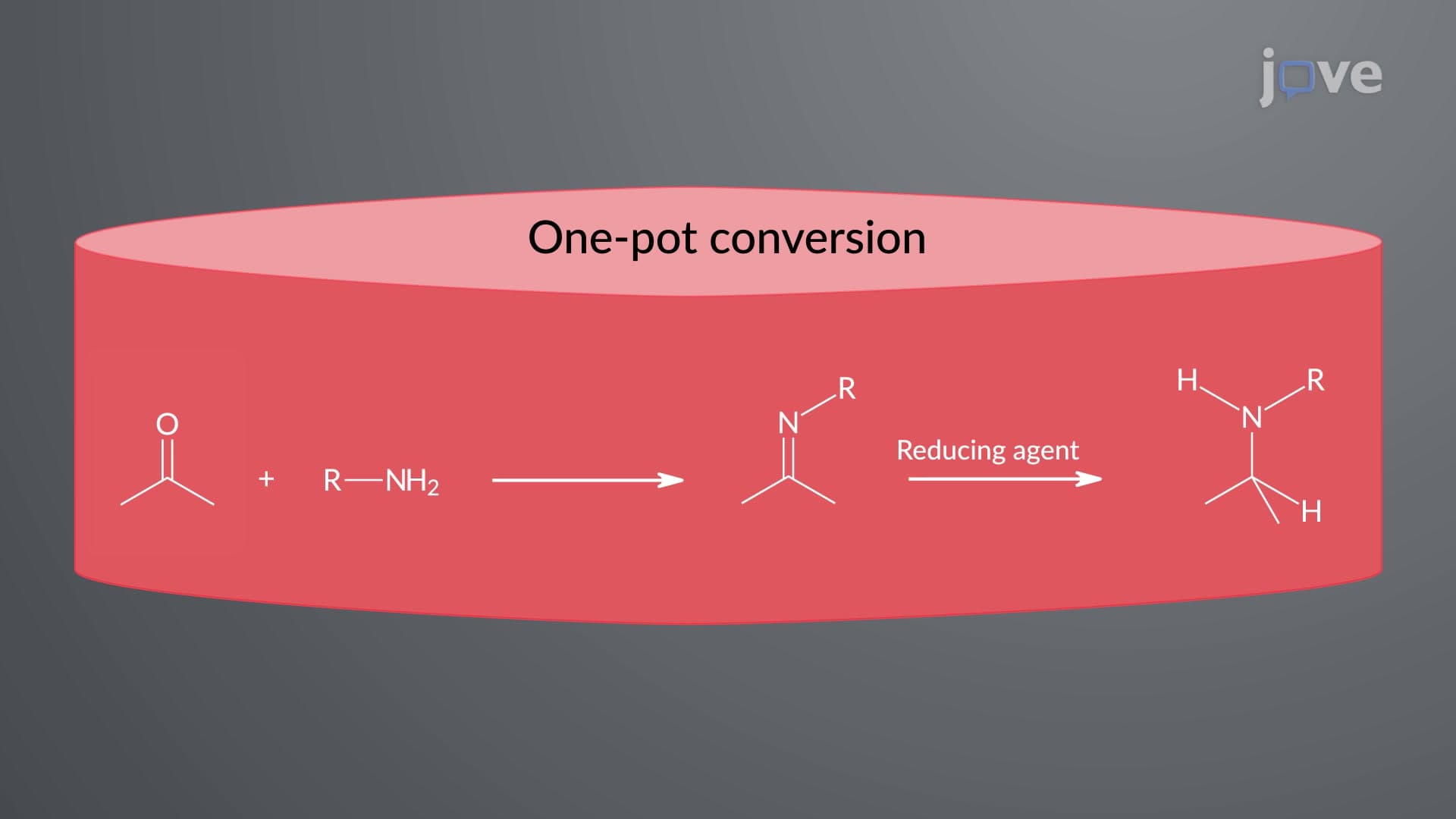
Reductive amination represents one of organic chemistry's most versatile carbon-nitrogen bond-forming reactions. This transformative process converts readily available carbonyl compounds (aldehydes and ketones) into valuable nitrogen-containing products through a carefully orchestrated sequence. Unlike traditional multi-step syntheses requiring isolation of intermediates, reductive amination accomplishes this conversion in a single reaction vessel, making it invaluable for both academic study and industrial pharmaceutical manufacturing.
Mechanism and Selectivity Principles
The reaction begins when primary amines condense with carbonyl compounds, forming imine intermediates through nucleophilic addition followed by water elimination. These imines become protonated under reaction conditions, creating electrophilic carbon centers ripe for hydride attack. The magic lies in reagent selection: NaBH3CN serves as the ideal reducing agent because its electron-withdrawing cyano group moderates reactivity. While NaBH4 would indiscriminately reduce both starting carbonyls and desired imines, NaBH3CN selectively targets the more electrophilic protonated imine, leaving unreacted carbonyl compounds available for further condensation.
Synthetic Scope and Product Control
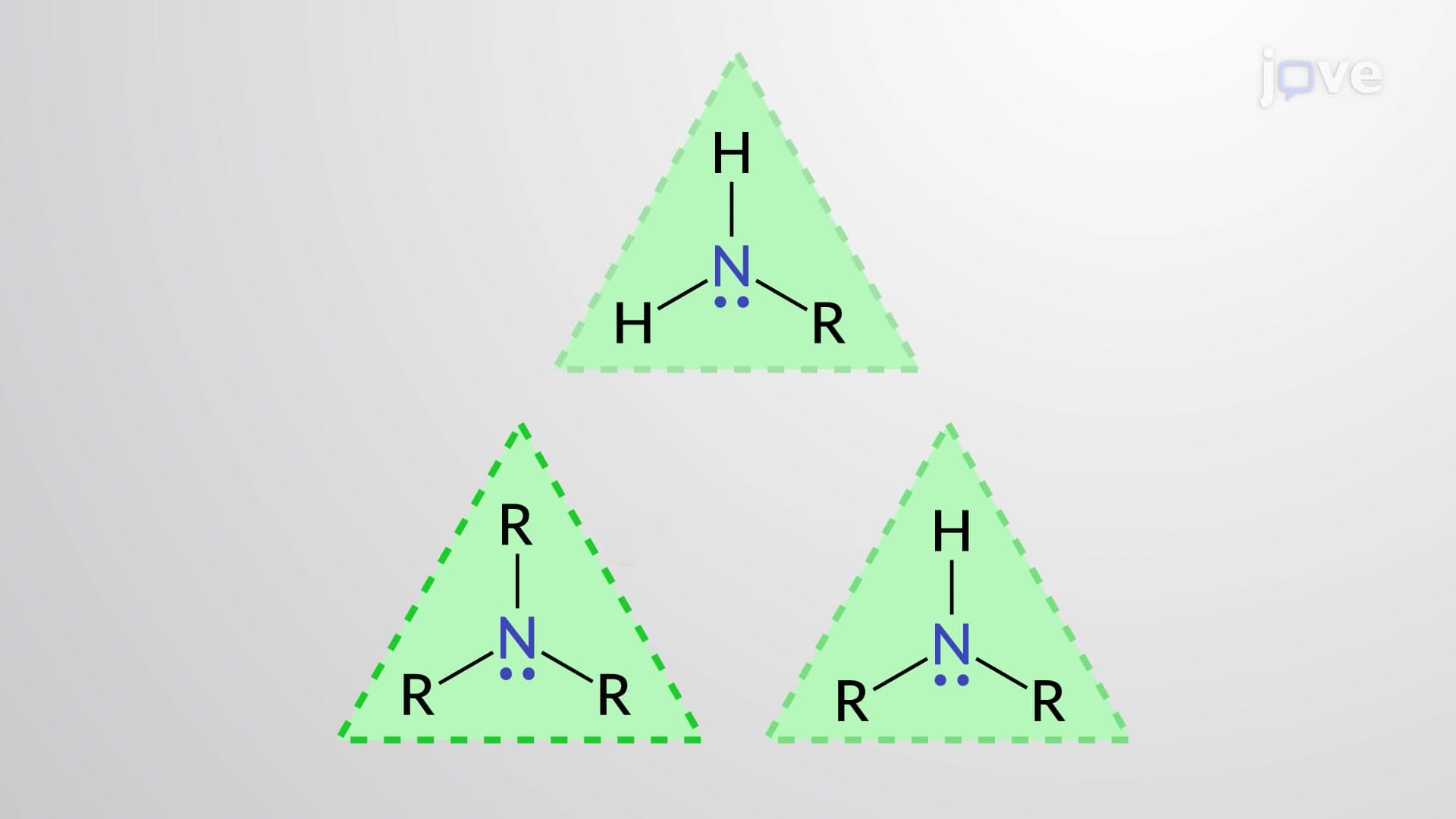
Reductive amination's versatility shines through its ability to produce primary, secondary, or tertiary amines depending on starting materials. Using ammonia or its equivalents yields primary amines, while primary amines as nucleophiles generate secondary products. Secondary amines can further react to form tertiary structures. This controllability makes the reaction indispensable for pharmaceutical synthesis, where precise nitrogen substitution patterns determine biological activity.
Real-World Applications and Exam Relevance
US pharmaceutical companies extensively employ reductive amination for drug synthesis. Fluoxetine (Prozac), prescribed to millions of Americans for depression and anxiety, exemplifies this application. The reaction combines 4-trifluoromethylphenol-derived aldehydes with specific primary amines to construct Prozac's characteristic structure. Students encounter this concept across multiple contexts: AP Chemistry emphasizes mechanism understanding, while MCAT preparation focuses on pharmaceutical applications and stereochemical considerations. College organic chemistry courses dedicate significant time to reductive amination as a cornerstone synthetic method, often featuring prominently in midterm examinations and laboratory experiments.
Frequently Asked Questions
Preparation of amines reductive amination is a one-pot synthetic method that converts aldehydes or ketones into amines using another amine and a selective reducing agent. The process forms an imine intermediate, which gets protonated and then reduced by NaBH3CN to create the final amine product. This reaction effectively replaces a C=O bond with both C-H and C-N bonds in a single step.
NaBH3CN contains an electron-withdrawing cyano group that moderates its reducing power, making it selective for protonated imines over carbonyl compounds. NaBH4 would reduce the starting aldehyde or ketone too rapidly, preventing imine formation and disrupting the desired reaction pathway. This selectivity makes NaBH3CN essential for successful reductive amination.
MCAT questions often test reductive amination in pharmaceutical synthesis contexts, requiring students to predict products or identify reagents for drug molecule construction. AP Chemistry emphasizes mechanism steps and electron movement using curved arrows. Both exams may present multi-step synthesis problems where reductive amination serves as a key carbon-nitrogen bond-forming step.
Fluoxetine (Prozac), one of America's most prescribed antidepressants, is synthesized using reductive amination to join an aldehyde precursor with a primary amine. Many other psychiatric medications, including certain antipsychotics and anxiolytics, employ this reaction for their manufacturing processes in US pharmaceutical facilities.
Reductive amination builds on familiar concepts like carbonyl chemistry and acid-base reactions that students already know from general chemistry. The key is understanding imine formation first, then recognizing how selective reduction creates the final product. With proper foundation in electron movement and mechanism drawing, most students master this concept effectively.
Focus on drawing complete mechanisms showing imine formation, protonation, and hydride reduction steps using curved arrows. Practice predicting products from different aldehyde/amine combinations and explaining NaBH3CN's selectivity. Create flashcards linking pharmaceutical examples to reaction principles for enhanced memory retention.
Look for target molecules containing secondary or tertiary amines that could be disconnected into simpler aldehyde/ketone and amine precursors. If you need to form a C-N bond while simultaneously reducing a carbonyl group, reductive amination is often the ideal choice. This retrosynthetic thinking helps recognize appropriate applications.
Explore asymmetric reductive amination using chiral catalysts for stereoselective synthesis, and investigate related reactions like the Eschweiler-Clarke methylation. Advanced pharmaceutical chemistry courses cover process optimization and scale-up considerations for industrial drug manufacturing.
Related Micro-courses