Loading subject page…


119,803 views

Video Summary: Reduction of Amides and Nitriles to Amines
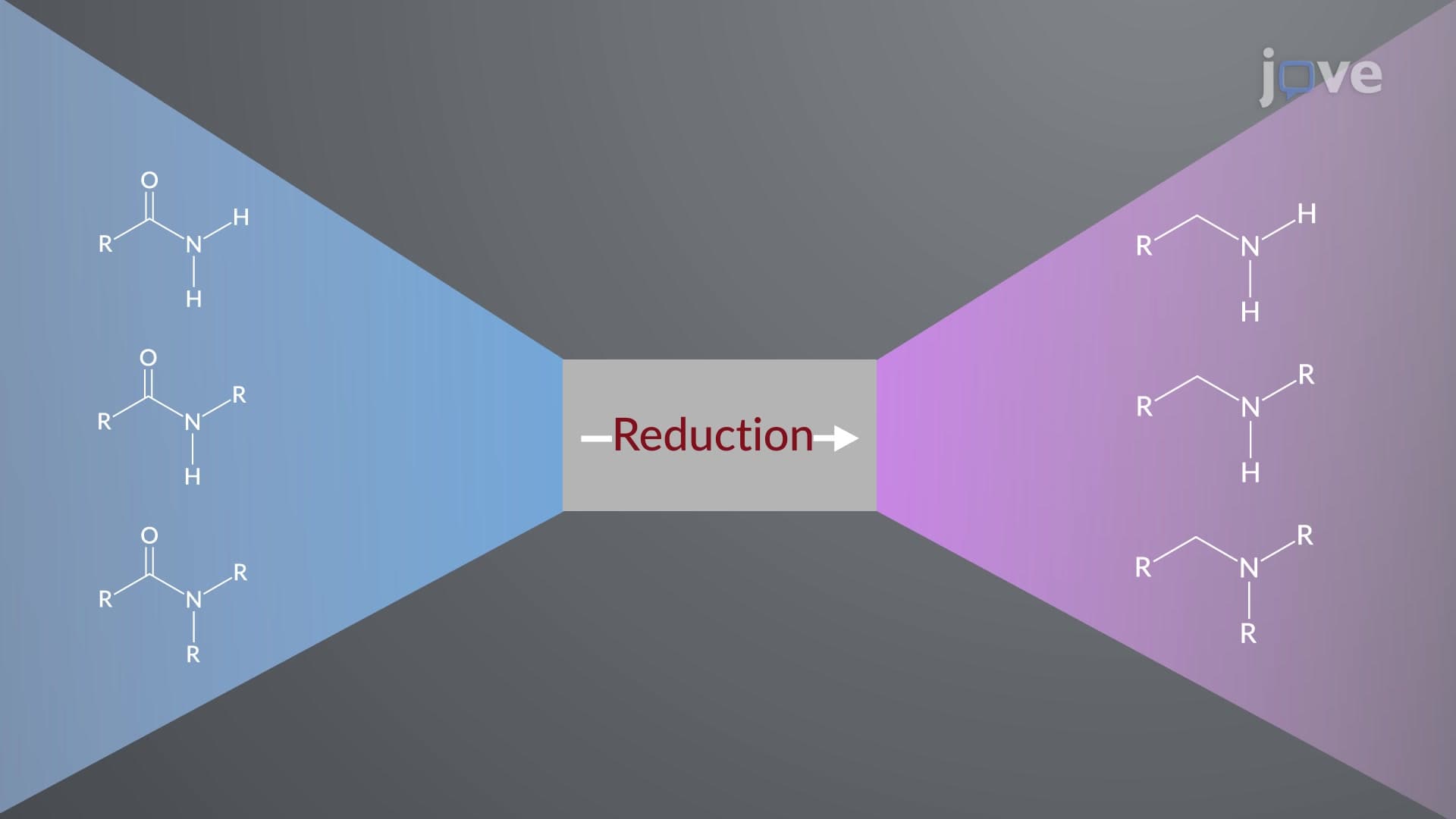
Ever wonder how pharmaceutical companies transform simple starting materials into life-saving drugs? The reduction of amides and nitriles to amines is a fundamental transformation that creates the nitrogen-containing building blocks found in medications like Prozac and Adderall. This reaction pathway allows chemists to strategically introduce amino groups into molecules, with nitriles producing primary amines and amides yielding primary, secondary, or tertiary amines depending on their structure. Watch the full video on JoVE Coach to master this concept with expert-led visuals and step-by-step explanations.
The reduction of amides and nitriles to amines represents two complementary strategies for introducing amino functionality into organic molecules. These reactions are foundational in organic synthesis, particularly in pharmaceutical development where nitrogen-containing compounds comprise over 80% of FDA-approved drugs. Students encounter these transformations in AP Chemistry, college organic chemistry courses, and on standardized exams like the MCAT.
Nitrile reduction follows a two-step process beginning with alkyl halide conversion to nitrile via SN2 displacement with cyanide nucleophile. This mechanism's stereochemical requirements limit the reaction to primary alkyl halides, as secondary and tertiary substrates undergo competing elimination reactions. The resulting nitrile then undergoes reduction using lithium aluminum hydride (LiAlH4) or catalytic hydrogenation with palladium on carbon.
The key advantage of nitrile reduction lies in carbon chain extension-the final amine product contains one additional carbon atom compared to the starting halide. For example, converting 1-bromobutane to butanenitrile and subsequent reduction yields 1-pentylamine. This strategy proves invaluable when synthetic targets require specific carbon frameworks.
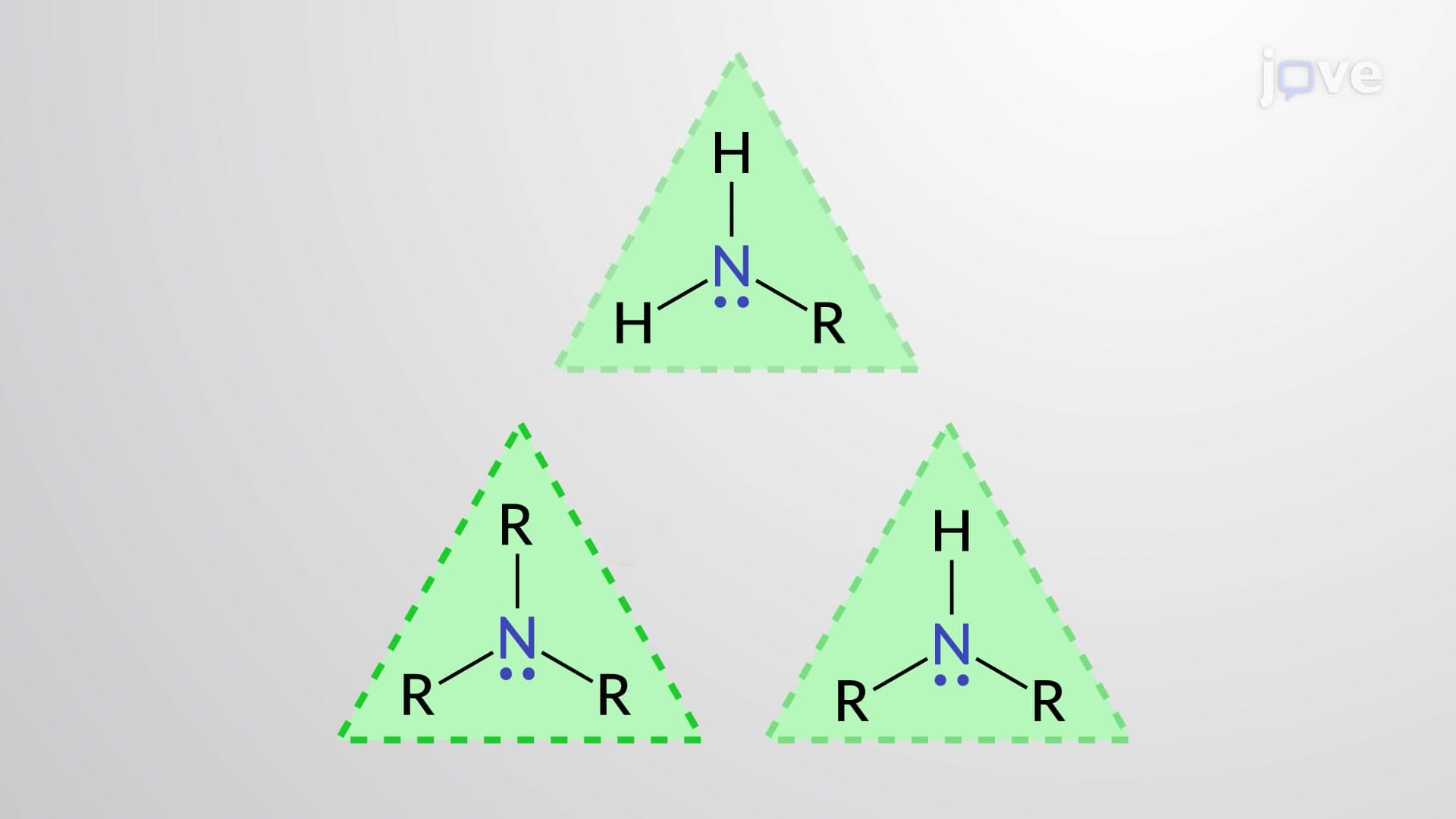
Amide reduction offers precise control over amine class through strategic nitrogen substitution. Primary amides (RCONH2) reduce to primary amines, secondary amides (RCONHR') yield secondary amines, and tertiary amides (RCONR'R'') produce tertiary amines. This predictable relationship allows chemists to design synthetic routes targeting specific amine types.
Unlike nitrile reduction, amide reduction preserves the carbon skeleton length. The carbonyl carbon becomes the carbon bearing the amino group, making this approach ideal when carbon chain extension is undesirable. Industrial applications include synthesizing local anesthetics like lidocaine, where precise amine substitution patterns determine biological activity.
These reductions frequently appear on MCAT passages testing mechanistic understanding and synthetic planning. Students must recognize when carbon chain extension (nitrile route) versus preservation (amide route) serves synthetic goals. Practice problems often present target molecules requiring students to work backwards, identifying optimal starting materials and reduction pathways.
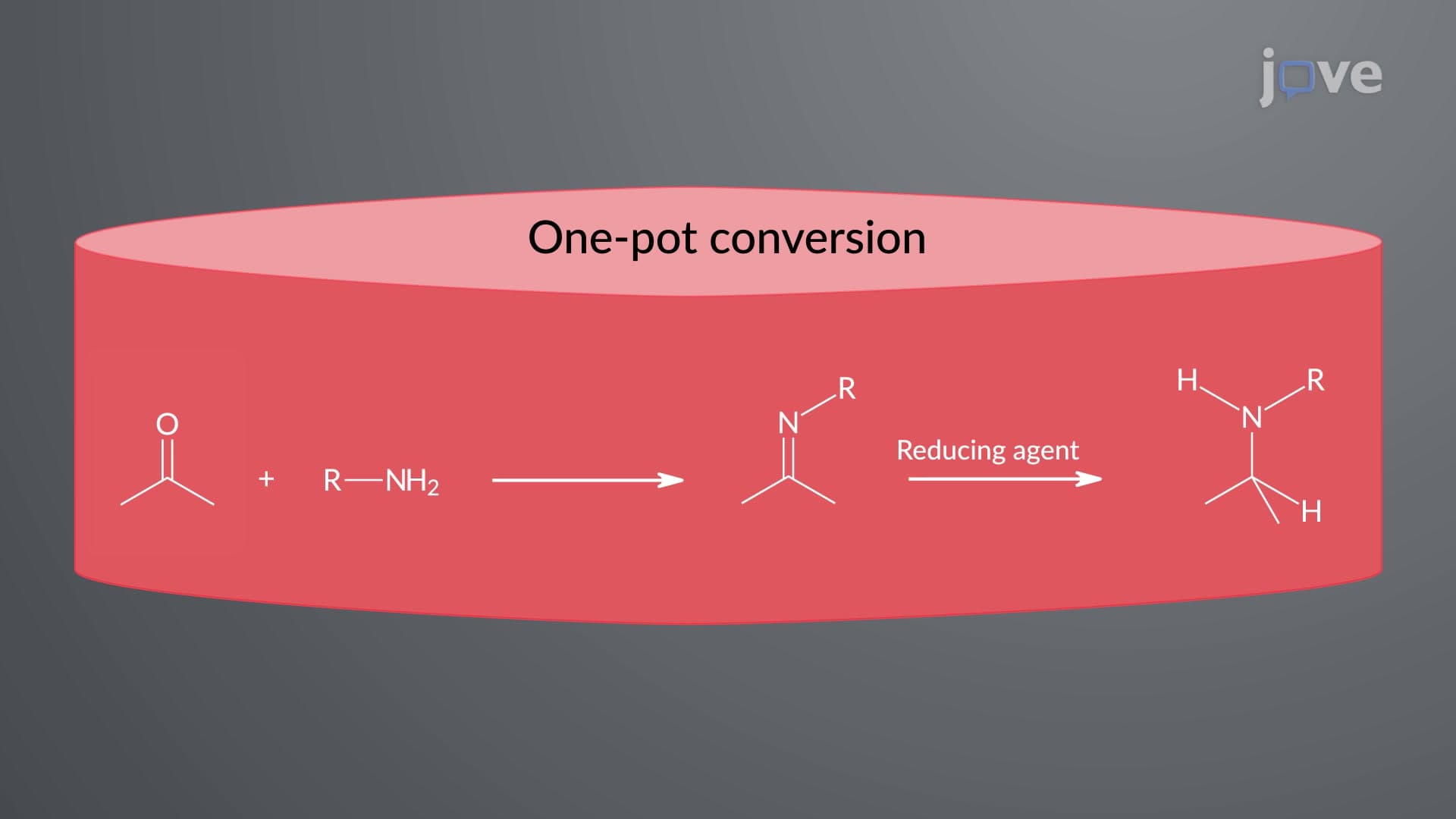
Real-world applications span pharmaceutical manufacturing, where companies like Pfizer and Merck employ these transformations in drug production. Understanding these reactions also provides foundation for advanced topics including reductive amination and protecting group strategies in complex molecule synthesis.
Related Micro-courses