Loading subject page…


119,803 views

Video Summary: What are Basicity of Aliphatic Amines
Did you know that the cleaning power of household ammonia is actually weaker than many organic compounds found in pharmaceuticals? The basicity of aliphatic amines explains why methylamine and other alkyl-substituted amines are stronger bases than ammonia itself. For instance, the antihistamine diphenhydramine (Benadryl) contains tertiary amines that exhibit unique basicity patterns due to both electronic and steric effects. These fundamental principles govern drug design and industrial chemical processes across the United States. Watch the full video on JoVE Coach to master this concept with expert-led visuals and step-by-step explanations.
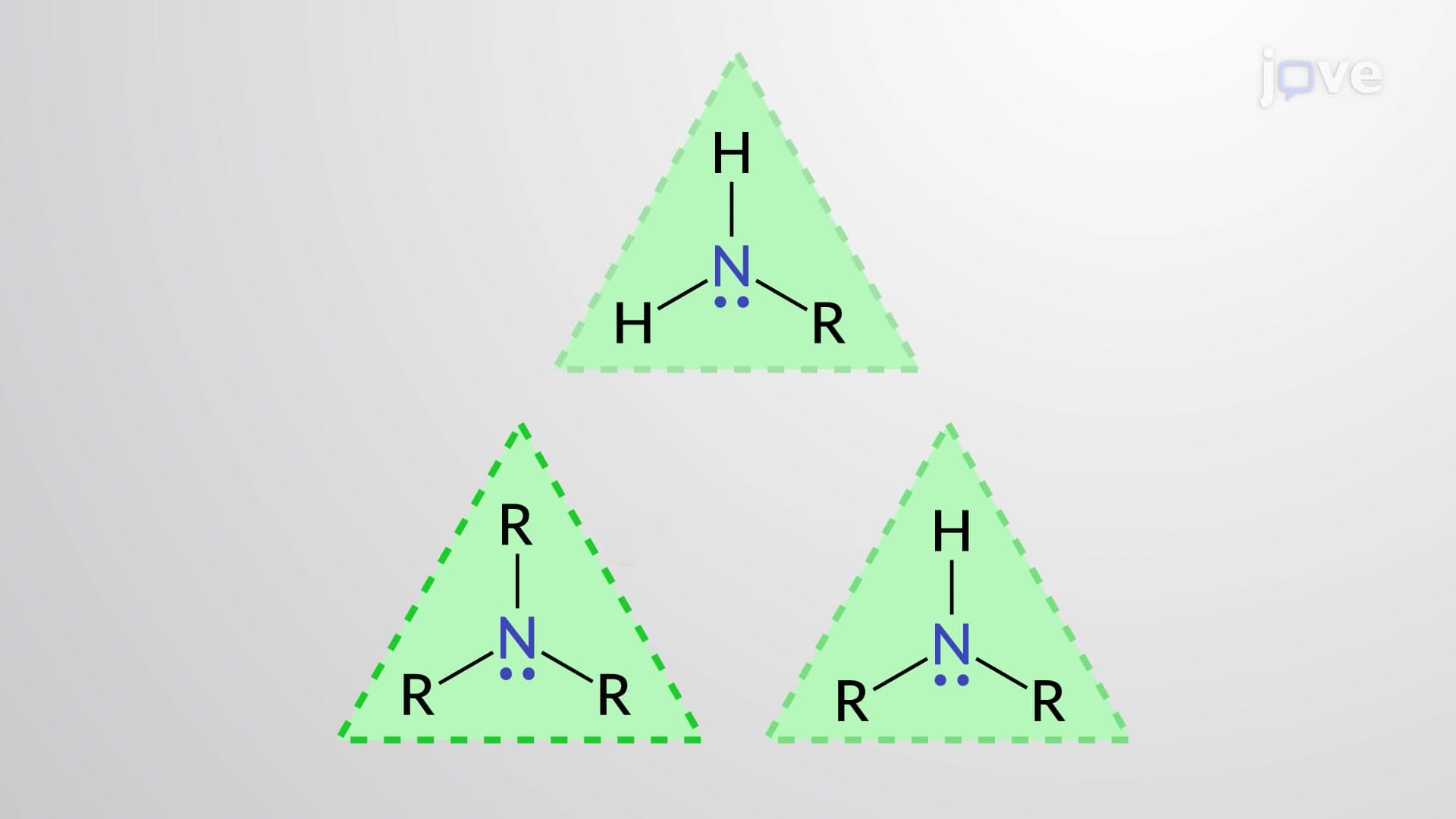
The basicity of aliphatic amines represents a fundamental concept in organic chemistry that explains how these nitrogen-containing compounds interact with acids. Unlike their aromatic counterparts, aliphatic amines-compounds where nitrogen is bonded to alkyl groups rather than aromatic rings-demonstrate significantly enhanced basic properties. This enhanced basicity stems from the electron-rich environment created by alkyl substituents, making these compounds crucial in pharmaceutical development, industrial synthesis, and biological systems throughout the United States.
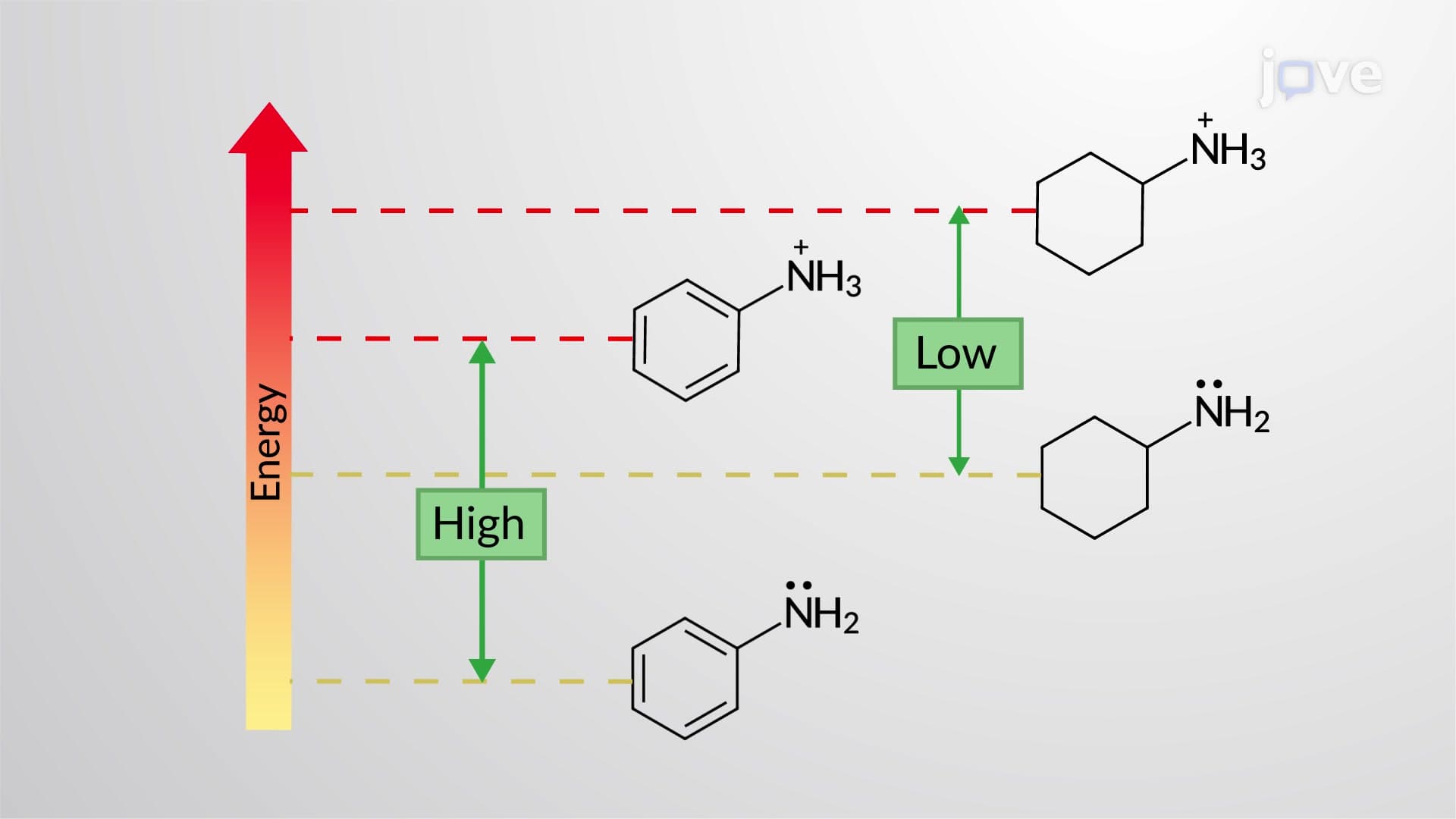
Aliphatic amines function as Brønsted-Lowry bases by accepting protons (H+) from acids, forming positively charged alkylammonium ions. The strength of this basic behavior is quantified through pKa values of the resulting conjugate acids. A higher pKa value indicates a weaker conjugate acid, which corresponds to a stronger original base. For example, methylamine (CH3NH2) has a pKa of approximately 10.6, while ammonia (NH3) has a pKa of 9.25, clearly demonstrating that methylamine is the stronger base. This relationship becomes critical when students encounter AP Chemistry exams or college organic chemistry courses, where predicting acid-base reactions requires understanding these numerical relationships.
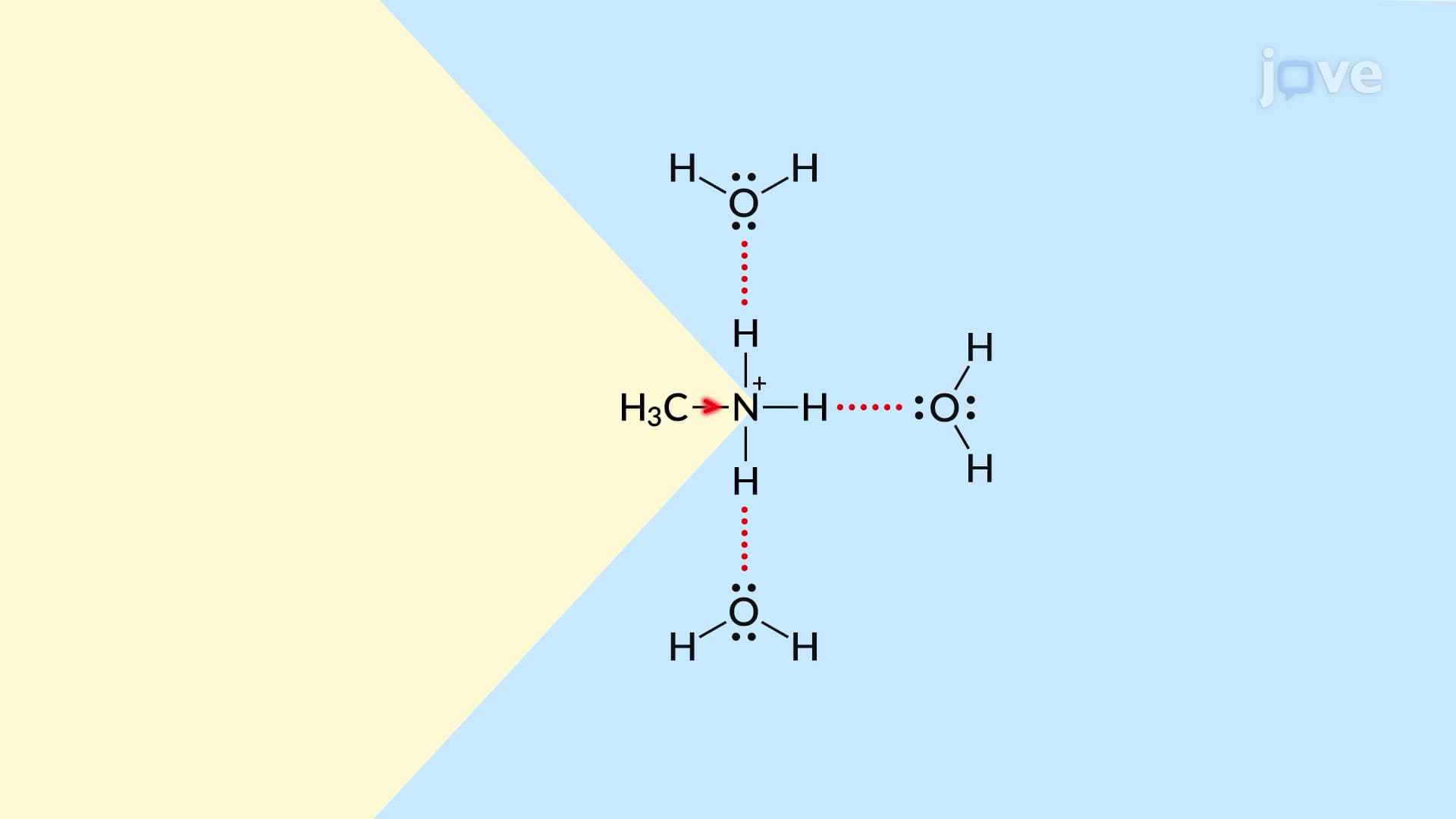
The superior basicity of aliphatic amines compared to ammonia results primarily from inductive effects. Alkyl groups are electron-donating through sigma bonds, creating electron density that helps stabilize the positive charge on the resulting ammonium ion. This stabilization occurs through partial delocalization of the positive charge across the carbon-nitrogen bonds. In pharmaceutical applications, this principle guides the design of basic drugs like local anesthetics (lidocaine, procaine) commonly used in US medical practices, where the amine groups must be sufficiently basic to exist in both protonated and unprotonated forms at physiological pH.
While inductive effects favor increased basicity with more alkyl substituents, solvation effects create complications. Primary and secondary amines can form extensive hydrogen bond networks with water molecules, stabilizing their conjugate acids. However, tertiary amines face significant steric hindrance that prevents effective solvation of their bulky alkylammonium ions. This explains why secondary aliphatic amines often exhibit the highest basicity-they benefit from both strong inductive effects and adequate solvation capability. Students preparing for the MCAT or advanced placement chemistry exams should recognize this non-linear trend, as it frequently appears in comparative basicity problems and pharmaceutical chemistry contexts.
Related Micro-courses